Luggage and Ski Transport on Swiss Public Transport
Anyone who's attempted to navigate the bustling platforms of Zürich Hauptbahnhof or squeezed onto a crowded PostBus heading up to a charming Alpine village with more than just a backpack knows the sheer panic and frustration that can set in. Hauling oversized luggage, ski bags, or even a child's stroller through the impeccably efficient but sometimes space-constrained Swiss public transport system is a unique challenge for us expats and visitors alike. This guide is here to unravel the mysteries of getting your gear—from everyday suitcases to those precious skis—from A to B without losing your sanity or incurring the silent judgment of fellow passengers.
The Reality of Traveling with Gear on Swiss Public Transport
When you first arrive in Switzerland, you quickly learn that public transport isn't just a way to get around; it's a way of life. The trains, buses, and boats are incredibly punctual and efficient, but they operate under certain unspoken rules and spatial realities that can catch newcomers off guard, especially when it comes to luggage.
Why It's Different from Other Countries
Unlike some countries where train carriages have massive luggage racks or designated baggage cars, Switzerland’s public transport, particularly the SBB (Swiss Federal Railways), is primarily designed for commuters and leisure travelers carrying personal, manageable items. You won't find expansive luggage vans on every route. The focus is on quick boarding and alighting, and bulky items can easily impede this flow. Picture this: you’re trying to squeeze your large suitcase onto a packed InterCity train during rush hour, and there’s barely enough room for you, let alone your enormous bag. The side-eyes from your fellow passengers, though silent, will be deafening. It’s not about being rude; it’s about ingrained Swiss efficiency and consideration for shared space. This cultural aspect is crucial to understand – your oversized bag isn’t just an inconvenience to you; it can genuinely disrupt the flow for others. The infrastructure, especially on older lines or mountain railways, simply isn't built for excessive baggage, with narrow aisles and limited overhead space.
The "Carry-On" Mentality: What the Swiss Expect
The default expectation on Swiss public transport is that you carry your own luggage, and it should be of a size and weight that you can manage independently. This typically means one or two medium-sized suitcases at most, plus a personal item. If you can't lift it into an overhead rack or onto a designated luggage area (which are often quite small, nestled between seats or at the ends of carriages), it’s considered too big. Many trains have small zones marked for luggage, often near the doors or sometimes on the upper deck of double-decker trains. However, these fill up quickly, especially on popular routes or during peak travel times. For example, if you're planning a trip using a platform like Omio, it's wise to consider your luggage strategy before you even book your tickets, as the cheapest option might involve multiple changes on smaller trains where space is truly at a premium. Don't assume you can just "make it fit" – the Swiss value order and efficiency, and large, cumbersome items are seen as a deviation from that.
Luggage Solutions for Your Everyday Travel and Heavier Loads
So, what do you do when your life doesn't fit into a modest carry-on, or you simply don't want to wrestle with multiple bags after a long flight? Thankfully, Switzerland has a few excellent solutions, but they require planning.
Standard Luggage Allowance and Expectations
For personal travel, SBB allows you to bring your luggage free of charge, provided you can carry it yourself and it fits in the designated spaces. This typically means hand luggage and up to two pieces of larger luggage per person. A maximum dimension of 2 meters (length + width + height) and a maximum weight of 25 kg per item is generally the unofficial rule of thumb, but again, the practical limit is often defined by what you can comfortably maneuver. Remember that while some intercity trains have dedicated luggage areas, regional and local trains, particularly PostBuses, might only have space for a small backpack or suitcase by your feet. If you’re traveling with kids, their gear quickly adds up, so managing expectations about what you can physically haul is key. For those longer journeys, especially if you're coming directly from the airport or heading to a more remote destination, considering alternative services is almost always a better idea than hoping for ample space.
SBB Luggage Services: Door-to-Door and Station-to-Station
This is where the Swiss efficiency truly shines for those with heavier loads! SBB offers several fantastic services for transporting your luggage, taking the burden right off your shoulders.
- Door-to-Door Service (Gepäck-Special): Imagine your suitcases magically appearing at your hotel or apartment. That's essentially what this service does. SBB partners with logistics companies to pick up your luggage from your home or a specified address and deliver it to your destination address anywhere in Switzerland, usually within two days. This is an absolute lifesaver for families, older travelers, or anyone moving house. While it comes with a cost, the peace of mind is often priceless. Just ensure you book it well in advance, as last-minute requests aren't always possible. This service works wonders when you've booked your stay through platforms like Booking.com and want your bags waiting for you upon arrival.
- Station-to-Station Service (Reisegepäck): A more traditional option, you drop your luggage off at a staffed SBB station and pick it up at another. This is typically faster than door-to-door, often available for collection the next day, sometimes even the same day if you drop it off early enough for specific connections. It's a great option if you plan to explore a city hands-free for a day or two before heading to your final destination. Always check the specific station's opening hours for luggage drop-off and collection, as they can vary wildly, especially in smaller towns.
- Express Luggage: For those truly in a pinch, SBB offers an express service where luggage dropped off by a certain time in the morning can often be collected at selected major stations later the same day. This is the fastest, but also the most expensive, option.
These services mean you can hop on and off trains with just a day pack, truly enjoying the scenic routes. This freedom is a game-changer, whether you're using a Generalabonnement (GA) Worth the CHF 4000+ Cost? or just a Half-Fare Travelcard (Halbtax): The Must-Have Pass for Swiss Residents for your journey.
Exploring Third-Party Luggage Services and Couriers
Beyond SBB, a few private courier services operate within Switzerland that can also handle larger items or offer more flexible pick-up/drop-off times. While SBB's integrated network is usually the most convenient for rail travel, if you have very specific needs or are moving particularly bulky items that don't fit SBB's standard luggage rules, a private courier might be your answer. Companies like DPD or Swiss Post also offer various parcel services that can be used for larger items, though these are typically more geared towards traditional parcel delivery rather than traveler-focused luggage transport. Always compare costs and delivery times, as private services can sometimes be pricier or have less integrated networks. Some tour operators, especially those offering multi-day hikes or cycling tours, also provide their own luggage transfer services between hotels, so always inquire when booking a package.
Navigating Ski and Snowboard Transport on Trains and Buses
Ah, the glorious Swiss winter! But with it comes the challenge of getting your skis, snowboard, boots, and poles to the mountain. This is a special category of bulky luggage that requires extra thought.
Personal Carry-On Rules for Skis
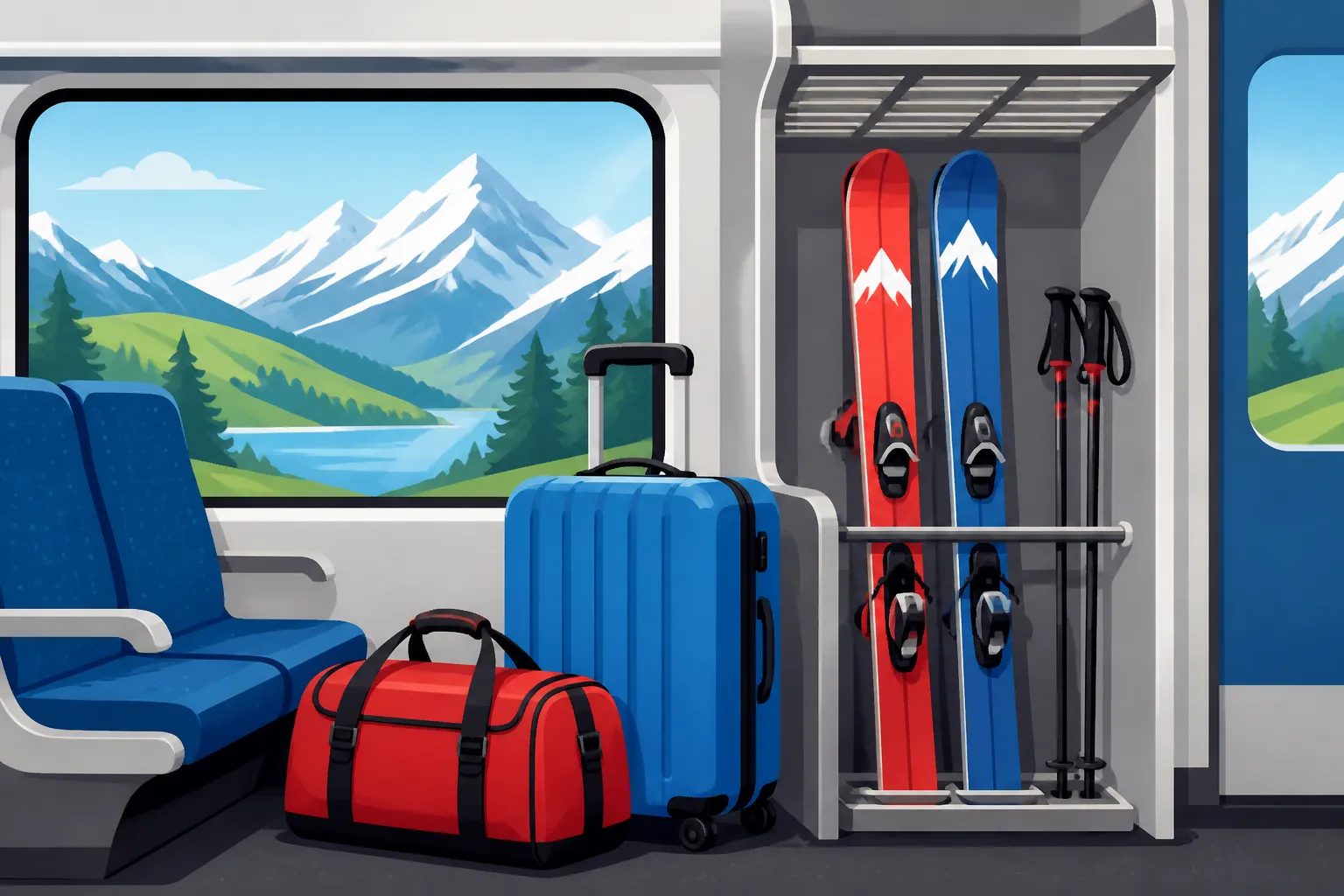
If you're traveling with just a single pair of skis or a snowboard, you can usually take them on the train with you, but there are rules and unspoken courtesies. They should be carried in a protective bag, and you are expected to place them in designated ski/snowboard racks if available, or stand them upright in a less intrusive corner of the carriage, ensuring they don't block aisles or doors. On crowded trains, this can be extremely difficult and can draw those aforementioned silent glares. Think twice before trying to squeeze onto a packed regional train from Interlaken to Grindelwald with your full ski gear on a Saturday morning during peak season. It's simply not practical or polite. Smaller mountain railways and gondolas are often more accustomed to skis, but even there, space can be limited, especially if you're traveling during school holidays.
SBB Ski Express and Dedicated Transport Services
Luckily, SBB understands the lure of the slopes and offers dedicated services to make your winter sports travel easier.
- SBB Ski Luggage Service (Ski & Snowboard): Similar to general luggage services, you can send your skis or snowboard (including boots and poles, typically bundled together) from your home or an SBB station directly to many popular ski resorts. This is incredibly convenient. Your gear will usually be available for collection at the resort's train station or sometimes even directly at your hotel, often by the next day. This is highly recommended for families or groups with multiple sets of equipment.
- SBB Snow'n'Rail Offers: These combined offers often include your train journey, ski pass, and sometimes even the ski transport service, all at a discounted rate. It's worth checking these packages if you're planning a trip to a specific resort. You might find a great deal, especially if you're trying to figure out the Cheapest Way to Ski for a Day from Zurich Without a Car or from another major city.
- Bus Connections to Resorts: Once you arrive at the nearest train station to your ski resort, you'll often transfer to a PostBus. These buses are usually equipped with ski racks on the outside or dedicated luggage compartments for ski bags. However, capacity is still finite, so arriving early is always a good strategy.
When booking your ski trip, whether through a travel site like GetYourGuide for experiences or directly with SBB, always look for these integrated ski transport options. They exist for a reason and significantly reduce the hassle.
Practical Tips for Resort-Bound Travel with Gear
- Rent Gear at the Resort: Honestly, for many expats, especially beginners, renting skis or snowboards directly at the resort is often the most practical and cost-effective solution. It eliminates all transport headaches, and you often get newer, well-maintained equipment. Plus, it frees you up to enjoy the stunning views on your way up. Check out our guide on Renting Ski Equipment in Switzerland: Costs and Where to Book for more insights.
- Utilize Hotel Transfers: Many hotels and chalets in ski resorts offer a shuttle service from the nearest train station. Confirm this when you book your accommodation (perhaps through Booking.com) and inquire about their ability to handle ski bags.
- Pack Smart: Invest in a good quality, padded ski bag or snowboard bag. This protects your gear and makes it easier for handlers.
- Consider Off-Peak Travel: If possible, avoid traveling to ski resorts on Saturday mornings and returning on Sunday afternoons. These are peak times, and trains will be packed, making personal ski transport even more challenging.
Essential Tips for Stress-Free Transport
Navigating Swiss public transport with your belongings doesn't have to be a nightmare. With a little foresight, you can make the experience smooth and enjoyable.
Packing Smart: Investing in the Right Gear
The right luggage can make all the difference. While a monster suitcase might work for airport transfers, for train travel, especially if you plan to self-carry, consider these:
- Wheeled Luggage: Obvious, but essential. Make sure the wheels are sturdy and can handle cobblestones if you have a short walk to your accommodation.
- Compact Backpacks/Duffels: For smaller items or a quick Day Trip to the Swiss Alps, a comfortable backpack is invaluable. It keeps your hands free for tickets, coffee, or even helping others.
- Protective Cases for Skis/Snowboards: Don't just strap your skis together. A proper padded bag protects your equipment and prevents damage to other passengers or property.
- Modular Packing: If you have multiple items, can you consolidate? Use compression bags for clothing to minimize bulk.
Remember, every item you bring is something you'll have to lift, push, pull, or carry. Less is truly more when it comes to Swiss public transport.
Timing is Everything: Avoiding Peak Hours
This cannot be stressed enough. Swiss trains can get incredibly busy during commuter hours (roughly 6:30-8:30 AM and 4:30-6:30 PM on weekdays) and during popular weekend travel times (Friday evenings, Saturday mornings, Sunday afternoons). If you're traveling with substantial luggage or ski gear, try to schedule your journeys outside these periods. Mid-morning or early afternoon on a weekday will often provide a much more relaxed experience with more space. Checking the SBB app for real-time occupancy estimates can also be a lifesaver. You can often see which connections are expected to be crowded and adjust your plans accordingly.
Booking and Planning Ahead for Specialized Services
The key to a stress-free experience lies in planning. If you know you'll have more than just a backpack, start thinking about your luggage strategy as soon as you book your trip.
- Check SBB's Website: The SBB website has all the details on their luggage and ski transport services, including prices, delivery times, and eligible stations.
- Book Early: Especially for door-to-door or express services, booking in advance is crucial. Don't wait until the day before!
- Hotel Coordination: If you're using a hotel as a drop-off or pick-up point, confirm with them beforehand that they are happy to receive or send your luggage. A quick email to the concierge can prevent a lot of headaches.
- Ticket Integration: When you're using booking platforms like Omio, remember that the ticket price only covers your passage, not necessarily the convenient transport of oversized items. Factor in the cost and logistics of luggage services separately. This foresight helps avoid unexpected surprises and ensures your journey through Switzerland is as smooth and enjoyable as possible.
Traveling in Switzerland, especially during the gorgeous winter months or when simply enjoying a leisurely journey, is an unparalleled experience. By understanding the local expectations and utilizing the fantastic services available, you can focus on the breathtaking scenery and cultural immersion, rather than wrestling with your bags. You might also find our guides on Winter Travel Tips: Staying Safe and Warm in the Swiss Alps and What to Pack for a Day Trip to the Swiss Alps helpful for your adventures. For more detailed information on specific routes, consider exploring how to maximize Saver Day Pass (Spartageskarte): How Residents Save on Day Trips or learning more about Taking Bicycles on Swiss Trains: Mandatory Reservations and Velo Tickets if you're an avid cyclist.
Comparison of Swiss Luggage Transport Options
| Service Type | Cost (Approx. CHF) | Convenience | Speed / Delivery Time | Best For | Limitations / Notes |
|---|---|---|---|---|---|
| Personal Carry-On | Free | High (if manageable) | Instant | Light travelers, backpacks, single suitcases | Limited space, can be cumbersome, cultural expectation of courtesy |
| SBB Station-to-Station | 12-20 per item | Medium (drop/pick at station) | Next-day (sometimes same) | Heavier bags, families, multi-stop trips | Station opening hours, may require carrying to/from station |
| SBB Door-to-Door | 30-50 per item | Very High (pick-up/delivery at address) | 2 days | Large loads, move-ins, families, convenience | More expensive, requires booking in advance |
| SBB Ski & Snowboard Service | 20-35 per item | High (specific resort delivery) | 1-2 days | Ski/snowboard gear to resorts | Requires special packaging, specific resort eligibility |
| Private Couriers | Varies, often higher | Varies by service, can be flexible | Varies | Non-standard items, specific delivery windows | Less integrated with public transport, higher cost |
| Rental at Resort | Varies by gear | Extremely High (no transport needed) | Instant (at resort) | Beginners, casual skiers, avoiding transport hassle | Adds to overall trip cost, no personal equipment |
Disclaimer
The information provided in this guide is intended for general informational purposes only and is subject to change. While we strive to provide accurate and up-to-date information, rules and regulations regarding luggage transport, particularly those set by SBB, can be updated at any time. We strongly recommend checking the official SBB website or contacting their customer service directly for the most current details, prices, and specific terms and conditions before planning your journey. We are not responsible for any inconveniences or expenses incurred based on outdated information.