Visiting the Lauberhorn or Other Swiss Ski World Cup Races
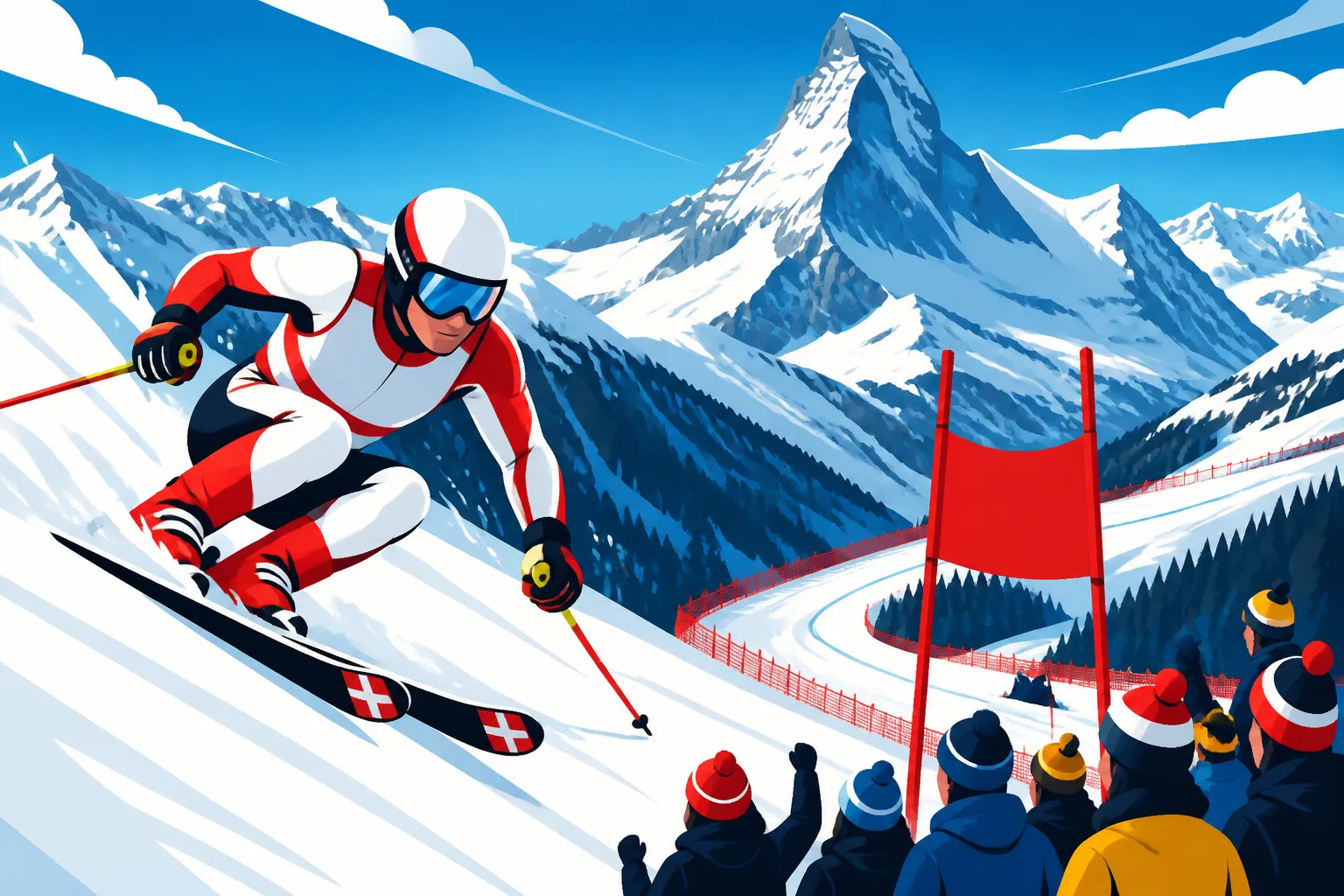
Oh, the Swiss Ski World Cup races! If you're anything like I was when I first moved here, the idea of attending one conjures images of majestic mountains, thrilling speed, and maybe a slight panic attack about how you'll actually get there and what to expect. These aren't just sporting events; they're full-blown cultural experiences, and navigating them can feel like deciphering an ancient Alpine dialect. This guide is here to cut through the confusion and equip you with all the insider tips to truly enjoy the electrifying atmosphere of a World Cup race, whether it's the legendary Lauberhorn or another fantastic venue.
Getting to the Heart of the Action: Logistics and Travel
One of the biggest hurdles, and often the most underestimated, for attending a Swiss Ski World Cup race is simply getting to the venue. Unlike many sporting events with straightforward stadium access, these races often take place high in the Alps, requiring a bit more strategic planning and a whole lot of patience. Trust me, showing up without a plan is a recipe for a very cold, frustrating day.
The Car-Free Zone Challenge: Wengen and the Lauberhorn
The Lauberhorn race, arguably the most iconic downhill on the World Cup circuit, takes place above the picturesque, car-free village of Wengen. This is a crucial detail many newcomers overlook. You cannot drive directly to Wengen. Full stop. Your journey will begin in Lauterbrunnen, a stunning valley town famous for its waterfalls.
From Lauterbrunnen, you’ll need to take the Wengernalpbahn train up to Wengen. On race days, especially for the downhill and slalom, these trains run constantly, but they are packed. I mean, shoulder-to-shoulder, ski-gear-poking-you-in-the-eye packed. It’s part of the experience, honestly, but it’s not for the faint of heart or those who dislike crowds. You’ll be sharing carriages with passionate fans, often decked out in their national colors, bells ringing, and the anticipation building. Special trains are often added by SBB for these major events, but they still operate on a strict schedule and capacity. My advice? Arrive early, mentally prepare for a bit of a squeeze, and consider buying your train tickets in advance or having a The Half-Fare Travelcard (Halbtax): The Must-Have Pass for Swiss Residents ready to go. The views on the way up, though, are truly breathtaking, so try to snag a window spot if you can. For anyone considering other scenic journeys by rail, check out our guide on Switzerland by Train: The SBB Network, Scenic Routes, and Day Trips for more fantastic routes.
Navigating Other World Cup Race Locations
While Wengen poses a unique car-free challenge, other popular Swiss World Cup venues have their own logistical quirks. Take Adelboden, for instance, known for its thrilling giant slalom on the Chuenisbärgli slope. Adelboden is generally more accessible by car, though parking will be a nightmare on race days, often requiring you to park far outside the village and take a shuttle. Crans Montana, another regular on the women's circuit, also has more traditional access routes, but again, expect heavy traffic and full public transport.
The common thread across all these events is that "planning ahead" isn't just a suggestion; it's an absolute necessity. Whether you’re relying on your own car, or planning to use Switzerland's excellent Public Transport in Switzerland: SBB, GA, Half-Fare Cards, and Commuting, it's vital to check the official event website for specific travel recommendations, shuttle services, and road closures. Sometimes, using an online booking platform like Omio can help you sort out your train tickets from a larger city like Bern or Interlaken to these smaller race towns well in advance, saving you a scramble on the day itself. Remember, everyone else has the same idea, so beating the rush is your best defense against travel headaches.
Securing Your Spot: Tickets and Viewing Experience
Once you've wrapped your head around the transport, the next big question is: how do you actually get in and where do you stand to see anything? It's not like a football stadium where every seat offers a clear view. Here, you're often contending with natural terrain, fellow spectators, and, let's be honest, strategically placed trees.
Where and When to Buy Tickets
For most Swiss Ski World Cup races, you'll find a few different ticket categories. The most common are the standing room (Stehplatz) tickets, which are usually the most affordable and offer a true fan experience. Then there are the grandstand (Tribüne) tickets, offering a more comfortable, sometimes seated, view, often near the finish line. Finally, for those looking for the ultimate experience, VIP packages are available, usually including catering and prime viewing spots.
My strongest advice here is to buy your tickets early. Especially for events as popular as the Lauberhorn downhill or the Adelboden giant slalom, tickets can sell out months in advance. Head straight to the official event website for the best prices and selection. Don't be tempted by unofficial resellers unless you know them well; there's always a risk of inflated prices or, worse, fake tickets. While GetYourGuide might offer some experience packages that include tickets, for the race entry itself, the official organizers are your go-to. If you’re planning other alpine adventures, you might find our guide on What to Pack for a Day Trip to the Swiss Alps useful for general preparedness, regardless of whether you're racing or spectating.
The Best Viewing Spots for the Lauberhorn Downhill
The Lauberhorn downhill is legendary for a reason – it’s the longest race on the World Cup circuit, with iconic sections that challenge even the best skiers. Choosing your viewing spot can make or break your day.
- The Hundschopf: This is the most famous jump on the Lauberhorn, where skiers launch themselves into the air. It’s a spectacular sight, but getting close means an early start and a good hike. The energy here is incredible, as fans react to every jump.
- The Canadian Corner: Another high-speed, technical section. Again, prepare for a hike and an early arrival to claim your vantage point.
- The Ziel-S (Finish Line Area): This is where most of the grandstand seats and official fan zones are located. You’ll get to see the racers cross the finish line, catch the medal ceremonies, and be right in the middle of the party. It’s less about seeing the full run and more about the collective excitement and celebration.
- Along the Course (Standing Room): Many people just find a spot along the course, often near a giant screen showing the full broadcast. These spots require patience and good judgment to secure a clear view, but they offer a great sense of being immersed in the vastness of the race.
No matter where you choose, remember that the best spots fill up hours before the race actually starts. If you want a good view of a specific section, you’ll need to arrive incredibly early, perhaps even before the first rays of sun hit the slopes. This is where a pre-booked package through a service like GetYourGuide, if available, could simplify things by guiding you to prime locations, though it will come at a premium.
Soaking in the Alpine Atmosphere: Race Day Vibe
Attending a Swiss Ski World Cup race isn't just about watching the athletes; it's about immersing yourself in a vibrant, high-energy festival atmosphere. The entire mountain comes alive, buzzing with anticipation, cheers, and the distinct aroma of Glühwein and grilled sausages.
More Than Just a Race: The Festival Atmosphere
Forget quiet contemplation; these races are a party! From the moment you step off the train in Wengen or arrive in the fan zone in Adelboden, you're enveloped in a palpable excitement. Music blares, giant screens show replays and interviews, and the crowd, a mix of locals and international fans, is in high spirits. It's a fantastic place to experience Swiss national pride, especially if a local hero is doing well. You'll see Swiss flags everywhere, hear cowbells clanging, and witness spontaneous bursts of yodeling (yes, really!).
Food stalls are plentiful, offering classic Swiss fare like grilled Bratwurst with crusty bread and mustard, hearty cheesy pasta, and, of course, steaming mugs of Glühwein to keep you warm. It's an essential part of the experience, a communal warming ritual. Don't hesitate to dive in and try the local specialities – for more on this, our guide to Swiss Food and Drink Culture: Regional Specialties and Dining Etiquette provides a deeper dive into the gastronomic landscape, and for winter treats, you can't beat Glühwein and Winter Market Food in Switzerland. This is truly a full-day event, extending long after the last skier crosses the finish line, with live bands, DJ sets, and celebrations continuing into the evening.
Practical Tips for a Smooth Experience
To truly enjoy the festivities, a little preparation goes a long way.
- Dress in Layers, and Then Add More Layers: You are in the mountains in winter. Temperatures can fluctuate wildly. Think thermal underwear, fleece, a waterproof and windproof outer shell, warm hat, gloves, and waterproof boots. Standing for hours in the snow can be brutally cold if you're not properly dressed.
- Cash is King (Sometimes): While many vendors accept card payments, having some Swiss Francs in small denominations is always a good idea, especially at smaller food stalls or for quick purchases.
- Stay Hydrated: Even in cold weather, it's easy to get dehydrated, especially if you're enjoying some Glühwein. Bring a water bottle or be prepared to buy drinks.
- Patience is a Virtue: Expect crowds, queues for food, and potential delays with public transport, especially when leaving the venue. Embrace it as part of the experience rather than letting it frustrate you.
- Know the Schedule: While the main race is the highlight, there are usually training runs, awards ceremonies, and other events throughout the day. Check the official schedule so you don't miss anything.
Making a Weekend of It: Beyond the Race
If you've travelled all this way, why not make a proper weekend out of it? The Swiss Alps in winter offer so much more than just ski racing. Turning your race day into a mini-vacation can greatly enhance your experience, allowing you to relax and truly soak in the stunning surroundings without the rush.
Accommodation Options
Finding a place to stay for a World Cup race weekend can be tricky, as popular towns book up incredibly fast and prices surge.
- Wengen: Staying directly in Wengen is magical. You're right in the heart of the action, with charming hotels and incredible views. However, it's also the most expensive option and books up months, sometimes a year, in advance. If you have your heart set on Wengen, start looking as soon as the race dates are announced.
- Lauterbrunnen, Grindelwald, or Interlaken: These nearby towns offer more diverse accommodation options and are generally more affordable than Wengen. Lauterbrunnen is the gateway to Wengen, making it convenient. Grindelwald offers fantastic access to other ski areas like Interlaken to Grindelwald and Wengen and is a vibrant hub itself. Interlaken, a larger town at the base of the mountains, has the most choices, but requires a longer train journey to get to Wengen.
- Booking Early: No matter where you decide to stay, advanced booking is paramount. Platforms like Booking.com are invaluable here. They often have filters for specific locations and dates, allowing you to compare prices and availability far ahead of time. I’ve personally found myself scrambling for rooms during peak events, so learn from my mistakes! Our guide on Booking Hotels in Switzerland: Best Times and Platforms offers more tips on securing your stay.
Exploring the Region Beyond Race Day
Once the race is over, the fun doesn't have to stop. The Jungfrau Region, where Wengen and Lauterbrunnen are located, is a winter wonderland.
- Skiing and Snowboarding: Many people come for the races but stay to hit the slopes themselves. The Jungfrau Ski Region offers hundreds of kilometers of pistes for all levels. If you're looking to hit the slopes, our guide on Skiing in Switzerland: Resorts, Passes, and Costs for Residents will come in handy.
- Winter Hiking and Snowshoeing: For non-skiers, there are numerous prepared winter hiking trails with stunning panoramic views. Imagine strolling through a pristine snowy landscape, far from the crowds. Even if you're just looking for a general overview, checking out Switzerland in Winter: Snow Sports, Markets, and Alpine Towns can inspire more ideas.
- Jungfraujoch – Top of Europe: This iconic attraction is a major draw in the region. However, if you're there for race day, I'd strongly advise against trying to combine both. It's a full-day excursion in itself, and you'll want to save your energy (and money!) for the race. Consider it for another day, or even a different trip. For more details on this, including considerations for bad weather, see Is the Jungfraujoch Trip Worth It in Bad Weather?.
- Relax and Rejuvenate: After a long, exciting, and perhaps chilly day at the race, consider finding a cozy restaurant in your chosen town, enjoying a traditional Swiss meal, and simply soaking in the serene mountain atmosphere. Many hotels offer spa facilities that are perfect for unwinding.
Going to a Swiss Ski World Cup race is an unforgettable experience. It's a celebration of sport, culture, and the incredible beauty of the Alps. With a little planning and an open mind, you'll be able to navigate the logistics and fully embrace the unique energy that these events offer.
| Race Venue | Key Race Types | Accessibility Notes (Race Days) | Best for | Typical Atmosphere |
|---|---|---|---|---|
| Lauberhorn (Wengen) | Downhill, Slalom | Car-free; Train from Lauterbrunnen essential, very crowded. | Iconic downhill, traditional alpine charm, lively fan zones. | Festive, traditional, passionate |
| Adelboden | Giant Slalom, Slalom | More accessible by car/bus, but limited parking; shuttle services. | Steep, challenging GS; huge, energetic crowd at the finish. | Energetic, party-like, younger |
| Crans Montana | Downhill, Super-G | Generally good public transport/road access, but expect traffic. | Women's speed events, glitzy resort feel, strong local support. | Chic, vibrant, community-focused |
Disclaimer
The information provided in this guide is for general informational purposes only and is based on typical conditions and practices in Switzerland. While I strive to keep the information up-to-date and accurate, event schedules, ticketing procedures, travel regulations, and local conditions can change rapidly. I strongly recommend checking official event websites, SBB travel information, and local tourism boards for the most current and specific details before planning your trip. Neither I nor this blog can be held responsible for any changes, cancellations, or inaccuracies that may occur. Travel safely and enjoy the races!