Late-Night Return Trains After a Day in the Mountains
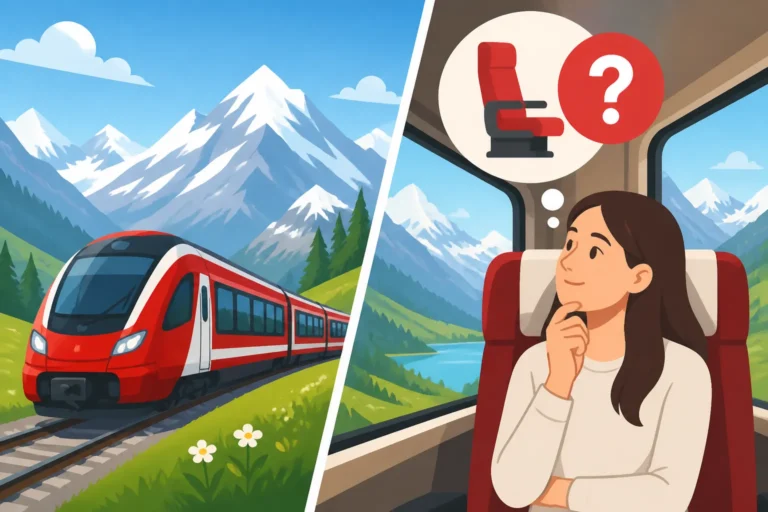
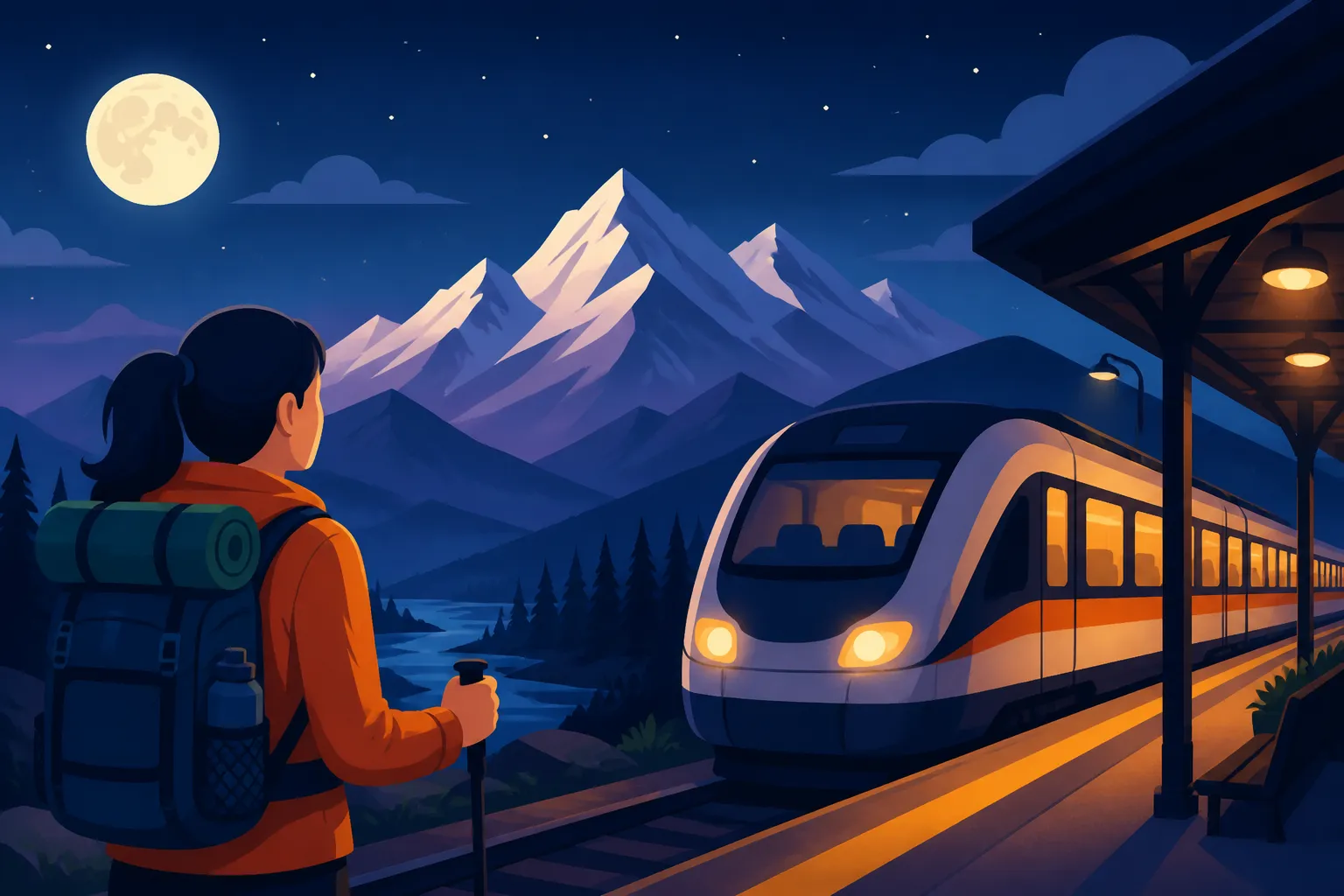
There’s nothing quite like spending a glorious day high up in the Swiss Alps, soaking in those breathtaking panoramas, maybe enjoying a fondue at a cozy mountain hut. But as the sun begins to dip behind the peaks, a familiar dread can creep in for us expats: "Am I going to make it back down to the valley and catch that last train?" Trust me, I've seen enough frantic dashes and heard enough tales of accidental overnight stays to know this is a real concern. This guide is here to shed light on navigating late-night return trains from Switzerland's stunning but sometimes tricky mountain landscapes, ensuring your alpine adventures end on a high note, not a stranded one.
The Reality of Swiss Public Transport and Mountain Hours
You might be used to the incredible punctuality and efficiency of the SBB, our national railway network. And yes, it is phenomenal! However, when you venture deep into the mountains, the rules of the game can subtly change, especially after dark. The key is understanding the hierarchy and operating hours of different transport types.
Mountain Transport vs. Mainline Trains: A Crucial Distinction
The biggest mistake many newcomers make is assuming that if SBB trains run until late, all mountain transport does too. Absolutely not. Those charming cogwheel trains, panoramic gondolas, and dizzying cable cars that whisk you up to the summits? They often operate on a completely different schedule. Most mountain lifts are designed to get people up and down during daylight hours, serving hikers, skiers, and day-trippers. Their last departures can be surprisingly early, sometimes as early as 4 PM or 5 PM in winter, or extending to 6 PM or 7 PM in peak summer.
Imagine this: you've just finished a fantastic Alpine Hike in Switzerland near Grindelwald, taken a million photos of the Eiger, and you’re relaxing with a well-deserved beverage at a mountain restaurant. You glance at your watch, it's 6 PM. "Plenty of time," you think, expecting to catch a train. But then you check the schedule for your specific cable car or cogwheel railway, and you see the last descent was at 5:45 PM. Panic sets in! This scenario is more common than you’d think. Always, always check the specific mountain transport schedule for your chosen peak before you even start your ascent. These schedules are highly seasonal and can change with little notice due to weather, maintenance, or low demand.
Understanding SBB Night Services and Regional Networks
While mountain transport winds down early, the main SBB network often runs much later, particularly between major hubs like Zurich, Bern, Geneva, and Basel. Many cities also have good local and regional night networks on weekends, sometimes extending past midnight or even offering very early morning connections.
However, there's a catch: the "Nachtzuschlag" or night surcharge. For certain late-night SBB connections, typically after midnight on Friday and Saturday nights (and sometimes other days depending on the region), you might need to purchase an additional "Nachtzuschlag" ticket on top of your regular fare. This is usually a flat fee, around CHF 5, and it's easily purchased through the SBB Mobile app or at ticket machines. If you get caught without it, you're looking at a penalty, so don't risk it! Keep in mind, this surcharge usually applies to trains designated as night trains or those running during specific late hours. It doesn't mean all trains after 10 PM have it. You'll typically be prompted by the SBB app if it's required for your chosen connection.
For local transport within cities and their immediate cantons, like Zurich's ZVV or Geneva's TPG, night buses or trams often run on specific routes on weekend nights. They might be less frequent than daytime services, but they exist. Again, checking the specific local transport app or website is crucial. Don't assume the bus route that runs every 10 minutes during the day has a similar service at 1 AM.
Planning Your Late-Night Mountain Escape
Successful late-night returns from the mountains aren't about luck; they're about meticulous planning. It might seem like overkill for a day trip, but trust me, it saves headaches (and money) later.
The Indispensable SBB Mobile App and Other Tools
Your smartphone, specifically the SBB Mobile app, is your absolute best friend when it comes to Swiss public transport. This app is incredibly robust and will provide real-time information, track delays, and even tell you which platform your train is on. More importantly, it integrates with most local and mountain transport providers. When planning a trip, enter your exact mountain destination (e.g., "Jungfraujoch" or "Gornergrat") and your final home address. The app will usually show you the full itinerary, including the mountain railways and cable cars.
Here’s the trick: when you search for connections, pay very close attention to the last few legs of your journey – the mountain-specific ones. Look for the "last connection" icon or manually scroll through the later times. If you see a gaping hole in the timetable after, say, 5:30 PM, that's your warning sign.
Other useful platforms include the websites of specific mountain resorts (e.g., Zermatt.ch, Titlis.ch, Jungfrau.ch), which will often have dedicated "operating hours" pages for their lifts. Third-party travel platforms like Omio can also be useful for visualizing complex routes and comparing different legs of a journey, especially if you're trying to figure out how to piece together connections from a remote mountain village to a major city. While the SBB app is king for real-time, Omio can sometimes offer a broader overview when you're in the initial planning stages.
Considering Seasonal Changes and Weather Conditions
Switzerland is a country of four distinct seasons, and public transport timetables reflect that. What runs until 7 PM in July might stop at 4 PM in November. Ski resorts, for instance, typically shut down their main lifts shortly after the slopes close for the day. Hiking trails might have extended gondola operations in high summer, but these quickly revert to shorter hours as autumn sets in.
Weather is another massive factor. Heavy snow, strong winds, thunderstorms, or even rockfalls can cause mountain transport to close entirely, or alter schedules dramatically, sometimes with very little warning. Always check the weather forecast for your specific mountain region on the day of your trip, and ideally, check the live status updates on the mountain railway's website or the SBB app before you start your descent. There's nothing worse than being stuck at the top because a sudden gust of wind has halted all gondolas. This is particularly true for higher, exposed peaks like the Schilthorn or the Matterhorn Glacier Paradise.
Emergency Back-Up Plans and Accommodation
Despite your best planning efforts, sometimes things just go sideways. A missed connection, an unexpected closure, or simply getting too engrossed in the scenery and losing track of time – it happens. Having a contingency plan can save you a lot of stress (and money).
The Costly Reality of Taxis
Let's be blunt: taxis in Switzerland are expensive. Like, eye-wateringly expensive. A taxi from a remote mountain village back to a larger train station after hours could easily set you back several hundred francs. For example, a taxi from a village like Lauterbrunnen back to Interlaken might be reasonable, but from a truly isolated spot up the mountain, it's a completely different story.
Only consider a taxi as a last resort. If you absolutely must take one, try to arrange it in advance if possible, or inquire about local taxi services (often listed at train stations or local tourist offices) who might offer slightly better rates than calling a general service. Sometimes, if you're with a group, sharing the cost can make it marginally more palatable.
The Unexpected Overnight Stay
This isn't always a bad thing! Sometimes, getting "stuck" in a charming mountain village for the night can turn into a delightful, unexpected adventure. However, it's best to be prepared. If you suspect your return might be tight, or if you're embracing the spontaneity of mountain life, consider looking up a few hotels or guesthouses in the area before you head up.
Websites like Booking.com are fantastic for this, allowing you to quickly check availability and prices for last-minute accommodation. Even if you don't book, knowing there are options can provide peace of mind. Some mountain huts (Berghütten) even offer simple overnight stays, which can be an authentic (and sometimes cheaper) experience, though these usually require booking in advance. Think of it as embracing the local culture for a night!
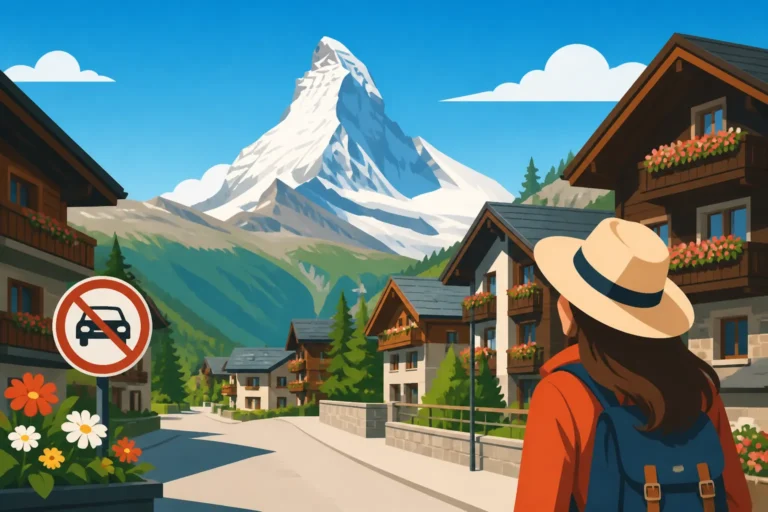
For example, if you're exploring the Zermatt area, and you realize you've missed your last Gornergrat train, staying in Zermatt overnight rather than trying to figure out a taxi to a distant town is usually the smarter (and more enjoyable) move. Finding a hotel quickly through Booking.com or similar apps can turn a potential disaster into a quaint evening in a car-free village.
Leveraging Technology and Travel Packages
Modern tools and structured tours can significantly reduce the risk of being stranded and help you enjoy your mountain day to the fullest.
Beyond the SBB App: Local Transport and Mountain Websites
While the SBB app is paramount for overall journey planning, don't forget to dive into the specific apps or websites for local cantonal transport networks. For instance, if you're exploring the Lake Lucerne region, the Auto AG Schwyz or Pilatus Bahn websites will have the most detailed, up-to-the-minute information on their specific operations. These niche services are often the first to close or alter schedules.
Additionally, many major mountain destinations have their own webcams and "current status" pages which are invaluable for real-time conditions. A quick check of a webcam can tell you if the clouds have rolled in, making that sunset view you planned non-existent, or if the lifts are running smoothly.
Group Tours and Organised Excursions
For those who prefer to leave the logistical headaches to someone else, consider joining an organised day trip. Companies like GetYourGuide offer a plethora of tours to popular Swiss mountain destinations from major cities. These tours often include round-trip transport by bus and mountain railways, handling all the ticketing and scheduling. While they might be a bit more structured than a solo adventure, they completely remove the stress of missing the last train.
For example, you can find GetYourGuide tours that take you from Zurich to the Jungfraujoch, ensuring you're picked up and dropped off, with all mountain train tickets included. This is a fantastic option if you're not confident in your German/French, or simply want to relax and enjoy the scenery without staring at your watch every five minutes. It’s certainly not the most independent way to travel, but for many, it's a peace-of-mind investment.
A Quick Glance at Last Train Timings (Examples)
Here's a simplified table illustrating the typical differences in "late night" services. Please remember these are general examples and highly subject to change based on season, day of the week, and specific routes. Always check real-time data!
| Transport Type | Typical Last Departures (Approximate) | Notes |
|---|---|---|
| Major SBB Intercity/Interregio | 11:30 PM – 1:00 AM (often later on weekends) | Connects major cities. Weekend night services (Nachtnetz) sometimes require a Nachtzuschlag. |
| Regional SBB/Local Trains | 10:00 PM – 12:00 AM | Depends heavily on canton and route. Less frequent late at night. |
| Mountain Cogwheel Railways | 5:00 PM – 8:00 PM | Varies greatly by season and specific mountain. Often among the earliest closures. Examples: Pilatus, Gornergrat, Jungfraujoch. |
| Mountain Cable Cars/Gondolas | 4:30 PM – 7:00 PM | Highly seasonal and weather-dependent. Examples: Titlis, Schilthorn, local village gondolas. |
| City Trams/Buses (Major Cities) | 11:30 PM – 12:30 AM (weekdays) | Weekend night bus/tram services extend later, often with specific night routes and potentially a Nachtzuschlag for some networks. |
The key takeaway from this table is the significant difference between main line trains and mountain lifts. Never conflate the two schedules. If your connection involves multiple modes of transport, your overall return time will be dictated by the earliest closing link in that chain.
For residents, having a Half-Fare Travelcard (Halbtax) makes most train and mountain journey components more affordable, and it applies to the Nachtzuschlag as well. If you plan to explore Switzerland by train regularly, it's an absolute must-have. Understanding your SBB Travelcards options can greatly simplify travel planning and costs.
Final Thoughts on Your Alpine Adventures
Venturing into the Swiss mountains is an absolute privilege, offering some of the most stunning natural beauty on Earth. Don't let the fear of missing a train dampen your spirit of adventure. Instead, empower yourself with good planning and a healthy respect for the timetables of mountain transport. Always double-check, have a backup, and don't be afraid to embrace an unexpected overnight stay if the mountains decide you're not quite ready to leave them yet.
Remember that while Switzerland is incredibly efficient, it’s not immune to the forces of nature, especially high up in the Alps. A little prudence goes a long way in ensuring your day ends with happy memories, not a cold, costly dash in the dark. Whether you're planning Day Trips by Train or a full Switzerland in Winter escape, being prepared for the journey back is just as important as the journey there.
Disclaimer
The information provided in this guide is for general informational purposes only and is subject to change. While we strive to keep the content accurate and up-to-date, public transport schedules, pricing, and operating hours can vary significantly due to season, weather, maintenance, and specific cantonal regulations. Always verify information directly with the relevant transport providers (SBB, mountain railways, local bus companies) using their official websites or apps before making travel plans. We recommend checking real-time schedules on the day of travel, especially for mountain excursions.