Cross-Border Trips: Visiting Liechtenstein and Austria’s Vorarlberg
Living in Switzerland is incredible, but sometimes you just get that itch to explore beyond the familiar cowbells and pristine lakes. It’s easy to feel a bit isolated by the mountains and the distinct culture, making the idea of an international jaunt feel like a big undertaking. But trust me, some of Europe’s most charming spots are right on your doorstep! This guide is here to unravel the mysteries of quick, easy cross-border trips to Liechtenstein and Austria’s stunning Vorarlberg region, showing you just how accessible these neighboring gems truly are.
Why Explore Liechtenstein and Vorarlberg? Your Next-Door Neighbors
As an expat, you’re always looking for new adventures, new perspectives, and perhaps a slightly different flavor of alpine life. Liechtenstein and Austria’s Vorarlberg region, nestled right up against Switzerland’s eastern border, offer exactly that. They’re close enough for a day trip or a relaxed weekend, yet distinct enough to feel like a proper escape. Forget those complicated long-haul journeys; these are your friendly, approachable next-door neighbors, ready to welcome you with their own unique charm.
The Allure of Liechtenstein: A Tiny Treasure
Let's be honest, Liechtenstein often feels like a country that exists more in stamps and trivia questions than in real-world travel plans for many. But that's precisely what makes it such an intriguing destination! This minuscule principality, the sixth smallest country in the world, packs a surprising punch with its dramatic alpine scenery, quaint villages, and a capital city that feels more like a town. It's an independent state, but it shares many practicalities with Switzerland, including its currency and customs union, which makes visiting incredibly straightforward for those of us living in Switzerland.
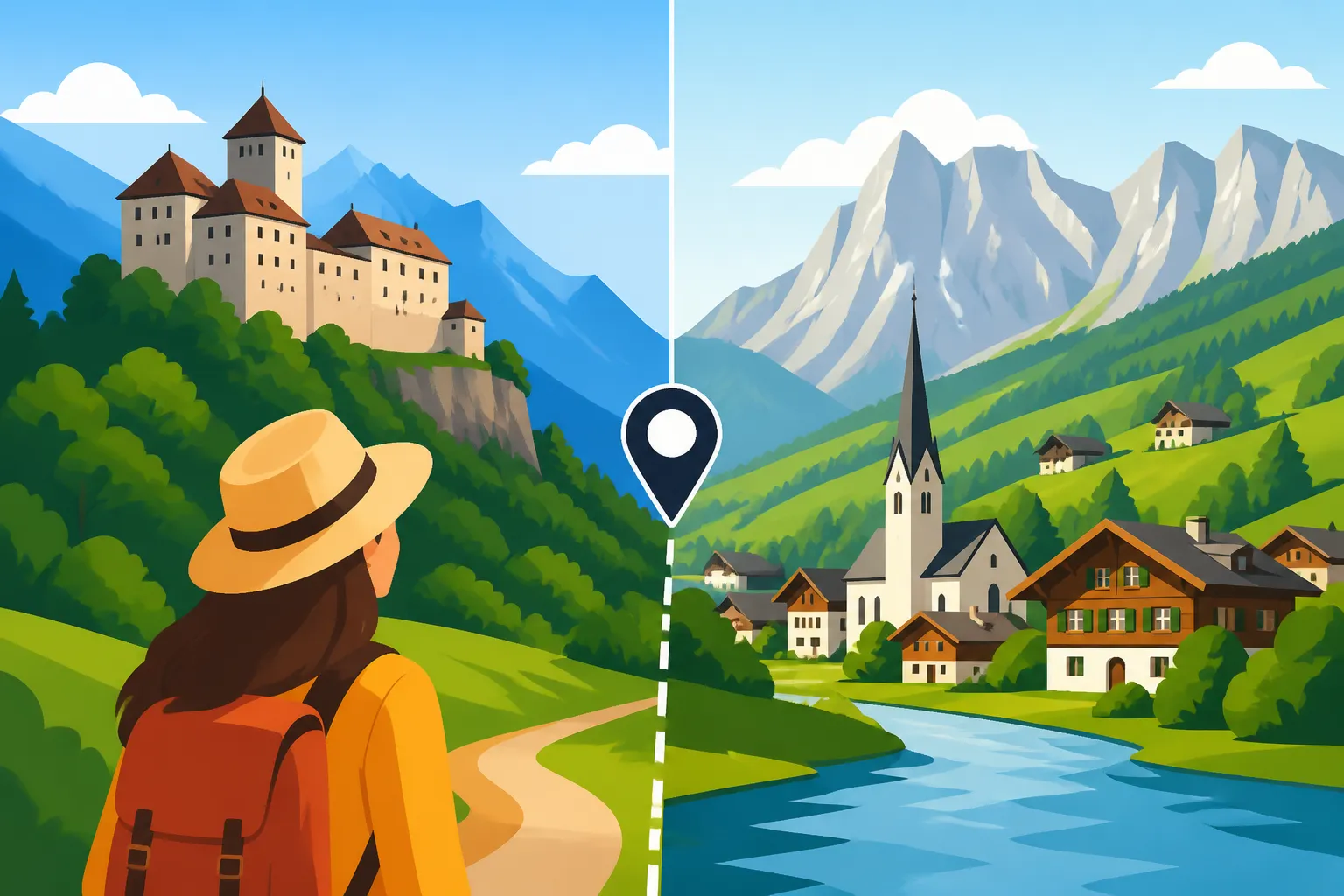
The landscape is dominated by the majestic Rätikon Alps, offering stunning views and fantastic outdoor opportunities from hiking to skiing. Yet, within minutes, you can be strolling through the charming pedestrianized center of Vaduz, its capital. It’s a place where you can genuinely feel like you’re stepping into a storybook, with the Prince's castle perched regally above the town, overlooking vineyards and the Rhine River valley. For those who enjoy a touch of the quirky and the unique, Liechtenstein is a truly delightful discovery, often less crowded than its Swiss counterpart, offering a more relaxed pace.
Vorarlberg, Austria: Alpine Beauty with a Different Flavor
Just across the Rhine from Liechtenstein, and extending eastward, lies Austria’s westernmost province, Vorarlberg. If you appreciate the majestic landscapes of Switzerland but crave a slightly different cultural cadence and a more accessible price point, Vorarlberg is your answer. It shares a long border with Switzerland, making it incredibly easy to access from cantons like St. Gallen or Graubünden. While the mountains here are just as impressive, the architecture often features striking modern timber designs alongside traditional chalets, and the culinary scene, while alpine, has a distinctly Austrian twist.
Vorarlberg is a region of incredible natural beauty, from the shores of Lake Constance (Bodensee) in the north to the rugged peaks of the Silvretta mountains in the south. You can be enjoying a sophisticated cultural event at the famous Bregenz Festival one day and hiking through the pristine Bregenz Forest (Bregenzerwald) the next. It offers a wonderful blend of outdoor adventure, cultural experiences, and traditional Austrian hospitality, often with a slightly more laid-back vibe than some parts of Switzerland. It feels familiar yet distinctly different, providing a refreshing change of scenery without the hassle of a long journey.
Getting There: Navigating the Borders and Transport
One of the biggest anxieties for expats venturing abroad from Switzerland can be the transport logistics. Will my Swiss pass work? Do I need a visa? How complicated are the border crossings? The good news is that for Liechtenstein and Vorarlberg, these worries are largely unfounded. Thanks to Switzerland's Schengen Area association and its close ties with both countries, crossing the border is usually a breeze, and transport options are plentiful and efficient.
Train and Bus Connections: Public Transport Made Easy
For many of us in Switzerland, public transport is a way of life, and thankfully, it extends seamlessly into Liechtenstein and Vorarlberg. The Swiss Federal Railways (SBB) will be your starting point for most journeys. From major hubs like Zurich, St. Gallen, or Chur, you can take a comfortable SBB train to border towns like Sargans (for Liechtenstein) or Bregenz and Feldkirch (for Vorarlberg).
Once you reach Sargans, your journey into Liechtenstein continues by PostBus. These bright yellow buses are part of the excellent Swiss public transport network, and a bus ride from Sargans directly into Vaduz, Liechtenstein's capital, is both scenic and efficient, taking about 20-30 minutes. You can even use your Swiss travel passes for the initial leg, and then purchase a local bus ticket or check if your GA is valid for the short cross-border journey. If you’re a proud owner of The Half-Fare Travelcard (Halbtax): The Must-Have Pass for Swiss Residents, you’ll find it incredibly useful for saving on the Swiss portion of your train journey, making the trip even more economical.
For Vorarlberg, direct train connections are even more prevalent. From Zurich, you can often catch direct trains that take you right to Bregenz or Feldkirch in Austria. The journey itself is picturesque, hugging the eastern shore of Lake Zurich and then winding through the Rhine Valley. Planning your route is super easy with the SBB Mobile app, but for multi-country connections, you might also find a tool like Omio helpful, as it integrates different transport providers across Europe, giving you a holistic view of your travel options. It’s always a good idea to check the specific operator for the Austrian leg, as local Vorarlberg public transport (Vorarlberger Verkehrsverbund, or VVV) also offers excellent connections once you're in the region. For broader scenic trips, consider checking out Switzerland by Train: The SBB Network, Scenic Routes, and Day Trips for ideas on how to maximize your rail experience.
Driving Across the Border: Vignettes and Rules
If you prefer the flexibility of having your own wheels, driving to Liechtenstein and Vorarlberg is also incredibly straightforward. The roads are well-maintained, and the scenery, of course, is breathtaking. However, there are a couple of key things to remember to ensure a smooth journey.
For Liechtenstein, you generally won't need a special vignette if you're driving directly from Switzerland and staying within Liechtenstein's road network. If you enter Liechtenstein via Austria, or plan to drive through Austria to get to Liechtenstein, you will need an Austrian motorway vignette. The good news is that it’s not required for just driving on local roads, but if you touch a motorway, it’s mandatory.
For Vorarlberg, if you plan to use any Austrian motorways (Autobahnen) or expressways (Schnellstraßen), you absolutely must purchase an Austrian motorway vignette. This sticker (or digital vignette) allows you to use these tolled roads. You can buy physical vignettes at Swiss border crossings, gas stations near the border, or post offices. They come in 10-day, 2-month, or annual versions. Driving without one on a required road will result in a hefty fine, so don't risk it! Roads are generally excellent, but do be mindful of speed limits, which are often strictly enforced. For those used to Swiss driving, the rules are similar, but it's always good to refresh your memory on Driving in Switzerland: Licenses, Buying Cars, and Strict Traffic Laws before heading out. During winter months, remember that winter tires are legally required in Austria in certain conditions, typically from November 1st to April 15th, so plan accordingly.
Crossing the Border Smoothly: What to Expect
Because both Switzerland and Liechtenstein are part of the Schengen Area (though Switzerland's relationship is complex, Liechtenstein uses the CHF and is in a customs union), and Austria is also in Schengen, border crossings are usually very relaxed. For most EU/EFTA citizens, you'll simply drive or walk across without showing a passport. However, do always carry a valid ID (passport or national ID card) as random checks can occur, and it's legally required. For Third-Country Nationals living in Switzerland, your Swiss residence permit (B, C, L, G permits) typically allows you to travel freely within the Schengen Area for short stays.
Customs checks are generally minimal, primarily focusing on goods rather than people. However, if you're planning to bring back a lot of groceries, alcohol, or meat, be aware of the import limits into Switzerland. Swiss customs are quite strict about quantities, especially for items like meat, dairy, and alcoholic beverages, due to Switzerland's higher prices and protective agricultural policies. Familiarize yourself with Cross-Border Shopping: Import Duty Limits for Meat, Alcohol, and Cheese to avoid any unpleasant surprises or duties at the border. Generally, for personal use and small quantities, you'll be fine, but a car packed to the brim with cheap Austrian schnitzel might raise an eyebrow!
Exploring Liechtenstein: More Than Just Stamps
Don’t let Liechtenstein's size fool you; this little country offers a surprisingly diverse range of experiences, perfect for a day trip or a leisurely overnight stay. It's an opportunity to visit a sovereign principality steeped in history, surrounded by some of the most dramatic alpine scenery you'll ever see.
Vaduz: The Capital and Cultural Heart
Your first stop in Liechtenstein will undoubtedly be Vaduz, the charming capital. What it lacks in bustling city vibes, it more than makes up for in unique attractions and a pedestrian-friendly atmosphere. The most iconic landmark, without a doubt, is the Vaduz Castle, the official residence of the Prince of Liechtenstein. You can't actually go inside (it's still very much a private home), but the views from the walking paths around its base are spectacular, offering panoramic vistas of the Rhine Valley and the surrounding mountains. It’s a fantastic photo opportunity, and a pleasant uphill stroll from the town center.
In the pedestrian zone below, you’ll find the heart of Vaduz. The Kunstmuseum Liechtenstein (Art Museum) is a striking black cube housing modern and contemporary art, as well as pieces from the Prince's own collection. Right next door is the National Museum of Liechtenstein, which offers insights into the country's history, culture, and natural environment. But perhaps the most famously unique attraction is the Liechtenstein Postage Stamp Museum. Yes, a museum dedicated to stamps! It might sound niche, but Liechtenstein's stamps are renowned for their beauty and quality, and the museum provides a fascinating glimpse into this aspect of their national identity. And for a truly memorable souvenir, head to the Tourist Office in the town center; for a small fee, you can get an official Liechtenstein stamp pressed directly into your passport – a genuine conversation starter back home!
Beyond Vaduz: Mountains and Quaint Villages
While Vaduz offers culture, the true spirit of Liechtenstein often lies in its majestic mountains and tranquil villages. Just a short drive or bus ride from Vaduz, you can ascend into the alpine paradise of Malbun. This picturesque village is Liechtenstein’s premier ski resort in winter, offering family-friendly slopes and a relaxed atmosphere. In summer, Malbun transforms into a hiker's dream, with well-marked trails for all abilities, fresh mountain air, and stunning viewpoints.
Other charming villages like Triesenberg and Schellenberg offer incredible vantage points and a glimpse into traditional Liechtensteiner life. Triesenberg, known for its Walser heritage, features unique wooden houses and breathtaking views. From many points, you can easily access hiking trails that wind through meadows and forests. The entire country is crisscrossed by the Liechtenstein Trail, a 75-kilometer hiking route that takes you through all 11 municipalities, allowing you to literally walk across the whole country! It's an ambitious endeavor for a multi-day hike but offers plenty of shorter, accessible sections.
For those interested in unique local products, look out for the Prince of Liechtenstein Winery (Hofkellerei des Fürsten von Liechtenstein) in Vaduz. They offer wine tastings and sales of their excellent local wines, cultivated from vineyards right below the castle.
Here's a quick overview of some key attractions in Liechtenstein:
| Attraction | Location | Best For | What to Expect |
|---|---|---|---|
| Vaduz Castle | Vaduz | Scenic views, historical landmark | Exterior views only, great photo ops, pleasant walk up. |
| Kunstmuseum Liechtenstein | Vaduz | Modern art, architecture | Contemporary and modern art, impressive building. |
| Postage Stamp Museum | Vaduz | Unique cultural insight | Display of Liechtenstein's famous stamps, history of postal service. |
| Malbun Ski & Hiking Resort | Malbun | Winter sports, summer hiking | Family-friendly slopes, extensive hiking trails, fresh alpine air. |
| Hofkellerei des Fürsten | Vaduz | Wine tasting | Prince's winery, local wine sales and tasting (check opening times). |
| Liechtenstein Trail | Across the country | Long-distance hiking, scenic views | Sections for day hikes or multi-day adventure. Diverse landscapes. |
| Rhine Park Stadion | Vaduz | Football fans | Home stadium of FC Vaduz, sometimes hosts international matches. |
Discovering Vorarlberg: Alpine Charm and Lake Views
Switching from the principality to the Austrian province, Vorarlberg offers a broader canvas of experiences, blending sophisticated culture with rugged nature. Its unique geographic position means you can easily combine lakeside relaxation with high-alpine adventures, all within a compact region.
Bregenz and Lake Constance: Culture and Water Fun
On the shimmering eastern shores of Lake Constance (Bodensee), you'll find Bregenz, the provincial capital of Vorarlberg. This vibrant city perfectly blends historical charm with modern flair. Its most famous feature is undoubtedly the Seebühne, the incredible floating stage of the Bregenz Festival (Bregenzer Festspiele). Every two years, an opera is performed on this spectacular open-air stage, attracting international audiences. Even outside of festival season, it's worth seeing the impressive stage design.
Beyond the festival, Bregenz offers plenty to explore. Take the Pfänderbahn cable car up to the Pfänder mountain for breathtaking panoramic views over Lake Constance, the city, and the surrounding Austrian, German, and Swiss Alps. On a clear day, you can see hundreds of alpine peaks and even glimpse into Switzerland. At the top, there's a wildlife park, a restaurant, and various walking trails. Back down by the lake, stroll along the promenade, enjoy a coffee, or take a refreshing dip if the weather permits. Lake cruises are also a popular way to experience the vastness of Lake Constance, with boats connecting Bregenz to towns in Germany and Switzerland. For specific activities and tours, you might find GetYourGuide useful for pre-booking experiences like boat trips or guided city tours, helping you make the most of your time. If you enjoy lake activities, you might also find some inspiration from exploring Lake Zurich: Swimming Spots, Boat Trips, and Lakeside Towns and adapt those activities to Lake Constance.
Bregenz Forest (Bregenzerwald): Traditional Life and Nature
Moving inland from Bregenz, you enter the enchanting Bregenz Forest (Bregenzerwald), a region celebrated for its rolling hills, traditional farming, unique timber architecture, and, of course, its delicious cheese. This area feels like a step back in time while also showcasing impressive modern design, as many local architects blend traditional craftsmanship with contemporary aesthetics.
A scenic drive through the Bregenzerwald is a must. Explore quaint villages like Schwarzenberg, known for its annual Schubertiade classical music festival and a beautiful parish church, or Bezau, where you can catch a historic steam train for a nostalgic ride. The region is perfect for hiking and cycling, with countless trails winding through lush meadows, dense forests, and past traditional farmhouses. Many local producers offer direct sales of their products, especially the famous Bregenzerwald mountain cheese. This is a region where the Swiss Food and Drink Culture: Regional Specialties and Dining Etiquette might feel a little different but still offers that familiar alpine warmth and dedication to quality produce. Look for the "Käsestrasse Bregenzerwald" (Bregenz Forest Cheese Route) which highlights dairies, farms, and restaurants where you can taste and learn about the local cheese-making tradition.
Montafon and Brandnertal: Alpine Adventure for All Seasons
For serious mountain enthusiasts, or families looking for outdoor fun, the southern valleys of Vorarlberg, particularly Montafon and Brandnertal, are a fantastic choice. These regions are alpine powerhouses, offering world-class skiing and snowboarding in winter, and an endless array of hiking, climbing, and mountain biking opportunities in summer.
In winter, resorts like Silvretta Montafon boast extensive slopes, modern lifts, and guaranteed snow thanks to their altitude. It's one of Austria's largest ski areas, catering to all levels from beginners to advanced skiers. Brandnertal also offers excellent skiing, often a bit quieter and family-friendly. The vibe is distinctly Austrian – welcoming, hearty, and with plenty of cozy mountain huts serving delicious food. If you're comparing it to your usual Swiss haunts, you might find that the lift passes can be a little more budget-friendly. This could be a great alternative if you’re looking to explore new slopes beyond your usual routine, just like finding deals when considering Skiing in Switzerland: Resorts, Passes, and Costs for Residents.
Come summer, these valleys transform into a hiker’s paradise. The network of well-marked trails is extensive, ranging from easy valley walks suitable for families to challenging multi-day treks high in the mountains. Many cable cars operate throughout the summer, making it easy to gain altitude and access stunning panoramic views without too much effort. Mountain biking is also hugely popular, with dedicated trails and bike parks. The Montafon region is also home to the Golm Adventure Mountain, offering a range of activities for all ages including a forest ropes course, an alpine coaster, and themed hiking trails, making it a perfect spot for families with energetic kids.
Practicalities for Your Trip: Money, Language, and Accommodation
Stepping across the border always brings up practical questions. Will my credit card work? Can I speak English? Where do I even stay? For Liechtenstein and Vorarlberg, the transition is remarkably smooth, thanks to their close ties with Switzerland and their focus on tourism.
Currency and Language: Seamless Transitions
One of the beauties of visiting Liechtenstein from Switzerland is that you don't even need to change your money! The official currency of Liechtenstein is the Swiss Franc (CHF). So, your cash, your TWINT app, and your Swiss credit cards will work exactly as they do at home. This eliminates one common travel headache right off the bat.
For Vorarlberg, Austria, the official currency is the Euro (EUR). You'll need to exchange some currency or use your credit/debit card, which are widely accepted. Most Swiss banks offer competitive exchange rates for Euros, and ATMs are readily available throughout Vorarlberg. It's always a good idea to have some small Euro notes for smaller purchases or tips.
Regarding language, both regions are German-speaking. In Liechtenstein, the local dialect is similar to Swiss German, specifically Alemannic. In Vorarlberg, they also speak an Alemannic dialect, which is quite distinct from standard High German and more akin to Swiss German than the Bavarian dialects spoken further east in Austria. Don't worry if your German is rusty or non-existent, though! In tourist areas, hotels, restaurants, and shops, English is widely understood and spoken, especially by younger generations. However, a few basic German phrases like "Guten Tag," "Danke," and "Bitte" will always be appreciated. If you've been working on navigating Language Differences: Navigating Swiss German (Schwiizertüütsch) Dialects, you might find the Vorarlberger dialect slightly easier to follow than some of the more complex Swiss German variations, but it’s still distinct from High German.
Accommodation and Dining: Finding Your Comfort Zone
Whether you're looking for a cozy guesthouse, a family-friendly hotel, or a charming holiday apartment, both Liechtenstein and Vorarlberg offer a range of accommodation options to suit different budgets and preferences. In Liechtenstein, options are somewhat more limited due to its small size, but you'll find quality hotels and guesthouses primarily in Vaduz and Malbun. For Vorarlberg, especially around Lake Constance or in the popular ski valleys, there’s a much wider selection. Websites like Booking.com are an excellent resource for finding and comparing places to stay, offering everything from quaint B&Bs to modern resorts and self-catering apartments (Ferienwohnungen), allowing you to filter by location, price, and amenities.
Dining in both regions offers a delightful taste of alpine cuisine, with a few subtle differences. In Liechtenstein, expect dishes that are very similar to what you'd find in eastern Switzerland – think hearty mountain fare, regional cheeses, and excellent local produce. In Vorarlberg, you'll delve into classic Austrian cuisine with a regional twist. Don’t miss trying Käsespätzle (cheese noodles), Wiener Schnitzel (though it's Austrian, not Swiss!), and various traditional soups and stews. Desserts are also a highlight, with Apfelstrudel and Sachertorte making regular appearances. The dining etiquette is quite similar to Switzerland as well; reservations are recommended for popular restaurants, especially on weekends, and a small tip for good service is customary, usually by rounding up the bill or adding 5-10%. For a deeper dive into local dining customs, you might want to review Dining Out in Switzerland: Reservations, Tipping, and Mealtimes to ensure you're culturally prepared.
Essential Packing and Best Time to Visit
Packing for Liechtenstein and Vorarlberg largely depends on the season and your planned activities. Given their alpine nature, layering is always key.
- Summer (June-September): For hiking and exploring, comfortable walking shoes are non-negotiable. Bring layers including a light jacket or fleece for cooler evenings or higher altitudes, sun protection (hat, sunglasses, sunscreen), and rain gear as mountain weather can be unpredictable. If you plan to swim in Lake Constance, don’t forget your swimwear!
- Winter (December-March): Warm, waterproof clothing is essential, especially if you plan to ski or snowboard. Thermal layers, a good winter jacket, gloves, and a hat are a must. Snow boots with good grip are also highly recommended for navigating snowy streets.
The best time to visit really depends on what you want to do. For hiking, cycling, and lake activities, late spring to early autumn (May to October) offers the most pleasant weather and access to trails and outdoor attractions. For skiing and winter sports, the season typically runs from December to April. The Christmas markets in Bregenz and other towns in Vorarlberg in late November and December are also a magical experience. Don't underestimate the power of the alpine sun even in winter, so always bring sunglasses and sunscreen, regardless of the season. For more detailed advice on dressing for mountain adventures, our guide on What to Pack for a Day Trip to the Swiss Alps offers excellent general tips.
Beyond the Mainstream: Hidden Gems and Local Tips
While the main attractions in Liechtenstein and Vorarlberg are fantastic, there are always those lesser-known spots that truly make a trip memorable. As an expat, you're not just a tourist; you're an explorer seeking authentic experiences, and these regions have plenty to offer off the beaten path.
Unique Experiences in Liechtenstein
Beyond the castle and museums, Liechtenstein offers some quaint and delightful hidden gems. One I already touched upon, but can't emphasize enough for wine lovers, is the Prince of Liechtenstein Winery (Hofkellerei des Fürsten von Liechtenstein). Located right at the edge of Vaduz, at the base of the castle hill, it’s a serene spot where you can enjoy a tasting of their excellent wines, often accompanied by local cheese. It’s a perfect, sophisticated afternoon activity that feels truly local and exclusive.
For hikers, the Liechtenstein Trail itself is a hidden gem, even if you only tackle a small segment. Instead of just strolling through Vaduz, pick a section outside the capital, perhaps around Triesenberg or Ruggell in the north, to experience the country’s diverse landscapes – from marshlands to high alpine pastures. You’ll encounter traditional "Maiensäss" (alpine chalets) and enjoy incredible solitude. For a truly unique and slightly quirky experience, visit the Gasometer in Triesen, a cultural center built into a former gasometer, which often hosts art exhibitions and events. It's a striking piece of industrial architecture repurposed for creativity.
Another local tip: keep an eye out for Liechtenstein’s small, local events. From farmers' markets selling regional produce to traditional festivals in the smaller villages, these are where you'll get a real feel for the principality's close-knit community and unique culture.
Off-the-Beaten-Path in Vorarlberg
Vorarlberg is full of delightful surprises once you venture beyond Bregenz. Dornbirn, for instance, is a vibrant city just south of Bregenz, often overlooked by tourists rushing to the lake or mountains. It boasts the inatura – Erlebnis Naturschau Dornbirn, an interactive natural history museum that's fantastic for families, featuring hands-on exhibits on Vorarlberg's nature, people, and technology. You can also visit the Rappenlochschlucht, a stunning gorge with a walking path, offering a dramatic natural escape just minutes from the city center.
For a blend of traditional alpine life and modern design, explore the lesser-known villages of the Bregenzerwald such as Damüls-Mellau or Au-Schoppernau. While they are popular ski resorts in winter, in summer they offer tranquil hiking, beautiful scenery, and excellent examples of Vorarlberg’s renowned timber architecture, which emphasizes sustainability and local craftsmanship. You can take an architectural tour (often self-guided) to appreciate the innovative designs.
If you’re seeking tranquility, consider visiting the Großes Walsertal Biosphere Park, a UNESCO-designated area dedicated to sustainable development and preserving traditional alpine farming. Here you can truly disconnect, hike through pristine landscapes, and experience genuine Walser hospitality in small mountain guesthouses. It’s a place to slow down, appreciate nature, and discover a different rhythm of life, much like discovering the peaceful side of Switzerland through Weekend Getaways from Switzerland: Easy Cross-Border Escapes to rural areas. These areas are incredibly rewarding for those who want to dig a little deeper than the usual tourist trail.
Disclaimer
The information provided in this guide is for general informational purposes only and is subject to change. While we strive to provide accurate and up-to-date information, rules and regulations (especially regarding travel, customs, and currency exchange) can vary and may be updated by the respective authorities. We recommend checking official government websites for the latest requirements before planning your trip. We do not assume any liability for decisions made based on this information.