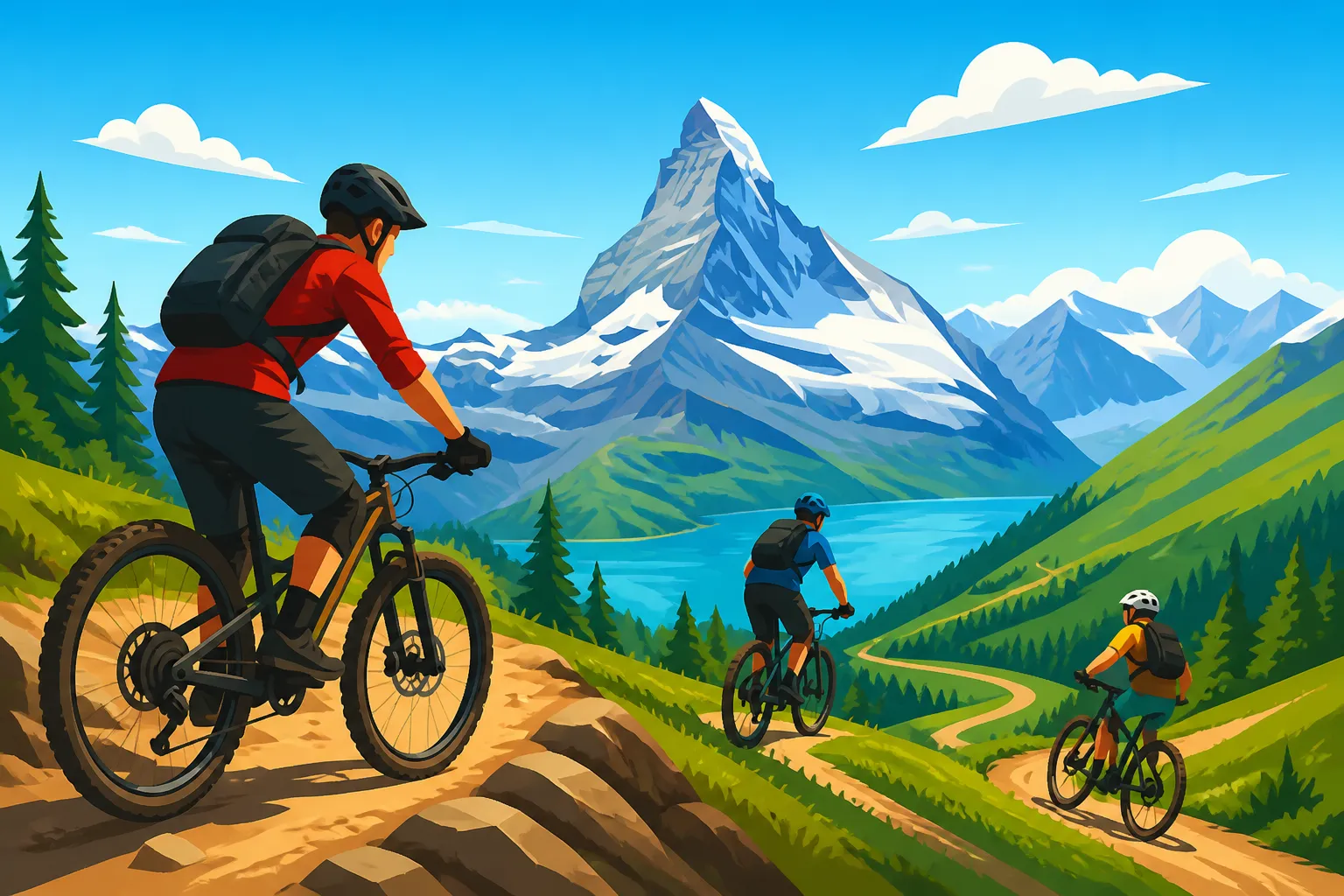
Mountain Biking Trails in Switzerland for All Levels
The thought of mountain biking in Switzerland often conjures up images of daring athletes tackling sheer rock faces and terrifying descents. It’s easy to feel intimidated, especially if you’re a newcomer or just someone looking for a fun, scenic ride rather than an extreme sport. Trying to decipher trail maps and difficulty ratings, often in a language you’re not fluent in, can feel like another mountain to climb before you even get on your bike. But trust me, Switzerland offers an incredible array of mountain biking trails for everyone, not just the pros, and this guide will help you discover them.
Understanding Swiss Mountain Biking Trails and Their Ratings
Navigating the world of Swiss mountain biking starts with understanding how trails are categorized. Unlike some countries where "mountain biking" immediately implies advanced technical skills, Switzerland has a sophisticated network of paths, many of which are perfect for beginners or casual riders. It’s all about knowing what to look for and respecting the designations.
Official Trail Markings and Difficulty Levels
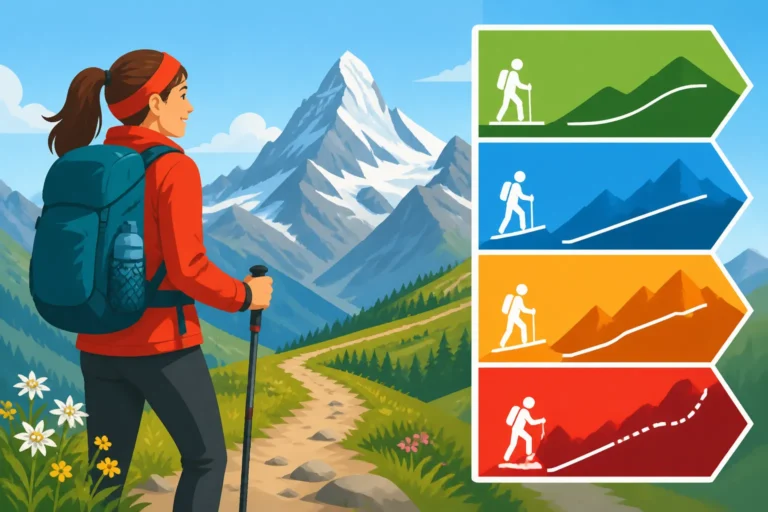
Swiss trails, whether for hiking or biking, are meticulously marked. You’ll mostly encounter official signs that give you a good indication of what to expect. For mountain biking, the difficulty is often conveyed through a combination of color-coded signs and symbols, much like ski pistes.
- Easy (Blue/Green): These are your entry-level paths, often wide gravel roads or smooth, gentle singletracks. They typically have minimal elevation gain and few technical challenges. Think rolling hills, forest paths, or lakeside promenades. These are perfect for families, beginners, or anyone who wants to enjoy the stunning scenery without breaking too much of a sweat or risking a major fall. You might find yourself cycling alongside families with young children or casual hikers. These trails are usually well-maintained and offer a smooth experience. A great example of this might be a loop around Lake Zug or a section of the national cycling routes that are specifically designed to be less demanding.
- Medium (Red): Stepping up a notch, red trails introduce more significant climbs and descents. They can feature narrower singletracks, roots, and small rocks, requiring a bit more bike control and physical fitness. You’ll encounter proper uphills that get your heart pumping and descents that require you to manage your speed and balance. These are ideal for riders who have some experience on a mountain bike and are comfortable with basic technical maneuvers. You'll definitely want a proper mountain bike with good brakes and suspension for these. Imagine weaving through an alpine meadow on a winding path, with occasional rocky sections that demand attention.
- Difficult (Black): These are the trails that attract the more experienced and adrenaline-seeking riders. Black trails are characterized by steep gradients, challenging technical sections with large rocks, roots, drops, and sometimes exposed sections. They demand excellent bike handling skills, strong physical fitness, and often nerves of steel. You'll need full suspension, robust brakes, and potentially protective gear. These trails often involve significant climbing and rapid, technical descents that require precise line choices. This is where you might find bike parks with purpose-built features or natural terrain that pushes your limits.
Beyond these color codes, always look for additional symbols indicating shared paths with hikers, which means you need to be extra courteous, or specific bike park features like jumps and berms. Websites and apps dedicated to Swiss cycling will also often provide elevation profiles, surface types, and estimated riding times, which are invaluable for planning.
Interpreting Route Information and Topography
When you're researching a trail, don't just look at the difficulty rating. Dig a little deeper into the route information. Pay attention to the total distance, the cumulative elevation gain (how much climbing you'll do), and the type of terrain. A "medium" trail with 1,000 meters of elevation gain over 20 kilometers is very different from a "medium" trail with 200 meters over the same distance.
Topography is your friend here. Switzerland is, after all, very mountainous. Even seemingly "easy" trails can have unexpected short, steep sections. A good map or a GPS route on an app will show you contour lines, giving you a visual sense of the gradient. Also, consider the environment: are you in a dense forest, an open alpine landscape, or a valley? This affects not just the scenery, but also trail conditions, exposure to sun or wind, and potential for sudden weather changes. Always remember that even on easier trails, you're still in the mountains, and conditions can change rapidly. Make sure you check the weather forecast before heading out.
Getting Started: Gear, Guides, and Basic Safety
Before you even think about hitting the trails, you need to sort out your equipment and ensure you’re ready for the unique challenges of Swiss mountain biking. From the right bike to knowing who to call in an emergency, preparation is key.
Choosing the Right Bike and Essential Gear
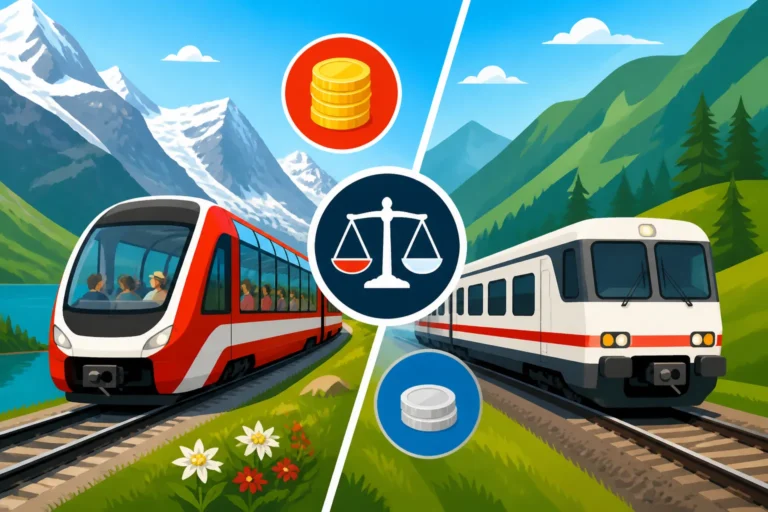
For easy to medium trails, a hardtail mountain bike with front suspension is often sufficient. These are lighter and simpler, great for gravel paths and less technical singletrack. However, if you plan to tackle red or black trails, or simply want a more comfortable ride over varied terrain, a full-suspension mountain bike is highly recommended. The rear suspension absorbs shocks, making rough descents smoother and less jarring on your body. When it comes to finding a bike, you can rent excellent models from specialized shops in popular biking regions or even directly from some larger train stations (like Rent a Bike at SBB locations). For longer trips, you might consider how the costs of renting compare to bringing your own, especially if you plan to use public transport extensively with services like Omio to book train tickets.
Beyond the bike, here’s your essential gear checklist:
- Helmet: Non-negotiable. Always wear one, even on easy trails. Accidents happen, and head protection is paramount.
- Appropriate Clothing: Layers are your friend. Weather in the mountains can change quickly. Wicking fabrics are best. Padded cycling shorts will save you a lot of discomfort.
- Water and Snacks: Dehydration and bonking (hitting the wall from lack of energy) are real risks. Carry more than you think you’ll need. Swiss tap water is usually safe to drink and fill up bottles, but check local signs.
- Basic Repair Kit: A spare tube, tire levers, a small pump, and a multi-tool can save you from a long walk. Know how to use them!
- First-Aid Kit: For minor cuts and scrapes.
- Navigation: A fully charged phone with a GPS app (like SwitzerlandMobility or Komoot) and a power bank. A physical map is a good backup, especially in areas with poor signal.
- Eye Protection: Sunglasses or clear glasses protect your eyes from sun, wind, dust, and insects.
- Gloves: Protect your hands and improve grip.
- Sunscreen: The alpine sun is intense, even on cloudy days.
Guided Tours vs. Self-Guided Adventures
Especially when you're new to a region or to mountain biking in Switzerland, a guided tour can be an invaluable experience. Local guides know the trails intimately, can tailor the route to your skill level, and provide tips on technique. They also handle the navigation, leaving you free to enjoy the scenery. Companies like GetYourGuide offer various biking tours, from leisurely e-bike trips through vineyards to challenging alpine singletrack adventures. This is a fantastic way to ease into the local biking scene, learn about trail etiquette, and discover hidden gems you might miss on your own.
On the other hand, self-guided adventures offer immense freedom and flexibility. If you're confident in your navigation skills and have a good understanding of trail ratings, exploring independently can be incredibly rewarding. Just make sure you’ve done your research, have reliable maps or GPS routes, and inform someone of your planned route and expected return time. This is particularly important if you’re venturing into more remote areas. Remember that even experienced hikers should be mindful of Mountain Safety in Switzerland: Weather, Gear, and Emergency Numbers.
Safety on Swiss Trails
Switzerland has a strong outdoor culture, and that means respecting rules and fellow trail users. Here are some key safety points:
- Share the Path: Many trails are multi-use. Be considerate of hikers, horse riders, and other cyclists. Announce your presence ("Achtung Biker!" or "Attention Vélo!") well in advance, especially before blind corners. Yield to uphill traffic.
- Leave No Trace: Pack out everything you pack in. Respect nature and private property.
- Weather Awareness: Mountain weather can change rapidly. A sunny morning can turn into a thunderstorm or even snow in the afternoon, even in summer. Check the forecast before you leave and be prepared to turn back if conditions deteriorate. What to Pack for a Day Trip to the Swiss Alps is crucial for this.
- Emergency Services: Know the emergency numbers: 144 for ambulance, 112 for general European emergency, and 1414 for REGA (Swiss Air-Rescue). Consider a REGA membership if you plan frequent alpine adventures, as it covers air rescue which basic health insurance often doesn't fully cover. Learn more about Emergency Medical Services: Ambulances, REGA, and Crisis Protocols.
- Know Your Limits: Don't overestimate your abilities. It's better to walk a tricky section than to crash and injure yourself. There's no shame in it!
Top Mountain Biking Regions and Trails for Different Levels
Switzerland is brimming with incredible places to ride, but some areas truly stand out for their variety, infrastructure, and sheer beauty.
Beginner-Friendly Trails and Regions
If you’re just starting out or prefer a more relaxed pace, certain regions are particularly welcoming.
- Lake Constance Region (Bodensee): While not strictly "mountain" biking, the trails around Lake Constance offer incredibly scenic, mostly flat routes that are perfect for beginners and families. You’ll find well-maintained asphalt and gravel paths winding through charming villages, orchards, and along the lake shore. These are wonderful for building confidence and enjoying leisurely rides. You can easily do day trips from Zurich or St. Gallen here.
- Heidiland / Walensee Area: East of Zurich, the region around Walensee offers a mix of easy gravel roads and gentle singletracks, often with stunning lake and mountain views. The Flumserberg area, known for its winter sports, also has some fantastic, accessible summer biking routes that aren’t overly technical, along with some more advanced options if you feel adventurous.
- Engadin Valley (St. Moritz region): Don’t let the high-altitude glamour fool you. The Engadin valley has a vast network of easy to medium trails that follow the valley floor, connecting picturesque villages and lakes like Silvaplana and Sils. These are often wide, well-groomed paths, perfect for an e-bike or a casual pedal, offering incredible panoramic views without extreme climbs.
Intermediate Trails for the Adventurous Rider
Ready to push yourself a bit more? These regions offer exciting challenges and rewarding descents.
- Lenzerheide-Arosa Region (Graubünden): This area is a mountain biking paradise, famous for its world-class bike park, but also offering an extensive network of natural trails suitable for intermediate riders. You can take a cable car up (Mountain Railways and Cable Cars: Reaching Switzerland's Peaks) and enjoy flowing singletracks with moderate technical sections. The FLOWLINE, designed for fun and progression, is an excellent example of a trail that allows you to gain speed and practice cornering without excessive risk. The views of the surrounding peaks are just breathtaking.
- Verbier / Val de Bagnes (Valais): Another renowned freeride destination, Verbier also caters to intermediate riders with numerous cross-country and enduro trails. The terrain can be rockier and steeper than, say, the Engadin, but there are plenty of red-marked trails that offer a thrilling ride without being overtly dangerous. You can explore alpine pastures, dense forests, and enjoy the distinct Valais culture.
- Gstaad and Saanenland (Bernese Oberland): This idyllic region offers a fantastic mix of intermediate trails that weave through meadows, past traditional chalets, and along pristine rivers. The trails often involve sustained climbs followed by fun, flowing descents. It’s a less aggressively "bike park" focused region than Lenzerheide, offering a more traditional alpine mountain biking experience.
Advanced and Expert-Level Challenges
For those seeking serious thrills and technical prowess, Switzerland has plenty to offer.
- Zermatt (Valais): While famous for the Matterhorn and hiking, Zermatt also boasts incredible, challenging mountain bike trails. The high-alpine environment means rocky, exposed, and steep terrain. Trails like the Sunnegga Singletrack or paths descending from Gornergrat offer technical descents with unparalleled views, but they demand full attention and excellent bike control. This is where you might truly test your skills against nature’s raw power.
- Davos Klosters (Graubünden): Another jewel in Graubünden's crown, Davos Klosters offers an extensive network of enduro and freeride trails. The Alps Epic Trail, one of the longest singletracks in Switzerland, is a true test of endurance and skill, with demanding technical sections and significant elevation changes. This region is a playground for advanced riders looking for long, challenging days in the saddle.
- Portes du Soleil (Valais/France Border): This massive bike park area straddling the French border near Champéry offers hundreds of kilometers of marked trails, from challenging downhill tracks to technical enduro loops. It's a lift-accessed paradise for advanced riders, featuring jumps, drops, and highly technical terrain. Just remember your passport if you're crossing borders!
Planning Your Mountain Biking Trip: Logistics and Accommodation
Embarking on a mountain biking adventure in Switzerland requires a bit of planning, but the excellent infrastructure makes it remarkably smooth for expats and tourists alike.
Leveraging Public Transport for Bike Adventures
One of Switzerland's greatest assets is its world-class public transport system. The SBB (Swiss Federal Railways) is incredibly bike-friendly. You can often transport your bike on trains, post buses, and even some lake boats and cable cars. This opens up a huge number of one-way routes where you can ride from A to B and then take public transport back, or simply get a lift up a mountain to enjoy the descent.
- Bike Tickets: You'll generally need a separate ticket for your bike on public transport. These can be day passes or short-distance tickets, varying in price. Always check the SBB website or app for specific rules for your route, as some peak-hour trains or certain lines have restrictions.
- Luggage Service: For multi-day tours, consider using the SBB luggage service (often in partnership with PostBus) to transport your bags between destinations, freeing you up to ride unencumbered.
- Travelcards: If you plan to travel extensively, a Half-Fare Travelcard (Halbtax) or even a Generalabonnement (GA) can significantly reduce your costs on both your own travel and your bike's ticket. These passes are truly game-changers for exploring Switzerland. Understanding SBB Travelcards: Is the Generalabonnement (GA) Worth the CHF 4000+ Cost? can help you decide if it's right for you.
- Mountain Railways and Cable Cars: Many mountain resorts allow bikes on their lifts, sometimes for an extra fee. This is a fantastic way to access high-alpine trails without the grueling climb, letting you focus on the descent. Always check their specific opening times and bike transport policies.
Accommodation Options for Cyclists
After a long day in the saddle, you'll want a comfortable place to rest. Switzerland offers diverse accommodation to suit all budgets and preferences.
- Bike-Friendly Hotels: Many hotels, particularly in popular biking regions, are specifically designated as "bike-friendly." This means they offer secure bike storage, washing facilities, minor repair tools, and sometimes even packed lunches or laundry services. A quick search on platforms like Booking.com using "bike-friendly" filters can yield great results.
- Mountain Huts (SAC Huts): For multi-day, high-alpine adventures, staying in a Swiss Alpine Club (SAC) hut is an iconic experience. These rustic huts provide basic accommodation, meals, and unparalleled mountain camaraderie. Be sure to book in advance, especially during peak season, and note that access to some huts may require significant hiking or technical biking to reach.
- Campsites and Youth Hostels: For budget-conscious travelers, campsites and youth hostels offer affordable options. Many are located in scenic areas and provide basic amenities.
- Holiday Apartments and Airbnbs: These are great for groups or families, offering more space and the option to self-cater, which can save a lot of money on food costs in Switzerland. If you’re considering renting long-term, our guide to Renting in Switzerland: The Complete 2027 Guide for Expats might be helpful.
Planning Your Route and Navigation Tools
Even the most seasoned expat sometimes finds Swiss trail signage a bit confusing, especially when trails merge or diverge. Good planning is vital.
- Official Cycling Maps: SwitzerlandMobility is the official national network for non-motorized traffic and offers excellent online maps and app-based routing specifically for cyclists, including mountain bike routes. They clearly show difficulty, elevation, and points of interest.
- Dedicated Biking Apps: Apps like Komoot and AllTrails are popular among mountain bikers, offering user-generated routes, detailed maps, and offline navigation. You can often download GPX tracks from official tourism sites or other riders.
- Local Tourist Offices: Don’t underestimate the power of local knowledge. Tourist offices in mountain regions are treasure troves of information, often providing free maps, up-to-date trail conditions, and advice on routes suitable for your skill level.
- Weather Conditions: Always, always check the weather forecast before you go. Mountain weather is notoriously fickle. A beautiful morning can quickly turn into a cold, wet, or even snowy afternoon, even in summer. This is particularly crucial when planning a Summer in Switzerland: Lake Swimming, Hiking, and Open-Air Events.
Disclaimer
Please note that while I strive to provide accurate and up-to-date information, circumstances in Switzerland, including regulations, prices, and available services, can change. Always verify current conditions with official sources, local authorities, or service providers before making plans. Mountain biking, especially on intermediate and advanced trails, carries inherent risks. Always prioritize your safety, be prepared, and exercise caution.