Exploring St. Moritz and the Engadine Valley
Ah, the Engadine Valley! When you first hear "St. Moritz," your mind probably jumps straight to caviar, champagne, and designer boutiques, right? Many of us expats, myself included, arrive in Switzerland and are a bit intimidated by the sheer reputation (and price tags) of places like St. Moritz. It feels exclusive, like an entirely different world, and you wonder if you could ever genuinely experience it without a trust fund. But let me tell you, this valley, from its glitzy namesake town to its quiet, traditional villages, offers so much more than just five-star luxury. This guide is going to strip away some of that perceived exclusivity, give you the real lowdown, and show you how to truly explore the majestic Engadine, no matter your budget.
The Allure of St. Moritz and the Engadine Valley
When you first land in Switzerland and start hearing about places to visit, St. Moritz inevitably pops up. For many of us, the immediate thought is often, "Oh, that's too fancy for me," or "I could never afford to actually do anything there." And honestly, that initial reaction isn't entirely unfounded. St. Moritz has cultivated an image of high society, exclusive events, and luxury at every turn. It's a place where international jet-setters come to see and be seen, where diamond-dusted snow and gourmet dining are almost clichés.
More Than Just Glitz and Glamour: The Real St. Moritz
But if you peel back that veneer of opulence, you'll discover that St. Moritz, the town itself, is nestled in one of the most breathtaking landscapes Switzerland has to offer. It's not just about the private jets landing on the frozen lake or the fur coats parading down Via Serlas. At its heart, St. Moritz is a high-alpine resort town that owes its existence and its fame to incredible natural assets: crystal-clear lakes, majestic mountains, and a truly unique climate that boasts an average of 322 sunny days a year, leading to what locals call "Champagne climate" – dry and sparkling.
The town's history is fascinating, too. It wasn't always a playground for the rich. St. Moritz initially gained renown centuries ago for its iron-rich mineral springs, which were believed to have healing properties. People came for the therapeutic waters, not the skiing. It was clever hoteliers in the mid-19th century who dared guests to return in winter, promising to cover their costs if they didn't enjoy the snow and sunshine, effectively inventing winter tourism. This blend of natural wonder, historical significance, and a dash of entrepreneurial spirit makes St. Moritz more complex and interesting than its luxury reputation might suggest. You can absolutely enjoy the crisp air and stunning views without ever stepping foot into a Michelin-starred restaurant, though you'll find plenty if that's your jam.
The Engadine Valley: A Gem Beyond St. Moritz's Shine
Beyond St. Moritz itself lies the sprawling, magnificent Engadine Valley (Engadin in German, Engiadina in Romansh). This long, high-alpine valley in the canton of Graubünden is a truly special place, feeling distinctly different from other parts of Switzerland. It's where three cultures—Germanic, Italian, and the local Rhaeto-Romanic—blend, creating a rich tapestry of language, architecture, and traditions that will utterly enchant you. It's a place where time seems to slow down, and the grandeur of nature takes center stage.
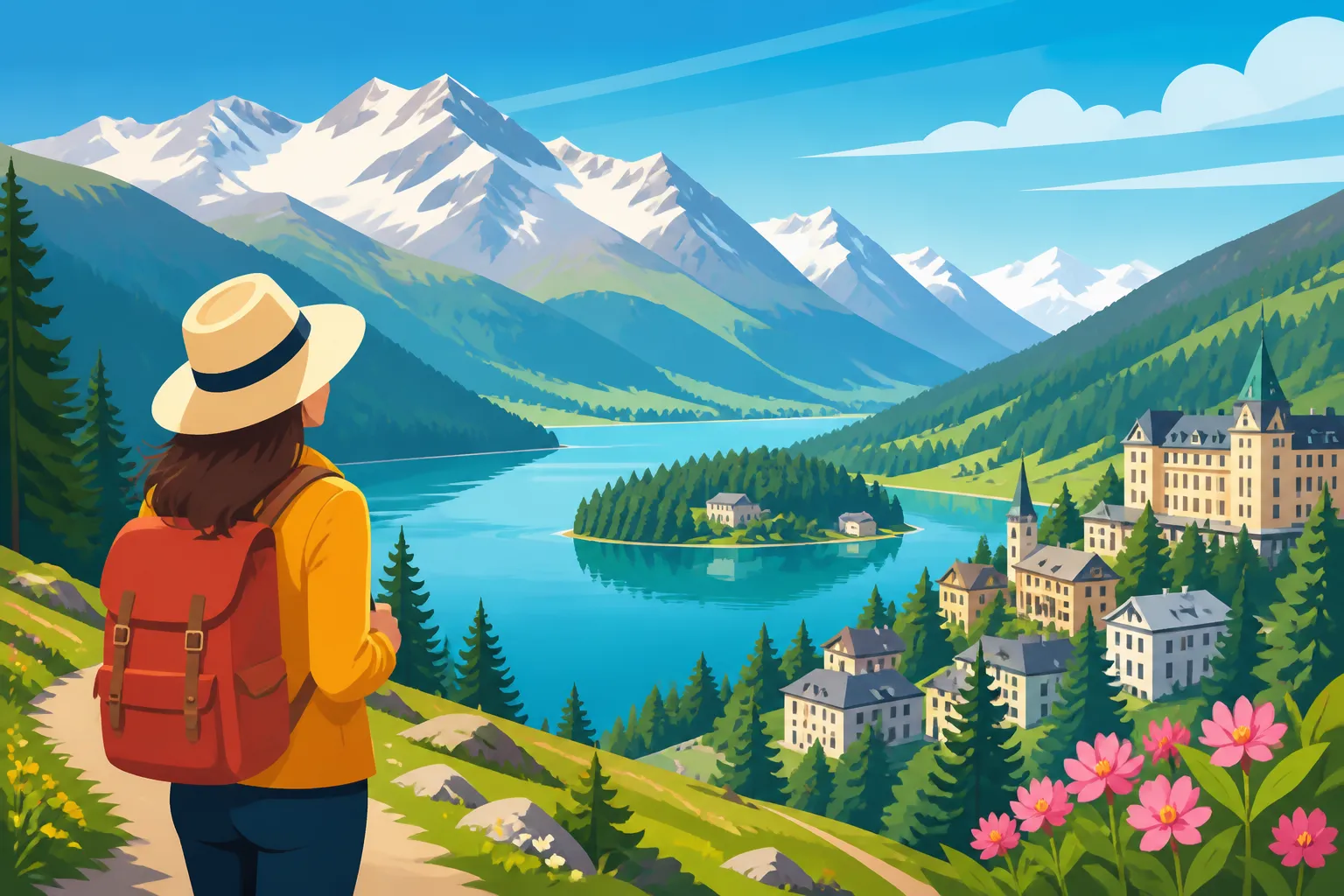
The valley is broadly divided into two parts: the Upper Engadine (Engiadin'Ota), where St. Moritz resides, and the Lower Engadine (Engiadin'Bassa). The Upper Engadine is characterized by its wide, sun-drenched valley floor dotted with a chain of stunning lakes – Lake St. Moritz, Lake Silvaplana, Lake Sils, and Lake Maloja. Here you'll find the slightly less flashy but equally charming villages of Pontresina, Celerina, Samedan, Silvaplana, and Sils Maria, each offering its own unique flavor and often a more relaxed atmosphere than St. Moritz. These villages often provide better value for accommodation and give you an authentic taste of Engadine life.
As you head further east, the valley narrows and becomes more rugged, leading you into the Lower Engadine. This region feels even more rooted in traditional Rhaeto-Romanic culture. Villages like Guarda, Ardez, and Scuol are famous for their beautifully preserved Engadine houses with sgraffiti (decorative plasterwork), narrow cobbled streets, and a slower pace of life. Scuol, in particular, is known for its mineral baths and as a gateway to the Swiss National Park. It's this contrast, the ability to pivot from the sophisticated buzz of St. Moritz to the tranquil, timeless beauty of a village like Guarda, that makes exploring the entire Engadine Valley such an enriching experience for any visitor or resident.
Getting There and Getting Around the Engadine
Navigating the Swiss transportation system is generally a dream, and getting to the Engadine is no exception. However, due to its high-alpine location, it does require a bit more planning than, say, a quick trip from Zurich to Lucerne. But trust me, the journey itself is part of the magic.
Scenic Train Journeys: The Heart of Swiss Travel
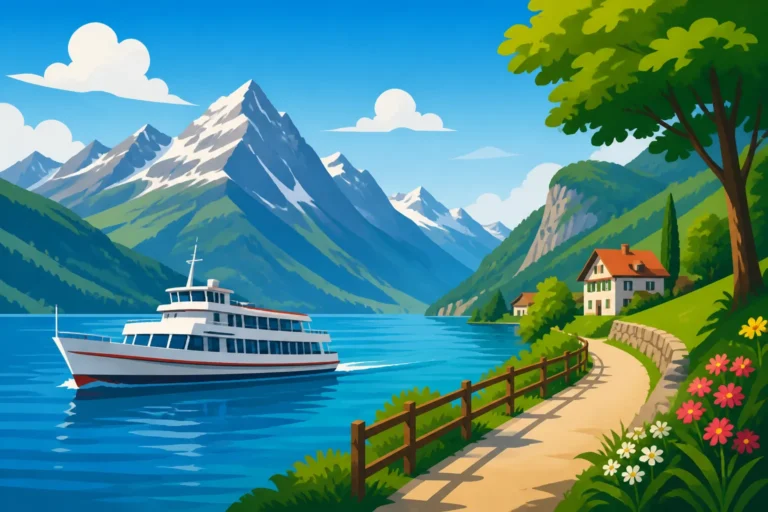
For most, the journey to the Engadine, and particularly St. Moritz, begins with a spectacular train ride. The primary gateway is usually Chur, where you transfer onto the Rhaetian Railway (RhB). This narrow-gauge railway system is not just a mode of transport; it's a UNESCO World Heritage site in itself, renowned for its incredible engineering feats and the breathtaking landscapes it traverses. Imagine winding through dramatic gorges, crossing towering viaducts like the Landwasser Viaduct, and tunneling through mountains, all while sipping a coffee and gazing at scenery that looks Photoshopped.
From Zurich, for example, you'd typically take an SBB train to Chur, then switch to the RhB for the final, awe-inspiring leg to St. Moritz. The entire journey is a feast for the eyes, particularly the Albula Line section. Many people flock to this region specifically to experience these iconic routes, such as The Bernina Express: Crossing the Alps to Italy by Scenic Train or even a section of The Glacier Express: Booking, Routes, and Is It Worth It for Residents, which both pass through parts of the Engadine. My advice? Don't even think about sleeping on these trains; you'll miss half the show! Booking in advance, especially during peak season, is always a good idea. You can easily check connections and book your tickets through the SBB website or via apps like Omio, which can be quite handy for comparing routes and times. Just remember that the RhB trains, while part of the national network, often require specific tickets or supplements if you're on one of the named panoramic trains.
Navigating the Valley: Public Transport, Cars, and Bikes
Once you're in the Engadine, getting around without your own vehicle is surprisingly efficient and often free for tourists! The local public transport network is excellent, combining the regional RhB trains that run along the valley floor with an extensive PostBus system that reaches almost every village, no matter how small or high up it is. This network allows you incredible flexibility to explore. Want to hike from one village to another and then catch a bus back? Easy. Fancy a day trip to the Swiss National Park from St. Moritz? The PostBus has you covered.
Many hotels and holiday apartment rentals in the Engadine participate in the "Engadin Card" or a similar guest card program. If you stay two nights or more, these cards often grant you free use of local public transport and even some mountain cable cars during the summer months. This perk alone can save you a significant amount of money and stress, making it an absolute game-changer for budgeting your trip. Always ask your accommodation provider about any guest cards they offer – it's a tip I wish someone had given me when I first arrived!
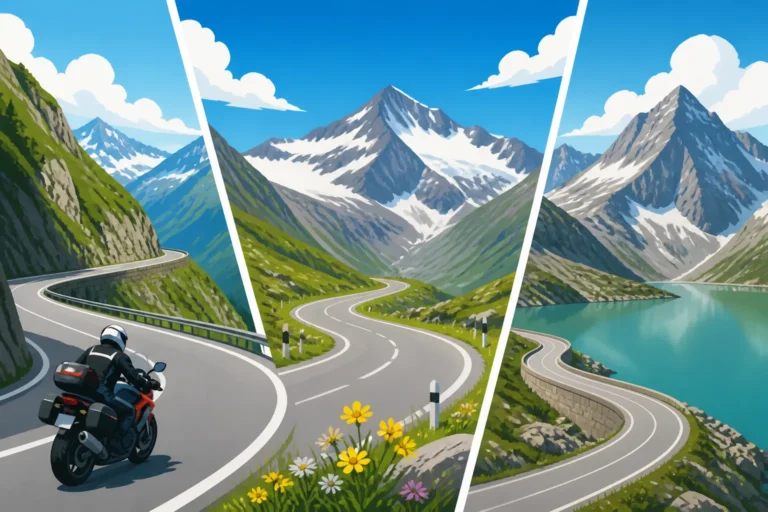
Bringing your own car offers undeniable flexibility, especially if you plan to explore many off-the-beaten-path locations or carry a lot of gear. However, be aware that Driving in Switzerland: Licenses, Buying Cars, and Strict Traffic Laws can be stringent, winter driving conditions can be challenging (snow tires are a must, chains often advisable), and parking in some popular villages can be scarce and expensive. If you're coming in winter, make sure your car is properly equipped for the conditions, and understand that many mountain passes might be closed. For summer visitors, cycling is a fantastic way to experience the valley at a more intimate pace. There are countless well-maintained bike paths, from leisurely lakeside rides to challenging mountain trails. Many places offer bike rentals, including e-bikes, making even the hilly sections accessible to all fitness levels.
St. Moritz: Beyond the Luxury Facade
St. Moritz has a reputation, and it's a well-earned one for glamour and exclusivity. But dismissing it as merely a playground for the rich misses the point entirely. Beneath the surface of high-end boutiques and Michelin stars, St. Moritz is a town deeply connected to its stunning natural surroundings and rich history. It offers a surprising array of experiences that don't always require a king's ransom.
Iconic Landmarks and Must-See Spots
The most prominent feature of St. Moritz is undoubtedly its lake, Lake St. Moritz (St. Moritzersee). This isn't just a pretty body of water; it's the beating heart of the town's character. In summer, it glimmers a deep blue, inviting sailing, paddleboarding, and leisurely strolls along its shores. But in winter, it transforms into a magical, snow-covered expanse, often completely frozen solid. This frozen lake becomes the stage for the famous White Turf horse races, polo matches, and even golf tournaments on ice. Walking across the frozen lake is an experience in itself, offering a unique perspective of the surrounding mountains and town.
Beyond the lake, St. Moritz has a few hidden gems that speak to its character. Don't miss the Leaning Tower of St. Moritz, a remnant of the former Church of St. Mauritius, which now leans more dramatically than the Tower of Pisa! It’s an odd, charming landmark. For art lovers, the Segantini Museum is a must-see, dedicated to the work of Giovanni Segantini, a symbolist painter who spent his last years in the Engadine. His panoramic canvases depicting alpine life are truly moving and capture the essence of the region. The Engadine Museum, on the other hand, offers a fascinating glimpse into the history and traditional culture of the valley, showcasing local artifacts, furniture, and insights into Romansh life. And for those with a need for speed, the historic Olympic Bob Run St. Moritz-Celerina, the world's only natural ice bob run, offers thrilling passenger rides for brave souls.
Of course, you can't talk about St. Moritz without mentioning Via Serlas, Switzerland's highest-altitude luxury shopping street. It's worth a stroll just for the window shopping and people-watching, even if your budget doesn't quite stretch to a new designer watch or couture outfit. It's part of the St. Moritz experience, and seeing the blend of old Engadine architecture with modern luxury brands is a sight in itself.
Winter Wonderland Activities (and the Costs!)
St. Moritz truly shines as a winter sports paradise, a reputation it has held for over a century. The skiing and snowboarding here are world-class, spread across three main areas: Corviglia, Corvatsch, and Diavolezza. Corviglia, accessible directly from St. Moritz Dorf, offers impeccably groomed pistes, panoramic views, and plenty of sunny slopes. Corvatsch boasts the highest peak in the region and offers challenging runs and epic freeride opportunities, while Diavolezza is famous for its glacier descent and breathtaking views of the Bernina massif. As an expat, I remember the sticker shock of lift passes, but there are ways to manage this. Skiing in Switzerland: Resorts, Passes, and Costs for Residents delves into this in more detail, but generally, booking multi-day passes or looking into early bird deals can significantly cut costs.
Beyond downhill skiing, the winter activities are endless. Cross-country skiing is incredibly popular, with miles of beautifully prepared trails winding through the valley. Ice skating rinks abound, and for something truly unique, try curling on the frozen lake. For those who prefer a gentler pace, winter hiking and snowshoeing offer a serene way to experience the snow-covered landscapes. I’ve found Snowshoeing and Winter Hiking in Switzerland for Non-Skiers to be an excellent resource for finding accessible trails and understanding the gear you might need. Don't feel pressured to spend a fortune; a simple walk around the lake on a sunny winter's day, soaking in the views, is utterly priceless. Even just bundling up and watching the White Turf races from the edge of the lake, rather than paying for a VIP tent, offers an incredible spectacle.
Summer Escapes: Hiking, Biking, and Lake Life
While St. Moritz's winter fame is undeniable, I’d argue that its summers are equally, if not more, stunning and often much more accessible. The same mountains that offer fantastic ski runs transform into a hiker’s and biker’s paradise. There are hundreds of kilometers of marked hiking trails for every fitness level, from easy lakeside strolls to challenging high-alpine treks. Many of the cable cars and funiculars, like those leading up to Corviglia or Piz Nair, operate in summer, providing effortless access to stunning panoramic viewpoints and the starting points for incredible hikes. For beginners, understanding Swiss Hiking for Beginners: Trail Grades and the SAC System will be invaluable for planning your routes safely.
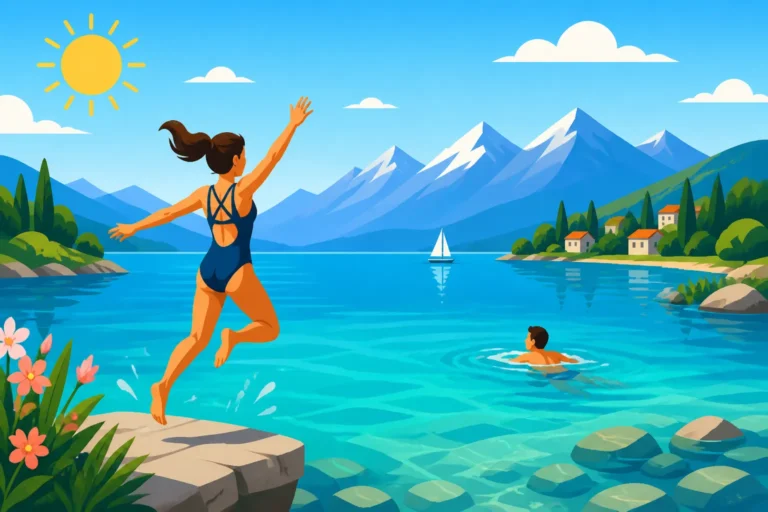
Mountain biking and e-biking have also exploded in popularity, with dedicated trails and routes crisscrossing the valley. You can rent high-quality bikes in most villages and explore at your own pace. Imagine cruising along the lakeside paths, stopping for a picnic, or tackling a more demanding climb to a mountain hut for lunch. The lakes—St. Moritz, Silvaplana, and Sils—become hubs for watersports. You'll see windsurfers and kitesurfers on Lake Silvaplana, drawn by the reliable Maloja wind. Stand-up paddleboarding and rowing are also popular, offering a peaceful way to glide across the pristine waters. While the water can be chilly (it is the Alps, after all!), a refreshing dip on a hot summer's day is an exhilarating experience. The sheer variety of outdoor activities means you could easily spend a week or more here in summer and barely scratch the surface.
Exploring the Wider Engadine Valley: Hidden Gems and Local Life
While St. Moritz offers an undeniable buzz, the true soul of the Engadine Valley often reveals itself in its quieter corners, in the villages that dot the landscape, each with its own character and charm. Venture just a little beyond the bright lights, and you’ll discover a world steeped in tradition, breathtaking natural beauty, and a slower pace of life.
Charming Villages and Cultural Delights
Just a stone's throw from St. Moritz, you'll find Pontresina, a village with a distinctly different, slightly more understated elegance. Surrounded by fragrant pine forests and dramatic glaciers, Pontresina feels a bit more "old-school" alpine chic. It's famous for its grand Belle Époque hotels and is a fantastic base for hikers and climbers, offering easier access to the magnificent Roseg Valley. The vibe here is a bit more relaxed, and you often find slightly better value accommodation than in St. Moritz itself, while still being incredibly well-connected by public transport.
Further along the valley lies Sils Maria (and its sister village Sils Baselgia), a truly serene and inspiring spot nestled between two lakes, Silsersee and Silvaplanersee. This village has historically attracted artists, writers, and philosophers, most notably Friedrich Nietzsche, who spent many summers here. You can still visit the Nietzsche House and wander the tranquil "Nietzsche Path." Sils offers a profound sense of peace, with gentle walks, horse-drawn carriage rides into the Val Fex (a car-free valley), and breathtaking views from the Furtschellas cable car. It's the perfect place to unwind and connect with nature's quiet grandeur.
If you venture into the Lower Engadine, the villages become even more culturally distinct, preserving the Rhaeto-Romanic language and traditional architecture. Guarda is often called the "Schellen-Ursli village," after the famous Swiss children's book. It's a picture-postcard village with beautifully preserved Engadine houses adorned with intricate sgraffiti (engraved plasterwork), flower boxes, and arched doorways. Wandering its narrow streets feels like stepping back in time. Further east, Scuol is the main hub of the Lower Engadine, known for its mineral springs and the Engadin Bad Scuol, a modern thermal bath complex. Scuol is also a gateway to the Swiss National Park and a great place to experience Swiss Festivals and Traditions: A Year-Round Cultural Calendar like the Chalandamarz, a traditional spring festival where children parade through the village with bells to drive out winter.
Outdoor Adventures Beyond St. Moritz
The wider Engadine Valley offers a plethora of outdoor adventures that can rival anything St. Moritz offers, often with fewer crowds and a more rustic feel. One of my absolute favorite experiences is a trip into Val Roseg from Pontresina. This car-free valley offers truly spectacular scenery, leading up to glacier views. In summer, you can hike or bike, or treat yourself to a romantic horse-drawn carriage ride. In winter, it transforms into a cross-country skiing paradise. At the end of the valley, the Hotel Restaurant Roseg Gletscher is famous for its incredible dessert buffet – a well-earned reward after any excursion!
For awe-inspiring panoramic views, take the cable car up to Murtèl-Corvatsch. From the top station at 3,303 meters (over 10,800 feet), you'll be treated to a breathtaking vista of the entire Engadine lake district and the surrounding peaks, including the Piz Bernina massif. There are high-altitude hiking trails from here, and it's a popular spot for stargazing thanks to the clear mountain air. This really demonstrates the ease of access to high-alpine experiences through the excellent Mountain Railways and Cable Cars: Reaching Switzerland's Peaks system.
A true highlight for nature enthusiasts is the Swiss National Park, located near Zernez in the Lower Engadine. This is Switzerland's only national park, and it's a place of strict conservation. You cannot leave the marked trails, pick flowers, or disturb the wildlife in any way, ensuring its pristine condition. It’s an incredible place to spot marmots, ibex, chamois, and even golden eagles if you're lucky. Hiking within the park offers a raw, untouched alpine experience. Make sure you understand Visiting the Swiss National Park in Graubünden: Rules and Trails before you go, as violating the rules can lead to hefty fines. The visitor center in Zernez is a great place to learn about the park and plan your routes.
Culinary Experiences: From Haute Cuisine to Rustic Charm
The Engadine Valley, fittingly, offers a diverse culinary landscape that ranges from the incredibly sophisticated to the wonderfully rustic. In St. Moritz, you’ll find a concentrated collection of Michelin-starred restaurants and Gault&Millau rated eateries, catering to the discerning palates of its affluent visitors. These establishments often fuse classic Swiss ingredients with international haute cuisine techniques, offering an unforgettable dining experience, albeit one that comes with a significant price tag. For a truly indulgent evening, this is the place to be.
However, the region’s true culinary heart often lies in its traditional specialties and local charm. Engadine cuisine is hearty, designed to sustain you through long days in the mountains. You absolutely must try Capuns, a regional specialty made of chard leaves wrapped around a filling of Spätzle dough and dried meat (often Bündnerfleisch or Salsiz), cooked in a creamy broth. Another staple is Maluns, grated potatoes mixed with flour, fried until golden brown, and typically served with apple sauce or local cheese. And for dessert? The famous Engadine Nusstorte (nut cake), a rich, caramelised walnut-filled pastry, is an absolute institution. You’ll find variations of it in almost every bakery and café throughout the valley.
Beyond the formal dining, many mountain huts (known as Refugios or Alpwirtschaften) offer authentic, unpretentious meals that are often the most satisfying after a long hike or ski. These cozy spots serve up regional dishes, often with ingredients sourced directly from the surrounding pastures. They’re fantastic for experiencing local hospitality and enjoying stunning views with your meal. Don't be afraid to ask locals for their favorite hidden gems. Websites and apps like Booking.com can also sometimes highlight restaurants with local dishes, but the best recommendations often come from your hotel staff or friendly shopkeepers. Local bakeries are also a treasure trove, not just for Nusstorte but for fresh bread, local cheeses, and other pastries that are perfect for a picnic.
Practical Tips for Expats and Tourists
Switzerland, as many of us expats know, can be a bit of a maze, especially in a region as unique as the Engadine. From figuring out where to sleep to making your money stretch, a few insider tips can make all the difference between a good trip and a truly unforgettable one.
Accommodation: Finding Your Perfect Stay
The Engadine Valley offers a vast spectrum of accommodation, from ultra-luxurious five-star hotels in St. Moritz to charming family-run guesthouses and an abundance of Ferienwohnungen (holiday apartments). The key is understanding what you’re looking for and, crucially, where to look. If you dream of butler service, heated outdoor pools, and direct ski-in/ski-out access, St. Moritz has you covered with legendary establishments. However, if you're keen to experience the Engadine without the hefty price tag, consider staying in one of the neighboring villages like Pontresina, Celerina, Samedan, Silvaplana, or Sils Maria. These villages are typically just a short train or bus ride from St. Moritz and offer fantastic value, often with stunning views and immediate access to trails and slopes.
Holiday apartments are a particularly popular choice in the Engadine, especially for families or longer stays. They give you the flexibility to cook your own meals, which can be a huge budget saver, and often come with more space than a hotel room. Websites like Booking.com are excellent resources for finding a wide range of options, from cozy studios to sprawling chalets. Always book well in advance, especially for peak winter (Christmas/New Year, February) and summer (July/August) periods, as the best places fill up quickly. Off-season travel (late spring/early autumn) can yield significantly better deals and fewer crowds.
Budgeting and Saving Money in a High-Cost Region
Let’s be honest: Switzerland is expensive, and the Engadine, particularly St. Moritz, is one of its priciest corners. However, it’s entirely possible to enjoy the region without completely emptying your wallet. The first step is to have realistic expectations and accept that some things will simply cost more. For food, the biggest saving comes from cooking your own meals if you're staying in an apartment. The local Coop and Migros supermarkets, found in most larger villages (St. Moritz, Pontresina, Samedan, Scuol), offer a wide selection, and knowing Grocery Shopping: Coop, Migros, Aldi, Lidl, and Denner Compared can help you choose the most budget-friendly options. Picnics amidst spectacular scenery are not only cost-effective but also incredibly memorable.
Secondly, leverage the free public transport and mountain lifts often included with local guest cards (as mentioned earlier). This alone can save you hundreds of francs over a week. For activities, focus on the natural beauty that costs nothing – hiking, walking, swimming in the lakes (if you brave the cold!), or simply enjoying the unparalleled views. If you want to ski, look into buying multi-day passes or regional passes that cover several areas, which often work out cheaper than single-day tickets. And if you're traveling by train, always keep an eye out for SBB's "Saver Day Pass" or "Supersaver Tickets," which can offer significant discounts if booked far enough in advance.
Language and Cultural Nuances
The Engadine Valley is a fascinating linguistic melting pot, which can be a bit intimidating at first, but don't let it put you off! The primary languages are German (specifically Swiss German dialects in daily life, High German for official communication), Italian (especially in the southern part of the Upper Engadine due to proximity to Italy), and the unique local language, Rhaeto-Romanic (Romansh). Romansh is one of Switzerland's four national languages and is proudly spoken and preserved in the Engadine, particularly in the Lower Engadine. You'll see street signs and menus in Romansh, which adds to the distinct charm of the region.
However, in tourist-heavy areas like St. Moritz, Pontresina, and Scuol, you'll find that English is widely spoken by hotel staff, in restaurants, and in shops. Most people in the service industry will be bilingual or even trilingual. So, while learning a few basic German or Romansh phrases like Grüezi (hello), Grazia (thank you in Romansh), or Merci (thank you, commonly used) is always appreciated, you shouldn't have trouble communicating. The Engadine people, like many Swiss, can appear reserved at first, but they are generally incredibly friendly, helpful, and proud of their beautiful region once you engage with them. Remember to observe Swiss Customs and Etiquette: Social Norms Every Newcomer Should Know, like respecting quiet hours, being punctual, and always greeting people, even on a hiking trail. Embrace the linguistic diversity as part of the unique experience – it’s a living testament to Switzerland’s multicultural heart.
Disclaimer
Please remember that while I strive to provide accurate and up-to-date information, details such as prices, opening hours, and specific regulations can change. Always check the latest information from official sources like local tourism boards, public transport providers, and venue websites before making plans. Travel insurance is always recommended for trips to Switzerland.