Exploring Lugano and Ticino: Switzerland’s Italian-Speaking South
Oh, Ticino! For so many of us expats, our Swiss journey begins and often stays firmly in the German or French-speaking parts. We settle into our routines, learn the Grüezi or Bonjour, and navigate the very particular customs of our adopted cantons. But if you haven't yet ventured south of the Gotthard, you are truly missing out on a complete paradigm shift within Switzerland itself. It's a place where the landscape dramatically softens, the architecture sings with Mediterranean flair, and the pace of life takes on a distinctly Italian rhythm, often catching newcomers off guard by its profound difference from the rest of the country. This guide is your personal invitation to explore Lugano and the entire enchanting Italian-speaking canton of Ticino, offering a deep dive into its unique charm, stunning scenery, and rich cultural tapestry, helping you embrace a sun-drenched lifestyle that often feels a world away from the Alps.
The Gateway to the South: Getting to Ticino
One of the first things you'll notice about Ticino is that it feels like a journey to get there, and that's not just because of its physical location south of the main Alpine chain. It's a psychological shift, a breaking away from the familiar, often stoic, Swiss landscape into something altogether warmer and more expressive. Getting there is part of the adventure, whether by rail or road, each offering its own spectacle.
Train Journeys Through the Alps
If there’s one way to truly appreciate the geographical divide between the Swiss-German plateau and the Italian-speaking canton, it’s by train. The journey from cities like Zurich, Basel, or Bern is an experience in itself, taking you through the heart of the Alps. You’ll spend a significant portion of your trip plunging through tunnels, most notably the Gotthard Base Tunnel – the longest railway tunnel in the world. It’s a marvel of engineering, shortening travel times considerably, but it also means a swift transition. You enter a dark, cold tunnel in the German-speaking north, and emerge into the bright, warm, palm-tree-lined landscapes of Ticino, often feeling like you've magically teleported to another country.
The older, scenic Gotthard route, while longer, offers breathtaking views, spiraling through charming villages and over impressive viaducts. It's less about speed and more about soaking in the dramatic transformation of the scenery, from alpine meadows to Mediterranean terraces. When planning your trip, consider checking out options via platforms like Omio, which can help you compare routes and times, allowing you to choose between the swift modern route or the more picturesque, historical one. These journeys truly underscore why so many Swiss still refer to Ticino as "the sunny parlor" of Switzerland. For more on navigating the rail system, check out our comprehensive guide on Switzerland by Train: The SBB Network, Scenic Routes, and Day Trips.
Driving into the Sun-Drenched Valleys
For those who prefer the flexibility of a car, driving to Ticino offers a different kind of freedom and adventure. The E35/A2 motorway is your main artery, again passing through the Gotthard Tunnel, but with the added bonus of being able to stop off at whim once you're in the canton. The journey down from the north provides stunning vistas as you descend, and suddenly, the architecture changes, the signs switch to Italian, and you feel the warmth of the sun a little more intensely.
Be prepared for potential traffic, especially during peak holiday seasons, as the Gotthard Tunnel is a notorious bottleneck. But once you're through, the winding roads leading into Ticino’s valleys or along its lakeshores are simply magical. Parking in Lugano itself can be a bit of a challenge and expensive, so always plan ahead. However, having a car opens up the ability to explore the more remote, picturesque valleys like Verzasca or Maggia, which are harder to reach by public transport. Remember to familiarize yourself with Swiss driving rules; they are quite strict, even if the Italian vibe makes you feel like letting loose a little! Our guide on Driving in Switzerland: Licenses, Buying Cars, and Strict Traffic Laws will provide all the essentials.
Connecting to Italy's Northern Shores
Ticino's unique position means it shares a long border with Italy, and the cultural influence is palpable. This proximity also makes it an ideal launchpad for exploring Italy's northern regions or a natural stopover if you're traveling from Italy into Switzerland. Milan is incredibly close, making it an easy day trip for shopping or a dose of high fashion and art. Lake Como, with its opulent villas and charming towns like Bellagio and Varenna, is also just a stone's throw away, perfect for a leisurely afternoon cruise.
This cross-border convenience is one of Ticino's major draws for expats. You can literally wake up in Lugano, enjoy a Swiss breakfast, and be sipping an espresso in Como by mid-morning. The train connections are frequent and efficient, blurring the lines between the two countries. For more detailed tips on venturing south, our article on Cross-Border Trips: Visiting Milan and Lake Como from Switzerland offers practical advice for making the most of these nearby Italian treasures. It truly adds another dimension to your Swiss experience, offering immediate access to a different culture and landscape without having to travel far.
Lugano: Where Swiss Efficiency Meets Italian La Dolce Vita
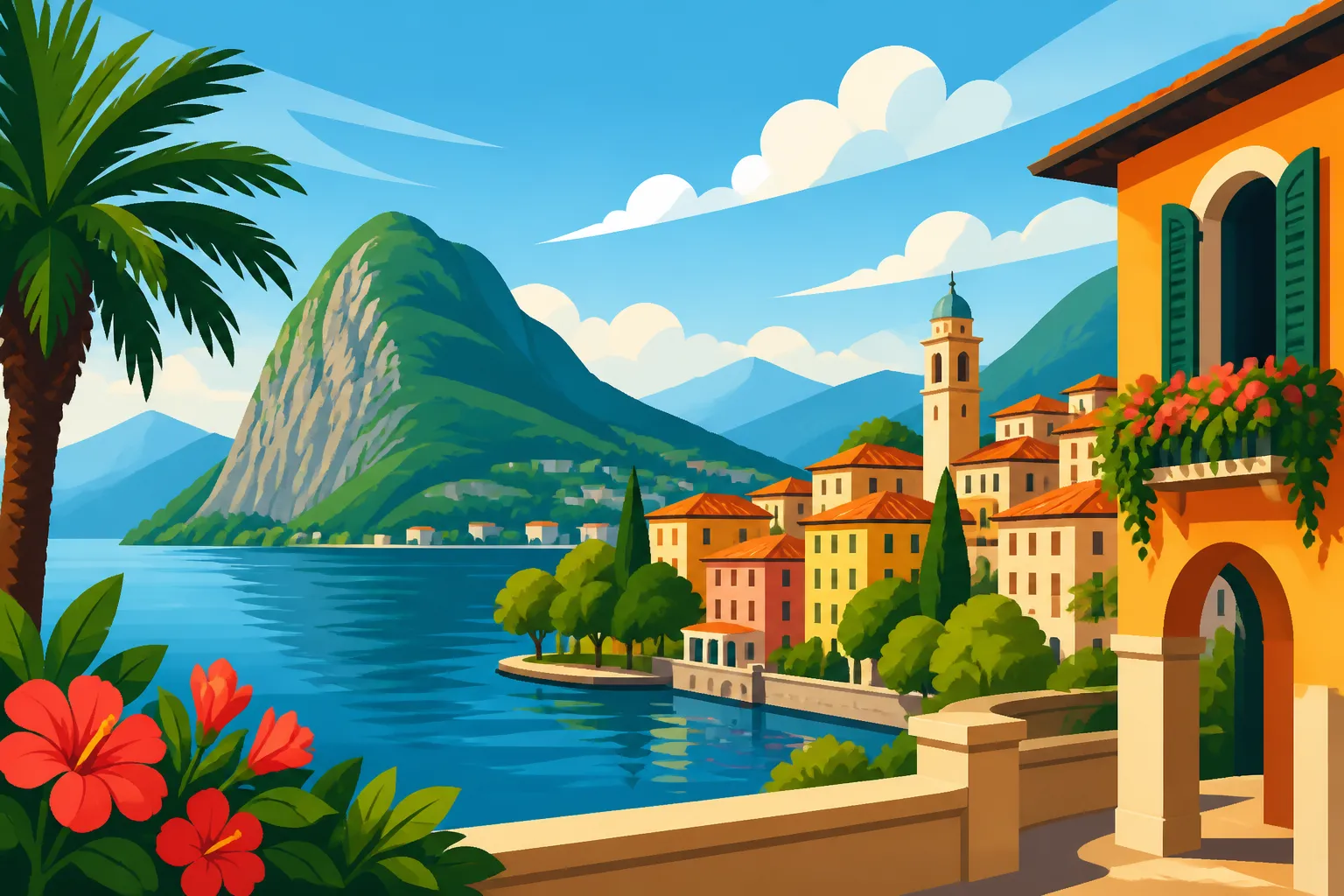
Ah, Lugano. It's often the first port of call for anyone exploring Ticino, and for good reason. Imagine a bustling city that feels distinctly Mediterranean, set against a backdrop of snow-capped mountains, all hugging the shores of a stunning, deep-blue lake. It’s a place where the precision and order of Switzerland beautifully intertwine with the relaxed, passionate spirit of Italy.
The Lakeside Charm and City Vibe
Stepping onto Lugano’s lakeside promenade, you’ll immediately feel the shift. Palm trees sway, colorful flowers burst from manicured beds, and the air hums with the chatter of Italian. It’s hard to believe you’re still in Switzerland! The Parco Ciani is a true gem here, a sprawling, exquisitely maintained public park that runs along the lake. It's perfect for a leisurely stroll, with its ancient trees, beautiful flower gardens, and elegant villas. You’ll find locals and tourists alike enjoying the sun, reading, or simply watching the boats glide across the water.
The city center itself is a delightful maze of narrow, cobblestone streets leading to wide, elegant piazzas. Piazza della Riforma is the heart of it all, a vibrant square lined with cafes and boutiques, always buzzing with activity. Here, you can sit with a coffee or an aperitivo, soaking in the atmosphere, feeling utterly transported. It's this seamless blend of orderly Swiss infrastructure and spontaneous Italian charm that makes Lugano so captivating. You'll find the public transport efficient, the streets clean, but the conversations are lively, the food is hearty, and the smiles are plentiful.
Artistic and Cultural Highlights
Lugano isn't just pretty; it's also a thriving cultural hub. The LAC Lugano Arte e Cultura is a stunning modern complex right on the lake, hosting a diverse program of concerts, theater, and art exhibitions. It’s a testament to Ticino’s commitment to enriching its cultural landscape, attracting international artists and audiences. Whether you're into classical music, contemporary art, or a thought-provoking play, the LAC usually has something that will pique your interest. Before your visit, it's worth checking their schedule online, and you might even find specific tours or event tickets available through platforms like GetYourGuide, which can streamline your cultural itinerary.
Beyond the LAC, you can delve into Lugano's literary side by visiting the Hermann Hesse Museum in Montagnola, a charming village just a short bus ride from the city. Hesse, the Nobel laureate, lived here for over 40 years, and his former home is now a museum dedicated to his life and works. It’s a peaceful, contemplative space that offers a deeper insight into the mind of a great author and the region that inspired him. Even if you're not a literary buff, the serene setting and the beautiful views from Montagnola are well worth the trip.
Ascending Monte Brè and Monte San Salvatore
To truly grasp Lugano's picturesque setting, you must ascend one of its guardian mountains. Monte Brè and Monte San Salvatore offer two distinct, equally spectacular panoramic views, and thankfully, both are easily accessible by funicular.
Monte San Salvatore, often called the "Sugarloaf of Switzerland," rises dramatically from the southern end of the lake. A charming, old-world funicular takes you directly from Paradiso, just south of Lugano center, up to the summit in about 10 minutes. At the top, you'll find a restaurant with an incredible terrace, a small museum, and an old chapel. The views stretch across Lake Lugano, encompassing the city, the surrounding mountains, and all the way to the distant Italian Alps. It's breathtaking, especially on a clear day, and offers some fantastic photo opportunities.
Monte Brè, on the eastern side of the lake, boasts similar, if slightly different, vistas. Its funicular departs from the village of Cassarate. The summit village of Brè offers a quieter, more traditional Ticinese experience with charming grottoes (traditional restaurants) and narrow streets. From Monte Brè, you get a fantastic perspective of Lugano spread out below and the lake winding into the distance. Both mountains are also starting points for some wonderful hiking trails, ranging from easy strolls to more challenging treks down into the valleys. Trust me, the small investment in time and ticket price is absolutely worth it for these unforgettable views. For more on how these mountain transport systems work across Switzerland, our article on Mountain Railways and Cable Cars: Reaching Switzerland's Peaks has you covered.
Beyond Lugano: Exploring the Wider Ticino Canton
While Lugano is undoubtedly the star, the canton of Ticino has so much more to offer. Venture beyond the city limits, and you'll discover a landscape rich in history, natural beauty, and distinct regional flavors, each with its own unique appeal.
Bellinzona's UNESCO Castles
A short train ride north of Lugano lies Bellinzona, the capital of Ticino and home to one of Switzerland's most impressive UNESCO World Heritage Sites: its three medieval castles. Castello Grande, Montebello, and Sasso Corbaro stand as formidable guardians of the valley, a testament to Ticino's strategic importance through history.
Castello Grande, the largest and oldest, dominates the town center. You can walk its massive walls, explore its inner courtyards, and enjoy fantastic views of the surrounding area. Castello di Montebello is a bit higher up, requiring a pleasant uphill walk (or a mini-train ride in summer) and offers a more intimate experience with its museum and slightly better panoramic views. Finally, Castello di Sasso Corbaro, perched highest of all, provides the most dramatic backdrop and houses a regional art museum. Exploring these castles is like stepping back in time, offering a captivating glimpse into Ticino's rich past. They are incredibly well-preserved and are a must-see for history buffs and anyone who appreciates stunning medieval architecture. Give yourself a full day to properly explore all three, soaking in the history and the views from each vantage point.
Locarno and Ascona: The Lakeside Gems
Further north, nestled on the shores of Lake Maggiore, you'll find the twin towns of Locarno and Ascona. These two destinations offer a slightly different vibe than Lugano, often feeling even more intensely Mediterranean, thanks to their lower altitude and proximity to Italy.
Locarno is famous for its sun-drenched Piazza Grande, a huge, atmospheric square that hosts the renowned Locarno Film Festival every August. It’s a bustling hub with arcades, shops, and outdoor cafes, perfect for people-watching. Don't miss the Falconeria Locarno, where you can witness impressive bird-of-prey shows. From Locarno, a cable car can whisk you up to the Madonna del Sasso sanctuary, a beautiful pilgrimage church with breathtaking views of the lake.
Just next door, Ascona is a picture of charming elegance. Its beautifully preserved old town, narrow alleys, and chic boutiques make it a favorite among artists and those seeking a tranquil, upscale escape. The lakefront promenade is dotted with delightful restaurants and cafes. From Ascona, you can take a boat trip to the Isole di Brissago, two botanical islands bursting with exotic plants from around the world. These towns are perfect for leisurely strolls, enjoying gelato by the lake, and embracing the relaxed, southern Swiss rhythm.
Discovering the Valleys: Verzasca and Maggia
To truly escape the urban bustle and immerse yourself in Ticino's raw natural beauty, head inland to its spectacular valleys. The Valle Verzasca and Valle Maggia are famous for their crystalline, emerald-green rivers, ancient stone villages, and dramatic landscapes.
The Verzasca Valley is perhaps the most famous, largely due to its mesmerizing turquoise river, which is so clear you can see to the bottom. It’s a popular spot for brave swimmers (the water is cold!), sunbathers, and photographers. The iconic Ponte dei Salti (Roman Bridge) near Lavertezzo is a postcard-perfect spot, with its double arches spanning the vibrant green water. You can follow hiking trails along the river, past charming rustici (stone houses), and through lush forests. Just be mindful of safety, as the currents can be strong.
The Maggia Valley, less frequented but equally stunning, offers a similar blend of natural beauty and rustic charm. Its river, also incredibly clear, carves its way through impressive rock formations, creating countless pools perfect for a refreshing dip on a hot summer day. You’ll find traditional villages like Cevio with their characteristic stone architecture, and plenty of opportunities for hiking and exploring. These valleys are a world away from the manicured lawns of Zurich or the urban sprawl of Geneva; they are wild, untamed, and utterly captivating. For those looking to hit the trails, our guide to Swiss Hiking for Beginners: Trail Grades and the SAC System offers excellent advice on preparing for your adventure in these magnificent natural settings.
The Palate and the People: Ticinese Culture and Cuisine
One of the most immediate and delightful aspects of experiencing Ticino is its culture, heavily infused with Italian influences, especially when it comes to food and social interaction. It's a joyful, sensory experience that stands apart from the rest of Switzerland.
A Taste of Ticino: Grottoes and Local Delights
Forget your Rösti and Fondue – in Ticino, it's all about polenta, risotto, and rustic, flavorful dishes. The absolute quintessential dining experience here is a grotto. These are traditional, often family-run, restaurants tucked away in cool, shaded spots, typically in stone buildings, offering simple yet incredibly delicious local fare. They were originally cellars for storing wine and cheese, and their rustic charm has been preserved.
At a grotto, you'll feast on hearty portions of polenta (cornmeal porridge, often served with rich stews or braised meats), various risottos (often with mushrooms or saffron), delicious cured meats like salame ticinese, and local cheeses. Of course, you absolutely must try the local Merlot wine, which thrives in Ticino's sunny climate and produces some surprisingly good vintages. It's a revelation for many, as Swiss wine often flies under the international radar. Dining in a grotto is more than just a meal; it’s a social event, a gathering with friends and family, often lasting for hours, accompanied by plenty of good wine and laughter. It's pure la dolce vita, Ticinese style. For more on local culinary customs, check out our guide on Swiss Food and Drink Culture: Regional Specialties and Dining Etiquette, which can help you navigate these delightful gastronomic traditions.
Language and Local Interactions
Here’s where it gets interesting for many expats: while Switzerland generally means German, French, or Romansh, in Ticino, Italian is the official language. This isn't just a slight variation; it's a complete shift in communication, mindset, and cultural expression. Conversations are often more animated, gestures are more expressive, and the emphasis on social connections is profound. While many people in tourist-heavy areas speak German and English, making an effort with a few Italian phrases – even just Buongiorno, Grazie, and Ciao – will be deeply appreciated.
It’s important to understand that Ticinese Italian isn’t just a carbon copy of standard Italian; it has its own unique nuances and dialectical influences, though standard Italian is widely understood. For those who’ve spent years grappling with Swiss German, the transition to Italian might feel refreshing or simply another language hurdle. But it definitely adds to the feeling of being in a distinct region. The local media, schools, and government all operate in Italian, reinforcing this strong cultural identity. It's a clear reminder that Switzerland is a confederation of very different cultures, and this linguistic diversity is one of its most fascinating aspects, even if it adds a layer of complexity for us foreigners. Our guide on Language Differences: Navigating Swiss German (Schwiizertüütsch) Dialects can provide a comparative look at how different languages operate within the Swiss context.
Festivals and Traditions with an Italian Twist
Ticino's calendar is dotted with lively festivals and traditions that reflect its Italian heritage, often with a unique Swiss twist. These events are fantastic opportunities to immerse yourself in local life and witness the region's vibrant spirit.
The Locarno Film Festival in August is perhaps the most famous, transforming the Piazza Grande into a massive open-air cinema. It's an internationally renowned event that draws film enthusiasts from around the globe, creating an electric atmosphere in the city. For more details on this iconic event, our dedicated article Locarno Film Festival: Open-Air Cinema in Ticino is a great resource. Beyond the glitz of the film festival, you’ll find smaller, equally charming local celebrations. The grape harvest festivals in autumn, for example, are a joyous occasion, celebrating the region's winemaking traditions with music, food, and plenty of local wine. Throughout the year, local markets (mercato) pop up in various towns, offering fresh produce, local crafts, and a chance to experience the lively banter and community spirit that defines Ticinese life. These festivals are not just for tourists; they are deeply ingrained in the local culture, offering an authentic glimpse into the soul of Ticino.
Practicalities for Your Ticino Adventure
So, you’re ready to dive into Ticino! But before you go, let’s cover some practicalities to ensure your trip is as smooth and enjoyable as possible. A little planning goes a long way, especially in a region that combines Swiss standards with a Mediterranean pace.
Finding Your Perfect Stay
Ticino offers a fantastic range of accommodation options, catering to every budget and travel style. In Lugano, you’ll find everything from luxurious five-star hotels with lake views to modern, comfortable boutique hotels in the city center. For something a bit more budget-friendly, there are also well-maintained hostels and guesthouses.
If you venture into the valleys or smaller towns like Ascona, you might discover charming Agriturismi – working farms that offer accommodation, often with home-cooked meals featuring their own produce. These are a wonderful way to experience the rustic side of Ticino and enjoy genuine hospitality. Holiday apartments are also widely available, especially for longer stays or families, offering more space and the option to self-cater. Booking.com is a really useful platform for comparing prices and availability across all these types of accommodations, allowing you to filter by location, amenities, and budget. Remember, especially during peak season (summer and major festivals), booking ahead is always a good idea. For those seeking more economical options, our guide on Budget Accommodation in Switzerland: Hostels and Holiday Apartments can offer further tips relevant to the wider Swiss context, which applies to Ticino as well.
Navigating Public Transport
Just like the rest of Switzerland, Ticino boasts an excellent public transport system. The train network connects all the major towns like Lugano, Bellinzona, and Locarno, making inter-city travel seamless. Within the cities and to nearby villages, an extensive bus network operates efficiently. On the lakes, frequent boat services connect the lakeside towns, offering a beautiful and leisurely way to travel while enjoying the scenery.
If you plan on exploring extensively, consider purchasing a Ticino Ticket. This brilliant initiative is often provided by your hotel or holiday apartment (check when booking!) and offers free public transport throughout the canton, as well as discounts on mountain railways, boat trips, and major attractions. It’s an absolute game-changer for budget-conscious travelers. Otherwise, the Swiss Half-Fare Card is also valid, giving you 50% off most train, bus, and boat fares. Our guide on The Half-Fare Travelcard (Halbtax): The Must-Have Pass for Swiss Residents provides all the details you’ll need on this indispensable pass. Even if you've driven to Ticino, utilizing public transport for city excursions can save you a lot of hassle with parking.
Budgeting for the Southern Swiss Lifestyle
Let’s be real, Switzerland is expensive, and Ticino is no exception. While it might feel a little more laid-back, the prices for accommodation, dining out, and certain activities are still firmly Swiss. However, there are ways to manage your budget. Eating at local grottoes, especially those slightly off the main tourist paths, can offer more authentic and often better-value meals compared to fancy lakeside restaurants. Self-catering for some meals, particularly breakfast and picnics, can significantly cut down on food costs. Local supermarkets like Coop and Migros are readily available.
Utilizing the Ticino Ticket for free transport is a massive saving, and opting for free activities like hiking, swimming in the lakes, or simply strolling through charming old towns will make your money go further. Keep an eye out for daily specials (menu del giorno) at restaurants for lunch, which are usually a more affordable option. While it won't be as cheap as a trip to Italy, with smart planning, you can absolutely enjoy Ticino without completely breaking the bank. For a broader understanding of expenses in Switzerland, refer to our article on Cost of Living in Switzerland 2026: Budgeting for Singles and Families.
Activities and Experiences: Making the Most of Ticino
Ticino is a playground for anyone who loves the outdoors, culture, or simply soaking up a vibrant atmosphere. From challenging hikes to relaxing lake days, there's an activity for every mood and energy level.
Hiking and Outdoor Adventures
The canton's diverse landscape means hiking opportunities abound, from gentle lakeside strolls to challenging alpine treks. The valleys of Verzasca and Maggia, as mentioned, are prime spots for river walks and exploring traditional stone villages. Closer to Lugano, the trails up and around Monte Brè and Monte San Salvatore offer not just exercise but also incredible panoramic rewards.
For something truly unique, consider hiking parts of the "Sentiero delle Meraviglie" (Path of Wonders) near Monte Carasso, which includes a stunning Tibetan-style suspension bridge, the Ponte Tibetano Carasc. It's an exhilarating experience and offers fantastic views. The region also boasts numerous "theme trails" that combine natural beauty with cultural or historical information, perfect for families. Always check trail conditions and weather forecasts before heading out, especially in higher elevations. Even relatively easy trails in Switzerland can become tricky if the weather turns. If you're looking for inspiration for simpler hikes, our guide Best Easy Day Hikes Near Zurich and Geneva can give you an idea of what to expect from accessible trails, which often share characteristics with those found in Ticino.
Water Sports and Lakeside Leisure
With Lake Lugano and Lake Maggiore acting as the canton's shimmering jewels, water-based activities are a huge draw in Ticino. On a warm summer day, there’s nothing quite like taking a dip in the refreshing lake waters. Many towns have public badis (lidos or swimming areas), often with grassy areas for sunbathing, changing rooms, and sometimes even small cafes.
You can rent pedal boats, kayaks, or stand-up paddleboards (SUPs) from various spots along the lakefront in Lugano, Locarno, and Ascona. Cruising on the lakes is also a wonderful way to see the region. Regular boat services offer scenic trips, allowing you to hop between charming lakeside villages like Gandria (a picturesque car-free village on Lake Lugano) or explore the botanical wonders of the Brissago Islands on Lake Maggiore. For a deep dive into these aquatic playgrounds, our article Lake Lugano and Lake Maggiore: The Southern Lakes Explained is an excellent resource for planning your water adventures. Whether you're actively splashing or simply relaxing by the shore, the lakes are an integral part of the Ticinese experience.
Shopping, Markets, and Souvenirs
Ticino's shopping scene offers a delightful mix of Swiss quality and Italian flair. In Lugano, you’ll find elegant boutiques selling fashion, jewelry, and watches, particularly along Via Nassa. It’s not quite Milan, but it certainly leans towards Italian style! For more unique finds, explore the smaller, independent shops tucked away in the old town's narrow streets.
Local markets (mercato) are a fantastic place to pick up fresh produce, regional delicacies, and artisan crafts. These markets are not just about shopping; they’re a social event, a chance to mingle with locals and soak in the lively atmosphere. Look for local honey, cheeses, cured meats, and of course, bottles of Ticinese Merlot. As souvenirs, consider buying some beautiful ceramic pieces, traditional wood carvings, or local food products that will remind you of the sunny south long after you've returned to your "other" Swiss home.
| Feature / City | Lugano | Bellinzona | Locarno / Ascona | Verzasca / Maggia Valleys |
|---|---|---|---|---|
| Vibe | Cosmopolitan, Italian flair, lakeside | Historic, capital, medieval | Mediterranean, artistic, relaxed | Wild, rustic, natural beauty |
| Main Draw | Lake, mountains, culture, shopping | UNESCO Castles, history | Film festival, botanical islands | Turquoise rivers, hiking, villages |
| Activities | Promenade, funiculars, LAC, dining | Castle exploration, old town | Piazza Grande, Falconeria, boat trips | Swimming, hiking, photography |
| Food Scene | Diverse, grottoes, fine dining | Traditional Ticinese, local markets | Lakeside restaurants, chic cafes | Rustic grottoes, picnic spots |
| Best For | City break, cultural immersion, views | History buffs, family exploration | Relaxation, art, festivals | Nature lovers, adventure, escape |
Disclaimer
Please remember that while I strive to provide the most accurate and up-to-date information, rules, regulations, and even local customs in Switzerland can change. This guide is intended for informational purposes only and should not be taken as legal, financial, or medical advice. Always consult official sources, local authorities, or professionals for specific guidance tailored to your personal situation. The brands mentioned (Omio, GetYourGuide, Booking.com) are included as examples of common services available and not as exclusive endorsements. Happy exploring, and enjoy your time in the magical Italian-speaking south of Switzerland!