Visiting the Swiss National Park in Graubünden: Rules and Trails
So, you’ve heard about the Swiss National Park in Graubünden, right? It's one of those places that pops up on every "must-see" list for Switzerland. And while it promises breathtaking landscapes and a true wilderness experience, many expats, myself included, arrive with a bit of a shock when they learn just how strict the rules are. Forget everything you know about casual hikes with your furry friend or quick off-trail detours for a better photo. This guide is here to walk you through the nitty-gritty of visiting Switzerland's oldest and most unique national park, ensuring you’re prepared and can truly appreciate its untouched beauty without accidentally breaking a law or two.
A Sanctuary of Strict Rules: What Makes the Swiss National Park Unique?
Stepping into the Swiss National Park (Schweizerischer Nationalpark in German, Parc Naziunal Svizzer in Romansh) isn't like visiting Yellowstone or Yosemite. It's a different beast entirely, and its uniqueness comes precisely from its uncompromising approach to nature protection. When you first hear about all the "don'ts," it can feel a bit overwhelming, even unwelcoming. Trust me, I get it. We come from countries where "national park" often means a designated area with hiking, maybe some camping, but generally a more relaxed vibe. Here, it's a commitment to letting nature be nature, unhindered by human interference, and that’s a beautiful, if strict, philosophy.
Why So Many Rules? Understanding the Philosophy
The Swiss National Park, established way back in 1914, holds a special place in Europe. It's the only one of its kind in Switzerland and a pioneer in European nature conservation. Its foundational principle is "absolute protection." This isn't just about preserving specific species or landscapes; it's about allowing natural processes to unfold without any human intervention. Think about that for a moment. No forestry, no hunting, no mowing, no active management of wildlife populations. The dead trees stay where they fall, the animals forage and live entirely on their own terms, and the landscape evolves naturally over time.
This radical philosophy is why the rules feel so stringent to us outsiders. They're not there to make your life difficult; they're there to uphold this core commitment to wild nature. Every single regulation – from staying on marked paths to the absolute ban on dogs – stems from the desire to minimize human impact to the barest minimum. It allows scientists to study natural ecosystems free from external influences, and it offers visitors a truly rare glimpse into what primeval Alpine wilderness looks like. So, while it might initially feel like a bureaucratic hurdle, understanding the deep-rooted environmental ethos behind it can help you appreciate the extraordinary privilege of visiting such a place.
The Golden Rules: Do's and Don'ts for Your Visit
Alright, let's get down to brass tacks. These aren't suggestions; they are legally enforced regulations, and breaking them can result in hefty fines. It’s better to be informed and respectful than to face a warden with an official fine pad.
First and foremost, you must stay on the marked hiking trails. This is non-negotiable. No cutting corners, no venturing off to get a "better" photo angle, no exploring that intriguing patch of forest just beyond the path. The fragile ecosystem, particularly the ground vegetation and the wildlife, are highly sensitive to disturbance. Even stepping on seemingly robust moss can disrupt decades of growth. The paths are clearly signposted with the familiar yellow hiking markers you see across Switzerland, and deviating from them is simply not allowed.
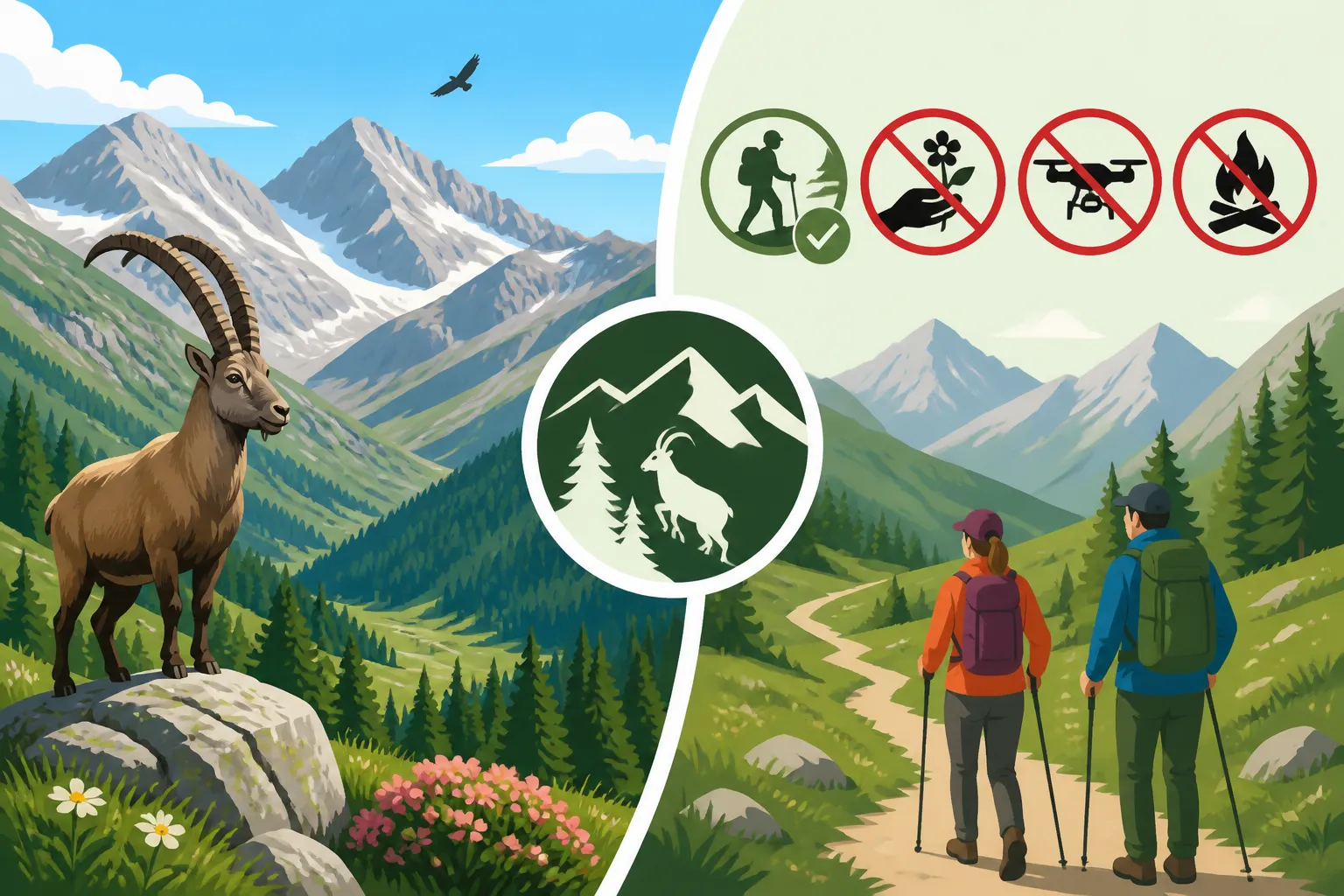
Secondly, the park is an absolute "leave no trace" zone in the most literal sense. All garbage, no matter how small, must be carried out with you. This includes fruit peels, tissues, and even breadcrumbs. There are no waste bins within the park itself, so plan accordingly by bringing a small bag for your trash. Furthermore, open fires are strictly forbidden, as are any form of overnight stays outside of designated accommodation. This means no camping, no bivouacking, and certainly no sleeping under the stars on a secluded ridge.
Now, for the rule that often causes the most heartache among expat dog owners: dogs are absolutely, 100% forbidden in the Swiss National Park. Even if your dog is on a leash, in a carrier, or impeccably behaved, it cannot enter the park. This might seem harsh, especially if you're used to Taking Your Dog on Swiss Trains and Mountain Railways elsewhere, but the reasoning is sound. Even the scent of a dog can disturb wildlife, leading to stress, altered feeding patterns, and even abandonment of young. This rule applies to all dogs, regardless of size or breed, and it is strictly enforced. Leave your beloved canine companion at home or with a sitter for this particular adventure. Similarly, drones are also prohibited to prevent disturbance to wildlife and other visitors seeking tranquility. Keep your movements quiet and your voice low to avoid scaring animals.
The practical implication of these rules is that you need to be entirely self-sufficient for your visit. Pack enough water, snacks, and a full meal if you plan a longer hike, as there are very limited facilities inside the park, primarily at Hotel Parc Naziunel Il Fuorn or the Chamanna Cluozza hut. Consider it a privilege to experience such raw nature, and plan your day to respect its boundaries.
Planning Your Adventure: Access, Trails, and Accommodation
Once you understand and embrace the park's strict ethos, planning your visit becomes a joyful exercise in anticipation. The Engadine Valley, where the park is located, is a stunning region of Graubünden, easily accessible and offering plenty of breathtaking scenery even outside the park boundaries.
Getting There: Public Transport is Your Best Friend
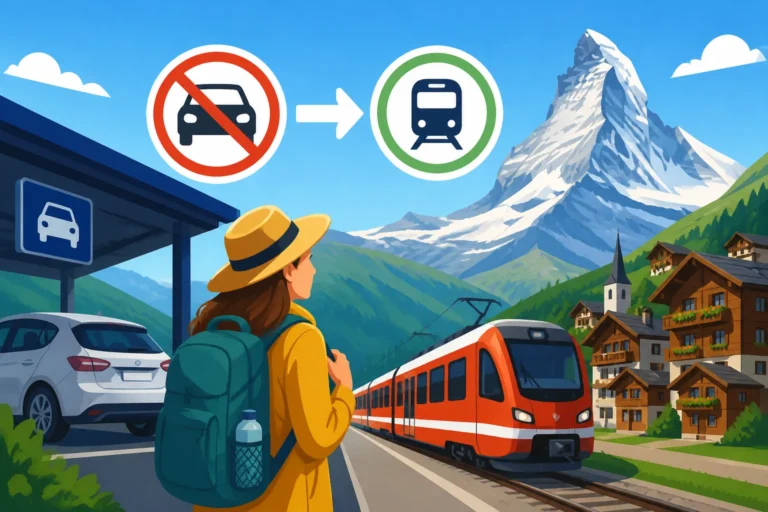
Reaching the Swiss National Park is easiest and most environmentally friendly via public transport. The main gateway to the park, and where you'll find the excellent visitor center, is the charming village of Zernez.
To get to Zernez, you'll typically take an SBB train. If you're coming from major cities like Zurich, you'll travel towards Chur, then often change to the Rhaetian Railway (RhB) towards St. Moritz, eventually branching off towards Zernez. The journey itself is part of the experience, winding through dramatic Alpine landscapes and picturesque villages. If you're planning multiple train journeys during your stay in Switzerland, investing in a The Half-Fare Travelcard (Halbtax): The Must-Have Pass for Swiss Residents is almost always a no-brainer, as it cuts all train and most bus fares by 50%. For more extensive travel, you might even consider if a SBB Travelcards: Is the Generalabonnement (GA) Worth the CHF 4000+ Cost? makes sense for your lifestyle. You can conveniently check train and bus connections and purchase tickets through the SBB website or app, or through platforms like Omio, which can sometimes offer combined travel options.
Once you arrive in Zernez, the PostBus network takes over as your primary mode of transport within the park's perimeter. These iconic yellow buses are incredibly reliable and connect Zernez to various entry points along the main road (Pass dal Fuorn / Ofenpassstrasse) that traverses a section of the park. You'll want to plan your PostBus connections carefully, especially for return journeys, as some routes operate less frequently in the late afternoon or shoulder seasons.
While there are some limited parking spots available along the Ofenpassstrasse (e.g., at P1, P2, P3 near Il Fuorn), parking spaces are scarce and fill up quickly, especially during peak summer months. Using the PostBus not only reduces your environmental footprint but also simplifies your logistics, allowing you to focus on the hike rather than worrying about finding a spot for your car. The Zernez visitor center is your first port of call; here, you can get detailed maps, up-to-date information on trail conditions, and expert advice from the park rangers.
Navigating the Trails: Difficulty, Duration, and Must-Sees
The Swiss National Park offers a network of about 80 kilometers of marked hiking trails, ranging from easy strolls to challenging full-day expeditions. Remember, staying on these paths is mandatory. The trails are clearly marked with the familiar yellow diamond signs for hiking trails, and for more challenging mountain paths, white-red-white markings. It’s always good to familiarize yourself with Swiss Hiking for Beginners: Trail Grades and the SAC System before heading out, so you know what to expect in terms of difficulty.
For a relatively easy introduction to the park, consider a hike around the Il Fuorn area. The "Munt la Schera" loop (Trail 10) is a moderate option offering lovely views and takes about 2-3 hours. It gives you a good feel for the landscape without being overly strenuous. Another popular, accessible trail is to plan a route from Pralong through Val Mingèr (Trail 2). This valley is known for its beautiful forests and the chance to spot red deer, particularly in the early morning or late afternoon.
If you're looking for a longer, more challenging adventure and a higher chance of spotting wildlife, particularly ibex and chamois, the Val Trupchun (Trails 1, 2) is highly recommended. You’ll typically start from Prasüras (accessible by PostBus) and hike deep into the valley. This is a full-day hike, often taking 6-8 hours, depending on how far you go. The reward is unparalleled wilderness and often excellent wildlife viewing opportunities, especially towards the upper reaches of the valley. Just remember that it requires good stamina and appropriate footwear.
Regardless of your chosen trail, preparation is key. The weather in the Alps can change rapidly, even in summer. Always carry sufficient water, snacks, a map, and layers of clothing. A rain jacket is a must. Sturdy hiking boots are essential as many paths are rocky and uneven. Before you head out, check the local weather forecast and trail conditions. It also helps to carry a small first-aid kit. For a comprehensive list of what to bring, check out our guide on What to Pack for a Day Trip to the Swiss Alps.
Where to Stay: Limited Options and Nearby Towns
Staying within the immediate vicinity of the Swiss National Park offers a truly immersive experience, but options are limited, reinforcing the park's protected status.
Inside the park itself, there are only two possibilities:
- Hotel Parc Naziunel Il Fuorn: Located directly on the Ofenpassstrasse, this historic hotel is the only hotel within the park boundaries. It offers comfortable accommodation and a restaurant, making it a fantastic base for exploring the surrounding trails. Being able to wake up surrounded by the park's tranquility is a unique experience. Given its prime location and limited availability, booking well in advance is absolutely crucial, especially during peak season.
- Chamanna Cluozza (SAC Hut): For those seeking a more rustic, authentic mountain experience, the Chamanna Cluozza is the only Swiss Alpine Club (SAC) hut located deep within the park. Reaching it requires a 3-4 hour hike from Zernez, making it a genuine wilderness trek. It offers dormitory-style accommodation, basic meals, and stunning views. Staying here means disconnecting from the outside world entirely. Again, reservations are mandatory and must be made directly with the hut well in advance, as detailed in our guide on Swiss Alpine Club (SAC) Huts: Booking and Etiquette for Overnights.
If staying directly in the park isn't feasible or desired, several charming towns and villages just outside the park offer excellent alternatives. These places serve as great bases, still allowing easy PostBus access to the park's entry points:
- Zernez: As the official gateway to the park, Zernez is probably the most convenient base. It has the visitor center, train station, and numerous PostBus connections. You'll find a range of hotels, guesthouses, and holiday apartments here.
- Scuol: A beautiful spa town further down the valley, Scuol offers more extensive amenities, including thermal baths (Bogn Engiadina Scuol), a wider selection of restaurants, and larger hotels. It's still well-connected by PostBus to Zernez and the park.
- Val Müstair: This pristine valley, located on the other side of the Ofenpass and bordering Italy, offers a quieter, more traditional Engadine experience. It’s a bit further but provides a different atmosphere and access to additional hiking.
- St. Moritz and the Upper Engadine: While further afield, the glitzy resort town of St. Moritz and the other villages of the Upper Engadine (like Pontresina, Celerina) are also options if you don't mind a longer commute by train and bus. They offer high-end hotels and a broader range of activities. You can learn more about this area in our Exploring St. Moritz and the Engadine Valley guide.
When looking for accommodation, especially outside the immediate park area, platforms like Booking.com are invaluable. They allow you to compare prices, filter by amenities, and read reviews from other travelers, ensuring you find the perfect place for your pre- and post-hike relaxation.
Experiencing Nature: Wildlife, Landscapes, and Seasons
The allure of the Swiss National Park isn't just its strict rules or beautiful trails; it's the opportunity to witness genuine Alpine wilderness. This is where you might truly feel like you’ve stepped back in time, seeing the mountains as they've existed for millennia.
Spotting Wildlife: Patience is Key
One of the main draws for many visitors is the chance to spot the iconic Alpine wildlife in its natural, undisturbed habitat. Unlike other parks where animals might be accustomed to human presence, here they are truly wild, which means sightings are never guaranteed and require a good dose of patience, quiet movement, and sometimes, a pair of binoculars.
What can you hope to see? The stars of the show are often the majestic ibex (Steinbock), with their impressive horns, and the agile chamois (Gämse), which are incredibly adept at navigating steep, rocky terrain. You might spot these creatures grazing on higher slopes, especially early in the morning or late in the afternoon when they are most active. Val Trupchun, mentioned earlier, is renowned as one of the best valleys for wildlife observation due to its rich feeding grounds and water sources.
Keep an eye on the sky for golden eagles (Steinadler) soaring overhead – a truly magnificent sight. Lower down, you're almost guaranteed to hear, if not see, marmots (Murmeltiere), whose distinctive whistles serve as an alarm call throughout the mountains. If you're lucky, you might even spot a fox or a hare. Rarer sightings include bearded vultures.
The key to successful wildlife spotting is to be quiet, move slowly, and be respectful. Never try to approach or feed the animals; it's detrimental to their wild nature and can be dangerous for you. Stay on the trails, use binoculars, and let the animals come to you, or simply observe them from a distance. The Zernez visitor center offers excellent exhibitions on the park's fauna, and you can also join guided tours. These tours, often led by experienced park rangers, significantly increase your chances of spotting animals and provide invaluable insights into their behavior and habitat. You can often find and book such tours through platforms like GetYourGuide, which list a variety of local experiences.
The Best Time to Visit: Seasonal Considerations
The Swiss National Park is a place of dramatic seasonal changes, and each period offers a different experience. Deciding when to visit depends heavily on what you want to see and do.
-
Summer (July to September): This is by far the most popular time to visit, and for good reason. All hiking trails are typically open and free of snow, making for optimal hiking conditions. The Alpine flora is in full bloom, painting the meadows with vibrant colors. Wildlife is very active, and the longer daylight hours allow for extended exploration. Temperatures are generally pleasant, though you should still be prepared for cooler conditions at higher altitudes and sudden changes. If you’re planning a trip during these months, be prepared for more visitors on the popular trails and ensure your accommodation and travel are booked in advance.
-
Shoulder Seasons (June and October):
- June: Early June can still see lingering snow on higher trails, so some routes might be closed or challenging. However, it's a fantastic time for blooming flowers in the lower valleys and fewer crowds. The air is crisp, and the scenery is fresh.
- October: This month offers a spectacular display of autumn colors, especially the golden larch trees that are characteristic of the Engadine. Wildlife is often more visible as animals prepare for winter, and the crisp, clear air provides excellent visibility. However, temperatures drop significantly, and higher trails may begin to experience early snowfall, leading to closures. Always check trail conditions before setting out.
-
Winter (November to May): Most of the Swiss National Park is closed to visitors during the winter months, typically from November through to mid-June. This is a critical period for wildlife, allowing them undisturbed peace during the harsh Alpine winter. However, the Ofenpassstrasse (road through the park) often remains open, and you can still experience the beauty of the snow-covered fringes of the park. Limited opportunities for snowshoeing exist just outside the core protected areas, but within the park, access is severely restricted. If you're interested in winter activities in the broader region, our guide on Snowshoeing and Winter Hiking in Switzerland for Non-Skiers might be helpful. Visiting the national park in winter is a vastly different, more limited experience, focusing on appreciating the untouched snowy peaks from afar rather than active exploration within.
Here’s a quick overview of some popular trails in the Swiss National Park:
| Trail Name (Example) | Starting Point | Difficulty | Estimated Time (Hrs) | Highlights | Key Rules / Notes |
|---|---|---|---|---|---|
| Il Fuorn – Munt la Schera | Hotel Il Fuorn (P1) | Easy/Moderate | 2-3 | Panoramic views, larch forests, accessible introduction. | Stay on path, no dogs. |
| Prasüras – Val Trupchun | Prasüras (P3) | Moderate/Hard | 6-8 | High chance of spotting ibex, chamois, red deer. Deep valley. | Very long, requires stamina. No dogs. Bring binoculars. |
| Varusch – Val Sassa | Val Trupchun | Hard | 7-9 | Remote wilderness, challenging terrain, stunning isolation. | Advanced hikers only. No dogs. |
| Margunet Loop | Buffalora (P5) | Moderate | 4-5 | Alpine meadows, varied landscape, good for birdwatching. | Exposed in parts. No dogs. |
This table is just a snapshot, and there are many other incredible trails to explore, each offering its own unique perspective on this incredible natural wonder. Always grab a detailed map from the Zernez visitor center and plan your route thoroughly based on your fitness level and available time. Remember to also check Mountain Safety in Switzerland: Weather, Gear, and Emergency Numbers before any serious hike.
Ultimately, visiting the Swiss National Park is an extraordinary experience, but it’s one that requires respect, preparation, and an understanding of its unique conservation philosophy. It's a place where nature truly reigns supreme, and that's precisely why it's so special.
Disclaimer
Please note that while we strive to provide accurate and up-to-date information, regulations and conditions in Switzerland, particularly concerning nature parks and public transport, can change. Always verify current rules, trail conditions, and public transport schedules directly with the Swiss National Park administration (Zernez visitor center) and SBB before your visit. This guide is for informational purposes only and does not constitute official advice.