The Gotthard Panorama Express: Combining Boat and Rail
Let's face it, planning a trip through Switzerland can sometimes feel like trying to solve a Rubik's Cube blindfolded. There are so many stunning scenic routes, incredible mountain excursions, and charming towns to discover, it’s hard to know where to begin, let alone how to combine them all efficiently. But what if I told you there's one iconic journey that seamlessly blends two quintessential Swiss experiences – a serene lake cruise and a historic rail adventure through the heart of the Alps? This guide is all about demystifying the Gotthard Panorama Express, ensuring you can sit back, relax, and soak in the breathtaking views without any of the usual expat travel headaches.
What Exactly is the Gotthard Panorama Express?
The Gotthard Panorama Express isn't just another train ride; it's a meticulously crafted journey that truly showcases Switzerland's diverse landscapes and rich history. Unlike some of the other 'panorama' trains that are purely rail-based, this one offers a unique combination of travel by both boat and train, connecting the German-speaking heartland with the Italian-speaking canton of Ticino. It's an immersive experience that allows you to witness the dramatic shift from the serene, verdant lakeshores of Central Switzerland to the rugged, alpine passages of the Gotthard, finally emerging into the Mediterranean charm of Ticino.
A Unique Two-Part Experience
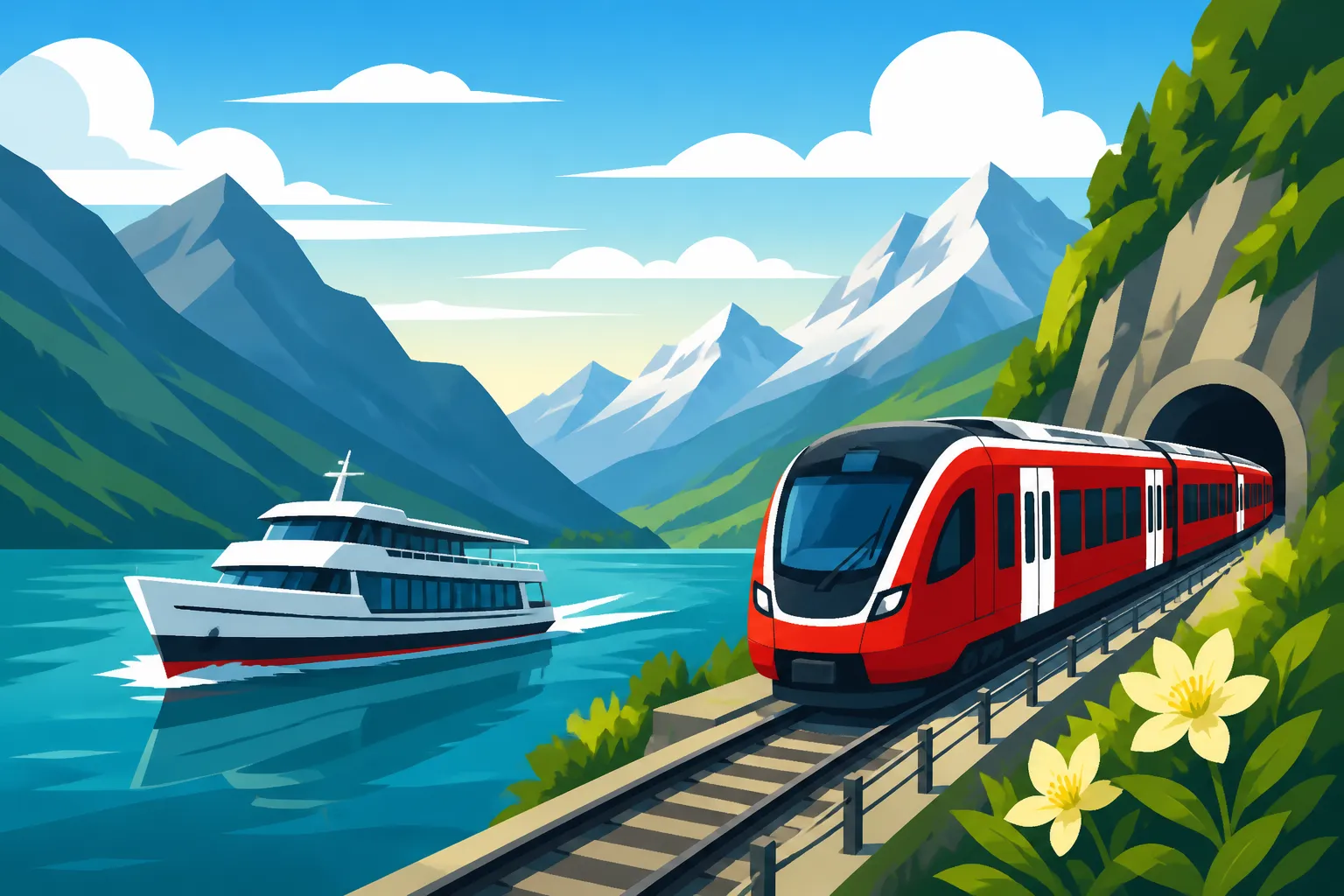
The beauty of the Gotthard Panorama Express lies in its dual nature. The journey officially starts (or ends, depending on your direction) with a delightful paddle steamer or modern motorboat cruise across Lake Lucerne. Imagine gliding past picturesque villages, historic chapels, and majestic mountains like Rigi and Pilatus. This tranquil waterborne segment offers a completely different perspective than the rail journey, setting a relaxed tone before the dramatic ascent into the Alps. You’ll be treated to fresh lake air and stunning reflections, preparing you for the engineering marvels and natural grandeur that await on the tracks.
Once you reach Flüelen, nestled at the southern tip of Lake Lucerne, you seamlessly transition to the panoramic train. This is where the real adventure begins. The train carriages are specifically designed with large windows, some extending into the roof, ensuring you don’t miss a single peak, valley, or tunnel entrance. The journey weaves through a landscape that has been a crucial north-south transit route for centuries, a testament to Swiss ingenuity and perseverance.
A Journey Through History and Engineering Marvels
This route isn't just about beautiful scenery; it's steeped in history. For centuries, the Gotthard Pass was one of the most important north-south connections in Europe, facilitating trade, travel, and cultural exchange. The original Gotthard railway line, completed in 1882, was an incredible feat of engineering, involving numerous helical tunnels, viaducts, and bridges to navigate the steep terrain. As you travel, the train will take you through these very tunnels, looping back on itself multiple times, causing you to emerge higher up the mountain, sometimes even seeing the same church three times from different angles! It’s a bit disorienting but absolutely fascinating.
The guide on board often points out these historical and engineering highlights, making the journey much more than just a passive sightseeing trip. You'll learn about the challenges faced by early engineers, the strategic importance of the route, and how Switzerland has consistently pushed the boundaries of infrastructure. It's a living history lesson, wrapped in breathtaking vistas, that really makes you appreciate the scale of human endeavor in harmony with nature. This historical context provides a deeper appreciation for the journey than just admiring pretty views, offering a glimpse into the heart of Swiss determination.
The Journey: North to South or South to North?
The Gotthard Panorama Express runs in both directions, typically from Lucerne to Lugano (north to south) or vice versa. While the scenery is equally spectacular, the experience can feel quite different depending on which way you go. Most people choose the northbound journey as it culminates in the peaceful boat ride, offering a gentle wind-down, but the southbound journey offers a dramatic build-up to the Mediterranean flair of Ticino.
The Lake Lucerne Cruise: Starting (or Ending) with Serenity
If you're heading south, your adventure kicks off at the bustling Lucerne boat quay, right next to the train station. You'll board a gorgeous paddle steamer (or a modern motor vessel, depending on the schedule and availability), and for approximately 2.5 to 3 hours, you'll cruise down the stunning Lake Lucerne. This lake, known as Vierwaldstättersee in German, is surrounded by some of Switzerland's most iconic peaks and historical sites. You'll pass places significant to Swiss history, like Rütli Meadow, where the legendary oath of the Swiss Confederacy was supposedly sworn.
The boat ride is incredibly relaxing. You can sit on the open deck, feel the breeze, and watch the landscape slowly unfold. There’s a restaurant on board, so you can enjoy a leisurely breakfast or lunch with fantastic views. When you reach Flüelen, you disembark, and your pre-reserved train will be waiting at the adjacent station, making the transition seamless and stress-free. For those ending their journey in Lucerne, the serene lake cruise after the intensity of the mountain pass provides a beautiful contrast and a perfect way to reflect on the journey. You might even find yourself wishing the boat ride lasted a little longer! It's an excellent segment to consider if you're planning on Day Trips from Zurich: Rhine Falls, Rapperswil, and Lucerne or simply spending time exploring the charms of Lake Lucerne: Cruises, Mountains, and the Swiss Path.
The Historic Gotthard Rail Line: Ascending the Alps
Once on the train from Flüelen, the real mountain magic begins. The panoramic carriages are designed to offer unparalleled views, allowing you to gaze out at the dramatic cliffs, lush valleys, and the historic Gotthard route itself. The train chugs its way upwards, gaining significant altitude through an intricate system of tunnels, including the famous Gotthard tunnel. This isn't the new, super-fast Gotthard Base Tunnel; it's the original, winding, 15-kilometer-long tunnel that’s part of the historic route.
You'll traverse steep inclines, cross impressive viaducts, and experience the famous helical tunnels around Wassen, where the picturesque church of Wassen appears and reappears from different angles as the train spirals through the mountain. This engineering marvel is truly a highlight. The journey through the Alps, usually taking about 3 to 3.5 hours, is punctuated by tunnels and short stops, giving you plenty of opportunities to marvel at the changing landscape. From the rugged beauty of the Uri Alps, you descend into the sun-drenched valleys of Ticino, where the architecture, vegetation, and language all subtly shift, signaling your arrival in Switzerland's Italian heartland.
Key Stops and Scenery
While the Gotthard Panorama Express is designed as a continuous journey, it does make a few stops along the way. The primary intermediate stop is usually Biasca in Ticino, before continuing to Bellinzona and then Lugano.
- Wassen: Even if the train doesn't stop, Wassen is a highlight. Look out for the famous church of Wassen, which you'll see from three different perspectives due to the spiraling tunnels. It's a prime example of the ingenious engineering required to conquer the Alpine topography.
- Bellinzona: This UNESCO World Heritage site is famous for its three medieval castles: Castel Grande, Montebello, and Sasso Corbaro. If you're traveling southbound and have flexibility, a stop here to explore these fortifications before continuing to Lugano is highly recommended. It’s a stark contrast to the mountainous journey and a wonderful introduction to the region's historical significance.
- Lugano: The final (or starting) destination in Ticino. This city boasts a distinct Mediterranean flair, nestled by Lake Lugano, surrounded by mountains, and adorned with palm trees. It's a fantastic place to unwind, explore the promenades, enjoy Italian-Swiss cuisine, and soak up the sun. For more on this region, check out our guide on Exploring Lugano and Ticino: Switzerland's Italian-Speaking South.
The entire journey offers a masterclass in varied Swiss scenery – from the deep blue waters of Lake Lucerne and the green pastures of Central Switzerland, to the dramatic rock faces and snow-capped peaks of the Gotthard, and finally, the sunny, palm-lined shores of Ticino. It's truly a microcosm of Switzerland's natural beauty and cultural diversity.
Booking Your Adventure: Tickets and Reservations
Navigating the Swiss public transport ticketing system can be a bit daunting, even for seasoned expats. The Gotthard Panorama Express, being a premium panoramic route, has its own specific booking requirements that differ from standard SBB trains. Don't worry, though; it’s manageable once you know the ropes.
Ticket Options and Validity
Firstly, you’ll need a valid ticket for the route. This isn't a special "Gotthard Panorama Express ticket" that includes everything, but rather a standard second-class fare from Lucerne to Lugano (or vice versa). What makes it specific is the mandatory seat reservation.
Here's how various passes generally work for the ticket portion of the journey:
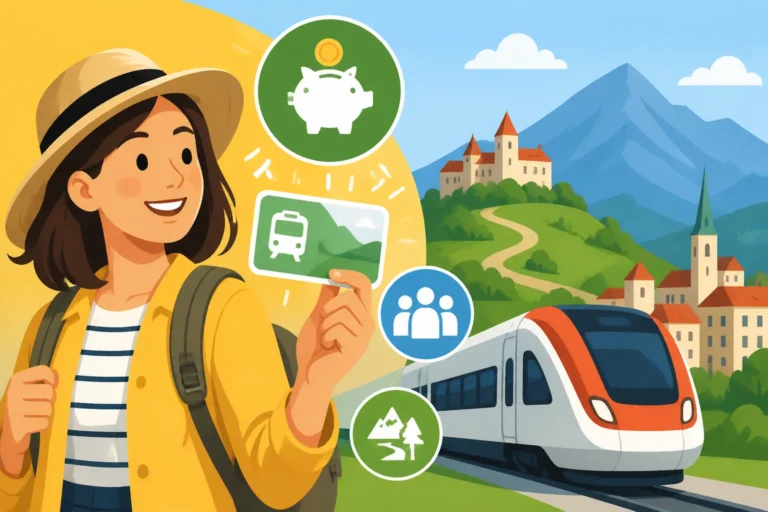
- Swiss Travel Pass: This is gold for tourists! The Swiss Travel Pass covers the entire Gotthard Panorama Express route, meaning you don't need to buy a separate ticket. You only need the mandatory seat reservation.
- GA Travelcard (Generalabonnement): If you're a resident with a GA, the journey is fully covered, just like with the Swiss Travel Pass. Again, only the seat reservation is required. You can learn more about whether SBB Travelcards: Is the Generalabonnement (GA) Worth the CHF 4000+ Cost? for your general travel needs.
- Half-Fare Travelcard (Halbtax): With a Half-Fare Card, you'll pay 50% of the standard fare for the Lucerne-Lugano route. This can save you a significant amount, especially if you plan other train journeys. Remember, the Half-Fare Card is an absolute must-have for anyone living in or frequently visiting Switzerland – truly The Half-Fare Travelcard (Halbtax): The Must-Have Pass for Swiss Residents.
- Standard Tickets: If you don't have any of the above passes, you'll need to purchase a regular point-to-point ticket from Lucerne to Lugano. These can be purchased via the SBB website, at train stations, or through online travel agencies like Omio, which can sometimes offer competitive pricing and currency conversion benefits.
Important Note: The Gotthard Panorama Express only offers 2nd class travel. There is no 1st class option available on this specific route, so everyone enjoys the same panoramic views and comfortable seating.
Mandatory Seat Reservations
This is the crucial part that trips up many travelers: a seat reservation is absolutely mandatory for the Gotthard Panorama Express. You cannot just hop on with a regular ticket or pass. These reservations are specific to the panorama train and boat connection and come with a fixed supplement fee.
- Cost: The reservation fee typically ranges from CHF 16 to CHF 24 per person, depending on the season.
- How to Book: You can book your reservations directly through the SBB website (usually under the "Gotthard Panorama Express" special offer section), at any major Swiss train station ticket counter, or through the SBB Mobile app. It’s highly recommended to book these well in advance, especially during peak travel seasons (summer, national holidays), as seats are limited. Trying to spontaneously jump on this specific service will lead to disappointment.
- Booking Third-Party: While you might buy your standard train ticket through a site like Omio or GetYourGuide, the mandatory seat reservation for the Gotthard Panorama Express is best done directly with SBB to ensure you get the correct supplement for the specific panorama service. Some third-party sites might offer packages, but always double-check that the official seat reservation is included.
Budgeting and Cost-Saving Tips
Switzerland is famously expensive, and scenic train journeys are no exception. However, there are ways to make the Gotthard Panorama Express a bit more budget-friendly:
- Travel off-peak: If your schedule allows, consider traveling outside of July and August or during weekdays. You might find slightly more availability for reservations and possibly less crowded carriages, leading to a more relaxed experience.
- Saver Day Pass (Spartageskarte): If you don't have a GA or Half-Fare Card, look into the Saver Day Pass (Spartageskarte): How Residents Save on Day Trips. These limited-quantity passes offer significant discounts on standard train tickets if booked far in advance. Combine this with your mandatory seat reservation for a good deal.
- Pack your own snacks: While there's dining on the boat and a minibar service on the train, bringing your own snacks and drinks can save a fair bit of money. A delicious Swiss picnic can be just as enjoyable!
- Accommodation: If you're extending your trip to Lugano or Lucerne, consider comparing prices on platforms like Booking.com. They often have deals, and if you’re flexible, you might find more affordable options slightly outside the main city centers. Don't forget that if you're Exploring Lugano and Ticino: Switzerland's Italian-Speaking South extensively, finding the right hotel can really enhance your stay.
Table: Gotthard Panorama Express Costs (Approximate, per person, one-way 2026)
| Pass / Ticket Type | Train/Boat Fare (Lucerne-Lugano) | Mandatory Seat Reservation Fee | Total Approximate Cost | Notes |
|---|---|---|---|---|
| Swiss Travel Pass | CHF 0 (covered) | CHF 24 | CHF 24 | Best value for tourists. |
| GA Travelcard | CHF 0 (covered) | CHF 24 | CHF 24 | Best value for residents. |
| Half-Fare Travelcard | CHF 48 (50% of CHF 96) | CHF 24 | CHF 72 | Great savings for individual tickets. |
| Standard Ticket (No Pass) | CHF 96 | CHF 24 | CHF 120 | Full price, consider Saver Day Pass. |
Prices are illustrative and subject to change. Always check the official SBB website for the most current fares and reservation fees.
Making the Most of Your Trip
Once you've secured your tickets and reservations, it’s time to prepare for an unforgettable journey. A little planning can go a long way in ensuring a smooth and enjoyable experience on the Gotthard Panorama Express.
Essential Packing and Comfort
The Swiss weather, especially in the mountains, can be notoriously fickle. Even if it's sunny when you start in Lucerne, it could be cooler as you climb into the Alps or arrive in Ticino.
- Layers are key: Dress in layers so you can easily adjust to temperature changes on the boat deck, in the train carriage, or when you step off at your destination.
- Comfortable shoes: While you won't be doing much walking on the journey itself, comfortable shoes are essential for exploring Lucerne, Bellinzona, or Lugano before or after your ride.
- Water and snacks: As mentioned, you can save money by bringing your own. Hydration is always important, especially when traveling.
- Power bank: Don't forget a portable charger for your phone or camera! You'll be taking a lot of pictures and want to ensure your devices are ready.
- Small backpack: A compact bag for your essentials will make your journey more comfortable than juggling a large suitcase. If you're thinking about general items for Swiss excursions, our guide on What to Pack for a Day Trip to the Swiss Alps might offer further inspiration.
Onboard Dining and Refreshments
Both the boat and the train segments offer options for food and drink, ensuring you don't go hungry.
- Boat: The Lake Lucerne paddle steamers typically have a full-service restaurant serving breakfast, lunch, and snacks. You can enjoy traditional Swiss dishes or lighter fare while admiring the scenery. The menu tends to be a bit pricier, but the experience of dining on the lake is truly special.
- Train: The Gotthard Panorama Express train has a minibar service (or a "Bistro" section on some trains) where you can purchase beverages, coffee, and small snacks. It's more limited than the boat's offerings, so if you're planning a full meal, doing it on the boat or bringing your own is advisable. Don't expect gourmet dining, but it's perfectly adequate for a mid-journey pick-me-up. For general insights into Swiss Food and Drink Culture: Regional Specialties and Dining Etiquette, you'll quickly find that dining experiences vary wildly!
Photography Tips for Stunning Views
This journey is a photographer's dream, but capturing those iconic Swiss vistas requires a little thought.
- Window reflections: The panoramic windows are great, but reflections can be a challenge. Try to position your camera close to the glass, or use a polarizing filter if you have one, to reduce glare.
- Motion blur: When the train is moving, some shots might come out blurry. Try increasing your shutter speed if your camera allows, or embrace the artistic blur for a sense of motion.
- Boat shots: On the boat, you have the freedom to move around. Head to the open deck for unobstructed shots of the shoreline, mountains, and even other passing boats. The reflections on the water are particularly beautiful in the early morning or late afternoon.
- Wassen Church: As mentioned, keep an eye out for the Wassen Church! The train often slows down a bit here, giving you a chance to capture it as it appears from different angles.
- Golden Hour: If your schedule aligns, traveling during the "golden hour" (shortly after sunrise or before sunset) can bathe the landscapes in incredibly warm, soft light, making for truly magical photos.
Best Seasons to Travel
The Gotthard Panorama Express operates seasonally, usually from April/May to October. Each season offers a unique charm:
- Spring (April/May): The landscapes are fresh and green, wildflowers begin to bloom, and any remaining snow on the higher peaks provides a beautiful contrast. It's generally less crowded than summer.
- Summer (June-August): This is peak season. The weather is typically warm and sunny, perfect for enjoying the open deck of the boat and clear mountain views. However, it can be very busy, so book well in advance.
- Autumn (September/October): Often considered one of the most stunning times to travel. The trees in the valleys and lower slopes turn vibrant shades of red, orange, and gold, creating a spectacular tapestry of color against the deep blues of the lakes and the grey of the mountains. The air is crisp, and crowds begin to thin out. The operating season usually ends in late October, so don't miss the chance for those incredible fall colors.
Consider the Public Holidays in Switzerland: National and Cantonal Days Off when booking, as these dates can also impact crowding.
Beyond the Panorama Express: Exploring the Gotthard Region
The Gotthard Panorama Express isn't just a destination in itself; it's also a fantastic gateway to further exploration. Whether you start or end your journey in Lucerne or Lugano, both cities offer a wealth of activities and sights.
Exploring Lucerne's Charms
If Lucerne is your start or end point, dedicate some time to this beautiful city. It's quintessential Switzerland with its stunning lake, medieval Chapel Bridge (Kapellbrücke), and surrounding mountains.
- Old Town: Wander through the charming Old Town, admiring the painted facades of the historic buildings.
- Lake Lucerne: Take another, shorter boat cruise on Lake Lucerne, perhaps to Weggis or Vitznau, to experience more of the lake. Or simply relax by the water.
- Mountain Excursions: Lucerne is a perfect base for exploring nearby mountains like Mount Pilatus or Mount Rigi. These offer incredible panoramic views and cable car rides. For more ideas, our Day Trips from Lucerne: Old Town, Lake Cruises, and Mount Excursions guide is packed with suggestions.
- Culture: Visit the Swiss Transport Museum, one of Europe's best museums, or the Rosengart Collection with its impressive collection of Picasso and Klee.
- Accommodation: Look for hotels or guesthouses via Booking.com to extend your stay and fully immerse yourself in the region.
Discovering Ticino's Delights
Ending in Lugano means you've arrived in a completely different world – Switzerland's Italian-speaking canton, Ticino. It's known for its Mediterranean climate, palm trees, delicious food, and relaxed lifestyle.
- Lake Lugano: Take a stroll along the promenade, enjoy a gelato, or embark on a boat trip on Lake Lugano.
- Monte San Salvatore and Monte Brè: Take the funiculars up these local mountains for spectacular views over the city and the lake.
- Parco Ciani: Relax in this beautiful lakeside park, a green oasis in the city.
- Bellinzona's Castles: If you didn't stop during the train journey, consider a day trip back to Bellinzona to explore its three UNESCO World Heritage castles. They're easily accessible by local train.
- Food Scene: Indulge in the delicious Italian-influenced cuisine. Ticino boasts fantastic pasta, risotto, and locally produced wines.
- Cross-Border Trips: Lugano is also a fantastic starting point for Weekend Getaways from Switzerland: Easy Cross-Border Escapes into Italy, like Lake Como or Milan, which are just a short train ride away.
Whether you choose to unwind by the lake or venture further into the Alpine wilderness, the Gotthard Panorama Express creates lasting memories. It is more than just a trip; it's an exploration of Switzerland's soul, blending natural beauty, historical significance, and engineering marvels into one unforgettable journey.
Disclaimer
The information provided in this guide is for general informational purposes only and is subject to change. While we strive to keep the content up-to-date and accurate, official policies, schedules, and prices can vary. Always verify details with official sources such as the SBB (Swiss Federal Railways) website for the latest information on tickets, reservations, and operating hours for the Gotthard Panorama Express. Travel arrangements, including international bookings, should be made with careful consideration of current travel advisories and regulations.