Outdoor Switzerland: Lakes, Trails, and Year-Round Adventure
So you've arrived in Switzerland, you've settled into your apartment, perhaps grappled with the intricacies of your health insurance, and now the mountains, lakes, and forests are practically calling your name. It's an incredible feeling, isn't it? But then reality hits: how do you actually access all this breathtaking nature without feeling completely overwhelmed, or worse, completely lost? Believe me, I've been there, staring at a map trying to decipher Swiss-German trail signs, wondering if I'd accidentally stumbled onto a goat path rather than a scenic walk. This guide is here to cut through the confusion and help you confidently explore the magnificent outdoor playground that is Switzerland, from serene lakeside strolls to exhilarating alpine adventures, all year round.
Embracing the Lakes: From Alpine Gems to Urban Oases
Switzerland, a landlocked country, might surprise you with its sheer abundance of stunning lakes, each offering a unique charm and a wealth of activities. From the icy, pristine waters nestled high in the Alps to the expansive, bustling lakes bordering vibrant cities, these aquatic wonders are truly the heart of Swiss outdoor life. It's not just about the iconic Matterhorn; it's about the serene reflections and refreshing dips that make Swiss summers unforgettable.
Alpine Lakes: The Icy Blue Wonders
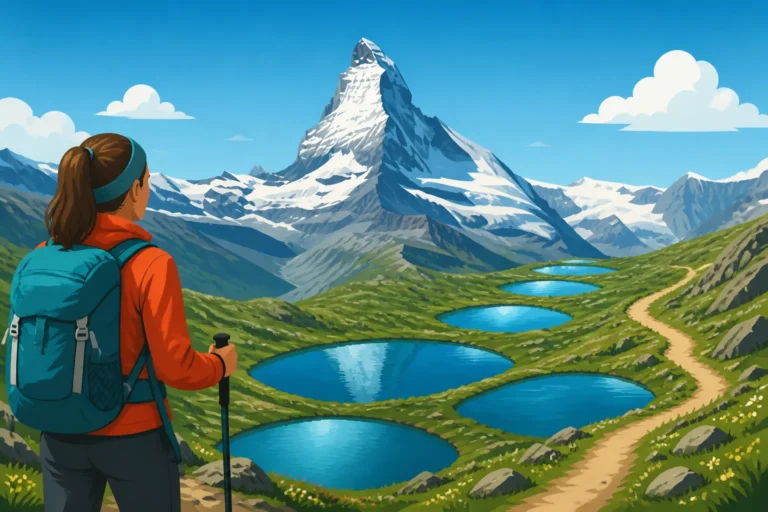
Oh, the alpine lakes! These are the ones that truly take your breath away, often requiring a bit of effort to reach but rewarding you with views that feel like they're straight out of a postcard. Think deep, piercing blues and greens, surrounded by jagged peaks, where the air is crisp and clean. Places like Oeschinensee near Kandersteg, with its famous gondola ride, or the vibrant Blausee, a nature park in its own right, are pure magic. You'll find yourself just standing there, captivated by the stillness and the vivid colors. Many expats initially stick to the main tourist routes, but I urge you to venture a little further. These smaller, higher-altitude lakes offer a profound sense of tranquility and connection to nature that you won't find anywhere else. Just remember, "icy blue" often means "icy cold" – so swimming in them is an invigorating experience, to say the least!
When visiting these alpine gems, planning is key. The weather can change in a heartbeat, even in summer, and accessibility might involve a significant hike or a cable car ride. For instance, getting to stunning spots like Lake Seealpsee in Appenzell requires a good uphill walk after reaching Ebenalp by cable car, but the reward of a traditional mountain guesthouse (Berggasthaus) overlooking the lake is simply divine. It's these moments, perhaps sharing a refreshing Rivella with a friend after a strenuous climb, that make you truly appreciate the effort. Don't forget to check operating times for cable cars and public transport; being stranded halfway up a mountain because you missed the last gondola is a real expat rite of passage, one you probably want to avoid! You can often check timings and book tickets for mountain transport via apps or websites, and sometimes even combine them with train tickets using platforms like Omio.
These high-altitude lakes are also fantastic for capturing those iconic Swiss photos, from reflections of snow-capped peaks to vibrant wildflowers in bloom. Many have well-maintained paths around them, perfect for a leisurely loop if you're not up for a full-on summit ascent. They also offer fantastic picnic spots, so pack some Swiss cheese, local bread, and perhaps a small bottle of Valais wine, and immerse yourself in the natural beauty. Just be sure to pack out everything you pack in, keeping these pristine environments exactly that – pristine. The Swiss take their environmental responsibility very seriously, and we, as guests, should too.
Major Lakes and Lakeside Activities
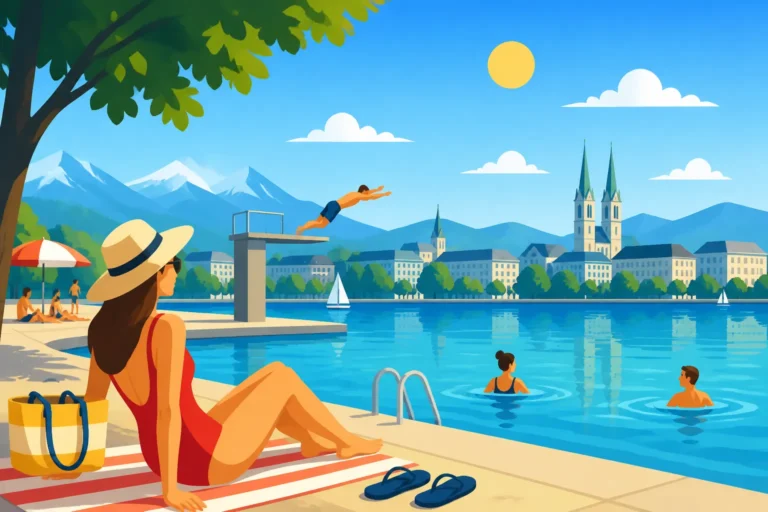
Beyond the alpine wonders, Switzerland boasts several large, famous lakes that act as a hub for both relaxation and adventure. Lake Geneva (Lac Léman), Lake Zurich, Lake Lucerne, and Lake Lugano immediately spring to mind. These aren't just bodies of water; they're integral to the life and culture of the surrounding cities and towns. On a hot summer's day, you'll see locals flocking to the Badis (public swimming areas), taking a dip, and soaking up the sun – a truly quintessential Swiss summer experience. If you’re living in a city like Zurich, a quick tram ride can take you to a beautiful lakeside promenade and a refreshing swim.
The activities on these major lakes are incredibly diverse. You can rent a paddleboard or a rowboat, go windsurfing or sailing, or simply enjoy a leisurely cruise on one of the elegant steamboats. For example, a trip on Lake Lucerne not only offers stunning views of the surrounding mountains like Mount Pilatus and Rigi but often connects directly with mountain railway stations, making it a seamless day trip. There are countless towns nestled along their shores, each with its own character, from the cosmopolitan vibe of Montreux on Lake Geneva to the Italian flair of Lugano. Exploring these towns by boat is a fantastic way to see the country from a different perspective, often more relaxed and scenic than navigating by car. You can find information on ferry schedules and combine boat trips with other activities. If you are looking for serene boat cruises and even some guided activities around the major lakes, GetYourGuide can be a useful platform to browse local options.
Many of these lakes are also popular spots for fishing, though you'll need to research local regulations and obtain the necessary permits. Cycling paths often hug the shorelines, offering flat and scenic routes perfect for families or those looking for a relaxed ride. Imagine cycling from Lausanne to Montreux along the Lavaux vineyards, with the sparkling blue of Lake Geneva always in view – it's an experience that feels quintessentially Swiss. And of course, the lakeside promenades are perfect for an evening stroll, often lined with charming cafes and restaurants where you can enjoy an apéro as the sun sets over the water. It’s these small, everyday pleasures that make living here so special. For more about this particular region, check out our guide on Lake Geneva (Lac Léman): Towns, Boats, and Vineyard Walks.
Water Sports and Summer Fun on the Lakes
When the temperatures finally climb, typically from late May through September, the Swiss lakes truly come alive with water sports enthusiasts. Forget the myth that Switzerland is all about skiing; the summers here are vibrant, and the lakes are the epicenter of activity. From adrenaline-pumping wakeboarding to serene kayaking, there's something for everyone, regardless of skill level. Many towns offer equipment rentals directly at the Badis or dedicated rental centers.
Stand-up paddleboarding (SUP) has exploded in popularity, and almost every major lake, from Lake Zurich to Lake Thun, has spots where you can rent boards by the hour. It's a fantastic way to get out on the water, get a bit of a workout, and enjoy the views from a unique vantage point. Beginners can often take a quick lesson to get started, and within minutes, you'll be paddling along, feeling like a local. For those who enjoy a bit more speed, wakeboarding, waterskiing, and even wake-surfing are widely available, especially on the larger, more accessible lakes. You can often book sessions with instructors or rent boats with drivers directly from water sports centers.
For a more tranquil experience, kayaking and canoeing are perfect. Imagine gliding silently across the glassy surface of Lake Brienz, the emerald green water reflecting the surrounding forest, or exploring the hidden coves of Lake Lugano. Many places offer guided tours, which can be a fantastic way to discover secret spots and learn about the local flora and fauna. And, of course, there's always swimming! The water quality in Swiss lakes is generally excellent, often suitable for drinking in certain areas (though I wouldn't recommend it!). Jumping into a fresh lake after a long hike or a hot day is one of life's simple, yet profound, pleasures here. Just be aware of designated swimming zones and any currents, especially in larger lakes or near river outlets. You can find accommodation options near these activity hubs on platforms like Booking.com.
Hitting the Trails: Hiking for Every Level
Hiking in Switzerland is not just a pastime; it's a way of life. The country boasts an incredibly dense and well-maintained network of hiking trails, spanning over 65,000 kilometers, all meticulously marked with distinctive yellow signs. This is where many expats initially feel a mix of excitement and trepidation. Where do you even begin? Are all these trails super challenging? The good news is, there's literally a trail for everyone, from leisurely lakeside strolls to multi-day alpine treks.
Gentle Strolls and Family-Friendly Paths
If you're new to hiking, or simply prefer a relaxed pace, Switzerland offers an abundance of gentle trails that are perfect for a leisurely walk, a family outing with a stroller, or just a quiet afternoon in nature. These paths are typically well-paved or wide gravel, with minimal elevation gain, and often follow riverbanks, lake shores, or meander through picturesque valleys and charming villages. You don't need special equipment, just comfortable shoes and perhaps a light jacket.
Take, for instance, the famous "Flower Trail" on Mount Rigi, easily accessible by cogwheel train from Vitznau or Arth-Goldau. It’s a relatively flat path bursting with alpine flora in summer, offering panoramic views without a strenuous climb. Or consider the numerous trails around Lake Zurich, particularly the Ufenau Island loop, which combines a scenic boat ride with an easy walk. These trails are ideal for getting a taste of Swiss nature without pushing your limits, providing plenty of opportunities for photos, picnics, and simply enjoying the fresh air. They're also fantastic for families, as many have playgrounds or BBQ spots (Feuerstellen) along the way. Planning is straightforward: just check the SBB app for public transport connections to the start of the trail. For some excellent beginner-friendly options, explore our guide to Best Easy Day Hikes Near Zurich and Geneva.
The key to enjoying these gentler walks is to just relax and soak it all in. Don't feel pressured to conquer a peak every weekend. Sometimes, the most memorable experiences come from a simple stroll through a vineyard, like those in Lavaux, or a walk through an ancient forest near your city. These paths are often easily accessible by public transport, so you don't even need a car. Just hop on a train or bus, and let the yellow hiking signs guide you. Many tourist offices also provide free maps of local, easy walks, which are a great starting point.
Moderate Hikes with Rewarding Views
Ready to step it up a notch? Switzerland has countless moderate hikes that offer more challenging terrain and steeper ascents, but in return, reward you with truly spectacular views. These trails are generally well-marked (white-red-white signs, indicating mountain hiking trails) and don't require specialized climbing gear, but sturdy hiking boots with good ankle support are definitely recommended, along with a decent level of fitness.
One classic example is the Panoramic Trail above Zermatt, offering breathtaking views of the Matterhorn from multiple angles, often involving ascents and descents that will get your heart pumping but aren't overly technical. Another fantastic option is the hike from First to Bachalpsee near Grindelwald. You take a gondola up, then hike to a stunning alpine lake, with options to continue further to more challenging terrain or head back down. These kinds of hikes often feature dramatic landscapes, rushing waterfalls, and encounters with local wildlife like marmots or chamois. It's on these trails that you truly start to feel immersed in the Swiss Alps, away from the immediate hustle and bustle.
A crucial aspect of moderate hikes is preparation. Always check the weather forecast before you go – mountain weather can be notoriously fickle. Pack enough water, snacks, and extra layers, even on a sunny day. A small first-aid kit is also a good idea. Knowing a few basic German, French, or Italian phrases for directions can be helpful, though many signs are universally understood symbols. Don't be afraid to ask locals for advice; the Swiss are generally very helpful when it comes to guiding you on their beloved trails. Platforms like GetYourGuide might offer guided options if you prefer to go with an expert for your first few moderate treks. You can learn more about how to interpret the trail signs and plan your routes in our comprehensive guide on Swiss Hiking for Beginners: Trail Grades and the SAC System.
Challenging Treks and Alpine Adventures
For the experienced hikers and the truly adventurous, Switzerland offers an unparalleled network of challenging treks and high-alpine adventures. These are often marked with white-blue-white signs, indicating demanding mountain trails that may involve steep, exposed sections, scree slopes, and even short, fixed ropes or chains (via ferrata sections). These are not for the faint of heart or the unprepared. Proper gear, significant fitness, and often experience with alpine environments are essential.
Think multi-day treks along the Via Alpina, traversing multiple passes and staying overnight in rustic mountain huts (SAC Huts), or tackling sections of the Eiger Trail, directly beneath the iconic Eiger North Face. These adventures offer an incredible sense of accomplishment and unparalleled immersion in the raw beauty of the high Alps. You'll witness glaciers up close, cross high passes with views that stretch for miles, and experience the quiet solitude of true wilderness. However, these are serious undertakings that require careful planning, navigational skills, and a respect for the mountains. You’ll definitely want to ensure you have the right footwear, and our article on What to Pack for a Day Trip to the Swiss Alps has some great tips that can be scaled up for multi-day trips.
Safety is paramount on challenging treks. Always inform someone of your route and expected return time. Check weather and avalanche conditions (especially outside of peak summer). Consider hiring a certified mountain guide for particularly technical routes or if you're new to high-alpine hiking. Insurance that covers mountain rescue, such as a REGA membership, is highly recommended. For more critical information, consult our guide on Mountain Safety in Switzerland: Weather, Gear, and Emergency Numbers. While the allure of the peaks is strong, remember that the mountains demand respect. Push your limits cautiously, and always prioritize your safety. The reward, however, is an unforgettable experience that will challenge you, inspire you, and deepen your connection to this incredible country.
Conquering the Peaks: Mountain Access Made Easy
One of the most remarkable aspects of Switzerland is how accessible its majestic mountains are, even for those who aren't avid hikers or climbers. Thanks to an extensive network of mountain railways, cable cars, and gondolas, you can often reach stunning panoramic viewpoints with minimal effort, allowing everyone to experience the "Top of Europe" feeling. This accessibility is a game-changer for expats, making spontaneous mountain trips a regular possibility rather than a once-in-a-lifetime expedition.
Mountain Railways and Cable Cars
Switzerland's engineering marvels extend far beyond its efficient train system. The country is crisscrossed with an incredible array of mountain transport: cogwheel railways, funiculars, gondolas, and cable cars, all designed to whisk you up steep slopes and into breathtaking alpine landscapes. Places like the Jungfraujoch, the highest railway station in Europe, or the steepest cogwheel railway in the world up Mount Pilatus, are not just modes of transport but attractions in themselves.
Using these systems is typically very straightforward. You purchase a ticket (often discounted with a Half-Fare Travelcard or GA Travelcard), hop on, and watch the scenery unfold as you ascend. Many stations at the top offer restaurants, viewing platforms, and even small attractions. For instance, the cable car up Corvatsch near St. Moritz takes you to over 3,300 meters, where you can enjoy a coffee with an unbeatable panorama. It’s always a good idea to check the operating hours, especially for the last descent, to avoid being caught out. Websites and apps like the SBB Mobile App or specific mountain websites (e.g., Jungfrau Railways) provide up-to-date information on schedules and ticket prices. These journeys can be pricey, so researching passes and discounts is definitely worthwhile. Speaking of cost-saving, our article on The Half-Fare Travelcard (Halbtax): The Must-Have Pass for Swiss Residents is essential reading for anyone planning multiple mountain adventures.
For those planning ambitious trips, looking into regional passes can also be beneficial. For example, the Berner Oberland Pass covers many of the region's mountain railways and boats for a set number of days. These passes can initially seem expensive, but if you plan on visiting multiple peaks or taking several boat trips, they often work out cheaper than individual tickets. Keep an eye out for family discounts or special offers during off-peak seasons. Climbing aboard a panoramic train is one thing, but sitting in a modern gondola silently gliding over a valley, watching the cows graze far below, is an entirely different, serene experience.
Panoramic Viewpoints and Summit Experiences
Reaching a Swiss summit, whether by foot or by transport, is almost always an awe-inspiring experience. The country is peppered with countless panoramic viewpoints that offer unobstructed vistas of mountain ranges, shimmering lakes, and charming valleys. These are the places where you truly grasp the scale and beauty of the Alps, and where you'll find yourself reaching for your camera every few minutes.
Iconic spots like the Gornergrat near Zermatt offer unparalleled views of the Matterhorn and dozens of other 4,000-meter peaks. The Piz Gloria on the Schilthorn, famous for its revolving restaurant and James Bond connection, provides a 360-degree panorama of the Eiger, Mönch, and Jungfrau. These locations often have well-developed infrastructure, including observation decks, cafes, and even interactive exhibits. It's a fantastic way for visitors of all ages and fitness levels to experience the high mountains without the physical demands of a challenging hike. Even if you're not hiking, dressing in layers is crucial, as temperatures at these altitudes can be significantly colder than in the valleys, even on a sunny summer day.
Beyond the major tourist magnets, many smaller peaks accessible by cable car offer equally stunning, though perhaps less crowded, views. Consider local gems like Harder Kulm in Interlaken, Stoos with its steepest funicular, or Fronalpstock. These provide equally impressive vistas often at a slightly more affordable price point and with a more local feel. Sometimes, the best view is the one you discover by chance, perhaps after a short, easy hike from a mid-station stop. I once stumbled upon a tiny, rustic mountain restaurant perched on a cliff edge with a view that made my jaw drop – these are the moments that truly make Switzerland special. Finding some of these more unique, local experiences can be done by researching specific regions on GetYourGuide or looking for local tour operators.
Safety First: Preparing for High Altitude
While Switzerland excels at making its mountains accessible, it's crucial never to underestimate the inherent dangers of the alpine environment. Even a simple gondola ride can take you to altitudes where the air is thinner, and weather can change dramatically. Taking a "safety first" approach is paramount, especially for expats who might be unfamiliar with mountain conditions.
Altitude sickness, though rare at the altitudes most cable cars reach, can occur, especially if you're sensitive. Symptoms can include headaches, nausea, and dizziness. The best way to mitigate this is to ascend gradually and stay hydrated. If you're planning any significant hikes at high altitudes, give yourself time to acclimatize. Always wear appropriate clothing – layers are key, as you might start warm but quickly get cold at the top. Sunglasses, sunscreen, and a hat are essential year-round, as UV radiation is much stronger at altitude. Even if it's cloudy, harmful UV rays can penetrate.
Before setting off, always check the local weather forecast and, if possible, live webcams from the summit. Many mountain resorts have excellent websites that provide real-time information on conditions, lift operations, and trail closures. If you're hiking, especially on more challenging trails, ensure someone knows your route and expected return time. Carry a fully charged phone, but be aware that signal can be patchy in remote areas. For emergencies, the European emergency number 112 or the Swiss mountain rescue number 1414 (REGA) should be pre-programmed into your phone. Understanding the nuances of alpine safety is critical, and our guide on Mountain Safety in Switzerland: Weather, Gear, and Emergency Numbers delves into this topic in much more detail. Don't let these precautions deter you; they are simply a part of responsible enjoyment of the stunning, yet powerful, Swiss Alps.
Year-Round Adventure: Beyond Summer and Winter Stereotypes
Many newcomers arrive in Switzerland thinking it's either a summer hiking paradise or a winter skiing wonderland. While those stereotypes hold true, they only scratch the surface of the country's year-round outdoor appeal. Each season brings its own unique character and a host of activities that often go overlooked. Embracing this seasonal diversity is key to truly integrating into the Swiss lifestyle and maximizing your time outdoors.
Spring Blooms and Waterfalls
Spring in Switzerland, roughly from April to June, is a magical transition period that often gets overshadowed by the more famous summer and winter months. Yet, it's a season of renewal and breathtaking beauty, perfect for those who appreciate lush greenery, blooming wildflowers, and roaring waterfalls. As the snow melts from the lower and mid-altitudes, the landscape transforms into a vibrant tapestry of greens and countless hues of blossoms.
This is the ideal time for valley walks and exploring the pre-alpine regions before the summer crowds arrive. Imagine strolling through a cherry blossom orchard in the Zug region, or hiking along the shores of Lake Maggiore in Ticino, where the climate is already warm and palms sway gently. Waterfalls, fed by the melting snow, are at their most spectacular, thundering down mountainsides. The Trümmelbach Falls in the Lauterbrunnen Valley, the only glacier waterfalls in Europe accessible underground by lift, are particularly impressive in spring. It's a fantastic time for photography, with the crisp air and vibrant colors offering stunning contrasts.
While higher mountain passes may still be closed due to snow, many lower-level hiking trails become perfectly accessible. You’ll find fewer people on the trails compared to peak summer, allowing for a more serene experience. Just be mindful of muddy patches and potentially slippery conditions on some paths due to the snowmelt. Always check local trail conditions before heading out, especially if you're venturing into areas that were recently covered in snow. Bring waterproof hiking boots, just in case! It’s these moments of discovery, perhaps finding a hidden café in a blooming village square, that truly encapsulate the joy of Swiss spring.
Autumn Colors and Harvest Trails
As summer fades and the air takes on a crisp edge, Switzerland dons its most spectacular wardrobe: the vibrant colors of autumn. From September through November, the larch forests turn brilliant gold, the vineyards glow with hues of red and orange, and the mountains provide a dramatic backdrop to this explosion of color. Autumn is undeniably one of the most beautiful times to be outdoors in Switzerland, often offering stable, clear weather perfect for hiking.
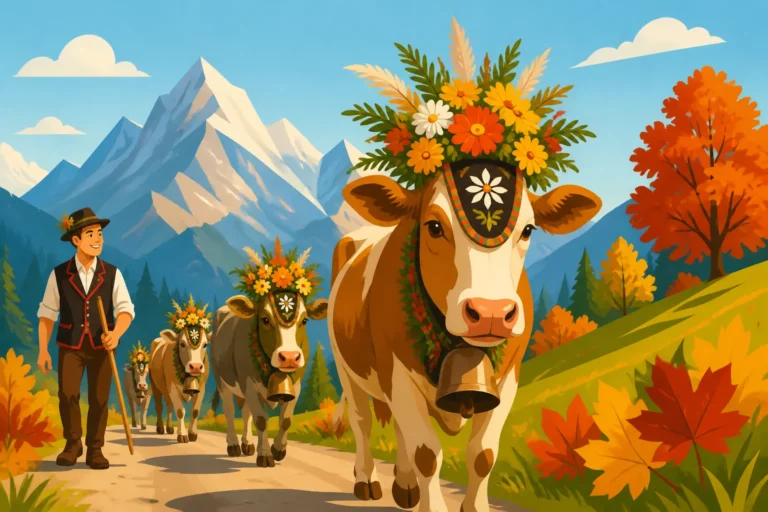
This season is fantastic for vineyard walks, especially in regions like Lavaux near Lake Geneva or the Valais. You can combine a scenic walk with wine tasting at local cellars, enjoying the harvest atmosphere. The Swiss often celebrate the 'Alpabzug' or 'Désalpes' in autumn, where cows are traditionally brought down from their high alpine pastures, adorned with flowers and bells – a truly unique cultural spectacle to witness in many mountain villages. Hiking through golden larch forests in the Engadine Valley or in parts of the Valais is an experience like no other, with the sun filtering through the yellow needles creating a magical glow.
Just like spring, autumn generally means fewer tourists on the trails compared to summer, offering more tranquility. However, popular spots known for their fall foliage can still draw crowds, especially on sunny weekends, so plan accordingly. Days get shorter, so start your hikes earlier and carry a headlamp if you plan to be out late. Some mountain transport may begin to reduce operations or close for the season by late October/November, so double-check schedules. Pack layers, as mornings can be frosty, but afternoons often turn pleasantly mild. And keep an eye out for seasonal delicacies like roasted chestnuts (Maroni), particularly popular in the Ticino region! For cultural tips, you might also find our guide on Swiss Festivals and Traditions: A Year-Round Cultural Calendar helpful.
Less Common Outdoor Pursuits
Beyond the well-trodden paths of hiking, skiing, and swimming, Switzerland offers a plethora of unique and less common outdoor pursuits that provide exciting alternatives for the adventurous expat. Embracing these niche activities can open up entirely new ways to experience the country’s diverse landscapes.
Have you ever considered canyoning or white-water rafting? Rivers in the Interlaken region, particularly the Lütschine, are famous for their thrilling rafting experiences, while various gorges offer opportunities for guided canyoning trips, involving jumping, sliding, and rappelling through waterfalls. It's an adrenaline rush combined with incredible natural beauty. Similarly, paragliding from mountains like Harder Kulm or in the Lauterbrunnen Valley offers an unparalleled bird's-eye view of the landscape, a truly unforgettable way to see the Alps. These activities typically require booking with specialized tour operators, and you can often find options on platforms like GetYourGuide where you can compare prices and read reviews.
For a slower, more immersive experience, foraging for wild berries and mushrooms (with proper knowledge and local guidance!) can be a delightful autumn activity. Or perhaps trying your hand at climbing in one of the many climbing gardens (Klettergärten) found across the country. In winter, beyond skiing, snowshoeing offers a peaceful way to explore snow-covered landscapes, often on marked trails that don't require downhill skiing skills. Ice skating on natural or artificial rinks is also popular in many towns and cities. These activities provide a fantastic way to break free from routine and discover a different side of Switzerland's outdoor charm. Many local tourism offices can provide details on these activities and recommended providers.
Cycling and Biking: Exploring on Two Wheels
Switzerland is a dream destination for cyclists, whether you’re a casual rider or a hardcore mountain biker. The country boasts an incredibly well-developed and signposted cycling network, making it easy to navigate and explore on two wheels. As an expat, discovering the sheer joy of a weekend bike ride through an idyllic landscape, knowing you're well-connected by public transport if you get tired, is one of the true pleasures of living here.
Leisurely Routes and E-Biking
For those who prefer a relaxed pace, Switzerland offers a fantastic array of leisurely cycling routes perfect for families, casual riders, or anyone wanting to enjoy the scenery without breaking a sweat. These routes often follow lake shores, river paths, or quiet country roads, with minimal elevation changes. They're ideal for a Sunday outing, a picnic by the water, or simply a gentle exploration of a new region. The "Herzroute" (Heart Route), for example, offers a picturesque journey through the rolling hills of Emmental, often on dedicated cycle paths.
E-biking has revolutionized cycling in Switzerland, opening up previously challenging routes to a much wider audience. With an electric assist, you can effortlessly conquer hills and extend your range, making those longer, scenic rides through valleys and vineyards entirely manageable. Rental stations for e-bikes are ubiquitous, often found at train stations, tourist offices, and dedicated bike shops across the country. This makes it incredibly easy for expats to try it out without committing to buying an expensive e-bike. Many routes are clearly signposted with distances to the next village or point of interest, and often pass charming restaurants or farm shops for a well-deserved break. Our detailed guide on Cycling Routes in Switzerland: The National Bike Network provides a great overview of the various options and how to utilize this fantastic infrastructure.
One of the great advantages of cycling in Switzerland is the seamless integration with public transport. The SBB (Swiss Federal Railways) allows you to take your bike on most trains, though you'll need a special bike ticket or a Day Pass for Bicycles. This means you can cycle one way and take the train back, or use the train to skip less scenic sections and start your ride in a more picturesque area. This flexibility makes multi-day tours or longer day trips much more feasible, even if you’re not a super-fit cyclist. Just remember that taking bikes on trains during peak commuter hours can be challenging due to limited space, so check for restrictions.
Mountain Biking and Downhill Thrills
If you're looking for more adrenaline, Switzerland's mountains transform into a world-class playground for mountain bikers in the warmer months. From challenging cross-country trails that traverse alpine meadows to exhilarating downhill tracks in bike parks, there's a huge variety for all levels of thrill-seekers. This is where the Swiss talent for trail building really shines, with many resorts investing heavily in creating purpose-built biking infrastructure.
Bike parks, such as those in Lenzerheide, Verbier, or Flims, offer a fantastic introduction to downhill riding. You typically take a lift up the mountain with your bike, then ride down on specially constructed trails with jumps, berms, and technical sections. They cater to various skill levels, from flow trails for beginners to challenging black routes for experts. Rental equipment, including full-suspension mountain bikes and protective gear, is readily available at these resorts, making it easy to try out the sport. Always wear a helmet and appropriate protection – these trails can be fast and demanding.
For more experienced mountain bikers, the Swiss Alps offer an endless network of natural singletrack trails. Many hiking trails are also open to mountain bikes (though always yield to hikers!), allowing you to explore remote valleys, high passes, and ancient forest tracks. However, it's crucial to distinguish between shared trails and dedicated mountain bike routes. Always respect hikers and avoid startling them. The apps mentioned later in this guide (like SwitzerlandMobility) are invaluable for planning routes, checking trail difficulty, and identifying dedicated mountain bike paths. These rides often demand strong technical skills, stamina, and a good sense of navigation, but the rewards are truly epic, with incredible views and an unmatched sense of adventure.
Navigating the Swiss Cycling Network
The Swiss national cycling network is a testament to the country's commitment to outdoor activities and sustainable transport. It's a comprehensive system of signposted routes that crisscross the entire country, making it incredibly easy to plan and execute cycling tours of any length. As an expat, understanding how to utilize this network is a superpower for exploring Switzerland.
The network consists of nine national routes (e.g., Rhine Route, Lakes Route) and numerous regional and local routes, all marked with distinctive red signs. The signs indicate the route number, direction, and often the distance to the next major town or intersection. This clear signage means you rarely need to pull out a map, allowing you to focus on the scenery. Maps and detailed information about all routes are available on the SwitzerlandMobility website and app, which is an absolute must-have for any cyclist (or hiker!) in Switzerland. It provides elevation profiles, surface types, points of interest, and connections to public transport.
Before heading out, it's always wise to do a quick check of your bike, ensure your tires are properly inflated, and pack a basic repair kit, especially for longer rides. While Swiss towns and cities are very bike-friendly, always be aware of traffic, especially in urban areas. Using a helmet is not legally mandatory for adults but is highly recommended for safety. Parking for bikes is readily available, often near train stations and public amenities. With a bit of planning and the excellent resources available, you’ll find that exploring Switzerland by bike is one of the most rewarding ways to experience its natural beauty and charming local culture.
Essential Gear and Planning for Your Outdoor Escape
Embarking on an outdoor adventure in Switzerland, whether it's a simple stroll or a challenging climb, requires a certain level of preparedness. The Swiss weather can be incredibly unpredictable, and the terrain varies dramatically. As an expat, you quickly learn that a little planning and the right gear can make the difference between an unforgettable experience and a miserable one. No one wants to be caught in a sudden downpour on a mountain path without a rain jacket!
What to Pack: Layering for Swiss Weather
The golden rule for dressing for the outdoors in Switzerland is layering, layering, layering! The weather in the mountains, especially, can change dramatically within hours, or even minutes. What starts as a sunny, warm morning can quickly turn into a chilly, windy, or even rainy afternoon, especially at higher altitudes. Having adaptable clothing is key to staying comfortable and safe.
Start with a moisture-wicking base layer, which helps to pull sweat away from your body. Over this, a warm mid-layer, such as a fleece or light down jacket, provides insulation. Your outer layer should be a waterproof and windproof shell jacket, even on days when rain isn't forecast – it offers protection against sudden gusts and unexpected showers. Don't forget waterproof hiking trousers or at least quick-drying ones. Footwear is paramount: sturdy, comfortable hiking boots with good ankle support and grip are essential for almost any trail beyond a paved path. Even on easier trails, sneakers might not provide enough traction on uneven surfaces. For a more detailed breakdown, you can refer to our article on What to Pack for a Day Trip to the Swiss Alps.
Beyond clothing, a few other items are non-negotiable. A small backpack to carry water (at least 1-2 liters per person, more for longer hikes), high-energy snacks (chocolate, nuts, fruit), sunglasses, sunscreen, and a hat are crucial. A fully charged mobile phone is important for navigation and emergencies, along with a power bank for longer trips. A basic first-aid kit, including blister plasters, pain relievers, and antiseptic wipes, is always a good idea. And, of course, your camera to capture those incredible views! Remember, it's better to carry a bit too much and not need it, than to be caught unprepared.
Using Public Transport for Trailheads
One of the most incredible aspects of outdoor life in Switzerland for expats is the unparalleled public transport system, which often provides direct access to even the most remote trailheads. Unlike many other countries where a car is almost essential for reaching hiking spots, Switzerland's network of trains, PostBuses, and even mountain railways makes car-free adventures not just possible, but often preferable.
The SBB Mobile App is your absolute best friend here. It’s an indispensable tool for planning any journey, showing real-time schedules, platform numbers, and even delays. You can input your starting point and the name of the village or mountain station where your hike begins, and the app will provide the fastest connections, often involving a combination of train and PostBus. For example, to reach the starting point for a hike near the Aletsch Glacier, you might take a train to Brig, then a PostBus to Fiesch, and finally a cable car up to the Fiescheralp – all seamlessly integrated and bookable via the app. Many mountain railways are also integrated into the SBB network, allowing for easy transitions. If you're planning more extensive train travel, our guide on Switzerland by Train: The SBB Network, Scenic Routes, and Day Trips can provide invaluable insights.
This excellent connectivity means you don't have to worry about parking at crowded trailheads, or needing to loop back to your car after a point-to-point hike. You can hike from one village to another, knowing that a PostBus or train will be waiting to take you back to your starting point or further afield. This flexibility opens up a vast number of linear hikes and allows you to explore more diverse landscapes. Just remember to check the schedules carefully, especially on weekends or during off-peak seasons, as services to smaller villages might be less frequent. Purchasing tickets for multiple legs of a journey is usually straightforward, often bundled together, and even easier with a Half-Fare Travelcard (Halbtax): The Must-Have Pass for Swiss Residents to cut costs.
Digital Tools and Apps for Navigation
While the yellow hiking signs are incredibly reliable, relying solely on them in the vast Swiss outdoors might not always be the best strategy, especially for more complex routes or in bad weather. Fortunately, Switzerland has excellent digital tools and apps that can significantly enhance your planning and navigation, giving you peace of mind during your adventures.
The absolute must-have app for any outdoor enthusiast is SwitzerlandMobility. This fantastic platform (available as a website and app) provides detailed maps of all official hiking, cycling, mountain biking, skating, and canoeing routes across the country. You can browse routes by region, difficulty, and duration, view elevation profiles, and even download GPX tracks for offline use. It’s incredibly accurate and constantly updated, showing you exactly where you are on the trail. Other useful navigation apps include AllTrails, Komoot, and Outdooractive, which also offer community-contributed routes and offline map capabilities. For real-time updates on weather and mountain conditions, apps like MeteoSwiss (the official Swiss weather service) and various mountain resort webcams are indispensable. Getting a clear picture of the weather before you leave and even during your journey is critical.
Beyond navigation, a fully charged phone with these apps is your lifeline. However, don't rely solely on your phone. Always have a physical map or at least a printed copy of your route as a backup, especially for longer or more remote treks, as phone batteries can die, or signal can be lost. Learning to read a topographical map is a valuable skill in the mountains. Many tourist information centers provide free local maps or sell detailed hiking maps. These digital tools, combined with good old-fashioned preparedness, will empower you to explore Switzerland's outdoor wonders confidently and safely, transforming what could be daunting into an accessible and exhilarating experience. For more on how to leverage technology for safe travel, consider looking into Weather Apps and Webcams for Planning Swiss Mountain Trips.
Protecting Our Playground: Sustainable Outdoor Practices
Switzerland’s stunning natural beauty isn't just a happy accident; it’s the result of deeply ingrained cultural values that prioritize environmental protection and sustainable living. As expats, we are privileged to enjoy this incredible outdoor playground, and with that privilege comes a responsibility to uphold these values. Embracing sustainable outdoor practices isn't just about following rules; it's about respecting the land, its wildlife, and the local communities that call these pristine areas home.
Leave No Trace Principles
The "Leave No Trace" philosophy is more than just a set of guidelines; it's a mindset that ensures our presence in nature leaves no negative impact. In Switzerland, where nature is so cherished, these principles are particularly important, and you'll find locals diligently adhering to them. This means planning ahead and preparing, traveling and camping on durable surfaces, disposing of waste properly, leaving what you find, minimizing campfire impacts, respecting wildlife, and being considerate of other visitors.
One of the most visible aspects of this is waste disposal. Switzerland has very strict and comprehensive recycling programs, and this extends to the outdoors. You’ll rarely find trash bins in truly remote areas, meaning whatever you pack in, you must pack out. This includes all food scraps, plastic wrappers, and even fruit peels, which take a surprising amount of time to decompose and can attract wildlife. Seeing a discarded plastic bottle or a banana peel on a pristine alpine trail is a rare and jarring sight for locals, so make sure your backpack has space for all your rubbish. It might feel like a minor detail, but it makes a huge difference in preserving the environment.
Beyond visible waste, it’s about leaving natural features untouched. Don't pick wildflowers (many are protected), don't disturb rock formations, and don't build cairns unless they are specifically designated trail markers. It’s about leaving the environment exactly as you found it, or ideally, even better. This mindful approach to outdoor recreation ensures that the stunning landscapes we enjoy today will be just as beautiful for future generations. It’s a small effort for a magnificent reward.
Respecting Wildlife and Nature
Switzerland's diverse landscapes are home to a rich array of wildlife, from majestic ibex and nimble chamois in the high Alps to red deer and various bird species in the forests. Respecting these animals and their habitats is a cornerstone of responsible outdoor behavior. Our role as visitors is to observe without disturbing, ensuring the animals can live freely and safely in their natural environments.
A key aspect of respecting wildlife is maintaining a safe distance. While it can be exciting to spot an ibex on a rocky outcrop, resist the urge to approach them closely for a better photo. Keep your dog on a leash, especially in areas where wildlife is known to frequent or during breeding seasons. Loose dogs can easily stress or chase wild animals, which can have serious consequences for both the animal and your pet. Pay attention to signs that indicate protected areas or specific wildlife zones, and always follow any instructions given. For example, some trails might be closed during certain times of year to protect breeding birds or calving animals.
Beyond direct interaction, it's about understanding the broader ecosystem. Stick to marked trails to avoid trampling delicate vegetation or disturbing nesting sites. Avoid making loud noises that could frighten animals. And never, ever feed wild animals. It can habituate them to humans, disrupt their natural foraging behaviors, and even make them aggressive. By being mindful of our presence and giving wildlife the space they need, we contribute to the health and biodiversity of Switzerland's natural heritage. This respect for nature is a value deeply woven into the fabric of Swiss society.
Supporting Local Communities
When we explore the outdoors in Switzerland, we're not just enjoying untouched wilderness; we're often passing through, or starting our journeys from, small, picturesque mountain villages and farming communities. Supporting these local communities is an important part of sustainable tourism and helps preserve the unique cultural landscape that makes Switzerland so special. Your choices as an expat can have a direct positive impact.
One of the simplest ways to support local communities is by patronizing local businesses. Instead of packing all your food from a large supermarket, buy some delicious local cheese, bread, or dried meat from a village shop or a farmer's market before your hike. Stop for a coffee or a meal at a mountain restaurant (Berggasthaus) or a local eatery. These small purchases contribute directly to the local economy and help maintain the charm and vitality of these areas. Many mountain huts (SAC Huts) are run by local families and offer simple but hearty meals and accommodation, providing a genuine alpine experience while directly benefiting the community.
Additionally, consider purchasing locally made souvenirs rather than generic tourist items. Engaging with locals, even if it's just a simple "Grüezi" (hello in Swiss German) or "Bonjour," fosters a sense of connection. If you're staying overnight, choose local guesthouses or hotels over large, chain establishments where possible. Your money stays within the community, helping to sustain local traditions and livelihoods. This holistic approach to enjoying the outdoors ensures that while you're recharging in nature, you're also contributing to the well-being of the human communities that are an inseparable part of Switzerland's unique charm. For accommodation that supports local businesses, Booking.com is a good resource to find smaller, independent hotels and B&Bs.
Overview of Hiking Difficulty Levels (SAC System)
To help you navigate the vast network of Swiss trails, here's a simplified overview of the Swiss Alpine Club (SAC) hiking difficulty scale. This is something every hiker quickly learns here!
| Difficulty Level (SAC) | Trail Markings | Terrain Description | Requirements | Typical Example (Type) |
|---|---|---|---|---|
| T1 – Hiking | Yellow | Well-maintained paths, flat or slight incline, sometimes paved. No exposure. | No special skills, comfortable walking shoes. Suitable for everyone. | Lakeside promenades, easy forest paths, village walks. |
| T2 – Mountain Hiking | White-Red-White | Paths with continuous ascents/descents, some uneven sections. Occasional steep parts. May have short exposed sections. | Sure-footedness, sturdy hiking boots, basic navigation skills. | Most popular panoramic trails, moderate alpine passes. |
| T3 – Challenging Mountain Hiking | White-Red-White | Exposed sections, tricky footing, scree slopes possible. May have short sections with ropes/chains. | Very good sure-footedness, good head for heights, excellent physical fitness, mountain experience. | High alpine hikes, some ridge walks, demanding forest trails. |
| T4 – Alpine Hiking | White-Blue-White | Steep, exposed, and often unpathed terrain. Sections of rock, ice, or snow possible. Requires ropes/chains. | Alpine experience, excellent physical condition, sure-footedness, climbing ability, good orientation. | Glacier crossings (guided), challenging via ferratas, very exposed ridges. |
| T5 – Demanding Alpine Hiking | White-Blue-White | Very steep, heavily exposed, often glaciated or rocky terrain. Very challenging. | Extensive alpine experience, excellent climbing skills, ropes, ice axes, crampons, strong head for heights. | Difficult glacier tours, technical ridge climbs. |
| T6 – Difficult Alpine Hiking | White-Blue-White | Extremely difficult, often without paths. High risk of falls. Requires significant climbing. | Expert alpine experience, excellent climbing and mountaineering skills, full alpine gear. | Extreme mountain ascents, highly technical routes. |
Disclaimer
The information provided in this guide is for general informational purposes only and does not constitute professional advice. While we strive to provide accurate and up-to-date information, local regulations, prices, and conditions can change. Always verify current details with official sources such like cantonal authorities, SBB, and local tourism offices. Outdoor activities carry inherent risks; always prioritize your safety, assess your capabilities, check weather forecasts, and ensure you have appropriate gear and insurance. We cannot be held responsible for any incidents or consequences arising from the use of this information.