Switzerland in Winter: Snow Sports, Markets, and Alpine Towns
Ah, winter in Switzerland! It’s truly something magical, isn't it? The pristine snow, the crisp, clean air, the charming lights… it all paints a picture straight out of a postcard. But let's be real for a moment: navigating the Swiss winter as an expat or tourist can feel a little daunting. Where do you even begin with all the snow sports, the festive markets, and those picture-perfect alpine towns? Well, don't you worry. This comprehensive guide is here to cut through the confusion and help you embrace everything this enchanting season has to offer, without feeling overwhelmed or missing out on the truly authentic experiences.
Embracing the Swiss Winter Wonderland: More Than Just Snow
When you first arrive in Switzerland and the winter rolls in, it's easy to get caught up in the sheer visual beauty. The snow-capped peaks, the frozen lakes shimmering under a pale sun, the smoke curling from chimneys in quaint villages – it's all breathtaking. But the Swiss winter is so much more than a pretty picture; it's a way of life, an experience that engages all your senses. You'll feel the bracing chill, smell the woodsmoke mixed with pine, and hear the satisfying crunch of snow underfoot. It’s a completely different rhythm, a shift from the vibrant greens of summer to a serene, hushed landscape that invites reflection and cozy moments.
The Initial Chill and Unspoken Beauty
That first real cold snap, when the air finally takes on that unmistakable icy bite, can be a bit of a shock, especially if you're from a milder climate. But soon, you'll start to appreciate it, I promise. It’s a clean cold, often dry, which means you don't always feel it pierce you to the bone in the same way a damp cold might. The beauty of this season isn't just in the grand vistas, but in the subtle details: the delicate frost patterns on windows, the way the light reflects off untouched snow early in the morning, or the silence that descends upon a forest after a fresh snowfall. It creates an almost meditative atmosphere, inviting you to slow down and truly observe your surroundings.
For many of us who've moved here, the initial adjustment to the relentless short days and long nights can be tough. But then you discover the magic of the early darkness: the way towns twinkle with festive lights from November onwards, turning every evening stroll into a delightful experience. The quiet beauty of walking through a historic Altstadt, bundled up, with the smell of roasted chestnuts in the air, truly transforms your perception of winter from a season to endure into one to cherish. It’s about finding warmth and beauty in unexpected places, from a cozy café to a mountain hut with roaring fire.
Preparing for the Cold Realities
While the beauty is undeniable, winter in Switzerland is also, well, winter. And it comes with its own set of practical realities you absolutely need to prepare for. I've seen countless newcomers show up with inadequate clothing, thinking their fashionable city coats will suffice. Spoiler alert: they won't, especially if you plan to spend any time outdoors, which you absolutely should! The key here is layering, and I mean proper layering. Thermal underwear, good quality wool socks, waterproof and windproof outer layers, and sturdy, insulated boots with good grip are non-negotiable. Forget looking chic for a moment; prioritize warmth and dryness.
Beyond clothing, it's about a shift in mindset. Days are short, yes, but that doesn't mean you hibernate. It means planning your outdoor activities for the brightest hours and embracing the early evenings for different kinds of enjoyment – a fondue night, a visit to a local market, or simply curling up with a book and a warm drink. You'll quickly learn that Swiss life doesn't stop for winter; it merely adapts. Schools run as usual, trains still glide through snowy landscapes, and people still get out and about, enjoying the unique opportunities the season brings. It's about finding that balance between appreciating the cozy indoors and getting out to experience the bracing outdoors.
Beyond Skiing: A Winter for Everyone
Now, when most people think of Swiss winter, their minds immediately jump to skiing and snowboarding, right? And while Switzerland is undeniably a world-class destination for these sports, it’s a huge misconception that if you don't ski, you won't enjoy winter here. Let me tell you, that couldn't be further from the truth! This country offers an incredibly diverse array of winter activities that cater to every interest and fitness level, whether you're an adrenaline junkie or prefer a leisurely stroll.
Perhaps you're someone who loves to connect with nature in a quiet way. Winter hiking and snowshoeing offer breathtaking experiences, allowing you to explore snow-covered forests and silent valleys at your own pace. If you're looking for family fun, sledding is an absolute blast, bringing out the kid in everyone. And for those who prefer cultural experiences, the enchanting Christmas markets and the charm of alpine villages are unforgettable. This guide will delve into all these options, proving that Swiss winter genuinely has something for everyone, regardless of your relationship with skis. You don’t need to be an Olympic athlete to revel in this spectacular season; you just need a willingness to explore.
Navigating the Slopes: Skiing and Snowboarding for All Levels
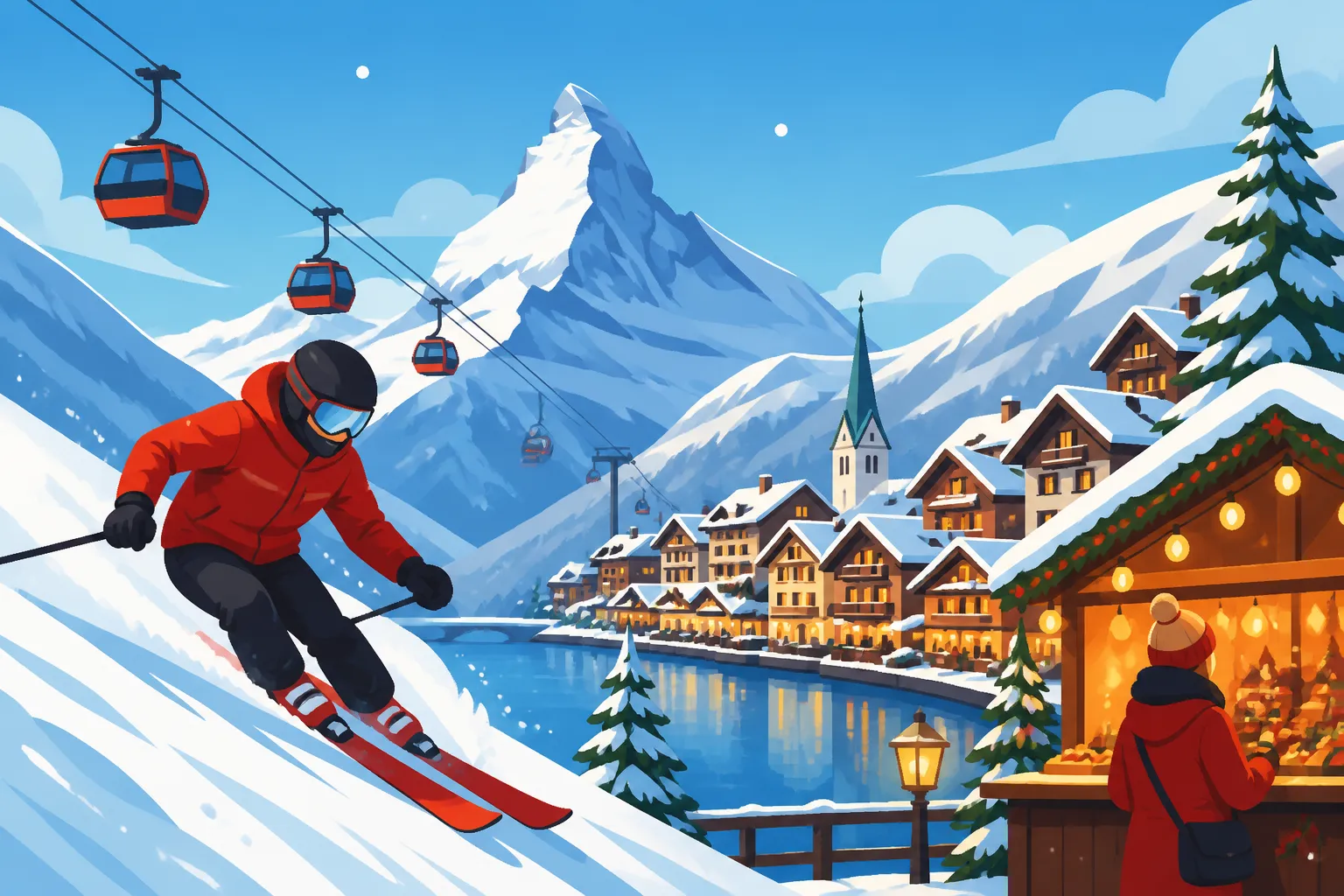
Alright, let's talk about the elephant in the room – or rather, the massive, snow-covered mountains! Switzerland is globally renowned for its skiing and snowboarding, and for good reason. The sheer scale, variety, and quality of the resorts are exceptional. If you've never hit the slopes before, or if you're a seasoned pro, there's a place here that will welcome you with open arms and perfectly groomed pistes. But knowing where to start, what gear you need, and whether you should get lessons can feel like a vertical black run of information overload.
Finding Your Perfect Piste: Resorts for Beginners to Experts
Choosing a ski resort in Switzerland can be as overwhelming as choosing a type of cheese – there are just so many fantastic options! For families or absolute beginners, resorts like Arosa Lenzerheide in Graubünden or Flims Laax are excellent choices. They boast wide, gentle slopes, dedicated kids' areas, and comprehensive ski schools with English-speaking instructors. You'll find plenty of blue runs to build confidence without feeling like you're constantly tumbling down a cliff. They often have charming village vibes too, which adds to the overall family-friendly atmosphere.
On the other hand, if you're a seasoned expert looking for challenging terrain, thrilling off-piste opportunities, or legendary black runs, places like Zermatt with its iconic Matterhorn views, or Verbier in the 4 Vallées, are calling your name. These resorts offer adrenaline-pumping descents, extensive backcountry access (often requiring a guide, mind you!), and a lively après-ski scene. Even if you're somewhere in the middle, confident on red runs but not quite ready for heli-skiing, resorts like Engelberg-Titlis or Grindelwald-Wengen offer a fantastic mix of intermediate runs, stunning scenery, and diverse activities. Each resort has its own unique character, so consider what kind of experience you're truly seeking – high-octane adventure, serene family fun, or something in between. For a deeper dive into the options, you might want to check out our guide on Skiing in Switzerland: Resorts, Passes, and Costs for Residents.
Gear Up: Renting vs. Buying and Essential Kit
Once you've picked your resort, the next big hurdle is getting kitted out. Ski and snowboard gear isn't cheap, and for newcomers, buying everything upfront can be a huge, expensive commitment, especially if you're not sure how much you'll love it. My advice? Rent, rent, rent for your first season or two! Nearly every resort town, and even larger sports stores in cities like Intersport or Ochsner Sport, offer excellent rental packages for skis, boots, poles, helmets, and even snowboards. This allows you to try different equipment, sizes, and styles without draining your bank account, and the staff can help ensure you get the right fit, which is crucial for comfort and safety.
If you find yourself falling in love with the slopes, then you can start thinking about investing. Often, second-hand gear marketplaces or end-of-season sales can be a good way to grab a bargain. Beyond the primary equipment, don't forget the small but mighty essentials: waterproof gloves, a warm hat, a neck gaiter or buff, good quality ski goggles (they're not just for style, they protect your eyes from sun and glare!), and high-factor sunscreen and lip balm, because that alpine sun is deceptively strong, even in winter. Remember, comfort and protection are paramount when you're out in the elements.
Lessons Learned: When to Hire an Instructor
Many people, especially those with some sporting background, often think they can just "figure it out" on the slopes. While a few might manage, I cannot stress enough the value of a professional instructor, especially for beginners. Swiss ski schools are world-class, and their instructors are not only highly skilled but often multilingual. A few hours with an instructor can save you days of frustration, painful falls, and bad habits that are hard to unlearn. They'll teach you proper technique, how to control your speed, how to stop safely, and crucially, the "rules of the piste" to keep you and others safe.
Even if you're not a complete novice but feel a bit rusty, or want to tackle more challenging terrain, a private lesson or group clinic can work wonders. It's an investment, yes, but it dramatically enhances your enjoyment and safety on the mountain. Plus, for kids, ski school isn't just about learning; it's a fantastic social experience. They'll make friends, gain confidence, and often progress much faster than if you tried to teach them yourself (and save your sanity in the process!). Many ski schools also offer packages that include equipment rental and lift passes, making the whole process incredibly seamless.
Winter Activities Beyond the Slopes: A Diverse Palette
So, you’ve tried skiing, maybe it’s not your thing, or perhaps you just want a break from the downhill rush. Fantastic! Because Switzerland in winter offers a treasure trove of experiences that don't involve clipping into skis or a snowboard. This is where the magic of the quieter, more serene side of the Swiss Alps truly shines, allowing you to immerse yourself in the natural beauty without the adrenaline. From peaceful walks to exhilarating sledding, there’s an activity for every mood and energy level.
Snowshoeing and Winter Hiking: Tranquil Alpine Experiences
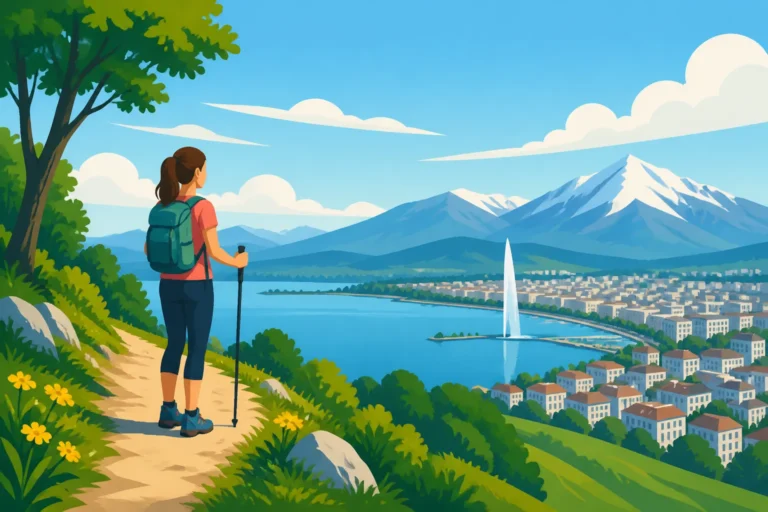
If the thought of crowded pistes makes you cringe, but you still crave that invigorating feeling of being surrounded by snow-dusted peaks and silent forests, then snowshoeing or winter hiking is your calling. Imagine strapping on a pair of snowshoes, which basically look like oversized tennis rackets for your feet, and venturing onto marked trails that crisscross pristine landscapes. The crunch of fresh snow beneath you, the quiet hush of the forest, the crisp air filling your lungs – it’s an utterly meditative experience. You don’t need any special skills beyond being able to walk, and it's a fantastic workout too!
Many resorts and even smaller villages offer dedicated, well-marked winter hiking paths (Winterwanderwege) that are regularly groomed. These are perfect for a brisk walk in sturdy boots, no special equipment needed. For snowshoeing, you can often rent the equipment from local sports shops, just like ski gear. You can find guided tours with companies on platforms like GetYourGuide, which is a great way to discover hidden gems and learn about the local flora and fauna from an expert, especially if you're new to the area. It’s a wonderful way to escape the hustle and bustle and truly connect with the serene beauty of the Swiss winter. To plan your tranquil journey, make sure to read our detailed guide on Snowshoeing and Winter Hiking in Switzerland for Non-Skiers.
Sledding and Tobogganing: Family Fun for All Ages
Okay, confession time: I’m probably as enthusiastic about sledding (or Schlitteln, as the locals call it) as I am about anything else in winter. Forget the image of a flimsy plastic saucer; Swiss sledding runs are serious business, and seriously fun! Many ski resorts have dedicated sledding tracks, some of which are several kilometers long, winding down mountainsides through forests and open fields. They can be exhilaratingly fast or gently sloping, catering to different thrill levels. You often take a cable car or mountain train up, rent a sturdy wooden sled (Rodelschlitten) at the top, and then carve your way down.
This isn't just for kids; I've seen groups of adults laughing just as hard, if not harder, as they race down the snowy slopes. It’s a fantastic activity for families or groups of friends, requiring no prior experience other than knowing how to lean and occasionally drag a foot to brake. Some resorts even offer night sledding, where the tracks are illuminated, adding an extra layer of magic to the experience. It’s pure, unadulterated joy, a wonderful way to tap into your inner child. For details on the best spots, check out our guide on Sledding (Schlitteln) Runs in Switzerland: Family Winter Fun.
Ice Skating and Curling: Classic Winter Pastimes
Beyond the mountains, don't forget the charm of gliding across an ice rink! Almost every Swiss town and city, from the smallest village to major hubs like Zurich and Geneva, sets up outdoor ice rinks during the winter months. These rinks, often beautifully decorated and lit, become vibrant social hubs where people of all ages come to skate, socialize, and sip warm drinks. You can usually rent skates on-site for a very reasonable fee, making it an accessible and spontaneous activity.
It’s not just about graceful pirouettes, either. Many rinks are open to the public, offering a relaxed atmosphere perfect for a casual glide with friends or family. For something a little more unique, consider trying your hand at curling, the "chess on ice." Several larger rinks and dedicated curling clubs offer introductory sessions. It’s surprisingly engaging, requiring both strategy and a bit of a knack for sweeping! These classic winter pastimes offer a delightful contrast to the high-energy mountain sports and provide a fantastic way to enjoy the crisp winter air right in the heart of urban or village settings.
Enchanting Christmas Markets and Festive Traditions
As the days shorten and the temperatures drop, Switzerland transforms into a festive wonderland, nowhere more so than at its enchanting Christmas markets. These aren't just places to buy gifts; they are immersive experiences that warm the soul, fill the air with irresistible aromas, and bring communities together. Stepping into a Swiss Christmas market feels like walking into a storybook, a tradition deeply woven into the fabric of winter life here.
The Magic of Swiss Christmas Markets: Glühwein and Gifts
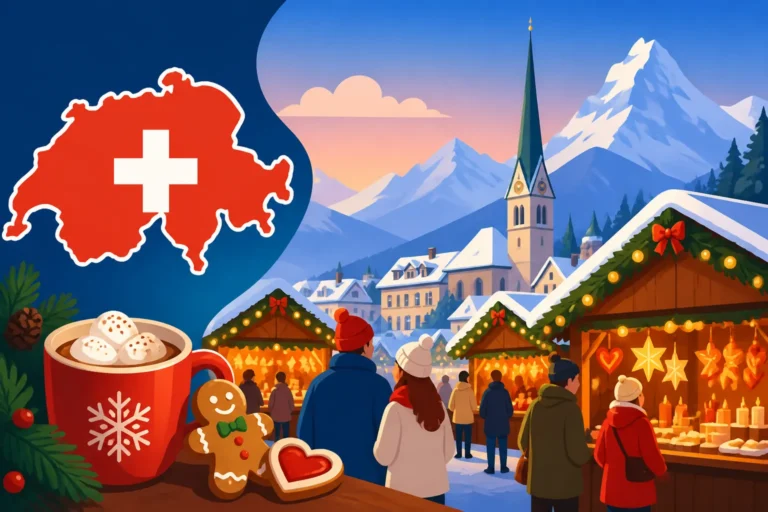
The moment the first Christmas market opens, usually in late November, a palpable sense of anticipation fills the air. Forget the hustle and bustle of modern life; these markets are about slowing down, savoring the moment, and indulging in simple pleasures. Picture charming wooden chalets adorned with twinkling lights, selling everything from handcrafted decorations and local artisan goods to cozy winter accessories. The air is thick with the scent of roasted chestnuts, spicy Glühwein (mulled wine), gingerbread, and sizzling sausages. It's pure sensory delight.
Each city and town boasts its own unique market, or even several. Zurich's Christkindlimarkt at the Main Station, Montreux Noël by Lake Geneva, or the festive market on Basel's Barfüsserplatz are particularly famous, each offering a distinct charm. You’ll find families sharing plates of Raclette (melted cheese scraped over potatoes), friends toasting with Glühwein, and children wide-eyed at the magical displays. It’s a place to find unique, locally made gifts, but more importantly, it's a place to soak up the festive atmosphere and create cherished memories. For an in-depth look at the best markets, our guide on Swiss Christmas Markets: The Best in Zurich, Basel, and Montreux is a must-read.
Local Winter Traditions and Celebrations
While Christmas markets are a significant part of the festive season, Swiss winter traditions extend beyond them. Early December sees the arrival of Samichlaus (St. Nicholas) and his dark companion, Schmutzli, who visit children, rewarding the good ones with mandarins, nuts, and gingerbread, and occasionally giving the naughty ones a gentle warning. This is a quieter, more personal tradition, often celebrated in homes or small community gatherings.
New Year's Eve, or Silvester, is celebrated with enthusiasm across the country, featuring fireworks displays over lakes and cities. Some cantons also hold unique, lesser-known traditions, like the Klausjagen in Küssnacht am Rigi, a raucous procession of men with giant bishop's mitres and cowbells, chasing away evil spirits – it’s quite a spectacle! These local customs provide a fascinating glimpse into the cultural heritage of Switzerland and offer opportunities to experience the winter season beyond the usual tourist offerings. Don’t hesitate to ask locals about unique traditions in your area; they’re often delighted to share.
Culinary Delights of the Season: Warmth from Within
Let’s be honest, winter is the perfect excuse for indulging in hearty, warming food, and Switzerland delivers on this front beautifully. The cold weather practically mandates a steady diet of melted cheese! Fondue and Raclette are, of course, quintessential winter experiences. Gathering around a pot of bubbling cheese with friends, dipping bread cubes, or melting cheese over potatoes and pickles, is a social ritual that embodies Gemütlichkeit – that untranslatable feeling of coziness and contentment.
Beyond cheese, don't miss out on Marroni (roasted chestnuts), sold by street vendors with their distinctive charcoal burners, especially at Christmas markets. They’re sweet, smoky, and wonderfully warming on a cold day. Hearty stews, rich meat dishes, and comforting soups also feature heavily on winter menus. And of course, no Swiss winter culinary journey would be complete without plenty of chocolate, often accompanied by a steaming cup of coffee or hot chocolate. Exploring the seasonal treats is an essential part of embracing the Swiss winter experience, providing comfort and joy from the inside out. For more on what to eat, dive into Glühwein and Winter Market Food in Switzerland.
Charming Alpine Towns and Lakeside Retreats in Winter
The Swiss landscape, famous for its dramatic mountains and shimmering lakes, transforms into something truly magical in winter. While the bustling cities have their charm, it's in the smaller alpine towns and quiet lakeside retreats that you often find the quintessential Swiss winter experience. These places, dusted with snow and often quieter than in summer, offer a unique blend of picturesque beauty, cozy comfort, and a surprising array of activities, even if you’re not hitting the slopes.
Iconic Mountain Villages: Zermatt, Grindelwald, and More
Imagine a village where the only sounds are sleigh bells and the crunch of snow underfoot, with the majestic Matterhorn looming in the background. That's Zermatt in winter for you – car-free, charming, and utterly captivating. Even if you're not a skier, riding the Gornergrat Bahn for unparalleled views of the Matterhorn or simply strolling through the village, soaking in the atmosphere, is an experience in itself. The air is crisp, the chalets are draped in snow, and every corner seems to offer a postcard-perfect vista.
Other mountain gems like Grindelwald and Wengen in the Jungfrau Region, or Saas-Fee, also car-free and nestled amidst towering peaks, offer similar magic. These villages are not just bases for skiing; they are destinations in themselves. They provide access to stunning winter hiking trails, cozy mountain restaurants serving hearty Swiss fare, and opportunities for sledding or ice skating. Many have charming main streets lined with boutique shops, bakeries, and traditional hotels, making for delightful exploration. Don't miss out on the quiet moments, perhaps enjoying a hot chocolate on a sunny terrace, watching the world go by. To plan your visit to one of these iconic spots, our Exploring Zermatt: Car-Free Living Under the Matterhorn guide offers invaluable tips.
Lakeside Beauty: Geneva, Lucerne, and Montreux in the Cold
While the mountains draw a lot of attention, Switzerland’s beautiful lakeshores take on a different, equally enchanting character in winter. Cities like Geneva, Lucerne, and Montreux, which sparkle in summer, exude a serene elegance when dusted with frost or a light snowfall. The absence of the summer crowds means a more relaxed pace, allowing you to appreciate the architectural beauty and natural surroundings in a new light.
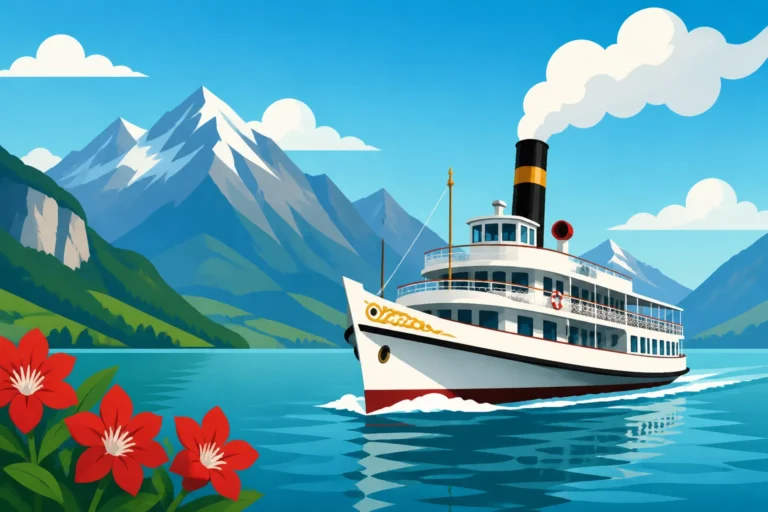
In Lucerne, for instance, the Chapel Bridge looks even more romantic under a blanket of snow, and a leisurely boat trip on Lake Lucerne, wrapped in a blanket with a warm drink, offers a unique perspective of the surrounding peaks. Geneva’s Jet d'Eau stands defiant against the cold, and the city's Christmas market transforms its elegant streets. Montreux, famous for its jazz festival, hosts a magical lakeside Christmas market with a fairytale ambiance. These lakeside cities often have excellent museums, art galleries, and cultural events that make for perfect indoor activities on colder days. Strolling along the promenades, watching the waterfowl, and enjoying a cozy meal by the water can be incredibly restorative.
Wellness and Relaxation: Thermal Baths and Spas
After all that exploring in the crisp winter air, or perhaps just to escape the chill, there's nothing quite like indulging in some Swiss wellness. Switzerland is dotted with fantastic thermal baths and spas, many of which are nestled amidst breathtaking alpine scenery. Imagine soaking in warm, mineral-rich waters outdoors, surrounded by snow-covered mountains, with steam rising around you – it's an incredibly luxurious and rejuvenating experience.
From the historic Roman-Irish baths in Leukerbad to the modern facilities in Bad Ragaz or the serene setting of Tamina Therme, there’s a spa experience for every preference. Many offer various pools, saunas, steam rooms, and treatment options, providing a perfect escape for relaxation and rejuvenation. It's an ideal way to soothe tired muscles after a day on the slopes or simply to pamper yourself and unwind. These wellness havens offer a tranquil counterpoint to the more active winter pursuits, allowing you to fully recharge and appreciate the slower pace of the season. To discover the best spots for ultimate relaxation, consult our guide on Spa and Thermal Baths in Switzerland: Where Residents Relax.
Planning Your Swiss Winter Adventure: Practicalities and Budgeting
Switzerland, while undeniably stunning, also has a reputation for being, well, pricey. And in winter, with all the specialized gear, accommodation, and activities, those costs can add up quickly. But don't let that deter you! With a little savvy planning, understanding the transport system, and making smart choices, you can absolutely enjoy a spectacular Swiss winter adventure without completely emptying your wallet. It's all about knowing the ropes and leveraging the incredible infrastructure available.
Transport and Travel Passes: Getting Around Efficiently
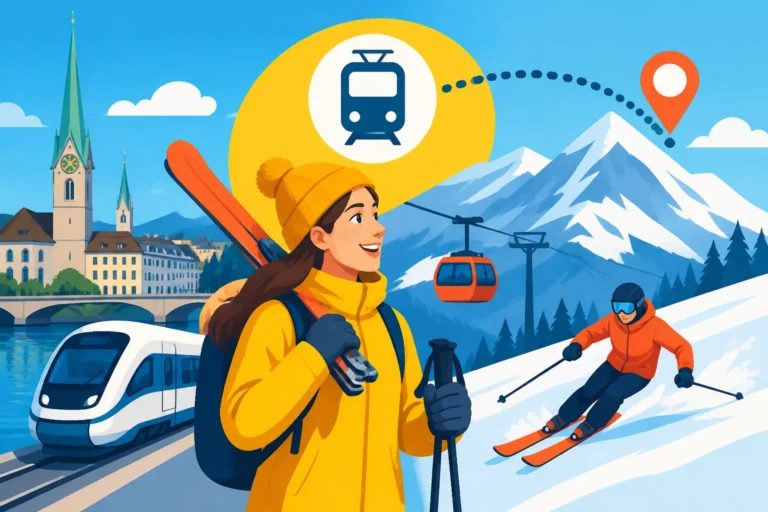
The Swiss public transport system is legendary, and it truly shines in winter. The SBB (Swiss Federal Railways) network is incredibly efficient and reliable, even in heavy snowfall, connecting major cities with even the most remote mountain villages. Forget the stress of driving on icy roads; simply hop on a train, sit back, and enjoy the breathtaking snowy landscapes rolling by your window. For booking tickets, the SBB app is indispensable, but you can also use platforms like Omio to compare and book train, bus, and flight options across Europe, which can be super handy if you’re planning cross-border excursions from Switzerland.
For residents, or anyone planning to spend more than a few days traveling by public transport, investing in a travel pass is usually a no-brainer. The Half-Fare Travelcard (Halbtax) is arguably the best investment you can make, as it slashes the price of most train, bus, boat, and even many mountain railway tickets by 50%. If you're planning extensive travel, the Generalabonnement (GA) or a regional pass might be worth it. These passes make exploring the country incredibly convenient and often surprisingly affordable, especially when factoring in the cost of fuel and parking if you were to drive. For more on this essential pass, read up on The Half-Fare Travelcard (Halbtax): The Must-Have Pass for Swiss Residents.
Accommodation: Cozy Stays for Every Budget
Finding a place to stay in Switzerland during winter can range from quaint mountain huts to luxurious five-star hotels. The key, especially during peak season (Christmas, New Year's, and school holidays), is to book well in advance. For the ultimate cozy experience, look for traditional chalets or family-run guesthouses in alpine villages. Many offer half-board options, which can be a great way to manage food costs.
If you're on a tighter budget, consider hostels in larger towns or apartments with kitchenettes where you can cook some of your own meals – a huge money-saver in Switzerland! Platforms like Booking.com offer a vast array of options, from budget-friendly apartments to high-end resorts, allowing you to filter by price, location, and amenities. Don't be afraid to look slightly outside the most popular resort centers; often, excellent public transport links mean you can stay in a nearby, more affordable village and still easily access the slopes or attractions.
Budgeting for the Winter Season: Costs and Savings
Let's face it: Switzerland is expensive, and winter activities often come with a premium. Lift passes, equipment rental, and mountain meals can quickly add up. A day of skiing, including a lift pass, rentals, and a simple lunch, can easily cost CHF 100-150 per person. However, there are smart ways to save. As mentioned, the Half-Fare card is a game-changer for transport. Look out for "Saver Day Passes" or "Supersaver Tickets" on the SBB app, which offer significant discounts if booked far in advance for specific routes.
For activities, consider multi-day ski passes or seasonal passes if you plan to hit the slopes frequently. Many resorts also offer evening sledding or ice skating at lower prices. When it comes to food, pack your own sandwiches and snacks for the slopes instead of buying expensive mountain restaurant meals. Dining at local supermarkets like Migros or Coop, or utilizing their take-away sections, can also keep costs down. Embrace the concept of Budget Travel in Switzerland: Seeing the Country Without Overspending by mixing high-cost activities with free ones like strolling through a snowy village or enjoying a self-made picnic with a view.
Safety and Essential Tips for Winter Visitors
The Swiss winter is undeniably beautiful, but it also demands respect. The mountains, while magnificent, can be unpredictable, and cold weather always carries certain risks. As an expat or visitor, it's crucial to be aware of essential safety guidelines and to prepare properly, ensuring your winter adventures are memorable for all the right reasons, and not for any unfortunate mishaps. A little foresight goes a long way in enjoying everything this stunning season has to offer.
Mountain Safety: Avalanches, Weather, and Preparedness
If you're heading into the high Alps for skiing, snowboarding, snowshoeing, or even serious winter hiking, understanding mountain safety is paramount. The biggest risk is often avalanches, and while groomed pistes are generally safe, venturing off-piste or onto unmarked trails can be extremely dangerous. Always check the local avalanche bulletin (available online from SLF – Swiss Avalanche Institute, or at resort lift stations) before you go. "Lawinegefahr" (avalanche danger) warnings should never be ignored.
Mountain weather can change dramatically and rapidly. A sunny morning can quickly turn into a whiteout blizzard. Always check the forecast before heading out and be prepared for sudden drops in temperature, strong winds, and poor visibility. Carry appropriate gear, including layers, waterproofs, a fully charged phone, and know emergency numbers (144 for ambulance, 1414 for REGA – Swiss Air-Rescue). Even on marked trails, it's wise to inform someone of your plans and expected return time. For serious alpine activities, consider getting REGA Membership: Why Expats Need Air Rescue Insurance in the Alps and never venture into unknown terrain alone or without proper training and equipment like an avalanche transceiver, probe, and shovel.
Road Conditions and Driving in Snow
While public transport is excellent, some visitors prefer the flexibility of driving. If you do, be prepared for winter driving conditions. From November to April, winter tires are not legally mandatory nationwide but are highly recommended and often essential, especially in mountainous regions. If you are involved in an accident and don't have winter tires, you could be held liable. In some areas, snow chains might be required or advisable; pay attention to road signs (a blue circular sign with a snow chain icon).
Swiss roads are generally well-maintained and cleared quickly after snowfall, but conditions can still be treacherous, especially on mountain passes. Always drive cautiously, reduce your speed significantly, and maintain a greater distance from the vehicle in front. Check road conditions and pass closures online before you travel (e.g., via the TCS website). If you're not experienced in driving in snow and ice, or if you don't have a properly equipped vehicle, stick to the trains – it's safer and often less stressful.
Staying Warm and Healthy
Beyond the big dangers, there are everyday health considerations for winter. Frostbite and hypothermia are real risks, particularly for children or if you're exposed to cold and wet conditions for too long. Layering your clothing is key, as is taking regular breaks indoors to warm up. Make sure your outer layers are waterproof and windproof. Hydration is also important, even in cold weather; carry water or a thermos of warm tea.
Common winter ailments like colds and flu can also be more prevalent. Basic health insurance (KVG) covers necessary medical care, but it’s always good to have a small first-aid kit with essentials. Pharmacies (Apotheken) are plentiful and can offer advice for minor issues. Keep an eye on your skin; the combination of cold, wind, and strong sun reflection from snow can lead to severe sunburn and chapping, so generous application of high-SPF sunscreen and lip balm is vital. For a detailed guide on preparing for your outing, be sure to check out What to Pack for a Day Trip to the Swiss Alps.
Integrating into Swiss Winter Culture: Beyond the Tourist Traps
Experiencing the Swiss winter isn't just about the activities; it's about understanding and embracing the local culture. Moving beyond the obvious tourist attractions and engaging with the Swiss way of life during these colder months can unlock a deeper, richer experience. It’s about appreciating the unique rhythm, customs, and underlying values that shape how the Swiss navigate and enjoy their winter.
Local Etiquette and Customs: Blending In
Swiss customs remain steadfast, even in winter. Punctuality, for example, is always appreciated, whether for a train, a dinner reservation, or meeting friends. The concept of Ruhezeiten (quiet hours) is particularly important in apartment buildings, especially on Sundays, where loud activities like laundry or DIY are generally frowned upon. This quietude extends to the tranquil atmosphere of snowy landscapes; respect the peace when hiking or snowshoeing, especially if you encounter wildlife.
When visiting someone's home, it's customary to remove your outdoor shoes, especially if they're covered in snow or mud. Handshakes are standard greetings, and if you’re invited for a meal, a small gift (like flowers or good quality chocolate) for the host is a nice touch. Don't be surprised by the directness of Swiss communication; it's rarely meant to be rude, but rather efficient and honest. Embracing these small courtesies will not only help you blend in but also show your respect for your new surroundings. For a full immersion, our guide on Swiss Customs and Etiquette: Social Norms Every Newcomer Should Know is invaluable.
Embracing the Gemütlichkeit
This German word, often translated as coziness or comfort, perfectly encapsulates the spirit of Swiss winter. It's about creating warmth and contentment within your home, in a mountain hut, or around a festive table. This means lighting candles, enjoying warm drinks, indulging in hearty food, and spending quality time with loved ones. The long, dark evenings aren't seen as a burden but as an opportunity for introspection, board games, good books, or intimate conversations.
You’ll see this Gemütlichkeit reflected in everything from the architecture of traditional chalets with their inviting fireplaces, to the décor of cafes and restaurants that transform into warm havens. It's an active pursuit of comfort and well-being, a way to counteract the external cold. As an expat, learning to cultivate your own sense of Gemütlichkeit can be a powerful tool against the potential blues of short winter days. It’s about finding joy in simple pleasures and appreciating the indoor sanctuary that winter often necessitates.
Making the Most of Shorter Days
One of the biggest adjustments for many during the Swiss winter is the brevity of daylight hours. The sun can set as early as 4:30 PM in December, leaving long stretches of darkness. Instead of lamenting this, the Swiss have truly mastered the art of making the most of it. Early mornings, even before sunrise, can be incredibly peaceful and beautiful, especially if you’re catching the first rays of sun hitting the peaks.
The early darkness is also why festive lighting is so prevalent and cherished. Towns and cities literally glow, creating a magical ambiance for evening strolls, market visits, or just enjoying a drink on a heated terrace. It also means you can enjoy winter sports like night skiing or sledding under floodlights, which is an experience in itself. Embrace the opportunity to try new things that are unique to the darker hours, or simply use the longer evenings as a chance to relax, recharge, and truly appreciate the quiet beauty that winter brings to this incredible country.
Disclaimer
The information provided in this guide is intended for general informational purposes only and is subject to change. While we strive to ensure accuracy, conditions, regulations, and availability of services can vary and may be updated. It is always recommended to consult official sources, local authorities, and service providers for the most current and specific information relevant to your travel and residency in Switzerland. We do not assume liability for any decisions made based on this information.