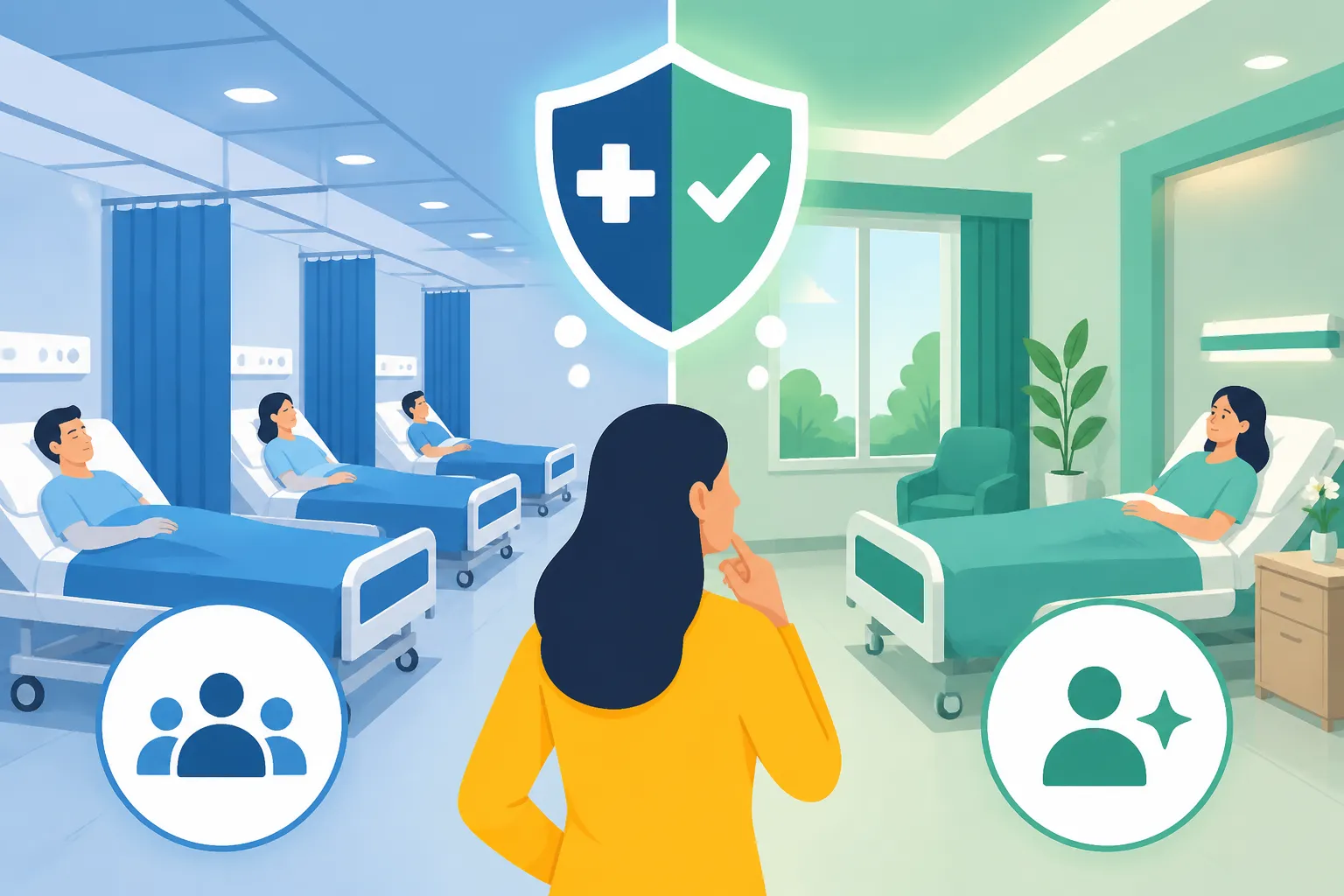
Private vs Semi-Private Hospital Insurance: Is the Upgrade Worth It?
Navigating the Swiss healthcare labyrinth is one of the biggest initial challenges for any expat, and nowhere is this more true than when you start diving into the nuances of hospital insurance. You’ve likely grasped the basics of mandatory health insurance, but then you stumble upon terms like "semi-private" and "private" hospital coverage, and suddenly your head spins with questions about whether these upgrades are truly worth the extra cost. This guide is here to untangle that knot, sharing what these tiers actually mean for you, the expat, and helping you decide if splashing out for a fancier hospital room is a smart move for your life here.
Understanding the Swiss Hospital System Tiers
First things first, let’s demystify how hospital coverage works here in Switzerland. It's not a one-size-fits-all system, and understanding the different tiers is crucial before you even think about upgrading. This isn't just about comfort; it impacts your choice of doctor and even how quickly you might access certain treatments.
Basic (General) Coverage: The KVG Standard
Your mandatory basic health insurance, known as KVG or LAMal, is the foundation of healthcare in Switzerland. When it comes to hospital stays, this basic coverage ensures you receive essential medical care in what's called the "general ward" (allgemeine Abteilung or division commune). This typically means a shared room, often with three or more beds, and you'll be treated by the doctor on duty (the 'Oberarzt' or senior physician, or sometimes a resident physician). You don't get to choose your specific doctor, but rest assured, the medical standards are incredibly high across the board, regardless of your insurance tier. This covers all medically necessary treatments, medications, and diagnostics. For a comprehensive look at the foundation, you might want to check out our guide on Understanding KVG/LAMal: Mandatory Basic Health Insurance Explained.
The key takeaway here is that you're fully covered for medical necessity. If you break a leg, need an appendix removed, or have a serious illness requiring hospitalization, KVG has your back for the treatment itself. The difference with basic insurance is purely in the creature comforts and the level of personalized medical attention beyond the standard. It's about efficiency and access to excellent care, not luxury.
Semi-Private (Halbprivat) Insurance: The Middle Ground
Now, if you're like many expats, you might find the idea of a shared room for an extended stay a bit daunting, especially if you're recovering from surgery or a serious illness. This is where semi-private (Halbprivat or semi-privée) supplementary hospital insurance comes in. Think of it as a comfortable upgrade from economy class to premium economy on an airline.
With semi-private coverage, you're generally entitled to a two-person room (sometimes referred to as a "junior suite" or similar in fancier hospitals). This significantly boosts your privacy and provides a quieter environment for recovery, which can be invaluable when you're feeling vulnerable. More importantly, semi-private insurance often grants you a degree of choice in your physician. While it might not be a completely free choice of any doctor, it often allows you to be treated by the senior physician or even the head of the department (Chefarzt or médecin-chef) for your specific condition. This means you benefit from the expertise of highly experienced specialists who might not typically treat patients on the general ward. For more on how these supplementary options fit into the bigger picture, delve into Supplementary Health Insurance (VVG): What It Covers and When to Buy It.
Private (Privat) Insurance: The Premium Experience
For those who prioritize ultimate comfort, privacy, and absolute control over their medical team, private (Privat or privée) hospital insurance is the top tier. This is the first-class experience, offering a single private room during your hospital stay. Imagine recovering in peace, without the disturbances of other patients, and having a dedicated space for visitors or just quiet contemplation.
The most significant benefit of private insurance, beyond the room itself, is the unrestricted choice of your treating physician. You can select the chief physician or any specialist you prefer, even if they are not directly affiliated with the hospital. This means you can seek out a renowned expert in your specific field, ensuring you have the doctor you trust most overseeing your care. Additionally, private patients often benefit from faster access to elective procedures and more flexible scheduling options, which can be a huge advantage if you have a busy work schedule or simply don't want to endure long waiting lists. You'll find that these policies often come with a concierge-like service, handling administrative details and ensuring your comfort.
The Benefits and Drawbacks of Upgrading
So, is shelling out extra cash for these upgrades truly worth it? It’s a very personal decision, and there are definite pros and cons to weigh against your own needs and finances.
Enhanced Comfort and Privacy
Let's be honest, hospitals are rarely a five-star hotel experience. Recovery can be tough, and having your own space or sharing with just one other person can make a world of difference. In a general ward, you're subjected to the schedules, noises, and often the illnesses of several other patients. This can mean interrupted sleep, lack of personal space, and less comfortable visiting arrangements.
With a semi-private room, you get more quiet, more personal space, and often an ensuite bathroom. This can genuinely accelerate recovery, as rest is paramount. A private room, of course, takes this to the extreme, offering a tranquil sanctuary during what can be a very stressful time. For those who value privacy highly, perhaps due to personal disposition, the nature of their illness, or even professional reasons, this aspect alone can justify the added expense. It allows you to focus solely on healing, without external distractions.
Doctor Choice and Expertise
This is often the most compelling reason for many expats to upgrade. While the doctors on duty in general wards are highly competent, supplementary insurance allows you to pick your specific physician. This means if you have a complex condition, or a strong preference for a particular specialist's reputation, you can ensure they are the ones overseeing your treatment. Many expats feel more secure knowing they have a say in who treats them, especially when dealing with a foreign healthcare system. It's about peace of mind and access to the 'best of the best' for your specific needs. Understanding how referrals work even with basic insurance, as discussed in Finding Medical Care in Switzerland: Doctors, Specialists, and Referrals, can highlight why this choice matters for many.
This choice can extend beyond just your primary doctor. With private insurance, you might also have greater influence over the specific specialists brought in for consultations, ensuring a comprehensive and tailored approach to your care.
Shorter Waiting Times and Scheduling Flexibility
Another often-cited benefit of semi-private and private insurance is the potential for shorter waiting lists for elective procedures. While emergency care is always prioritized regardless of insurance, for non-urgent surgeries or specialized appointments, private patients often get preferential scheduling. This can be a huge relief if you're trying to fit a procedure around work commitments or family life. Imagine needing a knee surgery and being able to schedule it at a time that minimizes disruption to your life, rather than waiting months for the next available slot on the general ward. This flexibility isn't guaranteed, but it's a common perk of these higher tiers.
For instance, if you're juggling work and family, the ability to coordinate a planned procedure with a specific doctor and a flexible timeline can be a game-changer. It reduces stress and allows for more effective planning around your recovery period.
The Financial Reality: High Premiums and Deductibles
Now for the inevitable downside: the cost. Supplementary hospital insurance premiums can be substantial, adding hundreds, sometimes even over a thousand francs per month to your already mandatory KVG premium. This isn't a small chunk of change. Furthermore, these supplementary policies often come with their own deductibles and co-pays, separate from your basic KVG policy. You'll still need to understand The Swiss Franchise System: How Deductibles and Copays Work for your KVG, but remember your VVG (supplementary insurance) might have its own set of rules.
You need to consider if the benefits outweigh the financial strain. Are you young and healthy, rarely visiting a doctor? Or do you have pre-existing conditions that might necessitate more frequent or specialized hospital stays? For many, especially those who are generally healthy, the high premiums might feel like an unnecessary expense, while others see it as a wise investment in their health and well-being.
Who Should Consider a Hospital Insurance Upgrade?
Deciding on supplementary hospital insurance isn't a clear-cut choice. It really boils down to your personal circumstances, health, and financial comfort.
For Peace of Mind and Personal Preference
If you're someone who thrives on privacy, values a quiet environment for recovery, and prefers to have a say in your medical team, then a hospital upgrade might be for you. Many expats find the transition to a new country stressful enough, and the thought of being in a multi-person hospital room, potentially with language barriers complicating communication, can add to that anxiety. Opting for semi-private or private coverage can alleviate some of these worries, offering a sense of control and comfort during a vulnerable time.
For some, it's simply a matter of preference. If you've always preferred single rooms in hotels or value personal space highly, this extends to your healthcare choices too. It's an investment in your well-being and a way to mitigate the less pleasant aspects of a hospital stay.
For Specific Medical Needs or Planned Procedures
If you have a known pre-existing condition, a chronic illness, or anticipate needing a specific, non-emergency procedure in the future (like an orthopedic surgery, a specialized diagnostic, or even certain fertility treatments), then upgrading your hospital insurance can be highly beneficial. It allows you to proactively choose a specialist known for their expertise in your condition and potentially bypass longer waiting lists.
Consider a situation where you're planning for maternity care. While basic KVG covers all medically necessary aspects, you might want to look into Private Room Upgrades for Childbirth: How VVG Supplementary Insurance Works to ensure a more comfortable and private birthing experience, or even specific pre-natal screenings not fully covered by basic insurance, as highlighted in NIPT Tests and Pregnancy Screenings: What Basic KVG Covers. For complex cases, having that direct access to a chief physician can be truly invaluable.
What If You Travel Frequently?
This is an interesting point, as supplementary hospital insurance primarily focuses on your stay within Switzerland. However, many VVG (supplementary) policies, especially those covering semi-private or private hospital stays, often include enhanced international travel benefits. These might include better repatriation coverage (getting you back to Switzerland if you fall ill abroad) or coverage for medical emergencies outside of Switzerland that go beyond what your basic KVG offers (which is often limited to double the cost of treatment in Switzerland).
If you’re a frequent traveler, especially for work or extended trips, it’s worth checking if your supplementary hospital insurance provides robust international coverage. For more extensive international or long-term travel insurance needs, particularly for those who might be digital nomads or planning extended stints outside of Switzerland, dedicated solutions like SafetyWing can be a strong contender. While not a direct substitute for Swiss basic or supplementary hospital insurance, such international travel medical policies complement local coverage by providing comprehensive protection when you’re on the move, especially if you need emergency medical evacuation or coverage in countries where Swiss KVG offers minimal protection. It's smart to compare these offerings with what your supplementary Swiss VVG policies might provide, especially regarding Repatriation Coverage: Why Expats Add International Health Insurance in Switzerland.
Making the Decision: Factors to Weigh
Ultimately, the choice to upgrade your hospital insurance is a highly personal one, but here are some key factors to consider before you sign on the dotted line.
Assessing Your Health and Risk Tolerance
Take an honest look at your current health. Are you generally fit and healthy, with no known chronic conditions or family history that might put you at higher risk? If so, the extensive benefits of semi-private or private might not feel as urgent. However, if you're approaching an age where health concerns become more common, or if you have specific conditions that could require hospitalization, the value proposition changes considerably. Think about your "risk tolerance" – how much are you willing to pay upfront for the potential comfort and choice later?
Consider scenarios: if you're young and primarily use the Emergency Rooms in Switzerland: Triage, Waiting Times, and Billing for acute issues, basic coverage is very robust. But if you have an ongoing health issue, the ability to choose your specialist might be a game-changer for your quality of life.
Budgetary Considerations: Can You Afford It?
This is perhaps the most practical consideration. Swiss health insurance premiums are already among the highest in the world. Adding a substantial supplementary premium on top of that needs careful budgeting. Review your monthly expenses and determine what you can realistically afford. Don't forget that these supplementary insurances might also come with their own franchise (deductible) and co-pay structure. It’s not just the premium you pay each month, but also the out-of-pocket costs you might incur if you actually need to use the service. A good financial plan often means understanding your total annual healthcare costs, which includes your basic KVG, your chosen franchise, and any supplementary VVG policies.
It’s crucial to understand that while a private room sounds lovely, the financial burden shouldn't overshadow the primary goal of good health. If paying for it means cutting back on other essential aspects of your life, it might not be the right choice.
Reviewing Your Existing Basic KVG Policy
Before you jump into supplementary insurance, make sure you fully understand what your basic KVG policy already covers. As mentioned, it covers all medically necessary treatments in the general ward, regardless of cost. For many, this is perfectly adequate. The quality of care in Swiss public hospitals is exceptionally high, and you'll still receive excellent treatment. The upgrade is purely for comfort and choice of doctor, not for superior medical quality. You can always revisit the details of your Healthcare in Switzerland for Expats: The Complete System Overview (2027) to refresh your memory on the basics.
Sometimes, for short-term stays or unexpected emergencies, the general ward might be perfectly fine. It's for longer, more planned, or more sensitive hospitalizations that the upgrades truly shine.
The "Tiers Garant" vs "Tiers Payant" Implications
This might seem like a small detail, but it can affect your cash flow. In Switzerland, medical bills are processed either via "Tiers Garant" (you pay the bill first, then get reimbursed by the insurance) or "Tiers Payant" (the insurance pays the provider directly). While KVG often operates on Tiers Garant for hospital stays, supplementary insurances for semi-private or private might sometimes opt for Tiers Payant, which means less upfront hassle for you. It's definitely something to clarify with your specific supplementary provider. Understanding How to Pay Medical Bills: Tiers Garant vs. Tiers Payant Billing Systems can help you navigate this aspect for all your medical costs.
For expats, particularly new arrivals, any system that reduces upfront payments and complex reimbursement claims is often a welcome relief. Clarifying this can save you administrative headaches down the line.
Here's a quick comparison of the three main hospital insurance tiers:
| Feature | Basic (General) Coverage (KVG) | Semi-Private (Halbprivat) VVG | Private (Privat) VVG |
|---|---|---|---|
| Room Type | Shared room (3+ beds) | Two-person room | Single private room |
| Doctor Choice | Doctor on duty (Oberarzt, resident physician) | Senior Physician / Head of Department (Chefarzt) often with choice | Free choice of Chief Physician / any specialist |
| Comfort/Privacy | Limited | Enhanced | Maximum |
| Waiting Times | Standard (can be longer for elective procedures) | Potentially shorter for elective procedures | Often preferential scheduling for elective procedures |
| Cost (Premium) | Mandatory, lowest | Moderate increase over KVG | Significant increase over KVG |
| Other Benefits | All medically necessary care | Some policies may include extended travel benefits, home care support | Comprehensive services, concierge support, international coverage |
| Repatriation Coverage | Minimal (capped at double Swiss cost) | Often enhanced (check policy details) | Generally robust (check policy details), often good for frequent travelers like SafetyWing offers |
Deciding whether to upgrade your hospital insurance in Switzerland is a significant financial and personal choice. There's no single right answer, as it depends entirely on your health, your budget, and what gives you peace of mind. While the basic KVG insurance provides excellent medical care, the supplementary semi-private or private options offer enhanced comfort, privacy, and crucial control over your medical team. Weigh the benefits against the substantial premiums and potential deductibles. Consider your own health history and future plans. Ultimately, it’s about finding the balance that ensures you feel secure and well-cared for within this excellent, albeit complex, Swiss healthcare system.
Disclaimer
Please remember that I am a veteran lifestyle blogger for expats and not a financial or legal advisor. The information provided in this guide is for general informational purposes only and does not constitute professional advice. Health insurance policies and regulations in Switzerland are complex and can change. It is crucial to consult with a licensed health insurance broker or financial advisor in Switzerland to discuss your specific situation and needs before making any decisions about your health insurance coverage. Always verify current policy details, terms, and conditions directly with insurance providers.