Pediatric Care: Checkups, Vaccination Schedules, and School Health
Moving to a new country is stressful enough, but when you have kids in tow, the pressure to figure out the local medical system feels immediate and heavy. I still remember the frantic Google searches I did during our first week in Geneva, trying to find a doctor who wouldn't just tolerate my broken French but actually understand my toddler's history. This guide covers everything you need to know about navigating pediatric care in Switzerland so you don't have to learn the hard way.
Understanding the Swiss Pediatric System for Expats
The Swiss approach to pediatric care is highly decentralized and remarkably thorough. Unlike some countries where a general practitioner handles the whole family, Switzerland strongly favors specialized pediatricians (Kinderarzt or Pédiatre) for children from birth until they reach age 16 or 18. This system ensures that your child is seen by someone who exclusively studies growth milestones and childhood-specific illnesses. However, because the quality of care is so high, demand is equally high, making the initial search a bit of a challenge for newcomers.
The Role of the Kinderarzt
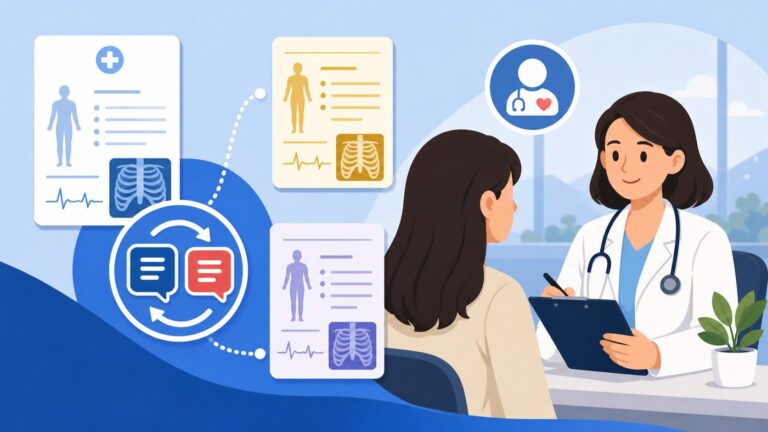
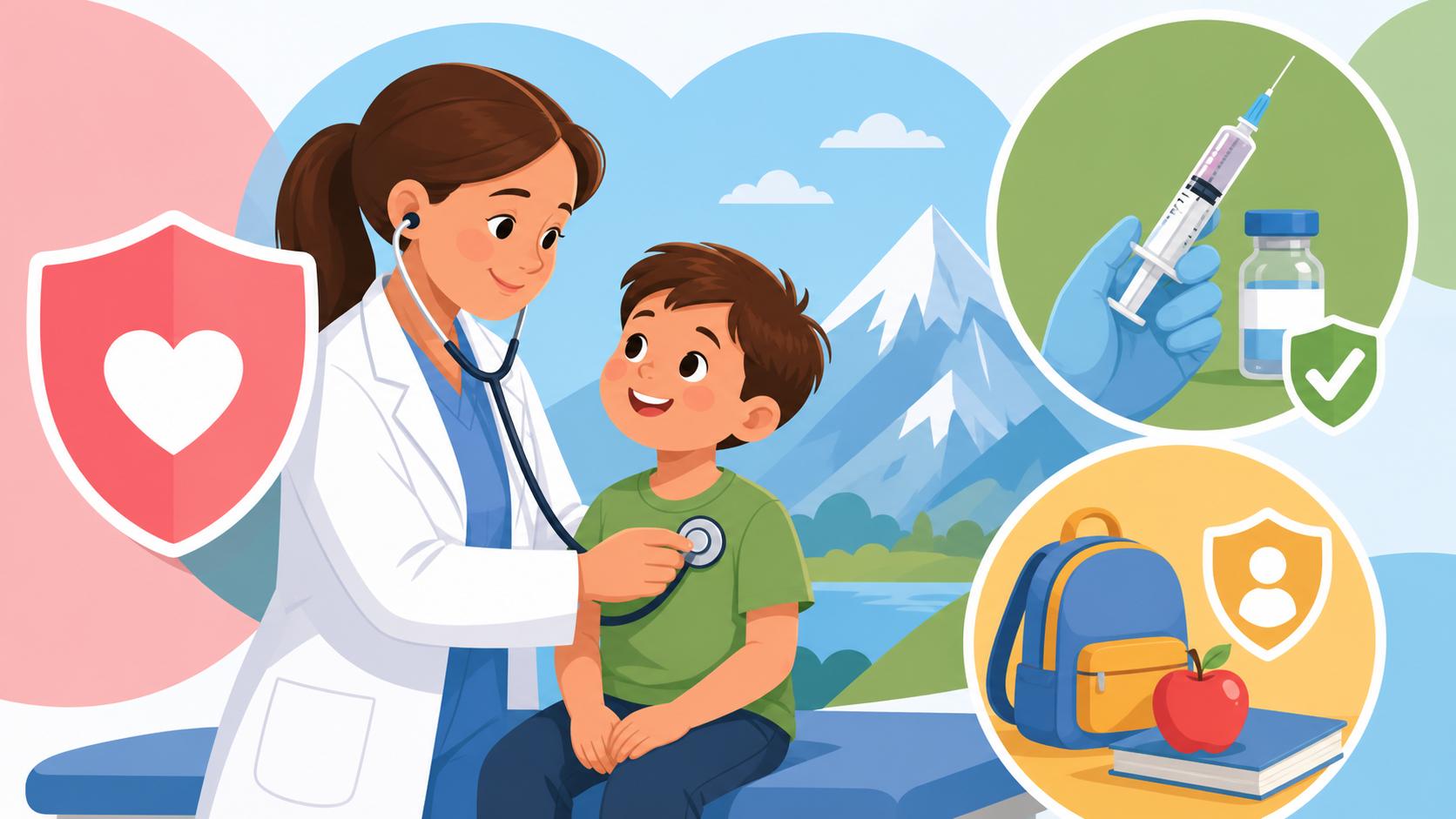
In Switzerland, your pediatrician is the gatekeeper for all things related to your child's health. They aren't just there for when your child has a fever; they are responsible for the long-term monitoring of physical and psychological development. From the moment you leave the hospital after birth—or within the first few days of arriving as an expat—you are expected to have a designated doctor. They manage the official records, including the "Gesundheitsheft" or "Carnet de Santé," which is a booklet that follows your child throughout their school years.
During a typical visit, the doctor will check everything from motor skills and speech development to social behavior. Because the system is so specialized, your Kinderarzt will often be the one to refer you to specialists like pediatric cardiologists or dermatologists if needed. For families who prefer a more global approach or frequent travel, having a plan through Cigna Global can offer additional peace of mind, especially when seeking second opinions outside the Swiss borders or wanting private room options that standard insurance might not fully cover.
Finding an English-Speaking Pediatrician
One of the biggest hurdles for expats is finding a doctor who speaks English and is currently accepting new patients. In major hubs, you might look into Finding an English-Speaking Pediatrician in Zurich Oerlikon or similar directories for Geneva and Basel. It is quite common for pediatric practices in city centers to be at full capacity. My advice is to start your search the moment your residency permit is in process. Do not wait until your child is actually sick to find a doctor.
When calling around, don't be discouraged if the receptionist speaks limited English; many doctors are fluent even if their front-desk staff is not. Ask specifically if they have experience with expat families and if they are familiar with international vaccination records. If you are struggling to find a local provider with availability, some international families opt for private supplemental plans through Cigna Global to access a wider network of private clinics that might have more immediate openings for new arrivals.
The Mütter- und Väterberatung Support
Beyond the doctor’s office, Switzerland offers a fantastic resource called the Mütter- und Väterberatung (Mother and Father Consultation). This is a community-based service where specialized nurses provide advice on breastfeeding, sleep, nutrition, and general parenting. It is often free or very low-cost and serves as a bridge between your medical appointments. I found this service invaluable for the "is this normal?" questions that didn't quite warrant a trip to the pediatrician. You can learn more about how this fits into your early days in the guide on Postpartum Care: Mütter- und Väterberatung and At-Home Midwife Visits.
Routine Checkups and the Vorsorgeuntersuchung Schedule
Switzerland follows a strict schedule of preventative checkups, known as Vorsorgeuntersuchungen. These are designed to catch developmental delays early and ensure your child is hitting their milestones. These visits are generally covered by your basic insurance, but the frequency can feel overwhelming during the first year. It is important to stay on top of these, as school authorities often check that these milestones have been documented.
The First Year: Frequency and Focus
During the first twelve months, you will visit the pediatrician frequently. Usually, appointments are scheduled at 1 month, 2 months, 4 months, 6 months, 9 months, and 12 months. Each visit has a specific focus. For example, the one-month checkup often involves a hip ultrasound to rule out dysplasia—a very standard Swiss procedure that caught me by surprise the first time. The doctors here are incredibly meticulous about physical measurements, plotting height, weight, and head circumference on centile charts that are specific to the Swiss population.
In these early months, the pediatrician also provides essential guidance on vitamin supplementation. In Switzerland, it is standard practice to prescribe Vitamin D drops (usually Vi-De 3) for all infants to prevent rickets, given the lack of intense sunlight in the winter months. If you prefer specific organic brands or need to restock on infant-safe supplements that aren't readily available at the local Apotheke, many expats use iHerb to source familiar products from home. Just be sure to cross-reference any imports with the rules on Bringing Prescription Medication into Switzerland: Customs and Legal Limits.
Toddler and School-Age Milestones
Once your child hits the age of two, the appointments spread out to once a year, and eventually once every two years. The focus shifts toward social integration, speech clarity, and fine motor skills. At the four-year checkup, which usually coincides with the start of compulsory Kindergarten, the doctor will conduct a more thorough screening that includes basic vision and hearing tests.
These checkups are also a time when Swiss doctors discuss lifestyle and nutrition. There is a strong emphasis on outdoor play and "Hofspiel" (playing in the courtyard). If your child has specific dietary needs or allergies, this is the time to get the official documentation needed for school. For parents who want to ensure their kids are getting the best nutritional support during these growth spurts, iHerb offers a wide range of kid-friendly vitamins and probiotics that can complement the local Swiss diet, which is often heavy on dairy and bread.
Standard Pediatric Checkup Timeline
| Age | Focus of Examination | Typical Vaccinations |
|---|---|---|
| 1 Month | Hip ultrasound, reflexes, weight | None |
| 2 Months | Motor skills, eye tracking | DTP, Hib, Polio, Hep B, PCV |
| 4 Months | Social smiling, rolling | DTP, Hib, Polio, Hep B, PCV |
| 6 Months | Sitting support, grasping | DTP, Hib, Polio, Hep B |
| 9-12 Months | Standing, pincer grasp, first words | MMR, PCV |
| 15-24 Months | Walking, vocabulary, social play | MMR, Varicella |
| 4 Years | Vision, hearing, school readiness | DTP, Polio boosters |
| 10-14 Years | Puberty, posture, mental health | HPV, Meningococcal |
The Swiss Vaccination Schedule (Impfplan)
The Swiss vaccination plan is managed by the Federal Office of Public Health (BAG). While vaccinations are not strictly mandatory by federal law in the same way they are in some other countries, they are very "strongly recommended." In practice, most schools and daycare centers (Kitas) will ask to see your child’s vaccination record. If you are moving from abroad, your Kinderarzt will translate your home country’s records into the Swiss system.
Mandatory vs. Recommended Vaccines
The core Swiss schedule covers the basics: Diphtheria, Tetanus, Pertussis (whooping cough), Haemophilus influenzae type b (Hib), Polio, Hepatitis B, Pneumococci (PCV), and MMR (Measles, Mumps, Rubella). Recently, the vaccine for Varicella (chickenpox) was added to the recommended list for infants, whereas it was previously only suggested for teenagers who hadn't caught it yet.
One vaccine that is unique to the region and highly emphasized is the FSME vaccine for tick-borne encephalitis. Switzerland has many high-risk zones, and if your children will be playing in forests or tall grass, your doctor will almost certainly recommend this. You can find detailed info on the timing and risks in the article on FSME Tick Vaccine: When and Where to Get It in Switzerland. It is usually a three-dose series, so planning ahead before hiking season is crucial.
Managing the Vaccination Booklet
In Switzerland, the "Impfbüchlein" (Vaccination Booklet) is a sacred document. You must bring it to every single appointment. If you lose it, reconstructing the records can be a bureaucratic nightmare, especially if your child received their early shots in another country. I recommend taking a high-quality digital scan of every page.
When you arrive as an expat, your doctor might notice "gaps" in the Swiss schedule compared to your home country. For example, the timing of the Meningococcal vaccine or the availability of the Rotavirus vaccine might differ. Your Kinderarzt will suggest a "catch-up" plan. If you are worried about the costs of non-standard vaccines or want access to brands not typically stocked in Switzerland, Cigna Global plans can sometimes provide more flexibility in covering elective or international-standard preventative care.
School Health and Mandatory Screenings
Once your child enters the public school system—usually at age four for Kindergarten—the state takes an active interest in their health. School health services (Schulgesundheitsdienst) are designed to ensure that every child is physically capable of learning and that no underlying issues like hearing loss or vision impairment go unnoticed.
Kindergarten and Primary School Health Checks
During the first or second year of Kindergarten, and again in primary school, children undergo mandatory health screenings. These are often conducted by a school doctor or your private pediatrician, who then submits a form to the school. These checks are fairly basic but thorough, looking at height, weight, spinal alignment (to check for scoliosis), and basic coordination.
The school will also verify that your child’s vaccinations are up to date. If they aren't, you won't necessarily be kicked out, but you will receive a formal letter from the cantonal medical officer encouraging compliance. This is part of the broader Maternity and Child Healthcare in Switzerland: From Pregnancy to Pediatrics framework that ensures continuity of care as children transition from home to the classroom.
Dental Screenings and the Schulzahnklinik
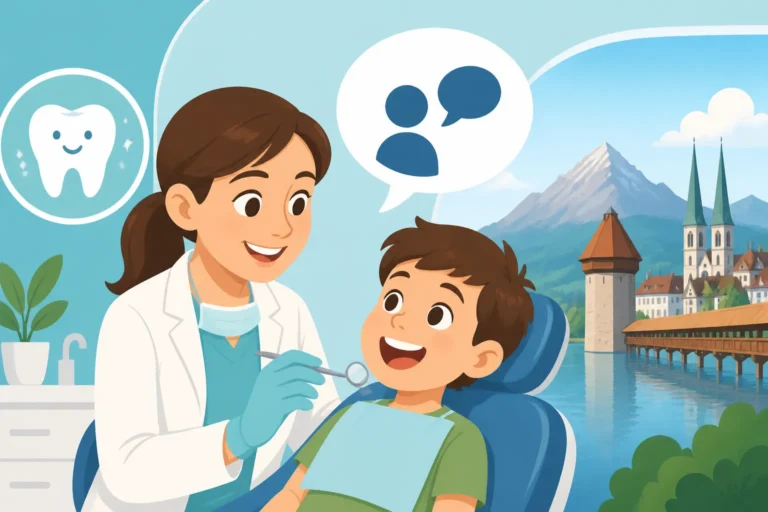
Switzerland is famous for its dental care, but it’s also famously expensive. Public schools provide an annual dental checkup for free or a very subsidized rate through the Schulzahnklinik (School Dental Clinic). In many cantons, children are given a "dentist booklet" that must be stamped every year. If the school dentist finds a cavity, you can choose to have it fixed there or take your child to your private dentist.
While basic medical care is covered by Understanding KVG/LAMal: Mandatory Basic Health Insurance Explained, dental work for children is often an out-of-pocket expense unless it is the result of a serious illness or accident. This is why many expat parents look into Orthodontics for Children in Switzerland: Insurance and Financial Planning early on. Getting dental insurance for your child before they turn five is a classic "pro-tip" because, after that age, insurers often require a clean bill of health from a dentist before they will cover future braces. For general dental hygiene products that kids actually like, iHerb is a great place to find fluoride-free or specific flavored pastes that make the "three minutes of brushing" rule easier to enforce.
Navigating Costs and Insurance for Children
Healthcare in Switzerland is high-quality, but the billing system can be a shock. For children, the rules are slightly different than for adults, which offers some financial relief, but you still need to be strategic about how you set up their policies.
Basic Insurance (KVG) for Kids
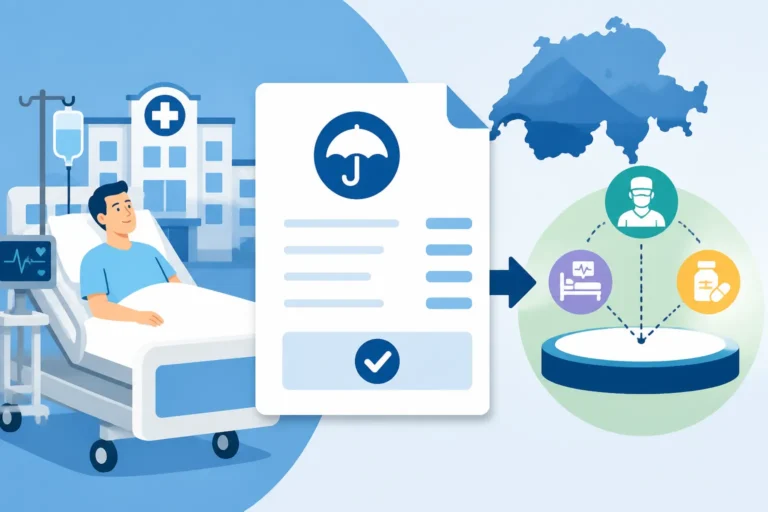
Every child living in Switzerland must have basic health insurance. The good news? Children do not have a mandatory "Franchise" (deductible). You can choose a 0 CHF franchise, meaning the insurance starts paying from the very first franc of the bill. However, you are still responsible for the 10% "Selbstbehalt" (copay), up to a maximum of 350 CHF per year for children.
When choosing a model, many parents opt for the "HMO" or "Family Doctor" model to keep premiums lower. If you’re unsure which one fits your family's needs, check out the guide on How to Choose the Right Deductible (Franchise) for Your First Year. For expat families who move frequently or want to maintain coverage while visiting home, Cigna Global offers international plans that can work alongside or sometimes in place of local insurance (depending on your permit status), providing broader global access.
Supplementary Insurance for Pediatric Care
While basic insurance covers most things, it doesn’t cover everything. Many parents opt for "Zusatzversicherung" (supplementary insurance) for their children. This can cover things like alternative medicine (osteopathy is very popular here for infants), glasses, and emergency transport. Given the high cost of specialized care, these small monthly premiums can save you thousands later.
I always recommend checking if the supplementary insurance covers "Rooming-in." If your child is hospitalized, you will want to stay with them. Basic insurance doesn't always guarantee a bed for the parent, but a good supplementary plan or an international policy from Cigna Global usually does. Also, keep in mind that Dental Care in Switzerland: Costs, Insurance Reality, and Alternative Options often requires a separate rider, so don't assume the medical supplement covers teeth.
Sick Days and Emergency Services
Nothing is more stressful than a sick child in a foreign country. Knowing where to go before the fever spikes will save you a lot of heartache. The Swiss system is efficient, but it relies on you knowing the protocol.
What to Do When Your Child is Sick
If your child is sick during the day, your first call should always be to your Kinderarzt. Most practices keep "emergency slots" open for acute cases. If your doctor is closed, their voicemail will usually direct you to the "Notfall" (emergency) number for your canton or a specific "Permanence" (walk-in clinic).
For mild issues or if you just need to restock your medicine cabinet with trusted brands, iHerb is a lifesaver for things like elderberry syrup, saline drops, or specific humidifiers that help during the long Swiss winters. However, for a high fever or respiratory issues, always seek professional local advice. If you aren't sure whether a situation is a true emergency, knowing the Emergency Numbers 144 vs 112: Which to Call in a Swiss Medical Crisis is the most important piece of information you can have.
Emergency Pediatric Centers and Walk-ins
Major cities have dedicated pediatric emergency rooms, such as the Kinderspital (Kispi) in Zurich or the pediatric ER at HUG in Geneva. These centers are fantastic but can have long wait times for non-life-threatening issues. For things like stitches or suspected ear infections, a "Permanence" or a walk-in pediatric clinic is often faster.
Be prepared for the bill. In Switzerland, you will often receive the bill in the mail weeks later rather than paying at the desk. If you have an international plan like Cigna Global, you might have a direct billing arrangement, but with local Swiss insurance, you usually pay the bill and then send the "Rückforderungsbeleg" to your insurer for reimbursement. It’s a bit of paperwork, but it’s part of the trade-off for having world-class care at your fingertips.
Disclaimer
This guide is for informational purposes only and is based on personal expat experiences and general Swiss regulations as of 2026. Healthcare laws and insurance requirements in Switzerland can change and may vary significantly by canton. Always consult with a qualified medical professional or a licensed insurance advisor regarding your child's specific health needs and legal obligations.