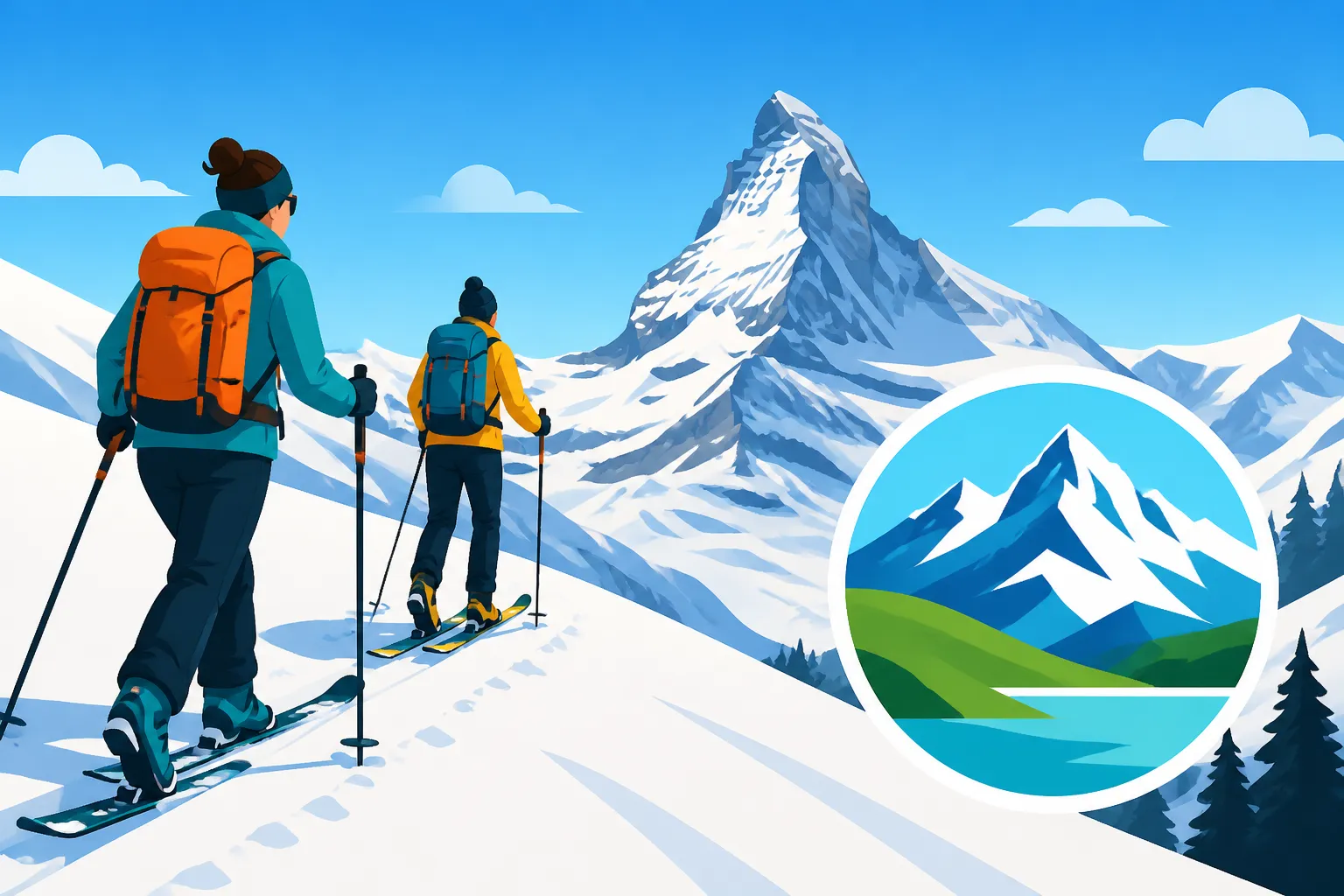
Ski Touring (Skitouren) for Beginners in Switzerland
The crisp mountain air calls to you, doesn't it? You've seen the glossy pictures, perhaps even carved up a few groomed pistes at your local Swiss ski resort. But deep down, you're craving something more, something untamed – the silence of a snow-covered valley, the thrill of carving fresh tracks where no one else has been. The idea of ski touring, or Skitouren as the Swiss call it, sounds utterly magical. Yet, for many of us expats, it feels like an insurmountable challenge, shrouded in complex gear, avalanche warnings, and an unspoken code of conduct. Believe me, I get it. This guide is here to unravel the mystery, to hold your hand through the basics, and show you how to safely and joyfully take your first steps into the incredible world of ski touring in Switzerland.
What Exactly is Ski Touring, Anyway?
Let's clear the air right away. Ski touring isn't just "skiing off-piste" or "hiking in the snow." It's a unique discipline that blends elements of mountaineering, hiking, and skiing into one exhilarating package. Instead of relying on lifts to whisk you to the top, you earn your turns by ascending the mountain on skis equipped with special 'skins' on the bases, then removing them at the summit for a thrilling descent in untouched powder. It's a full-body workout, a meditation in motion, and a deeply rewarding way to experience the Swiss Alps away from the hustle and bustle of the resorts.
The appeal is undeniable once you try it. Imagine standing atop a peak you've climbed yourself, the only sounds being the gentle whisper of the wind and the crunch of snow beneath your boots. The views are often breathtaking, far grander than what you typically see from a crowded cable car. Then comes the descent, a feeling of pure freedom as you glide down pristine slopes, leaving your signature in the fresh snow. It's a profound connection with nature that's hard to replicate anywhere else.
Of course, this isn't to say it's easy. It requires physical stamina for the climb, technical skill for the descent, and, most critically, a solid understanding of alpine safety. But don't let that deter you! Every expert started as a beginner, and with the right approach and proper training, you too can unlock this incredible experience. This isn't just about athletic prowess; it’s about appreciating the journey, the effort, and the sheer beauty of the Swiss wilderness.
The Core Concept: Ascent and Descent
The magic of ski touring lies in its two distinct phases: going up and coming down. For the ascent, you attach 'skins' to the bottom of your skis. These aren't animal skins anymore, of course, but synthetic or mohair strips with a sticky adhesive on one side and a textured surface on the other, allowing you to glide forward on snow without slipping backward. Your ski bindings are set to a 'walk mode,' where only the toe of your boot is attached, allowing your heel to lift freely, much like cross-country skiing or snowshoeing.
The sensation of skinning uphill is surprisingly rhythmic and meditative. You find a steady pace, breathing in the crisp mountain air, watching the landscape unfold around you. When you reach a steeper section or need to change direction on a narrow ridge, you'll employ a 'kick-turn,' a graceful (or sometimes not-so-graceful, especially at first!) maneuver to pivot your skis 180 degrees. It sounds complex, but it quickly becomes second nature.
Once you've reached your desired summit or turnaround point, it's time for the "transition." This involves peeling off your skins, adjusting your bindings from walk mode to ski mode (locking your heel down), putting on warmer layers (as you've likely been sweating on the way up), and packing away your gear. This quick changeover is an art form in itself, especially when your fingers are cold! But once everything is secured and you click into downhill mode, the real reward begins: the pristine, untracked powder descent.
Why Switzerland is a Dream for Ski Touring
Switzerland, with its dizzying array of peaks and valleys, is practically custom-built for ski touring. The sheer scale and accessibility of the alpine terrain are unparalleled. You don't have to venture to some remote, inaccessible wilderness to find incredible touring opportunities; many fantastic routes are just a short train ride away from major cities. Our beloved SBB network, which I've probably complained about more times than I can count for being too expensive, actually becomes your best friend here, often dropping you right at the doorstep of a mountain village, ready for your ascent.
Beyond the transport, Switzerland boasts a highly developed infrastructure for mountain sports, including a comprehensive network of Swiss Alpine Club (SAC) huts. While these are primarily for multi-day tours and more advanced trekkers, even for beginners, knowing they exist speaks to the deep-rooted alpine culture here. These huts, often nestled in stunning high-alpine locations, provide refuge, warmth, and even a hearty meal, though for your very first tour, a day trip is likely the sensible choice. From the gentle slopes of the Emmental to the more dramatic peaks around Andermatt or Engelberg, there's a lifetime of exploration waiting.
Essential Gear for Your First Ski Tour (and Why It Matters)
Alright, let's talk gear. This is often where beginners feel overwhelmed, and for good reason! Ski touring requires specialized equipment that goes beyond your standard resort skis and boots. It's an investment, both financially and in terms of learning how to use it all correctly. And let me tell you, there's nothing worse than being halfway up a mountain only to realize your gear isn't quite right. Trust me, I've seen it (and experienced it) too many times.
The key here is understanding why specific gear is needed. It’s not just about looking the part; it's about safety, efficiency, and comfort. While it might seem daunting, think of each piece of equipment as a tool that enhances your experience and keeps you safe in the backcountry. We'll break down the absolute must-haves, but remember, getting fitted by an expert is always the best advice.
The "Must-Haves" Beyond Your Regular Ski Gear
Forget your heavy downhill skis and those stiff, race-ready boots for a moment. Ski touring gear is engineered for efficiency on the ascent and performance on the descent.
- Skis & Bindings: You'll want lighter skis than your typical resort ones, often with a slightly wider waist for better flotation in powder. The real game-changer is the touring binding. These bindings are specifically designed to allow your heel to lift for uphill travel (walk mode) and then lock down securely for the descent (ski mode). They're much lighter than alpine bindings. This isn't a place to cut corners – a good binding ensures both uphill ease and downhill safety.
- Skins (Felle): As mentioned, these are essential for traction. They attach to the base of your skis and allow you to glide forward without slipping backward. They come in various materials (mohair, synthetic, or a mix) and widths, and should be custom-cut to fit your skis perfectly. Learning to apply and remove them efficiently is part of the fun!
- Boots: Touring boots are lighter and more flexible than alpine boots, featuring a "walk mode" that allows the cuff to articulate backward and forward. This makes a huge difference on the climb. Look for boots that are comfortable for walking, yet stiff enough to provide good control on the descent. Believe me, blisters on a multi-hour ascent are no fun at all.
- Poles: Adjustable, telescopic poles are ideal. You can lengthen them for the ascent (giving you more leverage) and shorten them for the descent. Many touring poles also have larger baskets to prevent them from sinking too deep into soft snow.
- Avalanche Safety Gear (The Holy Trinity): This is non-negotiable. You absolutely must carry a transceiver (LVS Gerät), a probe (Sonde), and a shovel (Schaufel). These are your life-saving tools in an avalanche scenario. A transceiver transmits and receives a signal, helping you locate buried victims. A probe is used to pinpoint their exact location once the transceiver has narrowed it down. A shovel is then used to dig them out. But here's the kicker: simply owning them is not enough. You must know how to use them, practice with them regularly, and always check your group's transceivers before setting off. This isn't just a suggestion; it's fundamental to backcountry safety. For added peace of mind, make sure your Accident Insurance UVG Occupational vs Non-Occupational Coverage is sorted before you hit the slopes – you never know when it might be needed.
- Backpack: A dedicated touring backpack (around 20-30 liters for a day tour) is designed to carry your gear efficiently. Look for features like external ski-carry loops, dedicated pockets for avalanche safety tools, and easy access to water.
- Clothing: Layering is crucial. You'll be working up a sweat on the ascent, even in cold weather, but then you'll cool down rapidly during breaks and on the descent. Avoid cotton, which retains moisture. Opt for breathable, moisture-wicking base layers, insulating mid-layers, and a waterproof/windproof outer shell. And don't forget warm gloves, a hat, and a neck gaiter!
- Navigation: A reliable physical map (SwissTopo is excellent), a compass, and a GPS app on your phone are all vital. Knowing how to read a map and interpret terrain is a core skill.
Renting vs. Buying Your First Set
For your very first foray into ski touring, I cannot stress enough: rent, don't buy! This isn't just about saving money (though it certainly helps when you see the price tags); it's about trying out the sport before committing to expensive gear. You might discover that touring isn't for you, or you might realize you prefer a certain type of boot or ski.
Many larger sports shops across Switzerland, especially in mountain regions, offer ski touring rental packages. Think stores like Intersport Rent, or local specialty ski shops in popular mountain towns. Sometimes, even smaller regional outlets might have options. Always ensure you get fitted by experienced staff who can guide you on boot fit and ski length. Tell them you're a beginner, and they'll set you up with appropriate, more forgiving gear. This initial investment in renting is minimal compared to buying, allowing you to focus on the experience rather than the gear anxiety.
Getting Started Safely: Knowledge, Courses, and Guides
This section is the absolute cornerstone of responsible ski touring. The backcountry, while beautiful, is an unforgiving environment. It's not a groomed resort run with safety nets and ski patrol on call. The biggest mistake a beginner can make is heading out unprepared or uneducated. My advice as an expat who's been here a while? Prioritize learning. Your life, and the lives of those with you, could depend on it.
It's natural to feel intimidated by the safety aspects. The Swiss Alps are stunning, but they demand respect. The good news is that Switzerland has world-class resources for learning avalanche safety and touring techniques. You don't have to figure it out alone – in fact, you absolutely shouldn't.
Avalanche Awareness: Your Non-Negotiable First Step
Avalanches are the most significant risk in ski touring. Period. Ignoring this fact is not only reckless but can have tragic consequences. Your first, non-negotiable step into ski touring must be getting educated about avalanche awareness. This goes beyond just having the gear; it's about understanding snowpack, terrain, weather, and human factors.
The first port of call for any trip is the daily Swiss avalanche bulletin (SLF/WSL Institute for Snow and Avalanche Research). You can find it online at slf.ch, and it’s available in German, French, Italian, and English. This bulletin provides a crucial danger level (1-5), outlining the likelihood and size of avalanches, as well as specific warnings for different regions. Learn to understand these danger levels and what they mean for terrain choices. Level 3 (Considerable) or higher typically means beginners should stay home or stick to very low-angle, known-safe terrain. Decision-making in the field, like recognizing dangerous slopes or knowing when to turn back, is paramount. Never, ever venture into the backcountry as a beginner without proper training and guidance.
Booking a Beginner Ski Touring Course or a Guided Tour
This is, unequivocally, the best way to begin your ski touring journey in Switzerland. Don't try to teach yourself or rely solely on a slightly-more-experienced friend. Invest in professional instruction.
There are several excellent avenues for this:
- Swiss Alpine Club (SAC): The SAC offers a range of courses for all levels, from introductory ski touring days to multi-day alpine expeditions. Their instructors are highly qualified, and their courses often focus heavily on safety, technique, and decision-making. Joining the SAC also gives you access to their huts, should you progress to multi-day tours.
- Local Mountain Guides: Certified Swiss mountain guides (look for the UIAGM/IVBV certification) offer private or small-group guided tours and instruction. This is often more expensive but provides personalized attention. You can sometimes find guides through local tourist offices in mountain towns or via platforms like GetYourGuide, which often lists organized tours or courses in popular regions like the Bernese Oberland or Valais. These services sometimes even offer packages that include gear rental.
- Ski Schools: Many larger ski schools in popular ski resorts (e.g., Zermatt, Verbier, Engelberg, Andermatt) now offer dedicated beginner ski touring programs. These are a fantastic way to learn in a semi-controlled environment with access to some of the infrastructure.
A typical beginner course will cover:
- Basic skinning technique (the glide, kick-turns).
- Safe use of avalanche transceivers, probes, and shovels.
- Route planning and reading the avalanche bulletin.
- Understanding terrain and identifying hazards.
- Basic downhill technique for varied snow conditions.
- Group management and communication.
These courses not only teach you vital skills but also connect you with experienced instructors and often, other beginners who share your passion. It's a fantastic way to build confidence and find touring partners. Remember, in case of any mishap, having proper Emergency Medical Services Ambulances REGA and Crisis Protocols knowledge and a REGA Membership Why Expats Need Air Rescue Insurance in the Alps is an absolute must when venturing into the Swiss backcountry.
Planning Your First Tour: Where to Go (and Where to Avoid)
For your very first tour, simplicity and safety are your watchwords. You're not aiming for the summit of the Matterhorn on day one!
- Start Easy: Look for routes specifically designated as beginner-friendly, or even better, "controlled" touring zones often found adjacent to ski resorts. These areas sometimes have less avalanche risk or are actively managed by the resort for safety. Gentle, open slopes with minimal terrain traps (like steep gullies or cornices) are ideal. Locations like certain routes near Meiringen-Hasliberg, or Melchsee-Frutt, often offer more forgiving terrain.
- Avoid: Steeper slopes (anything over 30 degrees is considered avalanche terrain), glaciated areas (which have hidden crevasses), and dense forests (which can be disorienting and challenging to ski). Also, avoid remote areas where rescue might be delayed.
- Resources: Utilize online resources like the White Risk app (from SLF), which is excellent for planning and assessing avalanche risk. Local guidebooks (available in Swiss sports stores) also detail beginner routes. Always cross-reference with the latest avalanche bulletin and weather forecast. Knowing about Weather and Geography Föhn Winds Winter Readiness and Alpine Living is key, as conditions can change rapidly in the mountains.
- Go with a Guide: Seriously, for your initial few tours, going with a certified guide or as part of a structured course is the safest and most enjoyable way to learn. They know the local conditions, the safest routes, and can teach you invaluable observational skills. You might even find some excellent deals on accommodations through Booking.com near these popular touring spots if you plan a multi-day course or guided weekend.
Tips for Your First Time Out
So, you've got your gear (rented, I hope!), you've booked a beginner course, and you're ready to hit the snow. Fantastic! Here are some practical tips to make your first ski touring experience as enjoyable and safe as possible. Remember, it's a learning process, so be patient with yourself and embrace the challenge.
The feeling of taking those first steps, skins gripping the snow, is exhilarating. But it's also a new way of moving, so don't expect to be an expert right away. Focus on finding your rhythm and enjoying the journey. The real victory is simply being out there, learning, and breathing that incredible alpine air.
Uphill Techniques: Glide, Kick-Turn, and Pace
The ascent is where you build your fitness and mental fortitude. It’s a marathon, not a sprint.
- The Glide: Think of it as a smooth, shuffling motion. Keep your skis parallel and on the snow as much as possible, gliding one foot in front of the other. The skins will prevent you from sliding backward. Try to maintain an even, comfortable pace that you can sustain for hours. Don't lift your feet too high; conserve energy.
- The Kick-Turn: This is the essential maneuver for navigating steeper terrain or changing direction. To perform a kick-turn, stand with your skis across the slope. Lift one ski, swing it around 180 degrees, and plant it in the new direction. Then, bring the other ski around to match. It can feel awkward at first, especially trying not to lose balance, but practice makes perfect. Your guide will demonstrate this extensively.
- Pacing: This is probably the most critical aspect of touring. Go slow. Seriously, slower than you think. Find a steady, sustainable rhythm. You should be able to hold a conversation without gasping for air. Overheating on the way up and then getting cold on top is a common mistake. Take small, frequent breaks for water and snacks. Stay hydrated! And always, always stay with your group. Communication about pace, breaks, and any issues is crucial.
Downhill Delights: Enjoying the Untracked Snow
After all that climbing, the descent is your reward. But skiing powder or variable backcountry snow is different from groomed pistes. Even if you're a strong resort skier, be prepared for a different sensation.
- Technique Adjustment: In deep powder, you'll want to keep your weight more centered, with a slightly wider stance, allowing your skis to float. Avoid leaning back too much. In variable conditions (crust, heavy snow), focus on balanced, controlled turns rather than speed. Your touring skis are typically lighter and may feel different than your alpine skis, so take it easy at first. If you’ve taken Skiing for Beginners in Switzerland Lessons Gear and Resorts before, you’ll have a good foundation, but be ready to adapt to the variable conditions of the backcountry.
- Snow Conditions: The quality of the downhill experience largely depends on the snow. Fresh, light powder is the holy grail. But you might encounter heavy, wet snow, wind-blown crust, or even icy patches. Adapt your technique to the conditions.
- Safety on the Descent: Always ski one at a time through steeper, more exposed sections, watching your partners and ensuring safety. Be aware of natural hazards like tree wells (pockets of loose snow around tree trunks that can trap you), rockfalls, and potential terrain traps. Maintain visual contact with your group, especially in dense fog or whiteout conditions.
What to Carry in Your Pack (Beyond the Essentials)
Beyond your avalanche safety gear, here are other critical items for your pack:
- Water and Snacks: You'll be burning a lot of calories. Carry plenty of water (at least 1.5-2 liters), thermos with warm tea, and high-energy snacks like nuts, dried fruit, chocolate, and sandwiches.
- Extra Layers: A lightweight, packable down or synthetic puffy jacket is essential for warmth during breaks or the descent. A dry base layer is also a good idea to change into before skiing down if you've really sweated through your first one.
- First-Aid Kit: A compact kit with essentials like blister plasters, pain relievers, antiseptic wipes, and any personal medications.
- Headlamp: Even on a day tour, conditions can change, or you might be delayed. A headlamp ensures you don't get caught in the dark.
- Sunscreen and Sunglasses/Goggles: The sun at altitude is intense, even on cloudy days. Protect your skin and eyes.
- Small Repair Kit: A roll of duct tape (for ski repairs or blisters), a multi-tool, and possibly a spare binding part can be a lifesaver.
- Fully Charged Phone & Power Bank: For emergencies and navigation. Don't rely solely on your phone; it can freeze or run out of battery.
- Bivy Bag/Emergency Shelter: A lightweight emergency shelter can provide crucial protection from the elements if you get stuck.
This all sounds like a lot, but a well-packed touring backpack distributes the weight efficiently. For a more general guide on what to pack for alpine adventures, check out our post on What to Pack for a Day Trip to the Swiss Alps.
Essential Ski Touring Gear for Beginners
Here's a quick overview of the must-have gear for your first ski touring adventures, and why each item is critical.
| Item Category | Specific Items | Why It's Essential |
|---|---|---|
| Ski System | Touring Skis, Touring Bindings, Skins | Lighter weight for efficient uphill travel, secure for downhill. Skins provide traction for climbing. |
| Boots & Poles | Touring Boots, Adjustable Poles | Boots with "walk mode" for comfort on ascent, poles for balance and leverage (adjustable for different terrain). |
| Avalanche Safety | Transceiver, Probe, Shovel | Absolutely critical for locating and rescuing avalanche victims. Must be trained to use. |
| Backpack | 20-30L Touring Backpack | Designed to carry gear efficiently, often with external ski carry and dedicated safety pockets. |
| Clothing | Layers (Base, Mid, Shell), Warm Hat, Gloves | Regulate body temperature; wick sweat, insulate, protect from wind/water. Avoid cotton. |
| Navigation & Safety | Map, Compass, GPS App, Headlamp, First-Aid | Route finding, emergency lighting, treating minor injuries. Knowing Mountain Safety in Switzerland Weather Gear and Emergency Numbers is vital. |
| Hydration & Nutrition | Water Bottle/Reservoir, High-Energy Snacks | Maintain energy levels and prevent dehydration, crucial for sustained physical effort. |
Remember, ski touring is a journey of discovery. Your first tours will be about learning the ropes, getting comfortable with the gear, and understanding the mountain environment. Don't push yourself too hard, always prioritize safety, and enjoy the incredible privilege of exploring the untouched beauty of the Swiss Alps. And who knows, maybe one day you'll be booking an overnight stay at one of the Swiss Alpine Club SAC Huts Booking and Etiquette for Overnights! For planning your transport to these stunning locations, I find Omio incredibly useful for finding train schedules to those smaller mountain towns, and GetYourGuide often has a fantastic selection of guided beginner tours. If you're staying overnight before or after a course, Booking.com is always my go-to for finding accommodation. Using apps like Hiking Apps for Switzerland SwitzerlandMobility and Komoot can also significantly enhance your route planning and on-trail experience. And before you head out, make sure you know which Travelcards for Tourists vs Residents Which Swiss Pass Suits You will get you to your starting point most efficiently!
Disclaimer
Please note that ski touring and backcountry skiing are inherently dangerous activities with risks including but not limited to avalanches, falls, extreme weather, and disorientation. This guide provides general informational advice for beginners and is not a substitute for professional training, certified mountain guides, or a thorough understanding of current avalanche conditions and weather forecasts. Always consult the official avalanche bulletin (slf.ch), seek professional instruction, and never venture into the backcountry alone or without adequate preparation and equipment. Your safety is your responsibility.