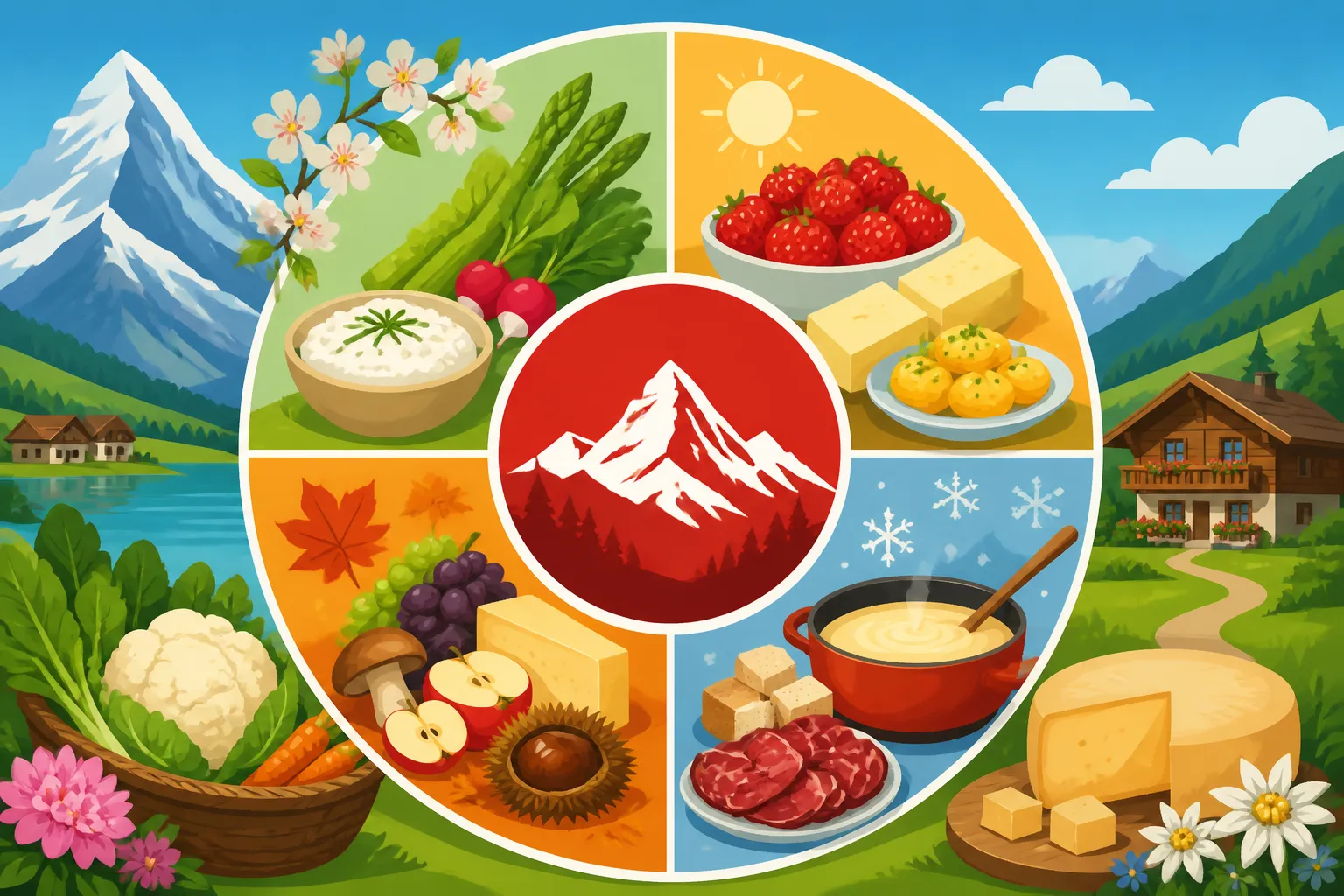
Seasonal Food in Switzerland: What to Eat Each Month
Oh, the joy, and sometimes the absolute confusion, of navigating the food scene in Switzerland as an expat! When I first moved here, I spent far too long buying strawberries in December, only to find them watery and tasteless, and then scratching my head at why certain vegetables seemed to disappear from the shelves for months. It's easy to miss out on the truly delicious, authentic Swiss culinary experience if you don't crack the code of seasonality. This guide is all about helping you dive into the vibrant, ever-changing world of Swiss seasonal food, month by month, so you can eat better, spend smarter, and truly savor the local flavors.
Why Eating Seasonally Matters in Switzerland (and for Your Wallet!)
You might think "seasonal eating" is just a trendy buzzword, but here in Switzerland, it's deeply ingrained in the culture and makes a tangible difference to your plate and your pocket. For us expats, understanding this rhythm is not just about food; it's about truly connecting with the land, the people, and the cycles of life in this beautiful country.
The Freshness Factor: Taste the Difference
Let me tell you, there's nothing quite like biting into a ripe, juicy strawberry in June that was picked that very morning from a field just a few kilometers away. Compare that to the pale, sometimes crunchy imposters flown in from halfway across the world in January, and you'll understand immediately. Seasonal produce is at its peak flavor, sweetness, and nutritional value. It hasn't spent weeks in transit, being gassed or sprayed to ripen artificially.
Think about asparagus. When it's Spargelzeit (asparagus season) in April and May, you'll find it everywhere, gloriously fresh, often from nearby fields. The white asparagus (Spargel) especially, is a delicacy the Swiss go wild for. It's tender, slightly sweet, and cooks up perfectly. Try to buy it outside of these months, and you'll pay a fortune for something imported that just won't have that delicate, characteristic flavor. This isn't just a slight improvement; it's a completely different culinary experience that makes you appreciate the simple, honest goodness of food.
Supporting Local Producers and the Environment
Switzerland is a small country with a deep appreciation for its agricultural heritage. When you buy seasonal produce, especially from local markets or farm stands, you're directly supporting the hardworking Swiss farmers who cultivate this land. This isn't just some abstract concept; it's tangible. You'll often see the farmer himself selling his produce, or a sign with the farm's name and location. This short supply chain means fewer transportation costs, less fuel consumed, and a significantly smaller carbon footprint.
The "Aus der Region. Für die Region." (From the region. For the region.) labels you see in supermarkets like Coop and Migros aren't just marketing ploys; they represent a commitment to local sourcing that many Swiss cantons take seriously. By choosing these options, you're not only getting fresher food but also playing a part in maintaining Switzerland's stunning landscapes and supporting sustainable farming practices that are often more ecologically sound than industrial agriculture from distant lands. It feels good to know where your food comes from, especially in a country where quality and sustainability are highly valued.
Budgeting Better with Seasonal Buys
Let's be honest, living in Switzerland is notoriously expensive, and groceries are often a significant chunk of our monthly budgets. This is where seasonal eating becomes your best friend. When fruits and vegetables are in season, they are abundant. When they're abundant, the prices tend to drop significantly. It's simple supply and demand.
For example, imagine buying local cherries in July. They're everywhere, piles of them at every market, and their price per kilo will be much lower than if you try to find imported cherries in, say, November. The same goes for pumpkins in autumn or spinach in spring. By aligning your meal planning with what's naturally available, you can shave a surprising amount off your grocery bill without sacrificing quality or taste. In fact, you'll probably enjoy your food more! It encourages creativity in the kitchen too, as you learn to cook with what's fresh and affordable, rather than always reaching for the same few staples. This little trick alone can help you manage your Cost of Living in Switzerland 2026: Budgeting for Singles and Families.
A Month-by-Month Guide to Swiss Seasonal Delights
Getting familiar with Switzerland's produce calendar is like unlocking a secret level in your expat culinary journey. It's not just about what's available, but what's truly vibrant and at its best. Forget those sad, out-of-season tomatoes; let's celebrate what each month brings to your table!
Spring's Awakening: March, April, May
As the snow melts and the days lengthen, Swiss nature slowly wakes up, bringing the first fresh, tender greens.
- March: This month is a transition. You'll still see a lot of hardy winter vegetables like leeks (Lauch), various cabbages (Kohl), carrots (Karotten), and onions (Zwiebeln). Apples and pears from storage are still plentiful and good for cooking. But keep an eye out for the very first signs of spring: tender spinach (Spinat) might start to make an appearance, often grown under protective covers. It's a time for warming, hearty dishes that hint at the freshness to come.
- April: Ah, asparagus (Spargel) season is upon us, and the Swiss get excited about it! Both white and green asparagus are celebrated. White asparagus, known as "white gold," is particularly revered and often served simply with new potatoes, ham, and hollandaise sauce. It's tender, slightly bitter, and utterly delicious. This is also the prime time for rhubarb (Rhabarber), perfect for crumbles, cakes, and compotes. If you're lucky, you might also find wild garlic (Bärlauch) in wooded areas, which is fantastic for pesto or soups.
- May: The real burst of spring! Strawberries (Erdbeeren) start to ripen, usually towards the end of the month, especially in warmer regions like Thurgau or Valais. They are sweet, fragrant, and a world away from any imported berry. You'll also find fresh, crisp radishes (Radieschen), young lettuces of all kinds, and an abundance of fresh herbs. Early cherries (Kirschen) might appear if the weather has been particularly kind. It’s a fantastic month for light salads and refreshing desserts.
Summer's Bounty: June, July, August
Summer in Switzerland is a feast of color and flavor, as the fields and orchards yield their most beloved produce under the warm sun.
- June: The height of cherry (Kirschen) season! There's nothing quite like buying a bag of dark, plump Swiss cherries straight from a farm stand. Raspberries (Himbeeren) and early blueberries (Heidelbeeren) also begin to appear, perfect for snacking or adding to breakfast muesli. Fresh peas (Erbsen) and broad beans (Saubohnen), often sold in their pods, are a treat. Don't forget the first of the tender new potatoes (Nieuwe Erdaepfel) – small, thin-skinned, and perfect simply boiled with butter and herbs.
- July: This is peak season for summer vegetables. Juicy tomatoes (Tomaten), crisp cucumbers (Gurken), versatile zucchini (Zucchetti), and vibrant bell peppers (Peperoni) are abundant. The Valais region becomes famous for its incredibly sweet apricots (Aprikosen) – a must-try. You'll also find various plums (Zwetschgen) and nectarines. It's the ideal time for grilling, light pasta dishes, and colorful salads.
- August: The late summer continues the bounty. Sweetcorn (Mais) is at its best, often sold still in its husk, perfect for grilling. Green beans (Grüne Bohnen) and aubergine (Melanzani) are plentiful. The berry season winds down, but apples and pears begin their gradual return. It's a great month to preserve some of the summer's goodness through jams or freezing. This is also a fantastic time for Picnicking in Switzerland: Where to Buy Supplies and Sit with all that fresh produce!
Autumn's Harvest: September, October, November
As the leaves turn golden, Switzerland's harvest season brings a rich array of robust flavors, perfect for warming meals.
- September: This is prime apple (Äpfel) and pear (Birnen) season, with countless varieties available. The vineyards are bustling as the grapes (Trauben) are harvested for wine production. Look out for wild mushrooms (Pilze) if you know a good foraging spot, or buy them fresh at markets. Pumpkins (Kürbis) start making a big appearance, along with quinces (Quitten). It's also the beginning of the Wildwochen (game weeks) in many restaurants, featuring venison and wild boar.
- October: The pumpkin craze continues! From butternut to Hokkaido, there are countless types for soups, roasts, and pies. Root vegetables like carrots, celery root (Sellerie), and leeks are now at their most robust. In Ticino, the chestnut (Maronen) harvest is in full swing, leading to delicious roasted chestnuts and vermicelles (chestnut purée dessert). This is also a fantastic time to try different Regional Swiss Cheeses: Gruyère, Emmental, Appenzeller, and More as the Alpine pastures yield their rich, autumn milk.
- November: As the weather turns colder, the focus shifts to hardy storage vegetables. More cabbages (red, white, savoy), Brussels sprouts (Rosenkohl), and kale (Grünkohl). Late-harvest apples and pears are still good. This is when the first signs of winter comfort food truly emerge, with many traditional Swiss dishes centered around these robust ingredients. Keep an eye out for Chästeilet events in the Alps, where cheeses made during the summer are divided amongst the farmers.
Winter Warmers: December, January, February
Winter in Switzerland is all about hearty, comforting food that warms you from the inside out, often relying on long-storing produce and preserved goods.
- December: While fresh local produce is scarcer, the Christmas markets come alive with roasted chestnuts and festive treats. Root vegetables, various cabbages, and leeks remain staples. This is the unofficial start of peak Fondue and Raclette Culture: How and When the Swiss Eat Them season, making good use of local cheeses.
- January: The coldest month sees us relying heavily on vegetables that store well: potatoes (Kartoffeln), carrots, onions, and different types of cabbage. Some greens might be available from greenhouses. Citrus fruits from warmer climates, like oranges and lemons, become more common imports, adding a welcome burst of freshness. It’s a time for warming stews and roasts.
- February: Similar to January, the focus remains on root vegetables and hearty greens. This is a great time to experiment with different preparations of potatoes and cabbages. The cold weather makes a perfect excuse to indulge in rich Swiss dishes and perhaps a trip to a local restaurant for some warming fare. Though fresh local produce is limited, it's a perfect time to embrace the traditional winter diet.
| Month(s) | Key Seasonal Fruits | Key Seasonal Vegetables | Culinary Highlights / Tips |
|---|---|---|---|
| March | Apples, Pears (storage) | Leeks, Cabbage, Carrots | Hearty soups and stews, preparing for spring greens. |
| April | Rhubarb | Asparagus (white & green), Wild Garlic, Radishes | Asparagus with hollandaise, rhubarb tarts. |
| May | Strawberries, Early Cherries | Spinach, Lettuce, Herbs | Fresh strawberry desserts, light salads, herbal infusions. |
| June | Cherries, Raspberries, Blueberries | New Potatoes, Peas, Broad Beans | Berry pies, fruit salads, simple boiled new potatoes with butter. |
| July | Apricots (Valais), Plums, Nectarines | Tomatoes, Cucumbers, Zucchini, Bell Peppers | Grilling, fresh Mediterranean-inspired dishes, apricot tarts. |
| August | Late Berries, Early Apples/Pears | Sweetcorn, Green Beans, Aubergine | Corn on the cob, bean salads, preserving summer harvests. |
| September | Apples, Pears, Grapes, Plums | Pumpkins, Wild Mushrooms, Quinces | Apple strudel, pumpkin soup, game dishes with mushroom sauces. |
| October | Chestnuts (Ticino), Apples, Pears | Pumpkins, Root Vegetables, Cabbage | Roasted chestnuts, hearty root vegetable roasts, pumpkin bread. |
| November | Apples, Pears | Leeks, Cabbage, Brussels Sprouts, Kale | Slow-cooked dishes, beginning of festive comfort foods. |
| December | Apples, Pears (storage) | Root Vegetables, Cabbage | Christmas market treats, peak fondue and raclette season. |
| January | (Limited local) | Potatoes, Carrots, Onions, Cabbage | Hearty casseroles, long-simmered stews, traditional winter fare. |
| February | (Limited local) | Potatoes, Carrots, Onions, Cabbage | Similar to January, focusing on comforting, warm dishes to combat the cold. |
Where to Find the Freshest Seasonal Produce
Knowing what is in season is one thing, but knowing where to get it is the real expat hack. Switzerland has some fantastic avenues for fresh, local produce, often right on your doorstep.
Local Markets (Wochenmärkte) and Farm Shops (Hofläden)
This is, without a doubt, your best bet for truly seasonal, local, and often organic produce. Almost every town and city in Switzerland hosts a weekly market, or Wochenmarkt, where local farmers sell their wares directly.
In bigger cities like Zurich, you have fantastic options like the Bürkliplatz market, which operates on Tuesdays and Fridays, offering everything from fresh vegetables and fruits to artisanal cheeses and breads. Geneva boasts the large Plainpalais market on Tuesdays, Fridays, and Sundays, bursting with colorful stalls. In Basel, the Marktplatz hosts a daily market (except Sundays) where you can find an incredible array of fresh goods. These markets are not just about shopping; they're a social experience, a chance to chat with farmers (practice your German, French, or Italian!), and soak in the local atmosphere. You can often find specialty items here that you won't see in regular supermarkets. For a deep dive into these local gems, check out our guide on Swiss Farmers' Markets: Where and When to Shop Local.
Then there are the Hofläden (farm shops). These are small, often self-service shops directly on farms, especially prevalent in rural areas just outside cities. You'll spot signs by the roadside – "Hofladen" or "Frisches vom Hof." Many operate on an honor system where you pick your produce, weigh it, and drop money into a box. It's a charmingly Swiss experience and guarantees ultimate freshness. You'll find seasonal fruits, vegetables, eggs, homemade jams, and sometimes even fresh milk or cheese. This is a truly authentic way to experience local food culture. If you're planning a trip to a more rural region for hiking or exploring, a quick search on GetYourGuide might even reveal some guided culinary tours that incorporate visits to these charming farm shops, giving you a taste of the region's produce first-hand.
Supermarket Strategies: Coop and Migros
Even if you primarily shop at the big supermarket chains like Coop and Migros, you can still embrace seasonal eating. Both chains have made significant efforts to highlight local and seasonal produce. Look for labels like "Aus der Region. Für die Region." (From the region. For the region.) or "Bio Suisse" for organic options. You'll also often see "Suisse Garantie" which ensures Swiss origin and adherence to certain quality standards.
During peak seasons, these supermarkets will often feature prominent displays of, say, asparagus in spring or pumpkins in autumn, clearly indicating their Swiss origin. While they might not always offer the sheer variety of a farmers' market, they are convenient and accessible. Denner and Aldi, while generally more budget-friendly, sometimes have a smaller selection of hyper-local seasonal goods, but it's always worth checking their fruit and vegetable sections. Understanding these options is key for navigating your weekly Grocery Shopping: Coop, Migros, Aldi, Lidl, and Denner Compared.
Seasonal Eating Beyond Home Cooking: Restaurants and Events
Switzerland's culinary scene is deeply connected to its seasons. Many restaurants proudly showcase seasonal ingredients, adapting their menus throughout the year.
- Restaurant Menus: Keep an eye on restaurant menus for special seasonal offerings. During Spargelzeit, almost every restaurant will have a dedicated asparagus menu. In autumn, many eateries will feature Wildwochen (game weeks), serving venison, wild boar, and other game dishes, often accompanied by local mushrooms and root vegetables. You’ll find incredible cheese-focused dishes in winter, making the most of the abundance of delicious Swiss dairy products. For those seeking authentic winter warmth, delving into Fondue and Raclette Culture: How and When the Swiss Eat Them at a local eatery is a must.
- Food Festivals and Events: The Swiss love their festivals, and many are centered around food and harvest. In autumn, for example, you'll find numerous chestnut festivals in Ticino, celebrating the regional delicacy. Grape harvest festivals, particularly in the Swiss Wine Regions: Valais, Vaud, Geneva, and Ticino Explained, are a vibrant way to celebrate the year's yield. Christmas markets, though not strictly about fresh produce, are full of seasonal treats and traditional winter fare. Planning a trip around one of these events can be a fantastic way to immerse yourself in local culture and taste unique seasonal offerings. Our guide on Swiss Festivals and Traditions: A Year-Round Cultural Calendar provides an excellent overview of these lively happenings. You can use platforms like Omio to easily book your train tickets to these regions, or Booking.com to secure accommodation if you plan to stay overnight to enjoy the festivities fully.
By embracing seasonal eating, you're not just improving your diet and saving money; you're truly connecting with the rhythm of life in Switzerland, savoring the flavors as nature intended, and gaining a deeper appreciation for this country's rich culinary traditions.
Disclaimer
Please remember that while this guide provides general information about seasonal food in Switzerland, specific availability can vary based on local climate, weather conditions, and individual farming practices. Always confirm details with local vendors or official sources. We recommend checking with your specific canton or local community for the most accurate and up-to-date information regarding market schedules and local regulations.