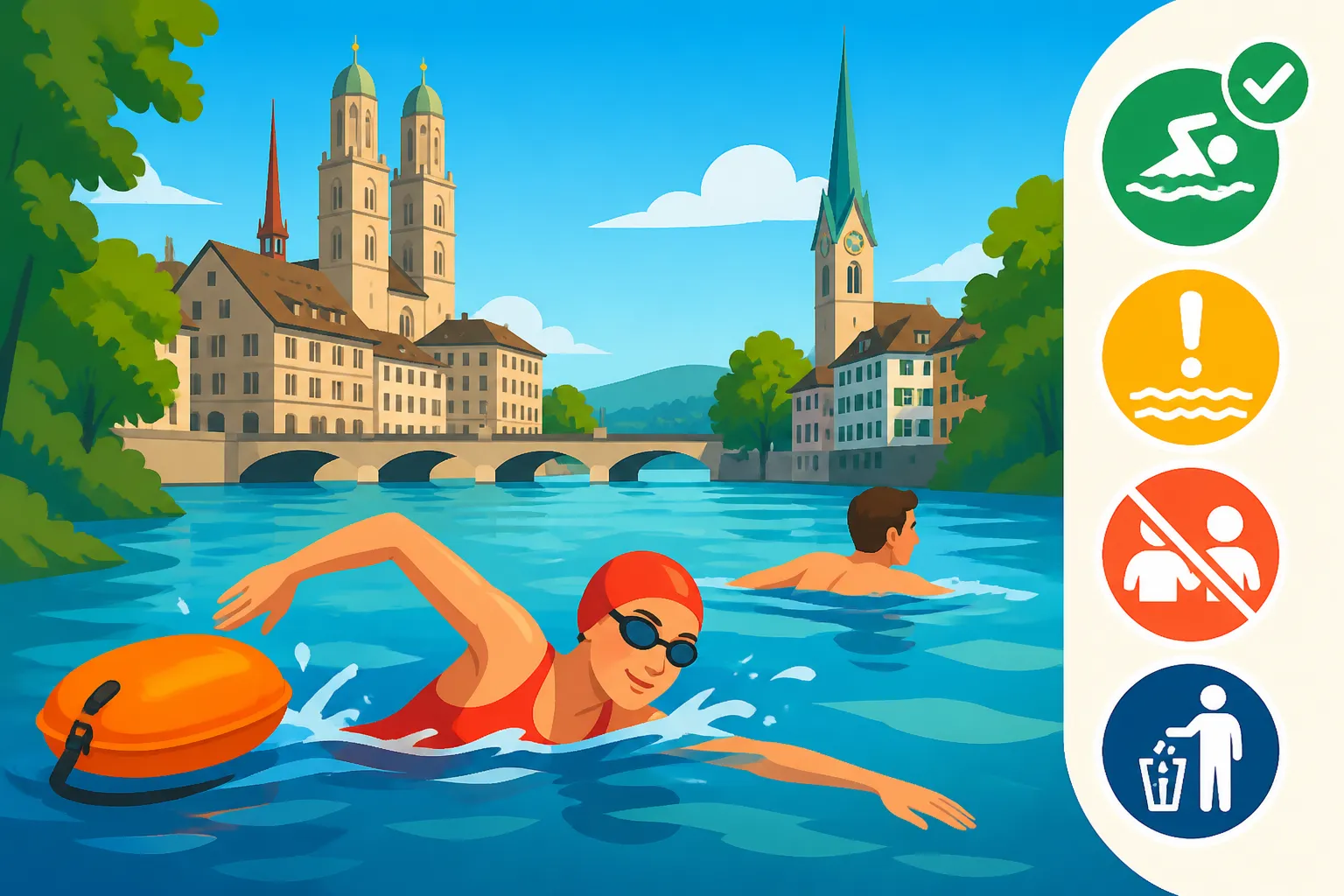
River Swimming in the Aare and Limmat: Safety and Etiquette
Ah, Swiss summer! After a long, beautiful but often sweltering day, there’s truly nothing quite like the thought of a refreshing dip to cool off. But here in Switzerland, it's not just about the pristine alpine lakes (as gorgeous as they are!). The vibrant pulse of urban life often meets the cool, clear rush of mountain-fed rivers, offering an exhilarating, uniquely Swiss way to beat the heat. This guide will walk you through the joyous, yet equally important, safety and etiquette nuances of river swimming in Switzerland’s most iconic urban waterways: the magnificent Aare and the charming Limmat.
The Allure of River Swimming: A Quintessentially Swiss Experience
You see it everywhere in the warmer months – people strolling through city centers, towels slung over shoulders, a waterproof bag clutched in hand. This isn't just about swimming; it's a way of life, a cultural phenomenon, especially in cities like Bern and Zurich. The water, often a stunning emerald or turquoise, beckons you to shed your city woes and surrender to its gentle, or sometimes not-so-gentle, flow. It’s a pure, unadulterated pleasure that quickly becomes a cherished part of your Swiss summer.
The Aare: Bern's Blue Ribbon
Imagine yourself floating gently, or perhaps quite swiftly, past the medieval architecture of a UNESCO World Heritage site. That's the Aare in Bern for you. It's not just a river; it's the lifeblood of the city, weaving its way around the old town peninsula with a captivating turquoise hue. For centuries, Bernese locals have embraced their river, and as an expat, you'll soon understand why it's such an integral part of their identity. It’s an adventure, a commute, and a relaxing pastime all rolled into one.
The river's flow, fed by glacial melt, ensures the water remains incredibly clean and refreshingly cool, even on the hottest days. Popular entry points include the Marzili public pool area, where you can gently enter the flow from designated steps, or from the higher points near the Schönausteg bridge or Eichholz campground. The thrill comes from letting the current carry you downstream, often for several kilometers, past the bear park, the Bundeshaus (Federal Palace), and countless picnicking spots along the banks. It's less about active swimming and more about a joyful, effortless drift, surrounded by stunning natural and architectural beauty. Just remember to keep an eye out for clear exit points so you don't miss your stop – it's easy to get lost in the moment!
The Limmat: Zurich's Urban Oasis
While the Aare is famous for its powerful, scenic floats, the Limmat in Zurich offers a slightly different, perhaps more accessible, urban swimming experience. Originating from Lake Zurich, the Limmat flows directly through the heart of Switzerland's largest city, providing numerous spots for a quick dip or a longer swim. Here, the focus is often on the various "Badis" – public lidos or river pools – that line its banks, offering changing rooms, sunbathing areas, and supervised entry into the clear, green water.
Think of places like the Frauenbadi (a women-only lido by day, open to everyone in the evenings for events) or the Männerbadi (men-only by day, also open for mixed events sometimes). These historic wooden structures are charming relics of a bygone era, now perfectly integrated into modern city life. But beyond the official Badis, many locals also find their own spots along the quays, jumping in for a quick refreshing swim before or after work. The Limmat's current is generally less intense than the Aare's, making it suitable for more active swimming, though still powerful enough to require respect. It’s a fantastic way to experience Zurich from a unique perspective, seeing the bustling Bahnhofstrasse and charming old town from the water.
Navigating the Waters: Essential Safety Tips for Expats
Now, let's talk brass tacks. While river swimming in Switzerland is incredibly rewarding, it’s not without its risks. These aren't calm swimming pools; they are natural, dynamic waterways fed by the mountains, and they demand your respect. Many an excited newcomer has underestimated the current or the water temperature, and that can quickly turn a fun outing into a dangerous situation. Prioritizing safety is non-negotiable, and understanding the local conditions is paramount for anyone living in Switzerland.
Understanding Currents and Water Levels
The biggest danger in Swiss rivers, especially the Aare, is the current. It can be surprisingly strong, even deceptively so on the surface. What looks like a gentle flow can quickly pull you faster than you can swim against it. Always remember: never swim against the current. The goal is to float with it. Check official warnings and water level indicators before you even think about getting in. Many cantons, like Bern, have websites or apps that provide real-time information on water temperature, flow rate, and any specific warnings. A slight increase in water levels from heavy rains or snowmelt can significantly amplify the current and sweep debris downstream.
Another crucial factor is water temperature. While the sun might be blazing, glacial meltwater can mean the rivers are startlingly cold, often around 18-20°C in summer, sometimes even colder. Cold water can quickly induce cramps or hypothermia, even on a hot day. Always ease in gradually to acclimatize, and if you start to feel numb or shiver uncontrollably, get out immediately. Don't be a hero; listen to your body and err on the side of caution. If you are venturing into the colder water, consider bringing some warm clothes for after your swim.
Choosing Your Entry and Exit Points Wisely
This sounds obvious, but it's where many people get into trouble. You cannot just jump in anywhere, nor can you easily exit anywhere. Both the Aare and Limmat have designated entry and exit points, often marked by ladders, steps, or clearly accessible riverbanks. These points are chosen for safety, considering currents, submerged obstacles, and accessibility. Never jump into the river from bridges or unknown banks, as there might be hidden rocks, shallow spots, or strong eddies that could pull you under or cause injury.
In Bern, popular exit points for the famous Aare float include the Marzili, Eichholz, or before the Wohlensee dam. Pay close attention to signage. Some areas are explicitly marked as no-swim zones due to dams, strong undertows, or boat traffic. In Zurich, the Badis provide excellent, safe access. If you're using unofficial spots, always ensure there’s a clear, unobstructed path to get out of the water downstream before you get in. It’s wise to scout the area first, even on foot, and ideally go with someone who knows the area.
Gear Up: What to Bring for a Safe Swim
River swimming here isn't quite like beach bumming. A few essential items will significantly enhance your safety and enjoyment:
- Waterproof Bag (Aarebäri): This is practically a national symbol for Aare swimmers. A brightly colored, inflatable waterproof bag (often called an "Aarebäri" – Aare bear – in Bern) allows you to carry your clothes, phone, and valuables safely while also serving as a flotation device. It's a lifesaver, literally, if you get tired or need extra buoyancy. You can find these at sports shops or even larger supermarkets like Coop and Migros during summer.
- Swim Aids/Flotation Devices: For less confident swimmers or those venturing into stronger currents, a small inflatable boat, a kickboard, or even a basic life jacket can provide peace of mind and extra safety. Many locals use inflatable rings or small boats to float down the Aare with friends.
- Water Shoes/Flip-flops: The riverbeds can be stony, slippery, or have sharp objects. Protect your feet!
- Sun Protection: You'll be exposed to the sun for extended periods. Sunscreen, a hat, and sunglasses are a must.
- Brightly Colored Swim Cap/Clothing: Especially in busy areas, being visible to other swimmers and passing boats is crucial.
- No Glass Bottles: Always use reusable plastic bottles or cans for drinks. Glass and rivers simply don't mix.
For any emergencies, always remember the Swiss emergency numbers. While 112 is the general European emergency number, 144 is specifically for medical emergencies and ambulances in Switzerland. Knowing Emergency Medical Services: Ambulances, REGA, and Crisis Protocols can make a huge difference in a crisis.
Embracing Local Customs: Etiquette for a Smooth Swim
Switzerland is a country that runs on rules, both written and unwritten. While the freedom of river swimming is immense, there's an unspoken code of conduct that locals expect. As an expat, adhering to these norms not only shows respect for your new home but also ensures everyone can enjoy these beautiful natural spaces. It's all about mutual consideration and keeping these precious environments pristine.
Respecting Nature and Fellow Swimmers
Swiss people generally appreciate quiet and order, especially in public spaces. When enjoying the rivers:
- Noise Levels: Keep your conversations and music volume down, particularly if you're near residential areas or other groups of swimmers. Blasting music from a Bluetooth speaker might be common in some countries, but it's generally frowned upon here. The serenity of the river is part of its charm.
- Personal Space: While popular spots can get crowded, try to maintain a respectful distance from other swimmers. Don't splash or kick excessively close to others.
- Nature's Call: This might sound crude, but please, use the designated public toilets available at most Badis and popular entry/exit points. The rivers are clean, let's keep them that way.
- No Diving from Rocks/Bridges: Beyond the safety risks we already discussed, it can disturb other swimmers and is often prohibited. Look for signs.
Disposal and Cleanliness
This is perhaps the most important etiquette point in Switzerland: leave no trace. The Swiss pride themselves on their clean environment, and littering is simply not tolerated.
- Rubbish Bins: You'll find plenty of public rubbish bins at popular river spots and Badis. Use them for all your waste, including food wrappers, empty bottles, and cigarette butts.
- Recycling: If there are separate recycling bins for plastic, PET, glass, and aluminum, use them! The Swiss take their recycling very seriously. Understanding Swiss Recycling Rules: Cantonal Paid Garbage Bags Züri-Sack, Bebbi-Sagg will give you a deeper insight into the local expectations for waste management.
- No Glass: Again, a gentle reminder – glass bottles are a hazard when broken on riverbanks or in the water. Opt for plastic or reusable containers.
- Food Scraps: Don't leave leftover food or crumbs. Not only is it unsightly, but it can attract pests and disrupt the natural ecosystem. Pack everything out that you pack in.
Quiet Hours and Privacy
While less strict than the famed "Ruhezeiten" (quiet hours) for laundry or drilling in apartments, there's still a general expectation of peace, particularly during evenings and on Sundays. If you're near a residential area, be mindful that your riverside fun might be disturbing someone's quiet enjoyment of their home. Avoid loud gatherings late into the evening.
Also, be aware of privacy. While sunbathing can involve minimal clothing, be discreet when changing in public areas. Badis offer changing rooms, but if you're on a public bank, a large towel or a strategically chosen spot is usually sufficient. Remember, you're often in a public park-like setting, not a private beach.
Planning Your River Adventure: Logistics and Beyond
So, you're ready to take the plunge? Fantastic! Getting there, finding facilities, and knowing what else is available can help you plan a perfect day out. Switzerland’s excellent infrastructure makes even seemingly remote spots quite accessible.
Public Transport to River Hotspots
One of the great joys of living in Switzerland is the unparalleled public transport system. Getting to your chosen river swimming spot is usually a breeze, even if you don't own a car.
- SBB (Swiss Federal Railways): For longer journeys to cities like Bern or Zurich, the SBB is your best friend. A Half-Fare Travelcard Halbtax is almost a mandatory purchase for residents, significantly reducing travel costs. You can easily check train schedules and book tickets through the SBB app or Omio. Just hop on a train, and within minutes of arriving at the main station, you can often be at the riverbank.
- Local Transport (Trams & Buses): Both Bern and Zurich have excellent local transport networks. From Bern Hauptbahnhof, it's a short bus ride or a picturesque walk down to Marzili. In Zurich, numerous tram and bus lines will take you to stops near the Limmat, making it super convenient. For Zurich, learning about Public Transport in Zurich: ZVV Zones, Tickets, and Night Service will be incredibly useful for getting around.
- Bike or Walk: If you live in the city, cycling or walking along the riverbanks to your preferred spot is a lovely way to start your adventure, allowing you to take in the views and choose your perfect entry point.
Always plan your route, especially your exit point. If you’re floating down the Aare, know which bus or tram stop is closest to where you plan to get out, and check the schedule beforehand. There’s nothing worse than a long walk in wet swimwear!
Beyond the Swim: What Else to Do Nearby
River swimming often takes place right in the heart of these vibrant Swiss cities, meaning your aquatic adventure can easily be combined with other fun activities.
- Picnics and BBQs: Many riverbanks are lined with public parks and designated BBQ areas. Grabbing some delicious Swiss bread, cheese, and local cold cuts from a Coop or Migros and having a riverside picnic is a classic summer pastime. Just remember those strict recycling rules and take all your rubbish with you!
- Cafes and Restaurants: Both the Aare and Limmat are flanked by charming cafes, restaurants, and "Badi-beizli" (lido restaurants) where you can grab a refreshing drink, an ice cream, or a full meal. After a long float, a warm bowl of soup or a hearty sandwich can hit the spot.
- City Exploration: You're already in the city center, so why not explore? In Bern, the UNESCO Old Town is right there. In Zurich, the Bahnhofstrasse and the old town alleys are just steps away. Consider a guided tour to learn more about the history and culture, perhaps found on platforms like GetYourGuide, which often lists local walking tours or food experiences that complement a day by the water. If you are staying overnight, you could find a charming hotel using Booking.com. For more general urban exploration, check out our Swiss Cities Guide: Zurich, Geneva, Basel, Bern, and Beyond.
- Other Water Activities: If the rivers have sparked your love for Swiss waters, remember there are also incredible lakes. Zurich's Limmat flows from Lake Zurich, which offers its own fantastic swimming spots, boat trips, and lakeside towns. You can read more about Lake Zurich: Swimming Spots, Boat Trips, and Lakeside Towns to expand your aquatic horizons.
River swimming in the Aare and Limmat truly offers an unparalleled summer experience for expats in Switzerland. It's a fantastic way to immerse yourself in the local culture, stay cool, and enjoy breathtaking scenery, all while getting a unique perspective of these iconic cities. Just remember to respect the water, prioritize safety, and follow the local etiquette, and you’ll have stories for years to come.
Here's a quick reference for your river swimming adventure:
| Feature | Aare River (Bern) | Limmat River (Zurich) |
|---|---|---|
| Main Vibe | Scenic, floating past Old Town, powerful current | Urban, refreshing dips, lidos (Badis), moderate current |
| Typical Water Temp. | 18-20°C (glacial fed) | 20-22°C (lake fed) |
| Key Safety Concern | Strong current, cold water, debris | Boat traffic (near lake), cold water |
| Essential Gear | Waterproof bag (Aarebäri), water shoes, sun protection | Water shoes, sun protection, swim cap |
| Popular Entry/Exit | Marzili, Eichholz, Schönausteg | Frauenbadi, Männerbadi, Lettenbadi, various quays |
| Best For | Long, leisurely floats; unique city perspective | Quick urban cool-offs; lido amenities |
| Closest Major City | Bern | Zurich |
| Other Activities Nearby | Old Town exploration, bear park, Bundeshaus | Bahnhofstrasse, Old Town, Lake Zurich activities |
It's truly one of those moments where you feel like you're finally living the Swiss dream, shedding inhibitions and embracing the natural beauty that flows right through their urban hearts. So grab your "Aarebäri," check the water levels, and dive into an unforgettable Swiss summer!
Disclaimer
The information provided in this guide is for general informational purposes only and does not constitute professional advice. While we strive to provide accurate and up-to-date information, river conditions can change rapidly due to weather, water levels, and other unforeseen circumstances. Always exercise caution, assess local conditions, adhere to official signage, and prioritize your personal safety. Consult official local authorities or lifeguards for real-time safety information. Swimming in rivers carries inherent risks, and individuals do so at their own discretion and responsibility.