Basel Expat Healthcare Guide: Medical Networks and Cross-Border Options
Moving to the "Dreiländereck" means living at a geographic crossroads where Switzerland, France, and Germany collide, which creates a uniquely confusing healthcare landscape for new arrivals. I remember sitting in my first Basel apartment, staring at a pharmacy bill and wondering why a basic pack of painkillers cost more than my lunch. This guide breaks down the Basel-specific medical networks, cross-border treatment options, and insurance nuances to ensure you never overpay or feel lost in the system.
Navigating the Basel Healthcare Ecosystem
The healthcare infrastructure in Basel is world-class, but it is also one of the most expensive regions in Switzerland. Because Basel-Stadt is a city-canton with a high density of specialized clinics and a large elderly population, the health insurance premiums here are consistently among the highest in the country. Understanding how the local networks function is the first step toward managing your costs and ensuring you get the right care.
Public versus Private Hospitals in Basel Stadt and Basel Landschaft
In Basel, the "Universitätsspital Basel" (USB) is the crown jewel of the medical system. It is a massive, high-tech facility that handles everything from emergency trauma to advanced oncology. As a public university hospital, it accepts all patients with basic KVG insurance. However, the experience can feel somewhat "industrial" due to the sheer volume of patients. If you have a basic insurance plan, you will likely be in a ward with multiple other patients, which can be a bit of a shock if you are used to more private systems.
On the other side of the spectrum, you have private clinics like the Hirslanden Klinik Birshof or Bethesda Spital. These facilities feel more like boutique hotels than hospitals. If you have supplementary insurance or an international plan like Cigna Global, these are often the preferred choice for expats. The nursing-to-patient ratio is lower, and the food is significantly better. I often tell newcomers that while the medical quality at the University Hospital is top-tier, the comfort level at the private clinics is where you notice the difference if your budget allows for it.
For those living in Basel-Landschaft (the "Baselland" or BL canton), you have the Kantonsspital Baselland with sites in Liestal, Bruderholz, and Laufen. It is important to know that while your insurance covers you across Switzerland, some "HMO" or "Family Doctor" models might restrict which hospital you can choose for elective surgeries without a specific referral.
The Hausarzt Model in the City
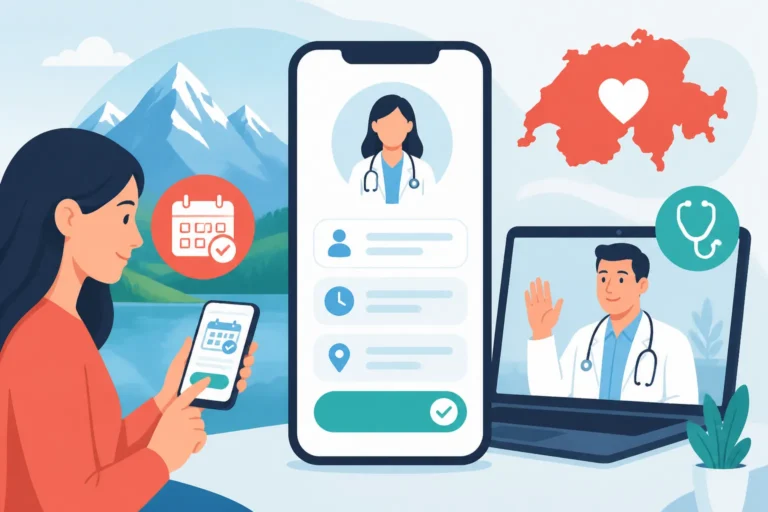
The "Hausarzt" or family doctor is the gatekeeper of the Swiss medical system. In Basel, finding a GP who is taking new patients can be a struggle, particularly in popular neighborhoods like Gundeli or Bachletten. Most expats prefer a doctor who speaks fluent English, which, fortunately, is common in a city dominated by pharma giants like Roche and Novartis. However, "speaking English" and "understanding the expat experience" are two different things.
When you first arrive, you should prioritize Finding an English-Speaking Family Doctor (Hausarzt) in Major Cantons to establish a file. Do not wait until you are sick to do this. Many doctors in Basel will perform an initial "intake" interview. This is also the time to decide which insurance model you want. If you choose a "Family Doctor" model to save on premiums, you must always see this specific doctor before going to a specialist. If you bypass them, your insurance company might refuse to pay the bill.
If you find that the local pharmacy prices for supplements or basic wellness products are too steep—which they often are in Basel—many of us expats rely on iHerb for our routine vitamins and health supplies. It is a simple way to bypass the "Swiss price" on non-prescription items that aren't covered by insurance anyway.
The Cross Border Healthcare Reality and the Frontalier Dynamic
Basel's unique position on the border creates a healthcare "loophole" that many expats utilize, but it comes with strict legal requirements. Whether you are a "Frontalier" (a cross-border commuter) or a resident of Basel who simply wants to take advantage of lower costs in Germany or France, you need to understand how the insurance protocols differ across the lines.
Healthcare Options for Residents in France and Germany
If you work in Basel but live in Saint-Louis (France) or Lörrach (Germany), you fall under the G-Permit category. This gives you a "right of option" regarding your health insurance. You can either stay in the Swiss KVG system or opt into the system of your country of residence. This is a massive decision that affects your take-home pay and your access to doctors. For a deep dive into these specifics, you should consult the guide on Cross-Border Commuters (G Permit): Health Insurance Exemptions and Rules.
Many expats choose the Swiss KVG even while living abroad because it allows them to see doctors in Basel near their workplace. However, if you choose the French or German system, getting treated in Switzerland for anything other than an emergency can become a bureaucratic nightmare. I’ve known many colleagues who lived in Germany but kept a Cigna Global policy alongside their mandatory coverage just to ensure they could access the best specialists in Basel without worrying about which side of the border the clinic was on.
Seeking Treatment in Lörrach or Saint Louis
Even if you live in Basel-Stadt, you might be tempted to cross the border for dental work or minor procedures. The price difference is staggering. A dental cleaning in Basel might cost you 160 CHF, while the same service in Lörrach could be 60 EUR. However, your Swiss basic insurance will generally NOT cover elective treatments outside of Switzerland.
If you are looking for over-the-counter medications or health supplements, the "Apothekes" in Germany are much cheaper, but there are limits on what you can bring back. For items like melatonin or specific vitamins that are heavily regulated in Switzerland, many expats find it easier to order through iHerb, as it often works out cheaper than even the German pharmacies when you factor in the tram fare and your time. Just be aware of the import customs limits to avoid a surprise bill from Swiss Post.
Understanding Insurance Costs and the Franchise System in Basel
The financial side of Swiss healthcare is usually what causes the most "expat stress." In Basel, you aren't just paying for a service; you are navigating a complex system of deductibles (Franchises) and copays that can reach thousands of francs if you aren't careful.
Why Basel Stadt Premiums are Among the Highest
It is a bitter pill to swallow, but Basel-Stadt often has the highest or second-highest health insurance premiums in Switzerland. This is due to the "density of care." There are more specialists per capita here than in almost any other canton, and the cost of maintaining the University Hospital is partially reflected in the regional premium calculations.
When you receive your monthly bill, it will likely be between 400 CHF and 600 CHF for a basic adult plan with a low deductible. If this is a struggle, you should check if you qualify for Cantonal Premium Reductions (Prämienverbilligung) for Low-Income Households. This is a subsidy provided by the canton of Basel-Stadt to help residents cover their monthly costs. Many people don't realize they qualify, especially during their first year if their global income hasn't been fully assessed by the Swiss authorities yet.
Choosing the Right Deductible as a New Resident
As an expat, you have to choose a "Franchise" between 300 CHF and 2,500 CHF. This is the amount you pay out of pocket before the insurance kicks in. In Basel, where a simple GP visit can cost 150 CHF, a 2,500 CHF deductible can vanish quickly if you have an accident or a chronic issue.
I always suggest that if you plan on seeing a doctor more than twice a year, go for the 300 CHF Franchise. If you are a "never-get-sick" type, the 2,500 CHF plan saves you about 1,200 CHF a year in premiums. To understand the math behind this, read The Swiss Franchise System: How Deductibles and Copays Work. It is the single most important financial decision you will make in your first 90 days. For those who want more comprehensive international protection without the local deductible headache, Cigna Global offers plans that can sometimes be more predictable for frequent travelers.
| Feature | Basel-Stadt (BS) | Lörrach, Germany (DE) | Saint-Louis, France (FR) |
|---|---|---|---|
| Mandatory Insurance | KVG (Private carriers) | Gesetzliche (Public) or Private | PUMA / Sécurité Sociale |
| Typical GP Cost | 120 – 180 CHF | ~40 – 60 EUR | ~25 – 30 EUR |
| Prescription Prices | Very High | Moderate | Low (Highly subsidized) |
| Language Barrier | Low (English common) | Moderate | High (French preferred) |
| Emergency Wait Times | Short to Moderate | Moderate | Moderate to Long |
Specialized Care and English Speaking Doctors in Basel
Basel is a hub for pediatric research and women's health, thanks to the massive investment from the local life sciences sector. However, accessing these specialists often requires a bit of strategy, especially if you want an English-speaking environment.
Pediatric Care and Womens Health
If you have children, your first point of contact will be a "Kinderarzt" (pediatrician). In Basel, pediatricians are often independent and highly specialized. For routine checkups and vaccinations, you'll want someone close to home. The system is very rigorous about schedules; you can check the standard requirements in the guide for Pediatric Care: Checkups, Vaccination Schedules, and School Health.
For women's health, Basel has excellent gynecologists, many of whom have worked internationally. If you are pregnant, you have the choice between the Universitätsspital’s maternity ward or a private clinic like Bethesda. The level of prenatal care in Basel is incredible, but be prepared for the cost of scans if you haven't met your deductible yet. I’ve seen many expat moms-to-be shocked when a 20-minute ultrasound results in a 400 CHF bill.
Mental Health Support in a Multinational Hub
Living as an expat in a high-pressure corporate environment like Basel's pharma sector can take a toll on mental health. The city has a good network of English-speaking psychologists and psychiatrists. However, the way these are billed changed recently with the "Anordnungsmodell." Now, if a psychologist is "prescribed" by your GP, the basic insurance (KVG) will cover it.
Finding a therapist who is actually accepting new patients can take weeks. Many expats use their international Cigna Global coverage for therapy because it often provides quicker access to private counselors who don't work within the local Swiss KVG constraints. If you are struggling with the "winter blues" (which are very real in the grey Basel winters), many people supplement with Vitamin D and light therapy products sourced from iHerb to help manage their mood before seeking clinical intervention.
Pharmacies Medications and Emergency Services
In Basel, the pharmacy (Apotheke) is more than just a shop; it’s a clinical consultation point. Pharmacists in Switzerland are highly trained and can often give advice that saves you a trip to the doctor for minor ailments.
The Notfall Apotheke System
What happens if you get a fever at 10:00 PM on a Sunday? In Basel, most shops are closed, but there is always a "Notfall Apotheke" (emergency pharmacy) on duty. The main one is usually located at the Bahnhof SBB or the Petersgraben near the University Hospital. Be warned: there is often a "night surcharge" (around 20-50 CHF) just for the privilege of buying medicine after hours.
For routine medications that don't require a prescription, the prices in Basel pharmacies are significantly higher than in neighboring Germany. This is why many of us keep a stocked "home pharmacy" with essentials like Algifor (ibuprofen) or Dafalgan (paracetamol). For high-quality vitamins, protein powders, or specialty health foods that the local Coop Vitality pharmacy charges a premium for, I generally stick to iHerb. It saves me from having to do a "pharmacy run" across the border to Germany every time I need fish oil or probiotics. To understand the legal side of this, look at Pharmacies and Medication: Prescriptions, Costs, and OTC Regulations.
Emergency Protocols and Ambulance Costs
In a life-threatening emergency in Basel, you dial 144. It is vital to know that an ambulance ride in Switzerland is NOT fully covered by basic insurance. Generally, the KVG only pays 50% of the cost, up to a maximum of 500 CHF per year. Given that a single ambulance trip in Basel can cost 900 CHF to 1,200 CHF, you will be left with a significant bill.
This is where Emergency Numbers 144 vs 112: Which to Call in a Swiss Medical Crisis becomes essential reading. Furthermore, if you plan on hiking in the nearby Jura mountains or the Alps, you absolutely must get a REGA Membership: Why Expats Need Air Rescue Insurance in the Alps. For a small annual donation, they waive the costs of helicopter rescue, which can otherwise run into the tens of thousands.
If you are just looking for a dentist on short notice, Finding an English-Speaking Dentist in Basel City is your best bet, as dental emergencies are handled by specific clinics that rotate weekend shifts.
Comparative Analysis Healthcare in Basel vs Bordering Regions
Choosing where to receive care often comes down to a balance of cost, convenience, and language. For residents of Basel, the temptation to use German or French facilities is high, but the administrative hurdles can be significant.
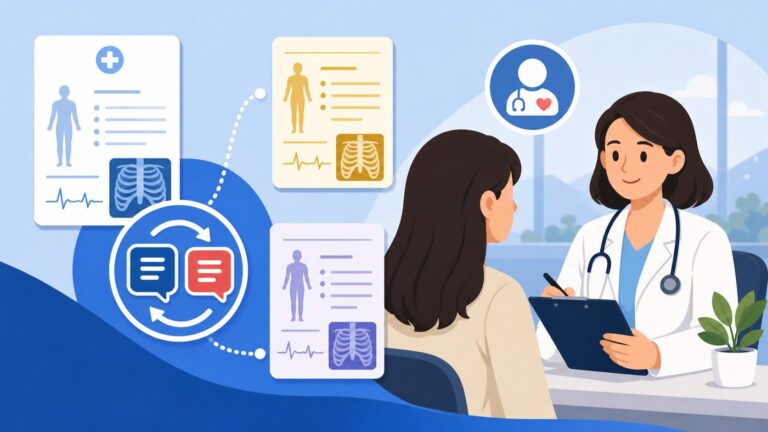
If you have a chronic condition, the continuity of care offered by the Basel medical network is worth the higher premiums. The specialists at the University Hospital talk to each other, and your records are easily accessible. If you jump across the border to a German doctor, you will often have to manually transfer records and pay cash upfront as a "private patient," then fight with your Swiss insurance for reimbursement—which they will likely deny unless it was a true emergency.
For basic wellness, however, the "cross-border" approach wins. Buying your skincare, supplements, and OTC meds at a German Rossmann or via iHerb is the standard "Basel Hack" for saving money.
If you are still confused about the overall structure of the Swiss system, I highly recommend reading the Healthcare in Switzerland for Expats: The Complete System Overview (2027) to get your bearings before you start signing contracts. Basel is a wonderful place to live, and the medical care is second to none, provided you know how to navigate the bills.
Medical Disclaimer
The information provided in this guide is for informational purposes only and does not constitute professional medical or financial advice. Healthcare laws, insurance premiums, and medical regulations in Switzerland are subject to frequent changes. Always consult with a qualified health insurance advisor or medical professional regarding your specific situation and the most current regulations in the Canton of Basel-Stadt or Basel-Landschaft.