Are Swiss Mountain Excursions Worth It in Winter vs Summer?
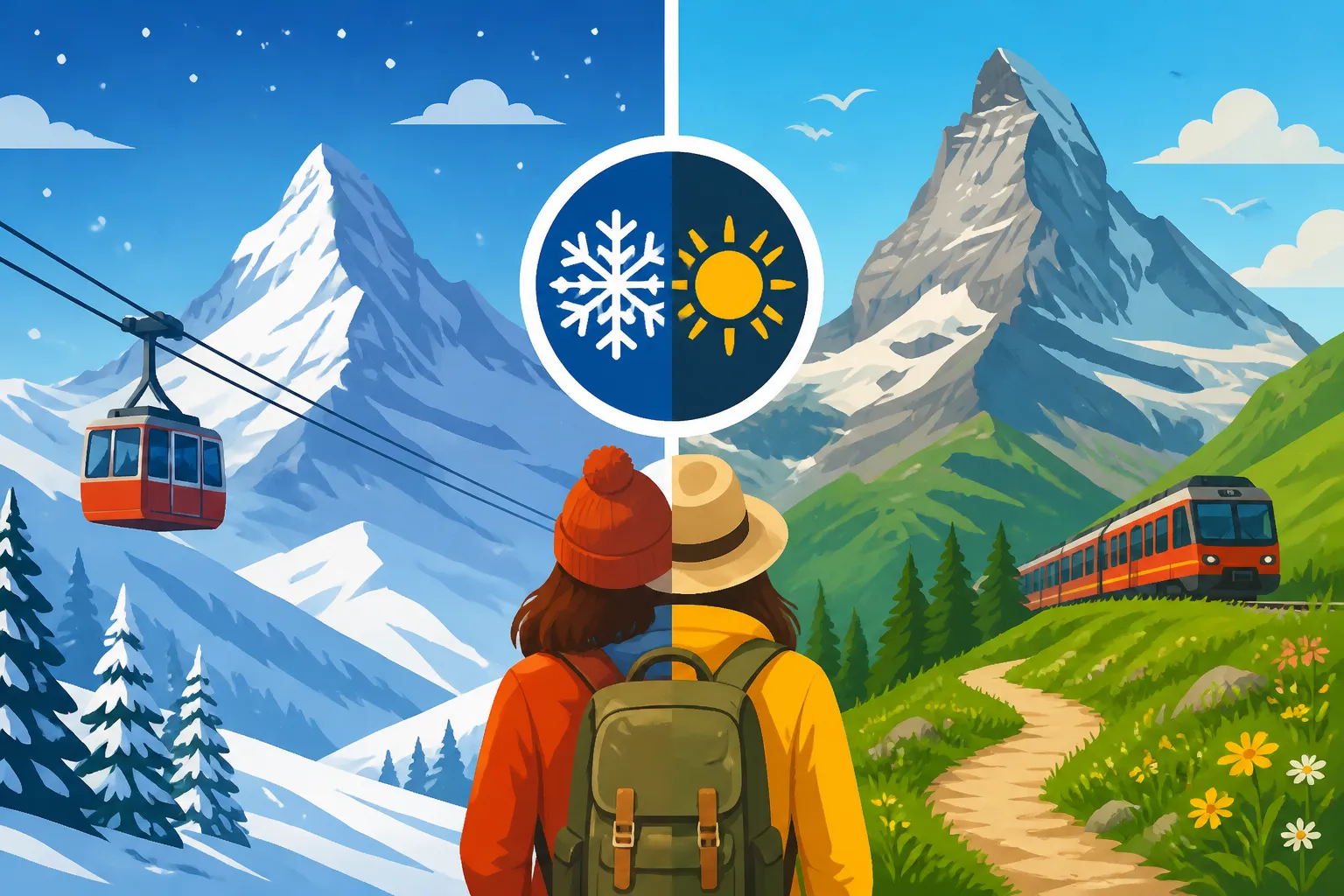
One of the biggest questions that always pops up in expat groups, right alongside "where do I find decent Mexican food?" and "is that really the price for an onion?", is whether a trip to the Swiss mountains is truly worth the cost and effort, particularly when deciding between the serene winter wonderland and the vibrant summer greenery. It’s a genuine dilemma, a clash of picturesque visions against the very real Swiss price tag and fickle alpine weather. This guide will meticulously break down the unique charms, practicalities, and potential pitfalls of Swiss mountain excursions in both winter and summer, helping you decide which season truly offers the experience you’re chasing, and how to make the most of it.
The Allure of Swiss Mountain Excursions: A Year-Round Dilemma
When you first arrive in Switzerland, those majestic peaks grab you. They’re everywhere, dominating the skyline, whispering promises of adventure and postcard-perfect moments. You see the pictures, you hear the stories, and soon, you’re itching to get up there. But then you look at the price for a cable car, or the cost of renting skis, and that initial enthusiasm can quickly turn into a weary sigh. It’s a classic expat conundrum: how do you balance the undeniable beauty and unique experiences with the infamous Swiss cost of living?
Why the Mountains Call to Us And Our Wallets
Let’s be honest, the Swiss Alps are legendary for a reason. Whether dusted in a pristine blanket of snow or bursting with vibrant green meadows and wildflowers, they possess an almost magnetic pull. For many of us, the mountains represent an escape, a chance to breathe pure air, and a reminder that nature can still be utterly breathtaking. We yearn for those panoramic views, the quiet solitude, or the exhilarating rush of an alpine adventure. But that pull comes with a price, and often, it’s a hefty one. Lift tickets, mountain railway fares, gear rentals, and even a simple meal at a mountaintop restaurant can quickly add up, leaving many to wonder if the return on investment truly justifies the expense. It’s not just about the money; it’s about the value of the experience you get for what you put in. Is it a once-in-a-lifetime memory, or just a very expensive photo opportunity?
Beyond the Postcards: Managing Expectations
Here’s where a dose of realism comes in, something us veterans have learned the hard way. While the marketing brochures show endless sunny skies and perfect conditions, the reality of mountain weather can be far less forgiving. I can’t tell you how many times I’ve seen eager tourists (and myself!) shell out a small fortune for a trip to a famous peak, only to be met with thick fog, howling winds, or torrential rain at the summit. It’s heartbreaking to spend that money and effort only to see nothing but a grey wall.
The mountains are wild, unpredictable places, and their beauty is often fleeting. A perfect summer day can turn into a dramatic thunderstorm in minutes. A clear winter morning can quickly become a whiteout. This isn't to deter you, but to prepare you. Always check the weather forecast obsessively (and I mean multiple sources like MeteoSwiss, local webcams, and even Google Weather) before committing to a costly mountain excursion, especially for those iconic viewpoints. A little foresight can save you a lot of disappointment – and money.
Embracing the White Wonderland: Winter Mountain Excursions
There’s something truly magical about the Swiss mountains in winter. The world transforms into a hushed, glittering landscape, often straight out of a fairy tale. But beneath that enchantment lies a layer of practicalities, costs, and unique challenges that are important to understand.
The Magical Experience: What Winter Offers
Imagine waking up to fresh snow, the air so crisp it almost hurts, and the scent of pine woodsmoke curling from distant chalets. Winter in the Swiss Alps is truly a sensory experience. The majestic peaks, once rocky and rugged, soften under a blanket of white, creating an almost ethereal glow.
For many, winter is synonymous with skiing and snowboarding, and Switzerland boasts some of the best slopes in the world, from the vast interconnected pistes of Verbier to the family-friendly runs of Arosa Lenzerheide. But it's so much more than that. You can embark on serene Snowshoeing and Winter Hiking in Switzerland for Non-Skiers trails, crunching through untouched powder, or experience the pure exhilaration of sledding down dedicated runs, often accessible by chairlifts, like the famous Big Pintenfritz near Grindelwald First.
Charming Christmas markets in alpine villages like Montreux or Einsiedeln add to the festive atmosphere, offering mulled wine and local crafts. Indulging in a traditional fondue or raclette in a cozy mountain hut after a day in the snow is an experience you won’t soon forget. Destinations like Zermatt, with the iconic Matterhorn looming, or the Jungfrau region, home to the "Top of Europe," offer unparalleled snowy vistas that will embed themselves in your memory. These are the moments that make you truly appreciate the choice you made to move here, or to visit this incredible country.
The Practical Realities and Costs of Winter Escapes
Now, let's talk about the cold, hard realities – pun intended. Winter mountain excursions can be significantly more demanding on your wallet and your logistics. First, gear. You need proper winter clothing: waterproof jacket and trousers, thermal layers, warm gloves, a hat, and sturdy, waterproof boots with good grip. Without them, you'll be miserable, and potentially unsafe. If you're planning on skiing or snowboarding, the cost of equipment rental, lessons, and multi-day passes quickly adds up. I remember my first winter here, buying all the necessary gear felt like taking out a second mortgage! You might find some helpful tips in my guide on Renting Ski Equipment in Switzerland: Costs and Where to Book.
Transportation can also be a challenge. While Swiss public transport is legendary, trains and cable cars to popular winter resorts can get incredibly crowded, especially on weekends and during school holidays. If you're driving, winter tires are a must, and chains might be necessary for higher passes. Parking can be expensive and scarce. Accommodation in popular resorts during peak season, which usually runs from December to March/April, also commands premium prices. Often, booking well in advance through platforms like Booking.com is your best bet to secure a decent spot without breaking the bank. Don't forget, lift passes alone for a major resort can run you CHF 80-100+ per day, sometimes significantly more for prime locations like Zermatt.
Downsides and Disappointments of Winter Mountains
While the romance of winter is undeniable, there are definite downsides. As mentioned earlier, weather is the biggest wildcard. Fog and low clouds (known as "Nebelmeer" or sea of fog) can completely obscure views, turning a potentially stunning panorama into an uninspiring grey void. Whiteouts, especially at higher altitudes, can be disorienting and dangerous. Days are shorter, meaning less daylight for activities, and the cold can be truly biting.
On top of that, popular areas get packed. Queues for lifts can be long, and pistes can feel like a crowded highway. If you're seeking solitude, you'll need to venture off the beaten path, which often requires more planning, better gear, and potentially guided tours. The higher risk of accidents, from skiing mishaps to slips on icy paths, is also a consideration. While Accident Insurance (UVG): Occupational vs. Non-Occupational Coverage is mandatory for most workers, it’s always wise to understand your coverage, and many opt for additional travel insurance for peace of mind, or even a REGA Membership: Why Expats Need Air Rescue Insurance in the Alps.
Chasing the Green Pastures: Summer Mountain Excursions
After the long, sometimes brutally cold winter, the arrival of summer in the Swiss mountains feels like a rebirth. Everything explodes into colour, and the possibilities for adventure multiply.
The Vibrant Appeal: What Summer Delivers
Summer in the Swiss Alps is a different beast entirely. Gone are the hushed whites, replaced by a riot of emerald green, a kaleidoscope of wildflowers, and the gentle clang of cowbells echoing through the valleys. The days stretch long and warm, inviting you to spend every possible moment outdoors.
Hiking, of course, becomes the star of the show. From gentle strolls along lakeside paths to challenging multi-day treks, the options are limitless. You can explore crystal-clear mountain lakes, dip your toes (or your whole self!) in icy glacial streams, and marvel at cascading waterfalls that flow with the meltwater. The air smells of pine and fresh grass, and the views are often unobstructed by clouds, offering a clarity that’s breathtaking. Popular destinations like Grindelwald, Lauterbrunnen, and Appenzell truly shine, offering a mix of accessible trails and dramatic scenery. You might enjoy my guide on Swiss Hiking for Beginners: Trail Grades and the SAC System to help you get started with trail ratings.
Beyond hiking, summer offers a plethora of activities: paragliding over Interlaken, mountain biking, paddleboarding on alpine lakes, or simply enjoying a leisurely picnic amidst a meadow of wildflowers. The accessibility is generally better, with more mountain roads open and a wider range of public transport options running more frequently. Many families find summer a much easier time to explore, with kids having more space to run around and fewer layers to worry about. For specific family-friendly ideas, check out Family Travel in Switzerland: Kid-Friendly Destinations and Tips.
Logistics and Value of Summer Adventures
Compared to winter, summer mountain excursions generally feel a bit more relaxed, and in some ways, more budget-friendly. While cable car and mountain railway tickets are still a significant expense, you often don't have the added costs of ski rentals, specialized clothing, or expensive lessons. You can often pack a picnic lunch, saving a fortune on restaurant meals, and simply enjoy the free activity of hiking.
Public transport is usually less congested than during peak ski season, and the networks extend further into remote areas. For planning your journeys, online platforms like Omio can be incredibly useful for comparing train and bus routes to specific mountain regions, allowing you to easily purchase tickets in advance. You can often make a day trip entirely by public transport, taking advantage of The Half-Fare Travelcard (Halbtax): The Must-Have Pass for Swiss Residents or looking for Saver Day Pass (Spartageskarte): How Residents Save on Day Trips deals to cut costs.
The longer daylight hours mean you can cram more into your day, or simply enjoy a more leisurely pace. While accommodation can still be pricey in popular areas during peak summer, there’s often more availability and a wider range of options, from charming B&Bs to mountain huts (SAC Huts) for the more adventurous. Excursion booking sites like GetYourGuide offer a variety of pre-packaged tours and activities, from guided hikes to unique experiences like e-bike tours, which can be great for those who prefer an organized approach or want to try something specific.
The Less Glamorous Side of Summer Mountains
It’s not all sunshine and wildflowers, though. Summer in the mountains comes with its own set of potential irritations. Just like winter, popular spots like Jungfraujoch or Zermatt can become incredibly crowded, especially on sunny weekends and during school holidays. The tranquility you seek can quickly be shattered by throngs of tourists.
While the views are often spectacular, occasionally haze can obscure distant peaks, making for less dramatic photos. Rain, while often warmer than winter precipitation, can still dampen spirits and make trails muddy and slippery. Thunderstorms in the afternoon are common, and you need to be aware of the forecast to avoid being caught on an exposed ridge. I’ve had my fair share of panicked descents trying to beat a sudden downpour!
Insects, particularly flies and sometimes mosquitoes, can be a nuisance, especially in areas near water or livestock. And let's not forget the sheer physical effort required for many summer activities. Hiking for hours, especially uphill, can be exhausting, and if you’re not prepared (mentally or physically), it can detract from the enjoyment. Always carry enough water, snacks, and What to Pack for a Day Trip to the Swiss Alps essentials, even for seemingly easy hikes.
Making Your Choice: Which Season Offers the Best "Worth It" Factor?
So, how do you decide? Is there a definitive answer to whether Swiss mountain excursions are "worth it" more in winter or summer? The truth, as with most things in Switzerland, is that it depends entirely on what you're looking for and what you value most in an experience.
Comparing the 'Worth' in Detail
Let's break it down in a simple table to help you weigh the pros and cons more clearly:
| Feature | Winter Mountain Excursion | Summer Mountain Excursion |
|---|---|---|
| Scenery | Magical, pristine white landscapes, dramatic snow-capped peaks | Vibrant green, wildflowers, waterfalls, lush valleys, clear lakes |
| Activities | Skiing, snowboarding, snowshoeing, sledding, Christmas markets, fondue | Hiking, swimming, paragliding, mountain biking, picnics, exploring villages |
| Cost | Generally higher (gear rental, lift passes, lessons, peak accommodation) | Can be more budget-friendly (picnics, fewer paid activities, more free hiking) |
| Accessibility | Good, but crowded; snowy roads/passes may close; limited daylight | Generally excellent; more roads open; longer daylight |
| Crowds | Very crowded at major resorts for skiing/holidays | Very crowded at major viewpoints/hikes on sunny weekends |
| Weather Risk | Fog, whiteouts, extreme cold, icy conditions | Thunderstorms, heat, occasional haze, muddy trails |
| Gear Needed | Extensive (thermals, waterproofs, gloves, boots, specialized ski/snowboard gear) | Moderate (good hiking shoes, layers, sun protection, rain jacket) |
As you can see, each season presents its own unique blend of opportunities and challenges. Winter offers that quintessential "Swiss postcard" image, but it demands more preparation and budget. Summer provides incredible freedom to explore and often feels more accessible, but you might trade pristine solitude for bustling trails.
Tailoring the Experience to Your Preferences
The ultimate "worth it" factor comes down to you.
- If you're an avid skier or snowboarder, winter is a non-negotiable must. The feeling of gliding down fresh powder with the Alps surrounding you is priceless. For you, the costs are simply part of the adventure.
- If you dream of breathtaking panoramic views and serene nature photography, aim for summer, but be prepared to wake up early to beat the crowds and check webcams diligently for clear skies.
- If you're on a tighter budget, summer might offer more ways to save money, particularly if you're happy with extensive free hiking and packing your own meals.
- If you have young children, both seasons offer different joys. Winter can be a blast for sledding and learning to ski on gentle slopes, but requires a lot of gear and management. Summer allows for easier family hikes and playground fun, as discussed in Family Travel in Switzerland: Kid-Friendly Destinations and Tips.
- If you despise crowds, consider visiting in the shoulder seasons (late spring/early autumn) or seeking out lesser-known mountain areas. Even in summer, there are countless trails that offer solitude away from the hotspots.
Consider what kind of memory you want to create. Do you want the thrill of winter sports, or the peacefulness of a high-alpine hike? Do you want cozy chalets, or vibrant picnics?
Maximizing Your Mountain Magic Regardless of Season
No matter when you decide to venture into the Swiss mountains, here are a few tips to ensure you feel like you've gotten your money's worth:
- Plan Ahead, Be Flexible: Book accommodation and popular mountain railway tickets well in advance, especially during peak season. But also be prepared to change your plans last-minute if the weather turns. Those infamous Swiss train apps like SBB Mobile are your best friend here – they'll tell you if trains are running on time and help you pivot.
- Embrace Public Transport: Switzerland's public transport network is phenomenal. A The Half-Fare Travelcard (Halbtax): The Must-Have Pass for Swiss Residents is almost always a smart investment if you plan even a few longer trips. For a single big day out, check out Saver Day Pass (Spartageskarte): How Residents Save on Day Trips for potentially significant savings on train travel.
- Pack Smart: Layering is key in any season. The weather can change dramatically within hours, or even minutes, as you ascend. Always carry rain gear, even if the forecast looks sunny. Proper footwear is non-negotiable.
- Consider Off-Peak: If possible, visit popular spots during weekdays or outside of school holidays. Early mornings often offer the best conditions and fewer crowds.
- Look Beyond the Famous Spots: Switzerland has so many incredible mountain areas that aren't Zermatt or Jungfraujoch. Explore regions like Appenzell, Engelberg, or even lesser-known valleys in Valais. These can offer equally stunning scenery, often with fewer people and sometimes at a slightly lower cost.
- Stay Safe: The mountains are beautiful but can be dangerous. Always tell someone your plans, stick to marked trails, and be aware of Mountain Safety in Switzerland: Weather, Gear, and Emergency Numbers.
Ultimately, the Swiss mountains offer unparalleled beauty and adventure in every season. The question of "worth" isn't about one being objectively better than the other, but about aligning the experience with your personal expectations, preferences, and budget. With a bit of planning and a realistic outlook, you can make any mountain excursion truly unforgettable.
Disclaimer
The information provided in this guide is for general informational purposes only and does not constitute professional advice. While we strive to keep the information up-to-date and accurate, regulations, prices, and availability of services in Switzerland can change rapidly. Always verify current conditions, prices, and requirements with official sources, service providers, and relevant authorities before making any decisions or bookings. We do not assume any liability for decisions made based on this information.