Skiing for Beginners in Switzerland: Lessons, Gear, and Resorts
Alright, my fellow expat adventurers, let’s be honest: when you first arrive in Switzerland, the idea of skiing can feel a bit like trying to navigate the federal tax system – utterly daunting. You see the stunning mountains, the perfectly groomed slopes, and the seemingly effortless grace of the locals, and a tiny voice in your head screams, "There's no way I can do that!" But trust me, you absolutely can. This guide is going to walk you through everything a first-time skier needs to know, from lessons and gear to picking the perfect beginner-friendly resort, making those Swiss slopes feel a whole lot less intimidating.
Why Switzerland is Perfect for Learning to Ski (and Why it's Intimidating)
Stepping into the Swiss Alps as a newcomer can be a breathtaking experience, but also a slightly overwhelming one. The sheer scale, the immaculate infrastructure, and the high standards can make you feel like you've landed in a professional athlete's playground rather than a place for a wobbly beginner. However, this perceived intimidation factor actually works in your favor – the Swiss do things properly, and that includes their ski schools and beginner facilities.
The "Swiss Standard" and How it Applies to Skiing
The Swiss pride themselves on quality, efficiency, and safety, and this "Swiss Standard" is absolutely evident in their ski industry. This isn't some ramshackle operation; we're talking about state-of-the-art lifts, impeccably groomed pistes, and highly trained professionals. For a beginner, this means you’re learning in an environment where safety is paramount, equipment is top-notch, and instructors are genuinely skilled. You won't find dodgy old rental gear or unhelpful staff here – well, mostly not. The downside? This also means the prices are, shall we say, "Swiss Standard" as well. Prepare for your wallet to take a hit, but rest assured, you're paying for a premium experience. Think of it as an investment in a new skill and a lifetime of enjoying these incredible mountains.
What often scares new expats is the sheer perfection of it all. You might worry about holding up a queue, or looking silly next to someone who’s been skiing since they were two. But honestly, the system is so well-oiled that even if you're a complete novice, you'll be moved efficiently through lift lines and guided through lessons with a smile. The focus is on getting everyone, regardless of skill level, to enjoy the snow safely. This isn't to say there won't be a moment where you fall flat on your face in front of a group of children who ski better than you ever will – it happens to the best of us! But the overall infrastructure is designed to make those moments as few and far between as possible, and the atmosphere, while sometimes appearing serious, is ultimately about embracing the outdoors.
Dispelling the Myth of Elitism: Beginner-Friendly Slopes Exist!
One of the biggest misconceptions about Swiss skiing is that it’s only for experts or the super-rich. While you’ll certainly see your share of impeccably dressed, lightning-fast skiers carving down black runs, the vast majority of resorts have extensive areas specifically designed for beginners. These aren't just tiny patches; many resorts boast entire sections dedicated to learning, often called "Kinderländer" (children's lands) or "Beginner Parks."
These areas are usually segregated from the main, faster slopes, offering a safe, gentle gradient where you can practice your snowplow turns without fear of being mown down. They often feature magic carpets (conveyor belts) or very slow, easy-to-use button lifts and t-bars, which are far less intimidating than a fast chairlift or gondola. I remember my first time on a chairlift, convinced I was going to fall off – it’s a right of passage! But in these beginner zones, you often start with the easiest conveyances. Many villages across Switzerland, from the Engadine to the Valais, cater extensively to families and first-timers, understanding that a strong foundation in skiing builds lifelong enthusiasts. Don't let the images of extreme sports or luxury chalets fool you; there's a place for every skill level here, and a warm welcome for those willing to give it a go.
Essential Gear for Your First Ski Trip: What to Rent, What to Buy
Before you even think about hitting the slopes, you need gear. And for a beginner, this is where many people panic, assuming they need to buy a whole new wardrobe and expensive equipment. Please, don’t do that! For your first few trips, renting is absolutely the way to go. It saves a ton of money, eliminates the hassle of transport, and lets you figure out what you actually need and like before committing to purchases.
Skis, Boots, and Poles: The Rental Advantage
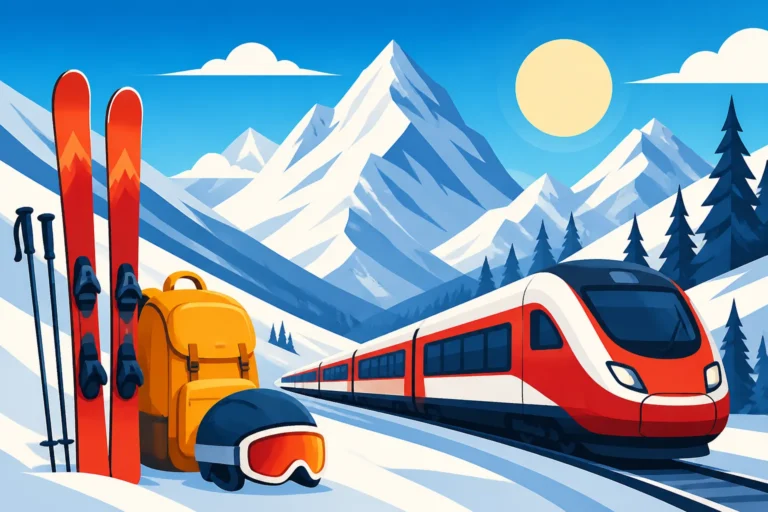
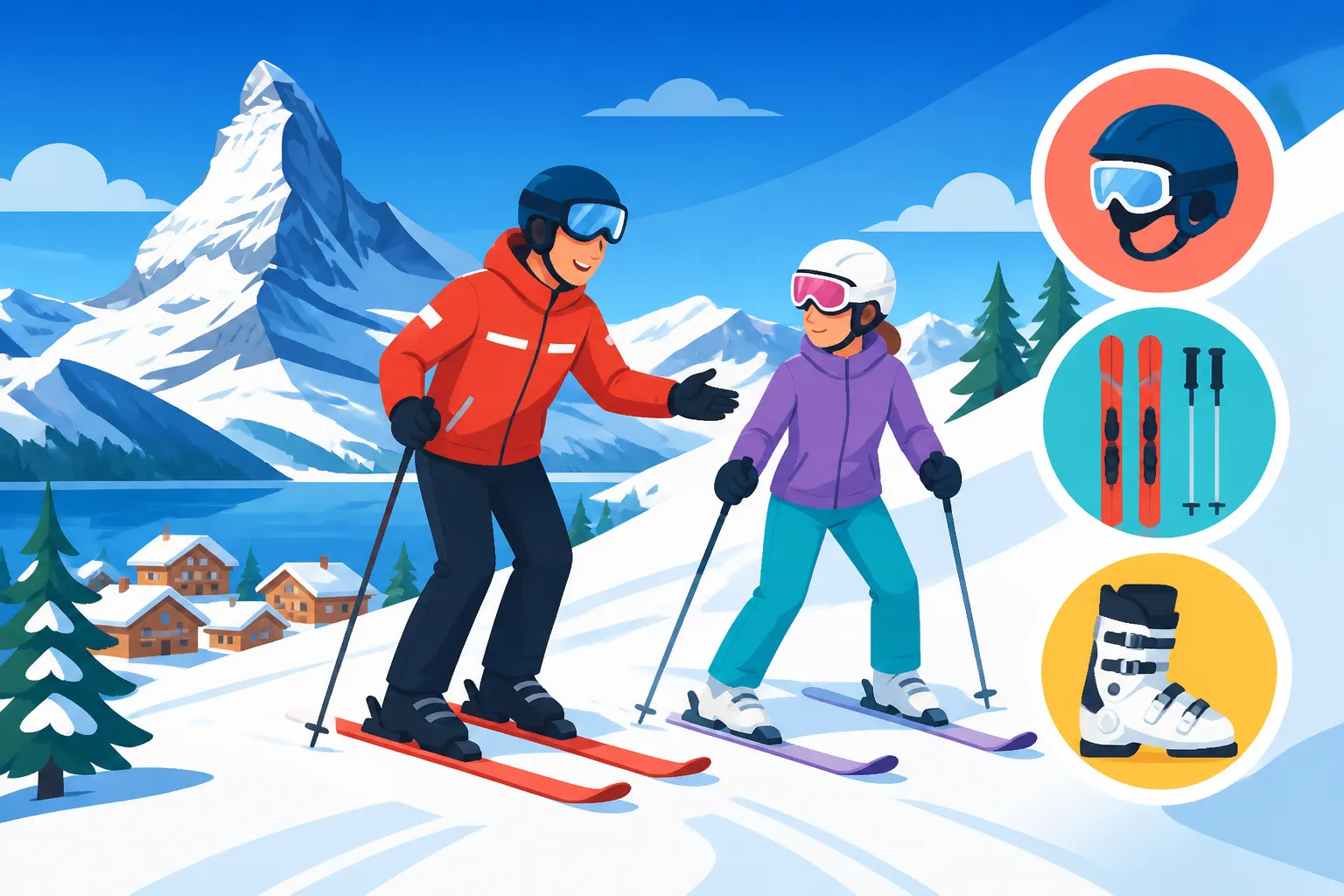
Your core equipment – skis, boots, and poles – should almost certainly be rented, especially for your initial excursions. Ski shops at virtually every resort offer rental packages, and often, you can even rent directly at the ski school when you book lessons. This means no lugging gear on the train (a real pain, trust me, I've done it!), and you get expert advice on sizing and fitting. When you're just starting, comfortable boots are non-negotiable. Ill-fitting boots can make your day miserable and even dangerous. The rental staff will ensure you have the right length of skis, which for beginners are generally shorter and more forgiving, making it easier to turn and control your speed.
Many rental shops are conveniently located right next to the slopes or near train stations, making pickup and drop-off simple. Some also offer pre-booking online, which can save you time on arrival, especially during peak season. You can often find rental options integrated with ski pass purchases or lesson packages, offering a seamless experience. For a good idea of what to expect, check out this guide on Renting Ski Equipment in Switzerland: Costs and Where to Book. Remember, the goal is to make your first experience as positive and hassle-free as possible, and renting is a huge part of achieving that.
Apparel and Accessories: Staying Warm and Dry
While renting skis and boots is a no-brainer, you will need to invest in some basic apparel. The key here is layering and waterproofing. You don’t need the latest high-fashion ski jacket, but you do need something that will keep you warm, dry, and protected from the wind.
Here’s a basic checklist:
- Waterproof/windproof outer shell: A good ski jacket and ski pants are essential. Look for "waterproof" and "breathable" ratings. These don't have to be expensive – Decathlon or even second-hand stores can be great sources for functional, affordable gear.
- Mid-layers: Fleece jackets or insulated vests work perfectly.
- Base layers: Thermal underwear (tops and bottoms) made of synthetic material or merino wool. Avoid cotton, as it retains moisture and will make you cold.
- Ski socks: Dedicated ski socks are padded in all the right places and wick moisture away. Again, no cotton!
- Gloves or mittens: Waterproof and warm. You'll be spending a fair bit of time on your bum in the snow, so good gloves are crucial.
- Neck gaiter/buff: Protects your face and neck from wind and cold.
- Goggles: Essential for vision on snowy or sunny days and protection from wind.
- Sunscreen and lip balm with SPF: The sun reflecting off the snow is incredibly strong, even on cloudy days.
You can often find good deals on this kind of apparel in the off-season or at larger sports retailers like Ochsner Sport or SportXX. Don't forget to pack sensibly; knowing What to Pack for a Day Trip to the Swiss Alps can save you a lot of discomfort.
Safety First: Helmets and Goggles
No compromises on this one: wear a helmet. While not legally mandatory for adults in Switzerland, it is universally recommended and often required by ski schools. Most rental shops include helmets with their ski packages, or you can rent them separately for a small fee. A good helmet can literally save your life or prevent a serious injury. Think of it as an essential part of your safety kit, right up there with your car's seatbelt.
Goggles are also essential. They protect your eyes from UV rays, wind, snow, and glare. Plus, they look cool (which, let's be honest, is half the battle when you're a beginner trying to project confidence!). Ensure they fit snugly with your helmet and offer good peripheral vision. Sunglasses might seem okay on a bright day, but they offer less protection and tend to fog up or fall off. If you’re like me and wear glasses, you can get "OTG" (Over The Glasses) goggles that fit over your regular frames, or opt for contact lenses for the day. Trust me, the last thing you want is to be squinting and struggling to see the terrain.
Finding the Right Ski School and Lessons
You wouldn't try to learn to drive a stick shift in Zurich city center during rush hour without an instructor, right? The same goes for skiing. Lessons are not optional for beginners; they are absolutely fundamental to learning safely and effectively. Trying to teach yourself or relying solely on a well-meaning but unqualified friend is a recipe for frustration, injury, and developing bad habits that are tough to unlearn.
Group Lessons vs. Private Instructors: Weighing the Options
When it comes to lessons, you generally have two main choices: group lessons or private instruction.
Group Lessons: These are the most common and often the most cost-effective option for beginners. You’ll be placed with a small group of other learners at a similar skill level, typically for a few hours each morning or for full days over several days.
- Pros: More affordable, social aspect (great for meeting other expats or travelers!), provides a structured progression, and you learn from observing others. Most beginner group lessons will focus on the absolute basics: getting comfortable with your skis, learning to stop (the snowplow or "pizza"), and making basic turns.
- Cons: Pace might be too slow or too fast depending on the group dynamic, less personalized attention.
Private Lessons: This is where you get one-on-one (or sometimes one-on-two if you're with a friend/partner) instruction tailored exactly to your needs.
- Pros: Highly personalized, faster progress, immediate feedback, and the ability to focus on specific challenges. If you're nervous or have specific goals, a private lesson is invaluable.
- Cons: Significantly more expensive, often costing as much as a multi-day group course for just a few hours.
For your very first time, a multi-day group lesson (e.g., three mornings) is usually the sweet spot. It gives you enough time to grasp the fundamentals, practice, and gain confidence without breaking the bank. If you find yourself really struggling after a few group sessions, or if you simply prefer personalized attention, then investing in a private lesson for a few hours can make a huge difference to refine your technique. Many ski schools allow you to book these directly on their websites or through platforms like GetYourGuide, where you can often compare options and read reviews.
English-Speaking Instructors: Where to Find Them
One of the biggest worries for non-German, non-French, or non-Italian speakers is finding an instructor they can understand. Thankfully, in Switzerland’s major ski resorts, finding an English-speaking instructor is usually not a problem. Ski schools cater to an international clientele, and many instructors are fluent in several languages. When booking, always specify that you require an English-speaking instructor. Most online booking systems will have a dropdown or checkbox for language preference.
In larger, more internationally renowned resorts like Zermatt, Verbier, St. Moritz, or Grindelwald, virtually all instructors will speak English. Even in smaller, more local resorts, there's usually a good chance you'll find someone. Don't be shy about asking. If you're struggling to find information online, a quick email or phone call to the specific ski school (e.g., "Schweizer Skischule [Resort Name]") will usually get you the information you need. You can find more detailed information on options and pricing in this article: Ski Lessons in Switzerland: Group vs Private and Prices.
Ski School Formats: Half-Day, Full-Day, and Multi-Day Courses
Ski schools typically offer a variety of formats to suit different schedules and learning styles:
- Half-Day Lessons: Usually a morning or afternoon session, lasting around 2-3 hours. Good for getting a taste, but progress will be slower. Perfect if you have young children and want to maximize your time with them, or if you find a full day too exhausting initially.
- Full-Day Lessons: Approximately 4-5 hours of instruction, often with a lunch break. These are fantastic for intensive learning and consistent practice.
- Multi-Day Courses: This is often the recommended option for true beginners, typically running for 3, 4, or 5 consecutive days, usually from Monday to Friday. This format allows for continuous progression, building on skills learned the previous day without too long a break. By the end of a 3-5 day course, most beginners can comfortably navigate blue (easy) slopes and make controlled turns.
Some schools also offer weekend courses, but these tend to be more expensive and crowded. For your absolute first time, try to carve out a few consecutive weekdays if possible, as the slopes are generally quieter and prices can sometimes be a little lower.
Top Beginner-Friendly Ski Resorts in Switzerland
Choosing the right resort can make or break your first skiing experience. You don't want to end up somewhere with only steep, icy runs and fast, intimidating lifts. Instead, look for resorts known for their gentle slopes, excellent ski schools, and dedicated beginner areas. Switzerland has plenty of these, from high-altitude playgrounds to charming family-focused villages.
Resorts with Dedicated "Kids' Zones" or Beginner Areas
Many resorts understand the importance of nurturing new skiers, and often the best indicator of a beginner-friendly resort is the presence of extensive "Kinderländer" or beginner zones. These are essentially segregated, safe spaces with very gentle gradients, usually equipped with magic carpets or easy-to-use surface lifts.
Here are a few excellent options for beginners:
- Arosa Lenzerheide (Graubünden): This resort has fantastic, wide-open beginner slopes and several dedicated areas like the "Honigland" for kids and adults alike. The connection between Arosa and Lenzerheide also offers variety once you gain confidence.
- Grindelwald-Wengen (Bernese Oberland): While famous for the Eiger, Mönch, and Jungfrau, this region also boasts superb beginner areas, particularly in Wengen and on the Kleine Scheidegg. The slow trains up the mountain are also a bonus for avoiding intimidating gondolas initially.
- Flumserberg (St. Gallen): A highly accessible resort from Zurich, Flumserberg offers dedicated beginner zones, particularly at Tannenboden and Tannenheim. It’s known for being family-friendly and has numerous easy blue runs.
- Villars-Gryon (Vaud Alps): In the French-speaking part of Switzerland, Villars is known for its excellent ski schools and gentle, sunny slopes ideal for learning. It feels less overwhelming than some of the mega-resorts.
- Engelberg (Central Switzerland): While the Titlis glacier is famous for experts, the Brunni side of Engelberg is a fantastic, sunny, and much gentler area perfect for beginners and families.
- Oeschinensee (Kandersteg, Bernese Oberland): A smaller, incredibly picturesque resort with a few easy lifts and gentle slopes perfect for a relaxed first-time experience. The stunning frozen lake at the base is an added bonus.
When researching, look for maps that clearly mark green (very easy) or blue (easy) runs, and specifically mention "beginner areas" or "practice slopes." For more ideas on where to take the little ones, check out Family Ski Resorts in Switzerland: Best Areas for Children.
Accessibility by Public Transport and Accommodation Tips
Switzerland's public transport system is legendary, and many ski resorts are incredibly well-connected by train and bus. For beginners, especially those not used to driving in snowy mountain conditions, arriving by public transport is a stress-free option. Major hubs like Zurich, Bern, or Geneva offer direct train connections or easy transfers to many mountain towns. For example, resorts like Adelboden-Lenk, Grindelwald, or Davos Klosters are all very accessible by train. Using services like Omio can help you plan your journey and book tickets efficiently, combining train and bus travel to get you right to the slopes.
When it comes to accommodation, Booking.com is your friend for finding a place that suits your budget and needs. For beginners, I recommend staying as close to the ski school meeting point or beginner slopes as possible. The last thing you want after a tiring day of learning to ski is a long, uphill trek back to your hotel. Many resorts have hotels, chalets, or apartments right in the village center, or even ski-in/ski-out options, which are incredibly convenient. If you’re trying to keep costs down, consider staying in a neighboring village that’s still well-connected by public transport, or look into guesthouses rather than hotels. Prices can vary wildly depending on the season and specific resort, so be sure to book well in advance, especially for weekend trips or during school holidays.
Budget-Friendly Options for Your First Turns
Let’s be real, skiing in Switzerland isn't cheap. However, there are definitely ways to make it more affordable, especially for your first few outings.
- Choose smaller, local resorts: While the big-name resorts are enticing, smaller, lesser-known areas often have lower lift pass prices, cheaper rentals, and more affordable lessons. Think places like Sattel-Hochstuckli near Zurich, Marbachegg in Lucerne Canton, or even the Brunni side of Engelberg as mentioned earlier.
- Go during off-peak times: Avoid school holidays (Swiss holidays are different by canton, so check local calendars!) and weekends. Mid-week skiing is almost always cheaper and less crowded. January (after the New Year rush) and late March/early April can offer good value.
- Utilize public transport passes: If you live here, you likely have a Half-Fare Travelcard (Halbtax). This will significantly reduce the cost of your train tickets to the resorts. Check out The Half-Fare Travelcard (Halbtax): The Must-Have Pass for Swiss Residents for more details. Sometimes, resort areas offer special combi-tickets that include train travel and a ski pass.
- Pack your own lunch: Mountain restaurants are notoriously expensive. Bring sandwiches, snacks, and a thermos of hot tea to save a significant amount of money. Many resorts have picnic areas or even heated rooms where you can eat your packed lunch.
- Look for special deals: Keep an eye out for "Snow'n'Rail" offers from SBB, or resort-specific packages that combine lift passes, rentals, and sometimes even lessons. Websites like DailyDeal or local tourism boards sometimes promote discounted rates.
For a full breakdown of costs, you might want to read How Much Does a Day of Skiing Cost in Switzerland in 2026?. It's a sport that requires an investment, but with smart planning, it doesn't have to break the bank for your inaugural experience.
Navigating Your First Days on the Slopes
So, you’ve got your gear, you’ve booked your lessons, and you’re standing at the base of the mountain, heart thumping. Now what? Your first days on skis are a blend of exhilarating progress, frustrating tumbles, and moments of pure alpine magic. Understanding the basics of how things work on the mountain will help you feel more comfortable and confident.
Understanding Ski Pass Systems and Prices
Before you can even get on a lift, you'll need a ski pass. This is essentially your ticket to access all the lifts and slopes in a particular ski area. Prices vary hugely depending on the resort, the time of year, and the duration of the pass (half-day, full-day, multi-day, or season pass). For beginners, you usually don't need a pass that covers the entire, vast resort network. Many resorts offer special "beginner passes" that are cheaper and only grant access to the magic carpets and a few easy lifts in the learning zone. This can save you a fair bit of money.
You can usually buy passes at the lift stations (Talstation). Most passes are RFID cards that you simply scan as you go through the turnstiles, so you can keep it in a jacket pocket and not worry about fumbling with it. It's always a good idea to check the resort's website in advance for current pricing and any special offers. If you plan to ski more frequently, exploring options like the Magic Pass or a regional season pass might be worthwhile in future seasons, but for your first time, a simple day or half-day pass for the beginner area is often sufficient. For a more in-depth look at passes, see Best Value Ski Passes for Residents in Switzerland.
The Unwritten Rules of the Piste: FIS Regulations and Etiquette
While you’re learning, focus on your instructor and basic control, but it's good to be aware of the "rules of the piste," officially known as the FIS (International Ski Federation) Rules of Conduct. These are guidelines designed to ensure safety for everyone on the slopes. Think of them as the "Highway Code" for skiing.
The most important rules for a beginner:
- Respect for others: Always ski in a manner that doesn't endanger others.
- Control speed and manner: You must be able to stop and turn at any time. This is paramount for beginners!
- Choice of route: The skier coming from behind (uphill) has the responsibility to choose a path that doesn't endanger the skier in front (downhill). As a beginner, you'll often be slower, so be aware of those coming up behind you.
- Overtaking: Always overtake with sufficient space.
- Entering and starting: When joining a piste or starting again after a stop, look both ways (uphill and downhill) to ensure it's clear.
- Stopping: Avoid stopping in narrow places or where visibility is limited. If you fall, move to the side of the piste as quickly as possible.
- Ascending and descending on foot: If you need to walk, do so at the side of the piste.
- Respect signs and markings: Follow all signs, warnings, and piste markings.
- Assistance: In case of an accident, render assistance.
- Identification: Everyone involved in an accident, whether witness or participant, should exchange names and addresses.
Your instructor will cover these, but being mindful of them helps keep everyone safe. It's a small mountain community, and a little courtesy goes a long way.
Taking Breaks and Fueling Up: Mountain Restaurants and Hutte Culture
Learning to ski is surprisingly exhausting! Your leg muscles will be doing things they’ve never done before, and your brain will be in overdrive. Regular breaks are crucial. Most beginner areas have a nearby mountain restaurant (a "Bergrestaurant" or "Hütte" in German-speaking Switzerland, or "restaurant d'altitude" in French-speaking areas) where you can warm up, grab a hot chocolate, and refuel.
While convenient, food and drinks on the mountain can be pricey. A small hot chocolate might set you back CHF 5-7, and a simple meal like a portion of Rösti or a sausage could be CHF 20-30. As mentioned, packing your own snacks and drinks is a great way to save money. However, indulging in a warm soup or a decadent Apfelstrudel (apple strudel) can be a lovely part of the Swiss mountain experience, especially if you treat it as a special moment rather than every meal. Many places also have outdoor sun terraces perfect for soaking up some rays while watching other skiers. Take your time, enjoy the views, and let your muscles recover before hitting the slopes again.
Beyond the Bunny Slope: What Comes Next?
Congratulations! You’ve survived your first few days, you can stop relatively gracefully, and you’re making some rudimentary turns. The world of Swiss skiing is now truly opening up to you. What’s the next step in your alpine adventure?
Graduating to Blue Runs and Building Confidence
Once you’ve mastered the beginner zones and feel comfortable on the magic carpets and easy lifts, your instructor will likely take you to your first "blue" run. In Switzerland, blue runs are considered easy to intermediate. They are generally wider, less steep, and well-groomed, but they introduce a bit more challenge than the green or nursery slopes. This is where you’ll start to really feel like a skier! The sense of accomplishment when you glide down your first blue run, making controlled turns and enjoying the scenery, is truly fantastic.
Don't rush it. It's far better to comfortably ski a blue run many times over than to try and tackle a red (intermediate) run prematurely and end up in a heap of frustration (or worse, injury). Consistency and practice are key. Focus on good technique, staying balanced, and making smooth, rhythmic turns. The more time you spend on the blue runs, the more muscle memory you'll build, and the more natural skiing will become. Remember, even seasoned skiers enjoy a leisurely blue run – it’s not always about speed or difficulty.
Preparing for Your Next Season: Gear and Fitness
After your first season, if you've caught the skiing bug (and you probably will!), you might start thinking about buying your own gear. Buying your own boots is often the first step, as a well-fitting boot that's molded to your foot makes a massive difference in comfort and control. Skis can come later once you know your style. Many expat groups organize second-hand gear sales, or you can find good deals in sports shops during end-of-season sales.
Fitness also plays a huge role. Skiing uses muscles you probably don't use every day, especially in your core and legs. Doing some squats, lunges, and core exercises in the months leading up to your next ski trip can make a significant difference to your endurance and reduce post-ski soreness. Trust me, your quads will thank you! Consider year-round activities like cycling, hiking (especially uphill!), or even some specific ski fitness classes offered in many Swiss gyms.
Staying Safe: Accident Insurance and Emergency Protocols
While skiing is incredibly fun, it's an alpine sport, and accidents can happen. In Switzerland, accident insurance (UVG – Unfallversicherungsgesetz) is mandatory for most employees. Your employer generally covers occupational accidents, and if you work more than 8 hours a week for the same employer, they also cover non-occupational accidents, which includes skiing. This is crucial. Make sure you understand your Accident Insurance (UVG): Occupational vs. Non-Occupational Coverage coverage. If you are self-employed or not employed, you must arrange your own accident coverage, usually through your basic health insurance (KVG/LAMal) or a specific private accident policy.
Beyond basic accident insurance, I highly recommend looking into a REGA membership. REGA is the Swiss Air Rescue, and they are responsible for mountain rescues, often by helicopter. While your standard health insurance might cover some of the costs, a REGA membership (which is surprisingly affordable, around CHF 40 for an individual or CHF 80 for a family per year) covers the costs of a search and rescue operation if one is needed. This means if you have an accident off-piste or in a hard-to-reach area, you won't be hit with a potentially massive bill for the rescue itself. It's peace of mind for anyone venturing into the mountains. For more on this, check out REGA Membership: Why Expats Need Air Rescue Insurance in the Alps.
In case of an emergency on the slopes, the international emergency number 112 or the local rescue number 144 should be called. Piste patrols are highly visible and well-trained, and there are often emergency poles with direct lines to rescue services dotted around the mountain. Knowing what to do in a crisis is part of being a responsible mountain user, so familiarise yourself with Emergency Medical Services: Ambulances, REGA, and Crisis Protocols.
Beginner-Friendly Swiss Ski Resorts: A Quick Comparison
To help you get started, here’s a quick overview of some excellent beginner-friendly resorts, keeping convenience and learning in mind.
| Resort Name | Canton | Beginner Friendliness | Public Transport Access | Rental Availability | Notable Beginner Features | Typical Day Pass (Adult) |
|---|---|---|---|---|---|---|
| Arosa Lenzerheide | Graubünden | Excellent | Very Good (Train/Bus) | High | Honigland, wide blue runs, multiple ski schools | CHF 60-85 |
| Grindelwald-Wengen | Bernese Oberland | Excellent | Excellent (Train) | High | Bodmi Arena, gentle slopes at Kleine Scheidegg | CHF 70-95 |
| Flumserberg | St. Gallen | Very Good | Good (Train/Bus) | High | Tannenboden/Tannenheim beginner areas, easy blue runs | CHF 55-75 |
| Villars-Gryon | Vaud | Excellent | Good (Train/Bus) | High | Sunny, gentle slopes, strong ski school presence | CHF 60-80 |
| Engelberg (Brunni) | Obwalden | Excellent | Very Good (Train/Bus) | High | Brunni "Sunny Side" with magic carpet, easy T-bar lifts | CHF 40-60 (Brunni only) |
| Oeschinensee | Bernese Oberland | Good | Excellent (Cable Car) | Medium | Small, relaxed area, stunning scenery, limited lifts | CHF 35-50 |
Note: Prices are approximate for the 2025/2026 season and can vary based on date, time of purchase, and special offers. Always check the official resort website for the most current information.
Disclaimer
The information provided in this guide is intended for general informational purposes only and does not constitute professional advice. While we strive to keep the information up-to-date and accurate, regulations, prices, and available services in Switzerland can change rapidly. Always verify current details with official sources, such as local authorities, ski resorts, insurance providers, and travel agencies, before making any decisions. Skiing involves inherent risks, and participants should ensure they have appropriate insurance coverage and adhere to all safety guidelines and instructions from ski schools and resort personnel.