Swiss Wine Tasting in Lavaux: Cellars and Walking Routes
You’ve settled into Switzerland, embraced the mountain views, maybe even learned to navigate the grocery stores, but there’s a good chance one of its most delightful secrets is still… well, a secret to you. I’m talking about Swiss wine! Far too many of us expats overlook the incredible local vineyards, especially the breathtaking Lavaux region. This guide is going to change that, walking you through everything you need to know to experience the magic of Lavaux wine tasting, from picturesque walks to the best cellars.
The Lavaux Vineyard Terraces: A UNESCO Gem You Can't Miss
Alright, let's get real. When you first think of wine regions, your mind probably jumps to France, Italy, or Spain. Switzerland? Not so much. But let me tell you, that's a massive oversight! The Lavaux region, nestled along the shores of Lake Geneva (Lac Léman) in the canton of Vaud, is not just another pretty vineyard. It's a UNESCO World Heritage site, a testament to centuries of human endeavor, and quite frankly, one of the most stunning landscapes you’ll ever lay eyes on.
Why Lavaux is More Than Just a Pretty View
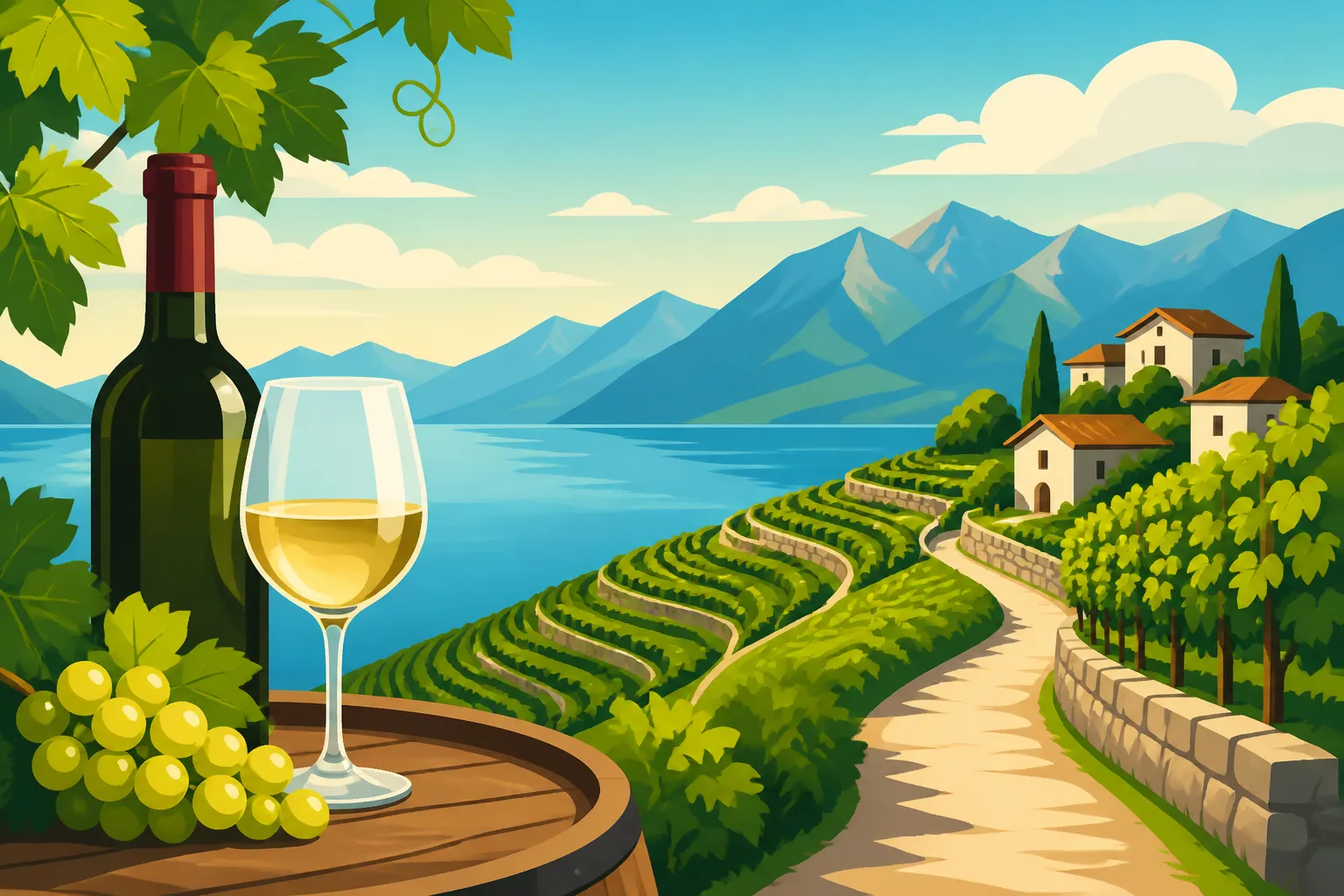
The Lavaux vineyard terraces are an engineering marvel. Imagine Romans first planting vines here, and then Cistercian monks in the 11th century painstakingly building these dry-stone walls and terraces that cascade down to the lake. It's like stepping into a living museum, where every stone tells a story. What makes this area so special for wine? It's the "three suns" effect: the actual sun, the reflection of the sun off Lake Geneva, and the heat absorbed and radiated by those ancient stone walls. This unique microclimate allows the Chasselas grape, which dominates the region, to ripen beautifully, producing crisp, mineral-rich white wines that are the perfect antidote to a hot summer day.
Now, you might wonder why Swiss wine isn't exported more widely. The simple truth is, the Swiss love their wine so much they drink most of it themselves! And frankly, with the relatively small production and high demand, there's not much left over to send abroad. This means that to truly experience the best of Swiss viticulture, you have to come here. It's a badge of honor, really, to sip a Lavaux white directly from a local cellar. Beyond Chasselas, you'll also find smaller plantings of red grapes like Pinot Noir and Gamay, but the whites are truly the stars here. This region is a vital part of Swiss Food and Drink Culture: Regional Specialties and Dining Etiquette, offering an authentic taste of Swiss heritage.
Navigating the Terraces: Getting There and Around
Getting to Lavaux is surprisingly easy, even without a car. This is Switzerland, after all, and public transport is king. The main towns you’ll want to target are Lutry, Villette, Cully, Rivaz, St-Saphorin, and Epesses. Each of these charming villages is a stop on the regional train line that hugs the lake, making them incredibly accessible.
If you're coming from a major city like Lausanne or Montreux, a quick train ride will drop you right into the heart of the vineyards. For those of us who rely on the excellent SBB network, you can use a Half-Fare Travelcard (Halbtax): The Must-Have Pass for Swiss Residents or even a Generalabonnement (GA) if you have one to make your journey more affordable. I often use the Omio app or website to quickly check train schedules and book my tickets in advance, especially during peak season, to avoid any last-minute stress.
Once you’re in one of these villages, the best way to explore is on foot. Be warned, though: "terraces" means hills! While the views are spectacular, some paths can be steep. Wear comfortable shoes, seriously. You'll be glad you did. If walking isn't your thing for the entire day, there are also small tourist trains, like the "Lavaux Express" or "Lavaux Panoramic," that offer guided tours through the vineyards. These can be a fantastic way to cover more ground and learn about the region without breaking a sweat. Just check their schedules beforehand, as they often operate seasonally. You can sometimes find tickets or tours through platforms like GetYourGuide if you prefer pre-booking a specific experience that includes transport.
Exploring the Vineyards on Foot: Best Walking Routes
The sheer beauty of Lavaux truly unfolds when you immerse yourself in it, one step at a time. The winding paths through the vineyards offer breathtaking panoramas of Lake Geneva and the Savoy Alps beyond. It's an experience that nourishes the soul as much as the wine will later refresh your palate.
The Grand Tour des Vignes: A Journey Through Wine Culture
For the serious walkers and wine enthusiasts, the Grand Tour des Vignes is the quintessential Lavaux experience. This isn't just a walk; it's a pilgrimage through an agricultural landscape steeped in history. The full route, stretching from Lausanne's eastern suburbs all the way to Montreux, is about 32 kilometers (20 miles) long and can take a full day, or even two if you plan to stop frequently for tastings and photos (which, let's be honest, you absolutely should).
The most popular section, and one I highly recommend for a fantastic day trip, runs from St-Saphorin to Lutry. This approximately 11-kilometer (7-mile) stretch takes around 3-4 hours of walking, not including stops. Along the way, you’ll pass through picturesque villages like Epesses and Cully, each with their own charm and, importantly, a collection of inviting cellars. The path is well-marked with yellow hiking signs, characteristic of Switzerland’s excellent trail network, so you won't get lost. You can even combine parts of this walk with a boat trip on Lake Geneva (Lac Léman): Towns, Boats, and Vineyard Walks for a truly memorable day out. Make sure you check out Reading Swiss Trail Signs: Yellow, White-Red-White, and Blue Markers for an understanding of what to expect on your hike.
Imagine strolling past rows of vines, the sun warming your face, and the distant sound of church bells echoing across the valley. Every turn offers a new postcard-perfect vista. It’s a gentle reminder of why you chose to live in this stunning country. Remember to carry enough water, especially during summer, as shops can be sparse between villages.
Easier Strolls and Shorter Loops
If a multi-hour trek isn't quite what you had in mind, or if you're traveling with kids or older relatives, don't worry! Lavaux offers plenty of shorter, more manageable loops that still provide that iconic vineyard experience.
Many villages, such as Cully or Rivaz, have shorter, circular paths that lead you through their immediate vineyards and back to the village center. A common favorite is the "Terrasses de Lavaux" trail, which is a bit shorter and more accessible, often taking just 1-2 hours. You can easily find maps at the local tourist offices in towns like Cully or Lutry, or even on public information boards throughout the region.
One particularly lovely and less strenuous option is to take the train to Epesses, wander down through the village to the lake, and then walk along the lake promenade to Cully. This offers stunning views with minimal uphill climbing. From Cully, you can easily hop back on the train. These shorter walks allow you to fully appreciate the unique landscape without committing to a full-day hike, leaving more time and energy for the actual wine tasting! Sometimes I even grab a picnic from a local bakery and find a spot amidst the vines – just be respectful and don't disturb the grapes!
Wine Cellars (Caves) and Tastings: Where to Sample the Nectar
Now for the main event! The real joy of visiting Lavaux is the opportunity to taste the wines right where they're made, often directly from the winemaker themselves. This isn't some corporate winery experience; it's usually a deeply personal encounter with passionate local artisans.
From Small Family-Run Domaines to Larger Producers
Lavaux is dotted with hundreds of small, family-run vineyards, many of which have been passed down through generations. These are often called "caves" (cellars) and you'll see signs inviting you in for a "dégustation" (tasting) or "vente de vin" (wine sales). Some operate on a strict appointment basis, especially the smaller ones, while others are more flexible, particularly on weekends during harvest season (late August to October) or popular summer months.
It's always a good idea to check their opening hours online or give them a quick call if you have a specific cellar in mind. Many winemakers, especially around the villages of Epesses, St-Saphorin, and Cully, are happy to welcome visitors. You might even find yourself chatting with the family patriarch or matriarch, learning about their history and winemaking philosophy. These experiences are truly priceless and make for fantastic memories. For example, Domaine des Chevaliers in Epesses or Caveau des Vignerons in Cully are often recommended and accessible.
While the region prides itself on these smaller, intimate experiences, there are also some slightly larger cooperatives and producers, particularly closer to Lausanne, that might offer a more structured tasting experience or have longer opening hours. No matter the size, the quality and passion for the product shine through. Many cellar owners will speak at least some English, but a few basic French phrases ("Bonjour!", "Merci!", "Un verre de Chasselas, s'il vous plaît!") will go a long way and are always appreciated!
Here’s a small table of popular villages and some notable caves (keep in mind availability and opening hours vary!):
| Village | Recommended Caves (Examples) | Notes |
|---|---|---|
| Lutry | Domaine Piccard, Château de Lutry | East of Lausanne, good starting point. |
| Cully | Caveau des Vignerons, Domaine Potter | Central location, easy access, vibrant. |
| Epesses | Domaine des Chevaliers, Cave des Rois | Iconic views, steep paths, very traditional. |
| St-Saphorin | Domaine Bovy, Cave Louis Bovard | Charming, picturesque village, excellent cellars. |
| Rivaz | Domaine Bolle, Lavaux Vinorama | Home to the Lavaux Vinorama, a great overview. |
Understanding Swiss Wine and Local Varietals
As I mentioned, Chasselas is the undisputed king of Lavaux. This white grape produces light, refreshing wines with subtle notes of floral, stone fruit, and a distinct minerality that truly reflects the soil. They are generally dry and pair beautifully with local specialties like lake fish (perch fillets, anyone?) or a simple cheese plate. If you’re looking to dive deeper into Swiss Wine and Cheese Regions: A Resident's Tasting Guide, Lavaux is a fantastic place to start.
Don't expect big, oaky Chardonnays here; Chasselas is all about finesse and expressing its terroir. Beyond Chasselas, you might encounter other local white varietals like Müller-Thurgau or Sauvignon Blanc. For reds, look for Pinot Noir (Blauburgunder) and Gamay, which tend to be lighter-bodied and fruity, perfect for drinking slightly chilled on a warm day.
When you go for a tasting, it's customary to pay a small fee, which is often waived if you purchase bottles. Don't feel pressured to buy a huge quantity; even one or two bottles are appreciated. It’s also perfectly acceptable to spit the wine out after tasting (there will be a spittoon), especially if you're trying several wines and still have some walking ahead! Remember, this is about enjoyment, not getting tipsy halfway through your hike.
The Lavaux Vinorama, located in Rivaz, is a fantastic place for an overview if you're feeling overwhelmed by choice. It acts as a showcase for over 250 Lavaux wines and offers guided tastings and educational films about the region's history and winemaking. It's a structured way to get introduced to the wines before venturing out to individual cellars.
Planning Your Lavaux Wine Adventure: Practical Tips
A trip to Lavaux should be on every expat's Swiss bucket list. To make sure yours is as smooth and enjoyable as possible, a little planning goes a long way. Trust me, I’ve had my share of impromptu adventures that ended with sore feet and closed cellars – learn from my mistakes!
Best Time to Visit and What to Bring
Lavaux is beautiful year-round, but each season offers a different experience:
- Spring (April-May): The vines are just beginning to bud, and the fresh green shoots against the deep blue lake are absolutely stunning. The weather is milder, and there are fewer crowds. Perfect for hiking!
- Summer (June-August): Lush green vines, warm weather, and long daylight hours. This is peak season, so expect more people, especially on weekends. It's glorious for combining wine tasting with a dip in Lake Geneva.
- Autumn (September-October): This is harvest season (vendanges)! The vineyards turn vibrant shades of gold, orange, and red. It's a magical time, often accompanied by local wine festivals. Many cellars are buzzing with activity, and it's a fantastic atmosphere, though you might need appointments for tastings.
- Winter (November-March): The vines are bare, but the views are still dramatic, especially with snow on the distant Alps. Some cellars might be open, but many operate on reduced hours or by appointment only. It’s a quieter, more reflective time, if you prefer solitude.
I personally love late spring or early autumn for the perfect balance of weather, fewer crowds, and stunning scenery.
What to pack:
- Comfortable walking shoes: Essential, especially if you plan to hike the terraces.
- Layers of clothing: The weather can change quickly, especially near the lake.
- Sun protection: Hat, sunglasses, and sunscreen, even on cloudy days. The "three suns" effect is real!
- Water bottle: Stay hydrated, especially if you're walking.
- Snacks: While there are restaurants, having a small snack can be helpful between villages.
- Camera: You’ll want to capture these views!
- Small backpack: For your purchases and essentials.
- Cash: Some smaller cellars might prefer cash, though card payments are generally accepted.
Accommodation and Dining in the Region
While Lavaux is easily doable as a day trip from Lausanne or Montreux (Day Trips from Lausanne: Montreux, Gruyères, and the Lavaux Vineyards), staying a night or two in one of the charming villages allows for a more relaxed and immersive experience. Imagine waking up to that view, or enjoying a leisurely dinner with local wine without worrying about the last train.
Villages like Cully, St-Saphorin, or Lutry offer boutique hotels, guesthouses, and B&Bs. Prices can be on the higher side, as is typical for Switzerland, but the experience is often worth it. I find Booking.com to be an incredibly useful platform for finding a variety of accommodation options, from cozy guesthouses to larger hotels, allowing you to filter by budget and amenities. Make sure to book well in advance, especially during summer or harvest season, as options can be limited. If you’re considering a longer stay, looking into holiday apartments might be a more cost-effective choice than traditional hotels. You can find more general advice on Booking Hotels in Switzerland: Best Times and Platforms.
For dining, you're in for a treat! The region boasts a fantastic array of restaurants, from traditional lakeside "bistros" serving fresh fish to more upscale gastronomic experiences. Many of these restaurants pride themselves on serving local Lavaux wines, often directly from the vineyard you can see from your table. Remember that Dining Out in Switzerland: Reservations, Tipping, and Mealtimes can differ slightly from what you’re used to, so a reservation is always a good idea, especially for dinner. Seek out places with a "terrasse" for the best views.
So, go ahead, plan your escape to Lavaux. It's not just about the wine (though the wine is excellent!); it's about connecting with a unique landscape, centuries of tradition, and an aspect of Swiss culture that too many of us simply pass by. You won't regret it! For more general travel ideas, be sure to check out Exploring Switzerland: The Complete Travel Guide for Residents (2027) and Switzerland by Train: The SBB Network, Scenic Routes, and Day Trips.
Disclaimer
The information provided in this guide is for general informational purposes only and is subject to change. While we strive to keep the content up-to-date and accurate, we recommend verifying specific details such as opening hours, prices, and public transport schedules with the respective service providers before making any arrangements. We are not responsible for any actions taken based on the information provided herein.