Reactivating a Lapsed Swiss Residence Permit After Moving Away
Oh, the thought of moving away from Switzerland and then wanting to come back! It's a sentiment so many of us expats understand. Life takes unexpected turns, doesn't it? You pack up, you de-register, you say your goodbyes, thinking you're off to a new chapter for good. Then, a few years down the line, Switzerland starts calling you back. But here's the thing that often hits new returnees hard: your old residence permit isn't like a forgotten library book you can just dust off and reactivate. It's far more complex than that. This guide is here to walk you through the realistic pathways of returning to Switzerland after your previous permit has lapsed, shedding light on what it truly means to apply anew.
The Harsh Reality: Why Your Lapsed Permit Isn't 'Reactive'
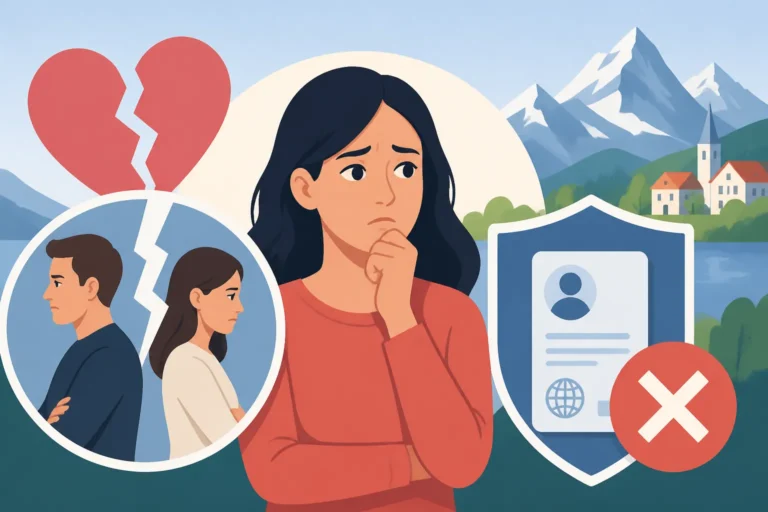
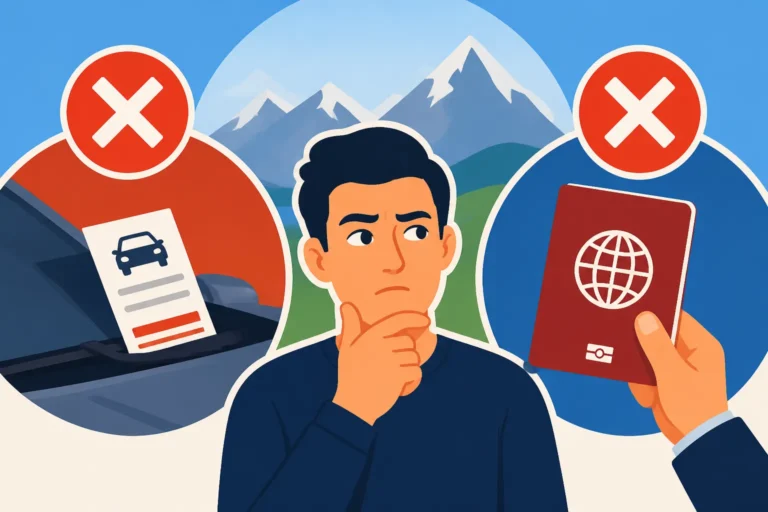
Let's get this out of the way upfront, and I know it might sting a little because it's a common misconception: in almost all cases, you cannot "reactivate" a lapsed Swiss residence permit. When you left Switzerland and officially de-registered at your local Gemeinde (municipality), your previous permit (whether it was an L, B, or even a C permit, unless specific steps were taken) effectively became null and void. It wasn't simply paused; it ceased to be valid for residency.
Understanding Swiss Permit Philosophy
Switzerland's approach to residency permits is quite stringent and tied deeply to your current situation in the country. A residence permit isn't just a document; it's an authorization to reside here based on a specific purpose, be it employment, family reunification, or study. When that purpose ends, or you leave the country for an extended period and de-register, the legal basis for your permit disappears.
Think of it less like a subscription service you can put on hold and more like a driver's license that's tied to active residency. If you move abroad and surrender your Swiss license for a foreign one, you don't just get the old one back if you return years later; you usually have to go through a re-conversion process, or in some cases, even retake a test. The residence permit is similar in its finality. The only real exception, and it’s a big "if," is if you held a C permit and took the very specific and proactive step of applying for its "Aufrechterhaltung" (maintenance) before you ever left. We'll delve into that later. For an L or B permit holder, once you’ve left and de-registered, your previous permit status grants you almost no advantage over a completely new applicant. You're starting from square one.
The Importance of Deregistration (Abmeldung)
When you made the decision to move away from Switzerland, you likely went through the official process of deregistering at your local Gemeinde. This Abmeldung is a crucial administrative step that formally signals your departure and the termination of your residency in that canton. It’s what closes out your tax obligations, removes you from local registers, and, yes, it’s the definitive act that causes your residence permit to lapse.
For instance, perhaps you moved for an exciting job opportunity in another country, genuinely believing you wouldn't be returning to the land of mountains and chocolate. You diligently went to the Kreisbüro in Zurich or the Contrôle des habitants in Geneva, filled out the forms, and confirmed your departure date. While this was absolutely the correct and legally required thing to do, it also sealed the fate of your previous B permit. From that moment, your right to reside in Switzerland under that permit ended. When you contemplate a return, the Swiss authorities will view you as a new arrival. This means undergoing the full application process, facing the same requirements as someone who has never lived here before, including any quotas for non-EU/EFTA citizens, and proving your eligibility once more. It's a tough pill to swallow for those who remember the initial permit struggle, but it's the reality of the Swiss system.
Pathways Back to Switzerland: Applying Anew (Not Reactivating)
Given that "reactivating" is largely off the table, the question then becomes: how do you get back? Essentially, you'll be applying for a new permit. The process will feel familiar if you've done it before, but your previous residency is generally just a line on your CV rather than a direct bridge back to a valid permit.
The Job Offer Route: The Most Common Path
For many expats, the most straightforward and common path back to Switzerland is securing a new job offer from a Swiss employer. This is particularly true for those who previously held an L or B permit.
For EU/EFTA citizens, this process is relatively streamlined thanks to the free movement of persons agreement. With a valid job contract, you can generally register at your Gemeinde upon arrival and apply for a new B permit. It's still a new application, but without the significant hurdles faced by others.
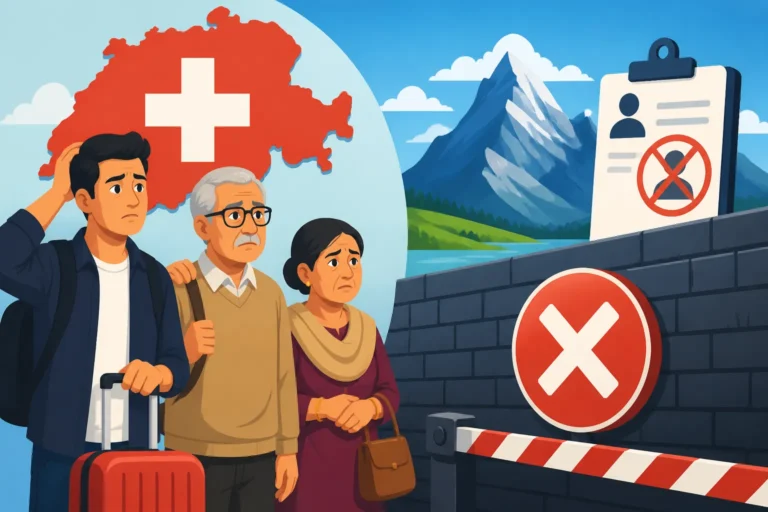
However, for Third-Country Nationals (TCNs) – those from outside the EU/EFTA – this route comes with the same challenges you likely faced the first time around, if not more, depending on the job market and cantonal quotas. Your prospective employer will need to demonstrate that they couldn't find a suitable Swiss, EU/EFTA, or already resident TCN candidate for the position. This is known as the "Inländervorrang" principle, and it's a significant hurdle. Even if you have previous Swiss work experience, it doesn't automatically exempt your new employer from proving this. You'll be competing against a global talent pool, and the quotas for Third-Country National Quotas: How the Swiss Permit Limits Work are notoriously tight. The role must be specialized, and your qualifications unique. Your previous permit doesn't grant you a preferential "queue jump."
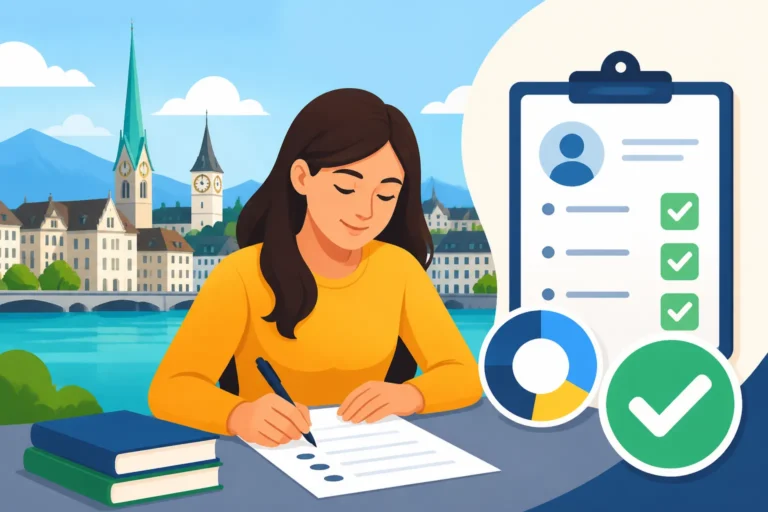
The application process for a new work permit will involve submitting all the usual documentation: your CV, diplomas, work contract, and a compelling case from your employer to the cantonal migration office. They will assess your qualifications, the economic need for your position, and whether your salary and working conditions meet Swiss standards. For a complete overview, you might want to revisit guides like Swiss Visas and Work Permits: The Complete 2027 Guide for Expats to refresh your memory on the general procedure.
Family Reunification as a Pathway
If you have a spouse or close family member who is a Swiss citizen or holds a valid Swiss residence permit (especially a C permit), this can be a strong avenue for your return. Switzerland allows for family reunification, but it comes with strict criteria.
For a spouse, you’ll typically need to prove your marital relationship (marriage certificate), demonstrate sufficient living space in Switzerland, and show that the family member residing in Switzerland can financially support you without recourse to social welfare. If your spouse holds a B permit, the rules for bringing family can be more restrictive, especially regarding Unmarried Couples (Concubinage) Visas: Cohabitation Agreements in Switzerland which require lengthy proof of a stable relationship. If your spouse has a C permit or Swiss citizenship, the process is generally smoother.
You'll need to gather official documents, translated and apostilled where necessary, to prove your relationship. The cantonal migration office will review your application carefully, assessing your ability to integrate and the stability of your family situation. It's not a guarantee, but for legitimate family ties, it's a solid pathway back. Detailed information can be found in our guide on Family Reunification: Bringing Your Spouse and Children to Switzerland.
Reclaiming Your C Permit (Under Strict Conditions)
This is the only scenario that comes close to "reactivating" a permit, but it requires foresight and specific action before you left Switzerland. If you were a C permit holder (permanent resident) and you explicitly applied for the "Aufrechterhaltung" (maintenance) of your permit with the migration authorities before you moved away, you might have a path back.
The "Aufrechterhaltung" allows C permit holders to "freeze" their permit for up to four years, with potential extensions in exceptional circumstances (e.g., compulsory military service abroad, prolonged illness). To be granted this, you must demonstrate a strong link to Switzerland and a genuine intent to return. Simply holding a C permit for a long time and then leaving doesn't automatically mean you can just walk back in four years later. The application for maintenance must be formally submitted and approved by the migration office before your departure.
If you successfully maintained your C permit, then upon your return, you would notify the authorities, show proof of your re-establishment in Switzerland, and your C permit would be reinstated. However, if you didn't go through this specific bureaucratic step – and many don't, either because they weren't aware or didn't intend to return – then your C permit lapsed just like any other, and you're back to applying anew. Our dedicated post Leaving Switzerland: Freezing Your C Permit (Aufrechterhaltung) for 4 Years explains this process in much greater detail.
What if You Never Deregistered (The 'Ghost' Expat)?
Now, this is a less common but certainly problematic scenario that we sometimes hear about. Perhaps you left Switzerland in a hurry, or things just slipped through the cracks, and you never officially deregistered at your Gemeinde. Years later, you realize your old address might still be on file, and your permit technically hasn't been cancelled by the Gemeinde (though the federal migration office might have a different view).
The Legal Risks and Ramifications
Let me be absolutely clear here: this is not a loophole, and it's certainly not a recommended path. The Swiss system relies heavily on accurate residency records. By law, you are obligated to deregister when you move out of Switzerland permanently. Failing to do so has serious legal and financial ramifications.
- Taxation: If you didn't deregister, the Gemeinde might still believe you reside there, meaning you've likely missed tax declarations and payments. The Swiss tax authorities are thorough, and discovering unpaid taxes from years past can lead to significant fines and penalties.
- Health Insurance: You are mandatory to have health insurance when residing in Switzerland. If you never deregistered, you might technically still be registered for KVG (basic health insurance) with a provider, accumulating unpaid premiums. This can quickly escalate into debt and "Betreibungen" (debt collection proceedings), which can severely impact your future ability to get loans, rent an apartment, or even renew a permit.
- Permit Status: While your local Gemeinde might not have updated your status, the federal migration office will likely have a record of your departure, especially if your employer notified them, or if your passport movements are noted. Your permit is tied to your actual place of residence. If you weren't living here, the permit was never truly "valid" during that time, even if the card was still in your wallet.
- Future Applications: Trying to rectify this situation upon your return will be incredibly difficult. It will likely trigger investigations, require extensive explanations, and may even jeopardize any future permit applications due to a lack of compliance and potential misrepresentation. Authorities take these matters seriously.
Rectifying the Situation
If you find yourself in this precarious position, the best (and really, only) advice is to be completely honest with the authorities. This will involve:
- Contacting your last Gemeinde: Explain the situation, stating when you actually left and that you failed to deregister. Be prepared for questions and possibly back charges.
- Addressing financial obligations: This includes any outstanding taxes, health insurance premiums, or Serafe fees (media tax) that may have accumulated. You might need to negotiate payment plans.
- Applying anew: Even after rectifying the deregistration issue, you will almost certainly be required to apply for a new residence permit as if you were a first-time applicant, following one of the pathways discussed earlier (job offer, family reunification). Your past negligence will be a negative mark, but honesty and proactively addressing the issues are crucial for rebuilding trust.
This path is fraught with difficulties, and it's far better to prevent it by always completing the Leaving Switzerland Permanently: The Abmeldung Process at City Hall correctly when you initially depart.
Practical Considerations and Support for Your New Application
Starting over in Switzerland, even if you’ve lived here before, involves a lot of practical steps. Treat it as a fresh beginning, and you'll be better prepared for the administrative dance.
Documentation and Application Process
You'll need to compile a comprehensive dossier, much like your first time around. This includes:
- Personal Documents: Valid passport, birth certificate, marriage certificate (if applicable), previous Swiss residence permits (these can serve as historical proof of residency, even if lapsed).
- Professional Documents: Updated CV, all relevant diplomas and professional qualifications, reference letters from previous employers.
- Financial Documents: Proof of sufficient funds (for self-sufficiency, if applicable), and most critically, a new, valid employment contract if you're returning for a job.
- Language Certificates: Even if you were here before, if you're aiming for a C permit track or naturalization down the line, demonstrating language proficiency (German, French, or Italian, depending on the canton) is becoming increasingly important. For instance, knowing the current Language Requirements for Swiss Permits: A1 to B2 Standards Explained will be vital.
- Accommodation Proof: A rental contract for your new Swiss address.
Remember that any foreign documents will likely need to be translated into the official language of your canton (German, French, or Italian) and potentially apostilled for official recognition.
Planning Your Return: Logistics and Costs
Moving back to Switzerland is, logistically, just like moving here for the first time. You'll need to consider:
- Relocation Services: If you're bringing all your belongings back, consider using international moving companies. Platforms like Sirelo can help you compare quotes from various movers, ensuring a smooth transition for your household goods. They deal with the intricacies of customs and international shipping, which can be a real headache on your own.
- Temporary Housing: You might need short-term accommodation while you finalize a permanent rental. Look into serviced apartments or extended-stay hotels for the first few weeks or months. Finding an apartment can take time, and having a base is essential.
- Healthcare: Mandatory health insurance (KVG/LAMal) is required for everyone residing in Switzerland from day one. You'll need to sign up with a new provider within three months of your registration. It's smart to research Mandatory Registration: How to Sign Up for Health Insurance Within 90 Days even before you arrive. For comprehensive coverage during your move or if you need specific international benefits, you might consider bridging with a policy from a provider like Cigna Global until your Swiss KVG kicks in and you're settled.
- Budgeting: The cost of living in Switzerland remains famously high. If it's been a few years since you left, it's wise to review current expenses. Our Cost of Living in Switzerland 2026: Budgeting for Singles and Families guide can help you recalibrate your financial expectations. Groceries, rent, and leisure activities have all seen adjustments, so be prepared.
Seeking Professional Advice
Each case is unique, and while this guide provides general information, the specifics of your situation might warrant professional legal advice.
- Cantonal Migration Office: Your first point of contact for official information is always the cantonal migration office (Migrationsamt or Office Cantonal de la Population et des Migrations) in the canton where you plan to reside. They are the ultimate authority on permit applications and can provide specific guidance based on your nationality and circumstances.
- Migration Lawyers: For complex cases, particularly if you have a non-EU/EFTA background, a history of non-compliance, or a C permit that you believe might still be valid (but weren't sure about the "Aufrechterhaltung" process), consulting a specialized migration lawyer is highly recommended. They can assess your individual situation, advise on the best strategy, and help navigate the bureaucratic maze.
To help illustrate the core difference, here's a quick comparison:
| Feature | Lapsed B/L Permit (New Application) | Maintained C Permit (Reactivation) |
|---|---|---|
| Status upon return | Viewed as a new applicant; no preferential treatment. | Permit is reinstated; resident status largely preserved. |
| Required action | Secure new job offer or meet family reunification criteria. | Notify migration office of return; re-register at Gemeinde. |
| Employer requirements | TCNs face "Inländervorrang" test; EU/EFTA needs job contract. | Not applicable, as status is already permanent. |
| Eligibility hurdles | Full application process, quotas, language for integration. | Proof of intent to return and maintaining ties to Switzerland. |
| Duration | Dependent on job contract (L typically 1yr, B 1-5yrs). | Continues as C permit (indefinite). |
| Pre-departure step | No specific action for "re-activation." | Crucial: Must apply for "Aufrechterhaltung" before leaving. |
| Maximum absence | Irrelevant, as it's a new application. | Up to 4 years (can be extended in exceptional cases). |
Returning to Switzerland after some time away can feel like an emotional homecoming, but administratively, it's often a fresh start. Equip yourself with the right information, be prepared for the paperwork, and embrace the journey back to this beautiful country.
Disclaimer
The information provided in this article is intended for general guidance only and does not constitute legal, financial, or immigration advice. Swiss immigration laws and cantonal regulations are complex and subject to change. Always consult with the relevant Swiss authorities, such as the cantonal migration office, or a qualified legal professional for advice tailored to your specific situation before making any decisions related to your residence permit or return to Switzerland.