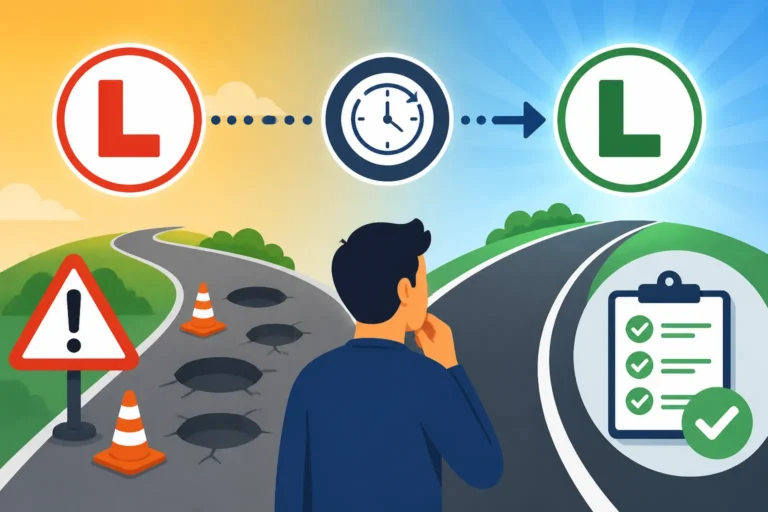
Re-Entering Switzerland After Living Abroad on a Frozen C Permit
So, you left Switzerland, put your beloved C permit on ice, and now the majestic mountains and orderly queues are calling you back. It’s an exciting decision, but let’s be honest: navigating Swiss bureaucracy once was enough of a challenge, let alone attempting it again after an extended absence. This guide is dedicated to demystifying the often-complex process of re-entering Switzerland when you've wisely taken the step to "freeze" your C permit. We'll walk you through the crucial steps to ensure your return is as smooth as freshly grated Gruyère.
The 'Frozen' C Permit: What It Really Means and Why You Did It
For many expats, achieving the coveted Swiss C permit, or Niederlassungsbewilligung, feels like winning the administrative lottery. It grants you permanent residency, more freedom, and fewer bureaucratic hurdles. But life happens, and sometimes, you need to leave Switzerland for a while. This is where the concept of the "frozen C permit" comes into play, a truly invaluable provision for those who foresee a return.
Understanding the Aufrechterhaltung Maintenance Request
The official term for freezing your C permit is Aufrechterhaltung des Niederlassungsbewilligung (maintenance of the settlement permit). This isn't an automatic right; it's a request you make to the cantonal migration office before you leave Switzerland. The core idea is that if you intend to return within a certain timeframe, and you have legitimate reasons for your absence, Switzerland allows you to retain your permanent residency status. Without this request, your C permit would typically lapse after a continuous absence of six months or more. Imagine having to start from scratch, going back through L and B permits! The Aufrechterhaltung process is designed to prevent this exact headache, acknowledging that people's lives are dynamic and that Switzerland values its long-term residents.
The reasons for requesting this maintenance can vary widely. Common justifications include working abroad for a multinational company, undertaking advanced studies or research, caring for elderly parents in your home country, or even a sabbatical to travel the world. The key is demonstrating a clear intention to return and a plausible reason for your temporary departure. The cantonal authorities assess each request on a case-by-case basis, so having all your ducks in a row – proof of your plans, financial stability, and no outstanding debts in Switzerland – is paramount. This proactive step, which you can learn more about in our detailed guide on Leaving Switzerland: Freezing Your C Permit (Aufrechterhaltung) for 4 Years, is what saves you from a world of renewed permit applications.
The Four-Year Window and Its Limits
Once your Aufrechterhaltung request is approved, you are typically granted a four-year window to reside outside Switzerland without losing your C permit status. This four-year period is not arbitrary; it's a standard duration that authorities consider reasonable for most temporary assignments or life changes. However, it's absolutely crucial to understand that this is a maximum. You must ensure you return and re-register your residency within this specified timeframe. Missing the deadline, even by a day, can lead to your C permit being automatically revoked, forcing you back into the standard immigration process, which is a journey you definitely want to avoid.
During this period, while your C permit is "frozen," you don't actually hold a valid Swiss residence card that allows you to live or work in Switzerland. The physical card you had before leaving would have expired or been collected. What you have is an administrative confirmation, usually a letter, stating that your C permit status is being maintained. This distinction is vital for border crossings and any interactions with Swiss authorities before you formally re-establish residency. It's a promise, not an active permit. If you needed to return sooner or extend, you'd have to proactively communicate with the migration office, but extensions beyond the four years are exceedingly rare and only granted in truly exceptional circumstances. The golden rule here is: mark your calendar, set reminders, and know your expiry date down to the day.
Preparing for Your Return: Essential Steps Before Re-entry
The key to a smooth re-entry is preparation. Don't assume that because you once lived here and have a "frozen" C permit, everything will magically fall into place. Switzerland, as you know, loves its rules and procedures.
Checking the Status of Your Frozen Permit and Conditions
Before you even book your flight back, the very first thing you need to do is confirm the precise status of your Aufrechterhaltung. Dig out that letter from the cantonal migration office you received when you left. It will clearly state the expiry date and any specific conditions attached to your permit maintenance. Have you kept up with any required notifications, for example, about your address abroad? Some cantons might have had specific instructions. It's also a good idea to contact your cantonal migration office directly, a few months before your intended return, just to verbally confirm everything and understand the exact re-registration process they expect. This might feel overly cautious, but remember, being proactive with Swiss authorities always pays off. They appreciate thoroughness.
If for some reason you've lost the original confirmation letter, contacting the migration office is even more critical. Provide them with your personal details, your old permit number, and the dates of your departure and intended return. They will be able to retrieve your file. This step is about preventing any nasty surprises at the border or during your re-registration, ensuring that the "frozen" status is indeed active and valid for your return. This also helps clarify what documents you'll need to gather for the upcoming process of Renewing Your Swiss Residence Permit: The Verfallanzeige Form Explained, even though in your case, it's more of a reactivation than a renewal.
Financial Planning and Proof of Resources
Switzerland expects its residents to be financially independent. When you reactivate your C permit, the authorities will want to ensure you can support yourself and any dependents without relying on social welfare. This means you need to demonstrate sufficient financial resources. What does "sufficient" mean? It varies, but generally, it implies having enough savings to cover your living expenses for several months, or, more commonly, a confirmed job offer. If you're returning without a job, prepare to show bank statements proving substantial funds. This is especially true if you didn't have a job lined up when you initially requested the Aufrechterhaltung.
Consider the Cost of Living in Switzerland 2026: Budgeting for Singles and Families when calculating your necessary funds. For a single person, having at least CHF 20,000-30,000 in readily accessible savings might be a reasonable benchmark for demonstrating financial stability upon re-entry, particularly if you don't have immediate employment. If you have a job offer, your employment contract, detailing salary and start date, will usually suffice as proof of resources. If you're self-employed, prepare a robust business plan and recent bank statements. The bottom line is: don't arrive hoping to figure it out; have a clear financial strategy and documented proof in hand.
Accommodation and Address Registration
You cannot simply waltz back into Switzerland and expect to reactive your permit without a place to live. The first official step upon arrival will be to register your address at your local Kreisbüro (in German-speaking areas) or Contrôle des habitants (in French-speaking areas) within 14 days of moving. To do this, you need a valid rental contract. This presents a classic "chicken or egg" dilemma for many expats: how do you secure a rental contract from abroad without a local address?
Many expats initially opt for temporary housing arrangements such as serviced apartments, extended-stay hotels, or even staying with friends and family, just until they can secure a long-term rental. If you go this route, ensure your temporary accommodation provider is willing to provide you with a formal confirmation of residency for your municipal registration. For longer-term solutions, start your apartment search well in advance using portals like Homegate, Comparis, or Flatfox. However, landlords often prefer tenants who are already physically in Switzerland and can attend viewings. Having a solid application dossier (Bewerbungsmappe) ready, even remotely, can help. This includes proving your financial solvency and showing your Aufrechterhaltung confirmation. Be realistic; finding a long-term rental can be a challenge, even with a C permit, if you don't have a local job yet. Getting your address registered within the specified timeframe is paramount, so plan this aspect meticulously.
The Re-entry Process: Navigating Swiss Bureaucracy
With your preparations in place, it’s time to tackle the actual re-entry process. This involves several critical administrative steps, all of which require punctuality and precision.
The Abmeldung and Re-registration Process
When you left Switzerland, you performed an Abmeldung (deregistration) at your local commune, informing them of your departure. Now, upon your return, you must do the opposite: perform a Anmeldung (registration). This must happen within 14 days of you actually moving into your new Swiss address. You will typically need to bring:
- Your passport or national ID card.
- Your original C permit confirmation letter (the Aufrechterhaltung document).
- Your new rental contract.
- Proof of health insurance (we'll get to that in a moment).
- Your marriage certificate and children's birth certificates, if applicable.
- The old physical C permit card, if it wasn't collected when you left.
The local commune will verify your details, confirm your C permit status, and then initiate the process for issuing you a new physical residence permit card. This usually involves a visit to the cantonal migration office for biometric data collection (fingerprints, photo) if your previous card is very old or if procedures have changed. While the administrative process feels familiar, it's still crucial to be thorough. For a comprehensive overview of the outbound side, see our guide on the Leaving Switzerland Permanently: The Abmeldung Process at City Hall. The good news is that because you maintained your C permit, you are effectively reactivating your permanent residency, rather than starting a new permit application with all its inherent uncertainties and waiting times.
Health Insurance and Other Mandatory Coverages
As soon as you officially re-register your address in Switzerland, you are immediately subject to the mandatory health insurance system (KVG/LAMal). This is non-negotiable, and you have a strict 90-day window from your registration date to choose a provider and sign up. If you miss this deadline, the canton will assign you a provider, and it's almost certainly not going to be the cheapest or most suitable for your needs. This is why planning your health insurance before you even arrive is highly recommended.
You'll remember the process from your first time around: comparing different insurers like CSS, Helsana, Concordia, or Groupe Mutuel, and choosing your franchise (deductible) and insurance model (standard, HMO, Telmed). Our guide on Mandatory Registration: How to Sign Up for Health Insurance Within 90 Days can refresh your memory. For the interim period, especially if you anticipate a short gap between arrival and your official KVG coverage kicking in, or if you want broader international coverage, looking into global health insurance providers like Cigna Global can offer invaluable peace of mind. They provide comprehensive plans that bridge gaps and cater to specific expat needs, ensuring you're covered from day one. Remember, Switzerland's healthcare system is top-notch but expensive if you're not properly insured. Beyond health insurance, you'll also need to consider other essential policies like private liability insurance (Privathaftpflichtversicherung) and household contents insurance (Hausratversicherung), especially if you're renting again.
Finding Employment or Proving Financial Independence
While a C permit grants you the right to live and work in Switzerland without specific quotas or employer sponsorship, the authorities still expect you to be economically integrated. If you don't have a job lined up upon return, you need to prove you can support yourself. As discussed earlier, substantial savings are key here. However, relying solely on savings isn't a long-term strategy. The expectation is that you will actively seek and secure employment.
Networking, updating your CV for the Swiss market, and leveraging platforms like LinkedIn or local job boards should be high on your priority list. Our extensive guide on How to Find a Job in Switzerland Before You Relocate provides invaluable tips and resources. While your C permit gives you a significant advantage over B permit holders (especially non-EU/EFTA citizens) in the job market, you still need to actively look. If you receive unemployment benefits (RAV) at any point during your job search, be aware that while your C permit is not immediately jeopardized, the authorities will monitor your financial situation closely and expect diligent job-seeking efforts. The underlying principle is simple: Switzerland wants self-sufficient residents.
Settling Back In: Practicalities and Reintegration
Once the permit and initial registration hurdles are cleared, it's time to truly settle back into Swiss life. This phase is about re-establishing your routines and reconnecting with the local way of doing things.
Logistics of Moving Back to Switzerland
Moving countries is always a massive logistical undertaking, even if it's a return journey. If you're bringing back all your belongings, you'll need to navigate customs, shipping, and potentially temporary storage. Remember that you can generally import your personal household effects duty-free if you're moving your residence back to Switzerland. However, you'll need to fill out customs forms (Form 18.44) and declare your items. It's often worth using an international moving company that specializes in Swiss moves, as they can guide you through the customs paperwork and logistics. Services like Sirelo are excellent resources for comparing quotes from reputable movers who understand the unique requirements of cross-border moves into Switzerland, ensuring your precious possessions arrive safely and without unexpected duty charges.
Consider the timing of your move. Avoid peak seasons if possible, and ensure you have a clear delivery plan, especially for bulky items, coordinating with your new landlord or building management. Don't forget smaller details like pet relocation if you have furry friends; Switzerland has strict rules regarding vaccinations, microchips, and pet passports. The more organized you are with your packing, inventory, and documentation, the smoother this process will be.
Re-establishing Daily Life: Banking, Utilities, and Services
Reactivating your daily life involves a series of practical steps. First, your finances. You'll need to Opening a Swiss Bank Account: UBS, ZKB, PostFinance, and Neobanks if you closed your old one, or simply reactivate it if it was merely dormant. Setting up an account is crucial for receiving salaries, paying bills, and managing everyday expenses. Don't forget to set up your e-banking and get a TWINT account for easy mobile payments.
Next, utilities. You'll need to contact the local providers for electricity, water, and heating in your commune. For internet and mobile phone services, you'll choose from major providers like Swisscom, Sunrise, or Salt, or explore more budget-friendly options like Yallo or Wingo. Our guide on Utilities in Switzerland: Electricity, Water, Heating, and Internet Setup can help you navigate this. Setting up all these essential services can take a bit of time, so initiating these processes as soon as you have a confirmed address is wise. Remember to update your address with any previous contacts, subscriptions, or services you might have had, to ensure you don't miss any important mail.
Social Integration and Language Considerations
After an absence, reintegrating socially can sometimes feel like starting fresh. The local community might have changed, and you might feel a bit out of practice with the nuances of Swiss etiquette and dialect. Reconnect with old friends and colleagues, but also make an effort to forge new connections. Joining clubs (Vereine) related to your hobbies is an excellent way to meet locals and other expats – be it hiking, a sports club, a choir, or a local interest group. Our article on Community and Integration: Making Friends and Adapting to Swiss Life offers some great starting points.
If you’re in a German, French, or Italian-speaking region, brushing up on your language skills is always beneficial. Even if you were fluent before, practice makes perfect, and showing a willingness to engage in the local language is always appreciated by the Swiss. Consider taking a refresher course or joining a language exchange group. Switzerland is a welcoming country, but integration often requires effort and patience. Don't be afraid to put yourself out there, engage with your neighbors, and participate in local events. Your C permit gives you the long-term stability to truly become part of the community, so embrace the journey of rediscovery!
Here’s a quick overview of key steps:
| Step | Description | Key Documents/Actions Required | Timeline |
|---|---|---|---|
| 1. Confirm Permit Status | Verify your Aufrechterhaltung is still valid. | Original Aufrechterhaltung letter, contact cantonal migration office. | 3-6 months before re-entry |
| 2. Secure Accommodation | Find a rental apartment or temporary housing. | Rental contract, proof of financial resources. | 2-4 months before re-entry |
| 3. Financial Preparedness | Ensure sufficient funds or a confirmed job offer. | Bank statements, employment contract. | Ongoing, leading up to re-entry |
| 4. Re-register Address | Anmeldung at the local commune upon arrival. | Passport, Aufrechterhaltung letter, rental contract, health insurance. | Within 14 days of arrival |
| 5. Arrange Health Insurance | Sign up for mandatory KVG health insurance. | Compare providers (CSS, Helsana), choose model & franchise. | Within 90 days of re-registration |
| 6. Set Up Utilities & Services | Connect electricity, internet, mobile phone. | Contact local providers (EWZ, Swisscom), sign contracts. | Within 1-2 weeks of re-entry |
| 7. Reactivate Bank Account | If closed, open a new Swiss bank account. | Passport, residence permit (once issued), proof of address. | Within 1-2 weeks of re-entry |
| 8. Job Search (if needed) | Actively seek employment if you don't have a job lined up. | Updated CV, LinkedIn profile, job board applications. | Ongoing |
Disclaimer
Please note that this guide provides general information based on current Swiss regulations (as of 2026) and common expat experiences. Immigration laws and administrative procedures can change, and interpretations may vary between cantons. It is always advisable to consult the official website of the State Secretariat for Migration (SEM) or your specific cantonal migration office for the most accurate and up-to-date information regarding your personal situation. This content is not legal advice.