Third-Country National Quotas: How the Swiss Permit Limits Work
Landing a job offer in Switzerland as a non-EU citizen feels like winning a golden ticket, only to realize there is a massive velvet rope standing between you and your new life. I vividly remember the gut-wrenching wait for my own permit approval, checking my mailbox with trembling hands for weeks on end. This guide demystifies the opaque world of third-country national quotas to help you navigate the administrative hurdles ahead.
What Exactly are Third-Country National Quotas
If you are coming from outside the European Union (EU) or the European Free Trade Association (EFTA), you are officially classified as a "third-country national." Unlike our neighbors from France or Germany, who enjoy relatively free movement, we are subject to a strict numerical ceiling. These quotas are essentially the Swiss government’s way of "cherry-picking" the international labor market to ensure that only the most highly qualified individuals occupy the limited number of spots available each year.
Every autumn, the Swiss Federal Council meets to decide exactly how many L and B permits will be issued to non-EU/EFTA workers for the following calendar year. This decision isn't made in a vacuum; it’s a delicate balancing act between the needs of the booming Swiss economy and the political pressure to control immigration. For those of us who have lived through the Residence Permits in Switzerland: L, B, C, and G Permits Explained process, we know that these numbers can fluctuate based on which industries are shouting the loudest for talent.
The reason Switzerland remains so protective of its labor market is rooted in the "Inländervorrang" principle—priority for local workers. The government wants to ensure that no Swiss citizen, or EU resident already in the country, is passed over for a job that a foreigner could do. This is why the quota system exists: it acts as a final gatekeeper. Even if you are the perfect candidate, if the quota for your specific permit type or canton is exhausted, your application might be rejected regardless of your skills.
The L Permit vs B Permit Quota Split
When you look at the annual figures released by the Federal Council, you’ll notice the numbers are split into two distinct buckets: short-term L permits and long-term B permits. For 2026, the numbers have remained relatively stable, but the competition for them has never been higher. An L permit is generally tied to a specific project or a short-term contract of up to one year, while a B permit is what most of us are after—the renewable residency permit that allows for a more permanent life in the Alps.
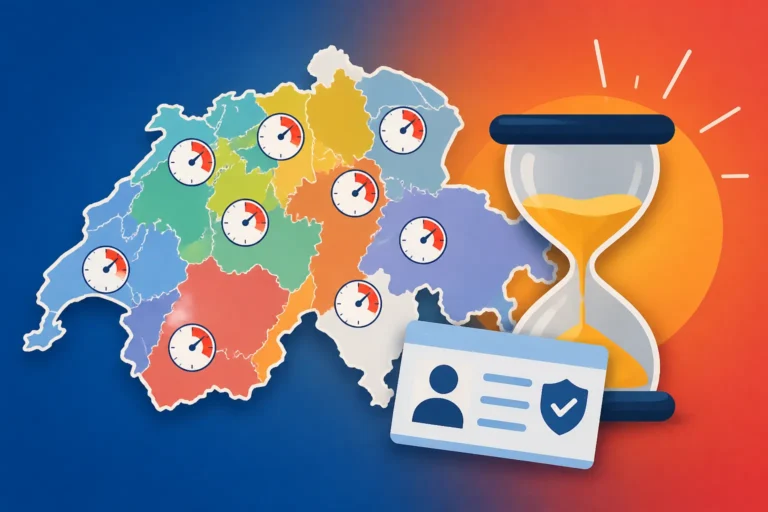
The distribution of these permits is a multi-step dance. First, a large portion of the quota is held at the federal level as a "reserve." The rest is distributed among the 26 cantons based on their economic weight and historical needs. Zurich, Geneva, and Basel-Stadt naturally receive the largest slices of the pie because they host the majority of multinational corporations and research institutions. If you are applying for a role in a smaller canton like Glarus or Appenzell Innerrhoden, your employer might have a much harder time securing a permit simply because that canton’s individual quota is tiny.
Understanding the difference between these permits is crucial for your long-term planning. While an L permit gets you through the door, it is often "tied" to your employer, making it difficult to change jobs. A B permit offers more flexibility but is harder to obtain because it draws from a smaller, more coveted quota pool. For a deeper dive into the nuances of these documents, you should check out our guide on The Swiss B Permit: Eligibility, Renewal, and Restrictions to see which one fits your career trajectory.
The Inländervorrang Hurdle and Priority for Local Workers
The most common reason third-country national applications fail isn't actually the quota itself, but the failure to satisfy the "Inländervorrang" requirement. Before an employer can even tap into the quota, they must prove to the cantonal authorities that they have searched high and low for a Swiss or EU/EFTA candidate and come up empty-handed. This involves more than just a quick post on LinkedIn; they must show evidence of advertising the role on official platforms and explain exactly why every local applicant was unsuitable.
This process is rigorous. The authorities will look at the salary being offered to ensure it meets the "local and professional standards." They want to make sure companies aren't using foreign labor to undercut Swiss wages. For us as applicants, this means our professional qualifications must be impeccable. You generally need a university degree and several years of specialized experience. This is where Working in Switzerland as an Expat: Jobs, Culture, and Employment Laws becomes essential reading, as it explains the cultural and legal expectations of the Swiss workplace.
During this stage, documentation is everything. You will likely need to provide translated copies of your degrees, certifications, and previous work references. To ensure your paperwork meets the strict Swiss standards, using a professional service like RushTranslate can save you a world of headache. The authorities have zero patience for poorly translated or unofficial documents, and a single mistake here can lead to a "rejection for cause" before the quota even comes into play.
| Permit Type | Duration | 2026 Quota Estimate | Key Requirement |
|---|---|---|---|
| L Permit | Up to 12 Months | ~4,000 | Tied to specific project/contract |
| B Permit | 1 Year (Renewable) | ~4,500 | Permanent contract, high specialization |
| Service Provider (L) | Up to 90 Days | No Quota | Notification only (online) |
| Stagiaires | Up to 18 Months | Country-specific | Trainee exchange programs |
Realities of the Quota Depletion Cycle
One of the most stressful aspects of being a third-country national is the timing. Because quotas are reset on January 1st, there is a natural "gold rush" in the first half of the year. Historically, the quotas for popular cantons like Zurich can run out as early as October or November. If your application lands on a desk in December and the cupboard is bare, you might be told to wait until the following year, or your permit might be downgraded from a B to an L to bridge the gap.
If you find yourself in a situation where the quota is full, don't panic immediately, but do have a backup plan. Sometimes the federal reserve can be tapped if the canton makes a strong enough case for a "critically important" hire. However, this is the exception, not the rule. Most people who miss the window have to restart the process in January. You can track these trends in our analysis of When Do Swiss Cantons Usually Run Out of TCN B Permit Quotas? to better time your job hunt.
Strategic timing is your best friend here. If you have the flexibility, aim to have your job contract signed and your application submitted in the first two quarters of the year. This gives the cantonal migration office plenty of "buffer" permits to work with. Remember that the process can take 8 to 12 weeks from submission to approval, so a July start date usually requires an April application.
Special Categories and Quota Exemptions
Not every non-EU person is fighting for the same handful of permits. There are several "fast lanes" and exemptions that can make the process much smoother. For example, if you have just finished a Master’s or PhD at a Swiss university, you are eligible for a 6-month job-seeker permit that isn't strictly bound by the same quota pressures as a direct hire from abroad. This is a massive advantage that many international students fail to utilize fully.
Another critical exemption applies to The B Permit 'Quota Exemption' for Highly Specialized IT Professionals and other "niche" roles where the labor shortage is so acute that the government essentially fast-tracks the approval. Intra-company transfers—where a multinational moves an executive from their New York or London office to Geneva—also operate under a slightly different set of rules, though they still technically count toward the overall national numbers.
It is also important to remember that family members of B or C permit holders usually fall under the "Family Reunification" rules rather than the labor quotas. If you are moving because your spouse got a job, your right to live and work here is tied to their permit, not a separate quota spot. This is a huge relief for families. You can find more on this in our guide on Family Reunification: Bringing Your Spouse and Children to Switzerland. Once you arrive, your focus will shift from quotas to logistics, like Finding Medical Care in Switzerland: Doctors, Specialists, and Referrals to ensure your family is covered.
Navigating the Practicalities of Moving
Once the hurdle of the quota is cleared and you have that precious "Ermächtigung zur Visumserteilung" (entry clearance), the real work begins. While the quota is a federal and cantonal concern, your daily life will be governed by local rules. You’ll need to register at your local Gemeinde within 14 days of arriving, and part of that process involves proving you have adequate health coverage.
In Switzerland, health insurance is mandatory and private. For third-country nationals, this can be an eye-watering expense if you aren't prepared. While you have 90 days to sign up for a local plan, many expats opt for international coverage during the transition or as a supplement. Brands like Cigna Global are popular because they offer the kind of high-limit, English-language support that can be hard to find in the early days of navigating the local KVG system. For a full breakdown of what to expect, read Healthcare in Switzerland for Expats: The Complete System Overview (2027).
Don't forget the paperwork. Every single interaction with the Swiss bureaucracy—from opening a bank account to signing a lease—will require a copy of your permit or your approval letter. If your original documents aren't in German, French, or Italian, you will need certified translations. Again, services like RushTranslate are vital here because "self-translated" documents are rarely accepted by the cantonal migration offices. If you stay long enough, you might even start looking toward the future and The Swiss C Permit (Permanent Residency): Fast-Track and Standard Routes, which finally frees you from the quota system forever.
Important Disclaimer
The information provided in this guide is for informational purposes only and does not constitute legal advice. Swiss immigration laws and quota numbers are subject to change by the Federal Council and cantonal authorities at any time. We highly recommend consulting with a qualified immigration lawyer or your employer's HR relocation specialist before making significant life decisions. Always verify the latest requirements with the State Secretariat for Migration (SEM) or your specific cantonal migration office.