Leaving Switzerland: Freezing Your C Permit (Aufrechterhaltung) for 4 Years
Deciding to leave Switzerland after years of building a life here is an emotional rollercoaster, but the fear of losing your hard-earned permanent residency status adds a layer of administrative stress that is truly exhausting. I remember sitting in my half-packed apartment in Zurich, staring at my C Permit and wondering if I was throwing away my future security just for a two-year project in Singapore. This guide explains how to protect your residency through the "freeze" process, ensuring your path back to the Alps remains open.
The Concept of Aufrechterhaltung: Keeping Your C Permit Alive
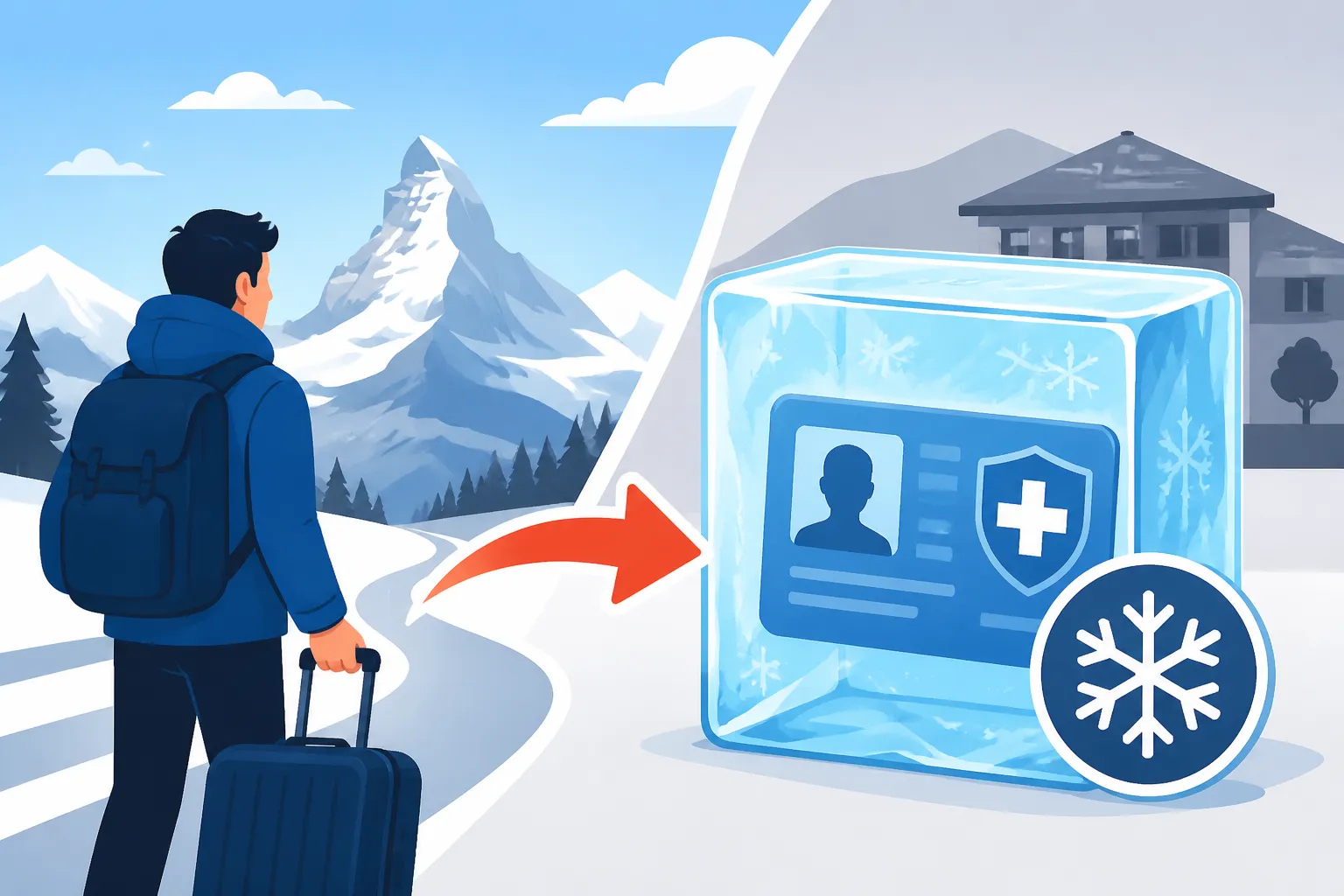
When most people leave Switzerland, they simply head to the local Gemeinde, file their Abmeldung, and their residency permit effectively expires the moment they cross the border. However, for those who have spent five or ten years securing The Swiss C Permit (Permanent Residency): Fast-Track and Standard Routes, there is a much better way. The "Aufrechterhaltung" or the "maintenance of the settlement permit" is a formal legal procedure that allows you to pause your residency for up to four years.
This isn't just a simple notification; it is a formal request for an exception to the rule that residency expires after six months abroad. In the eyes of the Swiss authorities, your "center of life" is moving, but you are declaring a definitive intent to return. I’ve seen many friends make the mistake of thinking they can just "pop back" every five months to keep the permit active. Trust me, the border police and the migration offices are smarter than that. They track entry and exit data, and if they see you no longer have a lease or a job in the country, they will revoke that permit faster than you can say "fondue."
The freeze is essentially a contract between you and the canton. You tell them why you are leaving, prove that the move is temporary, and they give you a written guarantee that you can walk back into the country and resume your permanent resident status without starting from scratch. This is vital because if you lose your C permit, you might have to return on a B permit, which comes with much more scrutiny and fewer rights.
Valid Reasons for Requesting a Residency Freeze
You cannot simply freeze your permit because you want to go find yourself on a beach in Thailand for three years. The Swiss authorities require a "compelling reason" for your absence. Usually, this falls into three main categories: professional assignments, education, or mandatory service. If your Swiss employer is sending you abroad to open a new branch in Dubai, you are a prime candidate for a freeze. You will need a letter from your employer stating the duration of the assignment and confirming that your return to the Swiss office is expected.
Education is another common gateway. If you are accepted into a Master’s or PhD program at an international university, the migration office generally views this favorably. They see it as you gaining skills that will eventually benefit the Swiss economy. You’ll need to provide enrollment papers and a clear timeline of the course. In some cases, personal reasons like caring for a sick relative abroad can be accepted, but these are handled on a case-by-case basis and require significant documentation.
It is also worth noting that the "intent to return" must be believable. If you are moving to a country where you have just bought a house and started a permanent company, the Swiss officials might suspect you aren't actually coming back. When preparing your case, keep your documentation focused on the "temporary" nature of the move. If your documents are in English or another language, you should use a service like RushTranslate to ensure the German, French, or Italian versions are officially recognized by the cantonal authorities.
The Step by Step Application Process
The timing of your application is the most critical factor. You must apply before you leave Switzerland and before you deregister at your local commune. Once you have left the country, your leverage to negotiate a freeze drops to zero. I usually recommend starting the process at least two to three months before your move-out date. Each canton has its own specific form, but the general requirement involves a written letter of motivation explaining your situation in detail.
Your application dossier should be as professional as a job application. Include your current C permit, your new work contract or university enrollment, and a clear statement of when you plan to return. If you are moving for a specialized role, perhaps because you found one of the English-Speaking Jobs in Switzerland: Top Industries and Cantons, ensure your Swiss employer supports your narrative. The migration office will review your history in Switzerland, checking for any outstanding debts or criminal records. If you have a clean record and have been well-integrated, the process is usually straightforward.
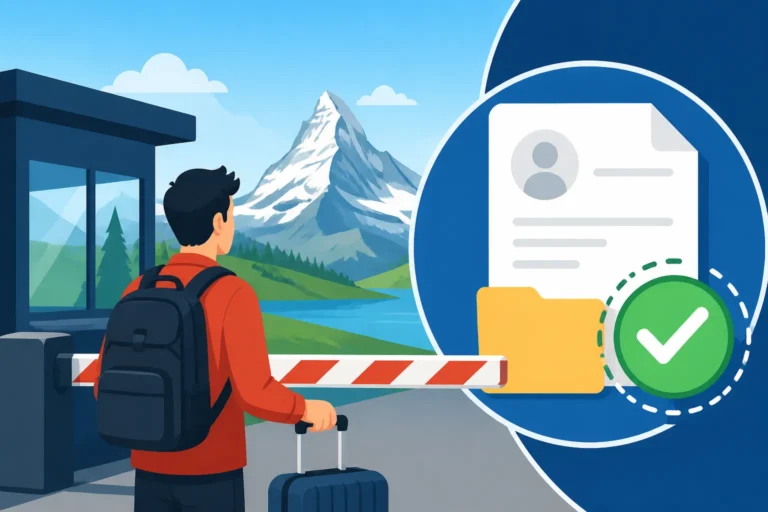
Once the canton approves your request, they will issue a formal document—a "Zusicherung der Aufrechterhaltung der Niederlassungsbewilligung." This piece of paper is gold. You must keep it safe, as it is the only thing that will allow you to bypass the standard visa requirements when you decide to return. You will still need to complete the Leaving Switzerland Permanently: The Abmeldung Process at City Hall at your local office, but you will present your approval letter during that final visit so they can update your status in the national database.
Managing Health Insurance and Social Security While Away
One of the biggest hurdles when freezing your C permit is the health insurance dilemma. Under the KVG/LAMal rules, if you are no longer a resident of Switzerland, you are generally no longer eligible for Swiss mandatory health insurance. However, you are still legally required to have coverage for the duration of your absence to satisfy the Swiss authorities that you won't return and become a burden on the state.
This is where international expat insurance becomes essential. Since you are in a "limbo" state—living abroad but officially "frozen" in the Swiss system—standard travel insurance won't cut it. You need a comprehensive global policy. Cigna Global is a frequent choice for expats in this situation because their policies are designed to follow you across borders and meet the high standards of coverage that Swiss cantonal offices expect to see if they audit your "frozen" status.
Furthermore, you need to think about your OASI (AHV) contributions. If you stop paying into the Swiss social security system for four years, you will end up with a "contribution gap," which can significantly reduce your pension later in life. You might have the option to make voluntary contributions if you are moving outside the EU/EFTA, or you might rely on bilateral agreements if you stay within Europe. Navigating these Healthcare in Switzerland for Expats: The Complete System Overview (2027) nuances while living abroad is tricky, so make sure your insurance and pension plans are airtight before you sign the Abmeldung.
Financial Considerations and Tax Implications
Freezing your permit doesn't mean you are a tax ghost. When you deregister, you will have to undergo a "final tax settlement." This means paying all your outstanding taxes up to the day you leave. If you have been paying via withholding tax, you might even be eligible for Tax Corrections (Tarifkorrektur): Claiming Deductions on Withholding Tax if you leave midway through the year. The tax office will want to know if you are keeping any assets in Switzerland, such as real estate or significant bank balances.
Your bank accounts also require attention. While many expats try to keep their accounts open, Swiss banks have become increasingly strict about "non-resident" fees. Once you change your address to an international one, don't be surprised if your monthly maintenance fee jumps from CHF 10 to CHF 40 or more. If you are moving to a high-cost area, you'll need to stay on top of the Cost of Living in Switzerland 2026: Budgeting for Singles and Families even from afar, as maintaining a Swiss financial footprint can be expensive.
Regarding your pension, specifically the Pillar 2 (BVG), you generally cannot withdraw the "mandatory" portion if you are moving to an EU/EFTA country. Instead, that money must go into a vested benefits account. If you are moving to a non-EU country, you might be tempted to look into Cashing Out Pillar 2 Completely When Moving to a Non-EU Country, but remember: if you plan to return to Switzerland under your frozen C permit, having that pension money waiting for you is a huge advantage for your future reintegration and potential property purchases.
Returning to Switzerland and Reactivating Your Status
The "return" phase is arguably more important than the "leaving" phase. You must return to Switzerland before the expiration date noted on your freeze approval. If you are even a day late, the permit is gone. When you arrive, you head straight to the local migration office or the Kreisbüro in your new commune. You don’t need to go back to the same canton where you lived before, but it certainly makes the paperwork easier if you do.
You will need to present your "Zusicherung" letter, a new lease agreement, and a new work contract. The authorities will then "unfreeze" your status, and you will receive a new physical C permit card. It is a beautiful feeling of continuity. You don’t have to wait another five years for The Early C Permit (Permis C Anticipé): Qualifying After 5 Years; you simply pick up where you left off. This continuity also applies to your timeline for Swiss citizenship. In many cases, the years spent abroad do not count towards the residency years required for naturalization, but the years you spent in Switzerland before the freeze remain valid and "banked."
I have helped people move back to places like Zug or Basel after a three-year stint in the US, and the relief of not having to find a Finding an English-Speaking Family Doctor in Zug as a "new" foreigner is palpable. You are treated as a returning resident, not a fresh immigrant. However, ensure that all your international documents from your time away—marriage certificates, new birth certificates for children, or updated diplomas—are translated by a certified professional. Using RushTranslate for these specific documents is a standard recommendation to avoid delays during the reactivation process.
Comparison of Residency Options When Leaving
| Feature | Standard Deregistration | C Permit Freeze (Aufrechterhaltung) | Keeping Permit "Active" (Commuting) |
|---|---|---|---|
| Maximum Duration | Permanent | Up to 4 Years | 6 Months (Strict) |
| Administrative Effort | Low | High (Application required) | Medium (Must prove residency) |
| Cost | Minimal | Fees up to CHF 500+ | High (Must keep Swiss lease/insurance) |
| Intent to Return | Not assumed | Legally documented | Assumed (Must be real) |
| Health Insurance | Ends in Switzerland | Requires Global/Expat Coverage | Must keep Swiss KVG |
| Taxes | Final settlement | Final settlement | Global income taxed in CH |
| Citizenship Path | Resets to zero | Paused (but not lost) | Continues (if CH is main home) |
Common Pitfalls to Avoid
The biggest mistake I see is the "Six Month Myth." People think if they just visit Switzerland twice a year, the C permit stays alive. This is technically true only if you maintain a genuine residence here. If you have no apartment and no job, and you are caught entering on a C permit after living in London for a year, the border guard can flag your permit for revocation. The "freeze" is the only legal, honest way to do this without looking over your shoulder.
Another pitfall is the failure to notify your bank. If you keep your Opening a Swiss Bank Account: UBS, ZKB, PostFinance, and Neobanks open but don't tell them you've moved, you could face "FATCA" or "EAR" compliance issues depending on where you move. Always be transparent with your financial institutions. Similarly, if you are moving for a job, make sure your new company knows about your Swiss "frozen" status. Sometimes, they can help with the costs of maintaining your Swiss administrative ties.
Lastly, don't forget about the "secondary" permits. If you have a spouse or children on B permits dependent on your C permit, their residency might be at risk. Usually, the family reunification rules mean if the primary holder leaves, the dependents must leave too. You can sometimes apply for a family-wide freeze, but this is significantly more complex and requires proving that the entire family unit has a "compelling" reason to return to Switzerland together.
Important Disclaimer
This guide is intended for informational purposes only and is based on the general practices and regulations in Switzerland. Immigration laws, cantonal procedures, and fee structures are subject to change. The "freeze" (Aufrechterhaltung) of a C permit is a discretionary decision made by cantonal authorities, and approval is never guaranteed. Always consult with the specific Migration Office (Migrationsamt) of your canton of residence or a qualified immigration lawyer before making any decisions regarding your residency status. Additional rules may apply to non-EU/EFTA citizens compared to EU/EFTA citizens.