Travel Health Insurance for Trips Outside Switzerland: What KVG Covers Abroad
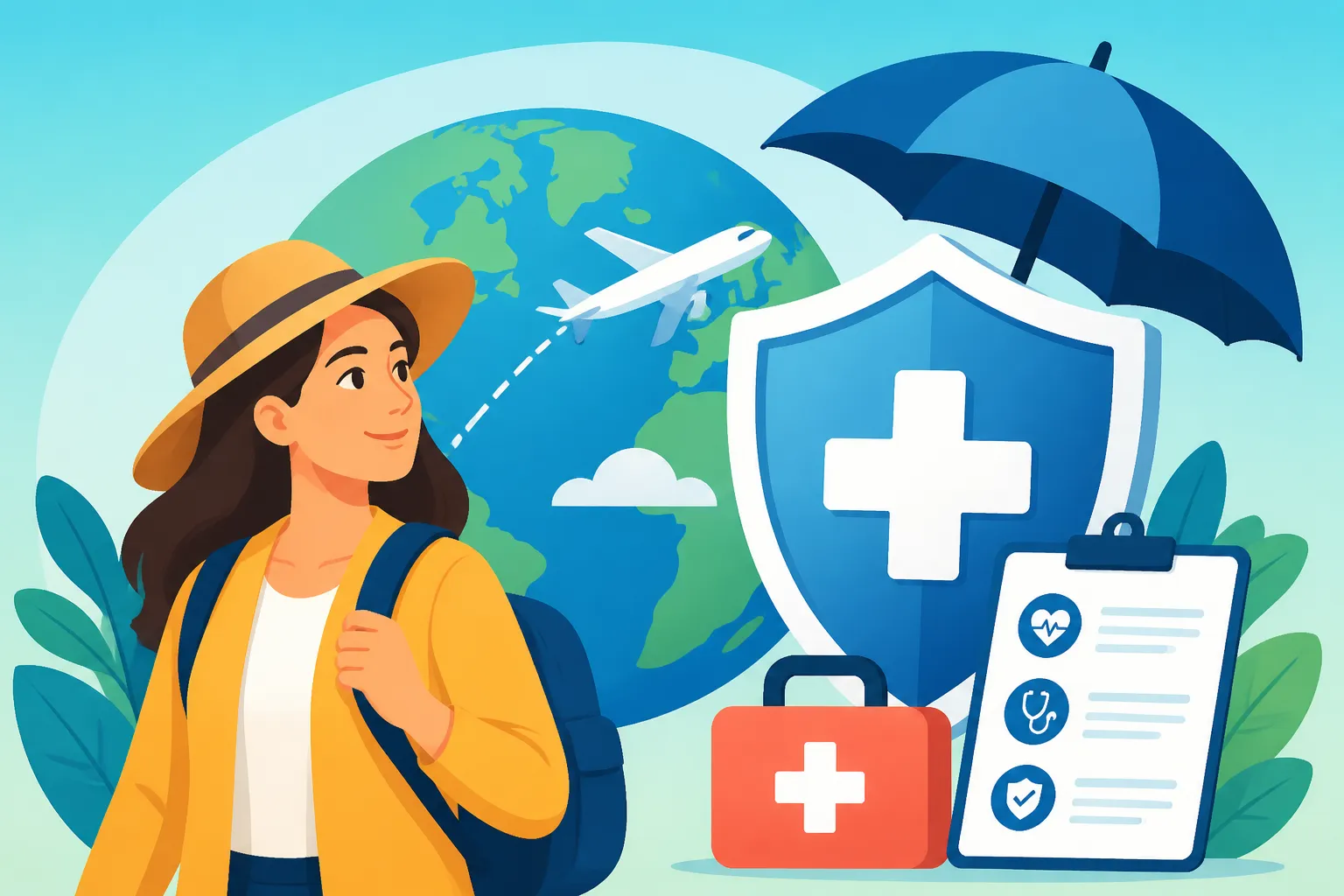
Navigating the labyrinth of Swiss health insurance is already a Herculean task, and then you throw travel outside Switzerland into the mix, suddenly the fog of bureaucracy descends again. Many of us expats mistakenly believe our mandatory basic health insurance, known as KVG (or LAMal in French, LaMal in Italian), automatically has our backs when we jet off for a quick city break or a longer adventure. The truth is, KVG offers a safety net, but it's a net with some pretty significant holes once you cross the Swiss border. This guide is here to untangle the complexities and show you exactly what KVG covers abroad, where its limitations lie, and how you can ensure you're truly protected on your global escapades.
What KVG (Basic Swiss Health Insurance) Actually Covers Abroad
Let's get straight to the point: your basic Swiss health insurance (KVG/LAMal) does provide some coverage when you travel outside of Switzerland, but it's crucial to understand its limitations. It's not a blanket international policy. The primary mechanism for this coverage, particularly within the EU/EFTA, is the European Health Insurance Card (EHIC).
The European Health Insurance Card (EHIC) and Its Scope
If you're an expat residing in Switzerland and you have basic KVG insurance, you are entitled to an EHIC. This little blue card is usually on the back of your standard Swiss health insurance card. It’s absolutely essential to carry it with you when travelling within the European Union (EU) or European Free Trade Association (EFTA) countries. What does it do? Essentially, the EHIC grants you access to medically necessary public healthcare services under the same conditions and at the same cost (i.e., sometimes free, sometimes a co-payment) as a resident of the country you are visiting.
This sounds great on paper, right? If you break your leg skiing in Austria or get a nasty ear infection while holidaying in Spain, you can present your EHIC, and you’ll be treated as if you were an Austrian or Spanish resident. This means you’ll pay the local co-pays or deductibles, if any, and your Swiss KVG insurer will eventually reimburse the remainder, up to the cost that would have been incurred had the treatment taken place in Switzerland.
However, and this is a big however, "medically necessary" is key here. It doesn't mean elective treatments or seeking out a specific private specialist just because you prefer them. It covers unforeseen illnesses or accidents that require immediate care to prevent your condition from worsening. Also, the reimbursement is capped at the cost of the same treatment in Switzerland. This cap is often where the trouble starts, as healthcare costs in many popular destinations, especially private care, can far exceed Swiss rates. For a deeper dive into how your basic insurance functions, you can explore guides like Understanding KVG/LAMal: Mandatory Basic Health Insurance Explained.
Beyond EU/EFTA: Limited Coverage and the "Double the Swiss Cost" Rule
When you venture beyond the familiar borders of the EU and EFTA nations, the EHIC becomes a fancy piece of plastic with no power. For countries outside this zone, KVG's coverage shrinks even further. Your basic insurance will still cover medically necessary treatment, but the reimbursement is generally limited to a maximum of "double the cost that the same treatment would have incurred in Switzerland."
Let's consider a hypothetical scenario: you're on a dream trip to Thailand, and you come down with a severe case of food poisoning requiring hospitalisation. If the local hospital bill is, say, CHF 5,000, but the same treatment in a public hospital in Switzerland would have cost CHF 1,500, your KVG would only cover CHF 3,000 (double the Swiss cost). That leaves you personally responsible for the remaining CHF 2,000. And this isn't even considering potential private clinic fees or repatriation costs, which are notoriously expensive.
This "double the Swiss cost" rule can leave you seriously exposed financially. While it might be sufficient for minor ailments in countries with lower healthcare costs, it can be woefully inadequate in places like the USA, Canada, or even Australia, where medical expenses can quickly skyrocket into tens or hundreds of thousands of francs. This limitation is a massive blind spot that many expats overlook until it's too late.
Understanding the Gaps: Why KVG Isn't Enough for International Travel
It’s easy to dismiss travel insurance as an extra expense, especially when you’re already paying hefty KVG premiums. But as a seasoned expat who has seen a fair few situations, trust me, the gaps in KVG coverage for international travel are significant and can lead to immense financial and emotional stress. Thinking your basic insurance is enough is one of the most common and potentially costly mistakes.
Repatriation and Emergency Transport: A Major Blind Spot
One of the most critical areas where KVG falls short is emergency medical transportation and repatriation. Imagine you’re hiking in Patagonia, and you suffer a severe accident that requires air ambulance evacuation to a major hospital, and eventually, if necessary, medical repatriation back to Switzerland. These services are incredibly expensive, often costing tens of thousands, if not hundreds of thousands, of francs.
Your KVG might cover a tiny fraction of this, but it will not cover the full cost of a private medical jet or helicopter rescue from a remote location. This is where supplementary travel insurance becomes not just an option, but a necessity. For example, while REGA Membership: Why Expats Need Air Rescue Insurance in the Alps covers air rescue within Switzerland, it doesn't extend to international repatriations. A dedicated travel insurance policy will often include comprehensive repatriation coverage, ensuring you can get back home safely without going bankrupt.
Search and Rescue Operations
Let’s stick with the Patagonia scenario for a moment. What if you get lost or stranded, and a search and rescue operation is launched to find you? KVG will not cover these costs. Depending on the location and the complexity of the operation, these bills can easily run into the thousands. While your KVG is designed for medical treatment, it does not cover the logistics of finding you in the first place. This is another vital aspect that robust travel health insurance fills, providing peace of mind, especially for those who enjoy adventure sports or exploring off-the-beaten-path destinations.
Private Medical Care vs. Public System
In many countries, especially outside the EU/EFTA, the quality and speed of public healthcare can vary significantly. As an expat used to the high standards of Swiss healthcare, you might prefer to seek treatment in private clinics or hospitals if an emergency arises abroad. However, as discussed, KVG’s reimbursement is based on what the public system in Switzerland would pay, not the potentially much higher costs of private care elsewhere.
This means if you opt for a private hospital in London, New York, or even a tourist-heavy area of Southeast Asia, you could be facing substantial out-of-pocket expenses even if KVG covers part of the "medically necessary" aspect. Good travel insurance often allows you to access private medical facilities, ensuring you receive timely and high-quality care, and critically, covers the difference in costs.
Trip Cancellation and Interruption
While not strictly medical, one of the most common reasons people need travel insurance isn't even medical treatment itself, but related to unforeseen health events. What if you or a family member falls ill shortly before your trip, forcing you to cancel? Or what if an emergency at home requires you to cut your trip short?
Your KVG provides no coverage whatsoever for non-medical expenses like lost flight tickets, non-refundable hotel bookings, or tour deposits. A comprehensive travel insurance policy typically includes trip cancellation and interruption benefits, reimbursing you for these pre-paid, non-refundable expenses if your trip is affected by covered events, including illness, accident, or certain family emergencies. This can save you thousands of francs and a lot of heartache.
Your Options for Comprehensive Travel Health Insurance
Given the significant limitations of KVG for international travel, it's clear that relying solely on your basic Swiss health insurance is a risky gamble. So, what are your options for getting properly covered?
Supplementary Health Insurance (VVG) from Your Swiss Provider
Many Swiss health insurance companies offer supplementary health insurance (VVG) packages that include travel medical coverage. This can be a convenient option as you’re dealing with a provider you already know. These supplementary plans often extend KVG's limited international coverage by increasing the reimbursement cap (e.g., covering up to 100% of actual costs for emergency treatment abroad, rather than just double the Swiss cost), and by including critical benefits like emergency medical repatriation.
When considering these plans, be sure to ask specific questions:
- What is the maximum coverage amount for medical emergencies abroad?
- Does it cover search and rescue?
- Are private hospitals covered?
- Is emergency dental treatment included?
- What about medical assistance services (e.g., a 24/7 hotline to help you find doctors or arrange transport)?
- Does it cover trip cancellation and interruption?
While bundling with your existing KVG provider might seem simple, always compare the benefits and premiums carefully. Sometimes, the travel component of these VVG packages can be quite basic, and you might find more comprehensive or cost-effective options elsewhere. For more on these types of plans, check out Supplementary Health Insurance (VVG): What It Covers and When to Buy It.
Dedicated International Travel Health Insurance
For those who travel frequently, take longer trips, or want truly robust coverage without being tied to their Swiss KVG provider's offerings, a dedicated international travel health insurance policy is often the best solution. These policies are specifically designed for travel, offering comprehensive benefits that go far beyond what KVG or even many Swiss VVG plans provide.
Brands like SafetyWing offer flexible and affordable options that are particularly popular among digital nomads, remote workers, and expats who travel frequently. SafetyWing, for instance, provides a "travel medical" policy that covers new illnesses and injuries, emergency dental, emergency medical evacuation, and travel delay, among other benefits. Their model is often very transparent and easy to understand, without the complexities of the Swiss system's caps and exclusions. It's designed for global citizens who need reliable coverage wherever they are.
Another benefit of dedicated travel insurance is the often superior 24/7 emergency assistance services. These teams are experts in international medical emergencies and can coordinate everything from finding a doctor to arranging complex medical repatriations, acting as a crucial lifeline when you're far from home and vulnerable. While comparing options, remember to look at the maximum coverage limits, the deductible (franchise) options, and any exclusions related to pre-existing conditions or specific adventure activities.
Short-Term vs. Annual Policies
Your travel habits will dictate whether a short-term, per-trip policy or an annual multi-trip policy makes more sense.
- Short-term policies: Ideal if you only travel once or twice a year for short durations. You pay only for the days you need coverage.
- Annual multi-trip policies: Excellent value if you take three or more trips per year. These cover all your trips within a 12-month period, up to a certain duration per trip (e.g., 30, 60, or 90 consecutive days). This saves you the hassle of buying a new policy every time you travel.
Many dedicated international travel insurance providers, including those focused on expat travel like SafetyWing, offer these flexible options.
Key Considerations When Choosing Travel Insurance
Here's a table to help you think through the differences and make an informed choice:
| Feature | Basic KVG/EHIC (EU/EFTA) | Basic KVG (Rest of World) | Swiss VVG Travel Add-on | Dedicated Travel Insurance (e.g., SafetyWing) |
|---|---|---|---|---|
| Medical Treatment | Public system, local cost sharing, reimbursed up to Swiss cost | Emergency only, reimbursed up to double Swiss cost | Enhanced reimbursement, private options possible | Comprehensive, higher limits, private options, 24/7 assistance |
| Emergency Repatriation | Generally not covered | Generally not covered | Often included, check limits | Always included, robust coverage |
| Search & Rescue | No coverage | No coverage | Sometimes, check limits | Often included, robust coverage |
| Trip Cancellation/Interruption | No coverage | No coverage | Often included, check limits | Typically included, flexible options |
| Personal Liability | No coverage | No coverage | Sometimes as add-on | Often included |
| Lost Baggage | No coverage | No coverage | Sometimes as add-on | Often included |
| 24/7 Assistance | Limited (e.g., SOS line from insurer) | Limited | Varies by provider | Excellent, dedicated international teams |
| Geographic Scope | EU/EFTA only (EHIC) | Worldwide (limited) | Varies, often worldwide | Worldwide, customizable |
Practical Steps for Smart Travel Insurance Planning
Don't let the thought of navigating another insurance policy overwhelm you. Planning for safe travel, especially as an expat in Switzerland, simply requires a bit of foresight. Here's how to approach it:
1. Assess Your Travel Habits and Destinations
Before even looking at policies, think about how and where you travel:
- Frequency: Do you take many short trips, or one big annual adventure? This will help you decide between single-trip or annual multi-trip policies.
- Destinations: Are you mostly staying within the EU/EFTA, or are you venturing further afield to places with very high or very low medical costs?
- Activities: Do you participate in adventure sports like skiing, diving, or mountain climbing? Many standard policies exclude these, requiring special add-ons. If you're hitting the slopes, consider if your accident insurance (UVG) covers non-occupational accidents when abroad, and if not, ensure your travel insurance does.
- Duration: How long are your typical trips? Most annual policies have a per-trip duration limit.
2. Understand Your KVG and VVG Policies
Take the time to genuinely understand what your current Swiss health insurance covers when you're abroad. Don't just assume. Call your insurer and ask direct questions about:
- The exact reimbursement limits for medical treatment outside Switzerland.
- Whether repatriation is covered and to what extent.
- Any exclusions related to specific countries or activities.
- The details of your EHIC and how it works.
This will give you a clear baseline and highlight the specific gaps you need to fill. You might find useful information in a guide like How to Pay Medical Bills: Tiers Garant vs. Tiers Payant Billing Systems, as the billing processes abroad can sometimes be different.
3. Compare Dedicated Travel Insurance Options
Once you know your needs and your KVG's limits, start comparing dedicated travel insurance policies. Don't just look at the premium; scrutinize the coverage. Look for policies that explicitly cover:
- High medical emergency limits: Think big. CHF 1 million or more is not unreasonable, especially for destinations like the US.
- Emergency medical evacuation and repatriation: This is non-negotiable for serious incidents. Repatriation Coverage: Why Expats Add International Health Insurance in Switzerland highlights just how important this is.
- Search and rescue: If you're an adventurer, this is crucial.
- Trip interruption and cancellation: Protects your investment in the trip.
- Personal liability: In case you accidentally cause damage or injury.
- Coverage for adventure activities: If applicable.
- 24/7 emergency assistance: A critical service when you're in a foreign country and need help fast.
Consider brands that specialize in expat and travel insurance, like SafetyWing, which are often built with the specific needs of international travelers in mind. Read reviews and policy documents carefully.
4. Always Have Your Documents Ready
Regardless of the insurance you choose, always travel with:
- Your physical Swiss health insurance card (with the EHIC on the back, if applicable).
- The policy number and 24/7 emergency contact details for your travel health insurance provider. Save them in your phone, email them to yourself, and keep a physical copy.
- A copy of your passport.
- Any relevant medical information (allergies, medications, contact details for your Swiss doctor).
Being prepared means you can react quickly and efficiently if something goes wrong, allowing your insurance provider to assist you without delay. After all, the whole point of insurance is to provide peace of mind, not another layer of stress. So, go explore the world, but do it wisely, with the right coverage in your pocket!
Disclaimer
Please note that this guide provides general information based on current regulations and common expat experiences in Switzerland. Insurance policies and regulations can change, and individual circumstances vary. Always consult directly with your health insurance provider, a qualified insurance broker, or the relevant Swiss authorities for personalized advice regarding your specific coverage needs and policy details before making any travel plans.