Christmas in Switzerland: Markets, Lights, and Local Traditions
Oh, Christmas in Switzerland! It's one of those times of year that, as an expat, can feel both incredibly magical and a little bit… different. If you’re used to the roaring commercialism of some other countries, or perhaps more religious overtures, Switzerland’s approach to the festive season might surprise you. This guide will walk you through the twinkling markets, the subtle yet beautiful light displays, and the deeply ingrained local traditions that make Christmas here truly unique, helping you navigate and embrace the magic like a seasoned local.
The Enchanting Swiss Christmas Markets (Weihnachtsmärkte)
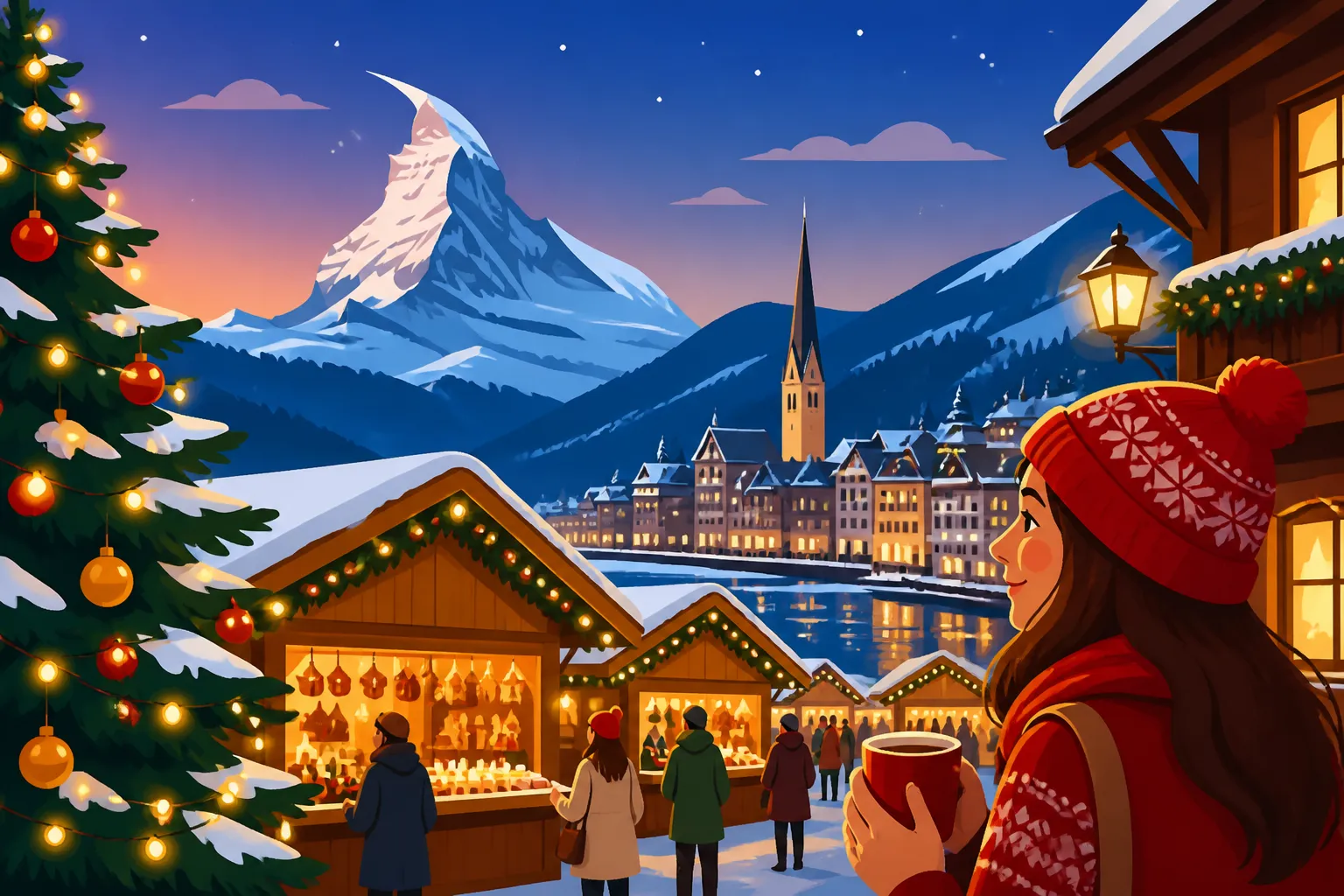
There’s nothing quite like the crisp winter air, the scent of spiced wine and roasted chestnuts, and the gentle hum of happy chatter at a Swiss Christmas market. These markets are a cornerstone of the festive season here, and each one has its own distinct charm, a truly enchanting experience that transports you straight into a winter wonderland. Forget the generic stalls you might find elsewhere; Swiss markets often highlight local craftsmanship and culinary delights.
Iconic Markets to Explore
When it comes to Christmas markets, Switzerland offers a delightful array, from grand city spectacles to intimate village gatherings. Each has its own personality, beckoning you with unique sights and sounds.
Zurich, being the largest city, boasts several noteworthy markets. The most famous is arguably the Christkindlimarkt at the Main Station (Hauptbahnhof). Imagine stepping off a train and immediately being enveloped by a festive wonderland, complete with twinkling lights and the aroma of mulled wine. What truly makes this market stand out is its indoor setting, perfect for those chilly December days, and the magnificent 15-meter-tall "Singing Christmas Tree," where local children's choirs perform carols, adding a truly heartwarming soundtrack to your visit. Beyond the main station, don't miss the small but charming market on the centrally located Sechseläutenplatz, often with a large ice rink, and the traditional Dörfli market in the Niederdorf, which spills out into the picturesque Old Town alleyways. Exploring these different facets of the city’s festive offerings truly enhances the experience, allowing you to discover pockets of cheer around every corner. For more ideas on what to explore in the region, consider some Day Trips from Zurich: Rhine Falls, Rapperswil, and Lucerne to extend your festive adventures.
Basel's Christmas Market consistently ranks among Europe's finest, and for good reason. Spread across the historic Barfüsserplatz and Münsterplatz, with the stunning Basel Minster as its backdrop, this market is a feast for the senses. It's known for its exceptionally high quality of artisanal products, offering everything from intricately carved wooden toys to hand-blown glass ornaments and unique jewelry. The sheer variety here is impressive, reflecting Basel’s status as a cultural hub. Wandering through these squares, you'll feel like you've stepped back in time, surrounded by beautifully decorated wooden chalets, each offering something special. The atmosphere is vibrant yet cozy, a perfect blend for an authentic Christmas market experience.
Down in the French-speaking region, Montreux Noël offers a completely different, yet equally captivating, experience. Perched along the shores of Lake Geneva, this market provides breathtaking views of the Alps, especially as the lights reflect on the water. What truly sets Montreux apart is its whimsical additions: a towering Freddie Mercury statue, often dressed in festive attire, overlooks the market, and you can even take a special cogwheel train up to Rochers-de-Naye to visit Santa's house, a magical excursion especially for families. The market also features a charming medieval section at Château de Chillon, adding a historical touch to the festivities. It's a truly picturesque setting that combines traditional market charm with unique, memorable attractions. If you’re in this part of Switzerland, consider adding some Day Trips from Geneva: Montreux, Gruyères, and the Lavaux Vineyards to your itinerary to make the most of your visit.
Then there’s Bern, the charming capital, which hosts traditional markets in Münsterplatz and Waisenhausplatz. These markets exude a more intimate, local feel. The Münsterplatz market, nestled by the impressive cathedral, focuses on handcrafted goods, giving you a chance to discover unique, locally made gifts. The Waisenhausplatz market, while larger, still maintains a cozy, community vibe, offering a broader range of food and drink alongside various goods. What's wonderful about Bern's markets is how they seamlessly integrate into the UNESCO-listed Old Town, with its medieval arcades providing a naturally festive backdrop. It feels less like a temporary attraction and more like an extension of the city's inherent charm.
Beyond these major cities, don't overlook the smaller, regional markets. Places like Einsiedeln, with its abbey, or St. Gallen, with its "Sternenstadt" (Star City) concept, offer incredibly authentic and often less crowded experiences. These local markets often feature products from nearby farms and artisans, providing a genuine taste of Swiss rural Christmas traditions. Taking an SBB train to one of these hidden gems can be a delightful adventure, and checking Using the SBB Mobile App to Book Scenic and Regional Journeys can help you plan your journey efficiently.
What to Eat and Drink at the Markets
No visit to a Swiss Christmas market is complete without indulging in the array of festive treats. The aromas alone are enough to draw you in, promising warmth and cheer in every bite and sip.
First and foremost, you must try Glühwein. This warm, spiced mulled wine is the quintessential Christmas market drink. It's typically red, infused with cinnamon, cloves, and orange, and served steaming hot in festive mugs (often with a deposit you get back, or you can keep the mug as a souvenir!). You'll also find white Glühwein, often a bit lighter, and alcohol-free versions (Kinderpunsch or non-alcoholic Glühwein) for the kids or those who prefer not to drink. Standing around a high table with friends, sipping a steaming Glühwein, is a truly iconic Swiss winter experience.
For something more substantial, Raclette and Fondue are often available in cozy market stalls. Raclette, where a wheel of cheese is melted and scraped onto potatoes, gherkins, and onions, is a wonderfully hearty and interactive meal. Some markets even have small, dedicated Raclette huts where you can escape the cold for a moment. Fondue, while less common for a quick market snack, can sometimes be found in larger, seated areas, offering that classic Swiss comfort food experience amidst the festive hustle and bustle.
A simple yet utterly satisfying winter street food is roasted chestnuts (Maroni). You'll spot vendors with their characteristic roasters, and the sweet, earthy smell will draw you in. Served hot in a paper cone, they're the perfect snack to warm your hands and your belly as you wander. The Swiss love their Maroni, and it’s a taste that instantly conjures up winter memories here.
And of course, there are the Swiss sausages. A classic Bratwurst or Servelat, often served simply in a bread roll with mustard, is a quick, delicious, and deeply satisfying bite. It's the kind of uncomplicated, flavorful fare that keeps you going as you browse the stalls.
Don't forget the sweet treats! Look for Lebkuchen (gingerbread), often elaborately decorated, and Magenbrot, a softer, sweeter gingerbread-like cake often dusted with sugar glaze. Closer to the beginning of December, especially around Samichlaus Day, you’ll find Grittibänz, a sweet bread man often adorned with raisins for eyes. These aren’t just delicious; they’re part of the seasonal storytelling.
Tips for Navigating the Markets
To make the most of your Christmas market experience in Switzerland, a little planning goes a long way. These places can get bustling, and knowing a few tricks will enhance your enjoyment.
Firstly, be prepared for crowds, especially on weekend evenings. If you prefer a more relaxed stroll, try visiting on a weekday afternoon or early evening. The markets typically open mid-morning and run until late evening, so there's plenty of time. If you're planning on being out and about, dressing warmly is absolutely crucial. Layers are your best friend – think warm coats, hats, scarves, gloves, and waterproof, insulated boots. The cold can truly bite, especially as the evening wears on, and you’ll want to be comfortable enough to savor every moment.
When it comes to payment, while many larger vendors now accept card payments, it's always a good idea to carry some Swiss Francs in cash, especially for smaller stalls, artisanal craft sellers, or those charming little stands selling just Maroni or a quick Glühwein. This can save you time and hassle, and some vendors simply prefer cash transactions.
Finally, for getting to and from the markets, public transport is your best friend. Swiss cities are incredibly well-connected by efficient train and tram networks. Trying to drive and park in city centers during the Christmas season can be a nightmare of traffic and expensive parking. The SBB (Swiss Federal Railways) is highly reliable, and most major markets are a short walk from a main train station or tram stop. Consider purchasing a Half-Fare Travelcard (Halbtax): The Must-Have Pass for Swiss Residents or even a Saver Day Pass (Spartageskarte): How Residents Save on Day Trips if you’re planning multiple trips, as this can significantly reduce your travel costs. You can easily check connections and buy tickets through the SBB app, making your festive travels stress-free.
Dazzling Christmas Lights and Decorations
Beyond the markets, Swiss cities and towns transform with their own unique brand of festive illumination. It’s less about overt extravagance and more about creating a sophisticated, often understated, yet utterly magical atmosphere.
City Illuminations That Sparkle
Swiss cities truly embrace the festive spirit with enchanting light displays that transform their streets and squares into winter wonderlands. These illuminations are a treat for the eyes, perfectly complementing the traditional charm of the architecture.
Zurich's famous "Lucy" lights are perhaps the most iconic. Stretching gracefully across Bahnhofstrasse, the city's renowned shopping boulevard, these intricate light installations are a dazzling spectacle. Named "Lucy in the Sky with Diamonds" (yes, after the Beatles song!), the thousands of individual lights create a shimmering canopy overhead, giving the impression of stars falling from the sky. It's truly breathtaking, especially when viewed from one end of the street, with the tram lines crisscrossing beneath the shimmering ceiling. This display adds an undeniable touch of magic to the upscale shopping experience, drawing both locals and tourists into its glow. It’s definitely a highlight of the city’s festive season and a must-see for anyone experiencing Christmas in Zurich.
Over in Geneva, the festive lights along the Quai du Mont-Blanc and Rue du Rhône create a sophisticated sparkle. With the lake as a dramatic backdrop, the lights here often have a more elegant and refined feel, reflecting Geneva's international flair. Strolling along the lakeside promenade, with the Jet d'Eau occasionally illuminated in festive colours, and the historic buildings adorned with subtle yet effective lighting, feels distinctly European and chic. The Rue du Rhône, known for its luxury boutiques, echoes this elegance with its tasteful window displays and street decorations.
Bern’s medieval arcades take on a particularly enchanting glow during the Christmas period. The covered walkways, already atmospheric, become even more magical with strings of warm lights. This creates a cozy, almost secretive feeling as you wander through the Old Town, discovering charming shops and cafes nestled beneath the festive glow. The capital city's approach to decoration often emphasizes its historical character, with lights highlighting the ancient cobblestone streets and intricate fountains. It’s a truly immersive experience that feels authentic and deeply rooted in Swiss heritage.
Even smaller towns and villages contribute to this festive tapestry, often with simpler yet equally charming displays. You might find a single, beautifully lit Christmas tree in a village square, or strings of lights adorning the facades of traditional chalets. These more understated illuminations often feel incredibly personal and heartwarming, showcasing a community's collective spirit. They might lack the grandeur of the big cities, but they more than make up for it with their genuine, cozy atmosphere, providing a glimpse into a more serene Swiss Christmas.
Window Displays and Festive Shopping
The festive season also brings with it a feast for the eyes in the form of elaborate window displays and a generally elevated shopping atmosphere. This is where retailers truly shine, creating scenes that capture the imagination and evoke the spirit of Christmas.
Zurich's Bahnhofstrasse, already mentioned for its "Lucy" lights, becomes a veritable gallery of festive art during December. The high-end shops along this famous street pull out all the stops, designing elaborate and often whimsical window displays that tell stories, showcase intricate craftsmanship, or simply dazzle with their beauty. From moving figures to sparkling snowscapes, these windows are a destination in themselves, drawing crowds who linger to admire the artistry. It's a great opportunity for some window shopping, even if the price tags inside are beyond your budget!
Beyond the luxury stores, local boutiques and smaller shops across Swiss cities and towns also embrace the festive spirit with charming, traditional decorations. You'll find shop fronts adorned with evergreen wreaths, twinkling lights, and beautifully arranged products that make for perfect Christmas gifts. These smaller establishments often offer a more personal and cozy shopping experience, where you can find unique items that reflect local craftsmanship and taste. It's a delightful way to explore the quieter streets and discover hidden gems.
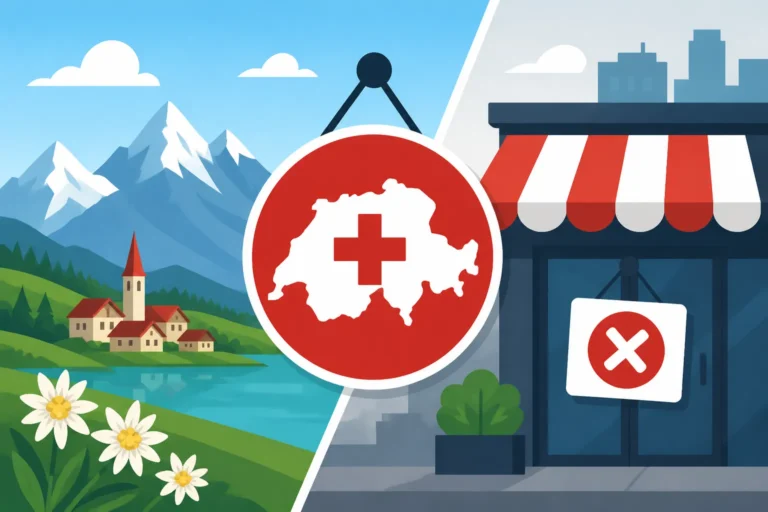
It's important to remember that shopping hours in Switzerland are quite strict, especially around Christmas. Most shops, including grocery stores, are typically closed on Sundays, including the Sundays leading up to Christmas. While some larger train station shops might have extended hours, planning your shopping well in advance to avoid disappointment is crucial. This is a fundamental aspect of Swiss life – Sundays are for rest, family, and enjoying the quiet, which can be a bit of an adjustment for expats from countries with 24/7 retail. Always check opening hours online before heading out.
Private Homes and Garden Displays
While public light displays are abundant, the way private homes and gardens are decorated for Christmas in Switzerland can often be a delightful contrast – sometimes subtle, sometimes unexpectedly extravagant!
Unlike some countries where every house might be ablaze with thousands of multicolored lights, Swiss residential areas often exhibit a more understated elegance. You’ll frequently see beautifully lit Advent stars hanging in windows, casting a warm, inviting glow. Many homes feature a simple yet elegant string of lights on a balcony railing, or a beautifully adorned evergreen wreath on the front door. It’s a tasteful approach that blends seamlessly with the natural beauty of the winter landscape. The quiet beauty of Swiss residential areas during winter, blanketed in snow and softly illuminated, is truly something special.
However, don’t be surprised if you stumble upon a few homes that truly go all out! Occasionally, you’ll find a house where the owners have embraced a more elaborate style, with entire gardens transformed into mini winter wonderlands featuring glowing reindeers, Santa figures, and cascades of lights. These displays, while not the norm, are a fun and often unexpected sight, adding a touch of playful extravagance to the otherwise serene neighborhoods. It’s a lovely testament to individual creativity and festive spirit.
These private decorations contribute to the overall festive ambiance, making an evening walk through a quiet Swiss neighborhood in December a truly pleasant experience. The soft glow from windows and the subtle shimmer of garden lights create a sense of peace and warmth, inviting you to slow down and simply soak in the seasonal beauty. It's a reminder that Christmas here isn't just about public spectacle, but also about the quiet, personal moments of joy and tradition shared within homes.
Unique Swiss Christmas Traditions and Celebrations
Beyond the glitz of the markets and lights, Switzerland holds dear to a rich tapestry of Christmas traditions that might differ significantly from what you're used to. Understanding these local customs can truly deepen your experience of the festive season.
Samichlaus and Schmutzli (St. Nicholas Day, December 6th)
One of the earliest and most cherished traditions of the Swiss Christmas season revolves around Samichlaus (Saint Nicholas) and his helper, Schmutzli, celebrated on December 6th. This is distinctly different from the 'Santa Claus' figure and the main Christmas present exchange, making it a truly unique experience.
Samichlaus is typically depicted as a benevolent bishop, wearing a long red robe and a bishop's mitre, carrying a staff. He's often accompanied by Schmutzli, whose name literally means "little dirty one." Schmutzli is a more rustic figure, dressed in dark, ragged clothes, sometimes with a sooty face, carrying a sack and a bundle of twigs (Rute). Crucially, in Switzerland, Schmutzli is not a terrifying Krampus figure meant to punish children. While he might playfully remind children to be good, his primary role is to carry Samichlaus's sack of treats and sometimes lead the donkey that pulls their sleigh. He's more of a gentle enforcer and helper, rather than a frightful demon.
Leading up to December 6th, children in Switzerland excitedly await the visit of Samichlaus. He (or a local volunteer dressed as him) often visits homes, schools, and even kindergartens. Children prepare by learning poems or songs to recite for Samichlaus. In return for their recitation and a promise to be good, they receive a bag filled with traditional treats: mandarins, nuts, chocolate, and the aforementioned Grittibänz (a sweet bread man). This tradition emphasizes thoughtfulness and good behavior, rather than material gifts. It's a beautiful, communal event that marks the official start of the festive season for many Swiss families. For children, it's a day of gentle anticipation and delightful rewards, completely separate from the later Christmas Day celebrations.
Advent Calendars and Wreaths
The lead-up to Christmas is also marked by two other beloved traditions: Advent calendars and Advent wreaths. These customs help build the anticipation and provide a gentle rhythm to the month of December.
Advent calendars are ubiquitous in Switzerland, just as in many parts of Europe. From simple cardboard versions with small chocolates to more elaborate, often handmade calendars with tiny gifts or messages behind each door, they are a daily ritual for children (and many adults!). Opening a door each day, starting from December 1st, is a sweet way to count down the days until Christmas. It's a small, daily moment of joy that reinforces the festive atmosphere. You'll find a huge variety of these in Swiss supermarkets and specialty shops, catering to all tastes and budgets.
Equally cherished are Advent wreaths (Adventskranz). These beautiful wreaths, typically made of fir branches, are adorned with four candles and decorations like pinecones, ribbons, and dried oranges. The tradition dictates that one candle is lit on each of the four Sundays of Advent leading up to Christmas. The first Sunday sees one candle lit, the second Sunday two, and so on, until all four candles are burning brightly on the last Sunday before Christmas. This practice creates a peaceful and reflective atmosphere in homes, symbolizing the increasing light as Christmas approaches. It's a lovely, contemplative tradition that brings a touch of warmth and ceremony to the winter evenings, often accompanied by family time and quiet reflection.
Christmas Eve (Heiliger Abend) and Christmas Day (Weihnachtstag)
The focal point of Christmas celebrations in Switzerland for many families is Christmas Eve, or Heiliger Abend. This is often when the magic truly happens, distinct from how Christmas Day is celebrated in some other cultures.
On Christmas Eve, families typically gather for a special dinner. A key part of the tradition for many is the decoration of the Christmas tree, which is often done on Christmas Eve itself, sometimes even in secret by the parents, to be unveiled to the children. The anticipation of this moment is palpable. Once the tree is decorated and shimmering with lights and ornaments, presents are exchanged. It’s a cozy, intimate affair focused on family, warmth, and togetherness. Many families might also attend a Midnight Mass or a Christmas Eve service at their local church, adding a spiritual dimension to the evening. The atmosphere is generally quiet and reverent, emphasizing reflection and shared joy.
Christmas Day (December 25th), or Weihnachtstag, is often a much quieter affair. After the main celebrations on Christmas Eve, December 25th is typically a day for relaxation, enjoying new gifts, perhaps visiting extended family, or simply taking a leisurely winter walk. It's a public holiday, allowing everyone to unwind and savor the peaceful ambiance. While some families might have another special meal, the primary gift-giving and celebratory meal usually occurred the night before. This distinct timing can be a surprise for expats from countries where Christmas Day is the absolute pinnacle of celebrations.
Furthermore, December 26th, known as St. Stephen's Day (or Berchtoldstag in some cantons, like Bern), is also a public holiday in many parts of Switzerland. This provides another day for family gatherings, visiting friends, or enjoying the winter landscape, effectively extending the festive break. Knowing which days are official holidays is important for planning, as nearly all shops will be closed. To understand the full scope of days off, it's helpful to review Public Holidays in Switzerland: National and Cantonal Days Off.
Culinary Delights Beyond the Markets
While the Christmas markets offer a fantastic array of food, the festive season in Swiss homes brings its own set of cherished culinary traditions, often centered around comfort, warmth, and shared experiences.
For Christmas Eve dinner, many Swiss families opt for a lighter, more interactive meal like Fondue Chinoise (a type of hot pot where thinly sliced meat is cooked in boiling broth at the table) or Raclette. These dishes are not only delicious but also encourage slow dining and conversation, making them perfect for a relaxed family gathering. The beauty of these meals lies in their communal nature, with everyone cooking their own food and customizing their plates. You'll find supermarket shelves well-stocked with the necessary ingredients and small Raclette grills (Öfeli) for rent or purchase during this season.
No Swiss Christmas is complete without an abundance of small, delicate Christmas cookies, known as Guetzli. Baking these cookies is a deeply ingrained tradition, often starting weeks before Christmas. Families spend hours together in the kitchen, rolling dough, cutting out shapes (stars, angels, crescents), and decorating them. Common varieties include Brunsli (chocolate almond cookies), Mailänderli (buttery shortbread), Zimtsterne (cinnamon stars), and Spitzbuben (jam-filled cookies). These cookies are not just for eating; they are beautifully arranged on platters, shared with neighbors, and given as gifts. The aroma of freshly baked Guetzli truly defines the scent of Christmas in a Swiss home.
On Christmas morning, after the excitement of Christmas Eve, a special braided bread called Zopf is often enjoyed. While a staple for Sunday breakfasts year-round, a fresh, fluffy Zopf paired with butter and jam, perhaps with a mug of hot chocolate, makes for a comforting start to Christmas Day. It's a simple yet beloved tradition that underscores the quiet, home-centered feel of the holiday. These festive culinary traditions are a wonderful way to immerse yourself in the authentic flavors and warmth of a Swiss Christmas, offering a taste of local culture that goes far beyond the markets.
Planning Your Festive Visit to Switzerland
If you're considering experiencing Christmas in Switzerland, a little forethought can make all the difference between a good trip and an unforgettable one. It’s a popular time, and being prepared is key.
Accommodation and Travel Logistics
Switzerland during the festive season is incredibly popular, drawing visitors from all over the world to experience its snowy landscapes and charming markets. Therefore, booking your accommodation well in advance is paramount. If you're hoping for a cozy chalet in the Alps, a city hotel near a bustling market, or a lakeside retreat, aim to secure your bookings months ahead of time, especially if your travel dates fall during school holidays or peak market weekends. Websites like Booking.com are excellent resources for finding a wide range of options, from luxury hotels to more budget-friendly guesthouses. Don't leave it to the last minute, or you'll find yourself with limited (and expensive) choices.
When it comes to getting around, Switzerland's public transport system is world-renowned for its efficiency and reliability. The SBB (Swiss Federal Railways) network is extensive, connecting virtually every town and village. This means you can comfortably travel between cities to visit different markets, or venture into the mountains for winter activities, all without needing a car. For planning your journeys and purchasing tickets, a platform like Omio can be incredibly helpful, allowing you to compare and book train and bus tickets easily.
Consider where you want to base yourself. Do you prefer the vibrant energy of a city like Zurich or Geneva, with easy access to multiple markets and cultural events? Or perhaps the serene beauty of a mountain village, offering a more peaceful, snow-filled Christmas experience? Each offers a distinct flavor of the Swiss festive season, so align your base with your ideal Christmas vision.
Managing Costs During the Festive Season
Let’s be honest: Switzerland is known for its high cost of living, and the festive season is no exception. While the magic is priceless, being mindful of your budget will help you enjoy it without too much financial stress.
Budgeting accordingly is crucial. Accommodation, food, and activities can add up quickly. One way to manage food costs, as mentioned, is to embrace the Christmas markets. While not "cheap" by international standards, eating delicious Glühwein, Raclette, and sausages at market stalls is generally more affordable than dining at sit-down restaurants. Picnics, if the weather permits, or preparing simple meals in self-catering accommodation, can also help stretch your food budget. Grocery stores like Coop and Migros are your go-to for essentials.
For transport, seriously consider investing in one of the SBB travel passes if you plan on doing a lot of moving around. The Half-Fare Travelcard (Halbtax): The Must-Have Pass for Swiss Residents provides 50% off all train, bus, boat, and some mountain railway tickets for a year. If you're here for a longer stay or plan intensive travel, it's almost always worth it. For specific day trips, keep an eye out for Saver Day Pass (Spartageskarte): How Residents Save on Day Trips tickets, which offer significant discounts on specific routes if booked far in advance. These can make exploring distant markets or mountain resorts much more accessible financially.
Incorporating Other Winter Activities
Christmas in Switzerland isn't just about markets and lights; it's also about embracing the incredible winter landscape and all it has to offer. Combining festive traditions with outdoor adventures makes for a truly unforgettable experience.
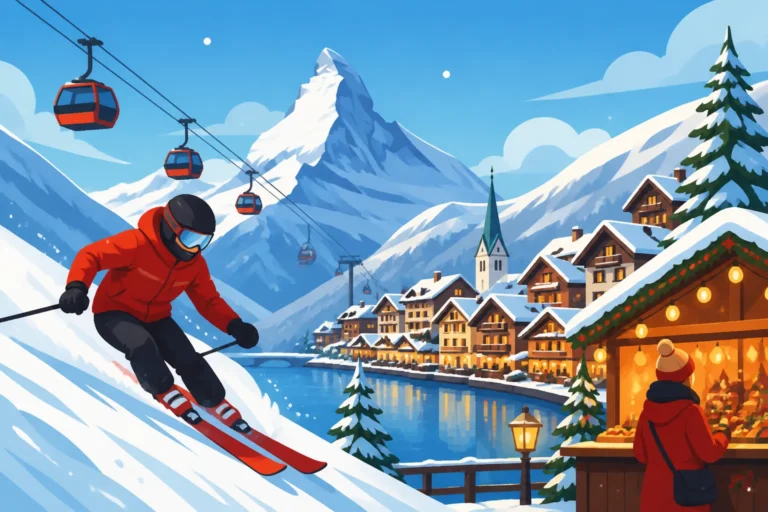
Of course, the prime winter activity in Switzerland is skiing or snowboarding. If you're a keen winter sports enthusiast, or even a beginner, the Swiss Alps offer unparalleled opportunities. Resorts are usually in full swing by December, and spending a day on the slopes before returning to a cozy, festive town is an iconic Swiss experience. For those considering hitting the pistes, delve into Skiing in Switzerland: Resorts, Passes, and Costs for Residents for comprehensive planning advice. Even if you don't ski, many resorts offer spectacular scenic cable car rides, allowing you to soak in the majestic mountain views.
For those who prefer a gentler pace, winter hiking is a fantastic option. Many trails are groomed and clearly marked for winter walks, allowing you to explore snow-covered forests and pristine landscapes. It’s a wonderful way to connect with nature and enjoy the serene beauty of the Swiss winter. Discover some beautiful routes with this guide on Winter Hiking Trails (Winterwanderwege) in Switzerland.
Many cities and towns also set up temporary ice skating rinks during the festive season, providing a fun activity for all ages. Gliding across the ice, often surrounded by festive decorations, adds another layer of winter magic. It's a classic holiday pastime that's well-loved by Swiss families and visitors alike.
After a day out in the cold, nothing beats warming up and relaxing at one of Switzerland's many excellent thermal spas. Imagine soaking in warm mineral waters, often with stunning mountain views, washing away any lingering chill. It’s the perfect way to unwind and rejuvenate during your festive visit. To find the best spots, check out this guide on Thermal Spas to Visit After a Day on the Slopes. To streamline your planning and booking for various activities, consider using platforms like GetYourGuide, which offers a wide selection of tours, excursions, and tickets for everything from mountain visits to city walking tours. It can be a great way to discover new experiences and make the most of your time.
Here's a quick comparison of some popular Swiss Christmas Markets:
| Market Name | Location | Dates (Typical) | Key Highlights | Best For |
|---|---|---|---|---|
| Christkindlimarkt | Zurich HB | Late Nov – Dec 24 | Indoor setting, 15m Singing Christmas Tree, easy access | Convenience, choirs, unique indoor vibe |
| Basel Christmas Market | Barfüsserplatz, Münsterplatz | Late Nov – Dec 23 | High-quality artisan crafts, historic setting, voted one of Europe's best | Authentic crafts, picturesque setting |
| Montreux Noël | Lake Geneva | Late Nov – Dec 24 | Lakeside views, Santa's House on Rochers-de-Naye, medieval market at Chillon | Unique attractions, stunning scenery, families |
| Bern Christmas Market | Münsterplatz, Waisenhausplatz | Late Nov – Dec 24 | Traditional charm, local products, integration into UNESCO Old Town | Local feel, traditional gifts, intimate vibe |
| Einsiedeln Christmas Market | Einsiedeln Abbey | Early Dec (shorter run) | Picturesque abbey backdrop, regional specialties, spiritual atmosphere | Authentic experience, unique setting |
This table provides a snapshot, but remember that specific dates and offerings can vary slightly year to year, so always check official websites closer to the season.
Disclaimer
The information provided in this guide is for general informational purposes only and is subject to change. While we strive to keep the content up-to-date and accurate, specific dates, opening times, prices, and regulations for events, markets, and services may vary. We recommend verifying all details with official sources, such as local tourism boards, event organizers, and transport providers, before making any travel plans or decisions. This guide does not constitute professional advice.