Cantonal vs Federal Citizenship: Understanding the Three-Tier Integration Process
Navigating the path to a red passport can feel like you are trying to climb the Eiger without a rope. I remember sitting in my local coffee shop, staring at a stack of forms, and realizing that becoming Swiss wasn't just about one application, but three separate layers of government vetting me. This guide breaks down exactly how the municipal, cantonal, and federal tiers work together so you can prepare for the long haul.
The Swiss Concept of Three Tier Citizenship
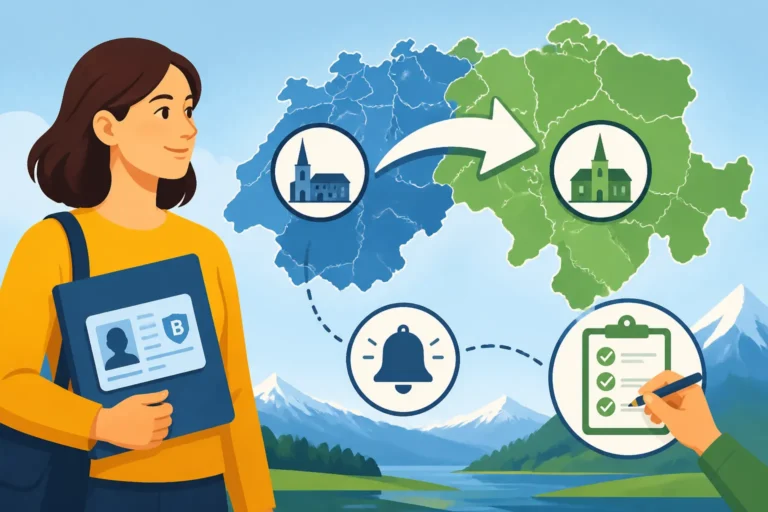
In almost any other country, citizenship is a bilateral agreement between you and the state. In Switzerland, it is more like a marriage proposal to a very traditional family where the grandparents, the parents, and the siblings all have to say yes. You don't just become "Swiss." You become a citizen of a specific commune (Gemeinde), which makes you a citizen of a specific canton, which finally grants you federal citizenship. This bottom-up approach is the heart of Swiss direct democracy and is often the biggest shock for foreigners.
The Municipal Level Where It Gets Personal
The commune is where the rubber meets the road. This is the community where you live, pay your local taxes, and dispose of your trash in the correctly colored bags. Because Swiss naturalization starts here, your local neighbors or a hand-picked committee often have the first say. I’ve seen cases where candidates were asked about the local geography or even the names of local bakeries. They want to know if you are a "neighbor" or just a resident.
At this level, the rules can feel highly subjective. While federal law sets the baseline, the commune decides if you have truly integrated into their specific way of life. This is why integration is so much more than just having a Becoming Swiss: Naturalization and Citizenship Process in 2027 strategy; it is about showing up to the local festivals and knowing how your village functions. If you live in a small village, your application might even be voted on by the local assembly.
The Cantonal Level The Gatekeepers
Once your commune gives you the green light, your dossier moves up to the cantonal authorities. Each of the 26 cantons has its own constitution and its own specific requirements for residency and integration. This is where most of the administrative "heavy lifting" happens. The canton will verify your criminal record, your tax status, and your overall "Swissness" according to their specific regional standards.
The canton acts as a bridge. They ensure that the commune hasn't been too lenient or too harsh, while also preparing the file for federal review. For many, this is the stage where you realize that The Swiss C Permit (Permanent Residency): Fast-Track and Standard Routes was just the prerequisite for a much more intense investigation. The canton will also be the one to issue the invoice for the largest portion of your naturalization fees, which can vary wildly depending on whether you are in Zurich, Geneva, or a rural canton like Uri.
The Federal Level The Baseline Rules
The Confederation, represented by the State Secretariat for Migration (SEM), sets the minimum legal requirements that apply to everyone, regardless of where they live. They ensure that you haven't committed serious crimes and that you don't pose a threat to internal or external security. They are the "check and balance" of the system.
While the federal government rarely rejects an application that has already been approved by a commune and a canton, they are the ones who hold the "stop" button. They verify that you have met the ten-year residency requirement and that you haven't relied on social welfare in the years leading up to your application. This tier is the most predictable, but it is also the final stamp of approval that turns your residency permit into a passport.
Residency Requirements and the Ten Year Rule
The most famous hurdle in the Swiss naturalization process is the time requirement. Under the current law, you generally need to have lived in Switzerland for ten years before you can even think about applying. However, those ten years aren't always calculated as a simple 1:1 ratio. Depending on when you arrived and what permit you held, your "Swiss clock" might be ticking at a different speed.
Calculating Your Ten Years What Counts
Not all years spent on Swiss soil are created equal. For instance, years spent in Switzerland between the ages of 8 and 18 count double toward the federal ten-year requirement. However, you must still have lived in the country for a minimum of six actual years. If you arrived as a student on an L permit, you might find that those years don't count toward your total if they were considered temporary.
It is vital to check your permit history. Most cantons require you to hold a C permit at the time of application. If you are still navigating The Early C Permit (Permis C Anticipé): Qualifying After 5 Years, you may need to wait until that status is fully secured before initiating the naturalization process. The federal government is very strict about this; if you are one day short of the ten-year mark when you hit "submit," your application can be sent back to the start.
Cantonal Residency Durations The 2 to 5 Year Variation
While the federal government demands ten years in the country, the cantons and communes have their own "stay put" rules. These rules dictate how long you must have lived in your specific canton or commune immediately prior to applying. This is the trap that catches many expats who move for work. If you move from Zurich to Zug to save on taxes, you might accidentally reset your municipal residency clock.
Some cantons only require two years of local residency, while others demand a full five years. During this period, you are expected to be a stable member of the community. If you are preparing documents for this stage, especially foreign birth certificates or marriage licenses that the canton requires, using a service like RushTranslate can ensure your translations meet the stringent Swiss standards for official dossiers.
Staying Put Why Moving Can Reset Your Clock
I once knew a family who moved three blocks away, but those three blocks crossed a municipal border. They had to wait another three years before they could apply for citizenship because their new commune required a fresh period of residency. Before you sign a new lease, always check the municipal naturalization laws of your destination.
This "stay put" period is designed to ensure that the people who vote on your citizenship actually know who you are. It prevents people from "jurisdiction shopping" for the easiest naturalization path. If you are planning to become Swiss, consistency is your best friend. Even if you are an international professional with Cigna Global coverage and a high-flying job, the local village council will care more about how long you’ve been paying into the local communal infrastructure than your global resume.
| Canton | Years of Cantonal Residency Required | Language Level Required (Oral) | Language Level Required (Written) |
|---|---|---|---|
| Zurich | 2 Years | B1 | A2 |
| Geneva | 2 Years | B1 | A2 |
| Bern | 2 Years | B1 | A2 |
| Zug | 5 Years | B1 | A2 |
| Vaud | 2 Years | B1 | A2 |
| Basel-Stadt | 2 Years | B1 | A2 |
| St. Gallen | 5 Years | B1 | A2 |
Integration Criteria Beyond Just Paperwork
In Switzerland, integration is a legal requirement, not a suggestion. The authorities aren't just looking for someone who follows the law; they are looking for someone who has "internally" become Swiss. This is evaluated through three main pillars: language, financial independence, and social integration.
Language Proficiency The Fide vs Goethe Debate
You cannot become Swiss if you cannot communicate with your neighbors in their national language. Federal law requires a minimum of A2 written and B1 oral proficiency. However, some cantons have set the bar higher. You will need to provide an official language certificate, and this is where the Language Tests for C Permit: fide vs Goethe-Zertifikat Compared discussion becomes very relevant.
The fide test was specifically designed for Swiss integration and focuses on real-world scenarios like talking to a landlord or a doctor. Traditional certificates like Goethe (for German) or DELF (for French) are also widely accepted. Regardless of which you choose, the goal is to prove you can participate in Swiss society. If you have old academic transcripts from abroad that prove language study, you might need them professionally translated by a firm like RushTranslate to get them recognized by the cantonal authorities.
Financial Independence and Stability
The Swiss system is very wary of "importing" financial burdens. To be naturalized, you must prove that you can support yourself and your family. This means no reliance on social welfare (Sozialhilfe) for a specific number of years before your application—usually three to five years depending on the canton. If you have received welfare, you generally have to pay it all back before you can apply.
Furthermore, your debt register (Betreibungsauszug) must be clean. Any unpaid bills or legal disputes over money can bring your application to a grinding halt. Authorities also look at your employment history. They want to see a stable career path. For many expats, maintaining a high-quality international health plan like Cigna Global alongside their mandatory Swiss insurance is a way to ensure they never face a medical debt that could ruin their financial standing during the sensitive application years.
Social Integration and the Neighbor Factor
This is the most "Swiss" part of the process and the hardest to quantify. You are expected to be familiar with the Swiss way of life, its traditions, and its political system. This might mean knowing how the three-tier government works (ironically, the very thing this guide explains) or knowing who the current federal councilors are.
Social integration also means respecting local rules, such as quiet hours and recycling protocols. In small communes, the "neighbor check" is real. If you’ve had frequent noise complaints or disputes with neighbors, it will likely come up in your municipal interview. They want to see that you are part of the "Verein" (club) culture or that you at least participate in local community life. Understanding Language Requirements for Swiss Permits: A1 to B2 Standards Explained is just the beginning; using that language to talk to your neighbors at the local Apéro is the real test.
The Naturalization Process Stage by Stage
Once you meet the residency and integration criteria, you enter the administrative pipeline. This process typically takes between 18 months and three years, depending on the efficiency of your canton and commune. It is a marathon of patience.
Stage 1 The Municipal Interview and Voting
After you submit your dossier to the commune, you will likely be called for an interview. This is not just a formality. In some places, it is a rigorous test of your knowledge of local history, politics, and culture. You might be asked to name the mountains visible from the town square or explain how the local water system is funded.
In some traditional communes, the final decision is still made by a vote of the citizens' assembly. While the Federal Supreme Court has ruled that rejections cannot be arbitrary or discriminatory, it is still a daunting experience. If you are worried about what they might ask, researching Swiss Citizenship Interview Questions: What the Commune Asks You is essential preparation. This is the moment where you prove you aren't just a guest, but a member of the tribe.
Stage 2 Cantonal Approval and Fees
If the commune says yes, your file moves to the cantonal level. The canton performs a second, more formal check. They will verify all your data against federal databases. This is also where you will pay the bulk of your fees. Naturalization isn't cheap; between the municipal, cantonal, and federal fees, you can expect to pay anywhere from CHF 1,000 to CHF 5,000 per person.
During this stage, if the canton finds any discrepancies in your paperwork—such as an improperly translated marriage certificate—the process will stall. Using a professional service like RushTranslate for your initial submission can prevent these mid-process headaches. The canton will also check your history of Swiss Visas and Work Permits: The Complete 2027 Guide for Expats to ensure your entire residency history was legally sound and consistent.
Stage 3 Federal Authorization
The final step is the federal "authorization to naturalize." The SEM reviews the reports from the commune and canton. They check for national security risks and verify that you haven't committed any federal offenses. Once they grant the authorization, the file goes back down to the canton for the final act of granting citizenship.
Once the federal green light is given, you will usually receive an invitation to a cantonal ceremony. This is a celebratory event where you swear an oath or make a solemn promise to uphold the Swiss constitution. Only after this ceremony are you officially a Swiss citizen. You can then apply for your Swiss ID card and the famous red passport. It is a long journey, often starting years earlier when you first had to Proof of Funds for Student Visas: Setting Up a Blocked Account just to get your foot in the door.
Comparing the Paths Regular vs Facilitated
Not everyone has to go through the grueling ten-year three-tier process. There is a "shortcut" known as facilitated naturalization, which is managed primarily at the federal level, bypassing much of the municipal-level scrutiny.
Facilitated Naturalization for Spouses
If you are married to a Swiss citizen, you may be eligible for facilitated naturalization. Generally, you must have lived in Switzerland for five years total, have lived in a stable marriage with your Swiss spouse for three years, and be well-integrated. The beauty of this path is that the federal government handles the bulk of the work, and there is no municipal residency requirement.
However, "well-integrated" is still the key phrase. You will still be interviewed, and you still need to prove language proficiency. The authorities will check if you share a household and if your marriage is genuine. Even on this faster track, your financial record must be spotless, and having a stable insurance history with providers like Cigna Global can help demonstrate your financial responsibility.
Third Generation Residents The Newest Path
In recent years, Switzerland introduced a simplified path for "third-generation" foreigners—the grandchildren of immigrants who were born in Switzerland and have spent their entire lives here. This was designed to fix the paradox of people who are culturally 100% Swiss but lack the passport.
To qualify, at least one of your grandparents must have been born in Switzerland or had a residence right, and one of your parents must have acquired a C permit and lived in Switzerland for at least ten years. While this process is "facilitated," it still involves significant paperwork. If you are applying via this route, ensuring your family's historical documents are correctly translated and certified by RushTranslate is a critical first step.
Practical Tips for Surviving the Process
Beyond the legal requirements, there are practical realities that can make or break your application. The "hidden" side of naturalization is often where the most stress lies.
Document Management and Translations
The volume of paperwork required is staggering. You will need birth certificates, marriage certificates (or divorce decrees), and often documents for your parents as well. These documents usually need to be no older than six months. If your original documents are not in a Swiss national language, you will need "certified" translations.
Don't try to save money by having a bilingual friend do it. The Swiss authorities are incredibly particular about the credentials of the translator. Services like RushTranslate specialize in these types of official translations and understand the apostille requirements that Swiss cantons demand. Keeping a digital and physical folder of every permit you’ve held, from your first L or B permit to your current C permit, will save you weeks of searching.
Health Insurance and Integration Checks
During your interviews, the committee may ask about your lifestyle. They want to see that you are a responsible resident. Maintaining a consistent record of health insurance is part of this. While everyone in Switzerland must have basic KVG insurance, many expats choose to supplement this with Cigna Global to maintain international flexibility.
Showing that you have managed your Swiss life without incurring debt—including medical debt—is a major green flag for the authorities. If you are in the middle of a naturalization application, avoid any major financial risks. Stay in your current commune, keep your job if possible, and continue attending those local neighborhood events. In Switzerland, the "three-tier" process isn't just an administrative hurdle; it’s a test of your commitment to your local community.
Disclaimer
This guide is for informational purposes only and does not constitute legal advice. Swiss citizenship laws are subject to change at the federal, cantonal, and municipal levels. Always consult with your local municipal administration or a qualified immigration lawyer before initiating the naturalization process. Information regarding specific brand services is based on current market availability as of 2026.