Budgeting for Swiss Health Insurance: The Impact of Rising Premiums
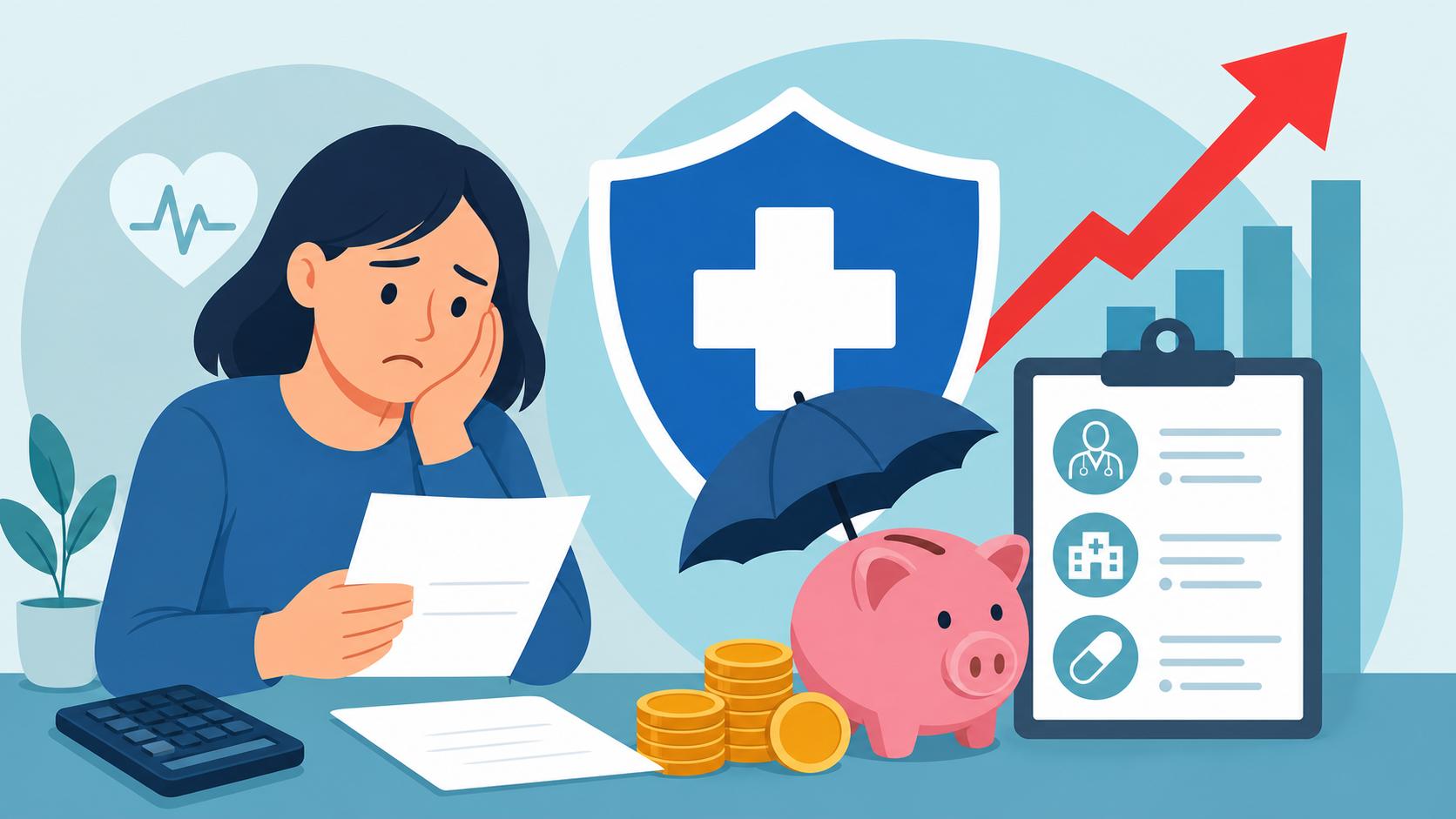
The annual announcement of health insurance premium hikes is a rite of passage every expat in Switzerland eventually dreads. I remember staring at my first premium increase notification in Zurich, wondering how a "basic" service could suddenly devour a larger chunk of my salary overnight. This guide meticulously breaks down the rising costs of Swiss health insurance and provides actionable budgeting strategies to protect your financial health.
The Reality of the Swiss Health Insurance Shock
If you are new to the country, you might expect healthcare to be a simple deduction from your paycheck, similar to the systems in the UK or Germany. However, Switzerland operates on a per-head premium basis that has nothing to do with your income level. This means a CEO and a barista might pay the exact same monthly amount for the same plan. The problem is that these costs are not static; they have been climbing steadily for years, driven by an aging population and the high cost of medical innovation within the Swiss borders.
Why Premiums Keep Climbing Every Year
The Swiss healthcare system is world-class, but that excellence comes with a heavy price tag. Every September, the Federal Office of Public Health (FOPH) announces the rates for the following year, and the news is rarely good. The primary drivers are the increased volume of medical services consumed and the rising costs of outpatient treatments. In recent years, we have seen average increases ranging from 6% to 9% across various cantons.
When you are Budgeting in Zurich and Geneva: Managing Expat Expenses in High-Cost Cities, health insurance is often the second largest expense after rent. For a family of four, an 8% increase can mean an extra CHF 100 to CHF 200 per month. This isn't just "pocket change"; it’s money that could have been going into your savings or used for weekend trips to the Alps. Understanding the "why" doesn't make the bill smaller, but it helps you realize that the system is under constant pressure, making proactive budgeting a necessity rather than an option.
Cantonal Variations and Why Your Address Matters
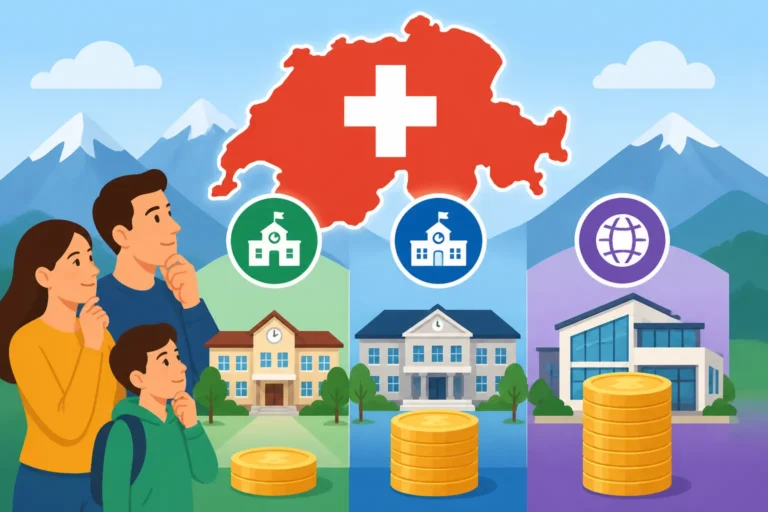
One of the most frustrating aspects of the Swiss system is that your premium depends heavily on where you live. If you move from a rural village in Appenzell to the center of Lausanne, your health insurance costs could jump by 30% even if you keep the exact same insurance provider and model. This is because premiums are calculated based on the costs incurred by the population in your specific "premium region" within the canton.
We are seeing significant disparities between cantons like Basel-Stadt, which historically has some of the highest premiums, and cantons like Zug or Nidwalden, which remain more affordable. When expats are Where to Live in Switzerland: Cantons, Cities, and Commuter Zones, they often forget to factor in the "health insurance tax" of their chosen location. If you are living on the border of two cantons, moving just a few kilometers could save you thousands of francs over a decade.
Strategic Budgeting: Choosing the Right Franchise
The "Franchise" (deductible) is the most powerful tool in your budgeting arsenal, yet it is also the most misunderstood. In Switzerland, you must choose a deductible ranging from CHF 300 to CHF 2,500. This is the amount you pay out of your own pocket before the insurance company starts covering 90% of your costs. Getting this choice wrong is the fastest way to blow your annual budget.
The High Franchise vs. Low Franchise Debate
The rule of thumb I always tell newcomers is simple but often ignored: either take the CHF 300 franchise or the CHF 2,500 franchise. The middle options (CHF 500, 1,000, 1,500, 2,000) are mathematically inefficient for almost everyone. If you expect your annual medical bills to be less than CHF 2,000, the CHF 2,500 franchise is usually the winner because the monthly premium savings are so significant—often more than CHF 1,200 per year.
However, choosing the high franchise requires a specific mindset and financial discipline. You cannot treat that "saving" as extra spending money. Instead, you should divert those savings into a dedicated "health emergency fund." I often suggest using an investment platform like Trade Republic to keep this cash liquid but still earning a bit of interest. If you have a healthy year, that money stays yours. If you have a bad year, you have the cash ready to cover the CHF 2,500 deductible plus the 10% copay (up to CHF 700).
Estimating Your Annual Worst-Case Scenario
To budget effectively, you shouldn't just look at the monthly premium. You need to calculate your "Total Potential Cost" for the year. This is the sum of (Monthly Premium x 12) + (Chosen Franchise) + (CHF 700 maximum copay). For a typical adult on a CHF 2,500 franchise in 2026, this total could be around CHF 7,500 to CHF 8,500.
Knowing this number prevents the panic that occurs when a hospital bill arrives. Many expats find it helpful to read about Out-of-Pocket Maximums: Calculating Your True Annual Healthcare Costs to understand exactly where their liability ends. If you are struggling to keep track of these varied expenses, using a clear financial app or even a simple spreadsheet is vital. I’ve seen many friends get caught out because they forgot that even with a low premium, a single ER visit can trigger a bill for the entire franchise amount instantly.
Saving via Managed Care Models
Beyond the franchise, you can lower your monthly burden by choosing a restricted "model." The "Standard" (Free Choice of Doctor) model is the most expensive and, quite frankly, a luxury that most expats don't need given the efficiency of the managed care alternatives.
Telmed vs. HMO: Which is Better
The Telmed model is a personal favorite for many expats because it offers the deepest discounts. Under this plan, you agree to call a medical hotline before seeing any doctor. They perform a preliminary triage and then refer you to a specialist or a general practitioner. For a tech-savvy expat, this is incredibly convenient and can shave 15% to 20% off your premium.
On the other hand, the HMO (Health Maintenance Organization) model requires you to always visit a specific group practice first. This is excellent if you live in a city and want a "one-stop-shop" for your health needs. However, if you are looking for more flexibility, you should investigate Comparing Health Insurance Models: Telmed, HMO, Family Doctor, and Standard to see which fits your lifestyle. In my experience, the Telmed model is the most flexible because you aren't tied to a specific building, which is a lifesaver if you travel frequently for work.
Limitations You Must Accept for Lower Premiums
You have to be honest with yourself: these discounts aren't free. They come with "gatekeeper" restrictions. If you ignore the rules—for example, if you go straight to a dermatologist without calling the Telmed hotline or seeing your HMO doctor—the insurance company has the legal right to refuse to pay the bill.
This can lead to awkward situations at the pharmacy or clinic. You need to know How to Read a Swiss Medical Bill (Rückforderungsbeleg) and Claim Refunds because the paperwork varies depending on whether your model uses the "Tiers Garant" or "Tiers Payant" system. Budgeting for health insurance isn't just about the monthly payment; it's about budgeting your time and patience for the administrative hurdles that come with the cheaper plans.
| Model Type | Typical Savings | Primary Restriction | Best For |
|---|---|---|---|
| Standard | 0% (Base) | None | High-income / Chronic illness |
| Family Doctor | 10% – 15% | Must see assigned GP first | Families with kids |
| HMO | 15% – 25% | Must use specific group clinic | Urban residents |
| Telmed | 15% – 25% | Must call hotline first | Tech-savvy / Healthy individuals |
Financial Management: Subsidies and Hidden Costs
Even with the best model and the highest franchise, the monthly bill can be overwhelming. Fortunately, the Swiss system has built-in safety nets, though they aren't always well-advertised to the expat community.
Cantonal Premium Reductions (Prämienverbilligung)
If your income falls below a certain threshold—which varies wildly by canton—you are entitled to a subsidy called "Prämienverbilligung." Many expats assume this is only for people on social welfare, but that is a myth. In some cantons, even "middle-class" earners with multiple children can qualify for a significant reduction.
The application process is usually handled by the cantonal social insurance office. It is worth checking How to Apply for Cantonal Premium Reductions if You Have a Low Income to see if you are leaving money on the table. In some cases, the canton will pay the subsidy directly to your insurance provider, which immediately lowers your monthly invoice. It’s one of the few ways to get a "discount" on the mandatory system.
Efficient Payment Methods and Neobanks
Managing the actual payment of these bills can also save you money and stress. Most Swiss insurers offer a small discount (often 1% to 2%) if you pay your entire annual premium upfront. If you have the liquidity, this is a "guaranteed return" that beats most savings accounts. If you are sending money from an overseas account to cover these costs, using a service like Wise is essential to avoid the predatory exchange rates and "hidden" fees charged by traditional banks.
Furthermore, setting up your payments via eBill in your banking app ensures you never miss a deadline. Missing a payment in Switzerland is serious; it can lead to a "Betreibung" (debt enforcement) which can ruin your chances of getting a future apartment or a permit renewal. For those who want to keep their medical spending separate, opening a secondary account with a neobank like Neon or Yuh can help you visualize your healthcare budget without it getting mixed up with your grocery money.
The Impact of Inflation and Future Trends
As we navigate through 2026, the intersection of healthcare costs and general inflation is becoming a major talking point in Swiss politics. While the "basket of goods" might see moderate inflation, medical inflation tends to outpace it. This means your health insurance is likely to grow as a percentage of your total household budget over the next five years.
Investing the Savings for Future Hikes
If you manage to save CHF 1,000 a year by switching to a more efficient model, don't just spend it on a nicer dinner. Consider putting that money into a Pillar 3a account or a broad market ETF via Trade Republic. Since health insurance costs are guaranteed to rise, your "healthcare fund" needs to grow too. Diversifying your assets, perhaps even keeping a small percentage in a secure exchange like Binance for long-term growth, can help offset the inevitable 2027 or 2028 premium hikes.
When to Consider Supplementary Insurance
Finally, the rising cost of basic insurance (KVG) often makes people wonder if they should also buy Supplementary Health Insurance (VVG): What It Covers and When to Buy It. While basic insurance is mandatory and covers all essential needs, supplementary insurance is a private contract where the insurer can reject you based on your health history.
Paradoxically, some supplementary plans can save you money. For example, if you frequently travel, a basic supplementary plan might include better coverage for emergency medical transport than the 50% rule of basic insurance. If you spend time in the mountains, you should definitely look into REGA Membership: Why Expats Need Air Rescue Insurance in the Alps, which is a tiny annual fee that provides massive financial protection against the astronomical costs of helicopter rescues.
Moving Forward with a Swiss Budgeting Mindset
Budgeting for health insurance in Switzerland requires a shift from a "passive" to an "active" mindset. You cannot simply set it and forget it. Every October, you must review your situation and decide if it’s time for Changing Your Swiss Health Insurance Provider: Deadlines and Notice Periods. The deadline is always November 30th, and if you miss it by even one day, you are locked into your current (likely more expensive) plan for another twelve months.
By choosing the right franchise, selecting a managed care model, and utilizing cantonal subsidies, you can mitigate the impact of rising premiums. Healthcare in Switzerland is a significant investment in your well-being, but with a veteran's approach to budgeting, it doesn't have to be a financial catastrophe.
Disclaimer
This guide is for informational purposes only and does not constitute official legal or financial advice. Health insurance laws and premium rates in Switzerland are subject to change by federal and cantonal authorities. Always consult with a certified insurance advisor or the Federal Office of Public Health (FOPH) for the most current regulations.