Can University Students or Welfare Recipients Get a Serafe Exemption?
Opening that square, unassuming envelope and finding a bill for CHF 335 is a rite of passage for every newcomer in Switzerland, but it never stops feeling like a punch to the gut. I remember staring at my first Serafe invoice in a cramped studio in Zurich, wondering how on earth a "radio and TV fee" was mandatory for someone who didn't even own a television. This guide will walk you through the labyrinth of Swiss media regulations to determine if your status as a student or welfare recipient offers any relief from this infamous charge.
The Reality of the Serafe Fee in 2026
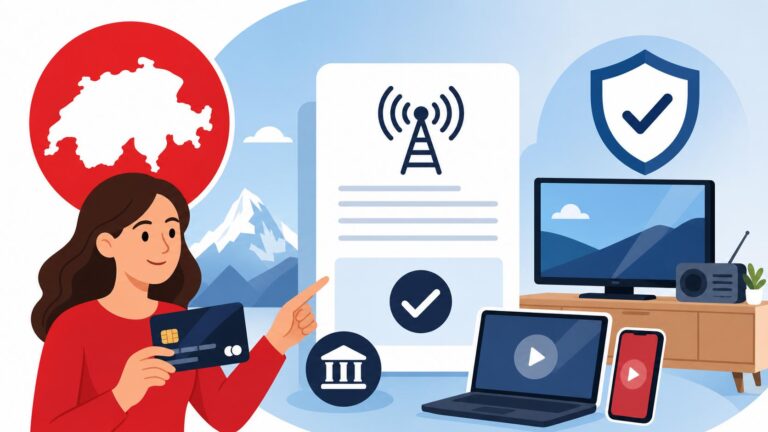
Switzerland is famous for its direct democracy and its high quality of life, but it is equally famous for its meticulous and often unavoidable administrative fees. The Serafe fee, officially known as the "Radio and Television Fee," is the primary source of funding for the Swiss Broadcasting Corporation (SRG SSR). Since 2019, the system transitioned from a device-based fee (the old Billag system) to a household-based fee. This means that, in theory, every single private household in Switzerland is liable to pay, regardless of whether you spend your evenings watching local news or streaming content on a laptop.
The logic used by the Swiss authorities is that in the modern age, everyone has a "receiving device" in their pocket. If you have a smartphone, a tablet, or a computer with internet access, you have the technical capability to access Swiss public broadcasting. Therefore, you are expected to contribute to the pot. For expats moving into their first apartment, this is often one of the first major "hidden costs" that disrupts a carefully planned budget. If you are still setting up your financial life, checking out Banking and Finance for Expats in Switzerland: The 2027 Guide can help you understand where these costs fit into the broader Swiss financial landscape.
The fee is currently set at CHF 335 per year. While this might seem like a small amount to a high-earning local, for an international student living on a strict budget or someone navigating the social safety net, it represents a significant chunk of change. This leads to the most common question I hear in expat circles: who actually gets to skip this bill?
Can University Students Get a Serafe Exemption?
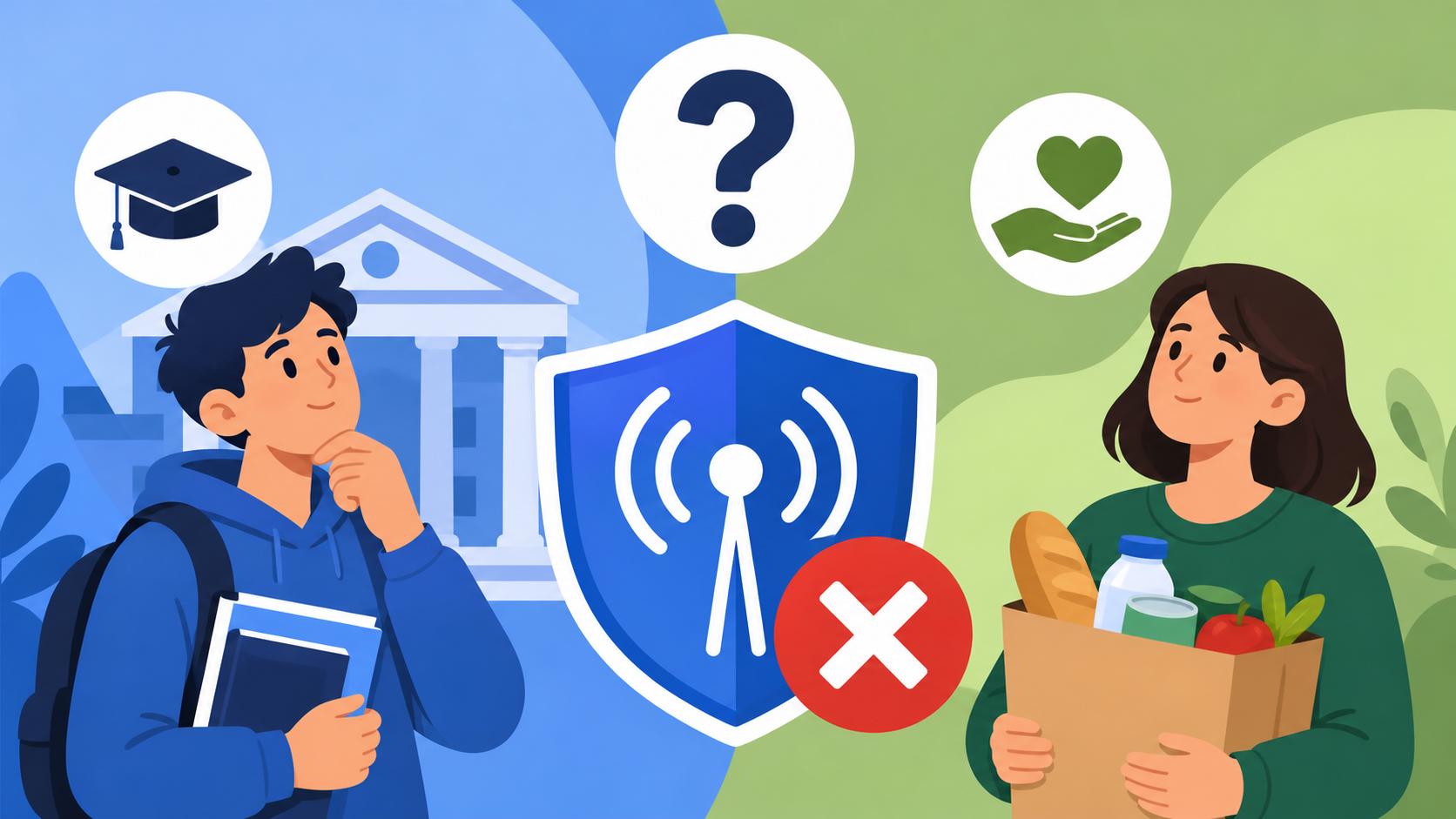
If you are a student at ETH Zurich, EPFL, or the University of Geneva, I have some tough news: simply being a student does not grant you an automatic exemption. The Swiss government views students as adults who, if they live in their own household, are subject to the same rules as a CEO. This is a massive point of frustration for many, especially when you are already struggling with the Cost of Living in Switzerland 2026: Budgeting for Singles and Families.
However, the "household" definition is your best friend here. In Switzerland, the Serafe fee is charged per household, not per person. This means if you live in student housing or a shared flat, the bill is split among everyone living there.
The Strategy for Shared Flats (WGs)
Most students in Switzerland live in a Wohngemeinschaft or "WG." In these scenarios, Serafe will send one bill to the apartment. It is usually addressed to one person—often the person who has lived there the longest or whose name appears first on the registration at the Kreisbüro. If you are moving into an existing WG, the fee is likely already being paid. Your only job is to ensure you pay your fair share to the lead tenant.
If you are the one starting a new shared flat, you will be the one receiving the bill. It is vital to coordinate with your roommates early on. I have seen friendships end over unpaid Serafe bills because one person moved out without paying their share of the annual fee. To understand the legalities of who is responsible in these situations, you should read more about Who Pays the Serafe Bill in a WG (Shared Apartment)?.
Students Living Alone or in Studios
If you have chosen the luxury of living alone in a studio, you are unfortunately the sole "head of household" in the eyes of Serafe. You will be expected to pay the full CHF 335. There is no "student discount" for the media fee. Many students try to argue that they only use international streaming services like Netflix or YouTube, but the Swiss Federal Supreme Court has been very clear: the technical possibility of reception is what triggers the fee, not your actual viewing habits.
For those trying to manage these costs while receiving funds from parents abroad, using a service like Wise can be a lifesaver. Traditional Swiss banks often charge hefty fees for receiving international transfers, and when you are trying to scrape together the money for a media tax, every franc counts. Wise allows you to hold and convert money at the mid-market rate, making it easier to pay these local bills without losing 5% to bank margins.
Welfare Recipients and the Path to Exemption
The rules for those on welfare are more nuanced. The Swiss system distinguishes between different types of financial aid, and this distinction is the key to whether or not you can get a Serafe exemption.
Supplementary Benefits (EL/PC)
The only group that is legally "exempt" from the Serafe fee are those who receive Federal Supplementary Benefits (Ergänzungsleistungen or EL) to their OASI (AHV) or DI (IV) pensions. These are payments made to elderly or disabled individuals whose basic pensions do not cover their minimum cost of living. If you fall into this category, you can submit a written application for exemption to Serafe along with your benefit decision letter.
If you are an expat who has worked in Switzerland and is now navigating a disability or retirement with low income, this is a crucial protection. You don't have to pay a single cent of the CHF 335, but the exemption is not automatic—you must proactively apply for it.
General Social Assistance (Sozialhilfe)
If you are receiving general social assistance (Sozialhilfe/Aide Sociale) because you are unemployed and have exhausted your RAV benefits, the situation is different. You are technically not exempt from the fee. However, in almost every canton, the social office will include the cost of the Serafe fee in your "basic needs" budget.
When the bill arrives, you should take it to your social worker. They will either pay it directly or provide you with the funds to pay it yourself. It is a bit of a circular bureaucratic process, but it ensures that the lowest-income residents are not further burdened. If you find yourself in this financial position, it is also worth looking into How to Apply for Cantonal Premium Reductions if You Have a Low Income to help offset your mandatory health insurance costs.
Technical Exemptions: Does "No Device" Still Work?
In the early days of the Serafe transition, there was an "opt-out" for households that genuinely possessed no radio, no TV, no smartphone, and no internet connection. This was known as the "opting-out" provision.
However, as of 2026, this exemption has effectively been phased out. The Swiss government moved to a model where the fee is a general tax-like charge rather than a service fee. The only very rare exceptions remaining are for people who are deaf-blind and live alone, or for households where every member receives certain blindness-related benefits.
If you are thinking of calling Serafe to tell them you don't own a TV, save your breath. Unless you are living in a cave without a smartphone or a data plan, they will not grant you an exemption. Instead of trying to fight the system, most expats find it easier to focus on Budgeting in Zurich and Geneva: Managing Expat Expenses in High-Cost Cities to find other areas where they can save money to cover this mandatory cost.
Financial Management for Low-Income Expats
Dealing with Switzerland's high fixed costs requires a strategic approach to every franc you earn. For students or those on lower incomes, the annual Serafe bill is often a "budget killer" because it arrives all at once.
| Expense Category | Annual Cost (Approx.) | Strategy for Students |
|---|---|---|
| Serafe Media Fee | CHF 335 | Split with roommates in a WG |
| Basic Health Insurance | CHF 3,600 – 5,000 | Choose a high franchise (CHF 2,500) |
| Mobile Phone / Internet | CHF 600 – 1,200 | Use discount providers like Wingo or yallo |
| Public Transport | CHF 190 – 3,995 | Get the Halbtax (Half-Fare) card |
To stay ahead of these bills, many expats use Trade Republic to set up automated savings plans. Even if you can only put away CHF 30 a month, by the time the Serafe bill arrives next year, you’ve already covered it. For those who are more tech-savvy and interested in the digital economy, platforms like Binance are popular for managing small amounts of crypto assets, though you should be aware of how these are treated for wealth tax purposes if your net worth grows.
What Happens if You Don't Pay?
I have met many expats who tried to "ignore" the Serafe bill, thinking that as foreigners, the rules might not apply or that the system would lose track of them. This is a dangerous game to play in Switzerland.
Serafe gets its data directly from the cantonal and communal population registries. The moment you register your address at the Gemeinde, Serafe knows you exist. If you don't pay the initial bill, you will receive a reminder (Mahnung) with a late fee. If you continue to ignore it, the case will be handed over to the debt collection office (Betreibungsamt).
A "Betreibung" is a black mark on your credit record that can stay there for five years. It will make it nearly impossible to rent a new apartment, get a credit card, or even sign a mobile phone contract. It can even affect your ability to renew your residency permit. To understand how to handle the payment correctly and avoid these consequences, read How to Pay the Serafe Bill: eBill, Bank Transfer, or Post Office.
Leaving Switzerland: Don't Forget the Pro-Rata Refund
If you are a student finishing your degree or a resident moving back home, you shouldn't have to pay for the full year if you are only in the country for part of it. When you officially deregister from your commune, you should notify Serafe.
They will calculate your fee pro-rata until your departure date. If you have already paid for the full year, you are entitled to a refund for the remaining months. This is one of the few times the Swiss bureaucracy works in your favor to give you money back. You can find the steps for this in our guide on How to Cancel the Serafe Fee When Leaving Switzerland Permanently.
Summary of Exemption Eligibility
To make it clear, here is the breakdown of who can and cannot avoid the CHF 335 fee:
- University Students: NO exemption. Must pay if living alone; can split if in a WG.
- Welfare Recipients (Sozialhilfe): NO legal exemption, but the social office usually pays the bill for you.
- Supplementary Benefit Recipients (EL/PC): YES. Full exemption available upon application.
- Diplomats: YES. Generally exempt under international treaties.
- Deaf-Blind Individuals: YES. Specific conditions apply.
If you are currently a student in a major city, you might also find local resources helpful, such as Finding a WG (Shared Flat) as an International Student in Lausanne to help you lower your per-person Serafe cost by finding more roommates to share the burden.
Navigating the Swiss financial landscape is about understanding the "rules of the game." While the Serafe fee feels like an unfair tax on your internet-connected life, it is a non-negotiable part of living in the Swiss Confederation. By planning ahead and understanding your specific eligibility for exemptions or split payments, you can ensure that this bill remains a minor annoyance rather than a financial catastrophe.
Disclaimer
This article is for informational purposes only and does not constitute legal or financial advice. Swiss laws and cantonal regulations regarding media fees and social assistance are subject to change. Always consult with your local social assistance office, the official Serafe website, or a qualified legal advisor regarding your specific circumstances and eligibility for exemptions.