Cashing Out Pillar 2 Completely When Moving to a Non-EU Country
Leaving Switzerland often feels like a race against bureaucracy, especially when your life savings are tied up in a pension fund you do not fully understand. I remember sitting in my half-packed apartment in Zurich, staring at my pension statement and wondering if I would ever see that money again once I crossed the border. This guide solves the complex puzzle of cashing out your Pillar 2 pension entirely when moving to a non-EU/EFTA country, ensuring you do not leave your hard-earned Swiss francs behind.
Understanding the Pillar 2 Cash-Out Rules for Non-EU Destinations
The Swiss pension world is built on the famous three pillars, and the second pillar—the occupational pension or BVG—is often where the bulk of an expat’s wealth accumulates. When you decide to leave Switzerland for a country outside the European Union or EFTA, the rules change dramatically in your favor compared to those staying within Europe. In a nutshell, you are generally allowed to take the entire pot with you as a lump-sum payment, regardless of your age or future employment status.
The Distinction Between Mandatory and Extra-Mandatory Portions
To navigate this, you first need to understand that your Pillar 2 is actually split into two "pots": the mandatory portion (obligatorisch) and the extra-mandatory portion (überobligatorisch). The mandatory part is what the law requires you and your employer to contribute based on your salary up to a certain threshold. The extra-mandatory part consists of any contributions made on salary portions above that threshold or voluntary "buy-ins" you might have made to bridge gaps.
When you move to a non-EU country, this distinction becomes less of a hurdle. While those moving to Germany or France are often restricted to only withdrawing the extra-mandatory portion (because they are still covered by a mandatory social security system in the EU), moving to a country like the USA, Canada, Thailand, or Australia allows you to request the full amount. This is a significant financial event that requires careful planning, as The Three-Pillar Pension System: AHV, BVG, and Private Savings remains the backbone of your Swiss financial legacy.
Why Moving to a Non-EU Country Changes Everything
The bilateral agreements between Switzerland and the EU/EFTA states are designed to coordinate social security. These agreements essentially say, "if you are still working in the EU, keep your mandatory pension in a blocked account in Switzerland until you retire." However, for non-EU countries, no such overarching agreement exists for the second pillar. Switzerland essentially views your departure as a permanent exit from their social net, allowing you to settle your accounts completely.
This flexibility is a massive advantage for expats. It allows you to take a large sum of capital and reinvest it in your home country’s market or use it as a down payment for a home abroad. However, you must prove your departure. You cannot simply say you are leaving; you need the official deregistration certificate, known as the Abmeldung, which is a critical piece of the puzzle discussed in Leaving Switzerland Permanently: The Abmeldung Process at City Hall. Without this paper, the pension foundation will not even look at your application.
Step-by-Step Guide to the Withdrawal Process
Cashing out is not an automatic process. Once you stop working for your Swiss employer, your pension funds are usually transferred from the company’s pension fund to a vested benefits foundation. If you don't choose one, the money goes to the National Substitute Pension Plan (Stiftung Auffangeinrichtung BVG). From there, you must initiate the "cash-out" request.
Timing Your Departure and the 90-Day Rule
The timing is delicate. You generally cannot apply for the payout until you have officially left Switzerland. Most pension foundations require you to submit your application no earlier than a few weeks before your departure date, and the actual payout often happens 30 to 90 days after you have officially deregistered. I learned the hard way that you need to have enough bridge capital to cover your first few months in your new country while you wait for the Swiss bureaucracy to process the wire transfer.
During this waiting period, your money sits in a Freizügigkeitskonto: Managing Vested Pension Benefits Between Jobs. It is highly recommended to move your funds to a vested benefits foundation in a canton with low withholding taxes before you leave, as this can save you thousands of francs. Once the foundation receives your proof of residency in the new country, they will trigger the final payment.
Required Documentation and Notarization
The paperwork is where most expats stumble. You will need a mountain of documents, and the Swiss are sticklers for detail. The most common requirements include:
- An official deregistration certificate from your local Swiss municipality.
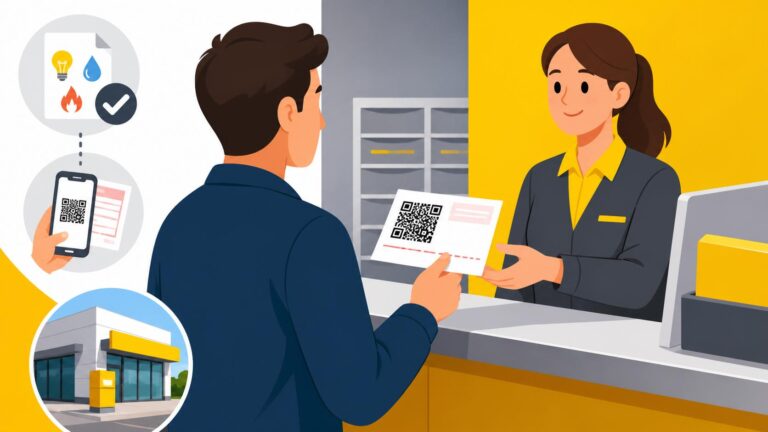
- Proof of residency in your new non-EU country (such as a utility bill, a lease, or a local tax registration).
- A certified copy of your passport.
- Written consent from your spouse or registered partner.
The last point is vital. If you are married, your spouse must sign the withdrawal form, and their signature must be notarized to prove they are aware that you are cashing out the family’s retirement security. If you are struggling to find a notary who understands the context, you can look for Finding English-Speaking Notaries for Visa Documents in Switzerland to help bridge the language gap. If your marriage certificate is not in a Swiss national language, you may also need to look into Translation and Apostille Requirements for Marriage Certificates to ensure the pension fund accepts your marital status.
Managing Your Funds: Taxation, Transfers, and Reinvestment
The moment the money hits your account, it is subject to taxation. However, because you are no longer a resident of Switzerland, you are not taxed at your usual income rate. Instead, a "withholding tax" (Quellensteuer) is applied at the source. The rate of this tax depends entirely on the canton where the pension foundation is based, not where you lived in Switzerland.
| Feature | Cash-Out (Non-EU) | Vested Benefits Account (Stay in CH) |
|---|---|---|
| Availability | Immediate Lump Sum | Blocked until Retirement Age |
| Taxation | Withholding Tax (Canton-dependent) | No Tax until Withdrawal |
| Investment Control | Full Control (Abroad) | Restricted to Swiss-approved Funds |
| Spousal Consent | Mandatory | Not Required to keep in CH |
| Currency Risk | High (Immediate conversion) | Low (Stays in CHF) |
Withholding Tax and the Importance of Canton Schwyz
Experienced expats know that cashing out from a foundation based in Zurich or Geneva is a mistake. Those cantons have relatively high withholding taxes. Many move their funds to a foundation in Canton Schwyz before leaving, as Schwyz offers some of the lowest withholding tax rates in Switzerland for pension payouts. Understanding the difference between Withholding Tax (Quellensteuer) vs Standard Taxation for Foreigners is essential for maximizing your final payout.
Once the tax is deducted, you are left with the net amount. If your new country has a double taxation agreement with Switzerland, you might even be able to claim a refund of the Swiss withholding tax if you prove that the lump sum was taxed in your new home country. This is a complex area, and Leaving Switzerland Financially: Closing Accounts and Pension Payouts provides a broader look at the steps needed to finalize these affairs.
Moving the Money Safely with Modern Fintech
The final payout will be in Swiss Francs (CHF). If your non-EU destination uses a different currency, a traditional bank transfer can be an expensive nightmare due to poor exchange rates and hidden fees. To avoid losing 3-5% of your life savings to a bank's margin, I often recommend using a specialized service like Wise. They allow you to receive the CHF into a local multi-currency account and convert it at the mid-market rate when the timing is right.
Once the money is safely in your new country, the question becomes how to grow it. Since you’ve essentially "unplugged" from the Swiss social security system, the responsibility of retirement falls entirely on you. You might consider reinvesting that lump sum into a diversified portfolio via Trade Republic, which offers a user-friendly way to access global ETFs. For those who are more tech-inclined and looking to diversify into alternative assets, moving a small portion into the digital asset market via Binance can be a way to hedge against traditional currency fluctuations, provided you understand the risks. For more on the logistics of moving money, check out Cheapest Ways to Transfer CHF Abroad: Wise vs Revolut vs Swiss Banks.
Common Pitfalls and Expert Tips for a Smooth Transition
One of the most common mistakes is forgetting that the "Accident Insurance" covered by your employer stops the moment you leave. If you are moving to a country with a less robust healthcare system, ensure you have coverage in place. Furthermore, if you have been paying for supplementary insurance, remember to review Supplementary Health Insurance (VVG): What It Covers and When to Buy It before you cancel everything.
Another pitfall is the "90-day window." If you do not provide instructions on where to send your pension within 90 days of leaving your job, your employer will automatically send it to the Substitute Pension Foundation. While your money is safe there, it earns very little interest and the administrative process to get it back out can be slower. Be proactive. Choose your vested benefits foundation before you hand in your notice.
Lastly, keep in mind the Cost of Living in Switzerland 2026: Budgeting for Singles and Families as you plan your exit. The costs of moving internationally, combined with the "cleaning and handover" fees for your Swiss apartment, can eat into your savings quickly. Having your Pillar 2 cash-out as a safety net is great, but don't count on it being in your pocket the day you land in your new home. It takes time, patience, and a lot of stamps.
Disclaimer
The information provided in this article is for educational and informational purposes only and does not constitute financial, legal, or tax advice. Pension regulations in Switzerland and international tax treaties are subject to change. You should consult with a qualified financial advisor or tax professional who specializes in Swiss cross-border transitions before making any decisions regarding your retirement funds. Neither the author nor the publisher is responsible for any financial losses or legal issues arising from the use of this guide.