Closing Your Swiss Accounts and Settling Taxes When You Leave
Leaving Switzerland is often more administratively taxing than arriving. While the initial move involved excitement and new beginnings, the exit requires a cold, calculated dismantling of the life you built over years. This guide solves the complex logistical puzzle of de-registering your residency, settling final tax liabilities, and extracting your hard-earned pension and bank assets without falling into expensive bureaucratic traps.
The Abmeldung and the Final Tax Reckoning
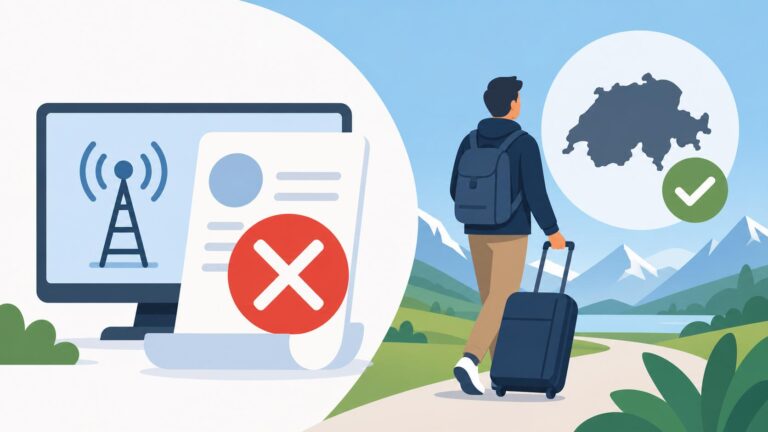
The moment you decide to leave, the Swiss clock starts ticking in a way that feels quite different from the usual precision. The first and most critical step is the Abmeldung, or the formal de-registration at your local Gemeinde or Kreisbüro. You cannot simply pack your bags and disappear; the Swiss state requires a clean break. Usually, you can do this up to 30 days before your departure date. When you walk into that office, you aren't just handing back a permit; you are triggering a series of financial notifications that affect every contract you hold.
Once you receive your Abmeldung certificate, the tax authorities will be notified immediately. This is where things get tricky for expats. If you have been paying withholding tax, your employer will likely make a final adjustment on your last paycheck. However, if you have been filing a full tax return because you earn over CHF 120,000 or hold a C permit, you will be required to file a "pro rata" tax return for the current year before you leave. This means estimating your income from January 1st until your departure date. Many people find this overwhelming, which is why services like Taxes for Expats can be a lifesaver to ensure you aren't overpaying or leaving behind a debt that could haunt your future travel.
It is a common misconception that once you leave, you are "done" with the tax office. In reality, the final assessment can take months or even years to finalize. You will need to appoint a tax representative—a person or firm still living in Switzerland—who can receive official mail on your behalf. If you don't do this, the tax office may use your last known address or simply issue a default assessment that is rarely in your favor. Settling these debts is vital because an unpaid tax bill can lead to a debt entry that makes it impossible to return. You can learn more about Clearing an Unjustified Betreibung from the Swiss Debt Register if you suspect a former bill was handled incorrectly.
Breaking the Golden Handcuffs of Swiss Banking
Closing a Swiss bank account is rarely as simple as clicking a button in an app. Most traditional banks, like UBS or ZKB, require a formal written request or an in-person visit. The biggest mistake expats make is closing their accounts too early. You will likely receive final bills for electricity, health insurance, and medical visits long after you have physically crossed the border. For instance, understanding How to Read a Swiss Medical Bill (Rückforderungsbeleg) and Claim Refunds is essential during your final month, as you may still be waiting for reimbursements from your insurer.
I usually recommend keeping your Swiss account open for at least six months after departure. However, be aware that many banks will shift you to a "non-resident" fee structure the moment your address changes to a foreign one. These fees can be as high as CHF 30 to CHF 50 per month. To avoid these costs while still being able to pay final bills, many veterans switch their remaining CHF into a multi-currency account using Wise. This allows you to hold Swiss Francs without the exorbitant non-resident fees of a traditional bank.
When you are finally ready to move your life savings out of the country, do not use a standard wire transfer from a retail bank. The exchange rate margins can eat up thousands of dollars if you are moving a significant balance or a pension payout. Using Wise for these large transfers is generally the standard advice among the expat community because the transparency of the mid-market rate saves a fortune compared to the "hidden" fees in traditional bank spreads. Always ensure your bank has your new international contact details so they don't lock your account for "suspicious activity" while you are trying to move your funds from abroad.
The Pension Puzzle and Cashing Out Your Pillars
The most significant financial asset you likely have in Switzerland is your pension. Understanding The Three-Pillar Pension System: AHV, BVG, and Private Savings is crucial before you sign your de-registration papers. Your 1st Pillar (AHV) is generally not "cashable" for EU/EFTA citizens, but if you are moving to a non-EU country, you might be able to claim a refund of your contributions after a few years. For the 2nd Pillar (BVG/LPP), the rules are strict. If you move to an EU/EFTA country, you can usually only cash out the "extra-mandatory" portion of your pension; the mandatory portion must be transferred to a vested benefits account in Switzerland.
If you are moving to a "Third Country" like the USA, Canada, or Australia, you can often cash out the entire 2nd Pillar. This is a massive windfall for many, but it comes with a catch: tax. The payout is taxed at the source, and the rate depends on the canton where the pension fund is based, not where you lived. This is a pro-tip that many people miss. By moving your pension to a vested benefits provider in a low-tax canton like Schwyz or Zug before you cash it out, you can save thousands in exit taxes. You can manage this through a Freizügigkeitskonto: Managing Vested Pension Benefits Between Jobs specifically designed for those leaving the country.
Your 3rd Pillar (3a) is much easier to handle. Since leaving Switzerland is a valid reason to close a 3a account regardless of your age, you can simply present your Abmeldung certificate to your bank or insurance provider. They will then liquidate the assets and transfer them to your designated account. Remember that this payout is also subject to a capital withdrawal tax. For complex situations involving US tax residents, consulting with Taxes for Expats is highly recommended to avoid double taxation on these large sums. You can refresh your memory on how these accounts work in our guide on Pillar 3a in 2026: Tax Deductions, Limits, and Investment Options.
Contractual Goodbyes and Hidden Costs
The "Diplomatic Clause" is a term you will hear often during your final months. Most Swiss contracts—internet, mobile, and even gym memberships—have fixed terms of 12 to 24 months. However, the law generally allows you to break these contracts if you can prove you are leaving the country permanently. Your Abmeldung certificate is your "Get Out of Jail Free" card. Without it, providers like Swisscom or Sunrise may try to charge you for the remaining months of your contract.
Housing is the biggest hurdle. Usually, you need to give three months' notice, often only on specific quarterly dates. If you need to leave earlier, you must find a "Nachmieter"—a solvent replacement tenant willing to take over your lease under the same conditions. During the Swiss Apartment Handovers (Wohnungsübergabe): Protocols and Deposits, the landlord will be looking for any reason to keep your deposit. Ensure you have professional cleaning with a "passed guarantee." Once the handover is successful, it can still take weeks for the bank to release your deposit.
Don't forget the smaller, often overlooked administrative fees. You need to ensure you have handled The Serafe Fee 2026: Paying the Mandatory CHF 335 Media Tax, as they will bill you pro-rata for the months you were in the country. Similarly, your health insurance doesn't end the day you stop working; it ends the day you leave the country. You must send your Abmeldung to your KVG provider to stop the premiums. Leaving these small threads dangling is the fastest way to end up with a debt collection notice in your new home.
| Task | Deadline | Required Document |
|---|---|---|
| Apartment Termination | 3-4 months before | Formal Letter / Nachmieter |
| Abmeldung (City Hall) | 30 days before | Passport / Lease end date |
| Health Insurance Exit | 30 days before | Abmeldung Certificate |
| Pension Cash-out | After departure | Proof of foreign residency |
| Final Tax Return | Before departure | Estimated income docs |
| Internet/Mobile | 30-60 days before | Abmeldung Certificate |
Final Logistics and Moving Money Abroad
As you prepare to physically move your belongings, the customs process becomes paramount. If you have lived in Switzerland for more than six months, you can usually take your household goods back to your home country or a new country duty-free, provided you have owned them for at least six months. Keep a detailed inventory list; you will need this for the moving company and the customs officials at the border. If you have any remaining medical bills or tax questions, utilizing Taxes for Expats for a final consultation can provide peace of mind that your US or international reporting is compliant.
Finally, manage your expectations regarding the "final" refund. Whether it’s a rental deposit, a tax overpayment, or a 3rd Pillar payout, Swiss institutions are not known for their speed when money is flowing away from them. This is why using a service like Wise is so helpful; it allows you to maintain a "Swiss-like" account with an IBAN that can receive these final payments in CHF without you having to pay for a high-street Swiss bank account for years. Dealing with the Cost of Living Realities: Groceries, Telecoms, and Household Expenses one last time as you close out your bills will be a reminder of why you are moving, but also of the efficiency you are leaving behind.
When the last box is taped shut and the keys are handed over, take a breath. You have navigated one of the most complex administrative environments in the world. As long as you have your Abmeldung, your pension plan in place, and a reliable way to transfer your remaining Swiss Francs, you are ready for your next adventure. Switzerland is a wonderful place to live, but as many of us veterans know, it’s an even better place to have successfully "graduated" from.
For more detailed information on specific topics mentioned in this guide, please refer to the following resources:
- Leaving Switzerland Permanently: The Abmeldung Process at City Hall
- Canceling Swiss Contracts: Deadlines for Internet, Mobile, and Insurance
- Withdrawing Pillar 2 When Moving to an EU Country: Rules and Restrictions
- The Serafe Fee 2026: Paying the Mandatory CHF 335 Media Tax
- Swiss Apartment Handovers (Wohnungsübergabe): Protocols and Deposits
- Freizügigkeitskonto: Managing Vested Pension Benefits Between Jobs
Disclaimer
The information provided in this article is for informational purposes only and does not constitute legal, financial, or tax advice. Swiss regulations regarding residency, taxation, and pensions are subject to change and vary significantly by canton. Always consult with a qualified professional or the relevant cantonal authorities before making significant financial or immigration decisions.