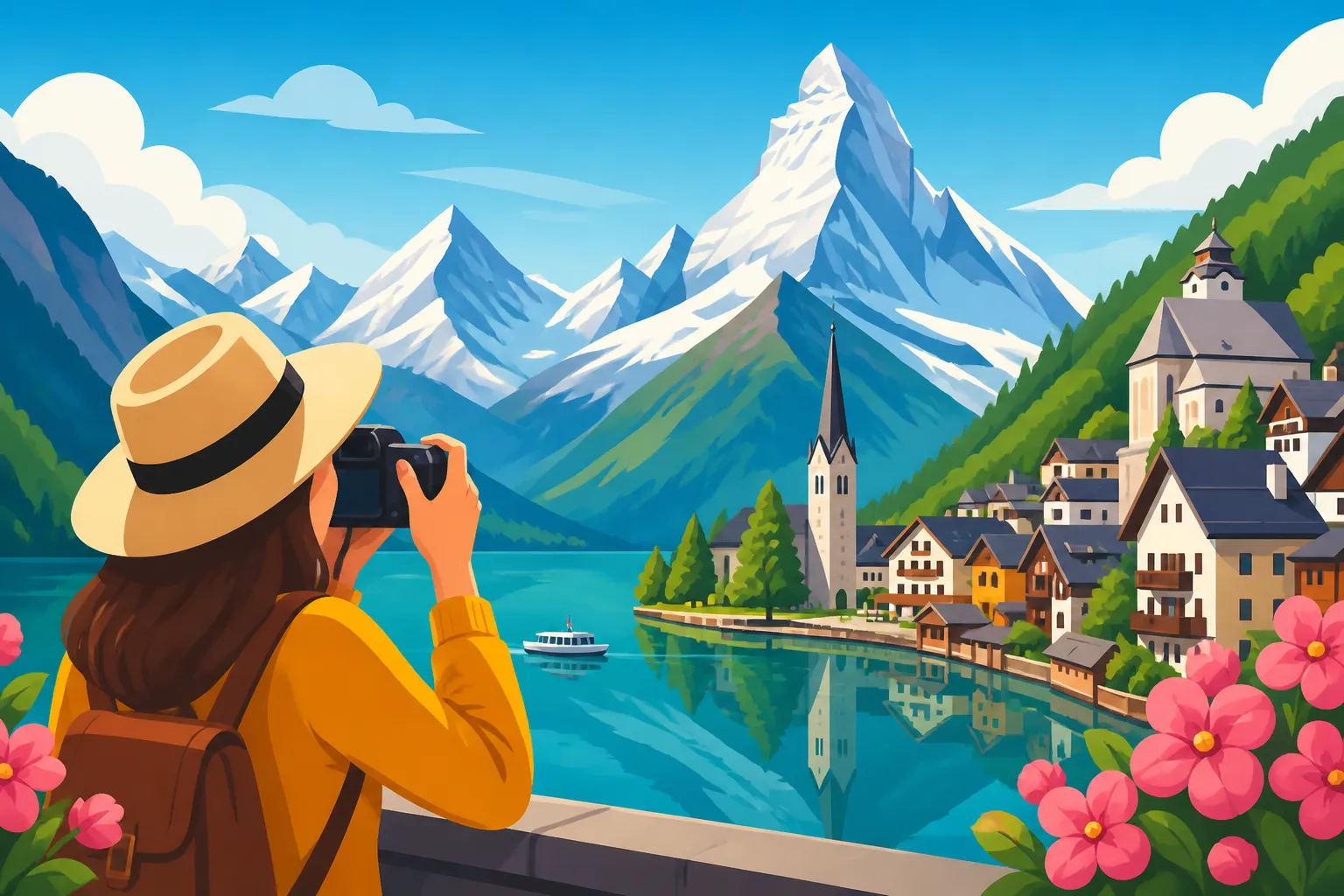
Photography Spots: The Most Instagrammable Places in Switzerland
You've just arrived in Switzerland, your phone storage is clear, and your camera battery is charged, ready to capture those iconic Swiss vistas. But then reality hits: where do you even start? It's easy to get overwhelmed by the sheer beauty, and even easier to end up with the same generic snaps everyone else has. Or worse, you arrive at a 'famous' spot only to find it's thronged with people or the light is all wrong. Don't worry, fellow explorer; this comprehensive guide is here to cut through the noise, validate your eagerness (and potential frustrations!), and lead you to Switzerland's truly most Instagrammable places, along with the insider tips to capture them perfectly.
Iconic Mountain Panoramas That Demand a Lens
Let's be honest, you came to Switzerland for the mountains, didn't you? Those dramatic peaks, the crisp, clean air, and the sheer scale of the Alps are a photographer's dream. But to truly do them justice, you need to know where to go and when. It's not just about pointing and shooting; it's about finding that perfect frame that tells a story.
The Unmissable Matterhorn Views from Zermatt
Ah, the Matterhorn. That distinctive pyramid shape, piercing the sky, is probably the most recognizable mountain in Switzerland, if not the world. Standing majestic above the charming, car-free village of Zermatt, it's a magnet for photographers, and for good reason. No matter how many times you see it in pictures, nothing quite prepares you for its imposing presence in real life.
To truly capture the Matterhorn in all its glory, you need strategy. The classic postcard shot, the one with the reflection in a still, alpine lake, is usually taken from Riffelsee. To get there, you'll take the Gornergrat Railway from Zermatt up the mountain. Early mornings are best for reflections and fewer crowds, so set that alarm! Imagine the still, blue water mirroring the Matterhorn's peak, often kissed by the first rays of dawn – it’s pure magic. Another fantastic viewpoint is from the Sunnegga area, easily accessible by funicular. From here, you can also hike down to Stellisee for another stunning reflection shot, especially beautiful at sunrise or sunset. You might even consider a private guided tour to hit all the best angles without getting lost, which you can often arrange through platforms like GetYourGuide, ensuring you maximize your time and photographic opportunities. For a complete guide, check out our article on Gornergrat Railway: Matterhorn Views from Zermatt.
Jungfraujoch and the Alpine Wonderland
Known as the "Top of Europe," Jungfraujoch isn't just a high-altitude train station; it's an entire universe of ice, snow, and breathtaking panoramas. Getting there is an adventure in itself, involving a scenic train journey through the Eiger and Mönch mountains. When you step out onto the Aletsch Glacier – Europe's longest glacier, by the way – the scale of it all is utterly humbling.
From a photography perspective, Jungfraujoch offers a wealth of opportunities. The Sphinx Observatory provides panoramic views of the glacier and surrounding peaks. Don't miss the Ice Palace, a labyrinth of sculpted ice that offers unique, ethereal shots, especially with a wide-angle lens. The Glacier Plateau is where you can truly feel the vastness and get those classic shots of people dwarfed by the snowy expanse. Be prepared for crowds, especially during peak season and mid-day. My tip: go early in the morning or later in the afternoon if you can, and always check the weather webcams before you commit to the journey. A cloudy day at the top can be incredibly disappointing when you’ve invested so much time and money. For detailed planning and cost-saving tips, make sure to read Jungfraujoch 'Top of Europe': Planning the Trip and Saving Money.
The Majesty of Mount Pilatus and Lake Lucerne
While the Matterhorn is iconic for its shape, Mount Pilatus offers a different kind of majestic beauty, encompassing rugged peaks, verdant valleys, and the shimmering blue expanse of Lake Lucerne. Often referred to as the "Dragon Mountain," Pilatus is steeped in legends and provides some truly dramatic backdrops.
The "Golden Round Trip" is the ultimate way to experience Pilatus and capture its diverse beauty. This journey typically involves a boat trip across Lake Lucerne, a ride up the world's steepest cogwheel railway to the summit, and then a descent via aerial cable cars and panorama gondolas. Each segment offers distinct photo opportunities. From the lake, you can capture the mountain's imposing presence over the water. On the cogwheel railway, the steep ascent offers unique perspectives of the track winding through alpine meadows. At the summit, various viewing platforms provide sweeping views of the entire region, including the city of Lucerne and countless peaks. Don't forget to look for the famous Pilatus Kulm Hotel at the summit, a beautiful subject in itself. For more on this incredible journey, refer to Mount Pilatus from Lucerne: The World's Steepest Cogwheel Railway.
Charming Towns and Lakes for Picture-Perfect Moments
Switzerland isn't just about soaring mountains; its towns and lakeshores are equally captivating, offering a blend of historic charm, vibrant culture, and serene natural beauty. These spots provide a softer, yet equally compelling, canvas for your photography, often best captured with a slower pace and an eye for detail.
Lakeside Serenity: Lake Geneva and Montreux
The Vaud region, particularly around Lake Geneva (Lac Léman), offers a distinctly different vibe from the high Alps. Here, the mountains meet the water, creating a Riviera-like atmosphere that's both elegant and incredibly photogenic. Montreux, with its famous jazz festival and the bronze statue of Freddie Mercury by the lake, is a highlight. The promenade, lined with flowers and palm trees, offers endless opportunities for captivating shots, especially with the Dents du Midi mountain range in the background.
But the true jewel of this area for photographers is undoubtedly Chillon Castle. This medieval fortress, perched on a rocky island and seemingly floating on Lake Geneva, is a fairy-tale come to life. Visit in the early morning or late afternoon to catch the soft light on its ancient stones and the calm reflections on the water. Inside, the dungeons and courtyards offer a glimpse into history, providing unique architectural shots. You can easily spend hours here, exploring every angle. To truly make the most of your trip, consider combining this with exploring the Lavaux vineyards nearby – a topic we’ll dive into shortly! Our Day Trips from Geneva: Montreux, Gruyères, and the Lavaux Vineyards guide has more ideas.
The Postcard Beauty of Lucerne's Old Town
Lucerne's Old Town is like stepping into a perfectly preserved medieval painting. This city effortlessly blends historical architecture with stunning lakeside and mountain backdrops, making it a dream for street photographers and landscape enthusiasts alike. The most famous icon, and a must-photograph, is the Chapel Bridge (Kapellbrücke) with its distinctive Water Tower. This wooden bridge, adorned with historical paintings, looks magical at any time of day, but particularly at dusk when its lights reflect on the Reuss River.
Wander through the narrow cobblestone streets, and you'll discover squares adorned with fountains and charming, frescoed buildings that tell stories of centuries past. The Jesuit Church, with its intricate Baroque interior, also offers unique photographic opportunities. For a different perspective, take a boat trip on Lake Lucerne, offering sweeping views of the city skyline framed by Mount Pilatus and Mount Rigi. It’s impossible to take a bad photo here, though trying to capture the Kapellbrücke without a throng of tourists is a fun challenge! For more exploration ideas, refer to Exploring Lucerne: Old Town, Lake Cruises, and Mount Excursions.
Exploring the Colorful Streets of Bern
Bern, the charming capital of Switzerland, often gets overlooked in favor of the more 'glamorous' cities, but it's a UNESCO World Heritage site that offers incredible photographic depth. The Old Town is encircled by the turquoise Aare River, creating a unique peninsula setting. Its medieval arcades, cobbled streets, and stunning clock tower (Zytglogge) provide endless material for your lens.
One of the best ways to photograph Bern is to find higher ground. The Rose Garden (Rosengarten) offers a fantastic panoramic view of the Old Town, the Aare River, and the Bundeshaus (Federal Palace) in the distance, especially beautiful at sunset. Down in the streets, focus on the intricate details: the numerous fountains, often topped with colorful figures, the unique architecture of the arcaded sidewalks (Lauben), and the famous Bear Park where you can often spot the city's mascots. Early mornings are best for capturing the quiet charm of the streets before the bustling crowds arrive. You can find more tips for regional exploration in our Day Trips from Bern: Thun, Interlaken, and the Emmental guide.
Hidden Gems and Unique Perspectives
Beyond the grand mountains and famous cities, Switzerland holds a trove of less-frequented spots and unique perspectives that can truly elevate your photographic portfolio. These are the places where you can capture a different side of Switzerland, often with a touch more local flavor and fewer selfie sticks.
The Ancient Beauty of the Lavaux Vineyards
Nestled along the shores of Lake Geneva, the Lavaux Vineyard Terraces are a UNESCO World Heritage site and an absolute marvel, especially for those who appreciate landscape photography with a human touch. These painstakingly cultivated terraces, some dating back to the 11th century, cascade down towards the lake, creating a vibrant patchwork of green (or golden in autumn) against the deep blue water and distant mountains.
The best way to photograph Lavaux is to immerse yourself in it. There are numerous walking trails that wind through the vineyards, offering countless angles and perspectives. Consider starting in a village like Grandvaux, Epesses, or Lutry and just letting your feet guide you. The light here is particularly enchanting during the golden hour, both at sunrise and sunset, when the low sun illuminates the terraces and the lake in a warm glow. Spring, when the vines are just budding, and autumn, with its fiery colors, are particularly stunning seasons. You’ll find small winemaking villages dotted along the trails, perfect for a break and to capture some rustic charm. For a detailed guide on exploring these stunning terraces, check out Hiking the Lavaux Vineyard Terraces Above Lake Geneva.
Cascading Wonders: Rhine Falls and Trümmelbach Falls
While often overshadowed by the majestic mountains, Switzerland's waterfalls offer powerful and dynamic photographic opportunities. Two, in particular, stand out for their unique beauty and photographic potential: the formidable Rhine Falls and the hidden, thunderous Trümmelbach Falls.
The Rhine Falls, near Schaffhausen, are Europe's most powerful waterfalls. The sheer volume of water thundering over the rocks is mesmerizing. You can get incredible shots from various viewing platforms, including those right on the rock in the middle of the falls (accessible by boat), or from the picturesque Schloss Laufen castle overlooking the cascades. Wide-angle shots are great here to capture the scale, but don't forget your telephoto lens for detailed shots of the rushing water and the brave little boats that venture close. It’s a spectacular sight, especially after heavy rains or snowmelt when the water flow is at its peak.
The Trümmelbach Falls, located in the Lauterbrunnen Valley, are a completely different experience. These are a series of ten glacier-fed waterfalls inside the mountain, made accessible by tunnels, lifts, and platforms. The unique challenge here is the low light and the constant spray, but the reward is incredibly dramatic photos of water carving its way through rock. Bring a fast lens, a tripod if possible, and definitely protect your camera from moisture. The blue-green hue of the water and the sheer force are unlike anything you'll photograph elsewhere. For tips on incorporating Rhine Falls into a larger itinerary, our Day Trips from Zurich: Rhine Falls, Rapperswil, and Lucerne article is a good starting point.
Appenzell's Traditional Charm and Cliffside Adventures
If you’re looking for a taste of traditional, rural Switzerland away from the typical tourist routes, the Appenzell region is an absolute goldmine for photographers. It’s a world of rolling green hills, traditional wooden houses with intricate frescoes, and cows adorned with giant bells. The capital, Appenzell town, is delightfully quaint, with its colorful main street and charming shops.
But the real photographic gem, and one that has gained significant Instagram fame in recent years, is the Äscher Cliff Restaurant near Ebenalp. This centuries-old guesthouse is literally built into the side of a cliff, offering an unbelievably dramatic backdrop. To get there, you take a cable car up Ebenalp, then hike a short, but sometimes steep, path. The views from the restaurant, overlooking the valley, are incredible, and the restaurant itself is an architectural wonder. Early morning or late afternoon can offer softer light and fewer people. Beyond Äscher, the entire region is dotted with beautiful hiking trails and traditional farms, providing endless opportunities for capturing authentic Swiss pastoral scenes. Our guide on Hiking in Appenzell: The Ebenalp and Äscher Cliff Path will help you plan your visit.
Practical Photography Tips for Capturing Switzerland's Best
Alright, you know where to go, but how do you make sure your photos truly stand out? Switzerland's beauty is undeniable, but getting that perfect shot often comes down to timing, preparation, and respecting your surroundings. Here are a few seasoned tips I've picked up over the years.
Best Time to Visit and Golden Hour Magic
Timing is absolutely everything in photography, and Switzerland is no exception. The golden hour – the hour after sunrise and the hour before sunset – is your best friend. The light is soft, warm, and creates beautiful long shadows and a magical glow on the landscape, perfect for mountains, lakes, and charming villages. Aim to be at your chosen spot before sunrise or well before sunset to set up.
Beyond daily timing, consider the season.
- Spring (April-June) brings lush green meadows, blooming flowers, and snow-capped peaks – a fantastic contrast. Waterfalls are at their most powerful due to snowmelt.
- Summer (July-August) means long days, vibrant colors, and accessible hiking trails. However, it also means bigger crowds and harsher midday light.
- Autumn (September-October) is spectacular for foliage, especially in regions like Ticino, Graubünden, and Lavaux. The air is crisp, and colors are rich.
- Winter (November-March) transforms Switzerland into a snowy wonderland. Perfect for capturing snow-dusted villages, frozen lakes, and dramatic ski slopes. The light can be wonderfully soft and diffused on overcast days.
Always check the weather forecast and, for mountain excursions, local webcams before you head out. Clear skies are great, but even moody, cloudy days can create incredibly atmospheric shots. Speaking of planning, Weather Apps and Webcams for Planning Swiss Mountain Trips offers excellent resources.
Essential Gear and Packing Advice
You don't need a professional setup to capture amazing photos, but a few key items can make a world of difference.
- Camera Body: A good mirrorless or DSLR camera with interchangeable lenses is ideal, but even modern smartphone cameras are incredibly capable now.
- Lenses:
- Wide-angle lens (16-35mm equivalent): Essential for capturing expansive landscapes, towering mountains, and architectural shots in towns.
- Mid-range zoom lens (24-70mm equivalent): Versatile for general travel, street photography, and environmental portraits.
- Telephoto lens (70-200mm equivalent or longer): Great for compressing distant mountain ranges, capturing details you can't reach, or wildlife.
- Tripod: Crucial for low-light shots (sunrise/sunset, interiors of churches), long exposures (waterfalls, silky smooth lakes), and ensuring sharp images. Look for something lightweight and portable if you'll be hiking.
- Filters: A polarizing filter reduces glare on water and enhances sky colors. A neutral density (ND) filter helps with long exposures in bright light.
- Extra Batteries and Memory Cards: You'll be taking more photos than you think, especially in such stunning scenery!
- Weather Protection: A rain cover for your camera, a microfiber cloth for wiping lenses, and sturdy, waterproof hiking boots for yourself are non-negotiable. The weather in the mountains can change in an instant.
- Comfortable Backpack: One that can hold your gear, water, snacks, and extra layers.
Remember, less is often more. Don't overburden yourself with gear if it means you'll miss the moment because you're fumbling around. Sometimes, the best camera is the one you have with you and are most comfortable using. For general packing advice for an alpine trip, consider reading What to Pack for a Day Trip to the Swiss Alps.
Respecting Local Rules and Nature
Switzerland is pristine for a reason: Swiss people respect their environment and their neighbors, and they expect you to do the same. When you're out taking photos, remember these simple guidelines:
- Stay on marked paths: Especially in national parks or sensitive alpine areas. Going off-trail can damage fragile ecosystems.
- Leave no trace: Pack out everything you pack in. Don't litter.
- Respect private property: Don't trespass for a photo. Many charming farmhouses are private homes.
- Noise levels: Especially in quiet villages or residential areas, be mindful of noise, particularly during "Ruhezeiten" (quiet hours), which are typically from 10 PM to 7 AM and all day on Sundays. That means no loud drones or shouting to your travel buddy for a pose.
- Drones: While tempting, drone usage is restricted in many areas, particularly near national parks, airports, and private property. Always check local regulations before flying. Ignorance is not an excuse, and fines can be steep.
- Be mindful of others: Don't hog viewpoints or block paths for extended periods. Everyone deserves to enjoy the scenery. If you're setting up a tripod, choose a spot that doesn't obstruct others.
Being a responsible photographer ensures that these beautiful locations remain pristine for everyone, including yourself on your next visit.
Here's a handy table summarizing some of these iconic spots and their best photographic features:
| Photo Spot | Best Time to Visit | Unique Photo Opportunities | Logistics & Tips |
|---|---|---|---|
| Matterhorn (Zermatt) | Sunrise/Sunset, clear mornings | Reflection in Riffelsee/Stellisee, panoramic views from Gornergrat, village charm | Car-free Zermatt (train access), Gornergrat Railway, Sunnegga funicular. Book accommodations on Booking.com in advance. |
| Jungfraujoch | Early morning/late afternoon | Aletsch Glacier, Ice Palace, Sphinx Observatory, snowscapes | High-altitude train, expensive. Book tickets via Omio for convenience. Dress warmly, check webcams. |
| Mount Pilatus | Late spring to early autumn | "Golden Round Trip" perspectives (lake, cogwheel, cable car), Lucerne views, dragon legends | Boat from Lucerne, world's steepest cogwheel railway. |
| Chillon Castle | Early morning/late afternoon | Castle on Lake Geneva, reflections, Freddie Mercury statue in Montreux | Train/bus to Montreux or Veytaux, short walk to castle. Consider a tour booked via GetYourGuide. |
| Lucerne Old Town | Dusk/Dawn, any clear day | Chapel Bridge & Water Tower, frescoed buildings, medieval streets, Reuss River | Walkable. Combine with a lake cruise. |
| Bern Old Town | Early morning, sunset | Rose Garden panorama, Zytglogge clock tower, Aare River views, arcaded streets | Walkable. Public transport within city. |
| Lavaux Vineyards | Spring (blooming), Autumn (color) | Terraced vineyards, Lake Geneva views, quaint villages, golden hour glow | Hiking trails between villages (e.g., Grandvaux to Lutry). SBB trains to lakeside towns. |
| Rhine Falls | Late spring (snowmelt) | Europe's most powerful waterfall, Schloss Laufen, boat trip perspectives | Train to Neuhausen Rheinfall or Schloss Laufen. Easy access. |
| Trümmelbach Falls | Summer, after heavy rain | Internal glacier waterfalls, dramatic rock formations, misty light | Bus from Lauterbrunnen. Bring rain protection for camera. |
| Appenzell / Äscher Cliff | Spring, Summer, early Autumn | Traditional village, Äscher Cliff Restaurant, rolling hills, alpine farms | Cable car to Ebenalp, then short hike to Äscher. Can book local Appenzell hotels on Booking.com. |
Switzerland is a country that keeps on giving, and its photographic opportunities are truly endless. From the rugged majesty of its peaks to the serene beauty of its lakes and the timeless charm of its towns, there's a frame waiting around every corner. So, grab your gear, put on your walking shoes, and get ready to capture some truly unforgettable moments. Don’t forget to occasionally put the camera down and just soak it all in, too – some memories are best kept just for yourself. Happy shooting!
Disclaimer
The information provided in this guide is for general informational purposes only and does not constitute professional advice. While we strive to keep the information up-to-date and accurate, conditions such as weather, accessibility, operating hours, and local regulations can change rapidly. Always check official sources, local guides, and weather forecasts before planning your trip, especially for mountain excursions and specific attractions. Neither the author nor the publisher will be held responsible for any losses, damages, or inconveniences incurred as a result of relying on this information.