Scenic Drives in Switzerland: The Grand Tour Route
So, you've landed in Switzerland, maybe you've settled into your apartment, perhaps even bravely tackled the public transport system, but now you're itching to really see the country, beyond the train windows. You dream of winding roads, sparkling lakes, and majestic mountain vistas that you can stop and soak in at your own pace. The problem is, how do you even begin to plan such an epic journey without getting lost in a labyrinth of maps and local regulations? This guide is here to introduce you to the ultimate solution: the Grand Tour of Switzerland, your meticulously mapped route to discovering the heart and soul of this stunning nation by car.
What Exactly is the Grand Tour of Switzerland?
Let me tell you, when I first arrived here, the idea of driving across Switzerland felt like a daunting task. Which roads to take? Which sights to prioritize? It felt like trying to drink from a firehose. That's why the Grand Tour of Switzerland is such a genius concept, especially for us expats and tourists trying to make sense of it all. It’s not just a suggested route; it’s a perfectly curated, officially recognized journey designed to showcase the very best the country has to offer, all clearly marked with distinctive brown road signs. Think of it as Switzerland’s greatest hits album, but for driving.
More Than Just a Road Trip: The Concept
The Grand Tour isn't just about getting from A to B; it's about the entire experience in between. It's a meticulously planned 1,600-kilometer (about 1,000 miles) circular route that guides you through every single one of Switzerland's distinct regions, encompassing four language areas, crossing five Alpine passes, skirting 22 lakes, and leading you to 12 UNESCO World Heritage Sites. When you're trying to explore a new country, especially one as geographically diverse and culturally rich as Switzerland, having such a comprehensive, pre-planned itinerary is a godsend. It takes away the immense pressure of trying to figure out "the best way" to see everything yourself, leaving you free to simply enjoy the drive.
For anyone who's ever tried to plan a multi-day road trip abroad, you know the frustration: endless hours poring over maps, cross-referencing guidebooks, and still wondering if you're missing out on some hidden gem. The Grand Tour eliminates that anxiety entirely. The dedicated signage means you don't even need a complex GPS system telling you where to go. Just follow the "Grand Tour of Switzerland" signs, and you’re on an adventure, hitting all the major highlights without a hitch. It's a journey designed to be savored, not rushed, celebrating the journey as much as the destination.
Key Highlights and Must-See Spots Along the Route
The beauty of the Grand Tour lies in its incredible diversity. One day you'll be winding through lush vineyards, the next you're cresting a dramatic Alpine pass, and the day after that, you're exploring a charming medieval town. It really does touch on everything.
Starting traditionally in Zurich, you might head east, perhaps towards St. Gallen with its stunning Abbey Library, a UNESCO site, before dipping into the dramatic landscapes of the Engadine Valley and the chic alpine resort of St. Moritz. Then it’s a dramatic drive through Graubünden and Ticino, where the palm trees and Italian charm will make you forget you’re still in Switzerland. Imagine cruising along Lake Lugano, or exploring the picturesque alleys of Bellinzona with its impressive castles.
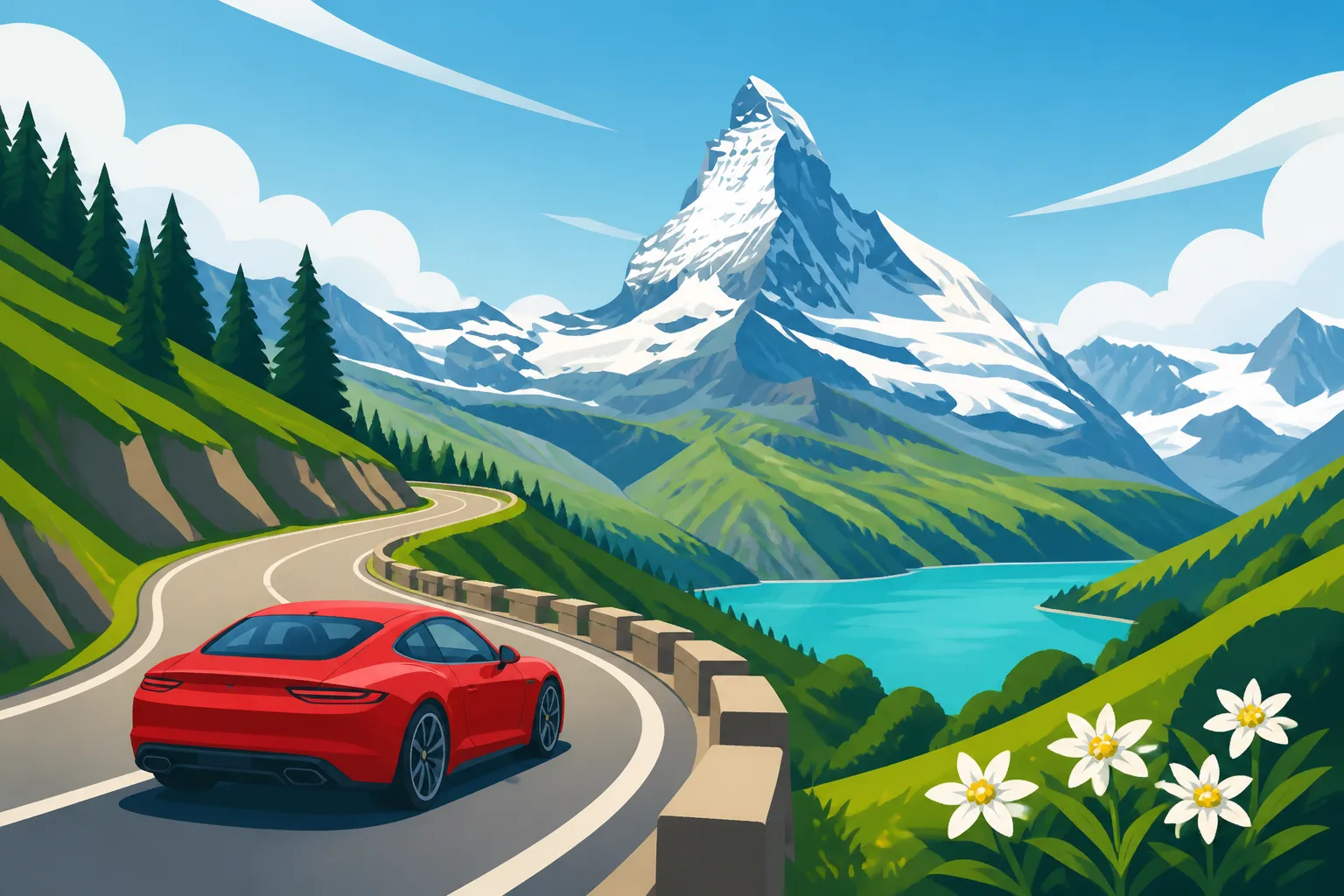
From the sunny south, the route typically swings west, taking you over breathtaking passes like the Gotthard or Furka Pass, eventually leading to the heart of the Alps. Think about the iconic Matterhorn, visible from strategic viewpoints, though for a truly immersive experience you'll want to take a train from Täsch into the car-free village of Zermatt itself. The route continues through the canton of Valais, famous for its wine production and picturesque villages. Further west, you'll encounter the sophisticated elegance of Lake Geneva (Lac Léman): Towns, Boats, and Vineyard Walks, with stops like Montreux, Lausanne, and the vineyards of Lavaux. This area alone could fill days with exploration.
Then it’s up towards the medieval charm of Bern, the capital, before heading to the heartland around Lucerne, with its stunning lake and accessible mountains like Mount Pilatus and Rigi, easily reached by Mountain Railways and Cable Cars. The Black Forest region of Germany and the Alsace region of France are practically on your doorstep from Basel, offering quick cross-border adventures if you have the time. The Grand Tour truly is a microcosm of Europe, all within the confines of Switzerland, ensuring that every few hours, the scenery completely transforms, keeping your senses constantly engaged.
Planning Your Grand Tour: Logistics and Practicalities
Embarking on the Grand Tour is an incredible experience, but like anything in Switzerland, a little preparation goes a long way. This isn't a spontaneous grab-your-keys-and-go kind of trip, unless you enjoy unexpected road closures and fully booked hotels!
Best Time to Drive the Grand Tour and Seasonal Considerations
The optimal time to truly experience the entire Grand Tour, including all the high Alpine passes, is from late spring to early autumn, roughly May to October. During this window, virtually all the mountain passes are open, roads are clear, and the landscapes are at their most vibrant.
- Spring (May-June): The valleys burst with wildflowers, lakes sparkle, and the snow-capped peaks provide a stunning contrast. It's less crowded than peak summer, and the air is crisp. However, some higher passes might still be clearing snow, so it's crucial to check current conditions.
- Summer (July-August): This is peak season. Everything is open, the weather is generally warm and sunny, perfect for outdoor activities. The downside? Crowds and higher prices for accommodation. Booking well in advance is essential if you plan a summer trip, especially if you're looking for unique stays on platforms like Booking.com.
- Autumn (September-October): In my opinion, this is arguably the most breathtaking time. The larch trees turn a brilliant gold, the air is invigorating, and the tourist crowds begin to thin out. The Alpine passes are typically still open until late October or even early November, but again, always check.
- Winter (November-April): While beautiful in its own right, winter isn't the ideal time for the full Grand Tour experience, as many of the highest Alpine passes (like Furka Pass, Grimsel Pass, Susten Pass, and Klausen Pass) close due to heavy snowfall. You’d be rerouted through tunnels, which, while efficient, lack the panoramic views of the pass roads themselves. If you're dead set on a winter road trip, focus on the lower-lying areas and ski regions, keeping in mind that Winter Tires in Switzerland: Are They Legally Mandatory in 2027? are crucial, as is checking road conditions constantly.
Always, and I mean always, check the current status of mountain passes before you set off, especially if you’re traveling outside of July and August. Websites like Viasuisse.ch provide real-time updates.
Essential Gear for Your Swiss Road Trip
Driving in Switzerland is generally a smooth experience thanks to excellent infrastructure, but some items are non-negotiable for a hassle-free Grand Tour:
- Swiss Autobahn Vignette: This is absolutely mandatory if you plan to use any Swiss motorway, and trust me, you will. It's a sticker (or increasingly, an e-Vignette) that costs CHF 40 and is valid for a calendar year. Trying to sneak onto the motorway without one can lead to a hefty fine, far exceeding the cost of the vignette itself. Get one as soon as you cross the border or before you start your trip. You can learn more about the Swiss Autobahn Vignette: E-Vignette vs Physical Sticker for 2026.
- Navigation System: While the Grand Tour signs are excellent, a reliable GPS (either built-in, a dedicated device, or a good phone app) is invaluable for navigating cities, finding specific hotels, or rerouting if a pass is unexpectedly closed.
- Emergency Kit: A reflective safety vest, warning triangle, and first-aid kit are recommended, if not legally required, for all vehicles. It’s better to be safe than sorry, especially on remote mountain roads.
- Layers of Clothing: The weather in the Alps can change dramatically in a matter of hours. You might start your day in a t-shirt in a valley and be needing a warm jacket and rain gear on a mountain pass. Pack layers!
- Swiss Francs: While cards are widely accepted, it's always good to have some cash for smaller purchases, parking meters in remote areas, or the occasional charming local market.
- Snacks and Water: Especially on longer driving days or when traversing mountain passes, you might not find a restaurant or shop exactly when hunger strikes.
- Good Camera: This almost goes without saying, but the photo opportunities are endless. Make sure you have plenty of storage and battery life!
Accommodation Along the Route
Because the Grand Tour is so extensive, you'll be staying in many different places. Switzerland offers a vast range of accommodation options, from luxurious five-star hotels overlooking lakes to charming family-run B&Bs in remote villages, and even budget-friendly hostels or campsites.
- Hotels & Guesthouses: For comfort and convenience, hotels are your best bet. Major platforms like Booking.com offer a huge selection, and filtering by location along the Grand Tour route can help you plan your stops. Remember, prices fluctuate greatly by season and location, with popular spots like Interlaken, Lucerne, or Zermatt often being more expensive.
- Holiday Apartments: If you're traveling as a family or prefer self-catering, holiday apartments (Ferienwohnung / appartement de vacances) can be a great option. They often provide more space and the ability to cook your own meals, which can save a significant amount on dining out.
- Camping: For the truly adventurous or budget-conscious, Switzerland has numerous well-maintained campsites, many in incredibly scenic locations by lakes or at the foot of mountains.
- Unique Stays: Don't forget to look for boutique hotels, traditional chalets, or even farm stays ("Schlaf im Stroh" – sleeping in straw!) for a truly unique Swiss experience.
Booking ahead, especially during the high season (July-August) and around major Swiss festivals, is absolutely crucial. You don’t want to be scrambling for a room after a long day of driving, particularly in smaller towns where options are limited. This is where sites like Booking.com truly shine, allowing you to secure your spots well in advance.
Navigating Mountain Passes and Tunnels
Driving the Grand Tour means embracing the mountains, and that inevitably means tackling some spectacular, but sometimes challenging, mountain passes. This is where the real fun, and sometimes a bit of white-knuckle driving, begins.
- The Experience: These roads are an engineering marvel, winding, often narrow, with dramatic hairpin bends and breathtaking drops. They offer unparalleled panoramic views that simply cannot be experienced from a train or tunnel. Think about the thrill of ascending the Stelvio Pass (part of the longer, unofficial extension but easily accessible), the Furka Pass with its famous Belvedere Hotel, or the Grimsel Pass, connecting the Aare and Rhône valleys.
- Driving Style: Take your time. Don't rush. The local drivers are often used to these roads and may drive faster, but you’re on holiday to enjoy the scenery, not set a new speed record. Use lower gears for both ascents and descents to save your brakes. Be mindful of cyclists and motorcyclists, who also love these roads.
- Vehicle Considerations: While you don't need a 4×4 for the Grand Tour during summer, a car with decent engine power will make ascending the steep passes more comfortable. If you’re not used to manual transmission on steep inclines, an automatic car might be less stressful. If you’re renting, ensure you’re comfortable with the vehicle before you hit the winding roads.
- Tunnels as Alternatives: When passes are closed in winter or if you simply prefer a quicker, less winding route, many passes have corresponding tunnels (e.g., Gotthard Tunnel, Great St Bernard Tunnel). These are efficient but lack the scenic grandeur of the open roads.
- Safety First: Always observe speed limits – remember, Speeding Tickets in Switzerland: Income-Based Fines and Strict Radars can be brutally expensive, especially for tourists. Pay attention to signage for rockfall warnings or other hazards. You're driving in a truly wild and beautiful environment, and respecting it is paramount.
Driving Tips and Unforgettable Experiences
As an expat who’s navigated these roads myself, I can tell you there’s a distinct Swiss way of doing things, even behind the wheel. Learning these nuances can make your journey much smoother and more enjoyable.
Converting Your Foreign Driver's License and Car Requirements
If you're a long-term expat, you'll eventually need to Converting Your Foreign Driver's License to a Swiss Fahrausweis. Non-EU/EFTA citizens typically have 12 months to convert their license, often requiring a "Kontrollfahrt" (control drive). EU/EFTA citizens usually just exchange theirs. For short-term visitors or tourists on the Grand Tour, your valid foreign driver's license (accompanied by an International Driving Permit if it's not in one of Switzerland's official languages or English) is generally sufficient for up to one year.
When it comes to your vehicle, whether it’s your own or a rental, there are a few things to keep in mind:
- Insurance: Comprehensive insurance is mandatory for all vehicles. If you're renting, this will be covered, but always check the specifics of your rental agreement. If you’re bringing your own car, ensure your existing policy covers driving in Switzerland.
- Maintenance: Before a big road trip like the Grand Tour, a quick check of your car's tires, brakes, and fluid levels is a wise idea. Mountain driving can put a lot of strain on a vehicle.
- Buying a Car: If you're a new resident planning to stay and considering driving the Grand Tour multiple times, the option of Buying a Car in Switzerland: Leasing, Autoscout24, and Mandatory Auto Insurance might be something you'll explore after your first trip. For now, a reliable rental is often the easiest solution.
Making the Most of Scenic Stops and Photo Opportunities
One of the greatest joys of the Grand Tour is the freedom to stop whenever and wherever you want. The route is peppered with designated viewpoints, pull-off areas, and charming villages that beg to be explored.
- Don't Rush: While it's tempting to try and cover a lot of ground, the Grand Tour is best experienced at a leisurely pace. Build in extra time for unplanned stops. See a stunning vista? Pull over (safely!) and take a moment. Spot a charming bakery in a small village? Park up and grab a coffee and a pastry.
- Follow the Photo Spots: The official Grand Tour signage often includes "photo spots" – specific locations identified as having particularly iconic views. These are usually well-marked and offer safe places to pull over and capture that perfect postcard shot.
- Picnic Time: Switzerland has incredible local produce, and many scenic spots are perfect for a picnic. Grab some fresh bread, local cheese, cured meats, and a bottle of Swiss wine (for the passenger, of course!) and enjoy an al fresco meal with a million-dollar view. You'll save money and create lasting memories.
- Beyond the Car: Even though it's a driving tour, don't forget to stretch your legs. Many stops offer short, easy walks to waterfalls, viewpoints, or through historic village centers.
Integrating Other Modes of Transport
While the Grand Tour is primarily a driving experience, sometimes combining it with Switzerland's world-class public transport can enhance your trip, especially to access car-free zones or simply give yourself a break from driving.
- Car-Free Villages: Destinations like Zermatt are strictly car-free. You'll drive to the nearby village of Täsch, park your car in a multi-story garage, and take a short train ride (about 12 minutes) into Zermatt. This seamless transition is part of the Swiss charm.
- Scenic Train Rides: If you find yourself tiring of driving a particular section, or if there’s a specific scenic train route you’ve always wanted to experience (like a short leg of the Glacier Express or Bernina Express), you can always park your car and hop on a train. Platforms like Omio are fantastic for checking train schedules and booking tickets across Switzerland and even into neighboring countries.
- The Half-Fare Travelcard: If you plan on doing a fair bit of train, bus, or boat travel in addition to your car journey, consider purchasing The Half-Fare Travelcard (Halbtax): The Must-Have Pass for Swiss Residents. It pays for itself quickly if you use public transport frequently, giving you 50% off most fares.
- Boat Trips: Many of Switzerland’s lakes offer wonderful boat trips. Consider parking your car and taking a leisurely cruise on Lake Lucerne, Lake Geneva, or Lake Thun, seeing the scenery from a different perspective. GetYourGuide can also be useful for finding organized tours or experiences along the way, whether it's a guided hike or a cheese-making workshop.
Budgeting for Your Grand Tour Adventure
Let's be realistic, Switzerland is expensive. There’s no getting around that fact. But with smart planning, you can enjoy the Grand Tour without completely emptying your bank account. As an expat who’s learned to pinch pennies where I can, I can share some insights.
Understanding the Costs: Fuel, Food, and Lodging
When budgeting for your Grand Tour, these are the big-ticket items:
- Fuel: Gasoline and diesel prices are high, often fluctuating around CHF 1.80 – CHF 2.00 per liter (as of late 2024). Given the 1,600 km route, plus any detours, fuel costs will add up significantly. Factor in at least CHF 250-400 for fuel, depending on your car's efficiency and how many extra miles you cover.
- Food: This is where many tourists get a shock. Eating out in Switzerland, even at casual restaurants, is expensive. A simple lunch can easily be CHF 20-30 per person, and dinner can be CHF 40-60+.
- Saving Tip: Embrace picnics and self-catering! Stock up at supermarkets like Coop, Migros, Aldi, or Lidl. Make sandwiches, grab some local cheese and fruit, and enjoy your meal with an unbeatable view. Many holiday apartments come with kitchens, which can drastically cut down food costs. A hot meal from the supermarket deli or a bakery is also a much cheaper option than a sit-down restaurant.
- Lodging: As mentioned, accommodation varies wildly. Budget around CHF 100-200 per night for a decent double room in a mid-range hotel or B&B outside major city centers. In Zurich, Geneva, or popular mountain resorts, expect to pay more, often CHF 200-350+.
- Saving Tip: Consider hostels or campsites for some nights, or look for accommodations slightly outside the main tourist hubs. Booking.com often has deals, but securing them means booking well in advance, especially for peak season.
Overall, a realistic daily budget for a couple doing the Grand Tour comfortably (mid-range lodging, some meals out, some self-catering) could be around CHF 300-500 per day, excluding car rental costs. If you're looking for more comprehensive advice, our guide on Budget Travel in Switzerland: Seeing the Country Without Overspending can offer further insights.
Tolls, Vignettes, and Parking Realities
Beyond the big three, there are other costs that can sneak up on you:
- Vignette: The CHF 40 annual vignette is a one-time cost for your motorway access. It's a small price for the convenience and speed of the motorways.
- Special Tolls: While rare, some specific tunnels (like the Great St Bernard Tunnel connecting Switzerland to Italy) or mountain passes might have separate tolls, so be aware of those.
- Parking: This can be a major expense, especially in Swiss cities and popular tourist areas.
- City Parking: Expect to pay CHF 2-4 per hour in city parking garages. Free parking is almost non-existent in urban centers.
- Blue Zones: These are areas with time-limited free parking (usually 1-1.5 hours) during the day, requiring a blue parking disc. You can usually get these at police stations, tourist offices, or even in some shops. Always check the local signs for exact rules.
- White Zones: These are paid parking zones, often with meters, and typically have longer allowed parking times than blue zones.
- Hotel Parking: Many hotels offer parking, but it's often an additional charge (CHF 15-30 per night). Always inquire about parking when booking your accommodation.
- Saving Tip: When visiting cities, consider parking just outside the main center and taking public transport in. Swiss public transport is incredibly efficient and can save you the headache and cost of city parking.
The sheer beauty of the Swiss landscapes makes every penny and every minute spent planning worthwhile. The Grand Tour is more than just a drive; it's an immersive journey through Swiss culture, history, and natural wonders.
Here's a quick overview of some iconic Grand Tour segments:
| Segment Example | Key Highlights | Estimated Drive Time (no stops) | Main Experience |
|---|---|---|---|
| Zurich to Lucerne | Lively cities, Lake Zurich, picturesque Lucerne with Chapel Bridge | 1.5 – 2 hours | Cultural heartland, lake views |
| Lucerne to Interlaken | Lake Lucerne, Brünig Pass, Lake Brienz, Lake Thun | 2 – 2.5 hours | Lakes, waterfalls, gateway to Jungfrau region |
| Interlaken to Zermatt (Täsch) | Grindelwald, Lauterbrunnen Valley, mountain villages, Rhône Valley, Matterhorn views | 3 – 4 hours | Alpine majesty, iconic peaks |
| Zermatt to Montreux | Valais vineyards, Sion castles, Lake Geneva, Chillon Castle | 2.5 – 3 hours | Wine region, French-speaking charm, lakeside |
| Montreux to Bern | Lavaux vineyards, Gruyères (cheese), Fribourg, medieval Bern | 2 – 2.5 hours | UNESCO landscapes, medieval cities, capital city |
| Andermatt (Gotthard Pass) to Lugano | Alpine passes, Ticino's Italian flair, palm trees, lakeside towns | 2 – 3 hours | Dramatic passes, Mediterranean feel |
Disclaimer
The information provided in this guide is intended for general informational purposes only and does not constitute professional advice. While we strive to keep the information up-to-date and accurate, regulations, prices, and conditions in Switzerland can change rapidly. Always consult official Swiss government websites, tourism boards, and professional services (e.g., insurance providers, driving authorities) for the most current and specific information relevant to your personal situation. We cannot be held responsible for any inaccuracies or omissions.