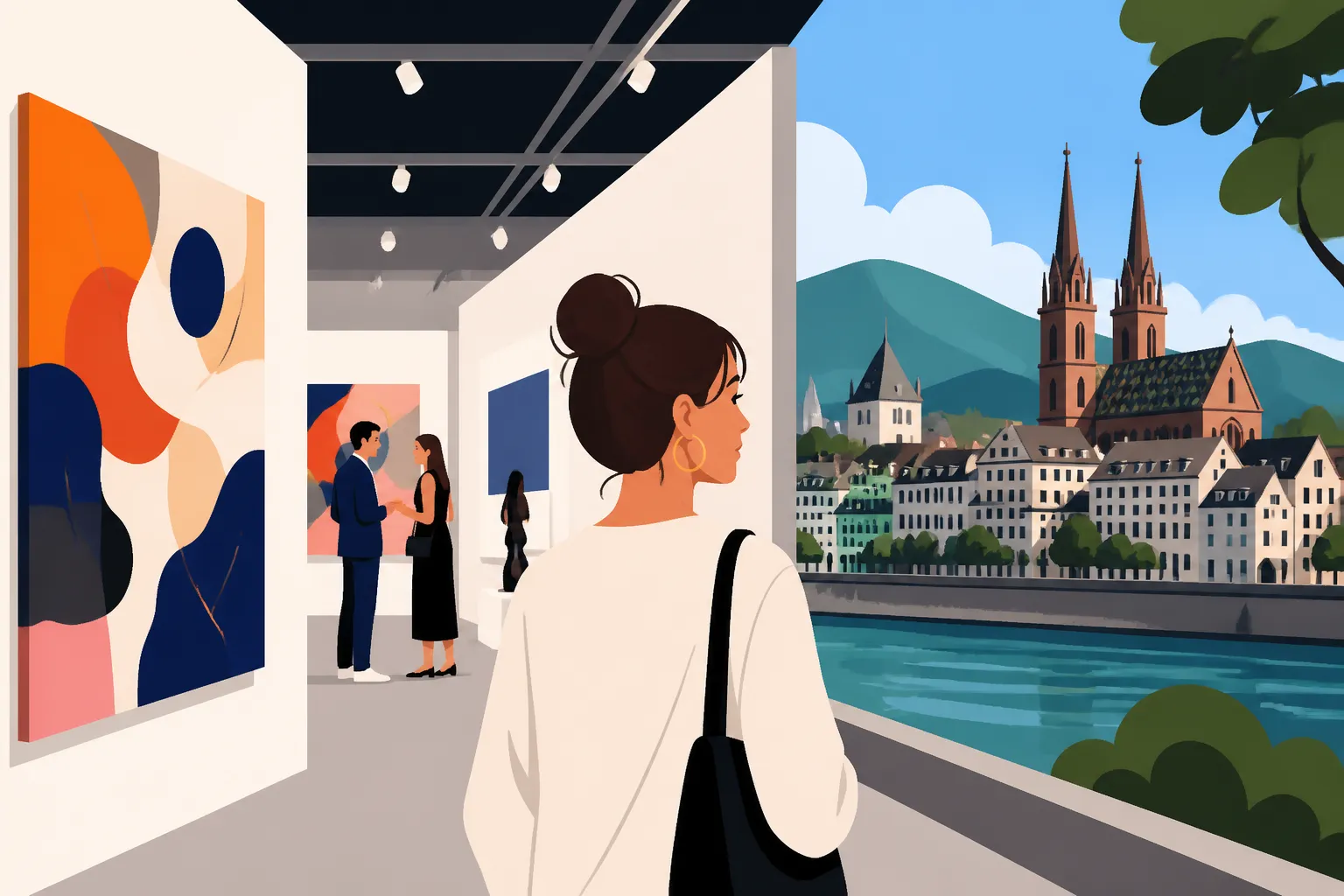
Art Basel: Attending Switzerland’s Famous Art Fair
Stepping into the whirlwind of Art Basel can feel like being dropped into another dimension – a dazzling, overwhelming, and utterly exhilarating universe where the global art market converges in a charming Swiss city. If you've ever felt a mix of excitement and trepidation about navigating such a high-profile event, wondering how to get the most out of it without feeling completely lost or like you've missed something crucial, then you're in the right place. This guide is here to demystify Art Basel, offering practical advice and insider tips to help expats and tourists alike experience this world-renowned fair like a seasoned local.
Understanding Art Basel: More Than Just a Fair
Art Basel isn't just another art exhibition; it's a monumental annual event that transforms the city of Basel into the undisputed epicentre of the art world. For a few intense days, gallerists, collectors, curators, artists, and art enthusiasts from every corner of the globe descend upon this relatively small Swiss city, creating an electric atmosphere unlike anything else. It's a place where billions of dollars worth of art changes hands, careers are made, and new trends are set.
A Brief History and Global Presence
The original Art Basel fair began its journey in 1970, founded by three local gallerists—Ernst Beyeler, Trudl Bruckner, and Balz Hilt—who wanted to create a platform for showcasing modern and contemporary art. It quickly grew into a behemoth, establishing itself as the premier art fair in the world. Its success led to expansion, giving birth to Art Basel Miami Beach in 2002, a vibrant, energetic sister fair that captures the spirit of its host city, and Art Basel Hong Kong in 2013, which serves as a gateway to the thriving Asian art market.
Despite its global footprint, the Basel fair remains the flagship, the original, the one with the gravitas that draws the most significant players and the most prestigious works. It's known for its rigorous selection process, ensuring only the highest quality galleries and artists are represented. This isn't just a place to see art; it's a place to understand the pulse of the contemporary art world, to witness history in the making, and to rub shoulders with those shaping its future. The sheer scale can be daunting, with hundreds of leading galleries showcasing thousands of artists, spanning everything from early 20th-century masterpieces to cutting-edge digital installations.
The Main Event vs. Satellite Fairs
When people talk about "Art Basel," they often mean the primary fair held at Messe Basel. This is where the big names, established artists, and blue-chip galleries reside, housed within the impressive halls designed by Herzog & de Meuron. It's undeniably the main attraction, but it’s far from the only art event happening during this period.
To truly grasp the scope of the art week in Basel, you need to be aware of the vibrant ecosystem of satellite fairs. These concurrent events spring up across the city, each with its own distinct flavour, focus, and audience. They often showcase younger, emerging artists and galleries, or niche areas of the art market. Some of the most notable include:
- Liste Art Fair Basel: This is perhaps the most famous satellite, focusing exclusively on new galleries and emerging artists. It’s held in a former brewery, offering a much more intimate, discovery-focused experience than the main fair. It's often where you'll spot the next big thing before they hit the major galleries.
- Volta Art Fair: Known for its curated selection of galleries focusing on solo artist presentations and conceptually driven projects.
- Photo Basel: As the name suggests, this fair is dedicated entirely to photography, from historical works to contemporary experimental pieces.
- Scope Basel: Another international contemporary art show known for its diverse presentations.
- Design Miami/Basel: Running concurrently with Art Basel, this fair focuses on collectible design, showcasing furniture, lighting, and art objects.
These satellite fairs are absolutely essential for a comprehensive Art Basel experience. They offer a more accessible entry point, both in terms of ticket price and the type of art on display, and often provide a refreshing contrast to the grandeur of the main fair. Don't make the mistake of only visiting the main event; you'd be missing out on a huge part of the city's artistic transformation.
Why Attending is a Big Deal
Attending Art Basel is genuinely a big deal, regardless of whether you're a serious collector or just an art curious expat looking for a unique cultural experience. Firstly, it offers an unparalleled opportunity to see an incredible breadth of art under one roof (or across several roofs, if you count the satellites). You'll encounter works that would typically be scattered in galleries across continents, bringing them together for an intense visual feast.
Secondly, the networking opportunities, if you're in the industry, are immense. This is where deals are struck, collaborations are formed, and reputations are solidified. Even as an observer, you'll feel the buzz of this high-stakes environment. Thirdly, it provides a fascinating snapshot of current trends, debates, and innovations in the art world. You'll gain insights into what's capturing attention, what conversations are evolving, and what directions artists are exploring globally.
Finally, the atmosphere it brings to Basel itself is something special. The city, usually quite reserved, transforms into a vibrant, international hub. Restaurants are bustling, bars are lively, and there's a palpable energy in the air. It's a prime example of how a global event can temporarily redefine a city, and it’s a truly unique experience to be a part of.
Planning Your Trip: Logistics and Accommodation
Planning a trip to Art Basel requires a bit of foresight, especially when it comes to securing tickets and finding a place to lay your head. The fair is immensely popular, and Basel is not a huge city, so everything gets booked up quickly and prices soar. Trust me, I've learned this the hard way trying to find a last-minute room!
Securing Your Tickets
Tickets for Art Basel are a hot commodity, and it's wise to plan this well in advance. There are usually different tiers of tickets available, catering to various types of visitors:
- Day Tickets: These grant access to the main fair for a single day. They are perfect if you're only in Basel for a short visit or want to focus intently on one specific section.
- Unlimited Access Tickets (or Multi-Day Passes): These are pricier but offer entry for the entire duration of the public days. If you're serious about seeing everything, including the satellite fairs, this is your best bet. It allows you to break up your visit, revisit favourite pieces, and generally take your time without feeling rushed.
- Vernissage/VIP Tickets: These are usually reserved for invited guests, collectors, and press, offering access to the preview days before the public opening. This is where the serious buying happens, and the atmosphere is more exclusive. Unless you have an in, these are generally not available to the public.
Tickets typically go on sale a few months before the fair, often with an early bird discount. Keep an eye on the official Art Basel website for exact dates. You can usually purchase them online, print them at home, or have them on your phone for easy entry. I cannot stress this enough: buy your tickets online in advance. Queues at the ticket counter can be brutal, especially on opening days.
Here’s a rough overview of ticket types and what to expect (prices are illustrative and based on past years, always check current year's official site for actual figures):
| Ticket Type | Access | Typical Price Range (CHF) | Best For |
|---|---|---|---|
| Day Ticket (Public Days) | 1 day at main fair | 60 – 75 | Quick visits, focused viewing |
| Unlimited Access (Public) | All public days at main fair | 120 – 150 | Comprehensive viewing, multiple visits |
| Evening Ticket | Afternoons/evenings of specific days | 30 – 45 | Budget-friendly, lighter crowds |
| Satellite Fair Tickets | Varies by fair (e.g., Liste, Volta, Photo) | 20 – 35 per fair | Discovering emerging artists/niche genres |
| Combination Passes | Sometimes available for main + specific satellite | 75 – 100 | Maximising value for multiple fairs |
Remember, these tickets are just for entry. They don't cover food, drinks, or any special events, which can add up quickly in Switzerland.
Navigating Accommodation in Basel
Finding a place to stay during Art Basel is, in a word, challenging. Prices skyrocket, and availability plummets. Many hotels are booked out months, if not a year, in advance by galleries and collectors who return annually. This is where you need to be strategic.
Book Early, Really Early: This cannot be emphasized enough. If you know you're going, book your accommodation as soon as tickets are released, or even before, if you can find flexible cancellation options. Websites like Booking.com are your best friend here, but be prepared for hefty price tags.
Consider Cross-Border Options: Basel is uniquely situated at the "Dreiländereck" (three-country corner), bordering Germany and France. This is a huge advantage for accommodation. Many savvy visitors opt to stay across the border in towns like Weil am Rhein or Lörrach in Germany, or Saint-Louis in France.
- Pros: Significantly cheaper accommodation, often good public transport links to Basel.
- Cons: Requires daily commuting, which can add travel time (though often surprisingly quick by tram or regional train), and you might need to factor in currency exchange if paying in EUR.
Don't forget to check out Best Neighborhoods in Basel for Cross-Border Convenience if you're considering this option.
Alternative Accommodation:
- Apartment Rentals: Airbnb or local equivalents can offer more space and potentially better value for groups, especially if you book early.
- Hostels: While perhaps not the typical Art Basel crowd, hostels in Basel or nearby towns can be a budget-friendly option.
- Staying Further Afield: Consider cities within a short train ride, like Zurich or even Lucerne, if you don't mind a longer daily commute. This, however, significantly cuts into your fair time and evening activities. If you’re considering this, check out Booking Hotels in Switzerland: Best Times and Platforms for broader options.
Whichever option you choose, confirm your booking, check cancellation policies, and have a clear plan for getting to Messe Basel each day.
Getting There: Travel to Basel
Basel is very well connected, making it relatively straightforward to reach, whether you're coming from within Switzerland or further afield.
By Air:
The closest airport is EuroAirport Basel Mulhouse Freiburg (BSL). It's a unique airport shared by three countries (Switzerland, France, Germany), and from there, a quick bus ride (Bus 50) will take you directly to Basel SBB train station, which is then well-connected to the Messe. Many international flights arrive here, making it convenient.
By Train:
Switzerland boasts one of the most efficient train networks in the world (SBB). Basel SBB is a major international hub, with direct connections from all over Switzerland and neighbouring countries like Germany, France, and Italy.
- If you're already in Switzerland, leveraging a The Half-Fare Travelcard (Halbtax): The Must-Have Pass for Swiss Residents or even a SBB Travelcards: Is the Generalabonnement (GA) Worth the CHF 4000+ Cost? can save you a bundle on train fares. You can easily check schedules and book tickets on the SBB website or through travel platforms like Omio, which can also handle cross-border routes. The journey from Zurich to Basel, for instance, is only about an hour. From Geneva, it's closer to three hours.
By Car:
Driving to Basel is also an option, though parking near Messe Basel can be expensive and limited during the fair. If you do drive, remember that you'll need a Swiss motorway vignette (annual sticker) for highway use. Parking at your hotel or a park-and-ride on the outskirts and using public transport is often the most sensible approach.
Getting Around Basel:
Once you're in Basel, the public transport system is excellent. Trams and buses run frequently and cover the entire city, including connections to the Messe Basel exhibition centre. Most hotels provide guests with a BaselCard, which offers free public transport within the city and discounts on various attractions. Make sure to claim yours! For more details on local transit, consult Public Transport in Basel: BVB, Trams, and the German/French Connections. It's a lifesaver.
Immersing Yourself: Navigating the Fair and Beyond
Okay, you've arrived, you've got your tickets, and you've figured out where you're sleeping. Now for the exciting part: diving into the art! Art Basel is immense, and simply wandering aimlessly can be overwhelming. A little strategy goes a long way.
The Layout of Art Basel: Messeplatz and Beyond
The main Art Basel fair is primarily housed in the Messe Basel exhibition halls. The iconic oval "eye" of the Messeplatz roof, also designed by Herzog & de Meuron, is often your central point of reference. Inside, the fair is divided into various sectors, each with its own character:
- Galleries: This is the heart of the fair, showcasing works from the world's leading modern and contemporary art galleries. You'll find painting, sculpture, drawing, installation, photography, video, and more here. It's sprawling, so pick a few galleries or artists you absolutely want to see first.
- Edition: Dedicated to prints and multiples, this sector highlights the art of limited editions.
- Statements: This section focuses on emerging artists, presenting solo projects by young galleries. This is where new talent is often discovered.
- Features: Curated projects from historical material to contemporary works. This often allows for deeper exploration of specific artists or themes.
- Unlimited: This is often a crowd favorite and truly mind-boggling. Housed in a massive hall, "Unlimited" features large-scale installations, monumental sculptures, video projections, and live performances that transcend the traditional art fair booth. These works are too big for standard gallery spaces, making their presentation here a unique spectacle.
- Parcours: This sector takes art out of the Messe halls and into the city. Site-specific installations, performances, and sculptural works pop up in unexpected public spaces, historical buildings, and hidden courtyards around Basel. It's a wonderful way to explore the city while engaging with art.
Tips for navigating:
- Get a Map and the App: The official Art Basel app and printed map are indispensable. They help you locate galleries, plan routes, and stay updated on talks and events.
- Prioritise: You simply won't see everything. Glance through the exhibitor list before you go and mark a few must-sees. Allow yourself to get happily lost, but have a core plan.
- Pace Yourself: It's a marathon, not a sprint. Wear comfortable shoes, take breaks, and don't try to cram too much into one day. Art fatigue is real!
Beyond the Halls: Public Art and Events
Art Basel isn't confined to the Messe. The entire city becomes a canvas, and exploring beyond the main halls is crucial for a complete experience.
- Parcours: As mentioned, the Parcours sector is a fantastic way to discover art integrated into Basel's urban landscape. Strolling through the city, turning a corner, and suddenly encountering a thought-provoking installation or performance is part of the magic. Grab a Parcours map and make an afternoon of it.
- Film: Art Basel often presents a film program, showcasing films by and about artists. These screenings usually take place in local cinemas and offer a quiet, contemplative break from the bustling fair.
- Conversations: A series of free-to-attend talks and panel discussions featuring leading art world figures. These offer invaluable insights into contemporary art, the market, and cultural trends. Check the schedule and arrive early, as seats fill up fast. You might even find some fascinating discussions about Cultural Integration in Switzerland: Understanding Swiss Identity and Values or similar broader topics if the program is varied.
- Satellite Fair Events: Many satellite fairs, like Liste, also host their own special events, parties, and performances. These can be great for a different vibe and a chance to meet artists and gallerists in a more relaxed setting. Keep an eye on their respective websites. You might even find some unique experiences that could be booked via platforms like GetYourGuide, which often offers curated tours and activities during major events.
Basel's Art Scene Year-Round
While Art Basel is a spectacular highlight, Basel is a city with a phenomenal art scene every day of the year. Don't let the fair overshadow the incredible permanent collections and world-class museums that call Basel home. If you're staying for a few extra days, or simply want a quieter art experience, make sure to visit:
- Kunstmuseum Basel: One of the oldest public art collections in the world, with an outstanding range spanning from the 15th century to contemporary works. It's truly a treasure trove.
- Fondation Beyeler: Located just outside Basel in Riehen, this museum, designed by Renzo Piano, houses a superb collection of modern and contemporary art in a breathtaking park-like setting. It's famous for its Monet, Cézanne, Van Gogh, and Picasso works, alongside contemporary masters.
- Vitra Design Museum: A short hop across the border into Weil am Rhein, Germany, this museum is a must-visit for anyone interested in design and architecture. The buildings themselves are architectural marvels, designed by Frank Gehry, Zaha Hadid, and others.
- Museum Tinguely: Dedicated to the Swiss artist Jean Tinguely, known for his kinetic sculptures and machines. It's a playful, interactive museum that's great for all ages.
Visiting these museums can provide a wonderful counterpoint to the intensity of the fair and allow you to see art in a more traditional, reflective environment. For more information on great museums in the region, check out our guide on Museums Worth Visiting in Geneva and Basel.
Insider Tips for a Memorable Art Basel Experience
Art Basel is an experience, and like any grand adventure in Switzerland, a few insider tips can make all the difference between feeling overwhelmed and feeling like you truly embraced it. Having lived through a few of these, I can tell you, planning really helps.
Be Prepared for Crowds and Prices
Let's not sugarcoat it: Art Basel is packed. Expect large crowds, especially on the public opening days and over the weekend. The main fair halls can feel like a crush at times, and popular installations in the Unlimited section will have queues. Patience is a virtue here.
And then there's the price tag. Switzerland is already known for being expensive, and during Art Basel, everything gets an extra premium.
- Food and Drink: A simple coffee at the Messe can cost you CHF 8, and a basic lunch can easily hit CHF 30-40. Budget accordingly, or seek out more local, off-fair eateries.
- Transport: While the BaselCard helps, if you're venturing out of its free zone or taking taxis, costs add up.
- Shopping: Beyond art, if you fancy a souvenir or anything else, remember Swiss prices are a different beast.
Our article on Cost of Living in Switzerland 2026: Budgeting for Singles and Families can give you a broader sense of what to expect financially.
Make the Most of Your Time
With so much to see and do, maximising your time is key.
- Wear Comfortable Shoes: You will be walking for miles, both within the exhibition halls and across the city if you're exploring Parcours and satellite fairs. Heels or fancy dress shoes might look good, but your feet will hate you by lunchtime.
- Stay Hydrated and Fed: Carry a water bottle. There are water fountains and refill stations, and it's easy to forget to drink when you're mesmerised by art. Pack a few snacks if you want to avoid expensive fair food.
- Plan Your Day: Don't try to wing it entirely. Look at the fair map and programme the night before. Decide which sectors are your priority, which satellite fairs you want to hit, and which talks or events you'd like to attend. Block out time for major museums as well.
- Mix and Match: Alternate between the intense main fair and the more relaxed satellite fairs or a museum visit. This helps prevent art fatigue. Consider a guided tour, especially if you're new to the art world; some excellent options might be found on platforms like GetYourGuide, providing structure and expert insights into the overwhelming displays.
Engaging with the Art and People
Art Basel is a social event as much as it is an art fair.
- Talk to Gallerists: Don't be shy! If a piece catches your eye, and the gallerist isn't in a deep conversation with a potential buyer, feel free to ask questions about the artist or the work. Most are passionate and happy to share information. It’s a great way to learn.
- Attend Talks and Panels: The "Conversations" program is a highlight. Listening to artists, curators, and critics discuss the issues shaping the art world can be incredibly enriching.
- Embrace the Social Scene: Even if you're not on the exclusive party circuit, the evenings are lively. Head to bars and restaurants in the city centre. You'll hear snippets of conversations about art in every language imaginable and soak up the unique atmosphere.
Eating and Drinking During the Fair
Given the intensity of the art-viewing experience, you'll need sustenance. While the main fair has its own array of restaurants and cafes, they tend to be pricey and crowded.
- Fair Dining: Expect sophisticated (and expensive) options within the Messe halls, catering to the high-end clientele. Sometimes, there are also more casual snack bars.
- Off-Fair Alternatives: Venture out of the Messe to find more authentic and affordable options. Basel has a fantastic culinary scene. You'll find everything from traditional Swiss restaurants to international cuisine. Many local cafes and bakeries offer excellent, more budget-friendly lunch options.
- Cross-Border Eating: If you're staying in Germany or France, you'll find plenty of delicious and more affordable dining choices there too. Just make sure to factor in travel time.
Art Basel is an experience unlike any other. It can be exhausting, exhilarating, and deeply inspiring. By planning ahead, understanding its various facets, and embracing the unique energy of the event and the city, you’ll not only survive but truly thrive, leaving with memories of an unforgettable artistic journey. Enjoy every moment!
Disclaimer
The information provided in this guide is for general informational purposes only and is subject to change. While we strive to keep the content up-to-date and accurate, details such as ticket prices, fair dates, and specific event logistics for Art Basel can vary year by year. Always consult the official Art Basel website and relevant local authorities (e.g., SBB for train schedules, specific satellite fair websites) for the most current and definitive information when planning your visit. Travel and accommodation are subject to availability and market rates, especially during peak event times.