Best Neighborhoods in Basel for Cross-Border Convenience
Moving to Basel presents a unique logistical puzzle: how to balance the perks of Swiss living with the necessity of crossing into France or Germany for work, shopping, or travel. Many newcomers find themselves stuck in neighborhoods that look central on a map but offer poor connections to the border zones. This guide identifies the specific Basel neighborhoods that provide the best cross-border convenience for expats.
The Logistics of Cross-Border Living in Basel
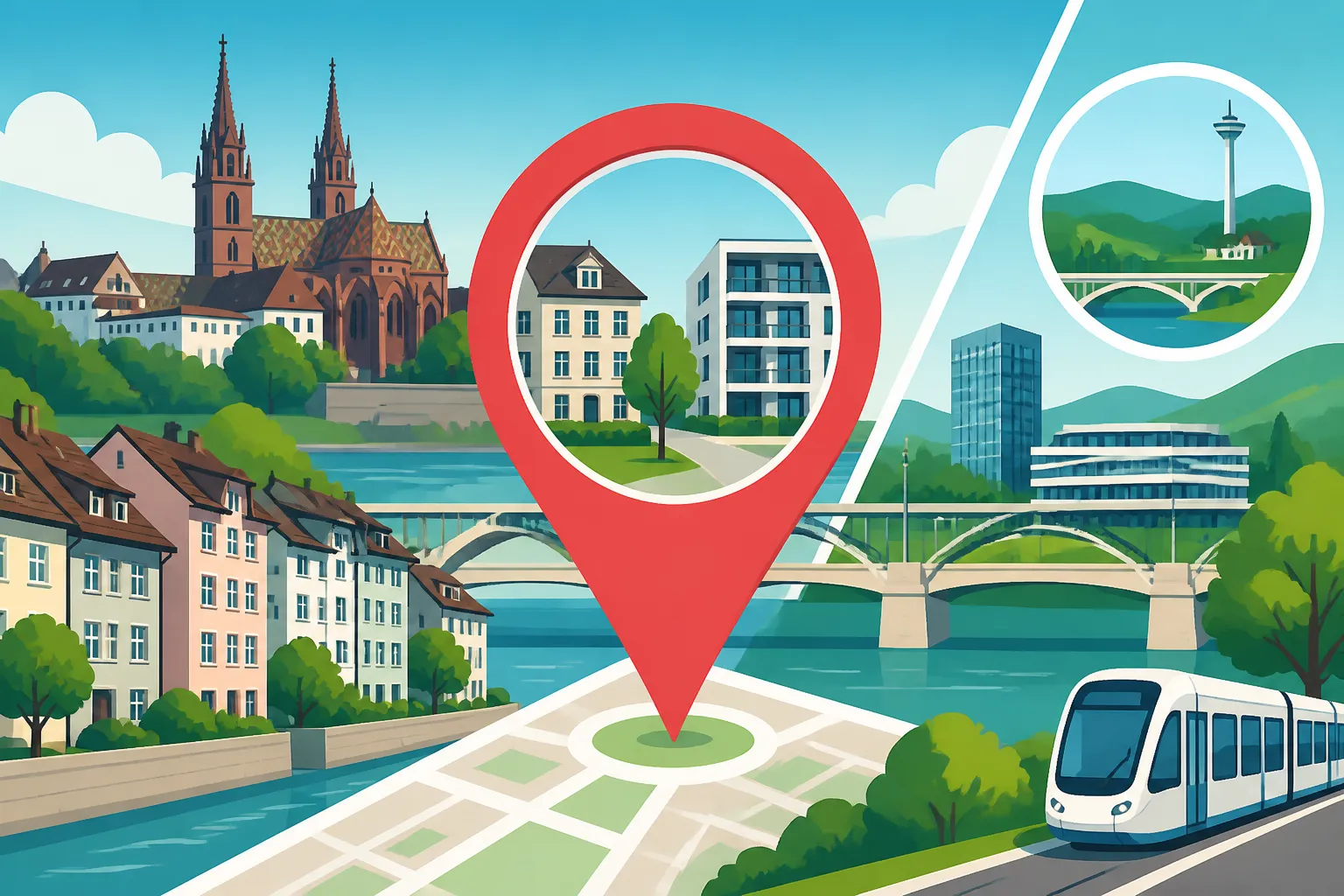
Basel is the heart of the "Dreiländereck"—the spot where Switzerland, France, and Germany collide. For an expat, this isn't just a geographical curiosity; it is a lifestyle. You might live in Basel, work for a pharmaceutical giant in St. Johann, and do your grocery shopping in Saint-Louis (France) or Weil am Rhein (Germany) to save on costs. However, the convenience of this "borderless" life depends entirely on your proximity to specific tram lines and train stations.
The local transit authority, BVB, has done an incredible job extending the network across national lines. For example, Tram 3 now glides directly into Saint-Louis, and Tram 8 terminates in Weil am Rhein. If you are a German Cross-Border Commuters: Navigating Health Insurance Exemptions recipient or a G-permit holder, living near these arteries is non-negotiable. The frustration of sitting in bridge traffic over the Rhine or waiting for a bus that doesn't sync with the S-Bahn is a rite of passage we want you to avoid.
When planning your move, you should also consider the administrative side of crossing borders frequently. While the Schengen Agreement makes physical movement easy, your digital connectivity can suffer. Using a service like Airalo can be a lifesaver here, as it allows you to maintain data as you flip between Swiss, French, and German towers without incurring roaming shocks. For the physical move itself, many expats utilize platforms like Sirelo to compare international moving companies that specialize in the complex logistics of the tri-national region.
Best Basel Neighborhoods for French Border Access
The French border is characterized by the city of Saint-Louis and the smaller village of Huningue. For many expats, this is the "Novartis side" of town, and the neighborhoods here reflect a mix of professional polish and residential charm.
St. Johann: The Professional Hub
St. Johann is arguably the most strategic neighborhood for those working in the life sciences or those who frequent France. It is home to the massive Novartis Campus and sits directly on the border. The neighborhood has seen massive gentrification over the last decade, transforming from a working-class district into a trendy area filled with third-wave coffee shops and parks like St. Johanns-Park.
From a cross-border perspective, St. Johann is unparalleled. You can walk or cycle into France within minutes. The St. Johann train station provides a direct link to the Alsace region, making it easy to visit Mulhouse or Strasbourg. If you are Finding an English-Speaking Dentist in Basel City, you will find many options in this area that cater specifically to the international workforce. The convenience of living here means you can enjoy the Swiss infrastructure while being a stone's throw from French boulangeries.
Iselin and Bachletten: Quiet and Accessible
Further south but still hugging the western edge of the city are Iselin and Bachletten. These neighborhoods are more residential and popular with families. Iselin is particularly convenient because of Tram 3. This line was extended into Saint-Louis, France, meaning you can board a tram in a quiet Basel residential street and hop off at the Saint-Louis train station in under fifteen minutes.
Bachletten is famously home to the Basel Zoo and offers a high quality of life with its proximity to the Allschwil forest. While it feels tucked away, its connection to the main transit hubs is excellent. For families navigating the Basel Expat Healthcare Guide: Medical Networks and Cross-Border Options, these neighborhoods provide a sense of stability while remaining globally connected. The "French feel" is palpable here, as many residents are cross-border commuters who enjoy the green spaces of Allschwil but work in the city center.
Best Basel Neighborhoods for German Border Access
The German border to the north and east leads into Weil am Rhein and Lörrach. This side of Basel is often associated with the Roche headquarters and the bustling Badischer Bahnhof, the German-operated train station within Swiss territory.
Kleinhüningen: The Industrial Gateway
Kleinhüningen is where the Rhine harbor meets the city. It was once seen as purely industrial, but the extension of Tram 8 to Weil am Rhein has turned it into a cross-border hotspot. If you live here, you are walking distance from the "Dreiländereck" monument and the Rhein Center in Germany—a massive shopping mall that sees thousands of Basel residents every Saturday.
The neighborhood is gritty but authentic, offering lower rents than the city center. It is perfect for younger expats or those working at the harbor who want immediate access to German retail prices and German infrastructure. If you are struggling with G Permit Germany: Withholding Tax Rules for Cross-Border Commuters in Basel, living on this side of the city makes sense as you are physically closer to the German tax authorities and services you may need to visit.
Rosental and Hirzbrunnen: The Roche Corridor
The Rosental neighborhood is dominated by the Presence of Roche and the Messe Basel (the trade fair grounds). It is a high-energy area with excellent transit links. Just behind it lies Hirzbrunnen, a much greener, quieter neighborhood that borders the Tierpark Lange Erlen.
The strategic advantage of Hirzbrunnen and Rosental is their proximity to the Badischer Bahnhof. This station is a major hub for Deutsche Bahn. If you commute to Freiburg or Karlsruhe, living here allows you to bypass the Basel SBB main station entirely. It is also an area where Walk-in Clinics in Basel: Medgate and Permanence Options are readily available, which is vital for new arrivals. The transition between the high-density urban feel of Rosental and the forest paths of Hirzbrunnen makes it one of the most versatile areas in the city.
Strategic Tips for Your Cross-Border Move
Relocating to a border city like Basel requires more than just picking a flat; it requires a strategy for two or three different sets of national rules. The administrative burden can be heavy, especially when dealing with customs for your household goods.
Managing Logistics and International Relocation
When moving your belongings into Basel, you are technically importing goods into Switzerland, even if you are coming from just across the border in Germany. This is where using a platform like Sirelo becomes essential. They help you find movers who understand the "Form 18.44" requirements for duty-free importation of household effects. A mistake at the border can lead to significant delays and unexpected VAT charges.
We often recommend that expats look into Hiring a Moving Company in Switzerland: Costs and Booking Tips before signing a lease. The narrow streets of St. Johann or the tram-heavy roads of Kleinhüningen can make truck access difficult, and professional movers will know how to secure the necessary permits from the Basel police.
Staying Connected Across the Border
One of the most annoying aspects of living in Basel is the "tower jumping." If you live in Iselin or St. Johann, your phone will constantly switch between Swisscom and French providers like Orange or SFR. This can lead to dropped calls or data roaming fees if your Swiss plan isn't "Europe-wide."
To solve this, many savvy expats use Airalo to get a local eSIM for France or Germany during their first few weeks, or as a permanent secondary data source. This ensures that when you are navigating the SBB app to check for delays on the Tram 3, your connection remains stable even as you cross the invisible line into Saint-Louis. It is a small technological fix for a very specific Basel problem.
Neighborhood Comparison Table
| Neighborhood | Primary Border Link | Transit Highlights | Best For… |
|---|---|---|---|
| St. Johann | France (Saint-Louis) | S-Bahn, Walkable Border | Pharma Pros & Foodies |
| Iselin | France (Saint-Louis) | Tram 3 (Direct to France) | Families & Quiet Living |
| Kleinhüningen | Germany (Weil am Rhein) | Tram 8 (Direct to Germany) | Bargain Hunters & Students |
| Hirzbrunnen | Germany (Lörrach/Weil) | Badischer Bahnhof Access | Nature Lovers & DB Commuters |
| Rosental | Germany (Lörrach) | S6 Train, Tram 2 & 6 | Roche Employees & Urbanites |
Maximizing the Cross-Border Advantage
Living in Basel is about more than just a Swiss address; it is about the freedom of the tri-national region. To make the most of it, you should familiarize yourself with the Using Airalo eSIMs When Traveling Just Across Swiss Borders guide to avoid technical pitfalls. Additionally, ensure you understand the local rules regarding shopping imports. Switzerland has strict limits on how much meat, alcohol, and tobacco you can bring across the border from your weekend trip to the German Edeka or the French Geant Casino.
If you are a newcomer, don't rush the process. Take a weekend to ride the Tram 3 to its end and the Tram 8 to its terminus. Walk the streets of St. Johann and feel the breeze at the Rhine harbor in Kleinhüningen. You will quickly realize that "convenience" in Basel is measured in tram stops and border crossings. By choosing the right neighborhood, you turn the border from a barrier into a gateway to a much larger, more affordable, and culturally diverse backyard.
Disclaimer
This guide is intended for informational purposes only and does not constitute legal, financial, or official immigration advice. While every effort has been made to ensure the accuracy of the information provided regarding Basel neighborhoods and cross-border regulations in 2026, rules regarding permits (such as the G-permit), customs, and transit are subject to change by Swiss, French, and German authorities. Always verify current residency requirements and tax implications with the relevant cantonal migration offices or professional advisors before making a move.