Skiing With Kids in Switzerland: Ski Schools and Childcare
Oh, the sheer joy – and sometimes, the sheer terror – of taking your little ones skiing in Switzerland! I remember my first time trying to wrestle three tiny humans into full snow gear, only to have one declare a sudden, absolute refusal to even look at a ski boot. It's a rite of passage, really. The idea of letting them loose on those majestic slopes, learning to glide like tiny pros, is wonderful, but the logistics of Swiss ski schools and figuring out childcare can feel like navigating a white-out blizzard. Don't worry, my friend, this guide is here to unthaw those anxieties and walk you through everything you need to know to make your family's Swiss skiing adventure as smooth and enjoyable as freshly groomed powder.
Navigating the World of Swiss Ski Schools for Children
Let's face it, getting your kids into a ski school is often the best decision you can make for a family ski trip in Switzerland. It allows them to learn properly and safely, often making friends in the process, while giving you precious hours to enjoy the slopes or even just a quiet coffee. But not all ski schools are created equal, and understanding the options is key.
Types of Ski School Programs and What to Expect
Swiss ski schools, typically run by local ski and snowboard schools (look for "Schweizer Skischule" or "École Suisse de Ski"), offer a fantastic range of programs designed for children of all ages and abilities, from absolute beginners to future Olympians. Most schools categorize children by age and skill level.
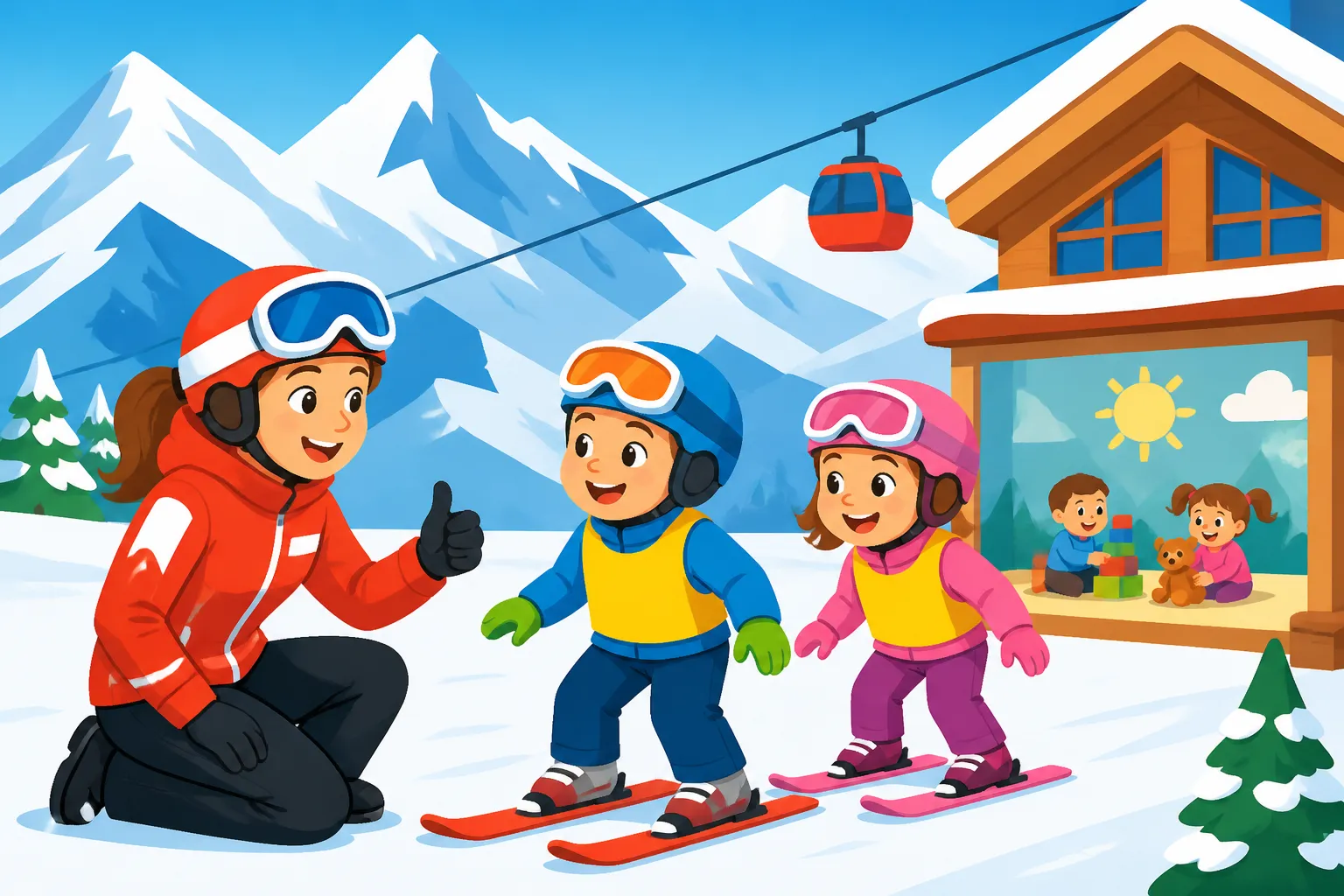
For the little ones, say 3-5 years old, you'll usually find programs focused heavily on play. They'll often start in a "Kinderland" or "Snow Garden," a dedicated, fenced-off area with gentle slopes, magic carpets (those moving conveyor belts that make going up effortless), and fun obstacles like tunnels and cartoon figures. It’s all about building confidence, getting used to the gear, and making snow feel like a playground. Don't expect them to be carving parallel turns after a few days; success here is measured in smiles, warm fingers, and a willingness to come back the next day!
As kids get older, typically from 6 years and up, the focus shifts more towards actual technique. They'll learn the basics of gliding, stopping (the all-important 'pizza' or snowplough), turning, and eventually parallel skiing. Groups are usually small, ensuring individual attention. You'll often have a choice between half-day and full-day lessons. Half-day lessons, running for 2-3 hours in the morning or afternoon, are great for younger children or those who tire easily. Full-day options (usually 4-5 hours, often including supervised lunch) are perfect if you want a longer window for your own skiing or if your child is older and has boundless energy.
Private lessons are also an option, though they come with a heftier price tag. These are fantastic for focused, rapid progression, or if your child has specific needs or anxieties. If you have several children with similar abilities, a private lesson could even be a cost-effective way to get tailored instruction for the whole sibling squad. Many international resorts or larger ski areas like Verbier, Zermatt, or St. Moritz also offer dedicated international ski schools with English, German, and French-speaking instructors, which can be a huge comfort for expat families.
Choosing the Right Ski School: Key Considerations
Selecting the perfect ski school for your child isn't just about throwing a dart at a brochure. There are several crucial factors to weigh that will make or break their experience (and yours!).
First and foremost, consider the language. While Switzerland boasts four official languages, many ski schools, especially in popular expat destinations or larger resorts, offer English-speaking instructors. Don't assume, though! Always confirm this when booking. Imagine your child struggling to understand instructions while hurtling down a slope – it’s a recipe for tears and frustration. Websites like GetYourGuide often list specific ski lesson packages that highlight language options, making it easier to filter.
Class size is another big one. Smaller groups mean more personalized attention, faster progress, and a safer environment. While official limits exist, sometimes during peak weeks, groups can feel a bit large. Ask about the maximum group size for your child's age and level.
Location and logistics are surprisingly important. Where are the meeting points? Are they easily accessible from your accommodation? Can you drop off and pick up easily, or does it require a complicated shuttle journey? Some resorts have multiple meeting points across different sectors. Knowing this in advance can save you a lot of morning stress. Also, inquire about flexibility: what happens if your child gets sick? Can you get a refund or credit for missed days?
Of course, cost is always a factor in Switzerland. Ski school isn't cheap, especially when multiplied by multiple children. Compare prices, look for package deals, and understand what's included (e.g., does it include a lift pass? Lunch?). Sometimes booking longer blocks of lessons can reduce the per-day cost.
Finally, safety should be paramount. Inquire about instructor qualifications (Swiss ski instructors are highly trained), safety protocols, and how they handle emergencies. A good school will always put your child's well-being first. Always book well in advance, especially if you're traveling during popular holiday weeks like Christmas, New Year's, or February half-term. Spaces fill up fast!
What to Pack and Prepare for Your Child's Ski School Day
The success of a ski school day often hinges on being properly prepared. A cold, hungry, or uncomfortable child is a miserable child, and trust me, that misery spreads quickly to the parents. Here's a detailed checklist:
- Layers, layers, layers: Start with good quality thermal underwear (top and bottom). Then add a fleece or wool mid-layer. The outer layer should be a waterproof and windproof ski jacket and trousers. Avoid cotton next to the skin, as it retains moisture and makes them cold.
- Warm, waterproof gloves or mittens: Mittens are often warmer for younger kids. Pack a spare pair! Wet gloves are a disaster.
- Ski socks: Several pairs of dedicated ski socks (not cotton!) will keep their feet warm and prevent blisters.
- Helmet: Mandatory for most ski schools and highly recommended for all children. Many rental shops include it with ski packages. Ensure it fits snugly.
- Goggles: Essential for eye protection against sun, wind, and snow. Make sure they fit comfortably with the helmet.
- Neck warmer/Buff: Much better than a scarf, which can dangle and be a hazard.
- Sun cream (SPF 50+): The sun at altitude is intense, even on cloudy days. Apply generously to their face and any exposed skin. Don't forget their lips with a good balm.
- Snacks: Even if lunch is included, little skiers burn a lot of energy. Pack a small, easily accessible snack (chocolate bar, granola bar, fruit pouch) for quick energy boosts.
- Water bottle: Hydration is key.
- Small backpack (optional): For older kids, a small backpack can carry their snacks, water, and extra gloves.
- A full change of clothes: For when they return, soaked and exhausted, to your warm accommodation.
- Labels, labels, labels! Seriously, label everything. Gloves, helmets, skis, poles, jackets, trousers – everything. Kids' gear looks remarkably similar when piled up at the end of a lesson.
Don't forget to have their ski equipment (skis, boots, poles if applicable) fitted and ready the day before lessons start. This avoids a rushed, stressful morning. A crucial tip for parents: always leave your contact number with the ski school and keep your phone charged, just in case.
Childcare Options Beyond the Slopes
Sometimes, ski school isn't the only answer, or perhaps you have toddlers too young for skiing, or older kids who just need a break. Thankfully, Swiss resorts are quite good at offering a range of childcare solutions.
Dedicated Mountain Nurseries and Kindergartens
For your littlest adventurers, typically under 3 or 4 years old, many larger ski resorts offer dedicated mountain nurseries or "Kindergarten" services. These aren't ski schools but rather supervised play areas, usually indoors, where children can engage in games, crafts, and rest, often with some outdoor playtime in a safe snow garden if the weather is good. Think of it as a quality daycare with an alpine view.
These facilities are fantastic for parents who want to ski knowing their non-skiing toddlers are safe and happy. The age ranges can vary, so always check with the specific resort. For example, some might take babies from 3 months, while others start at 1 or 2 years. Activities are usually age-appropriate and focused on fun rather than formal instruction. Popular resorts known for good childcare services include Zermatt, Arosa Lenzerheide, and Saas-Fee. These places understand that families come with diverse needs.
Booking these nurseries is essential, especially during peak season. They often operate on a half-day or full-day basis, with varying costs. Make sure to inquire about meal options, nap facilities, and what you need to provide (diapers, special food, comfort items).
Combining Ski School with Afternoon Care
A popular option for many families is to combine morning ski lessons with a supervised afternoon program. This means your child might have their ski lesson from 9:30 AM to 12:30 PM, then the ski school escorts them to a dedicated area for lunch and afternoon activities. These activities could range from more snow games, sledding, or even indoor arts and crafts, giving them a much-needed break from skis while still being supervised.
This full-day approach is a godsend for parents who want to maximize their time on the slopes. You drop the kids off in the morning and pick them up late afternoon, having enjoyed several hours of uninterrupted adult ski time. The main benefit is convenience and continuity – the kids are already with the ski school, making transitions smooth.
However, consider your child's stamina. A full day of skiing and activities, even with a break, can be exhausting for younger children. Over-tiredness can lead to meltdowns, especially if they're still in the early stages of learning. You know your child best; if they're prone to extreme fatigue, a half-day might be a better choice, allowing you to pick them up for a relaxed afternoon together. The cost for these combined programs is naturally higher than just lessons, but many families find the trade-off worthwhile for the extended freedom.
Private Nannies and Babysitting Services
For ultimate flexibility or if you have specific needs (e.g., a very young baby, multiple children with different schedules, or children who prefer one-on-one attention), hiring a private nanny or babysitter might be the perfect solution. Many resorts have agencies that provide experienced childcare professionals who can come to your chalet or apartment. This allows for personalized care, adherence to your child's routine, and the freedom for you to schedule your day as you please.
Private nannies can offer a range of services, from full-day care that includes taking children to and from ski school, supervising lunch, and organizing activities, to evening babysitting so you can enjoy a quiet dinner out. This option is particularly appealing for families with very young children not yet ready for structured group care or for those who simply prefer a home-like environment for their kids.
Finding reliable private childcare usually involves booking through reputable agencies in the resort or asking for recommendations from your accommodation provider. Some online platforms like Booking.com, when filtering for family-friendly hotels, might also highlight properties that offer in-house babysitting services or can recommend local providers. Naturally, this is often the most expensive childcare option, but the convenience and tailored attention can be invaluable. Always verify credentials and references, and ideally, have a chat with the nanny beforehand.
Practical Tips for a Smooth Family Ski Trip
Beyond the schools and childcare, a few practical considerations can significantly smooth out the wrinkles of a family ski trip in Switzerland. Believe me, I've learned these the hard way!
Budgeting for Kids' Skiing: Hidden Costs and Savings
Let's be real: skiing in Switzerland is not a budget holiday, and adding kids multiplies the costs faster than a snowball rolling downhill. Understanding where your money goes and where you can save is vital.
Ski school is a significant expense, ranging from CHF 60-100+ per half-day for group lessons, or several hundred for a private lesson. Lift passes are another big one. While kids often get discounts or even free passes under a certain age (e.g., under 6 in many resorts), check the specific age limits for your chosen resort. Some resorts offer family passes that can provide savings. For general travel to the resort, don't forget the fantastic Traveling with Children: The SBB Junior Travelcard for CHF 30/Year which allows kids to travel free with a paying adult on most public transport. If you plan to use public transport extensively for other excursions, the SBB Travelcards: Is the Generalabonnement (GA) Worth the CHF 4000+ Cost? or a Half-Fare Card can also save you money in the long run.
Equipment rental is another cost. Renting skis, boots, poles, and helmets for each child can easily add up. Consider renting in advance online, as many shops offer discounts. Some shops also offer "ski insurance" for accidental damage, which can be worth it for beginners.
Then there are the "hidden" costs: lunch on the mountain (expensive!), hot chocolate breaks (essential, but still adds up), snacks, and any unexpected gear replacements.
Savings tips:
- Bring your own snacks and drinks: A thermos of homemade hot chocolate is far cheaper and often more comforting than buying it on the slopes.
- Look for family packages: Some resorts or tour operators offer all-inclusive family deals that might bundle accommodation, lift passes, and even ski school.
- Consider shoulder season: Early December or late March/April often have lower prices for accommodation and sometimes even ski school, with fewer crowds.
- Check for "Kids Ski Free" days/weeks: A few resorts or regions offer promotions where kids ski for free with a paying adult during specific low-season periods.
- Rent equipment online: Many ski shops have online booking portals, sometimes with a small discount. Omio can sometimes help you find transport deals to these resorts if you’re coming from a major city.
For more general tips on keeping costs down, you might want to check out my guide on Budget Travel in Switzerland: Seeing the Country Without Overspending.
Navigating Logistics: Equipment Rental, Lift Passes, and Transport
The smoother your logistics run, the less stress you'll have, and the more fun everyone will have.
Equipment Rental: When you arrive at the resort, head to a reputable ski rental shop. There are usually several in any major resort town. Book online in advance if possible to save time and sometimes money. Ensure the boots fit properly – a poorly fitting boot is a quick way to misery on the slopes. Don't be afraid to ask for adjustments. For younger children, poles aren't always necessary for beginners, as they can sometimes hinder learning the basic snowplough. Your ski instructor will advise if they need them.
Lift Passes: Once your kids are in ski school, you'll need to figure out their lift pass. Often, beginner areas have free magic carpets or very cheap passes. For formal lessons on bigger slopes, they'll need a full pass. Again, check the resort's specific rules on age and discounts. Many modern resorts use smart cards, which are scanned at the gates – teach your kids how to hold them to the reader.
Transport to the Resort: Switzerland's public transport system is legendary for its efficiency. The SBB trains often take you right to the base of many resorts, or to a connecting PostBus. If you're coming from a major city, you can easily use Omio to plan your train and bus routes to the various ski resorts. If you're driving, remember that many mountain roads require winter tires, and some resorts like Zermatt are completely car-free (you'll park in a nearby village like Täsch and take a shuttle train). Always check road conditions before you travel, especially in winter. Read up on Winter Travel Tips: Staying Safe and Warm in the Swiss Alps for essential information.
Managing Expectations and Enjoying the Experience
This is perhaps the most crucial tip of all: manage your expectations. Your child is not going to become a ski pro in three days. They are learning a challenging new skill in a cold, unfamiliar environment. There will be falls. There might be tears. There will absolutely be complaints about being cold or tired.
- Focus on fun, not perfection: The goal is for them to enjoy being on skis and in the snow. Celebrate small victories – a successful snowplough, getting up after a fall, trying a new slope.
- Hot chocolate breaks are mandatory: Seriously, these are non-negotiable. A warm drink and a treat can turn a grumpy mood around instantly.
- Listen to your kids: If they're genuinely exhausted or miserable, don't push them too hard. A day off playing in the snow or having a relaxed indoor afternoon can be far more beneficial than forcing another half-day of lessons. Remember, you're on a family holiday!
- Be flexible: The weather can change quickly in the mountains. Have backup plans for bad weather days, like visiting a local indoor pool, a museum, or simply chilling in your accommodation with a board game. My Family Travel in Switzerland: Kid-Friendly Destinations and Tips guide has some great ideas for activities even off the slopes.
Popular Family-Friendly Ski Resorts in Switzerland
Switzerland is blessed with countless incredible ski resorts, but some truly stand out for their family offerings.
Resorts Known for Excellent Kids' Facilities
When choosing a resort, look beyond just the number of pistes. For families, dedicated kids' areas, good ski schools, and off-slope activities are equally important. My full guide on Family Ski Resorts in Switzerland: Best Areas for Children goes into much more detail, but here are a few examples:
- Arosa Lenzerheide (Graubünden): Known for its "Honigland" for toddlers, excellent ski schools, and a focus on children's entertainment, including a magic carpet and beginner lifts.
- Laax (Graubünden): A modern resort with a reputation for excellent ski and snowboard instruction, including dedicated freestyle parks for aspiring young shredders. They have a strong emphasis on progressive learning.
- Saas-Fee (Valais): This car-free village offers a serene environment. Its "Swiss Snow Kids Village" provides a safe and fun learning space for children, and the resort often has good family deals.
- Villars & Gryon (Vaud Alps): These linked resorts offer gentle slopes ideal for beginners and a welcoming atmosphere. Their ski schools are well-regarded, and there are various non-skiing activities for families.
- Engelberg (Central Switzerland): While it has challenging terrain for experts, Engelberg also has fantastic beginner areas like "Brunni," which is particularly family-friendly with a snow playground, magic carpets, and a focus on fun for the little ones.
These resorts not only offer top-notch ski schools but also usually have other kid-friendly amenities like sledding runs, ice skating rinks, and easy-access mountain restaurants with children's menus.
Booking Accommodation and Activities
Once you've picked your resort, it's time to lock in your stay. For family-friendly lodging, platforms like Booking.com are invaluable. You can filter by amenities like family rooms, self-catering options (which can save a lot on food costs), proximity to ski lifts or ski school meeting points, and even childcare services. Look for chalets or apartments with kitchens – being able to cook some meals at home can make a huge difference to your budget, especially with picky eaters.
For ski lessons and other activities, beyond booking directly with the ski school, GetYourGuide can be a useful platform to browse and book various experiences, including group or private lessons, snowshoeing tours for older kids, or even simply lift passes in advance. Pre-booking these things not only secures your spot but often provides a clearer overview of costs and options.
Remember to consider how you'll get around once you're there. Many resorts have excellent local bus systems that are included with your lift pass or easily accessible. If you plan to explore beyond the immediate resort area, you might look into rail options via Omio, especially if you have an SBB Half-Fare Card or Junior Travelcard already.
Comparison of Family Ski School Features (Illustrative)
Here's a quick, illustrative comparison of what you might find at typical family-friendly ski schools in different Swiss regions. Remember, specifics always vary by resort and actual school, so this is just a general guide.
| Feature | Typical Small/Local Ski School (e.g., Brunni-Engelberg) | Larger, International Resort Ski School (e.g., Zermatt) |
|---|---|---|
| Age Range (Beginner) | 3-4 years (Kinderland) to 12+ | 2.5-3 years (Snow Garden) to 16+ |
| Group Size (Beginner) | 6-8 children | 6-10 children |
| Language Options | Primarily local language (German/French/Italian), limited English | Multi-lingual (English, German, French common) |
| Half-Day Lessons | Yes, morning or afternoon (2-3 hours) | Yes, morning or afternoon (2.5-3.5 hours) |
| Full-Day Lessons | Often available, may include supervised lunch | Standard offering, includes supervised lunch |
| Private Lessons | Yes, can be booked by hour/day | Yes, often more availability and specialist instructors |
| Dedicated Snow Garden | Common, simple setup with magic carpets | Larger, themed "Kids Villages" with varied features |
| Afternoon Childcare (non-skiing) | Limited, check local tourist office | Often available, structured play programs |
| Booking Lead Time | 1-2 weeks in advance during peak | 4-6 weeks in advance essential during peak |
| Approx. Daily Cost (Group) | CHF 60-80 (half-day), CHF 100-130 (full-day) | CHF 80-110 (half-day), CHF 130-170 (full-day) |
Prices are illustrative and vary widely by season, demand, and specific school. Always check current rates directly.
Disclaimer
The information provided in this guide is intended for general informational purposes only and is based on typical conditions and practices in Switzerland as of the last update. While every effort has been made to ensure accuracy, regulations, prices, and services can change rapidly. Ski schools, childcare facilities, and resort offerings vary significantly. We strongly advise checking the latest information directly with the chosen ski resort, ski school, or childcare provider before making any bookings or travel plans. Always prioritize safety and exercise caution in alpine environments.