Best Places to See Edelweiss and Alpine Flowers
Ah, the majestic Edelweiss! When you first arrive in Switzerland, the image of that star-shaped white flower is probably plastered on every souvenir shop and tourist brochure. You picture yourself strolling through a high alpine meadow, stumbling upon a field of them, feeling utterly at one with nature. The reality, my friend, is a bit more nuanced than that. Edelweiss are elusive, protected, and often found in places that require a bit of effort to reach. But don't despair! This guide is here to cut through the postcard fantasies and give you the real lowdown on where, when, and how to spot not just the iconic Edelweiss, but also the myriad other stunning alpine flowers that truly make Switzerland's mountains a natural wonder.
Understanding Alpine Flowers and Their Habitats
Before we strap on our hiking boots and head into the high country, let's talk a little about these incredible plants. Alpine flowers aren't just pretty faces; they're resilient survivors, perfectly adapted to harsh conditions, thin air, and short growing seasons. Understanding their preferred habitats is key to finding them.
The Elusive Edelweiss: Where and When to Find It
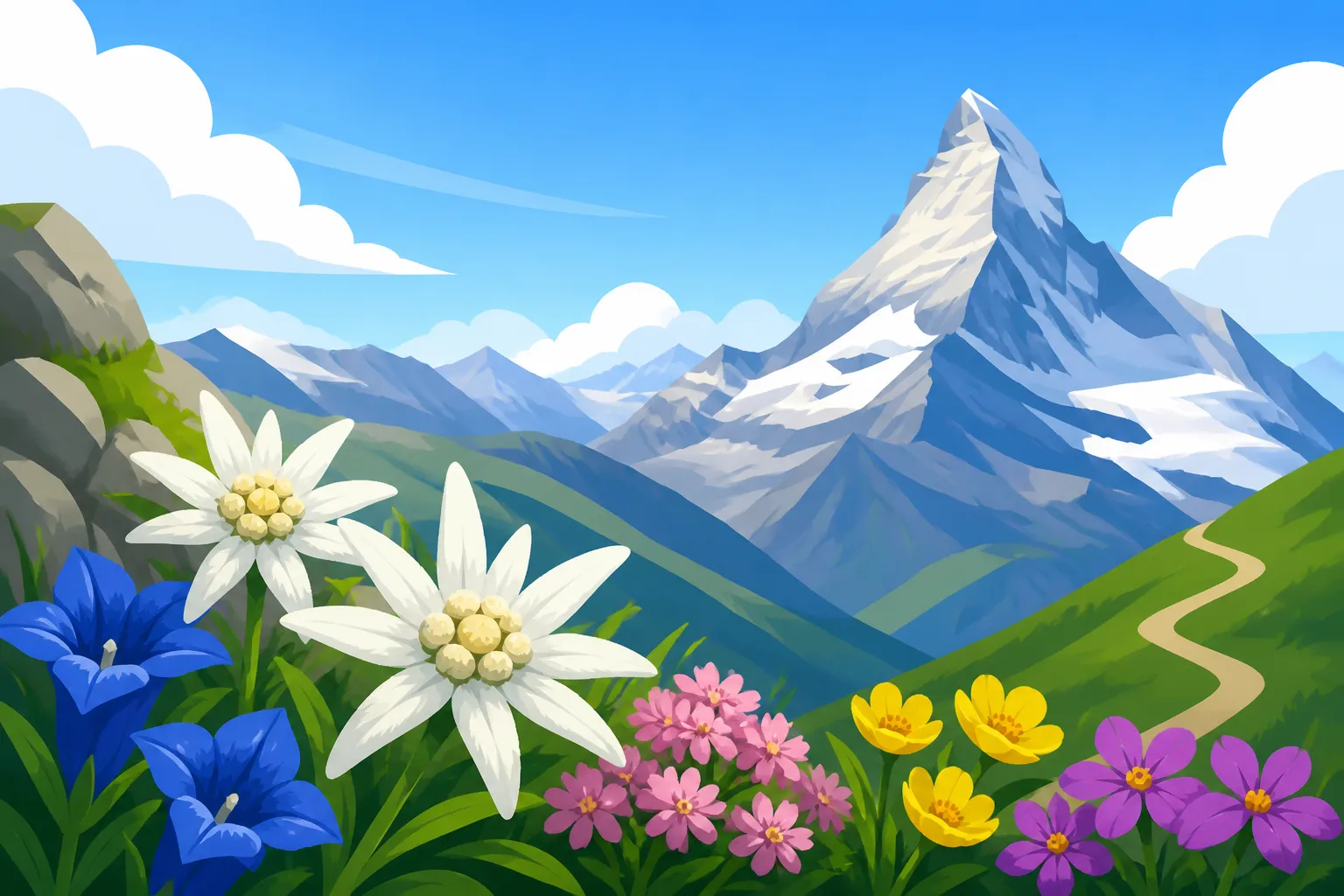
The Edelweiss (Leontopodium alpinum) is probably the most famous, and perhaps the most mythologized, flower in Switzerland. Its name, "noble white," perfectly describes its delicate appearance. But let me tell you, finding them isn't like spotting a daisy in a field. They prefer rocky, calcareous (limestone-rich) ground, often in inaccessible spots, at altitudes typically between 1,700 and 3,400 meters. Think steep slopes, rocky crevices, and high alpine meadows that aren't heavily grazed.
Their blooming season is quite short, usually from July to September, with August often being the sweet spot. If you head out too early in June, the snow might still be covering their habitat. Too late in October, and they'll have long since faded. The real trick to finding them is to keep your eyes peeled in the right kind of terrain, often just off the main paths, but never venturing into dangerous areas. Remember, they are fiercely protected, and picking one is not only illegal but also incredibly damaging to their delicate populations. Just enjoy their beauty and capture it with your camera.
Beyond Edelweiss: A Symphony of Alpine Blooms
While the Edelweiss gets all the fame, trust me when I say the Swiss Alps are bursting with other, equally stunning, and often more abundant, alpine flowers. Don't let your quest for Edelweiss make you miss the vibrant tapestry of colors underfoot.
You'll encounter brilliant blue trumpets of Gentians (Gentiana clusii and Gentiana kochiana), which are perhaps even more iconic to the Swiss landscape than Edelweiss once you start looking. Their vivid color is simply breathtaking. Then there are the Alpenrose (Rhododendron ferrugineum), which paint entire hillsides crimson in early summer, particularly in the granite regions. These are much easier to spot and incredibly widespread.
Look out for the delicate purple blooms of Alpine Asters (Aster alpinus), the cheerful yellow of Arnica (Arnica montana), and the various species of Campanula (bellflowers) that come in shades of blue and purple. The white star-like flowers of Saxifrages often cling to rocky outcrops, adding beauty to even the most barren-looking spots. And if you're lucky, you might even spot the incredibly rare and beautiful Lady's Slipper Orchid (Cypripedium calceolus) in certain protected forest clearings at lower elevations. It's a real treat for the eyes!
Respecting Nature: Why You Can't Pick Them
This is crucial, folks. Switzerland takes its nature conservation very seriously, and for good reason. Many alpine flowers, especially the Edelweiss, are protected species. Picking them is not just frowned upon; it's illegal and can result in hefty fines. Beyond the legal aspect, it's about respecting the fragile alpine ecosystem. These plants grow slowly, often in challenging conditions, and their seeds are vital for the next generation.
Imagine if every one of the millions of tourists and residents who visited the Alps picked just one flower – there would be nothing left. So, please, take only photos, leave only footprints. If you're passionate about having a piece of Switzerland's flora, visit a local market or a specialized nursery that sells cultivated alpine plants. You'll be supporting local businesses and doing your part to preserve the wild beauty of the Alps.
Top Regions for Alpine Flower Spotting in Switzerland
Switzerland is a small country, but its diverse geography means different regions offer unique floral experiences. From the rugged peaks of Valais to the gentle slopes of the Bernese Oberland, each area has its own charm.
Graubünden: The Engadine Valley's Floral Treasures
Graubünden, in the eastern part of Switzerland, is a treasure trove for nature lovers, and the Engadine Valley is particularly renowned for its rich alpine flora. The dry, sunny climate combined with varied geological formations creates ideal conditions for a wide array of plants.
Areas around Guarda, often called the "Schellen-Ursli village," and the higher trails near Scuol are fantastic. You can take a cable car up to explore well-marked hiking paths that wind through meadows dotted with wildflowers. The Swiss National Park is also located here, a strictly protected area where nature is left wild. While you can't go off-trail, the marked paths offer incredible opportunities to see alpine flora in its undisturbed glory. The air is crisp, the views are expansive, and the variety of flowers can be truly overwhelming in the best way possible. Consider exploring trails around Müstair and the Val Trupchun in the National Park for particularly unspoiled nature. Booking accommodation in places like Zernez or Scuol on Booking.com can give you a great base for exploring.
Valais: Zermatt and Saas-Fee's High-Altitude Gardens
The canton of Valais, with its iconic Matterhorn and numerous 4,000-meter peaks, offers breathtaking high-altitude floral displays. The dry climate here means the flora can be quite distinct from other regions.
Near Zermatt, while everyone is focused on the Matterhorn, the surrounding trails are alive with flowers. The path from Gornergrat down towards Riffelberg or even further to Furi offers incredible views combined with diverse alpine vegetation. You'll find gentians, buttercups, and often Edelweiss in the rockier sections. Don't forget to visit the Alpine Flower Park on Rothorn, which is specifically designed to showcase the local flora without needing to trek too far. Over in the Saas Valley, around Saas-Fee and Saas-Almagell, there are numerous themed flower walks. The "Flower Trail" above Saas-Grund is particularly popular, offering an easy yet rewarding experience for spotting everything from Alpenrose to various orchids. The air is thinner here, and the sun can be intense, so make sure you're prepared with water and sun protection. For those interested in guided experiences, GetYourGuide occasionally offers specialized nature walks in these areas.
Bernese Oberland: Jungfrau Region's Meadows
The Bernese Oberland, home to the famous Jungfrau, Eiger, and Mönch, is another prime spot. The meadows here, particularly those accessible from Grindelwald, Wengen, and Mürren, become a riot of color in summer.
A must-visit is the Schynige Platte Alpine Garden, easily reached by a charming cogwheel railway from Wilderswil (near Interlaken). This botanical garden high in the mountains boasts over 600 species of alpine plants, many of which you can see in their natural habitat along the paths, labeled for easy identification. It's a fantastic educational experience and dramatically increases your chances of seeing many species, including cultivated Edelweiss, up close. For wilder spots, trails above Lauterbrunnen and towards Grosse Scheidegg offer diverse flora. The area around First above Grindelwald also has incredible flower-filled meadows, especially on the hike towards Bachalpsee. When planning your trip, consider using Omio to book your train tickets to Interlaken and then onward to these alpine villages. It’s an efficient way to manage your journey to the heart of the Bernese Oberland.
Vaud & Fribourg: Pre-Alps and Jura Foothills
While perhaps less dramatic than the high Alps, the Pre-Alps and Jura regions of Vaud and Fribourg offer a gentler, yet equally rewarding, flower-spotting experience, often at lower altitudes.
The Gastlosen region in Fribourg, with its distinctive jagged peaks, provides lovely hikes through subalpine meadows that are bursting with flowers. The trails around Charmey or Jaunpass are great for exploring. In Vaud, the Chablais region and the area around Les Pléiades (above Vevey) are known for their spectacular narcissus fields in late spring/early summer, painting the landscape white. While Edelweiss is less common here, you'll find a different range of forest and meadow flowers, adapted to slightly warmer and less extreme conditions. It's a beautiful change of scenery and often less crowded than the "big name" alpine regions.
Planning Your Alpine Flower Expedition
A successful flower-spotting trip requires a bit of planning, especially in the Swiss Alps. Preparation is key to enjoying the experience safely and comfortably.
Best Time to Visit: Peak Blooming Seasons
As I mentioned earlier, timing is everything. Generally, the sweet spot for alpine flowers is late June to early September. However, this can vary significantly by altitude and specific species.
- June: Lower and mid-altitude meadows (around 1,000-1,800m) are vibrant. Expect to see early bloomers like Alpenrose and various orchids. Higher passes might still be snow-covered.
- July: This is often a fantastic month, as snow has usually melted from most hiking trails up to 2,500m, and many species are in full bloom. Alpenrose is often at its peak.
- August: The prime month for Edelweiss and many high-alpine specialists. The weather is generally stable, though thunderstorms can build quickly in the afternoons.
- September: While many flowers start to fade, some late bloomers are still out, and the autumn colors begin to add another layer of beauty to the landscape. The crowds also thin out considerably.
Always check local conditions and weather forecasts for the specific region you plan to visit. Mountain weather can change rapidly, and a sunny morning can turn into a cold, wet afternoon in a blink. Checking Weather Apps and Webcams for Planning Swiss Mountain Trips is always a good idea before you head out.
Essential Gear for Flower Spotting Hikes
You don't need to be a seasoned mountaineer, but some basic hiking gear will make your experience much more enjoyable:
- Sturdy Hiking Boots: Even "easy" alpine paths can be rocky, root-filled, or muddy. Ankle support and good grip are crucial.
- Layers of Clothing: The temperature can fluctuate wildly. A base layer, a fleece or mid-layer, and a waterproof/windproof outer shell are essential.
- Sun Protection: Hat, sunglasses, and high-SPF sunscreen are non-negotiable, especially at altitude where UV radiation is intense.
- Water and Snacks: Always carry more than you think you'll need. There aren't always shops or restaurants along mountain trails.
- Camera: A good camera (even your phone!) to capture the beauty.
- Field Guide/App: A compact alpine flower field guide or a plant identification app (like Flora Helvetica) can be incredibly rewarding.
- Binoculars: Great for spotting flowers on distant slopes or appreciating details without disturbing the plants.
- Trekking Poles: Can provide stability and reduce strain on your knees, especially on descents.
Remember, safety first. Always tell someone where you're going and when you expect to return. Consider a REGA Membership: Why Expats Need Air Rescue Insurance in the Alps for peace of mind, especially if you plan on more adventurous hikes.
Using Public Transport and Mountain Lifts
One of the great joys of Switzerland is its incredible public transport system, and it’s arguably the best way to reach many alpine flower hotspots. Cars often can't access these high-altitude villages or trailheads.
The SBB network will get you to almost every valley, and from there, a fantastic network of post buses, cogwheel trains, and cable cars takes you further into the mountains. A The Half-Fare Travelcard (Halbtax): The Must-Have Pass for Swiss Residents is almost always worth it if you plan to do more than a couple of mountain excursions, as it gives you 50% off most train, bus, boat, and mountain lift tickets. This really adds up! For comprehensive planning, use the SBB Mobile app; it’s brilliant for timetables and connections. Mountain Railways and Cable Cars: Reaching Switzerland's Peaks are often the only way to reach those high meadows where Edelweiss might grow.
Here's a tip: Many popular trails start near a cable car station. You can ride up, enjoy a relatively flat or downhill walk through prime flower territory, and then ride another lift down or hike all the way back to the valley. It saves your knees and maximizes your time in the scenic areas.
Accommodation and Guided Tours
Staying overnight in one of the mountain villages or even a mountain hut can deepen your experience. Imagine waking up to alpine air, surrounded by nature, ready for an early morning hike before the crowds arrive.
- Hotels & Guesthouses: Use platforms like Booking.com to find everything from luxurious hotels to cozy guesthouses in towns like Zermatt, Grindelwald, or Pontresina. Staying in a well-located base allows for multiple days of exploration.
- Mountain Huts (SAC Huts): For a more authentic, rustic experience, consider staying in a Swiss Alpine Club (SAC) hut. They offer basic accommodation, usually dorm-style, and serve simple but hearty meals. Booking well in advance is essential, especially during peak season.
- Guided Tours: If you're new to alpine hiking or want expert insights into the flora, consider joining a guided tour. Local tourism offices often organize seasonal flower walks with knowledgeable guides who can point out specific species, explain their ecological importance, and share local lore. While specific Edelweiss tours are rare due to their elusive nature, general alpine flower tours are excellent. Look for options on platforms like GetYourGuide or check directly with the local tourism boards in areas like the Engadine or the Jungfrau Region. A guide can help you find those easily overlooked gems and ensure you're hiking safely.
Key Locations and Specific Trails
Alright, now for the nitty-gritty: where exactly should you go to maximize your chances of seeing these beautiful blooms? While I can't guarantee you a field of Edelweiss, I can certainly point you towards areas with high floral diversity.
Specific Spots for Edelweiss
Finding Edelweiss often comes down to a bit of luck and being in the right place at the right time. They prefer sun-drenched, rocky, often limestone-rich slopes, usually between 1,700m and 3,000m.
- Zermatt – Riffelberg Area: Take the Gornergrat Bahn up to Riffelberg (or even higher). As you hike the trails around Riffelberg and towards Sunnegga, keep an eye on the rocky outcrops and grassy slopes that aren't too lush. The Edelweiss thrive in these slightly tougher conditions. The area between Riffelberg and the Riffelsee lake is a good starting point. Remember to scan, not just stare straight ahead!
- Engadine – Muottas Muragl & Alp Languard: From Pontresina, take the chairlift up to Alp Languard or the funicular up to Muottas Muragl. The hiking trails from these points, especially the high-altitude path connecting them (the "Panoramaweg"), pass through varied terrain including rocky sections where Edelweiss can be found. The view over the Engadine lakes is an added bonus!
- Jungfrau Region – Schynige Platte: While the Alpine Garden itself has cultivated Edelweiss, the wild trails around Schynige Platte, particularly those leading towards Faulhorn, offer opportunities to spot them in their natural rocky habitats. It requires a bit more effort than just strolling the garden, but the views are spectacular. This area is easily accessible, making it a good choice for those combining general hiking with flower spotting. For more general hiking ideas, check out Best Easy Day Hikes Near Zurich and Geneva for some inspiration, though these may be at slightly lower altitudes for true Edelweiss.
Famous Botanical Trails
If your goal is simply to be immersed in the beauty of alpine flora, regardless of whether you find an Edelweiss, these botanical trails are fantastic.
- Schynige Platte Alpine Garden (Bernese Oberland): As mentioned, this is a fantastic open-air botanical garden showcasing hundreds of species with informative labels. It's truly a living museum of alpine flora and highly recommended for anyone interested in identifying different plants.
- Alp Flix (Graubünden): Known as "Switzerland's Treasure Island," Alp Flix near Savognin is a high moorland plateau rich in biodiversity, including an incredible array of wildflowers and rare butterflies. It's a protected natural landscape, and numerous easy hiking paths crisscross the area. You can spend hours here simply observing.
- Flower Trail (Blumenweg) above Saas-Grund (Valais): This well-signposted trail starts from the Kreuzboden mountain station (accessible by gondola from Saas-Grund) and offers stunning views while winding through meadows packed with diverse flowers. Informative boards along the way help you identify the plants. It's a moderate hike suitable for most fitness levels.
- Moor Trail Greina Plateau (Graubünden/Ticino): For the more adventurous, the Greina Plateau is a stunning, wild landscape with unique moorland flora. It's harder to access (requiring longer hikes), but the untouched nature and the feeling of wilderness are unparalleled.
Combining Flower Spotting with Other Activities
Let's be real, you're in Switzerland! Why limit yourself to just one activity? Combine your quest for flora with other quintessentially Swiss experiences.
- Hiking: This is a given, of course. Almost all flower spotting will involve some form of hiking. Choose trails that pass through varied terrain – meadows, rocky slopes, near streams – to maximize your chances of seeing different species. Switzerland offers a huge range of trails, from easy strolls to challenging mountain treks. Using hiking apps like Hiking Apps for Switzerland: SwitzerlandMobility and Komoot can help you find suitable paths.
- Scenic Train Journeys: Many scenic train routes, like the Glacier Express or Bernina Express, pass through incredible alpine landscapes. While you can't stop to pick flowers (or even spot them up close from a moving train!), the views offer a broader perspective of the floral diversity of entire regions. For planning these, Switzerland by Train: The SBB Network, Scenic Routes, and Day Trips offers excellent guidance.
- Mountain Excursions: Taking a gondola or cogwheel train up to a famous peak like the Jungfraujoch 'Top of Europe': Planning the Trip and Saving Money or Pilatus doesn't just offer panoramic views, but also provides access to the higher alpine zones where unique flowers thrive. You can often find shorter, well-maintained paths right at the top stations.
- Picnics and Lakeside Relaxation: After a morning of flower hunting, find a picturesque spot for a picnic amidst the blooms. Many alpine regions also have stunning lakes where you can cool off on a hot summer's day. For more on summer activities, check out Switzerland in Summer: Lake Swimming, Hiking, and Open-Air Events.
Remember, the goal is to enjoy the journey and the incredible natural beauty around you. The Edelweiss might be a star, but the entire cast of alpine flowers creates a show that is truly unforgettable.
Quick Reference: Alpine Flower Spotting
Here's a handy table to help you plan your floral adventures:
| Region | Primary Canton | Best Time to Visit | Notable Flowers (besides Edelweiss) | Accessibility by Public Transport | Key Spotting Areas |
|---|---|---|---|---|---|
| Graubünden | GR | July – August | Alpenrose, Gentians, Saxifrages | Excellent | Swiss National Park, Engadine trails (Muottas Muragl, Alp Languard) |
| Valais | VS | July – August | Gentians, Arnica, Alpine Asters | Very Good | Zermatt (Riffelberg, Rothorn), Saas-Fee (Flower Trail) |
| Bernese Oberland | BE | July – August | Alpenrose, Lady's Slipper (rare) | Excellent | Schynige Platte Alpine Garden, Grindelwald First trails |
| Vaud & Fribourg | VD, FR | June – July | Narcissus (early summer), Orchids | Good | Les Pléiades (narcissus), Gastlosen region |
This table provides a quick overview, but remember that nature is unpredictable, and conditions can vary from year to year. Always cross-reference with local information closer to your travel date.
No matter where you go in Switzerland, the chances are high you'll encounter truly stunning natural beauty. So get out there, breathe in that crisp mountain air, and let the incredible alpine flora captivate you.
Disclaimer
The information provided in this guide is for general informational purposes only and does not constitute professional advice. While we strive to provide accurate and up-to-date information, local regulations, conditions, and specific permit requirements for travel and outdoor activities in Switzerland can change rapidly. Always consult official sources, local tourism boards, and professional guides before undertaking any outdoor activities. Hiking in the Alps carries inherent risks; ensure you are adequately prepared, have appropriate gear, and understand the weather conditions. The author and publisher are not responsible for any loss, injury, or inconvenience sustained by anyone using this information. Always prioritize your safety and respect nature.