Best Apps for Exploring Switzerland Like a Local
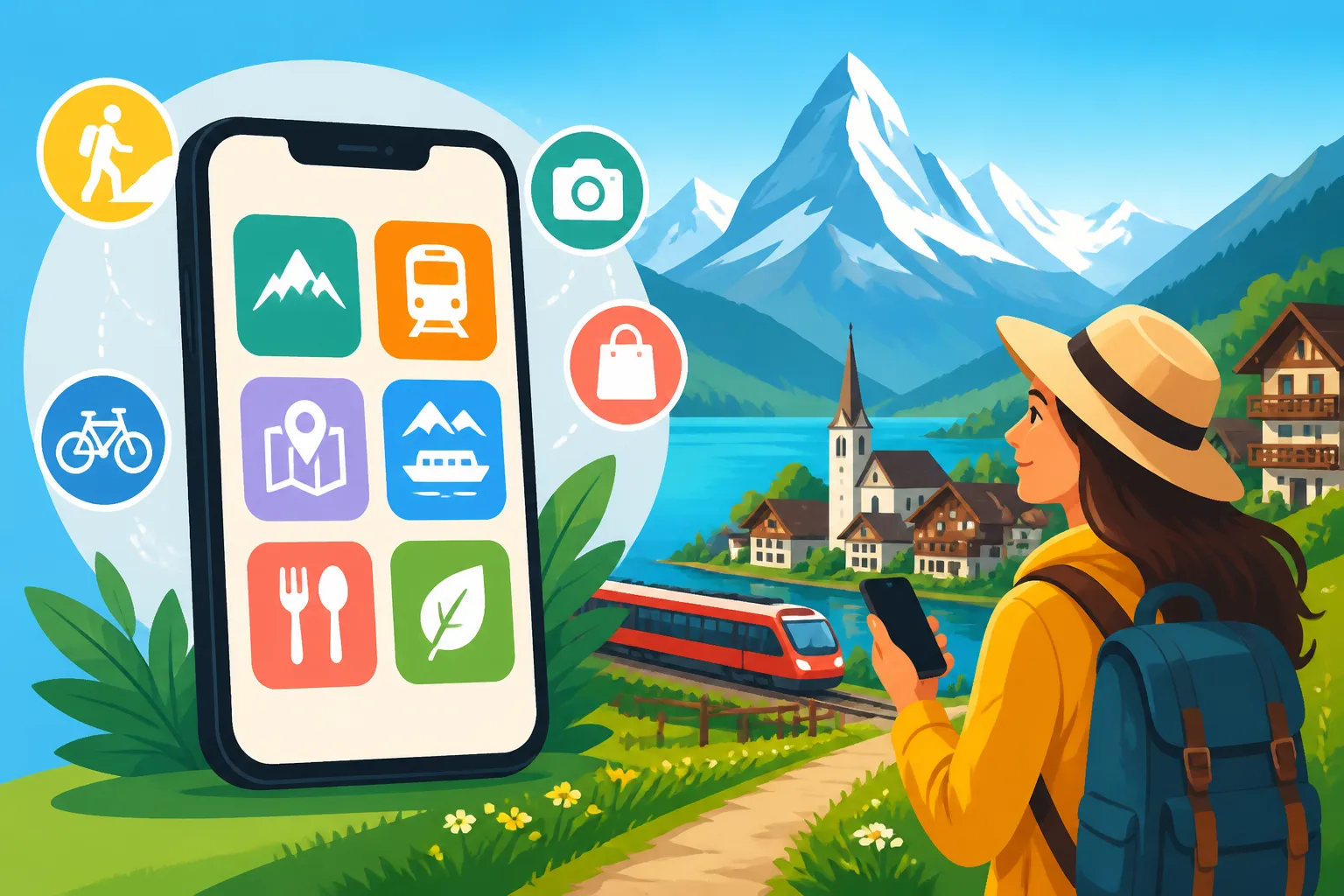
When you first land in Switzerland, everything can feel a bit like trying to solve a Rubik's Cube while blindfolded. The public transport system is legendary, but understanding the nuances, the quiet rules of shopping, or even just finding a good local spot can be surprisingly tough. This guide is here to unravel the mystery, showing you which essential apps will not just help you survive, but thrive and genuinely explore Switzerland like a seasoned local.
Navigating Public Transport Like a Pro
The Swiss transport network is a marvel, often touted as one of the best in the world. But it's also incredibly complex, with a multitude of regional operators, ticket options, and zones that can make your head spin. Luckily, a few key apps cut through the confusion and put the power of punctuality in your palm.
The Indispensable SBB Mobile App
Honestly, if you download only one app for living in Switzerland, make it the SBB Mobile app. This isn't just a train schedule; it's your entire transport nervous system for the country. From the moment you step off the plane, this app will be your constant companion, guiding you through the labyrinth of trains, trams, buses, and even boats. You can check real-time schedules, see delays at a glance (which, let's be honest, are rare but happen!), and most importantly, buy tickets for virtually any public transport journey across Switzerland.
Think about it: you’re standing at a bus stop in a small village, unsure when the next one arrives. A quick tap on the SBB app, and voilà, you have the exact departure time, often with a live update of its current location. For those of us with a Half-Fare Travelcard (Halbtax): The Must-Have Pass for Swiss Residents, integrating it into the app means your ticket prices are automatically adjusted, showing you the discounted rate. Even if you're eyeing a long-distance trip, the app will proactively suggest Saver Day Pass (Spartageskarte): How Residents Save on Day Trips options, saving you a small fortune if you're flexible with your travel times. It's a lifesaver, truly. My first few months here, I spent far too long fumbling with ticket machines, only to realize the SBB app made it all so seamless. It even sends push notifications for delays on your saved routes, so you're always one step ahead, a true blessing when you have to explain a late arrival to a Swiss colleague who values punctuality above all else.
Regional Transport Apps and Extensions
While the SBB app is your national champion, don't forget the regional players. Each major city or canton often has its own specific app that complements SBB, offering hyper-local details that can be incredibly useful. In Zurich, you'll find the ZVV app indispensable for understanding the intricate tram and bus network, especially when deciphering the local zones for those shorter trips. Similarly, Geneva has the TPG app, and Basel the BVB app. These apps often provide more granular detail on local stops, specific tram line disruptions, and even allow you to purchase single zone tickets or short-distance tickets directly without having to use the SBB app for micro-journeys.
What often catches newcomers off guard is how quickly you might cross into different zones, and how those regional apps are sometimes better at calculating the correct, cheapest fare for very short distances within a city or its immediate surroundings. For instance, if you're just hopping two stops on a tram in Zurich, the ZVV app might be more intuitive for a short-trip ticket than navigating through the broader SBB interface. It’s all about efficiency, right? Having both the national SBB app and the relevant local app for your immediate area will ensure you’re never caught out, either paying too much or, worse, riding without a valid ticket and facing those steep fines. Trust me, the Swiss take their ticket validity seriously.
Embracing Digital Ticketing and Payments
Gone are the days when you needed a wallet full of coins for ticket machines (though they still exist, thankfully). Switzerland has largely embraced digital ticketing, and it’s a beautiful thing. The SBB app allows you to store your payment methods securely, making one-tap purchases incredibly quick. Beyond SBB, many local transport apps and even smaller regional bus lines integrate with mobile payment systems. The king of these in Switzerland is undoubtedly TWINT. If you haven't yet, you'll soon realize How to Set Up and Use the TWINT Payment App as an Expat. It's not just for peer-to-peer payments or online shopping; many ticket machines, parking meters, and even small kiosks now accept TWINT.
The convenience of tapping your phone to pay for a ticket, whether through the SBB app directly or via TWINT, is a game-changer. Imagine rushing to catch a train, and instead of fumbling for change or a card, you simply open the app, buy the ticket, and jump on. This is the norm here. While ticket inspectors do randomly check, they're typically equipped with scanners for QR codes on your phone, making the process quick and painless. Just make sure your phone battery is charged! There's nothing worse than a dead phone when you need to show your digital ticket. Embracing these digital payment methods isn't just about convenience; it’s about fully integrating into the Swiss way of life.
Discovering Switzerland's Natural Wonders
Switzerland is, above all, a country of breathtaking natural beauty. From pristine lakes to towering Alpine peaks, exploring the outdoors is a quintessential Swiss experience. But these aren't just pretty backdrops; they're playgrounds that require a bit of planning, and thankfully, there are apps designed to make your adventures safe and seamless.
Hiking and Cycling with SwitzerlandMobility
When it comes to exploring the vast network of Swiss hiking and cycling trails, the SwitzerlandMobility app (or website) is the gold standard. This isn't just a map; it's a comprehensive guide to official, signposted routes across the entire country. Whether you're planning a gentle lakeside stroll, a challenging mountain ascent, or a multi-day cycling tour, this app has you covered. It provides incredibly detailed maps, elevation profiles that are crucial for understanding the difficulty of a hike, estimated walking or cycling times, and even points of interest along the way.
One of its most impressive features is its integration with public transport. You can often see the nearest bus stop or train station right on the trail map, which is invaluable for planning one-way hikes or cycling trips. For example, if you're planning one of the Best Easy Day Hikes Near Zurich and Geneva, the app will show you exactly how to get to the trailhead by bus or train, and how to get back. No more guessing where to start or end! For those who love to wander but hate getting lost, SwitzerlandMobility is an absolute blessing. It offers peace of mind, allowing you to immerse yourself in the stunning scenery without constantly worrying about navigating. It's truly like having a seasoned local guide in your pocket, making even complex routes feel manageable and enjoyable.
Mountain Access and Weather Apps
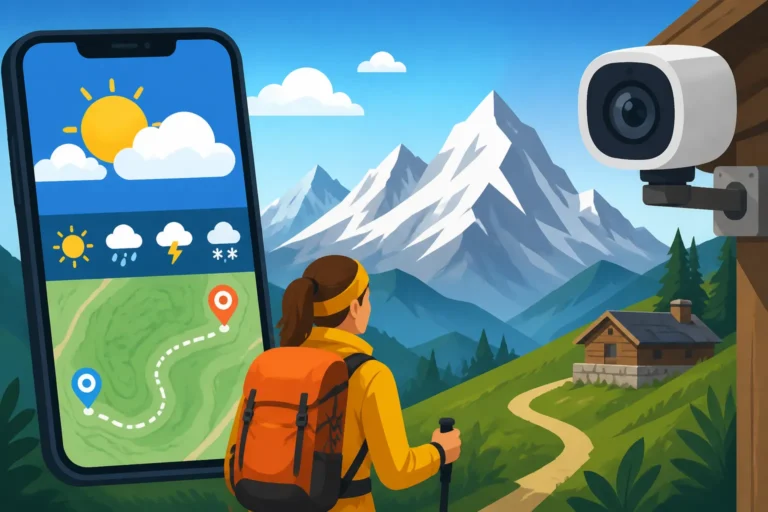
The mountains here are magnificent, but they also demand respect and preparation. Before you head up, you'll need reliable information on conditions and access, and that's where a few specialized apps come in handy. Many major mountain destinations like Zermatt, Jungfraujoch, or Mount Pilatus have their own dedicated apps. These are fantastic for checking real-time webcams (crucial for seeing if those stunning views are obscured by clouds!), current weather conditions at various altitudes, and crucially, the operating hours and status of cable cars, cogwheel railways, and gondolas. There's nothing quite like planning a grand day out, only to find the key lift is closed due to high winds or maintenance.
Beyond these specific mountain apps, a robust general weather app is non-negotiable. While the default phone weather apps are okay, dedicated Swiss weather apps like MeteoSwiss (the official federal office of meteorology and climatology) or Landi Wetter provide much more localized and accurate forecasts, including detailed precipitation radars and wind speeds for specific regions, which can make a huge difference in the mountains. Imagine planning a picnic by the lake, only to realize too late that a sudden storm is rolling in – these apps help you avoid those damp surprises. They’re indispensable for enjoying the outdoors safely, whether you're exploring the peaks or simply enjoying some Wild Swimming and Lake Swimming Etiquette in Switzerland. Being prepared means you can fully enjoy Switzerland's stunning natural playground.
Finding Local Gems and Activities
Beyond the grand hikes and cable car rides, Switzerland is dotted with countless smaller, delightful activities and local gems. Finding these, especially as a newcomer, can sometimes feel like trying to find a needle in a haystack. This is where apps that focus on local events and spontaneous activities become incredibly valuable. While there isn't one single "Swiss local gem" app, a combination of regional tourism apps (like those for Lake Geneva or Lake Lucerne regions) and general event platforms can point you in the right direction. For instance, many canton-specific tourism offices have apps that highlight local festivals, markets, specific lake activities, or even the best spots for a spontaneous barbecue.
Furthermore, general travel experience platforms like GetYourGuide can be surprisingly useful, not just for tourists, but for expats too. While you might think of them for booking big tours, they often list smaller, unique local experiences, such as cheese-making workshops in Appenzell, guided e-bike tours through vineyards in Lavaux, or even paddleboarding rentals on Lake Zurich. These can be fantastic ways to uncover activities you might not stumble upon otherwise, giving you a deeper, more authentic taste of Swiss life. Sometimes, seeing what "tourists" are doing can actually help you discover hidden local gems that you might have overlooked in your own backyard!
Dining, Shopping, and Everyday Local Life
Navigating the cost of living and the unique rhythms of Swiss shopping and dining can be a learning curve for any expat. Thankfully, a suite of apps helps you manage everything from your weekly grocery haul to finding the best deals and understanding local cultural nuances.
Mastering Grocery and Food Delivery
Groceries in Switzerland can feel like a luxurious expense, so mastering efficient shopping is key. The apps for the major supermarket chains, Coop and Migros, are absolutely essential. They’re not just for online ordering; they're your gateway to loyalty programs, digital coupons, and personalized offers. For example, the Coop Supercard app and the Migros Cumulus app allow you to collect points, access discounts directly on your phone, and even see what’s on sale that week. Many expats learn quickly that shopping for deals is a way of life here, and these apps are your best friends in that endeavor.
Beyond the big two, there are more specialized grocery delivery services. Farmy, for instance, focuses on fresh, local produce from Swiss farms, which is fantastic for quality, albeit at a slightly higher price point. Then, for those nights when cooking just isn't happening, food delivery apps like Uber Eats, Just Eat, and sometimes local services like Smood are popular. Just be prepared for Swiss prices and delivery fees! Still, having the option to order a pizza or some curry after a long day of work, especially when you're still figuring out your new kitchen, is a huge relief. Understanding Grocery Shopping: Coop, Migros, Aldi, Lidl, and Denner Compared will give you a good head start, but their respective apps unlock the real value.
Unlocking Deals and Discounts
Living in Switzerland means becoming a savvy shopper. While the country is renowned for its high prices, there are always ways to find good deals and discounts if you know where to look. Beyond the supermarket loyalty apps, there are general deal-finding apps that can help you save money on everything from restaurant meals to clothing. Apps like "Too Good To Go" are fantastic for finding discounted food items from bakeries, restaurants, and supermarkets that are nearing their expiry date, helping to reduce food waste and save you money – a win-win! This is a particularly popular app among locals and expats looking to stretch their budget.
When it comes to travel and accommodation, this is where commercial brands like Omio and Booking.com come into play. While the SBB app is great for domestic train travel, if you're planning a weekend getaway across the border, Omio can help you compare and book train, bus, and flight tickets to other European cities, often finding the most cost-effective routes. Similarly, for booking hotels or apartments, Booking.com remains a global standard and is widely used in Switzerland. Many smaller, independent hotels list their properties there, and the app often has exclusive deals or loyalty programs that can save you a significant amount on a night's stay, particularly when visiting different Swiss Cities Guide: Zurich, Geneva, Basel, Bern, and Beyond. Getting into the habit of checking these platforms can make a noticeable difference to your monthly budget.
Language Support and Cultural Immersion
The linguistic landscape of Switzerland can be daunting, with German, French, Italian, and Romansh as official languages, not to mention the numerous Swiss German dialects! While full immersion is the best way to learn, technology can definitely bridge the initial gap. Good translation apps are a must-have. While Google Translate is a standard, look for apps that offer offline translation capabilities and, if possible, some recognition for Swiss German nuances (though this is still a challenge for AI). Having a quick way to translate a menu item or a signpost can save you a lot of awkward moments.
For deeper cultural immersion, explore apps that bring local news and events to your fingertips. The official apps of Swiss broadcasters like SRF (German-speaking), RTS (French-speaking), and RSI (Italian-speaking) offer news, documentaries, and cultural programs that are fantastic for understanding current affairs and improving your language skills. Beyond news, look for local event apps or even Facebook groups that list community happenings. Joining local clubs (Vereine) is often cited as The Swiss Corporate Culture: Meetings, Hierarchy, and Professional Etiquette way to integrate, and sometimes these apps help you discover which clubs exist and what they're doing. These tools are crucial for moving beyond being just a resident and truly becoming part of the local fabric.
Essential Apps for Expat Life and Admin
Beyond the day-to-day, a few apps are crucial for managing your finances, staying informed about important civic matters, and ensuring your safety in Switzerland. These are the tools that help smooth out the often-complex administrative side of expat life.
Banking and Payment Simplified
Swiss banking, like everything else, is efficient but can feel a bit traditional. Luckily, most major banks now offer excellent mobile apps that make managing your finances much easier. Banks like UBS, ZKB (Zürcher Kantonalbank), and PostFinance all have robust mobile banking apps that allow you to check balances, make payments, and manage your accounts on the go. These apps are generally very secure and user-friendly, crucial for handling your finances in a new country.
However, the real game-changer for daily payments is TWINT. We mentioned it for transport, but it truly is ubiquitous. It's Switzerland's answer to mobile payment, allowing you to pay in stores, online, at parking meters, and send money to friends and family directly from your smartphone. Almost everyone uses it. If you find yourself in a situation where cash isn't accepted or you don't have exact change, TWINT often comes to the rescue. For those who prefer a more modern, lower-fee banking experience, neobanks like Neon and Yuh also offer intuitive apps with features specifically designed for expats, often including multi-currency accounts and easier onboarding processes. Having these apps makes financial transactions here incredibly convenient and transparent.
Staying Informed with News and Local Info
Understanding what’s happening around you, both nationally and locally, is vital for feeling settled. The official news apps from the Swiss public broadcasters (SRF News, RTS Info, RSI News) are excellent for keeping abreast of national politics, economy, and major events in your chosen language. These are unbiased sources that will help you understand the country you now call home, far beyond the expat bubble.
On a more local level, many cantons and even individual communes (Gemeinden) have their own apps or portals. While not always sleek, these can be incredibly useful for administrative information. For example, some Gemeinde apps will send out push notifications about local events, changes to waste collection schedules (essential in a country with strict recycling rules), or even important public safety announcements. For expats living in places like a Commuter Towns Around Zurich: Cheaper Rent Within 30 Minutes, staying connected to local government announcements can save you headaches. You might also find apps for utility providers, like EWZ in Zurich for electricity, which can help you monitor your energy consumption. It's all about plugging into the local information grid.
Emergency and Safety Resources at Your Fingertips
While Switzerland is generally a very safe country, emergencies can happen anywhere, and knowing what to do and who to call is paramount. There are a few essential apps that every expat should have for safety and peace of mind. The Alertswiss app is a national warning system that provides official alerts and information from Swiss authorities regarding hazards such as severe weather, natural disasters, or other major incidents. It's crucial for staying informed during a crisis.
For those venturing into the mountains – and let’s be honest, who doesn’t in Switzerland? – the REGA app is a must-have. Rega is the Swiss air rescue service, and their app allows you to quickly and accurately transmit your location to them in an emergency. This could be a lifesaver if you have an accident while hiking or skiing in a remote area. Beyond these, simply having quick access to the national emergency numbers (112 for general emergencies, 117 for police, 118 for fire, and 144 for ambulance – remember Emergency Numbers 144 vs 112: Which to Call in a Swiss Medical Crisis) is critical. While not an "app" in itself, ensuring these are programmed into your phone's speed dial or emergency contacts list is an absolute basic. Being prepared means you can enjoy all the adventures Switzerland has to offer with a sense of security.
| App Category | Recommended Apps (Examples) | Primary Use Case | Key Benefits for Expats |
|---|---|---|---|
| Public Transport | SBB Mobile | National train/bus/tram schedules, ticket purchase | Real-time info, integrated passes, Saver Day Pass alerts |
| ZVV / TPG / BVB | Regional city transport (Zurich, Geneva, Basel) | Local zone tickets, specific tram/bus line updates | |
| Navigation | SwitzerlandMobility | Hiking & cycling trails, route planning | Detailed maps, elevation profiles, public transport connections |
| MeteoSwiss / Landi Wetter | Accurate local weather forecasts | Precise forecasts, radar, mountain-specific conditions | |
| Finance/Payment | TWINT | Mobile payments (P2P, shops, parking, online) | Ubiquitous, easy money transfer, fast payments |
| Neon / Yuh | Neobank mobile banking | Lower fees, multi-currency, expat-friendly onboarding | |
| Shopping/Food | Coop Supercard / Migros Cumulus | Loyalty programs, digital coupons, weekly offers | Savings on groceries, personalized deals |
| Too Good To Go | Discounted food from local businesses | Reduces food waste, budget-friendly meal options | |
| Safety/Info | Alertswiss | National emergency alerts and information | Stay informed during crises (weather, disaster) |
| REGA | Swiss Air Rescue (mountain emergencies) | Transmit exact location to rescue services in remote areas |
Disclaimer
The information provided in this guide is intended for general informational purposes only and does not constitute professional advice. While we strive to keep the information up-to-date and accurate, Swiss laws, regulations, and app functionalities can change rapidly. Always consult official sources, relevant government websites, or a qualified professional for specific advice tailored to your personal situation. We do not endorse any specific brand or service over another; mentions are for illustrative purposes based on popular usage among expats.