Five Lakes Walk (5-Seenweg) in Zermatt: What to Expect
Oh, Zermatt! Just uttering the name conjures images of that majestic, unmistakable peak. But let's be honest, Switzerland can feel a bit overwhelming, right? Especially when you're trying to figure out which hike promises those iconic, mirror-like reflections of the Matterhorn without needing to be an Olympic athlete. Well, take a deep breath, because this guide is all about the famous Five Lakes Walk, or 5-Seenweg, an absolute must-do that truly delivers on the postcard views.
What is the Five Lakes Walk and Why Expats Love It?
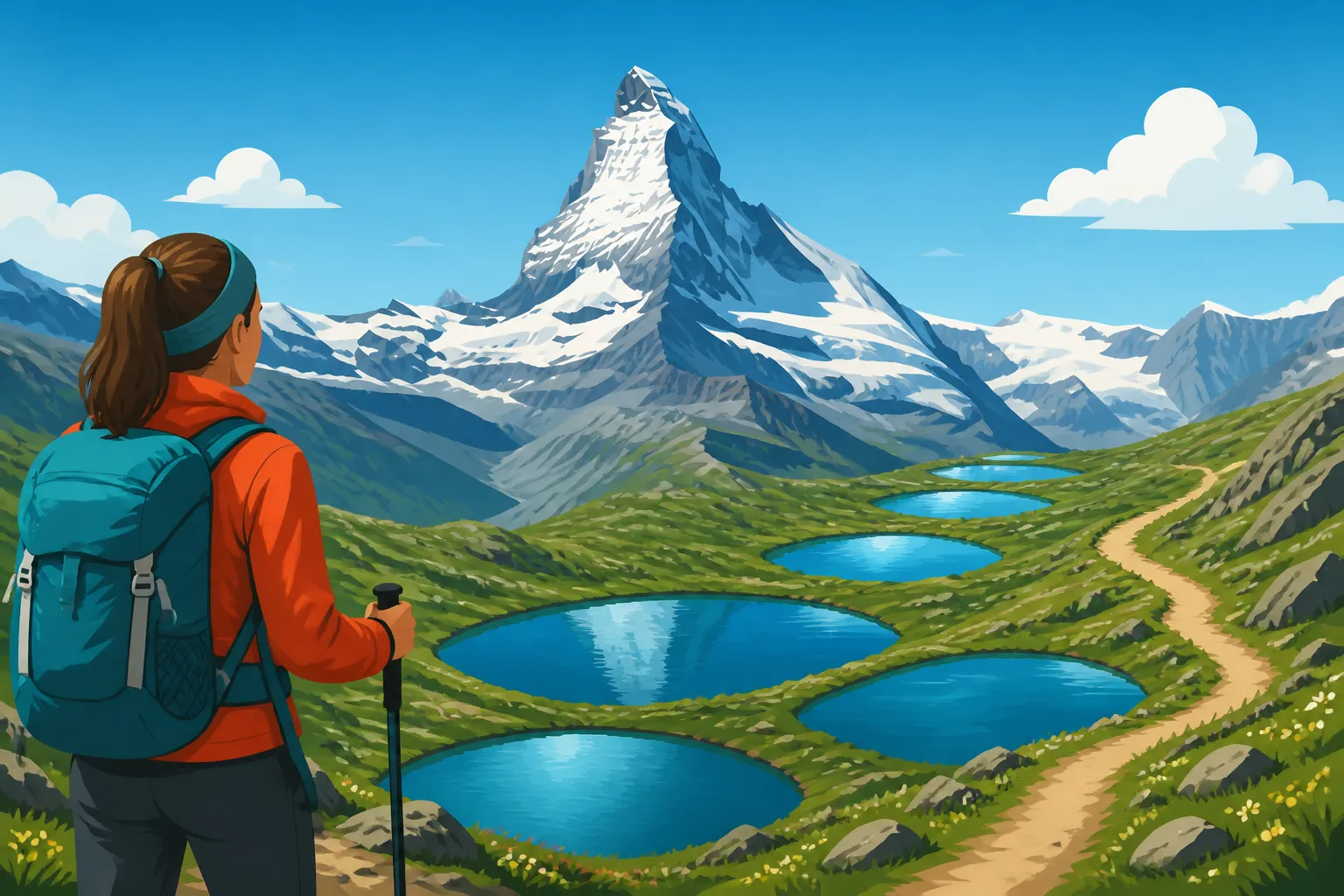
The Five Lakes Walk in Zermatt is more than just a hike; it's an experience tailor-made for those who dream of seeing the Matterhorn's perfect reflection in crystal-clear alpine waters. This medium-difficulty trail is renowned for taking you past five stunning mountain lakes, each offering a unique perspective of the iconic Matterhorn, often mirrored flawlessly on a calm day. For expats and tourists alike, it’s a brilliant way to immerse yourself in the quintessential Swiss alpine landscape without tackling extreme altitudes or overly challenging terrain.
The Allure of the Alpine Lakes and Matterhorn Reflections
Let's talk about those reflections, because that's truly what sets this walk apart. Imagine arriving at Stellisee, the first lake, at sunrise. The air is crisp, the world is quiet, and there it is: the Matterhorn, sharp and grand, perfectly inverted in the still water. It's truly a moment that makes you pinch yourself, especially after spending so much time planning your trip.
Each lake along the 5-Seenweg offers its own distinct charm and viewing angle. Grindjisee is nestled in a tranquil pine forest, feeling almost enchanted, while Grünsee boasts a slightly greener hue, hinting at the mineral content from the surrounding rocks. Moosjisee stands out with its milky, turquoise glacial water, a stark contrast to the deep blues of the other lakes, and it's also where you'll find a small dam. Finally, Leisee is known for being incredibly family-friendly, complete with a playground and swimming area, offering one last glorious Matterhorn view before you head back down. It’s these varied landscapes and the constant presence of the Matterhorn that make the walk so consistently rewarding and, frankly, unforgettable.
Accessibility and Moderate Challenge for All
One of the greatest appeals of the Five Lakes Walk is its accessibility. Unlike some of the more strenuous high-alpine treks, this trail is generally classified as moderate. You'll cover about 9.3 kilometers (around 5.8 miles) with an elevation gain and loss of roughly 300-400 meters, which means it’s manageable for most people with a reasonable level of fitness, including families with older children. The well-maintained paths are mostly gravel or dirt, and while there are some ascents and descents, nothing is overly steep or technical.
This makes it an ideal choice if you're keen to experience the grandeur of the Swiss Alps without needing specialized gear or extensive hiking experience. It’s certainly not a gentle stroll through a park, but it’s far from a scramble up a mountain face. You get all the rewards of breathtaking scenery and accomplishment without completely wiping yourself out for the next few days. Plus, the convenience of the Zermatt mountain lifts truly takes the sting out of the initial ascent, allowing you to save your energy for the stunning views themselves.
Planning Your Five Lakes Walk Adventure
Preparing for any outing in the Swiss Alps, even a moderately challenging one, is key to an enjoyable experience. The Zermatt Five Lakes Walk is no exception. Thinking ahead about transport, what to bring, and the best time to visit will make all the difference.
Getting to Zermatt and the Trailhead
First things first, Zermatt is a car-free village. This means you can't just drive up to your hotel. You'll need to drive to Täsch, about 5 kilometers away, park your car in one of the many multi-storey car parks (the Matterhorn Terminal is popular), and then take a shuttle train directly into Zermatt. The shuttle runs frequently, typically every 20 minutes, and the journey takes about 12 minutes. Honestly, it's a wonderfully efficient system, and stepping off the train right into the heart of Zermatt, with electric taxis buzzing quietly around, feels like arriving in a special, preserved world. For those relying on public transport from further afield, Omio is a great resource for booking your train tickets directly to Zermatt. The train ride itself, especially the final stretch through the Visp Valley, is incredibly scenic.
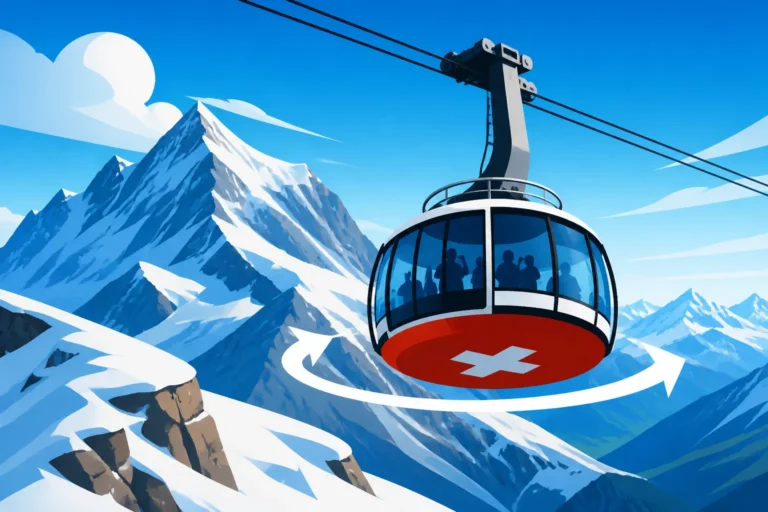
Once you’re in Zermatt, you'll head to the Sunnegga valley station. From there, a funicular whisks you up to Sunnegga, then you'll transfer to a cable car that takes you further up to Blauherd. This entire mountain railway journey is an experience in itself, offering panoramic views as you ascend. This is your official starting point for the 5-Seenweg. Keep an eye out for discounts on these tickets; if you have a The Half-Fare Travelcard (Halbtax): The Must-Have Pass for Swiss Residents, you'll save a significant amount, and it makes trips like this far more economical. Families might also benefit from checking out the Traveling with Children: The SBB Junior Travelcard for CHF 30/Year for their little ones.
Best Time to Hike and What to Pack
The prime time for the Five Lakes Walk is typically from late June to early October. Before late June, you might still encounter snow patches, especially around Stellisee, and some of the smaller lakes might still be partially frozen. By late October, the weather can become quite unpredictable, and some of the cable cars start reducing their service or closing for the season. For the best Matterhorn reflections, aim for a calm morning or late afternoon when the wind is low and the water is still. Always check the local weather forecast and webcams before you go; conditions in the mountains can change rapidly. Don't forget to look at resources like Weather Apps and Webcams for Planning Swiss Mountain Trips for real-time conditions.
When it comes to packing, think layers. Even on a sunny summer day, the mountain air can be chilly, especially if you stop for a break or if a cloud rolls in. A lightweight, waterproof jacket is always a good idea. Sturdy hiking shoes with good grip are essential; while the paths aren't overly technical, they can be rocky or damp in places. Bring plenty of water and some snacks, as there are no shops or restaurants directly on the trail until you reach Leisee or head back to Sunnegga. Sunscreen, sunglasses, and a hat are also crucial, as the sun at altitude is intense. A camera, of course, is non-negotiable for those incredible Matterhorn shots! If you're wondering about a more comprehensive list, our guide on What to Pack for a Day Trip to the Swiss Alps has you covered.
Navigating the Trail: Your Step-by-Step Experience
The beauty of the 5-Seenweg lies in its clear signage and the varied landscape you'll traverse. You won't get lost, but knowing what to expect at each lake makes the journey even more rewarding.
From Blauherd to Stellisee and Grindjisee
Once you exit the Blauherd cable car station, you’ll see clear yellow hiking signs pointing towards "5-Seenweg." The initial descent from Blauherd towards Stellisee is relatively gentle, easing you into the hike. The path is well-worn, a mix of gravel and dirt, and you'll quickly find yourself immersed in alpine meadows.
Stellisee, the first lake, is arguably the most famous for its reflections of the Matterhorn. Many photographers flock here for sunrise, hoping to capture that iconic, mirror-like image. The lake is quite accessible, with plenty of spots around its edge to take photos or simply sit and soak in the view. From Stellisee, the trail meanders downhill through open terrain, eventually leading you towards Grindjisee. This lake offers a completely different vibe: it's smaller, nestled among trees, and has a much more secluded, mystical feel. The trees often prevent a full Matterhorn reflection, but the serene forest setting is incredibly charming, and you might even spot some rare plants if you look closely. It feels like stepping into a fairytale, a quiet respite before the next leg of your journey.
Traversing to Grünsee, Moosjisee, and Leisee
Leaving Grindjisee, you'll embark on a more significant downhill stretch, leading you into a pine forest. This part of the trail offers lovely shade on a hot day and is generally quite pleasant, though watch your footing on the roots and rocks. Eventually, you'll emerge from the forest to discover Grünsee. This lake is larger and, as its name suggests (Grünsee means 'green lake'), has a distinct greenish tint, a result of mineral deposits. It's often a great spot for a picnic, with open areas around its shores. You'll still catch glimpses of the Matterhorn, though perhaps not as perfectly reflected as at Stellisee due to its position.
The path from Grünsee to Moosjisee is a gentle climb through a rocky landscape. Moosjisee is unique due to its milky, turquoise color, which comes from glacial meltwater. It's less of a swimming lake and more of a visual spectacle, and you can walk along the path that skirts its edge, taking in the unusual hues. It’s also notable for a small dam structure, which adds to its distinct character. This is often where you might consider turning back if you’re short on time or energy, but I highly recommend continuing to Leisee for the full experience.
The final stretch to Leisee involves a final, moderate uphill climb. Leisee is a real treat, especially if you have kids (or if you’re just a kid at heart!). It's specifically designed to be family-friendly, with a lovely sandy beach area, a playground featuring rafts you can pull across the water, and often picnic spots. You can even take a refreshing dip on a warm summer's day. It offers another magnificent Matterhorn reflection, a perfect final reward for your efforts. From Leisee, a free "lift" (a funicular designed like an elevator, often called Leisee-Shuttle) takes you back up to Sunnegga, where you can catch the funicular back down to Zermatt.
Handy Trail Information (Approximate)
Here's a quick overview of what to expect on the trail:
| Lake Name | Key Feature | Matterhorn Reflection | Notes |
|---|---|---|---|
| Stellisee | Most iconic reflections, serene | Excellent (calm day) | Best for sunrise photos, often the first stop. |
| Grindjisee | Forested, secluded, mystical, rare flora | Partial/Obscured | Tranquil, shaded path through pine trees. |
| Grünsee | Larger, greenish tint, open areas for picnics | Good | Mineral-rich water, pleasant open surroundings. |
| Moosjisee | Milky turquoise glacial water, small dam | Limited | Unique color, interesting natural and man-made features. |
| Leisee | Family-friendly, swimming, playground | Excellent | Warmest water for swimming, final Matterhorn view, free shuttle to Sunnegga. |
Total Distance: Approximately 9.3 km (5.8 miles)
Total Hiking Time: 2.5 to 3 hours (without long breaks)
Elevation Gain/Loss: Around 300-400 meters
Starting Point: Blauherd cable car station (accessible from Zermatt via Sunnegga funicular then cable car)
Ending Point: Leisee / Sunnegga (via Leisee-Shuttle)
Tips for a Perfect Day on the 5-Seenweg
To truly make the most of your Five Lakes Walk, a few extra pointers can elevate your experience from good to absolutely unforgettable. Remember, it's not just about the destination but also about enjoying the journey and respecting the incredible environment you're in.
Maximizing Your Views and Experience
Timing is everything for those coveted Matterhorn reflections. Aim to start your hike early in the morning – think first cable car up to Blauherd. The air is usually calmer then, leading to more pristine reflections on Stellisee and Leisee. The light is also softer, making for stunning photography. If you can’t manage an early start, late afternoon can also work, but be mindful of the last cable car back down from Sunnegga, especially if you don't have accommodation booked through a site like Booking.com in Zermatt.
Take your time at each lake. Don't rush through them just to tick them off a list. Find a quiet spot, sit down, and simply breathe in the clean mountain air. Observe the subtle changes in light, the gentle rustling of the leaves, or the distant sound of cowbells. This is what living in Switzerland is all about – appreciating these moments of tranquility. Pack a picnic from one of Zermatt's supermarkets or bakeries. Enjoying a sandwich and a Swiss chocolate bar with the Matterhorn as your backdrop is a core memory in the making. Our guide on Picnicking in Switzerland: Where to Buy Supplies and Sit has some excellent recommendations for preparing your perfect outdoor meal.
Safety and Etiquette on the Trails
While the 5-Seenweg is considered moderate, it's still an alpine trail. Always be aware of your surroundings. The weather in the mountains can change in an instant, so those layers we talked about earlier are crucial. If you see dark clouds gathering, consider cutting your hike short and heading back to Sunnegga. Familiarize yourself with Mountain Safety in Switzerland: Weather, Gear, and Emergency Numbers before you set out. It's always better to be over-prepared than caught off guard.
When you're hiking, remember the "leave no trace" principle. Pack out everything you pack in, including any food wrappers or fruit peels. Respect the local flora and fauna; don't pick wildflowers or disturb animals. Stay on marked trails to protect the delicate alpine ecosystem. And if you encounter cows (which is highly likely in Switzerland!), give them plenty of space. They might look docile, but they are large animals with calves to protect. You’ll find that most trails are clearly marked with yellow signs, indicating walking paths, and red-and-white for more serious mountain trails, aligning with the Swiss Hiking for Beginners: Trail Grades and the SAC System.
Consider if you want to make it an even deeper experience. While the trail is easy to navigate independently, some visitors might enjoy a more structured approach, perhaps combining it with other activities in Zermatt. You could explore options on platforms like GetYourGuide, which sometimes offers combination tickets for mountain excursions or even guided walks that delve deeper into the local geology and legends.
The Five Lakes Walk is truly one of Zermatt's crown jewels, offering a quintessential Swiss alpine experience with those unforgettable Matterhorn reflections. It's accessible, breathtaking, and perfectly captures the magic of this incredible region. So go ahead, lace up your boots, and prepare for a day of pure alpine bliss!
Disclaimer
Please note that while we strive to provide accurate and up-to-date information, circumstances in Switzerland, especially concerning weather, trail conditions, and public transport schedules, can change rapidly. Always cross-reference details with official local sources like Zermatt Tourism, SBB, and relevant cable car operators before embarking on your journey. Hiking in the mountains carries inherent risks, and personal safety is your responsibility.