Getting to Jungfrau Region: Interlaken to Grindelwald and Wengen
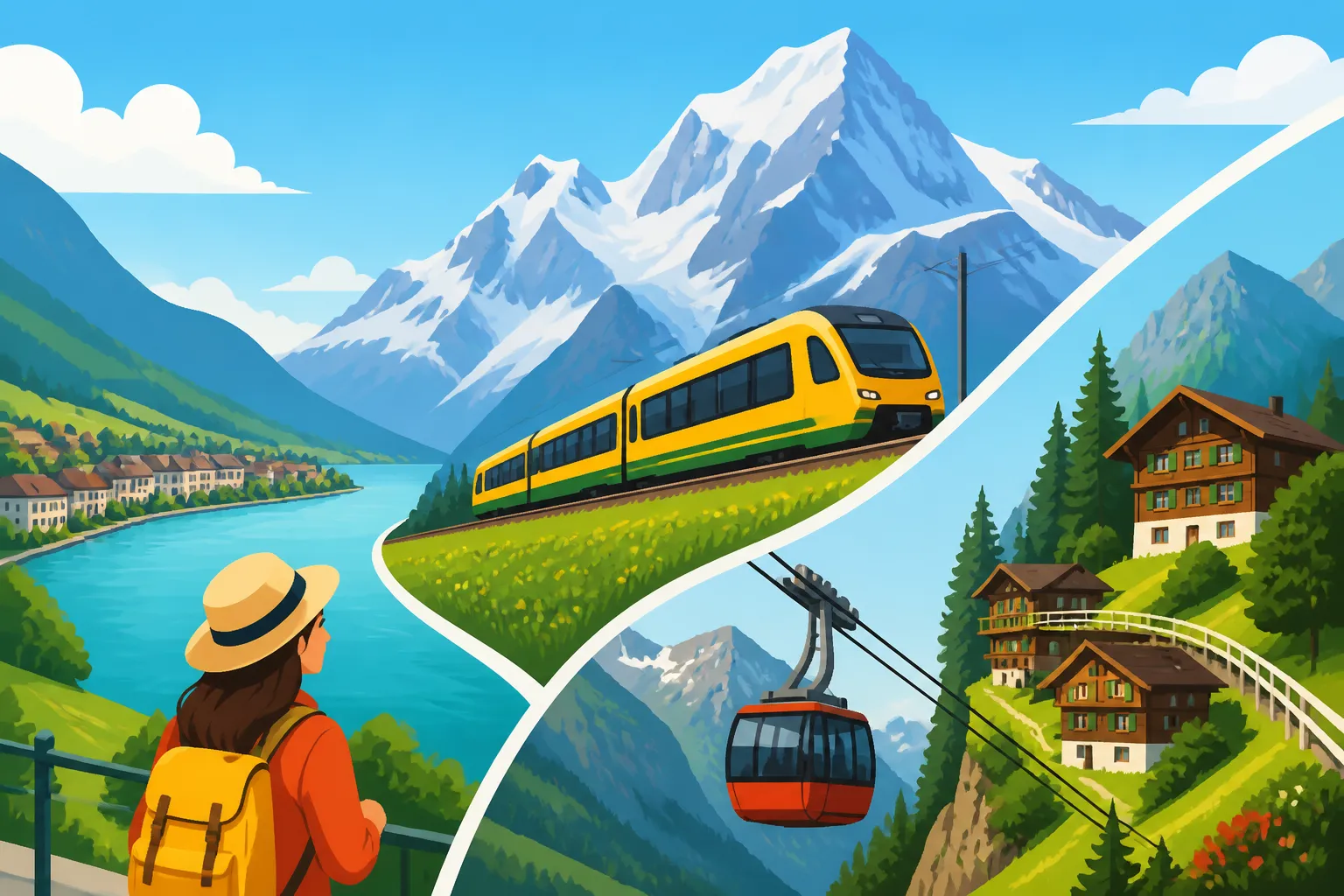
Ah, the Jungfrau Region! It's one of those places that utterly captivates you the moment you see a photo, promising postcard-perfect mountains and quintessential Swiss charm. But when you start planning your trip, you quickly realize that getting there can feel a bit like navigating a maze, especially if you're a new expat still grappling with the Swiss public transport system. Don't worry, you're not alone in feeling a little overwhelmed. This guide is going to meticulously walk you through exactly how to get from Interlaken, the main gateway, to the breathtaking villages of Grindelwald and Wengen, making sure you arrive without a hitch and with all your sanity intact.
Understanding the Jungfrau Region's Layout
Before we dive into the nitty-gritty of train schedules and ticket purchases, let's get our bearings. The Jungfrau Region isn't just one place; it's a magnificent area in the Bernese Oberland, dominated by the iconic Eiger, Mönch, and Jungfrau mountains. Interlaken sits at the foot of it all, nestled between Lake Thun and Lake Brienz, acting as the primary hub from which all mountain adventures typically begin. From Interlaken, you branch off to reach various stunning mountain villages, with Grindelwald and Wengen being two of the most popular and accessible for visitors.
Interlaken: The Gateway Town
Think of Interlaken as your launchpad. It’s a bustling town, often packed with tourists, but it serves a crucial purpose: connecting you to the higher Alps. Interlaken has two main train stations: Interlaken Ost (East) and Interlaken West. When you’re heading into the Jungfrau mountains, Interlaken Ost is the station you need to remember. This is where the regional trains depart, taking you deeper into the alpine wonderland. Most long-distance trains from cities like Bern, Zurich, or Geneva will terminate at Interlaken Ost, or at least pass through it. It's often where you'll switch from the main national SBB network to the local mountain railways. Many visitors choose to stay in Interlaken itself, using it as a base for day trips, while others prefer the peace and quiet of the car-free mountain villages like Wengen or Mürren. If you plan to spend some time in town, our guide on Exploring Interlaken: Gateway to the Jungfrau Region can offer some fantastic local insights.
Grindelwald: The Adventure Hub
Grindelwald is probably the most well-known village in the Jungfrau Region after Interlaken, often called the "Glacier Village" due to its proximity to the Eiger North Face and the Grindelwald glaciers. It's a lively place, significantly larger and more developed than Wengen, with more shops, restaurants, and a bustling atmosphere. Grindelwald is popular with those seeking adventure – think First Cliff Walk, longer hikes, or access to the Jungfraujoch "Top of Europe" via the Eiger Express gondola. It's also accessible by road, meaning you'll see cars and buses, which some people find less 'authentically alpine' but others appreciate for the convenience. The train station in Grindelwald is right in the center of the village, making it incredibly convenient for accessing everything.
Wengen: The Car-Free Alpine Village
Now, Wengen is a completely different kettle of fish, and honestly, for many expats, it’s often the preferred choice for its sheer tranquility and old-world charm. Nestled on a sunny plateau high above the Lauterbrunnen valley, Wengen is famously car-free. That means no roaring engines, no exhaust fumes, just the gentle clatter of the cogwheel train, the distant cowbells, and the pristine mountain air. This car-free status is a massive part of its appeal, but it also means your travel planning requires a little more thought, especially concerning luggage. Visitors arriving by car must park at the multi-story car park in Lauterbrunnen and transfer to the train. The only way in and out is by train, which adds to its exclusive, serene atmosphere. It’s perfect for those seeking peace, incredible views, and direct access to hiking trails and ski slopes without the constant hum of traffic.
Navigating the Journey from Interlaken to Grindelwald
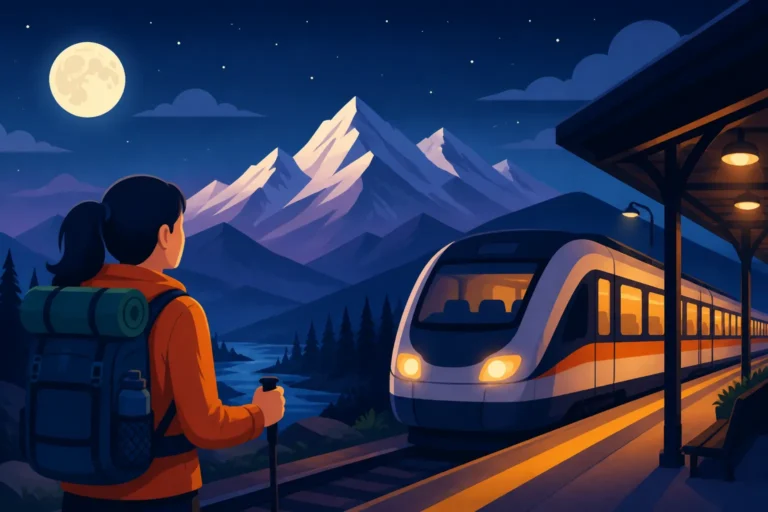
Getting from Interlaken Ost to Grindelwald is quite straightforward, but it involves a specific local train line. You’ll be boarding the Berner Oberland-Bahn (BOB) train, which is a distinctive yellow and blue train that departs from Interlaken Ost.
The GoldenPass Line and BOB Trains
From Interlaken Ost, you'll find platforms specifically for the local mountain railways. Look for the BOB trains heading towards either Grindelwald or Lauterbrunnen. These trains usually split at Zweilütschinen, a small village about halfway up the valley. One part of the train will continue to Grindelwald, and the other will head towards Lauterbrunnen and eventually Wengen.
Your Action Plan for Grindelwald:
- Arrive at Interlaken Ost: If you're coming from another Swiss city, your SBB train will likely pull into Interlaken Ost.
- Locate the BOB Platforms: These are usually clearly marked and often visible as soon as you step off a main line train.
- Board the Correct Carriage: Pay very close attention to the signage on the train and announcements at Interlaken Ost. The BOB train that departs from Interlaken Ost typically has carriages for both Grindelwald and Lauterbrunnen. Make sure you board the carriage designated for Grindelwald. There are usually electronic signs on the carriages themselves indicating their final destination. If in doubt, just ask a local or a fellow traveler – "Nach Grindelwald?" (To Grindelwald?).
- Enjoy the Ride: The journey from Interlaken Ost to Grindelwald takes approximately 35-40 minutes. It’s a scenic ride, gradually climbing through lush valleys and past traditional chalets.
- Arrival: The train will pull into Grindelwald station, right in the heart of the village.
Regarding tickets, you can purchase these easily at the SBB ticket counters at Interlaken Ost, from the SBB ticket machines, or even online through services like Omio. Booking ahead can sometimes save you a bit of stress, especially if you're traveling during peak season. Don't forget that if you have a The Half-Fare Travelcard (Halbtax): The Must-Have Pass for Swiss Residents, you'll get 50% off the standard fare, which makes a huge difference to your overall travel budget.
Practicalities and Ticket Information
The Swiss public transport system is incredibly efficient, but it can be pricey. Understanding your ticketing options is key to saving money and hassle.
Ticket Purchase Options:
- SBB Website/App: The official SBB website or their excellent mobile app (available in English) is your best friend. You can buy tickets, check schedules in real-time, and even see platform changes.
- Ticket Machines: Available at every station, these machines are multilingual and generally easy to use.
- Ticket Counters: For more complex itineraries or if you prefer human interaction, the SBB ticket counters at larger stations like Interlaken Ost are staffed.
- Third-Party Booking Sites: Platforms like Omio can also be useful, especially if you're combining train travel with other legs of an international trip. Just compare prices as sometimes direct SBB can be better value with passes.
Passes and Discounts:
- Half-Fare Card (Halbtax Abo): As mentioned, this is almost a no-brainer for any expat or tourist planning to use Swiss public transport extensively. It gives you 50% off almost all trains, buses, boats, and mountain railways.
- GA Travelcard (Generalabonnement): If you plan to travel very frequently, perhaps daily or several times a week, within Switzerland, the SBB Travelcards: Is the Generalabonnement (GA) Worth the CHF 4000+ Cost might be worth it. It provides unlimited travel.
- Jungfrau Travel Pass: This regional pass is fantastic if you're spending several days specifically in the Jungfrau region. It offers unlimited travel on most routes (including to Grindelwald and Wengen) within the Jungfrau network for a set number of days. It usually doesn't cover the entire journey to Jungfraujoch but offers a significant discount.
- Saver Day Pass (Spartageskarte): If you know your travel dates well in advance, check the SBB website for Saver Day Passes. These can offer significant discounts on a specific route for a specific day, but they are non-refundable and non-exchangeable.
Always check which passes cover which segments of your journey, especially for mountain excursions, as some only offer discounts rather than full coverage.
Reaching the Serene Village of Wengen from Interlaken
If Grindelwald is the bustling adventure hub, Wengen is its tranquil, car-free cousin. Getting there from Interlaken Ost follows a similar initial path but then veers off into its own unique, charming journey.
The Wengernalpbahn Experience
To reach Wengen, you also start with the BOB train from Interlaken Ost. However, instead of taking the Grindelwald carriage, you’ll take the one heading towards Lauterbrunnen.
Your Action Plan for Wengen:
- Arrive at Interlaken Ost: Same as for Grindelwald.
- Locate the BOB Platforms: Again, look for the distinctive yellow and blue BOB trains.
- Board the Lauterbrunnen Carriage: This time, ensure you board the carriage clearly marked for Lauterbrunnen. The train will still split at Zweilütschinen.
- Arrive in Lauterbrunnen: The journey from Interlaken Ost to Lauterbrunnen takes about 20 minutes. Lauterbrunnen itself is a stunning valley town, famous for its waterfalls (like Staubbach Falls, which you’ll see cascading down the cliffs).
- Change Trains to Wengernalpbahn: At Lauterbrunnen station, you’ll alight and transfer to the Wengernalpbahn (WAB) cogwheel railway. This train takes you directly up to Wengen. The platforms for the WAB are typically right next to where your BOB train arrives, making the transfer very easy and quick.
- The Scenic Climb: The Wengernalpbahn journey is incredibly scenic, climbing steeply up the mountainside, offering ever-improving views of the Lauterbrunnen valley, its sheer cliffs, and the majestic waterfalls. It’s a classic Swiss mountain railway experience.
- Arrival: In about 15 minutes, you'll arrive in Wengen, stepping out into a peaceful village devoid of car traffic, with incredible views.
The ticketing process is the same as for Grindelwald – you can buy a single ticket from Interlaken Ost to Wengen, and it will cover both segments (BOB to Lauterbrunnen and WAB to Wengen).
Car-Free Travel and Luggage Logistics
The car-free status of Wengen is a double-edged sword: it provides unparalleled peace but demands a bit more thought about your luggage.
Parking in Lauterbrunnen:
If you're driving to the Jungfrau Region, you'll need to park your car at the multi-story car park (Parkhaus Lauterbrunnen) at the entrance to Lauterbrunnen. From there, it's a very short walk to the Lauterbrunnen train station to catch the Wengernalpbahn to Wengen. Reservations for parking are highly recommended, especially during peak seasons (winter ski holidays, summer hiking season) as spots can fill up fast.
Luggage Solutions:
- Carry It On: For most travelers with standard suitcases, you simply take your luggage on the train with you, just like any other journey. The Wengernalpbahn has designated areas for luggage.
- Luggage Service: If you have excessive luggage, ski equipment, or simply prefer not to lug heavy bags around, the SBB offers a convenient Luggage and Ski Transport on Swiss Public Transport service. You can drop off your luggage at a main SBB station (like Interlaken Ost) and have it transported directly to your accommodation in Wengen (or vice versa). There's a fee for this, and it takes at least 2 days for standard service, or same-day express if booked early enough for a higher fee. Check the SBB website for the latest terms and conditions, as specific destinations and timelines can vary.
- Hotel Transfers: Some hotels in Wengen offer electric buggy transfers from the train station to their premises. It's wise to check with your hotel when booking if this service is available and included, especially if you have heavy bags or mobility concerns.
Embrace the car-free aspect as part of the Wengen charm. You'll quickly get used to the quiet, and the views more than make up for the minor logistical adjustments.
Essential Travel Tips and Planning Ahead
Making the most of your Jungfrau adventure means doing a little homework beforehand. As an expat who's been here a while, I've learned that spontaneity is great, but a little planning goes a long way in Switzerland.
Passes and Discounts
We've touched on this, but it's worth reiterating: Swiss travel passes can save you a bundle. Beyond the national passes like the Half-Fare Card or GA, consider the regional options specifically for the Jungfrau Region.
- Jungfrau Travel Pass: This pass offers several days of unlimited travel on the BOB, Wengernalpbahn (WAB), Jungfraubahn, Lauterbrunnen-Mürren mountain railway, and various gondolas and buses within the designated area. It typically offers a discount on the final stretch to Jungfraujoch.
- Berner Oberland Pass: This broader regional pass covers more than just the Jungfrau region, extending to other parts of the Bernese Oberland. If you plan to explore wider than just Grindelwald and Wengen, this might be a better value.
Always do the math based on your planned itinerary. Sometimes a combination of a Half-Fare Card and individual tickets (or discounted mountain passes) works out cheaper than an all-inclusive regional pass, especially if you're only doing one or two major excursions. Platforms like GetYourGuide often list combined tickets for popular excursions, sometimes with small discounts, which can simplify your planning.
Accommodation and Activity Bookings
The Jungfrau Region is incredibly popular, especially during peak summer hiking season and winter ski season. Booking your accommodation and any major activities well in advance is crucial.
- Accommodation: Use reliable sites like Booking.com for hotels and chalets. For apartments or holiday rentals, local agencies or Airbnb are also popular. If you're staying in Wengen, remember the electric buggy transfer option from the train station to your hotel when considering luggage. For a deeper dive into finding suitable lodging, check out our guide on Booking Hotels in Switzerland: Best Times and Platforms.
- Excursions: For popular mountain excursions like the Jungfraujoch "Top of Europe" or Schilthorn "Piz Gloria", you can often book tickets online in advance. This saves you time queuing at the ticket office and allows you to secure your spot, especially for specific time slots on popular cable cars like the Eiger Express to Jungfraujoch. Websites like GetYourGuide offer many such booking options, sometimes bundled with other attractions.
Weather Preparedness and Mountain Safety
The weather in the Alps can change dramatically and quickly. One moment it's sunny, the next it's a white-out. Being prepared is not just smart; it's essential for your safety and enjoyment.
- Check Forecasts Constantly: Use reliable local weather apps or websites. The MeteoSwiss app is excellent for Switzerland. Our article on Weather Apps and Webcams for Planning Swiss Mountain Trips can give you some great resources. Always check the forecast specifically for the mountain altitudes you plan to visit, not just the valley.
- Dress in Layers: Even in summer, temperatures can drop significantly at higher elevations. Bring layers, including a waterproof and windproof outer shell, a warm mid-layer (fleece or light down), and comfortable base layers. Sunscreen, sunglasses, and a hat are a must, as the sun's intensity increases at altitude. Our What to Pack for a Day Trip to the Swiss Alps guide has more specific advice.
- Footwear: Sturdy, waterproof hiking boots are highly recommended, even for easy walks, as trails can be uneven or muddy.
- Stay on Marked Trails: Switzerland has an incredible network of well-marked hiking trails. Always stick to these paths. Venturing off-trail can be dangerous due to unpredictable terrain, sudden weather changes, or even wildlife. Refer to our Mountain Safety in Switzerland: Weather, Gear, and Emergency Numbers guide for critical safety information before heading out.
- Hydration and Snacks: Carry plenty of water and some high-energy snacks. Many mountain restaurants are available, but it's always good to have provisions.
- Respect Nature: Pack out everything you pack in. Do not disturb wildlife or plants.
By following these tips, you'll be well-prepared to enjoy the majestic Jungfrau Region, whether you're seeking the adventure of Grindelwald or the serene beauty of Wengen. The Swiss public transport system is designed to get you there safely and efficiently, so relax and soak in the views!
Here’s a quick overview of the travel routes and approximate times:
| Route Segment | Transport Mode | Duration (Approx.) | Notes |
|---|---|---|---|
| Interlaken Ost to Zweilütschinen | BOB Train (Yellow & Blue) | 15-20 min | Train splits here; ensure you're in the correct carriage |
| Zweilütschinen to Grindelwald | BOB Train (Grindelwald branch) | 15-20 min | Direct ride to village center |
| Total Interlaken Ost to Grindelwald | BOB Train | 35-40 min | Scenic valley ride |
| Zweilütschinen to Lauterbrunnen | BOB Train (Lauterbrunnen branch) | 5-10 min | Train passes iconic waterfalls |
| Lauterbrunnen to Wengen | Wengernalpbahn (WAB Cogwheel) | 15 min | Car-free village, steep scenic climb |
| Total Interlaken Ost to Wengen | BOB + WAB Train | 40-45 min | Change trains in Lauterbrunnen, park car here if driving |
It truly is an incredible part of the world, and once you get past the initial transport logistics, you'll be endlessly rewarded by the sheer beauty around you. Enjoy every moment!
Disclaimer
The information provided in this guide is intended for general informational purposes only and may not constitute the most up-to-date legal, financial, or immigration advice. While we strive to provide accurate and current information, regulations and circumstances in Switzerland can change rapidly. Always consult with official Swiss government websites (such as SBB.ch for transport information), relevant cantonal authorities, or qualified professionals for specific advice tailored to your individual situation. We assume no responsibility for any actions taken based on the information contained herein.