Wine Festivals in Switzerland: Lavaux, Valais, and Beyond
For those of us who've navigated the often-impenetrable maze of Swiss bureaucracy and cultural nuances, finding authentic local experiences can feel like cracking a secret code. You might have heard whispers of glorious Swiss wines, but where do you actually find them, especially when most bottles rarely leave the country? This guide is your personal invitation to dive deep into the vibrant, often overlooked world of Swiss wine festivals, exploring the sun-drenched terraces of Lavaux, the diverse valleys of Valais, and the charming pockets beyond, ensuring you discover these unique celebrations like a true insider.
The Unique World of Swiss Wine and Its Festivals
Switzerland might be famous for its majestic mountains, pristine lakes, and, of course, its cheese and chocolate, but it’s often overlooked on the global wine map. And honestly, that's a bit of a tragedy, though it works in our favour! The Swiss keep about 98% of their wine for themselves, which means when you get to taste it, you’re experiencing something truly special and almost exclusively local. It’s a beautifully kept secret, and these festivals are your golden ticket into that exclusive club.
A Hidden Gem on the Global Wine Scene
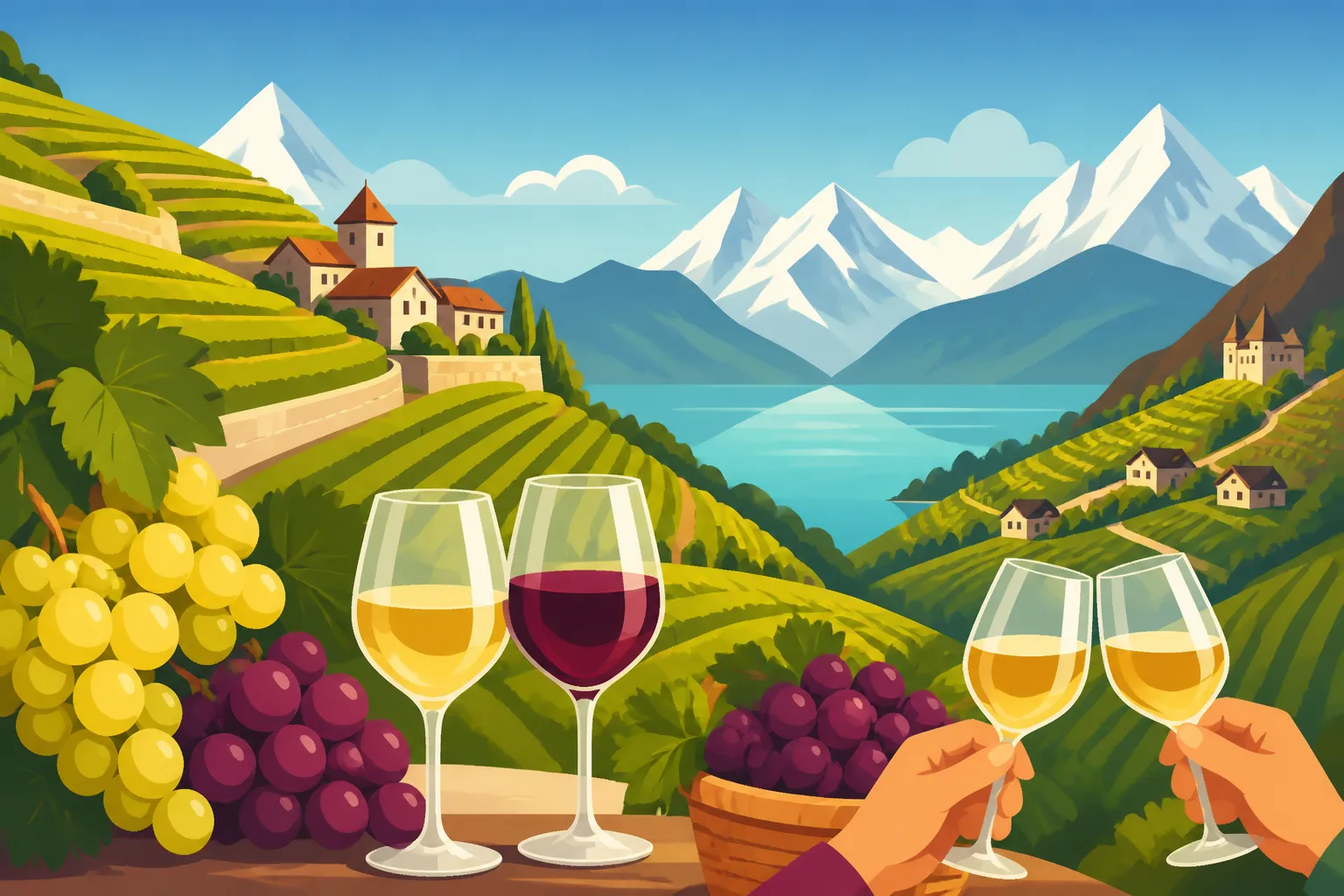
Picture this: steep, sun-drenched vineyards clinging to mountainsides, meticulously tended by generations of families, producing wines that speak of their unique terroir. That's Swiss wine in a nutshell. We're talking about regions with microclimates so distinct they allow for an incredible array of grape varietals. While the French-speaking regions of Vaud and Valais dominate production, places like Geneva, Ticino, and even parts of German-speaking Switzerland contribute their own distinct flavours.
The unsung hero of Swiss white wines, especially around Lake Geneva, is Chasselas. It’s light, crisp, and incredibly food-friendly, evolving beautifully to express the mineral richness of the soil. But don't stop there! In Valais, you'll encounter fascinating indigenous grapes like Petite Arvine, known for its saline notes, Cornalin with its deep, robust character, and Amigne, a rare white varietal. The reds are equally compelling, with excellent Pinot Noir (Blauburgunder in German-speaking areas) and Gamay, often blended as Dôle in Valais, offering a lighter, fruity profile. Because these wines aren't mass-produced for export, each bottle tells a story, often crafted by small, independent winemakers who are deeply passionate about their craft. When you taste a Swiss wine, you're not just tasting a beverage; you're tasting tradition, a specific landscape, and the dedication of a vigneron who likely knows every single vine by heart.
Why Attend a Swiss Wine Festival?
For us expats, these festivals aren't just about sipping wine – though there's plenty of that, rest assured! They’re a full-sensory immersion into Swiss culture that you simply won't get from reading a textbook or visiting a tourist trap. They are vibrant, community-focused events where the barrier between winemaker and consumer almost disappears. You'll find yourself chatting directly with the people who grow the grapes and ferment the wine, often in English, French, or German, depending on the region.
The frustration of trying to find genuine local events when you first arrive can be real. You scour blogs, you ask Swiss friends who sometimes forget what's "normal" because it's always been their way. These festivals cut through that. They offer a rare chance to truly connect with local traditions, sample dozens of wines from different producers in one place, and pair them with regional culinary delights. Think raclette melting over fresh bread, artisanal cheeses, and dried meats, all perfectly complementing the wine in your glass. Beyond the liquid delights, the atmosphere is electric: live music, traditional costumes, dancing, and a palpable sense of community and pride. It's not a stuffy wine tasting; it's a celebration of harvest, hard work, and good living. It’s where you truly feel like you’re experiencing the authentic pulse of Switzerland, far from the polished tourist brochures.
The Rhythms of the Wine Calendar
The Swiss wine festival calendar really comes alive in the late summer and autumn, which is no surprise as it's directly tied to the rhythm of the harvest. Late August through October is peak season for Fêtes des Vendanges (harvest festivals) across the French-speaking regions, or Winzerfeste in German. This is when the grapes are ripe for picking, and the air is thick with anticipation and celebration. You'll find everything from massive, cantonal-wide events to charming, intimate village gatherings where the entire community participates.
However, it's not just harvest time. Many cantons host "Open Cellar Days" (known as Caves Ouvertes in French or Offene Weinkeller in German) in spring or early summer, typically in May or June. These weekends are fantastic because dozens of wineries open their doors simultaneously, inviting you to wander from cellar to cellar, often by foot or on specially organized shuttle buses. It’s a less frenetic pace than some of the larger harvest festivals, allowing for more in-depth conversations with winemakers and a chance to explore the wineries themselves. Additionally, some regions host specific wine markets or smaller themed festivals throughout the year, such as early spring tastings of new vintages or winter events focused on particular pairings. So, while autumn is undeniably magical, keep an eye on the local tourism websites for year-round opportunities to immerse yourself in Swiss wine.
Lavaux: UNESCO Terraces and Lakeside Celebrations
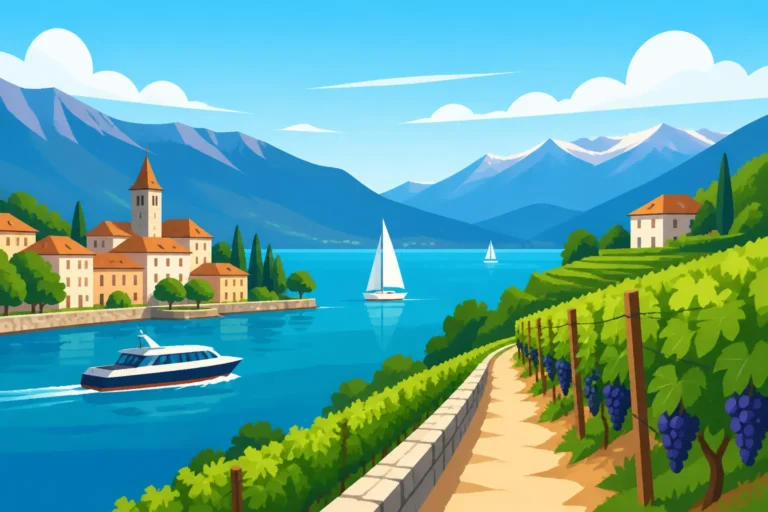
The Lavaux region, sprawling between Lausanne and Montreux on the shores of Lake Geneva, is arguably Switzerland's most iconic wine landscape. Its terraced vineyards, sculpted by monks in the 11th century, are so breathtaking and culturally significant that they've been granted UNESCO World Heritage status. Visiting Lavaux feels like stepping into a postcard, and during a wine festival, it truly comes alive with the spirit of generations of vignerons.
Dézaley, Chasselas, and the Vignerons' Spirit
When you talk about Lavaux, you’re often talking about Chasselas. This noble white grape thrives on these south-facing slopes, soaking up the "three suns": direct sunlight, reflection from Lake Geneva, and heat stored in the stone walls of the terraces. The result is a diverse range of Chasselas wines, from crisp and mineral-driven to richer, more complex expressions that can age beautifully. Specific appellations like Dézaley and Calamin are particularly renowned for their exquisite Chasselas, often commanding higher prices due to the arduous, manual labour required to tend these steep vines.
The vignerons here are more than just farmers; they are custodians of a unique heritage. You'll feel their deep connection to the land and their ancestors' work in every festival they host. These "Winzerfeste" or "Fêtes des Vignerons" aren't just about selling wine; they're a celebration of their identity, their history, and their community. Imagine walking through picturesque villages like Epesses, Riex, or Grandvaux, each bursting with small stalls where local winemakers pour their pride and joy into your glass. The atmosphere is convivial, welcoming, and deeply rooted in tradition. It's an opportunity to taste the nuanced differences between wines from plots just meters apart, understanding how subtle changes in soil, aspect, and winemaker philosophy can create entirely different experiences. Don't be shy; ask questions, engage with the vignerons, and let them share their stories.
The Fête des Vignerons: A Once-in-a-Generation Extravaganza
Now, if we're talking about Lavaux wine festivals, we absolutely have to mention the Fête des Vignerons. This isn't your typical annual village fair; it's a colossal, epic event that takes place only about once every 20-25 years in Vevey, on the shores of Lake Geneva. The next one is anticipated for 2041, so if you missed the last one in 2019, you'll need to exercise some serious patience! This festival is a UNESCO-recognized intangible cultural heritage, a theatrical celebration of viticultural traditions that involves thousands of local volunteers as actors, dancers, and musicians.
The sheer scale and cultural significance are astounding. It's a tribute to the work of the winegrowers, culminating in a grand show in a purpose-built arena. While you might not be able to attend the main Fête des Vignerons for a while, its spirit permeates the entire region. The fact that an entire community dedicates years to planning and executing such a rare spectacle speaks volumes about the deep reverence for wine culture in Lavaux. Keep an eye on local news, and if you're still in Switzerland for the next one, mark your calendar with a permanent pen, because it truly is a once-in-a-lifetime experience. In the meantime, the smaller, more frequent events provide a wonderful taste of this profound respect for the vine.
Experiencing the Lavaux Region During Harvest
Even without the grand "Fête des Vignerons" in full swing, experiencing Lavaux during the harvest season (late September to early October) is pure magic. The air is crisp, the leaves on the vines are turning golden and crimson, and the lake shimmers under the autumn sun. This is when you’ll find countless smaller harvest festivals popping up in the charming villages nestled within the terraces. Think of towns like Cully, Rivaz, or Lutry, each hosting its own version of a Fête des Vendanges.
These local celebrations offer a more intimate, authentic feel. You might see tractors laden with freshly picked grapes, hear folk music echoing through the narrow streets, and witness families gathering to celebrate another successful year. Beyond the festivals, simply walking or cycling through the vineyards is an experience in itself. There are well-marked hiking trails, like the one from St-Saphorin to Lutry, offering unparalleled panoramic views. You can hop on the Lavaux Express, a charming tourist train that winds its way through the vineyards, or the Lavaux Panoramic, a smaller, road-based train, both offering guided tours and breathtaking photo opportunities. Consider booking a guided vineyard tour through platforms like GetYourGuide, which often include tastings and insights from local experts. Many small cellars will also have signs indicating "Dégustation" or "Vente directe," inviting you in for a direct tasting and purchase. It's an opportunity not just to drink wine, but to truly understand the landscape, the labour, and the passion behind every drop.
Valais: Switzerland's Largest Wine Canton
If Lavaux is the postcard-perfect UNESCO site, Valais is the powerhouse of Swiss wine production. Stretching along the Rhône Valley, this canton boasts over a third of Switzerland's total vineyard area and an astonishing diversity of grape varietals. Its unique microclimates, from the dry, sunny plains near Sierre to the higher, cooler slopes, allow for a truly remarkable range of wines. Getting to know Valais wine is like embarking on a grand, vinous adventure.
A Symphony of Grapes: Petite Arvine, Cornalin, and More
Valais is a treasure trove for wine lovers, a place where ancient, indigenous grape varieties thrive alongside more internationally recognized ones. While you’ll find excellent Chasselas here (often called Fendant), the real stars are the unique local grapes. Petite Arvine, for instance, produces a vibrant white wine with characteristic notes of grapefruit and a distinctive saline finish – it’s utterly refreshing and food-friendly. Amigne is another white grape, rarer still, offering elegant aromas of linden and almond.
On the red side, Cornalin stands out. It’s an old Valaisan varietal that was almost forgotten but has seen a beautiful revival. Its wines are dark, full-bodied, with rich berry flavours and spicy notes – perfect for pairing with hearty alpine dishes. Then there’s Humagne Rouge, known for its rustic, gamey character, and the famous Dôle, which is a traditional blend of Pinot Noir and Gamay, offering a lighter, fruity red. The sheer variety can be overwhelming initially, but that’s where the festivals come in. They allow you to sample widely and discover your personal favourites among Valais's "symphony of grapes," each telling a distinct story of the canton's rich viticultural history. This region is a testament to Switzerland's ability to cultivate exceptional wines that truly reflect their unique origins.
Annual Wine Festivals in Valais: Sierre, Fully, and Open Cellar Days
Valais offers a vibrant calendar of wine events throughout the year, from grand markets to intimate open cellar experiences. One of the most significant is the Marché des Vins de Sierre. Held annually, usually in late September or early October, this event is considered the largest wine market in Switzerland. It’s a fantastic opportunity to taste a vast selection of Valaisan wines from hundreds of producers under one roof. Imagine walking through halls filled with tables, each manned by a winemaker eager to share their passion and their latest vintages. The energy is electric, and it’s a brilliant way to discover new favourites and support local businesses. Sierre is easily accessible by train, making it a perfect day trip.
Beyond Sierre, smaller, charming festivals pepper the calendar. The Fête de la Chasse et des Saveurs (Hunting and Flavours Festival) in Fully, usually in October, combines local game dishes with regional wines, offering a quintessential autumn experience. But perhaps the most universally beloved events are the Caves Ouvertes (Open Cellar Days) weekends, typically held in May. During these days, almost all of the canton's wineries open their doors to the public, inviting you in for direct tastings, cellar tours, and often lively entertainment. You can purchase a special tasting glass and shuttle pass, allowing you to freely explore different vineyards and meet the vignerons themselves. Many visitors choose to stay overnight to fully enjoy the experience, and I'd highly recommend checking Booking.com well in advance for accommodation in key wine towns like Sion, Sierre, or Martigny. It’s a truly immersive way to discover the heart of Valais wine country.
The Valais Wine Route: Beyond the Festivals
While festivals are fantastic, the Valais wine route itself offers year-round opportunities for exploration. This well-signposted route, stretching from Martigny to Leuk, weaves through picturesque villages, terraced vineyards, and historical sites. It’s perfect for self-guided adventures, whether you prefer hiking, cycling, or driving. Imagine cycling along the Rhône, stopping at small family-run cellars for impromptu tastings, and picnicking amidst stunning alpine views.
Many wineries offer dedicated tasting rooms and guided tours, often by appointment, giving you an even deeper insight into their winemaking process. You can map out your own itinerary, perhaps focusing on a specific grape varietal or a cluster of villages. For those who prefer a bit of structure, tour operators offer curated experiences, sometimes listed on platforms like GetYourGuide, that include transportation, guided tastings, and even culinary stops. Don't forget to explore the Guido-Schiff, a small boat that sails the Lac de Géronde near Sierre, offering unique wine tastings on the water during summer evenings. The Valais is a region that rewards curiosity and exploration, and its wine route is a testament to the canton's rich viticultural heritage, inviting you to discover its liquid treasures at your own pace.
Beyond the Big Two: Other Notable Swiss Wine Regions
While Lavaux and Valais might grab most of the headlines, Switzerland’s wine tapestry extends far beyond these two titans. Each region, no matter how small, offers its own distinct character, varietals, and charm, making the exploration of Swiss wine a truly rewarding journey for any expat eager to delve deeper into local culture. These smaller regions often provide a more intimate and less crowded festival experience.
Geneva's Rural Charm: Satigny and Dardagny
Often overshadowed by its international city status, the canton of Geneva is actually Switzerland's third-largest wine-producing canton, with vineyards stretching across its beautiful countryside, particularly on the right bank of the Rhône. Here, the focus is on a mix of Chasselas and other white varietals like Sauvignon Blanc and Chardonnay, alongside reds such as Gamay and Pinot Noir.
The wine villages of Geneva, like Satigny, Dardagny, and Peissy, feel a world away from the bustling city centre, despite being just a short bus or car ride away. These areas host their own delightful "Caves Ouvertes" (Open Cellar Days), typically in May, where dozens of winemakers invite you to their domains. It’s a fantastic opportunity to see Geneva's lesser-known, bucolic side. You'll find yourself strolling through vineyards, enjoying live music, and savouring local specialties alongside your wine tastings. The atmosphere is generally very relaxed and family-friendly, making it an easy day trip from the city. These events offer a wonderful contrast to the international hustle of Geneva, revealing a deeply rooted agricultural tradition that many visitors completely miss.
Ticino's Mediterranean Flavors: Merlot and Southern Hospitality
Cross the Alps into the Italian-speaking canton of Ticino, and you enter a completely different wine world. Here, the sunshine is more intense, the climate is Mediterranean-influenced, and the dominant grape is, surprisingly, Merlot. While often associated with Bordeaux, Ticino Merlot has carved out its own unique identity, producing rich, full-bodied reds that can be surprisingly elegant and complex. You'll also find some lovely white Merlots (Merlot Bianco), a fresh, fruity curiosity.
Ticino's wine festivals, or sagre, often blend viticultural celebration with broader gastronomic and community events. Towns like Mendrisio, Lugano, and Bellinzona host various autumn harvest festivals and open cellar days (Cantine Aperte). These events are infused with Italian flair, featuring delicious local food like polenta, risotto, and cured meats, all perfectly paired with the region's robust red wines. The atmosphere is warm, lively, and incredibly hospitable. Imagine sipping an exquisite Merlot on a sun-drenched terrace, overlooking Lake Lugano, with the gentle sounds of Italian chatter around you. It’s a truly delightful experience that highlights the cultural diversity within Switzerland itself.
Eastern Switzerland and Aargau: Pinot Noir and Local Gems
Even the German-speaking cantons, often perceived as less wine-centric, have thriving viticultural traditions worth exploring. Eastern Switzerland, including cantons like Graubünden, Zurich, and Thurgau, along with Aargau in the north, are primarily known for their excellent Pinot Noir (Blauburgunder). The cooler climate here yields elegant, often fruit-forward Pinot Noirs that are highly regarded by connoisseurs.
Graubünden, in particular, boasts the Bündner Herrschaft, a picturesque wine region near Maienfeld (yes, where Heidi is from!), producing some of the country's finest Pinot Noir. Here, and in other German-speaking regions, you'll find Winzerfeste (Vintner Festivals) and Herbstfeste (Autumn Festivals) throughout September and October. These events often have a more rustic, folk-traditional feel, with brass bands, hearty Swiss-German food like Öpfelchüechli (apple fritters) and Zwiebelkuchen (onion tart), and, of course, plenty of wine. Many regions also feature Besenbeizen or Straussenwirtschaften – temporary, informal taverns set up directly by winemakers in their barns or homes, offering simple food and their own wine. They're an incredibly authentic and charming way to experience the local wine culture, providing a true taste of Swiss-German hospitality and viticulture.
Navigating the Festivals: Logistics and Planning
Attending a Swiss wine festival is an absolute must for any expat, but like all things Swiss, a little planning goes a long way. These are popular events, and while the experience is incredibly rewarding, navigating the logistics can feel a bit daunting if you're not prepared. Don't worry, I've got you covered with some insider tips to make your wine adventure as smooth and enjoyable as possible.
Getting There: Public Transport is Your Best Friend
Switzerland's public transport system, primarily the SBB train network, is legendary for its efficiency and punctuality, and it's absolutely the best way to get to most wine festivals. Forget about driving – you’re there to taste wine, after all! Plus, parking in small Swiss villages can be a nightmare during popular events.
Before you go, check the SBB website or use the SBB Mobile app to plan your journey. Look for regional trains that often stop in the smaller wine villages. Many cantons also arrange special shuttle buses or extend local bus services during major festivals, making it easy to hop between different wineries or tasting locations. If you’re planning multiple trips or venturing further afield, consider investing in a Half-Fare Travelcard (Halbtax): The Must-Have Pass for Swiss Residents, which gives you 50% off most public transport. For longer distances, especially if you’re coming from another canton, a SBB Travelcards: Is the Generalabonnement (GA) Worth the CHF 4000+ Cost? might be worthwhile, or look into Saver Day Passes (Spartageskarte) available on Omio for specific dates, which can offer significant discounts if booked in advance. Trust me, being able to freely sample wines without worrying about designated drivers or navigating unfamiliar roads is a huge stress reliever and enhances the whole experience.
Where to Stay: Hotels, Guesthouses, and Farm Stays
Wine festivals, especially the larger ones or those in particularly scenic areas, tend to draw crowds. This means that accommodation in and around the festival towns can book up surprisingly fast, sometimes months in advance. My advice? As soon as you’ve picked your festival, secure your lodgings.
You'll find a range of options, from charming boutique hotels and traditional guesthouses (Gasthöfe or Auberges) to more rustic farm stays (Agritourismo in Ticino, or Ferien auf dem Bauernhof in German-speaking regions). For comprehensive options, Booking.com is usually your best bet, offering a wide selection and often with flexible cancellation policies if your plans shift. If you’re on a tighter budget or traveling with a group, consider holiday apartments or even campsites if the weather permits. Sometimes, staying in a slightly larger town nearby that has good train connections to the festival location can be a more affordable and practical option. For example, if you're attending a festival in Lavaux, staying in Lausanne or Montreux might offer more choice. Remember that even though Switzerland is small, travel times between cantons can be longer than you expect, so proximity to the festival is key for a relaxed experience.
Budgeting for Your Wine Adventure
Let’s be honest, Switzerland is not known for being a budget-friendly destination, and wine festivals are no exception. While some tastings might be free, most operate on a token system or charge a small fee per glass. You'll often buy a specific festival glass (usually CHF 10-20) which you then use for all your tastings. Each tasting pour might cost anywhere from CHF 2-5, sometimes more for premium wines. Food, of course, will be extra, and you'll want to sample the delicious local specialties!
Here’s a rough breakdown to help you budget:
- Festival Glass: CHF 10-20 (often reusable, so you only buy it once).
- Tastings: Budget CHF 30-80 per day depending on how much you plan to sample. Many places offer a "discovery package" for a fixed price.
- Food: CHF 20-50+ per meal, depending on what you choose (raclette and sausages are cheaper than a full sit-down meal).
- Transportation: Varies greatly. If you have a Half-Fare Card or GA, your costs will be lower. Otherwise, factor in full-price train tickets. Check for Budget Travel in Switzerland: Seeing the Country Without Overspending for more general savings tips.
- Accommodation: This will be your biggest expense. See my tips above for booking early.
A helpful tip: many festivals also sell bottles directly from the producers, often at better prices than in a supermarket. Consider bringing a sturdy bag to carry any purchases. While it's not a cheap day out, the experience and the quality of the wine and food make it an incredibly worthwhile investment in Swiss culture and enjoyment.
Embracing the Local Vibe: Etiquette and Enjoyment
You’ve sorted your transport, booked your stay, and now you’re ready to immerse yourself in the heart of a Swiss wine festival. But hold on a second! Just like anywhere else, there are a few unwritten rules and cultural nuances that, once understood, will help you blend in, show respect, and ultimately, get the most out of your experience. Remember, these are often deep-rooted community events, not just tourist attractions.
The Art of Tasting: From Glass to Palate
Swiss wine festivals are generally quite relaxed, but there's still an art to tasting that will enhance your enjoyment and show respect to the winemakers. Firstly, that tasting glass you bought? Cherish it! It's your passport to the festival. Rinse it thoroughly between different wines if there's a water station available. Don't be afraid to ask for a small pour; you're trying many wines, and pace yourself.
When you approach a stand, a friendly "Bonjour," "Grüezi," or "Buon giorno" (depending on the region) goes a long way. The winemakers are proud of their product and often love to talk about it. Ask them about the grape, the terroir, or the history of their vineyard. Don't feel pressured to buy a bottle after every tasting, but if you particularly enjoy something, a compliment is always appreciated, and making a purchase is a wonderful way to support their hard work. It's perfectly acceptable to discreetly spit out wine at many professional tastings – some stalls might even have a spit bucket. This isn't considered rude; it's practical if you want to sample many wines without becoming overly tipsy. However, at a more casual, social village festival, you might find most people are happily swallowing! Observe what others are doing and adjust accordingly. Most importantly, relax and enjoy the journey from glass to palate.
Food Pairings and Local Delicacies
Wine festivals in Switzerland are rarely just about the wine; they are a full-blown culinary experience. Local food producers often set up stalls right alongside the winemakers, offering an incredible array of regional delicacies designed to pair perfectly with the local vino. This is your chance to truly dive into Swiss Food and Drink Culture: Regional Specialties and Dining Etiquette.
In Valais, expect to see bubbling raclette stations everywhere, with the melted cheese scraped onto potatoes and pickles – an absolutely divine pairing with a crisp Fendant or a robust Humagne Rouge. You'll also find platters of viande séchée (dried meat), local sausages, and various alpine cheeses. In Lavaux, look for freshly baked bread, saucisson vaudois (a local sausage), and lighter, fresh cheese options that complement the delicate Chasselas. In Ticino, expect Italian-influenced delights like risotto, polenta, and artisanal cured hams, all fantastic with a Ticino Merlot. Don't be afraid to ask the winemakers for their food pairing recommendations; they know their wines best and are usually delighted to share their local knowledge. These food stalls are not just sustenance; they are an integral part of the festival experience, celebrating the bounty of the region.
Respecting the Vineyard and the Vignerons
Remember that these festivals take place in active agricultural regions, often on or adjacent to working vineyards. While it's a celebration, it's essential to show respect for the land and the people who toil on it. Don't wander uninvited into vineyards, especially during harvest season, and certainly don't pick grapes unless explicitly invited to do so. These are private properties and livelihoods.
When interacting with winemakers, be polite and patient. They are often incredibly busy, especially during peak hours. A genuine smile and a "thank you" go a long way. Many will speak English, especially in the more tourist-frequented regions like Lavaux or Valais, but making an effort with a few words of French or German will always be appreciated. Festivals can get lively, but remember that Switzerland values order and respect for others. Keep noise levels reasonable, especially in residential areas, and dispose of your waste properly – Switzerland takes its recycling seriously! Observing Swiss Customs and Etiquette: Social Norms Every Newcomer Should Know will ensure you have a fantastic, respectful, and truly integrated experience at these wonderful celebrations. After all, you're not just a visitor; you're a temporary guest in their cherished community.
| Festival Type / Region | Typical Time of Year | Main Focus / Vibe | Key Wines to Try | Travel Accessibility |
|---|---|---|---|---|
| Lavaux Harvest Festivals | Late Aug – Oct | Charming village celebrations, UNESCO views, intimate | Chasselas (Dézaley, Calamin) | Excellent by SBB to small villages (e.g., Cully, Rivaz) |
| Valais Caves Ouvertes | May / June | Canton-wide open cellars, direct winemaker interaction | Petite Arvine, Cornalin, Fendant, Dôle | Good by SBB to Sion/Sierre, then shuttle buses |
| Marché des Vins de Sierre | Late Sept / Early Oct | Largest Swiss wine market, extensive tasting opportunities | All Valaisan varietals | Excellent by SBB to Sierre |
| Geneva Caves Ouvertes | May | Rural charm near the city, relaxed, family-friendly | Gamay, Chasselas, Sauvignon Blanc | Good by local bus/car from Geneva |
| Ticino Sagre / Cantine Aperte | Autumn (Sept-Oct) | Mediterranean flair, food pairings, lively atmosphere | Merlot (red & white), Bondola | Good by SBB to Mendrisio/Bellinzona, then local transport |
| Bündner Herrschaft Winzerfeste | Sept / Oct | Rustic, traditional, focus on quality Pinot Noir | Pinot Noir (Blauburgunder) | Good by SBB to Maienfeld |
Disclaimer
Please note that while this guide provides comprehensive information based on current knowledge and practices in Switzerland, details regarding festival dates, specific offerings, prices, and regulations can change without notice. We strongly recommend checking official cantonal tourism websites, individual winery sites, or local event listings closer to your desired travel dates for the most up-to-date and accurate information. Always drink responsibly and respect local customs and laws.