Exploring Interlaken: Gateway to the Jungfrau Region
You've just arrived in Interlaken, probably a bit shell-shocked by the mountains that tower above you, and perhaps a little overwhelmed by the sheer number of tour operators touting "adventure." It's easy to feel like you're standing in a beautiful, but slightly chaotic, gateway to something truly spectacular, without quite knowing how to open the door. This guide is designed to cut through the noise, helping you navigate Interlaken and unlock the breathtaking Jungfrau region, ensuring your Swiss mountain adventure is everything you dreamed of and more.
Interlaken: More Than Just a Hub – Understanding the Town Itself
When most expats and tourists think of Interlaken, they often picture it simply as a stepping stone to the more famous Jungfraujoch or Schilthorn. While it’s certainly an incredible transport hub, the town of Interlaken itself offers a vibrant, unique atmosphere that’s worth exploring. It's a place where adrenaline junkies rub shoulders with peaceful sightseers, all captivated by the stunning natural beauty that surrounds them. You'll find a surprising mix of traditional Swiss charm and cosmopolitan flair here, a direct result of its long history as a tourist destination.
The Lay of the Land: East and West Stations, and the Main Street
Getting your bearings in Interlaken is relatively straightforward once you understand its layout. The town essentially stretches between two main train stations: Interlaken Ost (East) and Interlaken West. Interlaken Ost is your primary gateway to the Jungfrau region, serving as the departure point for trains heading up to Lauterbrunnen and Grindelwald, and connecting you further into the high Alps. It’s usually bustling with travelers arriving from major Swiss cities like Zurich, Bern, and Lucerne, making it a lively, often crowded, place.
Interlaken West, on the other hand, is closer to the town's main shopping streets and many hotels. It’s where trains arrive from places like Spiez and Thun. The stretch between these two stations, mainly along Höheweg and Bahnhofstrasse, forms the commercial and social heart of Interlaken. You’ll find most of the shops, restaurants, and hotels lining these streets, making it easy to stroll from one end to the other, enjoying the views of Höhematte Park and the paragliders descending from the sky. Don't be surprised if your hotel is closer to one station or the other; the local buses efficiently connect both ends of town, so you’re never truly stranded.
A Hub of Activity: Parks, Shops, and Evening Vibes
Interlaken’s central green space, Höhematte Park, is arguably the town's most iconic feature. It's not just any park; this vast, open meadow is where paragliders from tandem flights gracefully land throughout the day. Watching them descend against the backdrop of the Eiger, Mönch, and Jungfrau peaks is a truly mesmerizing experience and often the first thing people mention about Interlaken. This park also hosts various events and festivals throughout the year, adding to the town's lively atmosphere. It's a perfect spot for a leisurely picnic, a casual stroll, or just sitting on a bench and soaking in the epic scenery.
Beyond the paragliding action, Interlaken offers a bustling commercial scene. The main streets are dotted with souvenir shops, outdoor gear stores, and boutique shops catering to a diverse international crowd. You'll find everything from traditional Swiss watches and chocolates to high-tech hiking boots and climbing equipment. As evening rolls around, the town takes on a different kind of energy. Restaurants spill onto sidewalks, music drifts from bars, and the air hums with stories of the day's adventures. It’s an interesting contrast to the quiet, pristine nature just a short train ride away, offering a perfect balance between adventure and relaxation.
Accessing the Jungfrau Region: Your Mountain Playground
The real magic of Interlaken lies in its unparalleled access to the Jungfrau region, a UNESCO World Heritage site that truly feels like something out of a fairy tale. This is where those iconic peaks, deep valleys, and cascading waterfalls come to life. Many first-time visitors worry about the logistics of getting to these remote-sounding places, but the Swiss public transport system is so incredibly efficient that it makes exploring the high Alps surprisingly easy, even if you’re not an experienced mountaineer.
The Gateway to the Peaks: Key Villages and Transport Links
From Interlaken Ost, you have direct train connections that branch off into the two main valleys of the Jungfrau region, leading you to some of Switzerland's most cherished alpine villages.
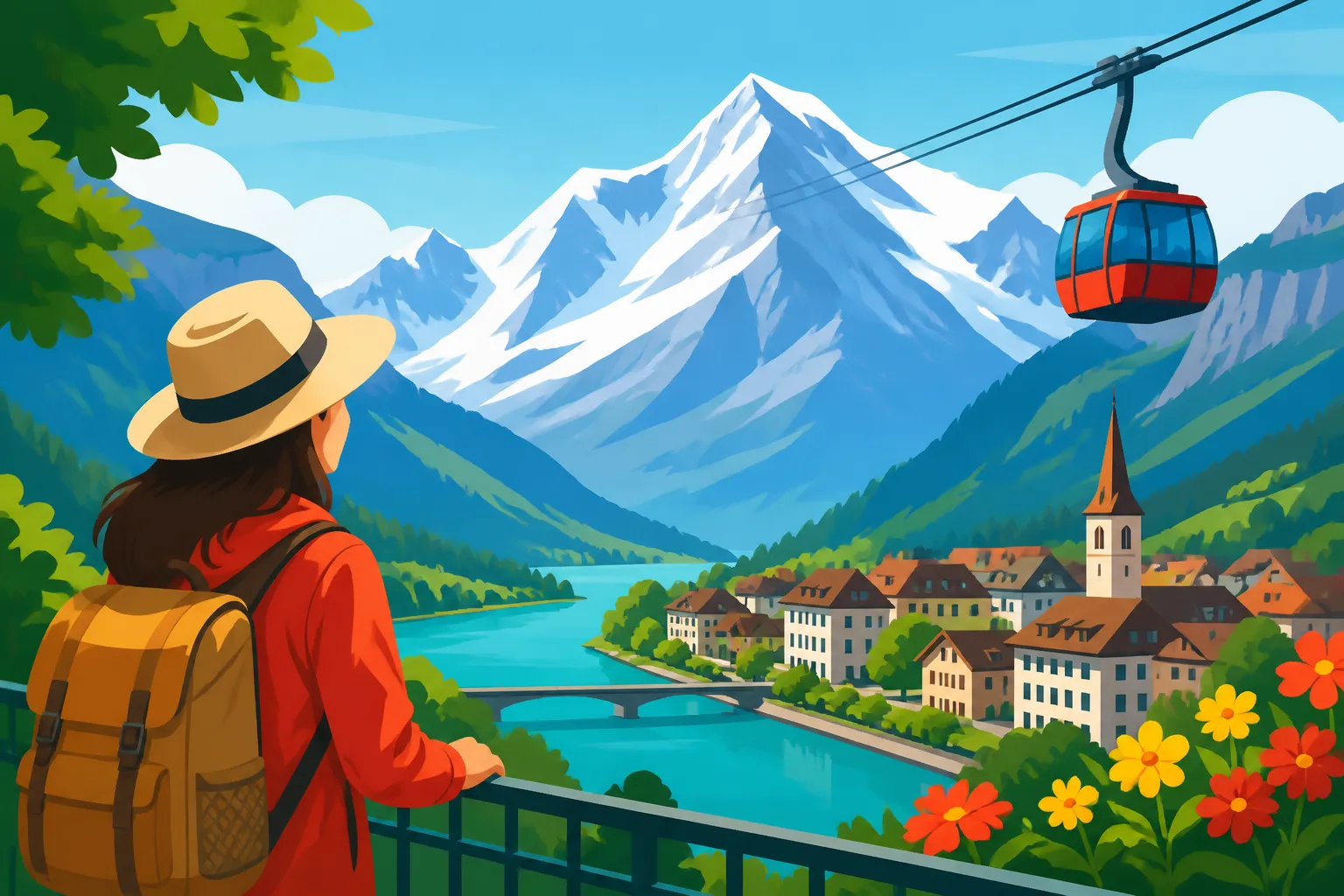
One branch takes you towards Lauterbrunnen, a stunning valley often called the "Valley of 72 Waterfalls." From Lauterbrunnen, you can continue further up into the car-free villages of Wengen or Mürren. Wengen, perched on a sunny shelf above the valley, offers classic postcard views of the Jungfrau mountain range and is a popular base for hikers and skiers. Mürren, even higher up and accessible via a cable car and small train from Lauterbrunnen, is another car-free gem known for its breathtaking panoramic views and a quieter, more authentic alpine feel.
The other train branch from Interlaken Ost leads to Grindelwald, a larger, bustling village that also serves as a major gateway to the surrounding peaks. Grindelwald is incredibly popular for its diverse range of activities, from easy walks to challenging hikes and world-class ski slopes. From Grindelwald, you can take various gondolas and trains further up to places like First, Pfingstegg, and Eigergletscher, each offering unique experiences.
Navigating these connections is a breeze, especially if you consider getting a Half-Fare Travelcard (Halbtax): The Must-Have Pass for Swiss Residents or even a Generalabonnement (GA) on SBB Travelcards: Is the Generalabonnement (GA) Worth the CHF 4000+ Cost? if you plan extensive travel throughout Switzerland. The trains are frequent, punctual, and offer stunning views from the moment you leave Interlaken. For those traveling from outside the immediate region, Interlaken also serves as a fantastic connection point for excursions to other popular Swiss areas, making it a perfect base for a longer trip that might include Day Trips from Bern: Thun, Interlaken, and the Emmental.
Iconic Excursions: Jungfraujoch and Schilthorn
Once you’re in the Jungfrau region, two excursions consistently top every visitor's list: the Jungfraujoch and the Schilthorn. Both offer incredible high-alpine experiences, but they are distinctly different, and understanding those differences can help you decide which one (or both!) to prioritize based on your interests and budget.
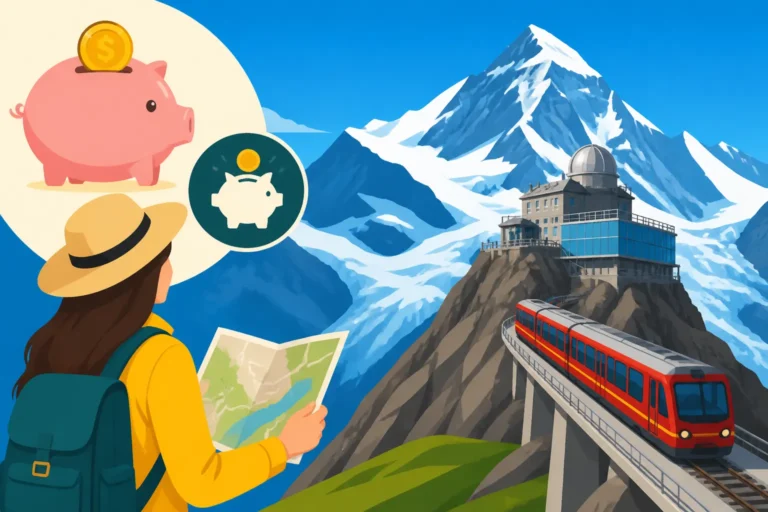
The Jungfraujoch, often touted as the "Top of Europe," is a marvel of engineering, a train journey that takes you to a research station and observation deck situated at 3,454 meters (11,332 feet) between the Mönch and Jungfrau peaks. The journey itself is epic, with part of the train traveling through tunnels carved into the Eiger North Face. Once at the top, you're greeted with vast snowfields, an ice palace, and panoramic views of the Aletsch Glacier – Europe's longest glacier. It's a truly once-in-a-lifetime experience, but it comes with a hefty price tag and can get incredibly crowded, especially during peak season. Make sure to read up on Jungfraujoch 'Top of Europe': Planning the Trip and Saving Money before you go, as there are ways to make it more manageable.
The Schilthorn, on the other hand, offers a different kind of high-alpine allure. Located at 2,970 meters (9,744 feet), it’s famously known as the setting for a James Bond film ("On Her Majesty's Secret Service"). The journey involves a series of cable cars, culminating in a spectacular ride to the summit where you'll find a revolving restaurant, Piz Gloria, and a Bond-themed exhibition. The views from the Schilthorn are arguably just as spectacular as the Jungfraujoch, offering a more immediate sense of the dramatic peaks and valleys of the region, including the Eiger, Mönch, and Jungfrau from a different perspective. It tends to be slightly less crowded and often a bit more affordable than the Jungfraujoch. For more details on this cinematic peak, check out Schilthorn and Piz Gloria: The Bond Mountain Above Lauterbrunnen. Both excursions require a significant chunk of your day and careful planning, especially regarding weather, which can change rapidly in the high mountains.
Thrills and Adventure: Interlaken's Adrenaline Capital Status
Interlaken isn't just known for its stunning scenery; it's also earned a reputation as the "adventure capital of Europe." If your idea of a perfect holiday involves getting your heart racing and pushing your limits, you've come to the right place. The region's unique geography, with its towering mountains, deep gorges, and pristine lakes, creates a natural playground for a vast array of outdoor activities that cater to every level of thrill-seeker.
Sky-High Adventures: Paragliding, Skydiving, and Bungee Jumping
For those who dream of soaring like a bird, Interlaken offers some of the most spectacular aerial adventures in the world. Paragliding is perhaps the most iconic, with tandem flights launching from sites like Beatenberg or Amisbühl and gently descending into Höhematte Park. The feeling of floating effortlessly above the valley, with panoramic views of the lakes and the Jungfrau peaks, is truly unforgettable. It's an accessible adventure for almost anyone, requiring no prior experience.
If you're looking for an even bigger rush, skydiving is also a hugely popular option. Imagine jumping from a plane at thousands of meters, freefalling with the Swiss Alps spread beneath you, before your parachute opens for a serene descent. It’s an ultimate bucket-list item for many, and Interlaken provides an unparalleled backdrop. For those seeking a pure, unadulterated adrenaline dump, bungee jumping from the 134-meter high Stockhorn or from a gondola over the Trümmelbach Falls will certainly do the trick. Many of these extreme sports operators can be easily found and booked through platforms like GetYourGuide, which often provide reviews and clear pricing, taking some of the stress out of the planning. Don't forget that if you're venturing into such high-risk activities, having appropriate accident insurance, perhaps even considering REGA Membership: Why Expats Need Air Rescue Insurance in the Alps, is always a smart move.
Water-Based Excitement: Rafting, Canyoning, and Jet Boating
The glacial rivers and pristine lakes surrounding Interlaken offer their own brand of watery thrills. Whitewater rafting on the Lütschine River, fed by glacial meltwater, provides an exhilarating experience with rapids ranging from challenging to downright wild. It's a fantastic way to see the landscape from a different perspective, often ending with a refreshing dip (intentional or otherwise!) in the cold alpine waters. Most operators provide all the necessary gear and experienced guides, making it safe for beginners.
For something a bit more immersive, canyoning takes you deep into the heart of the gorges, where you'll rappel down waterfalls, slide down natural rock slides, and jump into crystal-clear pools. It's an incredible combination of hiking, climbing, and swimming, offering a unique connection with nature. If speed is more your style, jet boating on Lake Brienz offers a high-octane ride across the stunning turquoise waters, complete with spins and power brakes, giving you an exhilarating tour of the lake's hidden coves and dramatic cliffs. No matter your preference, Interlaken’s aquatic adventures promise a splash-tastic time.
Exploring by Land: Mountain Biking and Hiking Trails
For those who prefer their adventures firmly on solid ground, the Interlaken and Jungfrau regions are crisscrossed with an incredible network of hiking and biking trails. Whether you're a seasoned trekker or just looking for a leisurely stroll, there's a path for you. You can embark on challenging multi-day hikes in the high Alps, exploring dramatic ridges and serene alpine meadows, or opt for gentler, well-maintained paths that wind through picturesque villages and along the lake shores.
Mountain biking is also incredibly popular, with trails ranging from easy, scenic routes along the valley floor to challenging single tracks that descend hundreds of meters from mountain peaks. Many of the cable cars and gondolas are bike-friendly, allowing you to transport your bike up the mountain and enjoy thrilling descents. For a comprehensive overview of options, you might want to look into Swiss Hiking for Beginners: Trail Grades and the SAC System to understand the trail classifications, or check out Mountain Biking Trails in Switzerland for All Levels if you're keen to hit the dirt. There are also numerous bike rental shops in Interlaken, making it easy to get equipped for your two-wheeled adventure, whether you're bringing your own bike or just renting for the day. And for those keen on combining cycling with public transport, remember that Taking Bicycles on Swiss Trains: Mandatory Reservations and Velo Tickets can be a helpful guide.
Serene Escapes: Lakes, Views, and Gentle Activities
While Interlaken is synonymous with adrenaline-pumping activities, it also serves as a perfect base for much more tranquil pursuits. The natural beauty here isn't just about steep mountains and thrilling descents; it's also about serene lakes, gentle panoramic viewpoints, and charming cultural experiences that allow you to unwind and soak in the peaceful side of Switzerland. Sometimes, after a week of navigating the Swiss administrative maze or simply the intensity of expat life, a quiet escape is exactly what the doctor ordered.
Lake Thun and Lake Brienz: Turquoise Waters and Charming Villages
Flanking Interlaken on either side are two magnificent glacial lakes, Lake Thun (Thunersee) to the west and Lake Brienz (Brienzersee) to the east. Both are renowned for their stunning turquoise waters, a result of fine glacial sediment (rock flour) that reflects the sunlight in an ethereal way.
Lake Brienz, with its deeper, more vibrant blue-green hue, feels a bit wilder and more dramatic, surrounded by steep, forested cliffs. A boat cruise on Lake Brienz is a truly magical experience, allowing you to appreciate the sheer scale of the landscape and discover picturesque villages like Iseltwald, famous for its pier, or Brienz itself, known for its traditional wood carving. During summer, the lake is popular for swimming, and there are several designated swimming spots and lidos. You can find out more about where to cool off on a hot day by exploring resources like Best Lakes for Swimming Near Interlaken in Summer.
Lake Thun is larger and framed by more gently sloping shores, featuring historic castles and charming towns. A boat trip here offers breathtaking views of the peaks and allows you to visit places like Spiez, with its beautiful bay and castle, or Thun, a vibrant town with a medieval old town and its own castle perched majestically above the Aare River. Both lakes offer regular boat services, often included or discounted with various travel passes, making it easy to hop on and off to explore at your leisure. These cruises are perfect for a relaxed afternoon, enjoying a drink while gliding across the water.
Scenic Vistas and Relaxing Strolls: Harder Kulm and Heimwehfluh
For spectacular views without the extreme altitude or effort of the Jungfraujoch, Interlaken offers two excellent, easily accessible local mountains: Harder Kulm and Heimwehfluh.
Harder Kulm, Interlaken's "home mountain," is reached by a charming funicular railway that departs from near Interlaken Ost. The ride itself offers lovely views as you ascend through the forest. At the top, at 1,322 meters (4,337 feet), you're greeted with a stunning panorama of Interlaken nestled between Lake Thun and Lake Brienz, with the Mönch, Eiger, and Jungfrau peaks forming a dramatic backdrop. The "Two Lakes Bridge" viewing platform extends out over the cliff edge, providing a thrilling photo opportunity. There's also a restaurant with outdoor seating, perfect for enjoying a meal or a drink with a million-dollar view. Harder Kulm is a fantastic option for an evening visit, as the sunsets over the lakes are often spectacular.
Heimwehfluh, a smaller mountain accessible by a historic funicular from Interlaken West, offers a more intimate and family-friendly experience. At the summit, 680 meters (2,231 feet), you’ll find another fantastic viewpoint over Interlaken, a restaurant, a model railway, and a popular toboggan run (seasonal). It’s an ideal spot for families with younger children or anyone looking for a relaxed outing with great views and a touch of nostalgia. Both Harder Kulm and Heimwehfluh are excellent choices for a half-day excursion, providing stunning vistas without requiring significant hiking or a large budget.
Culture and Crafts: Ballenberg Open-Air Museum and Woodcarving in Brienz
Stepping away from the mountains for a moment, the Interlaken region also provides delightful cultural insights. Just a short journey from Interlaken, near Lake Brienz, lies the Ballenberg Open-Air Museum, a sprawling testament to Switzerland's rural heritage. This unique museum features over 100 original, centuries-old buildings – farmhouses, barns, workshops – from all over Switzerland, carefully dismantled and reconstructed on site. Wandering through Ballenberg is like stepping back in time, offering a fascinating glimpse into traditional Swiss life, crafts, and farming practices. You can watch artisans at work, see traditional farm animals, and even taste regional specialties. It's a wonderful way to spend a full day, especially if you're looking for something different from the usual mountain excursions.
Another charming cultural experience can be found in the village of Brienz, nestled on the eastern end of Lake Brienz. Brienz is renowned as Switzerland's "woodcarving village." For generations, the craft of woodcarving has been passed down, and you can visit numerous workshops and galleries showcasing intricate carvings, from small figurines to large, detailed sculptures. The village also hosts a woodcarving school, keeping the tradition alive. It's a lovely place for a leisurely stroll, admiring the beautifully decorated chalets and perhaps finding a unique, handcrafted souvenir to take home. Combining a boat trip on Lake Brienz with a visit to Brienz’s woodcarving shops makes for a perfect, relaxed day out.
Practicalities for Your Interlaken and Jungfrau Adventure
Embarking on an adventure in the Interlaken and Jungfrau region is thrilling, but like all things in Switzerland, a little practical planning goes a long way. Understanding the transport system, managing your budget, and preparing for the unpredictable alpine weather will ensure your trip runs smoothly and that you maximize every moment in this spectacular part of the world.
Getting There and Around: Train, Bus, and Cable Car Connections
Switzerland's public transport network is legendary, and the Interlaken region is no exception. The backbone of your travel will be the SBB (Swiss Federal Railways) trains, which efficiently connect Interlaken to major cities across the country. From Interlaken Ost, local trains then fan out into the valleys of Lauterbrunnen and Grindelwald, providing seamless access to the heart of the Jungfrau region. These trains run frequently and punctually, offering breathtaking views as you ascend into the mountains. You can use platforms like Omio to search for and book your train tickets, which can be particularly handy if you’re planning connections from outside Switzerland.
Beyond the trains, a comprehensive network of PostBus services and numerous cable cars, gondolas, and funiculars complete the picture, taking you to even the most remote viewpoints and trailheads. If you plan on doing a lot of exploring by public transport, especially within the Jungfrau region, consider purchasing a regional pass (like the Jungfrau Travel Pass or a more general Swiss Travel Pass). These passes can offer significant savings and simplify ticketing, allowing you to hop on and off transport without constantly buying individual tickets. Remember that even staple Swiss passes like The Half-Fare Travelcard (Halbtax): The Must-Have Pass for Swiss Residents or the full SBB Travelcards: Is the Generalabonnement (GA) Worth the CHF 4000+ Cost? provide excellent value, often giving you 50% off most mountain railways and boat trips. It’s always worth calculating which pass best suits your itinerary.
Budgeting and Saving: Passes, Deals, and Smart Choices
Let's be real: Switzerland isn't exactly known for being cheap. The Jungfrau region, in particular, with its iconic mountain excursions, can really hit the wallet. The Jungfraujoch ticket alone can cost upwards of CHF 200 per person, and that’s before factoring in food, accommodation, and other activities. This is why smart budgeting and leveraging available passes are absolutely crucial for expats and tourists alike.
Beyond the major passes like the Jungfrau Travel Pass or the Swiss Travel Pass (which often cover or discount mountain railways, boats, and public transport), look out for Saver Day Passes offered by SBB if you know your travel dates in advance, as these can provide significant savings on long-distance train journeys. Many hotels in Interlaken also offer a Guest Card, which provides free local bus travel and discounts on certain attractions. For meals, consider making your own picnics or dining at grocery stores like Coop and Migros for fresh, affordable options instead of eating out for every meal. When planning your trip, consider reading a guide like Budget Travel in Switzerland: Seeing the Country Without Overspending for more general tips that apply well to the Interlaken area. Being strategic about your big-ticket excursions and daily expenses can make a huge difference in your overall trip cost.
Weather Wisdom: Preparing for All Conditions in the Alps
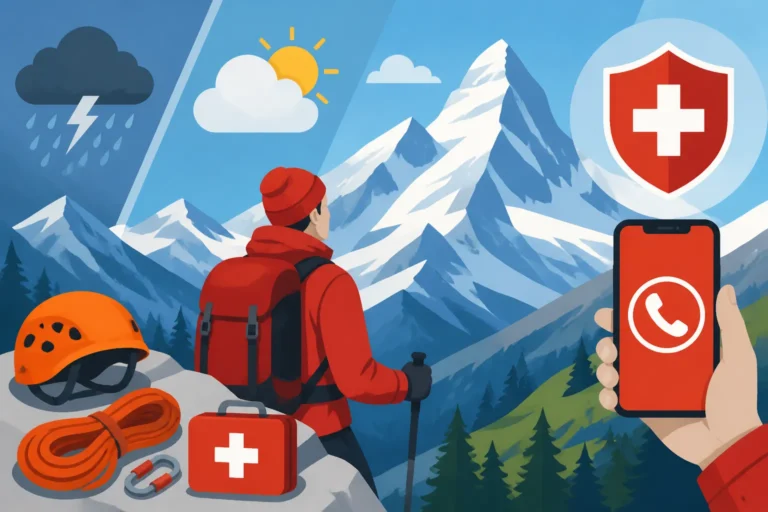
One of the biggest lessons you'll learn when exploring the Swiss Alps is that the weather is your ultimate boss. It can change rapidly, often within hours, especially at higher altitudes. A sunny morning can quickly turn into a cloudy, rainy, or even snowy afternoon, even in summer. This unpredictability means you need to be prepared for all conditions, regardless of the season.
Always check the local forecast (including mountain-specific forecasts and webcams) before heading out for a day of hiking or a major mountain excursion. The best strategy is layering: wear clothes that you can easily add or remove to adapt to temperature changes. Even in summer, a light down jacket, waterproof outer layer, hat, and gloves can be essential if you're heading to the Jungfraujoch, where it's perpetually winter. Sturdy, waterproof hiking shoes are a must for most activities, even casual walks, as trails can be wet or rocky. Sun protection is also vital at altitude, so pack sunscreen, sunglasses, and a hat. Being flexible with your plans and having backup activities for rainy days (like visiting Ballenberg or a local spa) will save you from disappointment. Never underestimate the mountains; preparedness ensures safety and a much more enjoyable experience.
Planning Your Stay: Accommodation and Dining
After a day of exhilarating adventures or serene explorations in the Interlaken and Jungfrau region, you’ll need a comfortable place to rest your head and delicious food to refuel. The good news is that this popular tourist destination offers a wide array of options to suit every budget and travel style, from luxurious hotels to cozy hostels and self-catering apartments. However, like everywhere in Switzerland, booking ahead, especially during peak season, is highly recommended to avoid disappointment and secure the best deals.
Where to Rest Your Head: Hotels, Hostels, and Holiday Apartments
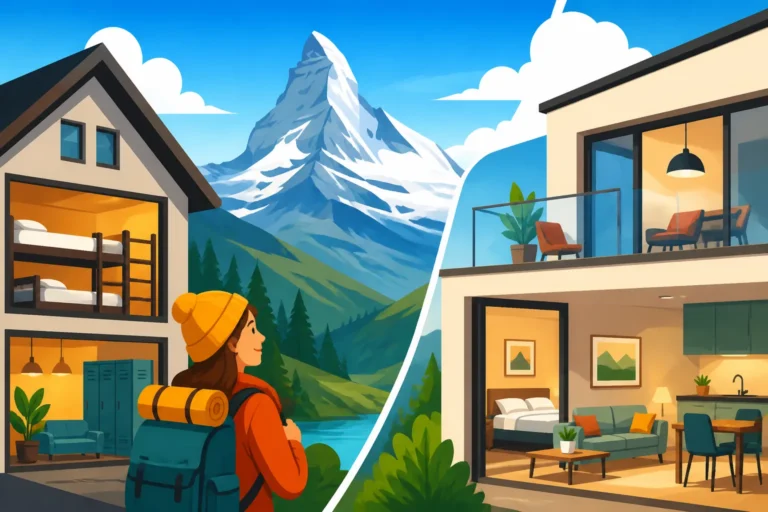
Interlaken itself, being the central hub, boasts the widest selection of accommodation. You'll find grand, historic hotels along the Höheweg offering stunning views, modern boutique hotels, and numerous guesthouses. For budget-conscious travelers and backpackers, Interlaken is also home to several well-regarded hostels that provide a social atmosphere and great value. If you're traveling with family or planning a longer stay, holiday apartments are an excellent option, offering more space, privacy, and the ability to cook your own meals, which can significantly reduce costs in Switzerland.
Venturing into the Jungfrau villages like Lauterbrunnen, Wengen, Mürren, or Grindelwald offers a more authentic alpine experience, but generally with fewer options and often higher prices. These villages primarily feature charming chalet-style hotels and guesthouses, many with incredible mountain views right from your balcony. Staying in one of these villages means you're already closer to the trailheads and mountain lifts, but it also means more travel time back down to Interlaken for some activities or services. Platforms like Booking.com are excellent resources for comparing prices, reading reviews, and finding the perfect place, whether you're looking for a luxurious escape or a simple, cozy base. Always check cancellation policies, especially if your travel plans are still a bit fluid.
Fueling Your Adventures: From Fine Dining to Casual Bites
Dining in the Interlaken and Jungfrau region offers a mix of traditional Swiss fare, international cuisine, and casual eateries. In Interlaken town, you'll find everything from elegant restaurants serving gourmet meals to pizzerias, Asian restaurants, and fast-food joints. It’s a truly international crowd, so the food scene reflects that diversity. Don't miss the chance to try Swiss classics like Rösti, cheese fondue, or raclette, especially after a chilly day in the mountains.
Up in the mountain villages, the dining scene tends to be more focused on hearty, traditional Swiss and alpine dishes. Expect cozy restaurants with wooden interiors, often serving delicious local specialties designed to warm you up after a day on the slopes or trails. Prices for dining out in Switzerland can be quite steep, so if you’re looking to save money, consider utilizing the grocery stores. Both Coop and Migros have large branches in Interlaken (and smaller ones in the larger mountain villages like Grindelwald and Lauterbrunnen) where you can pick up ingredients for packed lunches, snacks, or even entire self-cooked dinners if you have an apartment with a kitchen. Many bakeries also offer delicious and relatively affordable sandwiches and pastries, perfect for a quick bite on the go.
| Excursion Name | Primary Attraction | Approx. Base Price (CHF, roundtrip from Interlaken Ost) | Travel Time (approx. one-way from Interlaken Ost) |
|---|---|---|---|
| Jungfraujoch | "Top of Europe," Ice Palace, Aletsch Glacier views | 210 – 240 (seasonal variations apply) | 2 hours 15 minutes |
| Schilthorn | Piz Gloria Revolving Restaurant, James Bond experience, 360° views | 110 – 130 | 1 hour 15 minutes |
| Harder Kulm | Interlaken panorama, Two Lakes Bridge viewpoint | 40 – 45 | 10 minutes (funicular ride) |
| First (Grindelwald) | Cliff Walk, First Flyer/Glider, Adventure Park, Lake Bachalpsee hike | 60 – 70 | 45 minutes (train to Grindelwald, then gondola) |
Note: Prices are approximate for 2026 and subject to change. Discounts apply with Half-Fare Cards, Swiss Travel Pass, and Jungfrau Travel Pass.
Disclaimer
Please note that while I strive to provide accurate and up-to-date information, the world of travel, regulations, and prices in Switzerland can change rapidly. Always cross-reference information with official sources, tour operators, and local authorities, especially regarding booking conditions, prices, and weather-dependent activities. This guide is for informational purposes only and does not constitute professional advice.