Switzerland in Summer: Lake Swimming, Hiking, and Open-Air Events
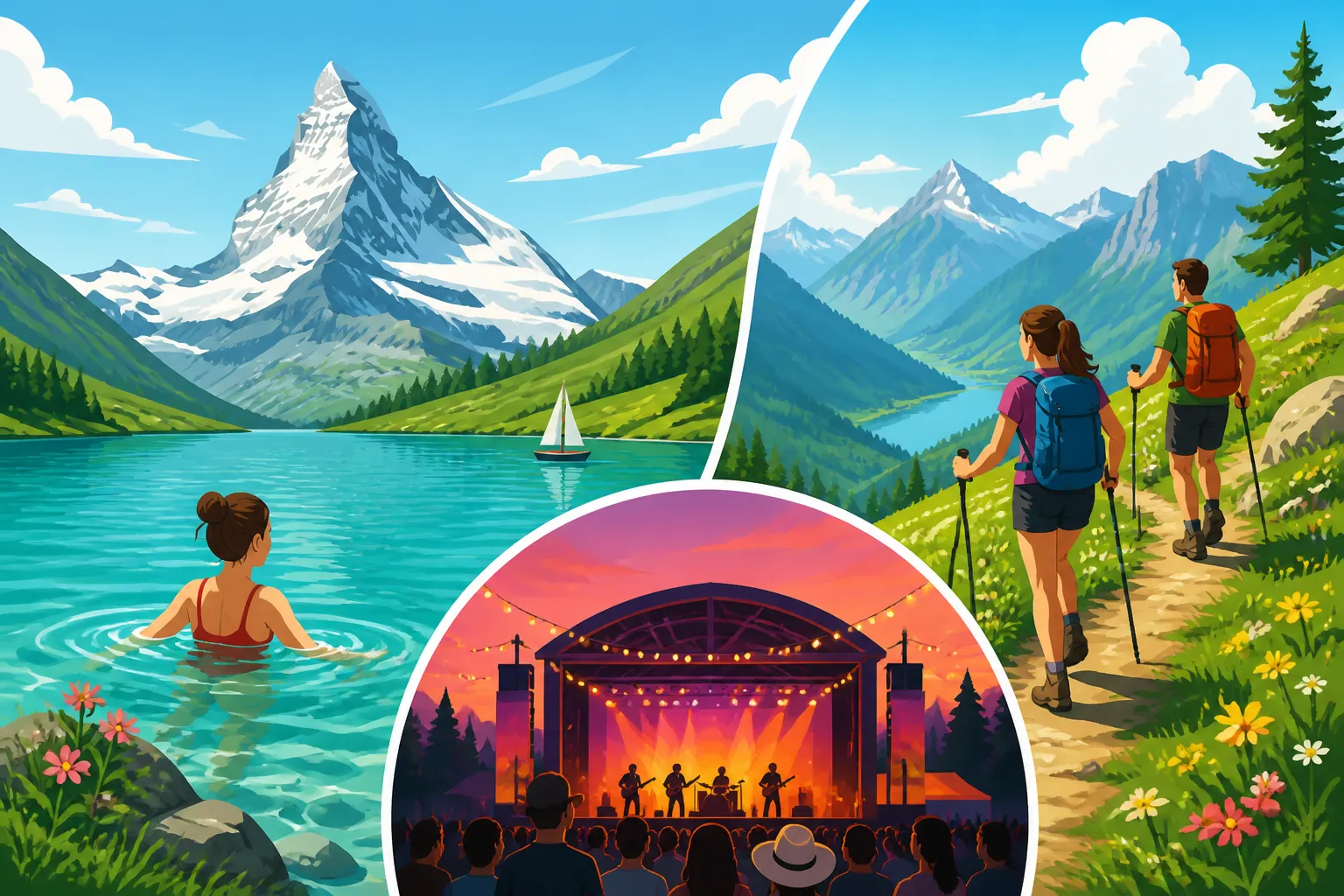
Okay, my dear fellow expats and travel enthusiasts! When you think of Switzerland, your mind probably conjures images of snow-capped peaks, cozy chalets, and maybe a steaming fondue in winter. And while that's absolutely a part of the magic, many of you might still be wondering how to truly soak up the Swiss sun and make the most of those glorious summer months. Trust me, after living here for years, I've seen countless newcomers struggle to shift their perception from a winter wonderland to a vibrant summer playground. This guide is here to walk you through every sun-drenched facet of Switzerland in summer, from dipping into crystal-clear lakes to conquering majestic mountain trails and dancing the night away at open-air festivals, ensuring you experience the best of this country when the temperatures rise.
Embracing the Swiss Water Culture: Lakes, Rivers, and Badis
When the mercury climbs, there's nothing quite like the Swiss way of cooling off: diving into one of the country's thousands of pristine lakes or rivers. It's not just a pastime; it's a way of life here. Forget stuffy swimming pools; the Swiss embrace their natural waterways with an enthusiasm that’s truly infectious. But, like everything in Switzerland, there are nuances to learn to truly enjoy it like a local.
Lake Swimming Etiquette and Best Spots
First off, nearly every major lake in Switzerland has designated swimming areas, known as "Badis" (Bäder in German-speaking regions, Bains in French). These aren't just patches of grass; they're often full-fledged facilities with changing rooms, showers, public toilets, snack bars, and sometimes even diving boards or small slides. Entry can be free or cost a few francs, depending on the canton and the amenities. It’s always worth checking a local Gemeinde (municipality) website or Google Maps for "Badi" near you to find the best spots. Places like the Tiefenbrunnen Badi on Lake Zurich are legendary for their bustling atmosphere and stunning city views, while tranquil spots along Lake Geneva or Lake Lucerne offer a more serene experience.
The water quality in Swiss lakes is, almost without exception, fantastic – often drinkable straight from the source. However, what sometimes catches newcomers off guard is the temperature. Even in the height of summer, some deep mountain lakes can be bracingly cold! Lake Brienz, for example, fed by glacier melt, remains chilly, whereas Lake Lugano or Lake Maggiore down in Ticino can feel positively Mediterranean. Always check the current water temperature if you're not a fan of cold plunges. And remember, while the Swiss might be reserved, don’t be surprised to see them in tiny swimsuits or even sunbathing topless in certain designated areas; it’s all very natural and accepted here.
One crucial piece of etiquette is cleanliness. The Swiss value their environment immensely, so always dispose of your trash properly. Most Badis have excellent recycling facilities, so make use of them. Also, respect quiet hours if you’re swimming near residential areas, especially in the evenings. And if you're bringing food, be mindful of picnicking rules; some areas might prohibit open fires or barbecues, while others provide dedicated grilling spots. Being prepared means bringing a small towel, some cash for an ice cream, and perhaps a good book to enjoy the leisurely lakeside atmosphere.
River Adventures: Aare, Limmat, and Rhine
If lakes offer a gentle embrace, Swiss rivers provide a more exhilarating experience – especially the famous Aare in Bern. Floating down the Aare is an absolute quintessential Swiss summer activity that everyone should try at least once. People hop in upstream with their inflatable boats, inner tubes, or simply swimming, letting the gentle current carry them through the city, past the Parliament building, and out into nature. It’s truly surreal. Just make sure you know where the designated entry and exit points are, and always be aware of the current, which can be stronger than it looks after heavy rain.
Similarly, in Zurich, the Limmat river becomes a summer playground. People often jump in at Oberer Letten or Flussbad Schanzengraben and drift down to other Badis along the river. Basel, too, has its Rhine swimming culture, with locals using waterproof "Wickelfisch" bags to keep their clothes dry as they float down the river. These are not just simple dips; they're social events. You'll see groups of friends, families, and even colleagues enjoying a post-work float. My first time in the Aare, I was a nervous wreck, but seeing all the families with young kids just casually floating along really put me at ease. Always remember river safety: never go alone, avoid alcohol, and wear a life jacket if you're not a strong swimmer. The currents can be deceptive, and getting caught in an undertow is no joke. Many local sports shops rent out dry bags and even small inflatables, so you don't need to commit to buying one straight away.
| Lake Name | Canton | Water Temp (Avg. Summer) | Best For | Key Features |
|---|---|---|---|---|
| Lake Zurich | Zurich | 20-24°C | City vibes, family fun | Numerous Badis, paddle boats, vibrant promenades |
| Lake Lucerne | Lucerne | 18-22°C | Scenic views, historical | Steamboat cruises, mountain backdrops, quiet coves |
| Lake Geneva | Geneva/Vaud | 20-23°C | International flair, wine | Beaches, Chillon Castle, Lavaux vineyards |
| Lake Thun/Brienz | Bern | 17-20°C | Mountain backdrop, cold | Glacier-fed, stunning turquoise, popular for SUP |
| Lake Maggiore | Ticino | 22-26°C | Mediterranean climate | Palm trees, Italian influence, warm water |
| Lake Cauma | Graubünden | 20-24°C | Hidden gem, turquoise | Emerald water, hidden forest lake, relaxing |
Lakeside Promenades and Public Facilities
Beyond swimming, Switzerland’s lakeshores are bustling hubs of summer activity. Almost every major town situated on a lake boasts a beautifully maintained promenade. These are perfect for leisurely strolls, cycling, or just sitting on a bench and watching the world go by. You’ll find plenty of public fountains, often with potable water, which is a lifesaver on a hot day. Grab a Gelato from a local stand, watch the paddleboarders, or simply enjoy the majestic views. These promenades are often where you’ll find small market stalls, food trucks, and impromptu performances during peak summer weekends.
Many lakeside areas also offer rentals for pedal boats, stand-up paddleboards (SUPs), and even small motorboats. This is a fantastic way to explore the lake at your own pace, find a secluded spot for a picnic, or get a unique perspective on the surrounding landscape. On Lake Zurich, for instance, a pedal boat ride to the small island of Lützelau for a picnic is a classic summer outing. Even in smaller, less-known lakes like Lake Hallwil in Aargau, you'll find charming boat rentals and lovely lakeside restaurants. Don't forget to check out the myriad of options available on sites like GetYourGuide for guided SUP tours or unique boat experiences, which can often streamline the process and provide a local guide.
Hiking Heaven: Exploring the Alpine and Pre-Alpine Trails
Summer in Switzerland means one thing for many: hitting the trails! The country transforms into an unparalleled hiking paradise, offering everything from gentle lakeside walks to challenging high-alpine treks. Whether you’re a seasoned mountaineer or a casual stroller, there’s a path waiting for you. But navigating the vast network of trails and understanding the local nuances is key to a rewarding experience.
Trail Ratings, Maps, and Safety Essentials
The Swiss hiking system is incredibly well-organized and clearly marked, which is a huge relief for anyone used to ambiguous trail markers. You'll typically encounter three main categories of trails, each with distinct yellow signposts:
- Yellow signposts: Easy walking paths, usually well-maintained, relatively flat, and often suitable for strollers or less experienced hikers. These are perfect for family outings or a relaxed afternoon stroll.
- White-red-white markers: Mountain hiking trails. These are steeper, narrower, and might involve some exposure or uneven terrain. Good hiking boots are a must, and a reasonable level of fitness is expected. These paths often lead to stunning viewpoints and cozy mountain restaurants (Berghäuser).
- White-blue-white markers: Alpine hiking trails. This is where things get serious. These trails often involve scrambling, fixed ropes, and snowfields, even in summer. They require excellent fitness, sure-footedness, a head for heights, and proper alpine equipment. Always check weather conditions and inform someone of your route if you're tackling these.
Before heading out, always consult detailed maps or reliable hiking apps like SwitzerlandMobility, which is the gold standard here. The weather in the mountains can change in a heartbeat, even on the sunniest morning. A clear sky at 8 AM can quickly turn into a thunderous downpour by 2 PM. Packing layers, waterproof gear, enough water, snacks, and a small first-aid kit is non-negotiable. Even on what seems like a simple hike, accidents can happen, and mountain rescue (REGA) is expensive if you don't have good REGA Membership: Why Expats Need Air Rescue Insurance in the Alps.
Popular Summer Hikes and Mountain Transport Access
The sheer variety of hikes is astounding. For breathtaking views without too much effort, consider trails in the Engadine Valley, like the easy walk around Lake St. Moritz or the more challenging but incredibly rewarding hike from Piz Nair down to St. Moritz. In the Jungfrau Region, popular spots like the Bachalpsee trail from First offer iconic views of Eiger, Mönch, and Jungfrau. If you're looking for something unique, the Stoos Ridge Hike (Stoos Gratwanderung) offers a spectacular narrow ridge walk that feels incredibly alpine but is surprisingly accessible thanks to the world’s steepest funicular railway.
What makes Swiss hiking truly accessible is the extensive network of mountain railways, cable cars, and gondolas. These allow you to skip the grueling ascent and get straight to the panoramic views and high-altitude trails. Places like Zermatt, Grindelwald, and Lucerne serve as excellent bases for exploring the surrounding peaks. With a The Half-Fare Travelcard (Halbtax): The Must-Have Pass for Swiss Residents or even a SBB Travelcards: Is the Generalabonnement (GA) Worth the CHF 4000+ Cost?, these mountain transport costs become much more manageable, making it possible to reach the "Top of Europe" at Jungfraujoch or the stunning views from Mount Pilatus. Always check the operating hours of these lifts, especially if you plan a longer hike, as they often close earlier in the shoulder seasons.
For those residing in cities, easily accessible hikes are just a train ride away. From Zurich, a short hop to Uetliberg offers fantastic city views and pleasant forest walks. Geneva residents can explore the Jura mountains or the scenic trails around Mont Salève just across the French border. Basel offers access to the charming trails of the Jura hills or the nearby Black Forest. These urban-adjacent natural escapes are perfect for a spontaneous afternoon in nature without committing to a full-day alpine expedition. Check the Day Trips by Train: The Best Swiss Destinations Within Two Hours for more ideas on combining public transport with stunning hikes.
Flora, Fauna, and Alpine Delights
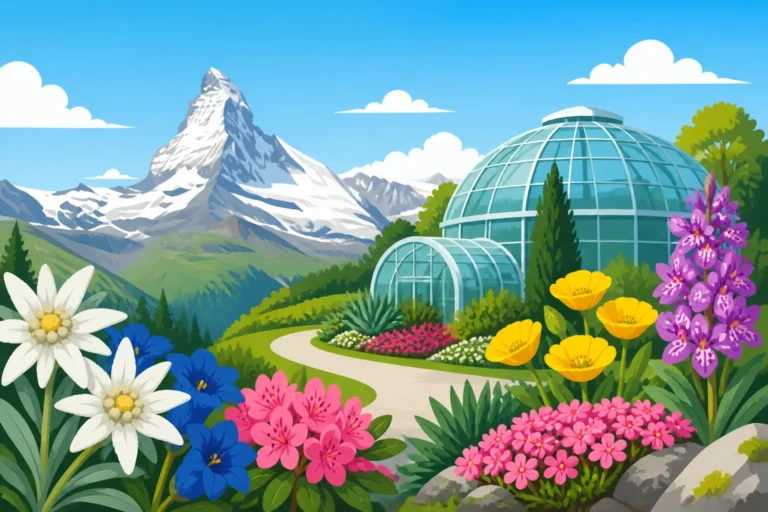
Summer hiking isn't just about the views; it's also a chance to immerse yourself in Switzerland's incredible natural biodiversity. The alpine meadows burst with vibrant wildflowers – think gentians, edelweiss (though rare and protected!), and countless other species painting the landscape in a riot of color. Keep an eye out for wildlife too; you might spot chamois, ibex, marmots, or various birds of prey. Remember to maintain a respectful distance and never feed wild animals.
And let's not forget the well-deserved reward after a good hike: a stop at an alpine hut (Alpenhütte) or mountain restaurant. These often serve hearty, traditional Swiss fare like rösti, Käsespätzle, or a local plate of air-dried meats and cheeses, all accompanied by a refreshing local beer or Rivella. The feeling of enjoying a meal with panoramic views after a strenuous climb is one of life’s simple pleasures in Switzerland. These establishments are often family-run for generations and provide a true taste of local hospitality. It's also worth noting that many are working farms, so you might see cows grazing nearby, their bells tinkling melodically – truly the sound of the Swiss Alps in summer.
Summer Festivals and Open-Air Events: From Music to Markets
Switzerland truly comes alive in the summer with a packed calendar of festivals, concerts, and open-air events. From world-renowned music gatherings to charming local traditions, there's always something happening to bring people together and celebrate the warmer months. For expats, these events are a fantastic way to experience Swiss culture beyond the postcard clichés and mingle with locals.
Major Music Festivals and Cultural Events
One of the crown jewels of the Swiss summer calendar is the Montreux Jazz Festival on the shores of Lake Geneva. This legendary event attracts global superstars and music lovers from around the world. It's not just about jazz; the festival embraces a wide range of genres, making it an incredible experience for any music aficionado. Even if you don't have tickets for the main concerts, the free stages and vibrant atmosphere along the promenade are well worth the visit.
Then there's the Zurich Street Parade, Europe's largest techno festival, which transforms the city into a massive open-air dance party. Love it or hate it, it's an undeniable spectacle of color, sound, and energy that draws hundreds of thousands. For a more classical experience, the Lucerne Festival brings world-class orchestras and soloists to the stunning KKL concert hall. And for film buffs, the Locarno Film Festival in Ticino offers open-air screenings in the Piazza Grande under the stars – a truly magical setting. Keep an eye on local tourism websites or platforms like GetYourGuide for tickets and local insights into these events, as they can sell out quickly.
Traditional Summer Festivities and Local Markets
Beyond the big names, Switzerland cherishes its regional traditions, and summer is prime time for these. The Swiss National Day on August 1st is celebrated with fireworks, bonfires on mountainsides, and communal barbecues across the country. It's a fantastic day to witness Swiss patriotism and sample local delicacies in a festive atmosphere. Many villages organize small parades and speeches, offering a genuine glimpse into local life. Don’t miss the opportunity to join a local gathering; you'll likely be offered a drink and a chance to practice your German, French, or Italian.
Another charming tradition is the "Alpabzug" (or Désalpe in French-speaking Switzerland) in early autumn, when cows, adorned with elaborate floral arrangements, are paraded down from their high-alpine pastures into the valleys. It’s a truly picturesque sight, often accompanied by local markets, folk music, and plenty of cheese. While it technically straddles summer and autumn, many of the preparations and early events begin in late summer. You can find information about these specific events on regional tourism boards’ websites. Smaller towns and villages also host weekly farmers' markets where you can buy fresh produce, local cheeses, and artisanal goods. These markets are not just for shopping; they’re social hubs, perfect for grabbing a coffee, chatting with vendors, and experiencing the relaxed pace of Swiss village life.
Open-Air Cinemas, Theaters, and Food Experiences
As the days stretch long, open-air cinemas pop up in cities and towns across Switzerland. Imagine watching a classic movie or a new release under the night sky, often with a view of a lake or mountain. These are incredibly popular and often sell out, so booking tickets in advance through sites like Booking.com (which also lists events) or directly on the cinema's website is a good idea. Many of these venues offer blankets for rent, food stalls, and bars, making for a perfect summer evening out.
Outdoor theatre and concerts also become commonplace. From Shakespeare in a castle courtyard to local bands playing in a city park, these events take full advantage of the pleasant summer evenings. Food festivals, though less common than in some other countries, are gaining popularity, showcasing regional specialties and craft beers. Keep an eye on local event listings for your specific canton, as these can be quite localized. Websites like MySwitzerland.com are excellent resources for a broader overview of Swiss Festivals and Traditions: A Year-Round Cultural Calendar. And remember, if you're attending any event with alcohol, Swiss public transport is excellent, so you can leave the car at home!
Family-Friendly Summer Adventures: Keeping Everyone Entertained
Summer in Switzerland is a dream for families, offering an endless array of activities that cater to all ages, from toddlers to teenagers. The country is incredibly child-friendly, with thoughtful infrastructure and a strong emphasis on outdoor play. From thrilling adventure parks to gentle mountain excursions, there's no shortage of ways to make lasting family memories.
Adventure Parks and Playgrounds
For families with active kids, Switzerland's adventure parks are a must. These often feature ropes courses, zip lines, and climbing challenges nestled in beautiful forest settings. Places like Adventure Park Rhine Falls (near Schaffhausen) or Seilpark Rigi (near Lucerne) offer various difficulty levels, ensuring fun for both beginners and more experienced adventurers. It’s a fantastic way for kids to burn off energy, challenge themselves, and enjoy the stunning Swiss nature. Safety is always paramount, with professional instructors and top-notch equipment.
Beyond structured parks, Swiss towns and villages boast an abundance of fantastic public playgrounds. These aren't your average swings-and-slide setups; many are creatively designed, integrated into nature, and feature impressive wooden structures, water play areas, and plenty of space for imaginative play. Some larger parks even have animal enclosures or miniature railways. The Generali Arena playground in Zurich, for example, is a massive space with a variety of equipment for different age groups, while many smaller ones are tucked away in quiet neighborhoods, perfect for a spontaneous stop. Don't forget to pack a picnic and some sunscreen, as you can easily spend hours at these spots.
Kid-Friendly Mountain Excursions and Theme Trails
Taking kids into the mountains might seem daunting, but Switzerland makes it incredibly easy and enjoyable. Many mountain resorts offer specific "family trails" or "theme trails" designed to engage children. These often feature interactive stations, educational signage about local flora and fauna, or a story theme that guides them along the path. For example, the Globi trail on Engstligenalp or the Heidiweg in Maienfeld turn a simple walk into an exciting adventure. Many peaks also have huge, natural playgrounds at the top station, making the cable car ride itself part of the fun.
Another fantastic option is the "Mooraculum" in Entlebuch, a huge adventure playground focused on the local moorland ecosystem, or the numerous "Kugelbahnen" (wooden ball tracks) found in various mountain areas, where kids release wooden balls down elaborate tracks. Mountain Railways and Cable Cars: Reaching Switzerland's Peaks are often equipped to handle strollers, and many offer special "Junior Travelcard" or "Kids' Card" discounts, making family travel by public transport surprisingly affordable. For instance, the SBB Junior Travelcard costs a mere CHF 30 per year, allowing kids aged 6 to 16 to travel free with a parent who has a valid ticket or pass – a total game-changer for family adventures. When planning your route, always check for family-specific promotions on the websites of mountain transport companies.
Summer Camps and Water Sports for Children
For longer stays or for expat families looking to integrate, summer camps offer a wonderful opportunity for children to learn new skills, make friends, and experience Swiss culture. Many international and local camps focus on sports, languages, or outdoor adventures, often set in stunning natural surroundings. These can range from day camps in city parks to overnight stays in mountain regions.
Water sports are also hugely popular among Swiss kids. Many towns offer sailing, windsurfing, or paddleboarding lessons during the summer months. Lake Murten, for example, is known for its gentle winds, making it an excellent spot for beginner windsurfers. Public Badis often have swimming lessons for children of all ages. It’s a fantastic way to introduce them to new activities and build confidence in the water. Remember that booking for these activities, especially camps, tends to open early in the year and fills up fast, so early planning is crucial. For exploring activities and camps, searching on platforms like Booking.com or GetYourGuide can sometimes yield results, but local community websites (Gemeinde websites) are often the best bet. You can also find broader ideas on Family Travel in Switzerland: Kid-Friendly Destinations and Tips.
Practical Tips for a Smooth Swiss Summer Experience
Ah, Switzerland in summer! It’s truly glorious, but like anywhere, a bit of insider knowledge goes a long way to ensure your experience is as smooth as a freshly paved alpine road. From dealing with the unpredictable weather to mastering public transport, these tips will save you headaches and help you truly relax.
Dressing for All Seasons: Weather Preparedness
One of the biggest lessons you'll learn quickly is that Swiss summer weather, especially in the mountains, can be incredibly fickle. A scorching hot valley day can lead to surprisingly chilly, even rainy, conditions at higher elevations. And don’t even get me started on sudden thunderstorms! I’ve been caught in glorious sunshine one minute and soaking wet in a hailstorm the next, all within a two-hour hike. The key? Layers, my friend, layers! Always pack a light, waterproof jacket, even if the forecast predicts nothing but sun. A fleece or light sweater is also a good idea for evenings or higher altitudes.
Even in the lowlands, a warm summer day can swiftly turn cool as the sun sets or a "Bise" (a cold, dry wind) picks up. So, while you'll definitely need your shorts and swimwear, don't leave your long pants and a jacket at home. Checking the local weather forecast multiple times a day isn't overkill; it's just being sensible in Switzerland. The MeteoSwiss app is generally the most reliable for detailed, localized forecasts, including mountain-specific conditions and thunderstorm warnings.
Sun Protection and Hydration
The Swiss sun, especially at altitude, is deceptively strong. What feels like a pleasant warmth can quickly lead to a nasty sunburn if you're not careful. This is particularly true when hiking in the mountains, where the air is thinner and UV radiation is more intense. Always, always, always apply high-factor sunscreen (SPF 30 or higher) generously and reapply throughout the day, especially after swimming or sweating. A wide-brimmed hat and sunglasses are also essential. I learned this the hard way on my first alpine hike, ending up looking like a lobster!
Hydration is equally important. While Switzerland boasts some of the cleanest tap water in the world (and most public fountains are safe to drink from!), always carry a reusable water bottle. If you're out hiking, plan your route to include mountain huts or villages where you can refill. It’s easy to get dehydrated when you’re exerting yourself in the sun. Don’t rely solely on sugary drinks; good old water is your best friend. In a pinch, any Coop or Migros will have a huge selection of drinks, but why pay for bottled water when you have it practically on tap?
Navigating Public Transport for Summer Adventures
Switzerland’s public transport system is legendary, and summer is when it truly shines. It connects almost every village, mountain, and lake, making car-free exploration not just possible, but often preferable. Forget the stress of parking, especially in popular tourist towns or at crowded trailheads. The SBB (Swiss Federal Railways) website and app are indispensable tools for planning your journeys, checking real-time schedules, and buying tickets.
For multiple excursions, investing in a The Half-Fare Travelcard (Halbtax): The Must-Have Pass for Swiss Residents is almost always a wise decision, as it gives you 50% off most train, bus, boat, and even many mountain railway tickets. If you plan extensive travel, a SBB Travelcards: Is the Generalabonnement (GA) Worth the CHF 4000+ Cost? might be worth considering, offering unlimited travel. Otherwise, look for "Saver Day Passes" (Spartageskarte) or "Supersaver Tickets" (Sparbillette) which can offer significant discounts if booked far in advance for specific routes. For longer trips across Europe, Omio is a great platform to check train and bus connections from Switzerland. Don’t forget that even some local boat trips are included in your passes, adding another layer of scenic travel.
Booking Accommodation and Popular Activities in Advance
Summer is peak season in Switzerland, and popular destinations, especially in the Jungfrau Region, Lucerne, or Zermatt, can get very crowded. Accommodation, mountain railways, and even some popular restaurants can book up quickly, especially on weekends and during major festivals. If you have specific dates and locations in mind, it's highly advisable to book your hotels, holiday apartments, or even campsites well in advance.
Platforms like Booking.com are invaluable for finding suitable lodging, and they often offer flexible cancellation policies. For guided tours or specific experiences, such as paragliding in Interlaken or a chocolate-making workshop, checking GetYourGuide or the local tourism office's website beforehand is a good idea. Showing up last minute, especially for high-demand activities, might lead to disappointment. A little bit of planning goes a long way in ensuring a stress-free and enjoyable Swiss summer. Remember that some smaller guesthouses or alpine huts might not be on the big platforms, so sometimes a direct search of the regional tourism websites (e.g., myswitzerland.com, or specific cantonal sites) can uncover hidden gems.
Beyond the Big Cities: Uncovering Regional Summer Gems
While Zurich, Geneva, and Lucerne certainly have their summer charms, Switzerland's true magic often lies just beyond the urban bustle, in its diverse regions. Each offers a unique flavor of summer, from the Mediterranean vibes of Ticino to the rugged beauty of Graubünden and the charming lakeside towns of French-speaking Switzerland. Venturing out allows you to experience the country's incredible geographical and cultural tapestry.
Ticino: Switzerland's Mediterranean South
Ah, Ticino! This Italian-speaking canton truly feels like a different country. As you cross the Gotthard Pass (or emerge from the tunnel), the landscape transforms: palm trees, terracotta rooftops, and a distinctly Mediterranean climate. Summer here is long, warm, and wonderfully relaxing. Lake Lugano and Lake Maggiore offer swimming, boat trips, and beautiful promenades. The towns of Lugano and Locarno are vibrant, with bustling piazzas, charming cafés, and a relaxed, dolce vita atmosphere.
Beyond the lakes, explore the enchanting valleys like Valle Verzasca, with its emerald-green waters perfect for a (chilly!) dip and picturesque stone villages. The charming villages of Ascona and Morcote are worth a visit for their stunning lakefronts and historical architecture. Ticino also boasts delicious food – think fresh pasta, risotto, and gelato – often enjoyed al fresco under a canopy of vines. It's the perfect escape if you're craving some warmth and a break from the more formal German-Swiss demeanor. Consider visiting during the Locarno Film Festival for a unique cultural experience that combines film and stunning scenery.
Valais and the Vineyards: Sun-Drenched Valleys
Head west, and you'll find yourself in Valais, a canton renowned for its majestic mountains (including the Matterhorn!), abundant sunshine, and extensive vineyards. Summer in Valais is about extremes: high-alpine adventures in places like Zermatt and Saas-Fee, contrasted with the sun-drenched Rhone valley, home to Switzerland's largest wine-growing region. The dry climate here makes for perfect conditions for growing grapes, and the terraced vineyards are a beautiful sight.
Many wineries offer tastings and tours, giving you a chance to sample the local Fendant or Dôle. Charming towns like Sion, with its castles perched on rocky outcrops, and Verbier, a famous ski resort that transforms into a hiking and mountain biking hub in summer, are excellent bases for exploration. Don't miss the chance to try some Valaisan specialties like raclette or dried meat (Viande séchée) at a traditional restaurant after a day of hiking or wine tasting. You can also delve deeper into the region's produce by looking for information on Swiss Wine and Cheese Regions: A Resident's Tasting Guide.
Eastern Switzerland: Lakes, Hills, and Appenzell Charm
For a different kind of beauty, venture into Eastern Switzerland, a region often overlooked by international tourists but cherished by locals. Here, rolling green hills dotted with traditional farmhouses meet pristine lakes and charming, independent cantons like Appenzell Innerrhoden and Ausserrhoden. Lake Constance (Bodensee), shared with Germany and Austria, offers expansive waters for swimming, sailing, and cycling along its shores. The quaint city of St. Gallen, with its UNESCO World Heritage Abbey Library, is a cultural highlight.
The Appenzell region is particularly captivating with its distinctive traditional architecture, vibrant folk customs, and gentle, family-friendly hiking trails. The iconic Aescher mountain guesthouse, built into a cliff face near Ebenalp, is a stunning sight and a popular hiking destination. It's a region where traditions are still very much alive, and you might stumble upon a local "Streckenfahrt" (a parade of decorated cows) or hear traditional yodeling. It's an area perfect for those seeking a quieter, more authentic Swiss experience, away from the typical tourist crowds. The gentle hills are great for Swiss Hiking for Beginners: Trail Grades and the SAC System.
Essential Gear and Packing for Your Swiss Summer
Packing for a Swiss summer adventure can feel like preparing for multiple seasons in one trip, and frankly, it often is! The unpredictable nature of the weather, especially when venturing between city and mountain, means you need to be strategic. Forget fashion statements; practicality and layering are your best friends here. As an expat who’s lived through countless Swiss summers, I've got a few non-negotiables to ensure you're comfortable and prepared for anything.
Versatile Clothing for Layering
My number one packing tip for Switzerland in summer is layers. Seriously. You'll hear this repeatedly because it's that important. Start with breathable, moisture-wicking base layers, especially if you plan on hiking. Cotton is fine for city strolls, but for any activity that makes you sweat, it will stay damp and make you cold once you stop moving. Think quick-dry synthetics or merino wool.
For your mid-layer, a light fleece jacket or a warm sweater is essential. Even if it's 30°C in the valley, a summit can easily be 10°C with a brisk wind. Your outer layer absolutely needs to be a waterproof and windproof jacket. It doesn’t have to be heavy, but it must offer protection from sudden rain showers or strong alpine winds. I've often started a day in shorts and a t-shirt, added a fleece, then a waterproof jacket, and ended up in long trousers, all within a single afternoon hike. Don't forget long trousers or convertible hiking pants for mountain excursions, and shorts for city and lake days.
Appropriate Footwear for Every Occasion
Your feet will thank you for making smart choices here. For city exploration, comfortable walking shoes are key. Switzerland is a pedestrian-friendly country, and you'll be doing a lot of walking, even just getting from the train station to your Badi. For lake swimming and relaxed river dips, flip-flops or water shoes are perfect, especially as some pebble beaches can be tough on bare feet.
However, if you plan any hiking beyond a flat promenade, proper hiking boots are non-negotiable. Not sneakers, but actual hiking boots with good ankle support and sturdy grip. The trails, even the yellow-marked ones, can be uneven, rocky, or slippery after rain. Getting a sprained ankle because you wore inappropriate footwear is a surefire way to ruin your trip. I've seen too many tourists struggling in flip-flops on what they thought was an "easy" mountain path. If you're tackling more challenging white-red-white trails, ensure your boots are broken in and comfortable. Consider bringing a separate pair of comfortable shoes for evenings.
Swim Gear and Outdoor Essentials
Of course, your swimwear is essential for all those refreshing dips in the lakes and rivers. Don't forget a towel – quick-drying microfibre towels are a godsend for travel. Beyond that, a good quality backpack (20-30 liters is usually sufficient for day trips) is crucial for carrying your layers, water, snacks, sunscreen, and first-aid kit. A reusable water bottle is a must, given the fantastic tap water quality.
Other crucial items include high-factor sunscreen (don't underestimate the alpine sun!), sunglasses, and a wide-brimmed hat. Mosquito repellent might also be useful, especially near lakes and forests in the evenings. A basic first-aid kit with blister plasters, pain relievers, and any personal medications should always be in your pack. And if you’re planning on any serious mountain adventures, consider an external battery pack for your phone – losing battery in the middle of nowhere isn’t fun. Finally, consider a compact, lightweight umbrella for unexpected drizzles in cities.
Summer Nightlife and Dining: Terrace Life and Al Fresco Feasts
As the sun sets over the Swiss Alps or gently reflects off a tranquil lake, a different kind of vibrancy emerges. Swiss summer evenings are all about embracing the outdoors, enjoying good food, and soaking up the lively atmosphere. From elegant lakeside dining to casual beer gardens, the options for summer nightlife and dining are plentiful and truly delightful.
Al Fresco Dining and Lakeside Restaurants
When the weather is warm, Swiss restaurants truly shine with their outdoor seating. Nearly every establishment, from quaint village eateries to upscale urban dining spots, will open up its terrace, allowing you to dine under the stars or with stunning views. Lakeside restaurants are particularly popular, offering not just delicious meals but also mesmerizing panoramas of the water and surrounding mountains. Imagine enjoying a fresh fish dish, perhaps "Fischknusperli" (fried fish fillets), with a glass of local wine as the evening breeze cools the air.
In cities like Zurich, the area around the Limmat river and Lake Zurich comes alive with numerous restaurants and bars spilling onto the promenades. In Geneva, you'll find charming spots along the Rhône or near the Jet d'Eau. These spots are highly sought after, especially on warm weekend evenings, so booking a table in advance is often a good idea, particularly if you have a specific restaurant in mind. Using platforms like Booking.com, which can also help locate restaurants near your accommodation, or a direct call to the restaurant can secure your spot. Don't be shy about asking for an outdoor table; it’s the quintessential Swiss summer dining experience. For tips on navigating the local dining scene, check out Dining Out in Switzerland: Reservations, Tipping, and Mealtimes.
Rooftop Bars and City Beaches
For a more urban take on summer nightlife, many Swiss cities boast fantastic rooftop bars. These offer stylish settings, delicious cocktails, and often incredible views over the city skylines, lakes, or mountains. In Zurich, places like the Clouds Bar atop the Prime Tower or the Negishi Rooftop Bar offer chic atmospheres for an evening drink. Geneva's rooftops, though fewer, offer unique perspectives of the city and the Jura mountains. These spots are perfect for pre-dinner drinks or a relaxed evening out with friends, soaking in the city's energy from above.
Another growing trend in Swiss cities is the "city beach" or urban lounge areas that pop up along rivers or lakes. These aren't always for swimming, but they offer sandy areas, lounge chairs, bars, and sometimes even DJs, creating a laid-back, holiday-like atmosphere right in the heart of the city. Zurich's Rimini Bar, set in a men's Badi during the day, transforms into a mixed-gender, lively bar with a sandy area and oriental vibe in the evening. These unique spots are fantastic for a casual evening with friends, enjoying a drink and some tunes without having to leave the city.
Gelato, Beer Gardens, and Summer Events
Summer in Switzerland wouldn't be complete without plenty of gelato! Italian influence, especially from Ticino, means you'll find excellent gelato parlors in most towns. Indulging in a scoop (or two!) of artisanal ice cream while strolling along a lake promenade is a classic summer pleasure. Look for smaller, independent gelaterias for the most authentic and delicious flavors.
Beer gardens, known as "Biergarten" in German-speaking regions, also become popular social hubs. These often large, outdoor venues with long tables are perfect for enjoying a local beer (or a refreshing Apfelschorle) with friends in a relaxed, family-friendly atmosphere. They often serve simple, hearty food like sausages or pretzels. Many pop-up summer bars also appear along riverbanks or in parks, offering temporary spots to unwind and enjoy the long evenings. Keep an eye on local event listings for specific summer concerts or cultural performances held in these outdoor settings. From open-air movie nights to spontaneous street music, the Swiss cities really embrace the summer warmth.
Disclaimer
Please note that while I strive to provide accurate and up-to-date information based on my experience and available resources, regulations, prices, and opening hours in Switzerland can change rapidly. Always cross-reference crucial information with official cantonal websites, specific service providers, or the relevant authorities before making any decisions. This guide is intended for informational purposes only and does not constitute professional advice.