Tiers Payant: Which Swiss Insurances Pay the Pharmacy Directly?
Standing at a Swiss pharmacy counter for the first time, I remember the sudden panic when the pharmacist asked for 450 CHF for a routine prescription. I’ve personally lived through the confusion of shuffling through my wallet, wondering why my expensive monthly premiums weren't covering the cost on the spot. This guide solves the mystery of Tiers Payant, explaining exactly which Swiss insurers pay the pharmacy directly so you aren't left out of pocket.
Decoding the Swiss Billing Systems: Tiers Payant vs. Tiers Garant
When you first land in Switzerland and set up your healthcare, you’ll hear these two French terms tossed around constantly by HR departments and insurance brokers. They aren't just administrative jargon; they dictate how much "float" money you need in your bank account. The Swiss healthcare system is world-class, but its billing is split into two distinct philosophies.
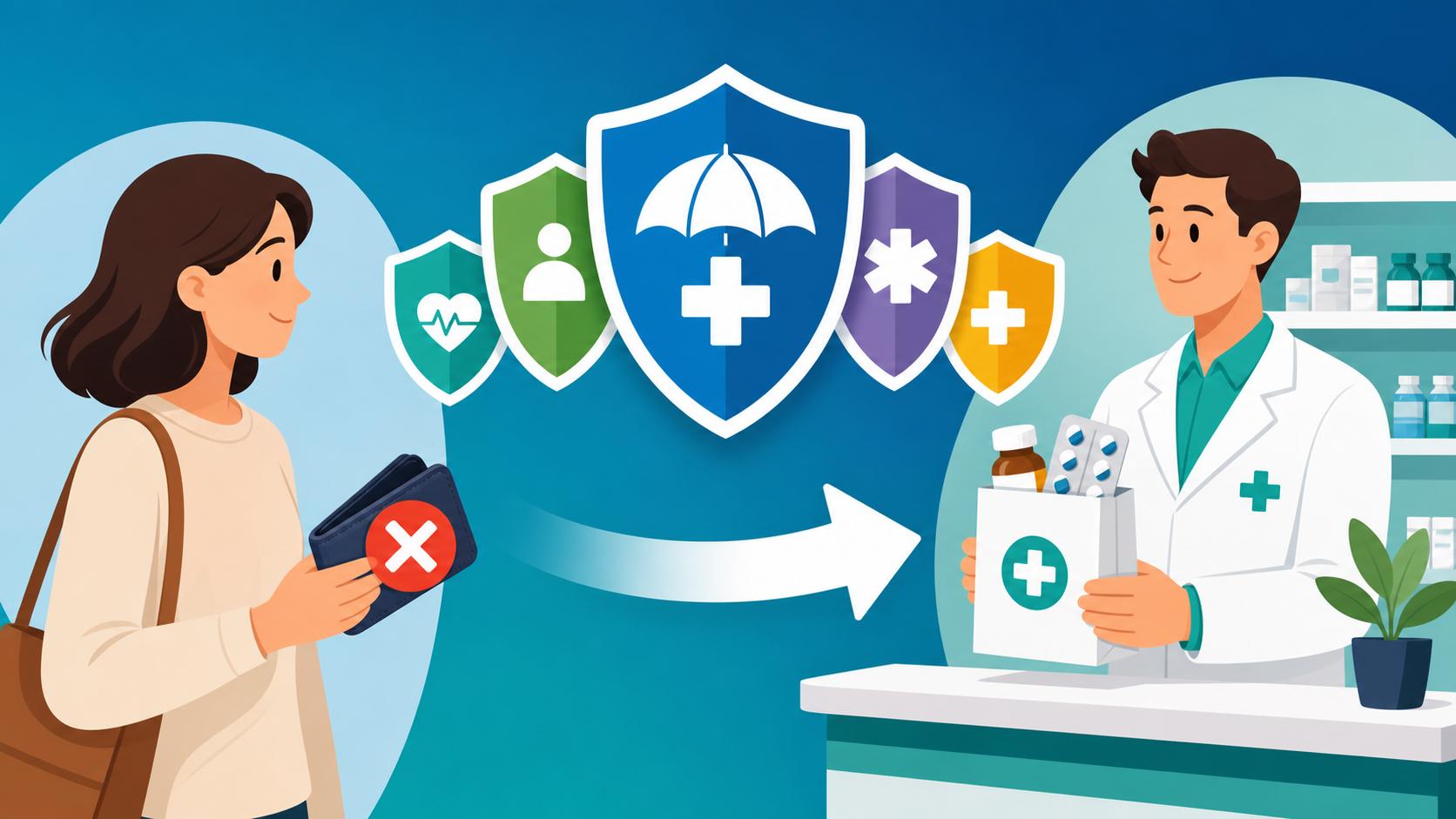
Tiers Payant, which literally translates to "third-party paying," is the system most expats pray for. In this scenario, the pharmacy (the provider) sends the bill directly to your insurance company (the third party). You walk out of the pharmacy with your medication without ever touching your credit card. Later, your insurer will send you a separate invoice for your 10% co-payment and any part of your deductible that hasn't been met. This is the gold standard for convenience, especially if you are managing chronic conditions that require expensive monthly specialized care or biological medications that can cost thousands of francs per dose.
On the other hand, Tiers Garant, or "third-party guarantee," requires you to pay the pharmacy upfront. You then take your receipt—often a specific blue or white "Rückforderungsbeleg"—and mail or upload it to your insurance provider for reimbursement. I’ve spent many Sunday afternoons scanning receipts into apps, waiting weeks for the money to hit my account. If you’re living paycheck to paycheck during your first few months in Switzerland, a Tiers Garant model can be a massive financial strain. Understanding How to Pay Medical Bills: Tiers Garant vs. Tiers Payant Billing Systems is crucial before you sign your first insurance contract.
The choice between these two systems often depends on the specific agreement between the "Santésuisse" (the umbrella organization for insurers) and "PharmaSuisse" (the pharmacists' association). While the law allows for both, the trend in recent years has shifted toward Tiers Payant for medications to ensure patients don't skip their prescriptions due to temporary cash flow issues. However, some "budget" insurers still cling to the Tiers Garant model to keep their administrative overhead low.
Which Insurances Use Tiers Payant? The Comprehensive List
The good news for expats is that the vast majority of major Swiss insurers have signed the national pharmacy agreement. This means that for basic Mandatory Basic Health Insurance Explained (KVG/LAMal), Tiers Payant is the default for medication. If you hold a card from one of the following "Big Five," you can generally expect the pharmacy to bill them directly:
- Helsana: Consistently uses Tiers Payant for all pharmacy transactions across Switzerland.
- CSS: One of the most expat-friendly insurers, they utilize the direct billing system at almost every "Apotheke."
- Swica: Known for premium service, they almost exclusively use Tiers Payant for prescriptions.
- Visana: They have extensive direct-billing contracts, though they occasionally require Tiers Garant for very specific "off-list" medications.
- Sanitas: A major player that strongly supports the direct payment model.
There is a notable exception: Assura. For a long time, Assura was the king of the Tiers Garant model. They offered the lowest premiums in many cantons by forcing the patient to handle all the paperwork and upfront costs. If you are with Assura, you should always be prepared to pay at the counter. However, even Assura has started introducing "Tiers Payant" options for certain pharmacies or through specific supplementary plans. If you are currently feeling the "Assura sting," you might want to look into Changing Your Swiss Health Insurance Provider: Deadlines and Notice Periods to move to a provider that offers more liquidity.
For those who are in Switzerland on international assignments and use Cigna Global instead of a local KVG plan, the rules change. International insurers often work on a reimbursement basis unless they have a direct-settlement agreement with a specific hospital network. At a local neighborhood pharmacy, you will almost certainly have to pay upfront and claim back later. This is a vital distinction to make when Comparing Health Insurance Models: Telmed, HMO, Family Doctor, and Standard.
| Insurer Name | Billing System for Pharmacies | App for Scanning Receipts |
|---|---|---|
| Helsana | Tiers Payant | MyHelsana |
| CSS | Tiers Payant | myCSS |
| Swica | Tiers Payant | BeneVita / MySWICA |
| Assura | Tiers Garant (Mostly) | Assura App |
| Sanitas | Tiers Payant | Sanitas Portal |
| Visana | Tiers Payant | MyVisana |
| Groupe Mutuel | Tiers Payant | GM App |
Practical Steps at the Pharmacy: Using Your Insurance Card
The magic key to the Tiers Payant system is your "VeKa" card (Versichertenkarte). This small plastic card contains your 13-digit social security number and a chip that links the pharmacy's computer directly to your insurer’s database. When you hand over a prescription from your doctor, the pharmacist "swipes" your card to see if your insurance is active and if they have a direct billing agreement with that provider.
It is a common misconception that Tiers Payant means the medicine is "free." This couldn't be further from the truth. In Switzerland, you are always responsible for your "Franchise" (deductible) and your "Selbstbehalt" (10% co-pay). If you have a 2,500 CHF franchise and you haven't seen a doctor all year, the pharmacy will still send the bill to your insurer. The insurer pays the pharmacy, but then the insurer sends you a bill for the full amount. Effectively, the insurer is acting as a short-term, interest-free lender. This is why The Swiss Franchise System: How Deductibles and Copays Work is the most important financial concept to master as a resident.
If the pharmacy tells you they can't use Tiers Payant, it's usually for one of three reasons:
- Your insurer is one of the few (like Assura) that doesn't participate in the collective agreement.
- Your insurance card is expired or has been blocked due to unpaid premiums.
- The medication is "Hors-liste" (NLP), meaning it isn't covered by basic insurance but might be covered by Supplementary Health Insurance (VVG): What It Covers and When to Buy It.
In cases where the medication is a lifestyle drug or a basic over-the-counter item like specialized vitamins or skincare, the insurance system won't help you at the counter anyway. For these non-prescription needs, I often skip the expensive Swiss pharmacy prices and use iHerb to source my supplements and wellness products. It saves a significant amount of money that basic KVG simply doesn't cover. If you are unsure what is covered, it’s worth reading up on Pharmacies and Medication: Prescriptions, Costs, and OTC Regulations.
Exceptions and Troubleshooting: When the System Fails
Even with a top-tier insurer like Swica or Helsana, you might occasionally hit a wall. One specific scenario involves new arrivals. If you have just moved to the country, you have a 90-day window to register for insurance. If you fall ill during this time, you won't have a card yet. You will have to pay for your medication upfront and then retrospectively claim it once your policy is backdated to your arrival date. This is a common pitfall explained in What Happens if You Miss the 90-Day Health Insurance Registration Window?.
Another point of friction is the "Tiers Soldant" system. This is a hybrid where the insurer pays the pharmacy their share, and the pharmacy asks you to pay your 10% co-pay on the spot. While rare in the German-speaking cantons, it pops up occasionally in Romandie. It’s always a good idea to carry a debit card or have TWINT set up just in case.
If you find yourself frequently paying for medication that you believe should be covered, you need to check the "Spezialitätenliste" (SL). This is the official list of drugs that Swiss insurers are legally required to pay for. If a drug is not on this list, no amount of Tiers Payant agreements will help; it simply isn't a covered benefit under the KVG. For expats moving with pre-existing conditions, Bringing Prescription Medication into Switzerland: Customs and Legal Limits is a must-read to ensure your current meds are actually recognized and billable in the Swiss system.
Finally, remember that the "Tiers" system applies to your relationship with your doctor too. While pharmacies are almost 90% Tiers Payant now, many doctors still operate on Tiers Garant. You will receive a bill in the mail 30 days after your appointment, you pay it, and then you ask for the money back. Learning How to Use Your Swiss Health Card (VeKa) at the Clinic will help you distinguish between these interactions so you aren't surprised by a 500 CHF bill in your mailbox three weeks after a simple check-up.
For those of us who have lived here long enough, the administrative hurdles eventually become second nature. But in those first few months, knowing that Is Basic Health Insurance (KVG) Mandatory for Expats? A Plain-English Guide is there to protect your health—and that your insurer can take the hit at the pharmacy counter—provides a much-needed safety net while you settle into Swiss life.
If you are struggling with the high costs of healthcare despite the billing model, you should investigate if your household qualifies for Cantonal Premium Reductions (Prämienverbilligung) for Low-Income Households. Even if you are an expat on a decent salary, the thresholds are often higher than you might expect, especially in expensive cantons like Zurich or Geneva. Dealing with the Swiss medical system is a marathon, not a sprint, and mastering the "Tiers" billing logic is your first major milestone.
Disclaimer
This guide is for informational purposes only and does not constitute legal or financial advice. Swiss health insurance regulations and agreements between insurers and pharmacies are subject to frequent changes. Always verify your specific coverage and billing model directly with your insurance provider or pharmacist.