What Counts as a Medical Emergency vs. a Permanence Visit in Switzerland
Moving to Switzerland, one of the biggest anxieties for many expats, myself included, isn't just the language or the paperwork, but what happens when you get sick. That moment you or a loved one feels truly unwell, and you're staring at your phone, wondering: is this a full-blown emergency warranting a siren-blaring ambulance, or is it something a walk-in clinic can handle? I’ve been there, heart pounding, trying to translate symptoms and predict consequences. This guide is here to help you navigate that critical decision, breaking down the difference between a medical emergency and a visit to a "Permanence" in Switzerland, so you can get the right care without unnecessary stress or astronomical bills.
Understanding What Constitutes a Medical Emergency in Switzerland
Let's cut right to it: a medical emergency in Switzerland is a situation where immediate medical intervention is crucial to prevent serious harm, permanent disability, or death. This isn't just a severe headache; this is a sudden, life-threatening event. The Swiss healthcare system, like most developed nations, has robust emergency services designed for these critical moments, but they are expensive and should be reserved for true emergencies. Misusing them can lead to significant out-of-pocket costs, even with comprehensive insurance, because your deductible and copay (franchise and Selbstbehalt) still apply, and the costs are inherently higher.
Thinking about the kind of situations that fall under this umbrella, it’s usually quite obvious. If someone collapses, stops breathing, experiences sudden severe chest pain suggestive of a heart attack, has signs of a stroke (like sudden numbness, difficulty speaking, or facial drooping), or suffers a major traumatic injury from an accident, that is unequivocally an emergency. These are situations where every second counts, and waiting for an appointment or going to a less equipped facility could have dire consequences. It’s about the immediacy and severity of the threat to life or limb. For those fresh off the plane, or even seasoned expats making quick trips, knowing that something like SafetyWing travel insurance can provide a safety net for unexpected medical emergencies abroad before your full Swiss coverage kicks in can offer immense peace of mind.
When to Dial 144
If you suspect a medical emergency as described above, your first and most important step is to call 144. This is the Swiss national emergency number for ambulances and rescue services, available 24/7. When you call, be prepared to clearly state your location (street, building number, city, and even canton, as Switzerland is highly localized), explain the nature of the emergency in simple terms, and describe the patient's condition. Speak calmly, and don't hang up until the dispatcher tells you to. They might ask you to perform first aid while waiting for the ambulance to arrive, so it’s good to have basic knowledge if possible. Remember, in mountain regions, especially for hiking or skiing accidents, you might also consider calling REGA (Swiss Air-Rescue), though 144 will coordinate with them if an air ambulance is required. The decision between 144 and other numbers like 112 (the general European emergency number) often comes down to directness; 144 connects you straight to medical dispatchers in Switzerland.
It’s crucial to understand that calling 144 initiates a rapid response that involves highly trained paramedics and often includes transport to the nearest suitable hospital emergency department. This isn't a casual taxi ride to the doctor; it's a critical medical intervention. Because of this, even if the situation turns out to be less severe than initially thought, the costs associated with an ambulance call and subsequent emergency room visit can be substantial. For example, basic Swiss insurance might only cover 50% of the ambulance costs up to a certain limit per year, leaving you to cover the rest out of pocket, which can be thousands of francs. Understanding the nuances of Does Basic Swiss Insurance Cover Ambulance Rides? The 50% Rule Explained can save you from a major financial shock.
Understanding Emergency Room Protocols
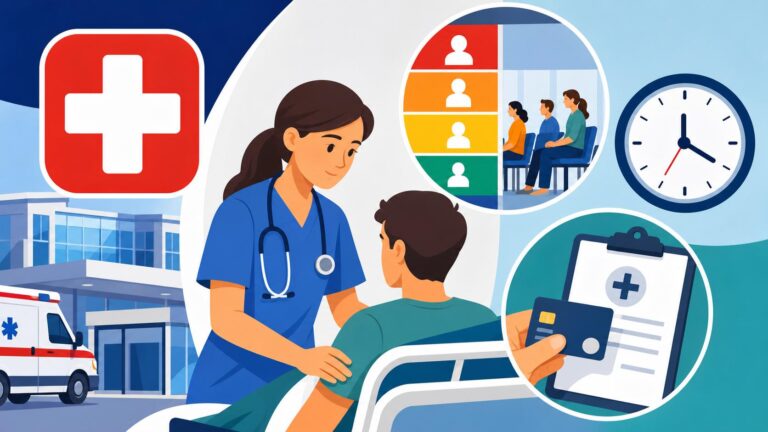
Once you arrive at a Swiss hospital emergency room (often called "Notfall" in German, "Urgences" in French, or "Pronto Soccorso" in Italian), expect a system focused on triage. This means patients are seen based on the severity of their condition, not on a first-come, first-served basis. Someone with a life-threatening injury will be prioritized over someone with a sprained ankle, even if the latter arrived first. This can lead to long waiting times for non-critical conditions, which is another reason why knowing the difference between an emergency and a permanence visit is so vital. Your How to Use Your Swiss Health Card (VeKa) at the Clinic will be requested upon arrival to register you in the system.
The emergency room is equipped for a vast array of medical interventions, from sophisticated diagnostic imaging like MRI and CT scans to immediate surgical procedures. The staff includes emergency physicians, nurses, and specialists from various fields who can be called upon if needed. It's an environment of high-level medical expertise and technology. However, this also means that the cost per consultation or procedure in an emergency room is significantly higher than in a regular doctor's office or a permanence. Even with your Understanding KVG/LAMal: Mandatory Basic Health Insurance Explained in place, these higher costs contribute to hitting your deductible (Franchise) much faster, and then you'll still have your copay (Selbstbehalt) to contend with. Expats often underestimate the impact of The Swiss Franchise System: How Deductibles and Copays Work until they face a hefty emergency room bill.
Navigating the "Permanence" Visit in Switzerland
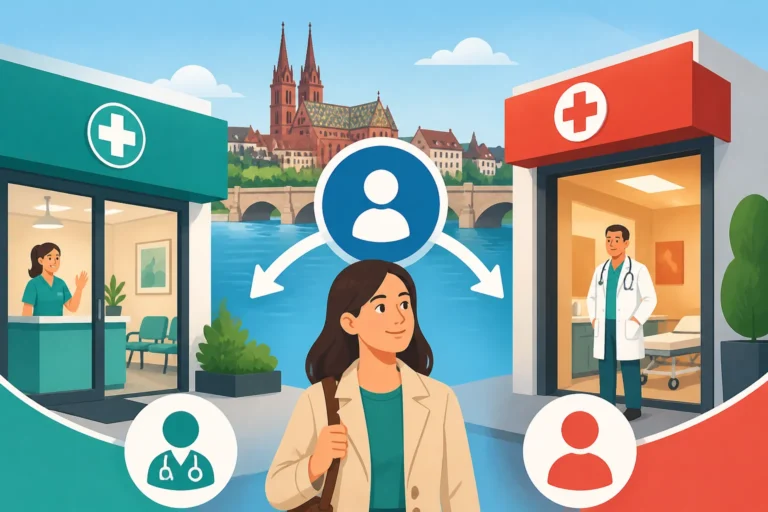
Now, let's talk about "Permanences." These are walk-in clinics or urgent care centers, distinct from traditional hospital emergency rooms. They are designed to treat non-life-threatening medical conditions that still require prompt attention but aren't critical enough for an ambulance. Think of them as a bridge between your regular family doctor and the hospital emergency department. They are incredibly useful for expats because they offer immediate care without the often excessive cost and waiting times of a hospital ER. I’ve personally relied on them for everything from sudden fevers to minor cuts that needed stitching, and they’ve been a lifesaver when my regular doctor wasn't available.
Permanences are typically staffed by general practitioners and nurses, and they often have basic diagnostic equipment like X-ray machines and laboratories for blood tests. They operate on extended hours, often including evenings and weekends, providing a crucial service outside of standard clinic hours. Many large train stations, like the Walk-in Clinics in Zurich: Permanence Hautbahnhof Guide, even host them, making them very accessible. For someone temporarily in Switzerland, perhaps covered by something like SafetyWing's Nomad Insurance, a Permanence visit would usually fall under their acute sickness coverage, offering a more appropriate and less costly option than a hospital ER for minor ailments.
Common Conditions Treated at a Permanence
So, what kind of ailments are perfect for a permanence? The list is long and covers most of the common, urgent, but not critical, health issues you might face.
- Acute infections: Think severe colds, flu, urinary tract infections (UTIs), ear infections, or strep throat. These make you feel miserable and need attention, but typically aren't immediately life-threatening.
- Minor injuries: Sprains, strains, small cuts that might need stitches, minor burns, or suspected simple fractures (like a finger or toe). These require professional assessment and care but don't need the specialized trauma facilities of a hospital ER.
- Sudden onset of symptoms: Such as persistent nausea, vomiting, diarrhea, rashes, or allergic reactions that are uncomfortable but not causing severe breathing difficulties or anaphylaxis.
- Flare-ups of chronic conditions: If you have asthma and experience a mild to moderate attack, or a diabetic with unusual blood sugar readings that need adjustment, a permanence can often help, especially if your regular doctor's office is closed.
- Sudden, severe pain: For example, a bad toothache, back pain, or sudden knee pain where you're unsure if it's a sprain or something more.
The key takeaway here is that these are conditions where you need a doctor's assessment and perhaps medication or a simple procedure relatively quickly, but you are stable, breathing normally, and not experiencing signs of major organ failure or severe trauma. For instances where you might need Pharmacies (Apotheken) After Hours: Finding Emergency Medication, a permanence can also provide necessary prescriptions quickly.
Finding a Permanence Near You
Finding a permanence is usually quite straightforward. Many major cities and larger towns have them, often located conveniently near public transport hubs or within shopping centers. A quick search on Google Maps for "Permanence" or "Urgences Médicales" (in French-speaking areas like Walk-in Clinics in Geneva: Urgences Médicales Options) will usually bring up the closest options. Websites like Comparis also often list them, sometimes even with current waiting times. Some cantons also have a centralized medical hotline (e.g., in Zurich, you might call 044 421 21 21 for the regional medical emergency service) which can direct you to the most appropriate facility, including a permanence or an on-call doctor.
It’s always a good idea to know where your nearest permanence is, just in case. When you first move here, it might be worth adding a few key medical contacts and locations to your phone. Being proactive in identifying these resources will save you precious time and anxiety when you inevitably need them. Remember, these facilities are designed for quick turnarounds and are generally very efficient once you are seen.
Key Differences & Decision-Making Flow
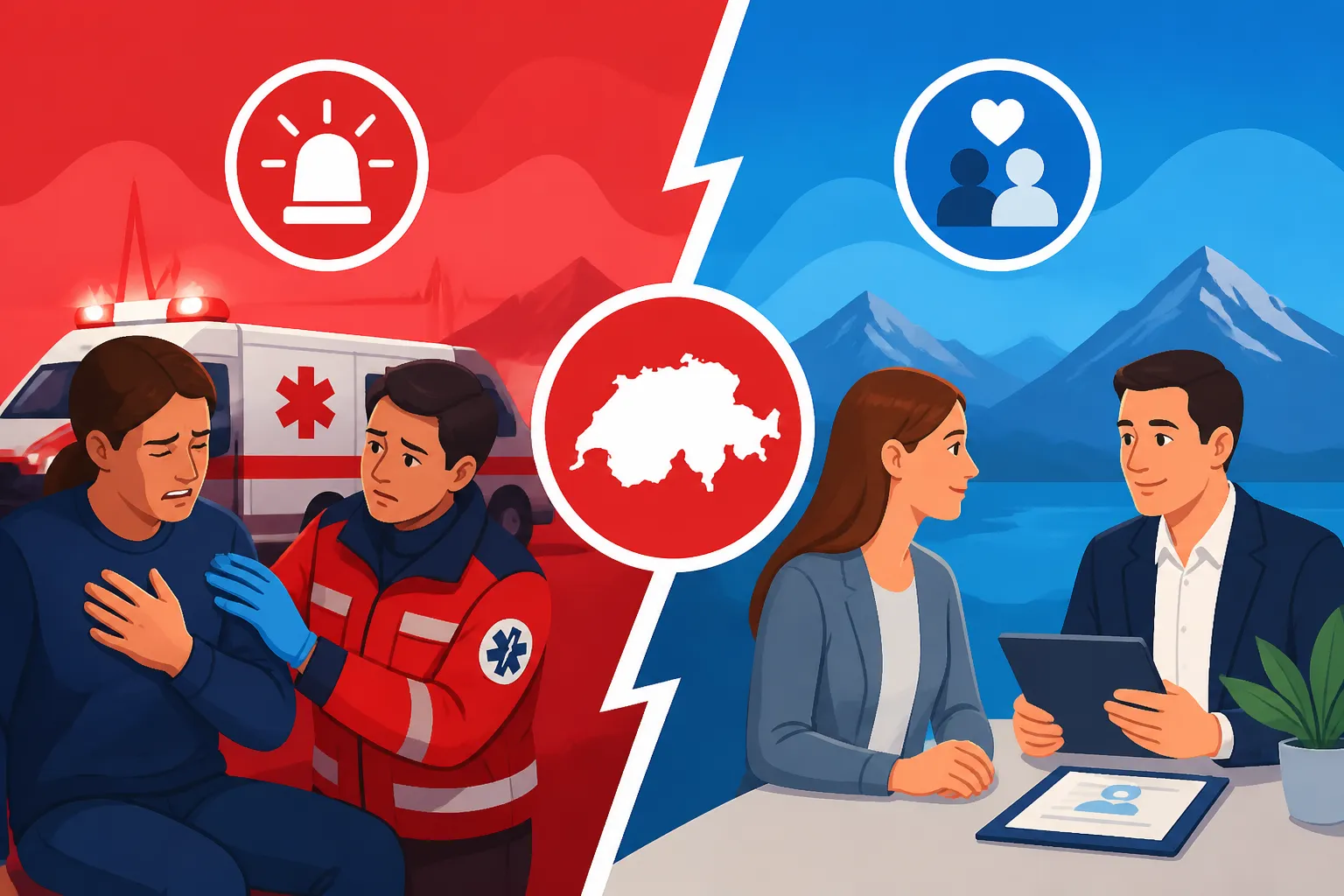
The distinction between a hospital emergency room and a permanence is vital for both your health and your wallet in Switzerland. It’s not just about what medical condition you have, but also about the urgency, severity, and the potential impact on your well-being if treatment is delayed. Choosing incorrectly can mean hours of unnecessary waiting, exposure to sicker patients, or a significantly larger bill.
To help solidify the difference, let’s consider a hypothetical scenario: you wake up with excruciating stomach pain. Is it an emergency or a permanence visit? If you also have a high fever, are dizzy, cannot keep any liquids down, and the pain is radiating, making you unable to stand, that points towards a hospital emergency. If it's severe localized pain, you can still walk, and you're not experiencing any other alarming symptoms like fainting or significant bleeding, a permanence is likely more appropriate. They can assess, perhaps do some initial tests, and then refer you to a hospital if more specialized care is needed, usually with a direct line to the on-call specialist. This tiered approach is a cornerstone of Healthcare in Switzerland for Expats: The Complete System Overview (2027).
| Feature | Hospital Emergency Room (Notfall/Urgences) | Permanence (Walk-in Clinic/Urgent Care) |
|---|---|---|
| Purpose | Life-threatening conditions, severe trauma, critical illness | Urgent but non-life-threatening conditions |
| Severity | High (threat to life or limb) | Moderate (requires prompt attention, but stable) |
| Cost | Very High (specialized staff, advanced equipment, 24/7 care) | Moderate (general practitioners, basic diagnostics, extended hours) |
| Waiting Time | Prioritized by severity (triage), can be very long for minor issues | Generally shorter than ER, but can vary by demand |
| Staffing | Emergency physicians, nurses, specialists, trauma teams | General practitioners, nurses, possibly some basic specialists |
| Equipment | Full range (CT, MRI, advanced surgery, ICU) | Basic (X-ray, lab tests, minor procedure room) |
| Example Cases | Heart attack, stroke, major accident, severe bleeding, unconsciousness | Severe flu, sprains, minor cuts, UTI, rash, moderate allergic reaction |
| When to Call | 144 (Ambulance) or go directly if conscious and able | Go directly, or call ahead if possible |
Cost Implications
The financial aspect is a massive differentiator. An emergency room visit, even for something that turns out to be minor, will incur hefty costs. These include the ambulance fee (if applicable), the emergency room consultation fee, and any diagnostics or treatments performed. These costs are subject to your chosen annual deductible (franchise) and the mandatory 10% co-payment (Selbstbehalt) up to CHF 700 per year. For example, a basic emergency room visit without extensive diagnostics can still easily be CHF 300-500, hitting your deductible quickly. If you have a high deductible of CHF 2,500, you'll be paying a large chunk out of pocket before your insurance starts covering anything significant.
A permanence visit, on the other hand, is typically billed at a rate closer to a regular doctor's consultation. While still subject to your deductible and co-payment, the overall bill will be substantially lower, perhaps CHF 100-250 for a standard consultation and minor treatment. This means you might not even hit your deductible, or you'll incur much less out-of-pocket expense. Knowing How to Pay Medical Bills: Tiers Garant vs. Tiers Payant Billing Systems can also affect your immediate cash flow, as Tiers Garant means you pay the bill first and get reimbursed, while Tiers Payant means the insurer pays directly.
Insurance Considerations and Mandatory Registration
Regardless of whether it's an emergency or a permanence, you absolutely must have basic health insurance (KVG/LAMal) if you live in Switzerland. It's mandatory for all residents and must be secured within 90 days of your arrival. If you're new and still within this window, or if you're a tourist, you'll need to rely on private travel insurance, such as SafetyWing, to cover any medical incidents. They offer comprehensive medical and travel assistance benefits for things like hospital stays, doctor visits, and emergency medical evacuation, which can be critical. This is particularly important for newcomers as Mandatory Registration: How to Sign Up for Health Insurance Within 90 Days is a strict rule, and failing to do so can lead to penalties and retroactive premium payments. Ignoring this can be a huge mistake, as What Happens if You Miss the 90-Day Health Insurance Registration Window? can have severe financial consequences.
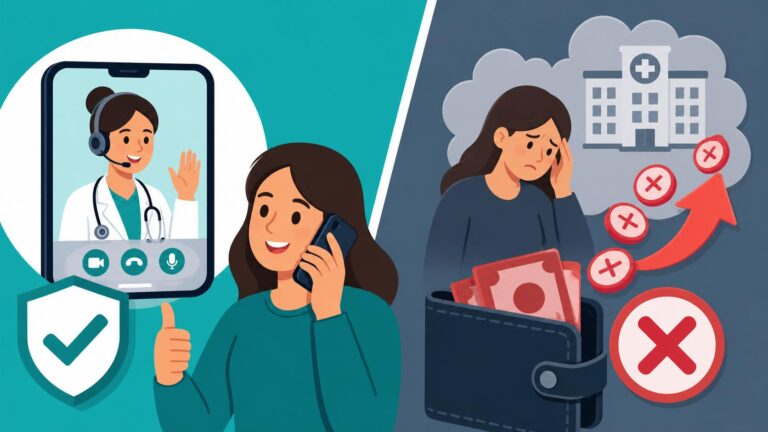
Your insurance model also plays a role. If you have a standard insurance model, you can generally choose your doctor or go to a permanence without a referral. However, if you're on a managed care model like a Telmed Insurance Explained: How Calling First Saves You Premium Costs or an HMO, you are usually required to call your first point of contact (e.g., the Telmed hotline or your family doctor) before seeking care, even for urgent issues that aren't outright emergencies. Failing to do so might result in your insurance refusing to cover a portion of the costs. Always check your specific policy details or call your insurer if unsure.
The Role of Your Family Doctor (Hausarzt) or Telmed Insurance
Your general practitioner, or Finding an English-Speaking Family Doctor (Hausarzt) in Major Cantons, should always be your first port of call for non-urgent health concerns. They know your medical history, can provide continuity of care, and can offer referrals to specialists if needed. However, doctors' offices often have limited hours and aren't equipped for sudden, severe issues.
This is where the permanence comes in as an excellent alternative when your GP isn't available but you still need prompt medical attention. For those with a Telmed or HMO insurance model, your phone consultation with the designated service will often direct you to either your GP, a permanence, or, in rare severe cases, a hospital ER. This system is designed to guide you to the most appropriate and cost-effective care. It's a structured approach that can feel restrictive at first, but it genuinely helps keep premiums lower by preventing unnecessary and expensive ER visits for minor issues. Knowing your plan, especially if it's a managed care one, is key to navigating the system effectively.
Practical Advice and What to Bring
Navigating any medical situation in a foreign country can be daunting, but being prepared can make a huge difference. From having your documents ready to being able to communicate your symptoms, a little foresight goes a long way. This is not just about avoiding frustration; it's about ensuring you get timely and accurate care.
When you're new to Switzerland, it's easy to feel overwhelmed, and a medical incident can amplify that feeling tenfold. One of my first experiences involved a nasty splinter that got infected, and I spent a frantic hour trying to figure out where to go. Had I known about the local permanence, it would have been a five-minute fix instead of a stress-induced saga. So, take a moment to equip yourself with the basic knowledge and essentials, because preparedness truly is your best defense against medical mishaps here.
Essential Documents to Carry
Regardless of whether you're heading to a permanence or a hospital emergency room, always carry these essential documents:
- Swiss Health Insurance Card (VeKa): This card contains all your basic health insurance information and is crucial for registration and billing. Make sure to have the physical card or a photo of it on your phone.
- Identification: Your passport, Swiss residence permit (B Permit, C Permit, etc.), or even a Swiss driver's license. This is important for verifying your identity.
- Emergency Contact Information: A piece of paper or a note in your phone with the names and phone numbers of at least one emergency contact (spouse, partner, friend, or family member), preferably someone who speaks German, French, or Italian.
- Medication List: If you take any regular medications, have a list of their names (both brand and generic), dosages, and why you take them. If you have severe allergies, include those too. This is especially important for foreign prescriptions, as Swiss doctors might not recognize the brand names.
- Cash or Credit Card: While most Swiss medical facilities accept card payments, it’s always wise to have some cash on hand, especially for smaller co-payments or if you're in a more remote area.
- Travel Insurance Details (if applicable): If you are still within your 90-day grace period for Swiss insurance, or if you are a tourist, carry proof of your international travel medical insurance, like SafetyWing. This ensures you can demonstrate coverage immediately. They often provide an assistance number to call for guidance on where to seek care, which can be invaluable when you're disoriented.
Keeping these items in a small, easily accessible pouch or a dedicated section of your wallet can save valuable time and reduce stress during a medical incident.
Communication Challenges and Solutions
Language can be a significant barrier, especially in stressful medical situations. While many doctors and medical staff in Switzerland speak excellent English, especially in larger cities like Zurich, Geneva, or Basel, it's not guaranteed, particularly in smaller towns or during busy shifts.
Here are some strategies to overcome communication challenges:
- Simple Language: Try to describe your symptoms using simple, direct language. Avoid slang or overly complex medical terms if English is not their first language.
- Translation Apps: Have a reliable translation app on your phone (like Google Translate or DeepL) ready to use. You can type in your symptoms or even use the voice translation feature.
- Write it Down: Before you go, jot down your main symptoms, when they started, what makes them better or worse, and any relevant medical history in bullet points. This can be handed to the doctor if verbal communication is difficult.
- Bring a Friend: If possible, bring a friend or family member who speaks the local language, or at least a neutral language like English, to help translate and advocate for you.
- Practice Basic Phrases: Learn a few basic phrases like "I have pain here" (Ich habe Schmerzen hier / J'ai mal ici) or "It hurts" (Es tut weh / Ça fait mal).
- Online Resources: Familiarize yourself with online directories like health.ch or doctena.ch, which sometimes allow filtering for English-speaking doctors or provide detailed facility information. For finding an English-speaking GP, you can check out resources like Finding an English-Speaking Family Doctor (Hausarzt) in Major Cantons.
Remember, medical staff are there to help, and they often encounter international patients. Don't be afraid to clearly state if you don't understand something. It's better to ask for clarification than to misinterpret crucial medical advice.
Disclaimer
The information provided in this guide is for general informational purposes only and does not constitute medical advice. While every effort has been made to ensure accuracy, the Swiss healthcare system is complex and subject to change. Always consult with a qualified healthcare professional or your insurance provider for advice tailored to your specific situation. In case of a medical emergency, immediately call 144.