Traditional Swiss Dishes Every Newcomer Should Try
Moving to Switzerland, many of us arrive with visions of pristine mountains, efficient trains, and maybe a vague idea of cheese and chocolate. But when it comes to the day-to-day reality of Swiss cuisine, it can feel like a whole new world, especially if you're trying to move beyond the supermarket shelf. Don't worry, friend; navigating the local culinary landscape can be daunting, but discovering these traditional Swiss dishes is a true joy, and this guide is here to help you dig in and truly experience the rich flavors of your new home.
The Iconic Cheese Delights: More Than Just Fondue
Let’s be honest, when most people think of Swiss food, cheese is probably the first thing that springs to mind, and for good reason! But the world of Swiss cheese goes far beyond a simple block of Gruyère. It's an entire universe of delightful, comforting, and sometimes even surprising experiences. Forget what you think you know, because these cheese dishes are staples for a reason, embodying the warmth and communal spirit of Switzerland.
Fondue: The Communal Experience and Its Rules
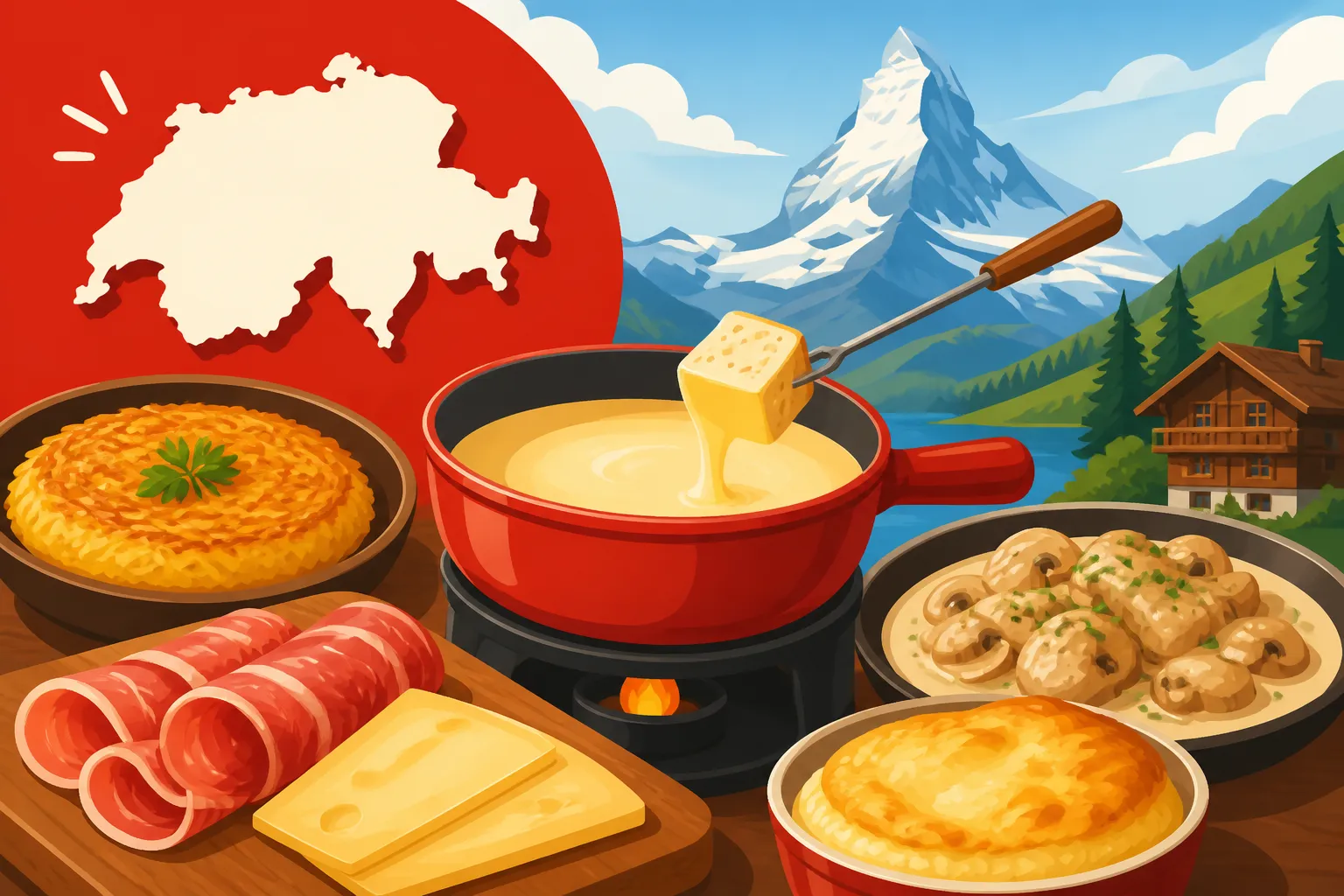
Ah, fondue. It’s not just a meal; it’s an event, a social ritual, and a definite must-try for any newcomer. Imagine a bubbling pot of melted cheese, usually a fragrant blend of Gruyère and Fribourg Vacherin (the famous Moitié-Moitié), infused with white wine, a touch of garlic, and a hint of kirsch. Your mission, should you choose to accept it, is to spear a piece of crusty bread onto a long fork and swirl it into the molten goodness. It's surprisingly easy to get hooked!
The beauty of fondue lies in its communal nature. Gathered around the pot, dipping and chatting, it’s a perfect way to spend a chilly evening. However, be warned: there are unwritten rules! The most infamous one? If you drop your bread into the pot, prepare for a playful forfeit. This could range from buying the next round of drinks, to kissing the person next to you, or even singing a song! It sounds silly, but it’s a cherished part of the tradition. I remember my first time at a cozy mountain hut in the Bernese Oberland; the pressure was real when my piece of bread went rogue! Everyone cheered when I (reluctantly) sang a terrible rendition of "Twinkle, Twinkle Little Star." But hey, it made for a memorable night and broke the ice instantly. And don't forget the crispy, slightly burnt cheese crust at the bottom, lovingly called the "religieuse" (nun) – it's often considered the best part, scraped out and shared at the end. For a deeper dive into the broader food culture, you might find our guide on Swiss Food and Drink Culture: Regional Specialties and Dining Etiquette helpful before your fondue adventure.
Raclette: The DIY Cheese Party
If fondue is the grand dame of Swiss cheese dishes, then raclette is its fun-loving, laid-back cousin. Instead of a single communal pot, raclette involves a special grill placed at the center of the table. Each person gets their own small, individual pan (called a coupelle) to melt slices of raclette cheese under a heating element. Once bubbly and golden, you scrape the melted cheese onto a plate filled with boiled potatoes, pickled gherkins, and pickled onions.
What I love about raclette is the sheer variety and personalization it offers. You can experiment with different types of raclette cheese – from plain to smoked, paprika-spiced, or even garlic-infused. The accompaniments often include various cold cuts like dried ham or Bündnerfleisch, creating a mini-feast with every round. It’s a bit like a choose-your-own-adventure meal! Hosting a raclette night is a fantastic way to entertain, and it’s surprisingly easy. Head to your local Coop or Migros, grab some Raclette du Valais (a classic choice), small potatoes, and a jar of pickles. You'll have everything you need for a truly authentic Swiss gathering. For more on shopping for these ingredients, check out our insights on Grocery Shopping: Coop, Migros, Aldi, Lidl, and Denner Compared.
Älplermagronen: Swiss Mac and Cheese
When you're craving something hearty and utterly comforting after a long day, or perhaps after a particularly strenuous hike in the Alps, look no further than Älplermagronen. Often described as the Swiss answer to mac and cheese, this dish is pure mountain fuel. It combines pasta (usually small elbow macaroni), potatoes, and melted cheese, all bound together with a touch of cream and, crucially, topped with crispy, caramelized onions.
But here’s the unexpected twist that makes Älplermagronen truly unique: it’s almost always served with a side of apple sauce (Apfelmus). Yes, you read that right – sweet apple sauce with savory cheese and pasta! Don't knock it till you've tried it; the sweet and tangy contrast is surprisingly delicious and cuts through the richness of the cheese. I vividly remember ordering Älplermagronen at a bustling mountain restaurant near Lucerne after an epic climb up Mount Pilatus. The warmth, the savory cheese, and that unexpected dollop of apple sauce truly hit the spot. It's the kind of simple, honest food that tells a story of alpine life and makes you feel right at home. If you're planning a trip to the mountains, knowing where to find these comforting dishes will be essential, so perhaps a look at Mountain Restaurants: Dining With a View could be helpful.
Hearty Staples from the Mountains and Plains
Beyond the glorious cheese dishes, Switzerland boasts a repertoire of substantial, satisfying meals that reflect its agricultural heritage and distinct regional flavors. These aren't just dishes; they're culinary cornerstones, each telling a story of the land and the people.
Rösti: The Crispy Potato Classic
Rösti is to Switzerland what hash browns are to an American breakfast, but oh so much more versatile and revered. Essentially, it's a dish of grated potatoes, pan-fried until golden brown and crispy on the outside, yet tender on the inside. While it originated as a farmer's breakfast in the Canton of Bern, it's now enjoyed across the country at any time of day, often as a side dish, but frequently as a main course with various toppings.
You’ll find countless variations. Some prefer it plain, seasoned only with salt and pepper. Others add bacon (Speck), onions, or even a fried egg on top. My favorite is a crispy Rösti topped with melted cheese, perhaps a strong Appenzeller. It’s comforting, unpretentious, and utterly delicious. The trick to a perfect Rösti is in the pre-boiling (or not, if you're feeling adventurous) of the potatoes and getting that magnificent crust. Trying a simple Rösti alongside a local sausage at a bustling market or as the perfect accompaniment to a creamy veal dish (more on that next!) is a quintessentially Swiss experience. These potatoes truly are a national treasure, and they form the base of many meals.
Zürcher Geschnetzeltes: Zurich's Creamy Veal Dish
If you find yourself in the vibrant city of Zurich and want to try a dish synonymous with the region, then Zürcher Geschnetzeltes is your answer. This elegant yet comforting meal consists of thinly sliced veal, sautéed with mushrooms, and bathed in a rich, creamy white wine sauce. It’s often prepared with a splash of cream and a hint of lemon, creating a delicate balance of flavors that’s truly exquisite.
Traditionally, Zürcher Geschnetzeltes is served with a generous portion of Rösti, making for a decadent and hearty meal. It's the kind of dish you’d order for a special occasion or a nice dinner out, especially in Zurich’s more traditional restaurants. I remember celebrating a friend's birthday at a classic Zurich restaurant, the rich aroma of the veal and mushrooms filling the air. It felt like a true taste of local refinement. Be prepared for a substantial plate, though; Swiss portions are often generous! You'll find that many restaurants across the country offer their take on this classic, a testament to its widespread popularity.
Berner Platte: A Feast of Meats and Sausages
For the truly carnivorous or those with a robust appetite, the Berner Platte is an unforgettable culinary adventure originating from the Canton of Bern. This monumental dish is less about subtlety and more about a joyous, overflowing celebration of cured and cooked meats. It’s said to have originated in 1798 when Bernese citizens celebrated a victory by laying out all their remaining provisions – mostly meats and sausages – onto a large platter.
Today, a typical Berner Platte features an astonishing array of different meats: beef, smoked pork, bacon, sausages (such as Zungenwurst or Rippli), often even beef tongue and pork trotters. These are usually served alongside boiled potatoes, sauerkraut, and green beans. It’s a truly massive meal, typically meant to be shared (or perhaps tackled as a personal challenge if you’re particularly hungry!). It's a testament to the hearty, traditional fare that sustained generations in the countryside. Don't expect to find it on every menu, but if you're in Bern, or a restaurant specializing in traditional Swiss cuisine, it's a sight to behold and a feast to devour. It's a real communal dish, often ordered by a group, and a wonderful way to experience a unique piece of Swiss history and culture through food.
Sweet Endings and Baked Goods
After all that savory goodness, it's only natural to crave something sweet. Swiss confectionery isn't just about chocolate (though that's a glorious chapter in itself!); it’s also about comforting breakfast staples and delightful pastries that tell a story of regional pride and home-baked traditions.
Birchermüesli: The Healthy Breakfast Staple
Before "superfoods" and "clean eating" became buzzwords, there was Birchermüesli. Invented around 1900 by Swiss physician and nutritionist Dr. Maximilian Bircher-Benner for his patients, this revolutionary dish predates modern breakfast cereals and remains a beloved, healthy staple. It typically consists of rolled oats soaked overnight (often in water, milk, or yogurt), grated apples, nuts, and condensed milk or honey.
Today, you’ll find countless variations, from pre-packaged versions in every supermarket (Coop and Migros have great fresh ones in their dairy sections) to elaborate homemade creations. It's often served with fresh berries, other fruits, and sometimes a sprinkle of cinnamon. It’s surprisingly filling, packed with nutrients, and a far cry from the sugary cereals we often associate with breakfast. I love grabbing a small pot of Birchermüesli from my local Migros on a busy morning; it's a quick, healthy, and genuinely Swiss way to start the day. It embodies a practical approach to nutrition that has been part of Swiss culture for over a century.
Nusstorte: The Nutty Graubünden Gem
Hailing from the stunning eastern canton of Graubünden, the Engadiner Nusstorte (Engadine Nut Tart) is a pastry that commands respect. It’s a rich, decadent tart made with a crumbly shortcrust pastry and a luscious filling of caramelized sugar, cream, and chopped walnuts. This isn't just any nut tart; it's the nut tart, deeply rooted in the culinary traditions of the Swiss Alps.
Each bite is a delightful explosion of sweet, buttery, and nutty flavors, with the walnuts providing a satisfying texture. It's surprisingly substantial and pairs perfectly with a strong cup of coffee or a warming tea. You'll often find it in bakeries throughout Graubünden, particularly in towns like St. Moritz or Scuol, sometimes individually wrapped. It makes for an excellent souvenir or a well-deserved treat after a day of exploring the alpine landscape. Whenever I travel through the Engadine valley, stopping for a slice of Nusstorte is a non-negotiable ritual. It’s truly a taste of alpine elegance.
Basler Läckerli and Pain d'épices
While Nusstorte comes from the high Alps, the city of Basel offers its own distinct sweet treat: the Basler Läckerli. These are traditional hard-spicy biscuits, similar to gingerbread, made with honey, candied fruit, almonds, and kirsch, often topped with a thin sugar glaze. They're typically cut into rectangles and are known for their unique chewy yet firm texture and fragrant spice blend.
The history of Läckerli dates back to the Middle Ages, initially made by local spice bakers. They are particularly popular around Christmas and other festive occasions, though you can find them year-round in specialty shops and bakeries in Basel. Similarly, Pain d'épices (French for "spice bread") is a type of gingerbread, popular in the French-speaking parts of Switzerland. Both are wonderful alongside a cup of tea or coffee, especially during the colder months. I always pick up a box of Basler Läckerli when visiting Basel's Christmas markets – they’re perfect for gifting, and let’s be honest, for sneaking a few yourself! It's these small, regional specialties that really add character to the Swiss culinary scene.
Regional Specialties and Everyday Delights
Beyond the headline acts of cheese, meat, and sweets, Switzerland offers a plethora of regional delights and everyday staples that are just as integral to its culinary identity. These are the snacks, the appetizers, and the everyday breads that define the casual dining experience.
Salsiz and Bündnerfleisch: Cured Meats
When it comes to cured meats, Switzerland holds its own against its European neighbors. Two standouts from Graubünden are Salsiz and Bündnerfleisch. Salsiz is a raw, air-dried sausage, often made from beef, pork, or a mixture, heavily seasoned and pressed into a square shape. It’s firm, intensely flavorful, and perfect for slicing thinly.
Bündnerfleisch, on the other hand, is arguably more famous: thin slices of air-dried beef, cured with salt and spices, then pressed and air-dried for several weeks or months in the clean mountain air of Graubünden. The result is a lean, ruby-red meat with a concentrated, savory flavor. Both are typically served thinly sliced as part of an Apéroplatte (appetizer platter) with bread, cheese, and a glass of local wine. They’re a wonderful introduction to the region's preserved culinary traditions. I often bring Bündnerfleisch as a treat for friends when visiting, and it’s always a hit. These cured meats are also common sights at local markets. If you're planning on experiencing the social side of Swiss life, you might want to read about Apéro Culture: Socializing with Coworkers After Work, where these meats often play a starring role.
Landjäger and Cervelat: Ubiquitous Sausages
The Swiss love their sausages, and two in particular are practically national icons. The Landjäger is a semi-dried sausage, often square or rectangular in shape, made from beef, pork, and bacon. It's robust, flavorful, and incredibly convenient – perfect for carrying in your backpack on a hike as a quick, energizing snack. Its name literally means "country hunter," reflecting its utility for outdoor pursuits.
The Cervelat, however, is arguably the Swiss sausage. Often referred to as the national sausage, it's a plump, slightly smoked sausage typically made from beef, pork, and bacon rind. It's incredibly versatile: grilled over an open fire (often sliced at the ends so it curls up like a butterfly), boiled, or even eaten raw and cold in a "Wurstsalat" (sausage salad). You’ll see them everywhere, from supermarket meat counters to Bratwurststands at festivals. Grilling a Cervelat over a campfire in the mountains is a quintessential Swiss experience, especially for families enjoying the outdoors. If you're curious about finding a good local butcher or specialty stores for these, consider browsing through Regional Swiss Cheeses: Gruyère, Emmental, Appenzeller, and More as many of these shops will also carry a good selection of cured meats.
Zopf: The Braided Sunday Bread
While the French have their croissants and the Italians their focaccia, the Swiss have Zopf. This beautifully braided bread, whose name literally means "braid," is a staple of Swiss Sunday mornings. Made from a rich, yeasted dough with butter and milk, it’s golden brown, incredibly soft, and slightly sweet. Its distinctive braided shape makes it instantly recognizable.
The tradition of Zopf on Sunday is deeply ingrained in Swiss culture. Families often enjoy it for breakfast or brunch, spread with butter, jam, or honey. The aroma of freshly baked Zopf wafting from bakeries on a Sunday morning is one of those simple pleasures that truly make you feel settled here. While you can certainly make it at home (many Swiss households have their own cherished Zopf recipes), picking one up from a local bakery is a delightful weekend ritual. It perfectly embodies the comforting, homely side of Swiss cuisine. For more on Swiss baked goods, our article on Swiss Bakery Culture: Gipfeli, Zopf, and Regional Breads offers additional insights.
Traditional Swiss Dishes to Try
Here's a quick overview of some of the traditional Swiss dishes you absolutely must try:
| Dish Name | Main Ingredients | Region of Origin | Best Enjoyed With | Notes |
|---|---|---|---|---|
| Fondue | Melted cheese (Gruyère, Vacherin), white wine, kirsch, bread | Western/Central Switzerland | White wine, tea, good company | Communal, playful forfeits for dropped bread |
| Raclette | Melted raclette cheese, potatoes, pickles, onions | Valais | White wine, simple salad | Interactive, customizable |
| Älplermagronen | Pasta, potatoes, cheese, cream, caramelized onions, apple sauce | Alpine Regions | Hearty appetite, after a hike | Surprising sweet-savory combo with apple sauce |
| Rösti | Grated pan-fried potatoes | Bern | As a side, or topped with cheese/egg/bacon | Crispy, versatile, golden perfection |
| Zürcher Geschnetzeltes | Thinly sliced veal, mushrooms, cream sauce, white wine | Zurich | With Rösti, a glass of white wine | Elegant, creamy, typically a main course |
| Berner Platte | Assortment of cooked and cured meats, sauerkraut, potatoes | Bern | Large group, a big hunger | A carnivorous feast, very substantial |
| Birchermüesli | Oats, grated apple, nuts, condensed milk/yogurt | Zurich | Breakfast or light snack | Healthy, refreshing, original "superfood" |
| Nusstorte | Shortcrust pastry, caramelized sugar, walnuts | Graubünden | Coffee or tea | Rich, nutty, perfect treat |
| Basler Läckerli | Honey, candied fruit, almonds, kirsch, spices | Basel | Tea, coffee, especially festive season | Chewy, spicy, iconic Basel biscuit |
| Salsiz | Air-dried beef/pork sausage | Graubünden | As part of an Apéro, with bread | Firm, savory, perfect for slicing |
| Bündnerfleisch | Air-dried beef | Graubünden | Thinly sliced, with bread | Lean, savory, elegant cured meat |
| Cervelat | Smoked beef/pork sausage | National | Grilled, boiled, or in Wurstsalat | The "national sausage," incredibly versatile |
| Zopf | Braided milk bread | National | Sunday breakfast, with butter and jam | Soft, rich, a weekend tradition |
Disclaimer
The information provided in this guide is for general informational purposes only and does not constitute professional advice. While we strive to offer accurate and up-to-date content, culinary traditions and dining experiences can vary. Always exercise caution and consult local sources or experts for specific dietary requirements, allergies, or restaurant recommendations. Prices, availability, and specific recipes may also change.