Tracking Your SEM Visa Application Status Online: Is It Possible?
Waiting for a Swiss visa feels like shouting into a void and hoping for an echo. I remember vividly when I applied for my first residency permit; I spent four months checking my physical mailbox every single afternoon like a hawk, convinced my paperwork had been lost in some Alpine crevice. This guide finally answers whether you can track your SEM application online and how to navigate the silence.
The Reality of Online Tracking for Swiss Visa Applications
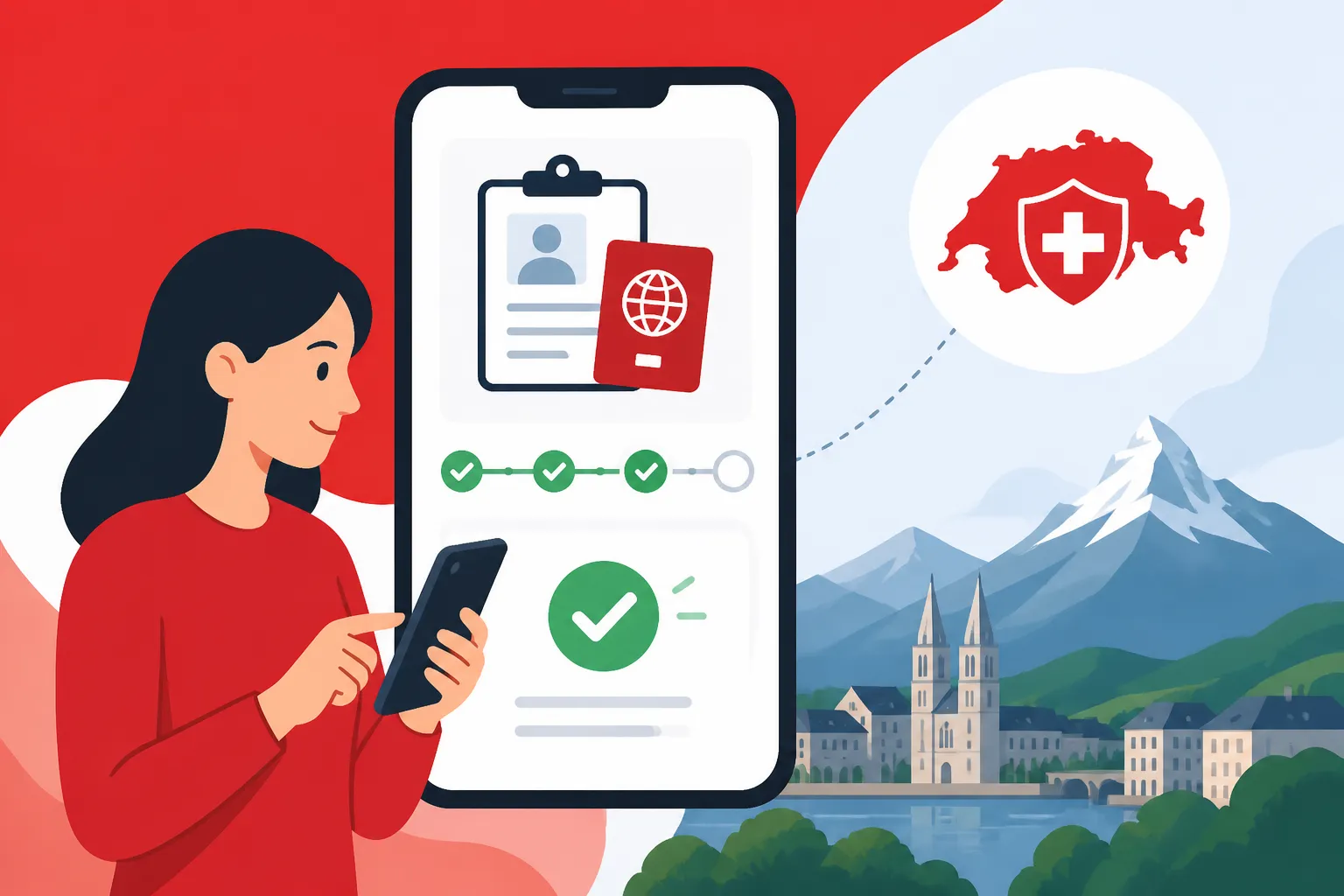
If you are coming from a country with a highly centralized, digital-first immigration system, the Swiss approach might come as a bit of a shock. The short answer to the question of whether there is a universal, real-time online tracking portal for the State Secretariat for Migration (SEM) is: No. Switzerland does not currently offer a public-facing website where you can simply input a reference number and see a progress bar move from "Received" to "Approved." This lack of transparency is one of the biggest culture shocks for new arrivals.
The reason for this isn't just a love for tradition; it is rooted in the Swiss federalist structure. Your application isn't just being handled by one office in Bern. It moves through a complex, three-tier system: the commune (local level), the canton (regional level), and finally the SEM (federal level). Because each canton operates with its own specific IT infrastructure and internal workflows, a single, unified national portal remains a logistical challenge that the Swiss authorities have yet to implement for the general public in 2026.
The Role of Cantonal vs Federal Authorities
To understand why you can't just "track it," you have to understand who actually has your file. In the vast majority of cases, your primary point of contact isn't the SEM in Bern, but the Kantonale Migrationsamt (Cantonal Migration Office) of the canton where you intend to live. For example, if you are moving to Zurich, the Zurich Migration Office handles the heavy lifting of the background checks and initial approval. Only after they are satisfied do they forward the recommendation to the SEM for the final federal stamp of approval.
This decentralized nature means that your "status" is often a moving target. If you call the SEM, they might tell you they haven't received anything yet, simply because the file is still sitting on a desk in Geneva or Lausanne. Conversely, the canton might say they’ve finished their part, but the "federal check" is what’s taking time. This back-and-forth is standard, but it makes Swiss Visas and Work Permits: The Complete 2027 Guide for Expats a necessary read to understand the stages of the journey.
The ZEMIS Number and Internal Tracking
While you don’t have a public login, every applicant is assigned a ZEMIS number (Central Migration Information System). This is a unique ten-digit identifier that follows you throughout your life in Switzerland. While you cannot use this number to log into a website and see your status, this is the "key" that officials use to look you up in the national database.
If you ever find yourself in a position where you must call an office for an update, having your ZEMIS number ready—if it has been provided to you in any preliminary correspondence—will save you twenty minutes of spelling your name over the phone. However, be aware that EU/EFTA vs Third-Country Nationals: Immigration Differences in Switzerland dictates how long these offices will actually spend talking to you; third-country national applications are often under much stricter scrutiny and take significantly longer.
Effective Ways to Check Your Status Without a Direct Link
Since there is no "Refresh" button on a website, you have to be more proactive—but also more patient—than you might expect. The Swiss system is built on the assumption that if they need something from you, they will ask. If they aren't asking, it’s because the process is moving at its own (often glacial) pace. However, there are professional ways to check in without becoming a nuisance to the bureaucrats holding your future in their hands.
The first rule of thumb is to wait at least 8 to 12 weeks before making your first inquiry. If you are applying for The Swiss B Permit: Eligibility, Renewal, and Restrictions, the process involves labor market checks and cantonal quotas. Checking in after three weeks will only result in a polite but firm "it's in progress" email. When you do decide to reach out, always start with the cantonal office, not the SEM.
Communicating with the Cantonal Migration Office
The most effective way to get an update is through a written inquiry to the Migration Office of your specific canton. Most cantons, such as Zurich or Vaud, prefer email over phone calls for status updates. When you write to them, brevity is your best friend. Include your full name, date of birth, nationality, and the date you submitted your application.
If your application involves Family Reunification: Bringing Your Spouse and Children to Switzerland, mention the names of all family members involved. Sometimes, files can get slightly separated in the workflow, and a quick email can ensure they are being processed as a bundle. Remember to keep your tone extremely professional. In Switzerland, the person reading your email often has a significant amount of discretionary power. Being the "annoying" applicant never helps your case.
Understanding the SEM Processing Timelines
The SEM usually only steps in at the very end of the process. For many standard permits, their "final check" is a formality that takes 2 to 4 weeks. However, for more complex cases—like specialized work permits or hardship cases—the SEM might conduct its own independent review, which can add months to the timeline.
If the canton tells you the file has been "forwarded to Bern," that is usually a very good sign. It means the canton has approved you, and they are just waiting for the federal government to ensure there are no national security or quota issues. During this waiting period, it is a great time to ensure your other paperwork is in order, such as Language Requirements for Swiss Permits: A1 to B2 Standards Explained, as you may need to present these once your permit is ready for collection.
Key Documentation and Contacts for Tracking
To make the tracking process easier, you should maintain a "shadow file" of everything you submitted. If you find that the authorities are silent because a document was missing or unclear, having your copies ready to re-send instantly is vital. This is especially true for translated documents. Using a professional service like RushTranslate ensures that your birth certificates or marriage licenses meet the strict Swiss standards for certified translations, which prevents "status: pending" stalls caused by poor-quality paperwork.
Furthermore, many expats forget that their insurance status is often checked during the later stages of permit approval. Having a plan through Cigna Global can provide the necessary proof of coverage required for many long-stay visas before you are integrated into the local cantonal system. Once you arrive, you will eventually transition, but having that initial proof can prevent administrative delays.
Essential Items for Your Status Inquiry
When you finally decide to send that "Where is my visa?" email, make sure you have the following data points clearly listed at the top of your message. This allows the administrative assistant to find your digital file in seconds rather than minutes.
| Information Category | Why It Is Needed |
|---|---|
| Personal ID Number | If you have a ZEMIS or dossier number from a previous visit or letter. |
| Application Date | Helps them track which "batch" of mail your file is likely in. |
| Canton of Residence | Confirms they are actually the office responsible for you. |
| Employer Name | Crucial for work-related B or L permit tracking. |
| Passport Number | The ultimate fallback for identity verification in the system. |
Contact Directory for Major Cantonal Offices
Each canton has its own way of working. While you can't track online, their websites often have a contact form specifically for "Status of Application."
- Zurich (Migratioffice): Known for being efficient but very strict with timelines. Use their online contact form rather than calling.
- Geneva (OCPM): Often has the longest wait times. They have an e-portal, but it is primarily for residents already holding a permit, not for initial applicants.
- Vaud (SPOP): Generally responsive to emails in French. If you don't speak French, use a clear translation.
- Basel-Stadt: One of the most expat-friendly offices; they often respond to English inquiries relatively quickly.
Navigating Delays and Red Flags
What if you have waited four months and the canton says they have no record of your file? This is the nightmare scenario, but it usually has a logical explanation. Sometimes the "missing" file is actually stuck at the Swiss embassy or consulate in your home country. The physical transport of dossiers from an embassy to Bern, and then from Bern to the canton, can sometimes take weeks.
If you encounter a genuine roadblock, it might be time to look into Dealing with Permit Denials and the SEM Appeal Process. However, don't jump to conclusions. A delay doesn't mean a denial. It usually just means a backlog. In major cities like Zurich or Geneva, a sudden influx of applications (like at the start of a university semester) can add 6 weeks to the standard wait time.
Ensuring Your Paperwork is Compliant
A common reason for a "silent" delay is that the office is waiting for a corrected document but hasn't sent the request letter yet. This is where being proactive helps. Did you provide a high-quality scan of your university degree? Was your marriage certificate translated by a recognized provider like RushTranslate? If you suspect a document was borderline, you can proactively send a better version to the cantonal office email, referencing your file number.
Additionally, make sure your address is correct. The Swiss authorities communicate almost exclusively through "A-Post" physical mail. If your name isn't clearly on the mailbox of your temporary accommodation, the postman will return the permit notification to the office, and your application will sit in a "returned to sender" pile for weeks. Once you actually get your permit, remember The 14-Day Registration Rule: Signing Up at the Gemeinde/Commune to finalize your legal status.
When to Worry (and When to Wait)
If you are a Third-Country National and you are at the 5-month mark with no news, it is reasonable to request a formal update. If you are an EU citizen, the process is usually much faster, and 8 weeks is the point where a polite nudge is acceptable.
Always remember that once you arrive in Switzerland on an approved visa, you are still in a "waiting" phase for the physical plastic card. You will need to present your entry visa at the local office to trigger the biometrics appointment. During this transition, understanding Healthcare in Switzerland for Expats: The Complete System Overview (2027) is vital, as your obligation to have insurance starts the moment you register, even if your physical permit hasn't arrived yet. Cigna Global is a frequent choice for expats during this "limbo" period to ensure they are never without coverage while the Swiss wheels of bureaucracy turn.
Frequently Asked Questions
Can I see my visa status on the Swiss embassy website?
No. Swiss embassies and consulates generally act as "mailrooms" and interview hubs. Once they send your application to Switzerland, they often have no more visibility into the process than you do until the final decision is sent back to them.
Is there an app for Swiss immigration?
There is no official SEM app for tracking applications. Be wary of third-party apps that claim to track your status, as these are often phishing attempts or simple "estimate" calculators that have no connection to the actual government database.
What is the 'Ermächtigung zur Visumerteilung'?
This is the "Golden Ticket." It is a document sent by the canton to the embassy (and a copy to you) stating that your visa is authorized. Once you have this, the "tracking" part is over—you just need to take your passport to the embassy to get the sticker.
Disclaimer
The information provided in this guide is for educational and informational purposes only and does not constitute legal advice. Immigration laws and SEM procedures in Switzerland are subject to change, and individual cantonal requirements may vary significantly. Always verify current regulations with the official State Secretariat for Migration or consult with a qualified Swiss immigration attorney before making relocation decisions.