Swiss Birthday and Celebration Customs to Know
One of the trickiest things about settling into a new country like Switzerland is figuring out the unwritten rules of social engagement, especially when it comes to celebrating life's big (and small) moments. You might find yourself scratching your head, wondering if you should bring a gift, what to say, or even who's picking up the tab for a birthday celebration. This guide is here to unravel those charmingly peculiar Swiss birthday and celebration customs, helping you navigate everything from a casual Apéro to a grand cantonal festival without a single awkward moment.
The Subtle Art of Swiss Birthday Etiquette
Ah, birthdays in Switzerland! If you're coming from a culture where everyone showers the birthday person with gifts and treats them like royalty for the day, prepare for a delightful, albeit sometimes confusing, plot twist. The Swiss approach to birthdays is often rooted in practicality, community, and a wonderful sense of understated generosity, but it can feel completely upside down to a newcomer.
Who Pays for Whom: The Swiss Birthday Paradox
Let's cut right to the chase with one of the biggest culture shocks for many expats: in Switzerland, the person whose birthday it is often pays for the celebration. Yes, you read that right. Imagine it: you're invited to a friend's birthday dinner, you show up with a thoughtful gift, ready to spoil them, only to find out they've arranged and paid for everything. This isn't a hard-and-fast rule for every situation, mind you, but it's a common and deeply ingrained tradition, especially among Swiss German speakers. It's their way of showing gratitude for your presence and celebrating with you, rather than being celebrated by you in the traditional sense.
This can lead to some truly baffling situations. I remember my first Swiss birthday invitation; I showed up at the restaurant, gift in hand, only to watch the birthday boy insist on paying the entire bill for ten people. My American brain was short-circuiting! It felt counterintuitive, almost rude to let him, but resisting too much would have been even ruder. The best approach is usually to accept gracefully, maybe insist on buying the next round of drinks, or make a mental note to reciprocate generously when it's your turn. It’s less about a financial burden and more about the gesture of hospitality.
Now, this doesn't mean you should never offer to pay. If you're very close friends or it's a smaller, informal gathering, an offer might be genuinely appreciated or even accepted, especially if the birthday person is trying to be modest. But always be prepared for the polite but firm refusal, and don't push it too hard. It's part of their graciousness. For children's parties, parents usually cover all costs for the invited kids, making sure everyone has a good time without their guests incurring expenses.
When and How to Congratulate: Timeliness and Formality
Swiss culture values punctuality and order, and this extends to birthday wishes. It's generally expected that you congratulate someone on their actual birthday, not a day before or a day after. Sending wishes too early can even be seen as bad luck or presumptive. If you miss the day, a polite "Happy belated birthday" is fine, but it's best to mark your calendar!
The formality of your congratulations often depends on your relationship with the person. For close friends and family, a personal call, an in-person hug, or a WhatsApp message (often with a charming "Happy Birthday" GIF, because even the Swiss embrace digital fun!) is perfect. For colleagues or acquaintances, a simple email or a quick "Herzliche Gratulation zum Geburtstag!" (German) or "Joyeux Anniversaire!" (French) is sufficient. Remember to use the appropriate form of address – "Du" for close friends and family, and "Sie" for formal acquaintances or superiors, unless they explicitly invite you to use "Du."
A physical card is still very much appreciated, especially for older generations or if you're attending a larger celebration. These cards are usually simple, often heartfelt, and typically delivered on the day itself or brought to the celebration. Don't expect elaborate, glitter-bombed cards; understated elegance often reigns supreme here. If you know someone's birthday is coming up and you’re traveling, consider getting a thoughtful card and writing your wishes before you go.
Gift-Giving in Switzerland: Practicality Over Extravagance
When it comes to gifts, the Swiss generally lean towards practicality and quality over flashy extravagance. While a thoughtful, personal gift is always cherished, there's a strong preference for things that are useful, well-made, or contribute to a shared experience. This can be a bit of a departure if you're used to more lavish or purely sentimental gifting in your home country.
For adults, common gifts might include high-quality gourmet foods, a nice bottle of wine from a specific Swiss region (perhaps a Lavaux vintage if you know they appreciate it), books, or a gift voucher for a specific store or experience. Often, for bigger milestones or if the person has expressed a particular need (like a new kitchen gadget or a contribution to a vacation fund), a Sammelgeschenk (group gift) is organized. This is incredibly common and highly effective – everyone contributes a smaller amount, and a more substantial, often desired, gift is purchased collectively. This avoids multiple small, potentially unwanted gifts and ensures the recipient gets something truly valuable.
For children, gifts are usually toys, books, or clothing. Again, practicality often wins. Don't feel pressured to buy the most expensive item; something age-appropriate and engaging is perfect. It's also fairly common for children's parties to have a modest budget, and simple, joyful activities are often prioritized over expensive presents. When deciding what to get, think about whether it's something they can genuinely use or enjoy. Trying to find inspiration? Consider the local Swiss Food and Drink Culture: Regional Specialties and Dining Etiquette, as a local cheese or fine chocolate is always a safe bet.
Beyond Birthdays: Navigating Common Swiss Social Celebrations
Swiss social life isn't just about birthdays. There are many other occasions for celebration, from casual get-togethers to significant life milestones and grand public festivals. Each has its own rhythm and unspoken rules that expats eventually learn to appreciate.
Apéro Culture: More Than Just a Drink
The Apéro is a cornerstone of Swiss social life, whether it's an informal gathering among friends, a pre-dinner drink, or a corporate networking event. It’s an opportunity to relax, chat, and enjoy some light refreshments before the main event or as an event in itself. Typically, an Apéro involves drinks (wine, beer, non-alcoholic options) and simple finger foods like crisps, nuts, olives, small pastries, or mini-sandwiches. It's a fantastic, low-pressure way to socialize and connect.
What makes the Apéro unique is its flexibility and importance. It can be a short 30-minute affair after work, or it can stretch into a couple of hours, gradually turning into a light dinner. If you're invited to an Apéro, it’s usually not expected that you bring a substantial gift, but a small token like a nice bottle of wine or some artisanal snacks is a thoughtful gesture. Being punctual is, as always, appreciated. For more insights on this lovely tradition, you might want to read up on Apéro Culture: Socializing with Coworkers After Work. Understanding the subtle cues of an Apéro is key to feeling comfortable in Swiss social settings.
Milestone Anniversaries and Public Celebrations
Milestone birthdays (e.g., 50th, 60th, 80th) and anniversaries are often celebrated with more fanfare than regular birthdays. These might involve larger gatherings, perhaps even rented venues, catering, and more formal invitations. For these events, a group gift or a generous contribution towards a travel voucher or a significant experience is very common. Similarly, weddings are significant family events, often featuring traditional ceremonies, a Polterabend (a German-speaking tradition similar to a stag/hen party, often involving breaking old dishes for good luck), and a festive reception. Wedding gifts, too, tend to be practical, often contributions to a honeymoon fund or items from a registry at a local homeware store.
Beyond personal milestones, Switzerland observes several public holidays that bring communities together. The most prominent is Swiss National Day on August 1st, celebrated with fireworks, bonfires, and communal meals across the country. Towns and villages host events, and many families have barbecues. It's a wonderful time to experience Swiss patriotism in a relaxed, friendly atmosphere. For ideas on how to join in, check out How to Celebrate Swiss National Day as a Newcomer. You'll find lots of guidance on where to go and what to expect during these vibrant national festivities.
Other public holidays vary by canton, so it's always good to be aware of the local calendar. Some cantons have specific holidays for religious observances, and these are often quieter, family-focused days. For a comprehensive overview, understanding Public Holidays in Switzerland: National and Cantonal Days Off is crucial for planning your social calendar.
Children's Parties: Simplicity and Outdoor Fun
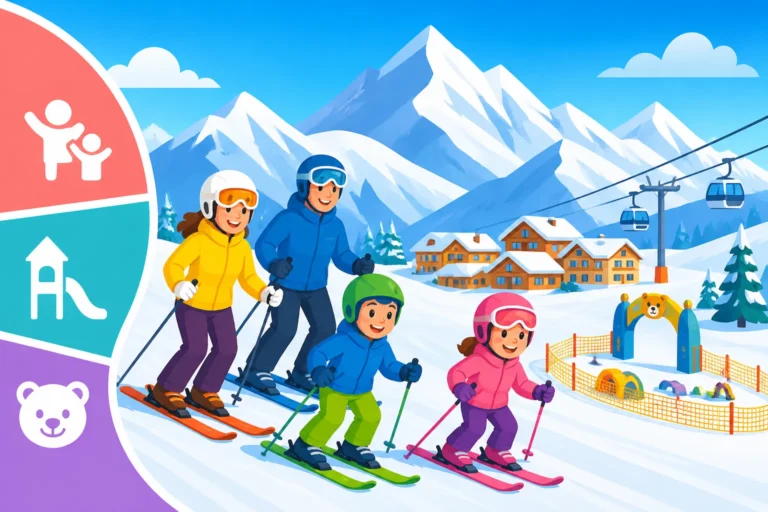
Children's birthday parties in Switzerland are typically more understated than in some other cultures. While they are certainly joyful and exciting for the kids, they often emphasize simple fun, outdoor activities, and time with friends rather than elaborate themes or costly entertainment. Many parties take place at home, in a local park, or at a community center. Popular activities include treasure hunts, games, and outdoor play.
Parents usually send out invitations well in advance, and a prompt RSVP is always expected and appreciated for planning purposes. Party bags (goodie bags) are not as ubiquitous or elaborate as in some countries; sometimes a small sweet or a simple craft item might be given out, but it's far from a strict expectation. The focus is truly on the children having a good time together. If you're looking for venues or ideas for your child's party, local community centers or even places like a local farm (often offering children's party packages) are popular choices.
The Cultural Tapestry of Swiss Festivities: Regional Flavors and Integration
Switzerland is a country of four official languages and myriad cultural nuances. This diversity is beautifully reflected in its celebration customs, which can vary significantly from one canton to another, or even between villages just a few kilometers apart. As an expat, delving into these regional specificities is a fantastic way to truly integrate and understand the local heartbeat.
Language Regions and Cultural Variation
The linguistic divide in Switzerland—German, French, Italian, and Romansh—isn't just about different words; it's about subtle shifts in culture, temperament, and celebration styles. In German-speaking Switzerland, particularly in the larger cities like Zurich or Basel, there's often a pragmatic, organized approach to celebrations. While warm, they might appear a bit more reserved to outsiders. The "birthday person pays" tradition is strongest here, and group gifts are very common. Punctuality is almost an art form.
Head west to the French-speaking Romandie (Geneva, Lausanne, Montreux), and you might find a slightly more outwardly effusive and perhaps a touch more relaxed atmosphere. The Apéro is still king, but conversations might flow more freely, and there's a certain French flair to social interactions. The "birthday person pays" tradition isn't as universally strict here, though it's still good to be prepared. Meanwhile, down in the Italian-speaking Ticino, you'll encounter a warmth and expressiveness reminiscent of Italy, with family and food taking center stage in celebrations. Festivals often have a strong community and religious undertone. To get a grasp of these differences, exploring the Swiss Cities Guide: Zurich, Geneva, Basel, Bern, and Beyond can provide valuable context on local flavors.
Understanding these regional differences is less about strict rules and more about subtle observations. Don't be afraid to ask a trusted local friend or colleague about customs in their specific area. They'll appreciate your interest in their culture.
Joining Local Vereine (Clubs) and Community Events
One of the absolute best ways to understand and participate in Swiss celebration culture is by joining local Vereine (clubs or associations). The Swiss are masters of organized leisure, and these clubs are the lifeblood of community spirit, from sports clubs and singing groups to hiking associations and cultural societies. Many local celebrations, be it a village festival or a seasonal market, are organized and run by these Vereine.
Becoming a member of a local club immediately opens doors to a ready-made social network and countless opportunities to participate in local customs. You'll find yourself invited to club dinners, annual general meetings (which are often followed by a social gathering!), and volunteer opportunities that are celebrations in themselves. This direct involvement is an unparalleled way to gain insights into local traditions and build genuine connections. It’s integration on a grassroots level, where you truly feel part of the fabric of Swiss life. If you're keen to get involved, learning more about Volunteering and Local Clubs (Vereine): The Best Way to Meet Swiss People is an excellent first step.
Participating in Traditional Festivals
Switzerland is rich in traditional festivals that offer a vibrant display of its cultural heritage. These aren't just for tourists; they are deeply meaningful community events that the Swiss participate in with gusto. Getting involved, even as an observer, is a fantastic way to experience the local spirit.
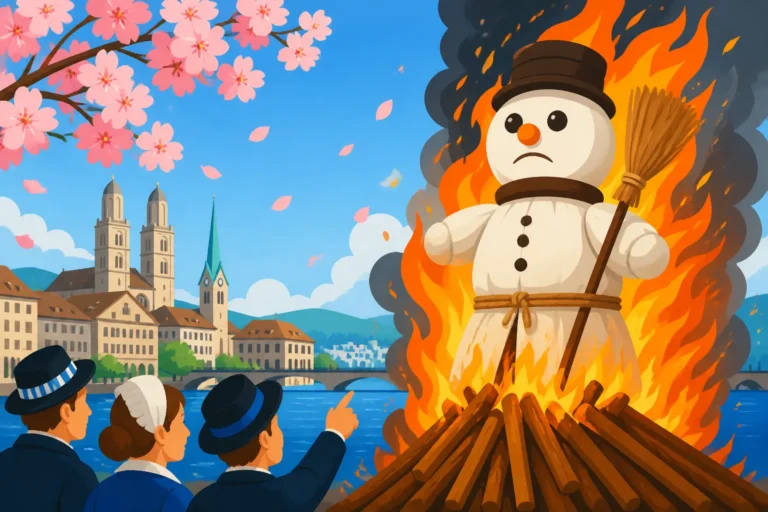
Take Basel's Fasnacht, for example, a three-day pre-Lent carnival that transforms the city into a riot of music, masks, and confetti. It's unlike anything else, and while participation is very specific, being there is an experience in itself. Similarly, Zurich's Sechseläuten, where a giant snowman figure (the Böögg) is burned to predict the summer weather, is a massive spring festival that combines historical guilds, parades, and a huge communal feast.
These events are often steeped in centuries of tradition and local pride. Attending them gives you a unique window into Swiss history and community values. While you might not immediately understand every symbolic gesture, the sheer atmosphere and collective joy are infectious. You can often find tour operators on platforms like GetYourGuide that offer guided experiences to some of these larger festivals, providing context and helping you navigate the crowds. For deeper dives into these specific celebrations, check out Fasnacht Carnival: Basel and Lucerne's Wild Pre-Lent Festivals and Sechseläuten: Zurich's Spring Festival and the Burning Böögg. These local festivities truly highlight the heart of Switzerland.
Your Expat Playbook: Embracing and Enjoying Swiss Celebrations
Navigating new social customs can be daunting, but with a little preparation and an open mind, you'll soon be celebrating like a seasoned local. Here are a few practical tips to help you embrace Swiss celebrations.
When in Doubt, Ask!
This might sound simple, but it's truly the most effective advice. If you're unsure about who pays, what kind of gift to bring, or the appropriate attire for an event, don't hesitate to politely ask a trusted Swiss friend or colleague. Most Swiss people appreciate the effort you're making to understand their culture and will be happy to guide you. It shows respect and a willingness to integrate, which goes a long way.
You could phrase it gently: "I'm still learning about Swiss customs, and I want to make sure I do things correctly. For [event], what's the typical expectation regarding payment/gifts/dress code?" This open communication avoids potential awkwardness and builds stronger relationships. Remember, no one expects you to know everything immediately; it's a journey of learning.
The Art of the RSVP
The Swiss are meticulous planners, and this extends to social events. When you receive an invitation, whether it's for a birthday, an Apéro, or a dinner party, respond promptly. An RSVP is not a suggestion; it's an expectation. Providing a clear "yes" or "no" by the requested date (or even before) allows the host to finalize their arrangements without stress.
If your plans are uncertain, communicate that, but try to give a definitive answer as soon as possible. Last-minute cancellations or no-shows are generally frowned upon, as they disrupt careful planning. This also ties into general Swiss Customs and Etiquette: Social Norms Every Newcomer Should Know, where reliability and consideration for others' time are highly valued. So, mark those dates in your calendar and reply with confidence!
Leveraging Online Resources and Expat Networks
You are not alone in figuring all this out! The expat community in Switzerland is vast and incredibly supportive. Online forums, local expat Facebook groups, and community platforms are treasure troves of advice and shared experiences. Someone has almost certainly asked the same question you have about Swiss celebration customs, and you can learn from their insights.
These groups are also fantastic for finding out about local events, smaller festivals, or even informal meetups where you can practice your newly acquired Swiss social skills. Many expats organize their own celebrations, blending traditions from their home countries with Swiss customs, creating a wonderful hybrid experience. If you're looking to attend a regional festival or visit another city for a celebration, consider using platforms like Omio to book your train tickets or Booking.com for accommodation. This can make planning a weekend away to experience a cantonal holiday much smoother.
Here's a quick overview of typical birthday customs in Switzerland:
| Aspect | Common Swiss Custom (German-speaking) | Common Swiss Custom (French-speaking) | Common Expat Home Country Custom (e.g., North America/UK) |
|---|---|---|---|
| Who Pays? | Birthday person often pays for guests. | Birthday person often pays, but less strictly enforced. | Guests typically pay for themselves or treat the birthday person. |
| Gift Type? | Practical, high-quality, group gifts are common (Sammelgeschenk). | Thoughtful, often personalized, can be practical or sentimental. | Varied, can be sentimental, extravagant, or experiences. |
| When to Congratulate? | On the actual day; avoid wishing too early. | On the actual day is preferred. | On the day, but slightly early/late is generally acceptable. |
| Formality? | Punctual, precise, often understated in expression. | Warm, perhaps slightly more effusive, but still polite. | Casual, expressive, varying greatly by relationship. |
| RSVP? | Essential and expected promptly. | Essential and expected promptly. | Expected, but sometimes less strictly adhered to. |
| Apéro? | Integral part of social events, often host-provided drinks & snacks. | Highly common, often more relaxed and extends longer. | Less common as a distinct event, more informal pre-meal drinks. |
Remember that these are general guidelines, and individual preferences always vary. The key is to be observant, respectful, and willing to learn. The Swiss are generally very understanding of foreigners trying to adapt, and your efforts to engage with their customs will be genuinely appreciated. Enjoy the rich tapestry of Swiss celebrations!
Disclaimer
The information provided in this guide is for general informational purposes only and does not constitute professional advice. While we strive to keep the information up-to-date and correct, customs and regulations can change, and individual experiences may vary. Always consult with local residents, official sources, or relevant experts for specific advice pertaining to your situation. We assume no responsibility for any decisions made based on the information provided herein.