Understanding the ETIAS Implementation for Travelers to Switzerland
We have all been there: you finally convince your parents to fly over to Zurich, you have booked the fondue tram, and then you realize there is a massive new digital hurdle to clear. I remember the stress of my first year here, trying to decipher which rules applied to my visiting cousins and which were just internet rumors. This guide solves the confusion surrounding the ETIAS rollout, ensuring your visitors actually make it past the boarding gate.
The Reality of the New European Travel Authorization
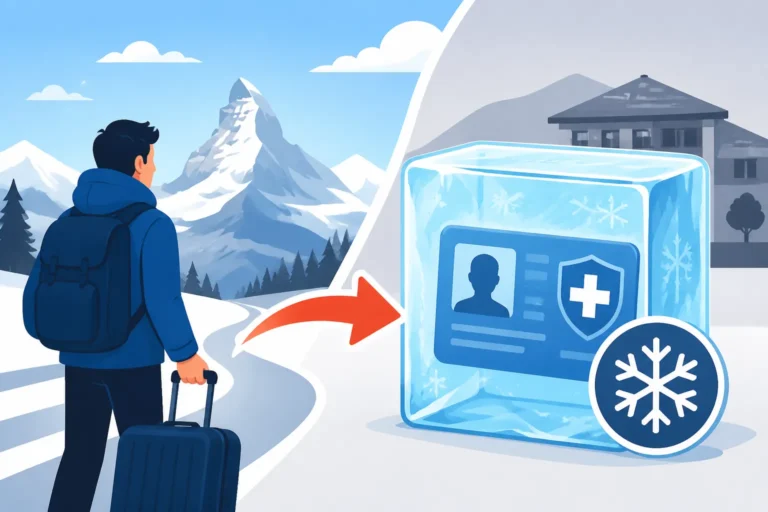
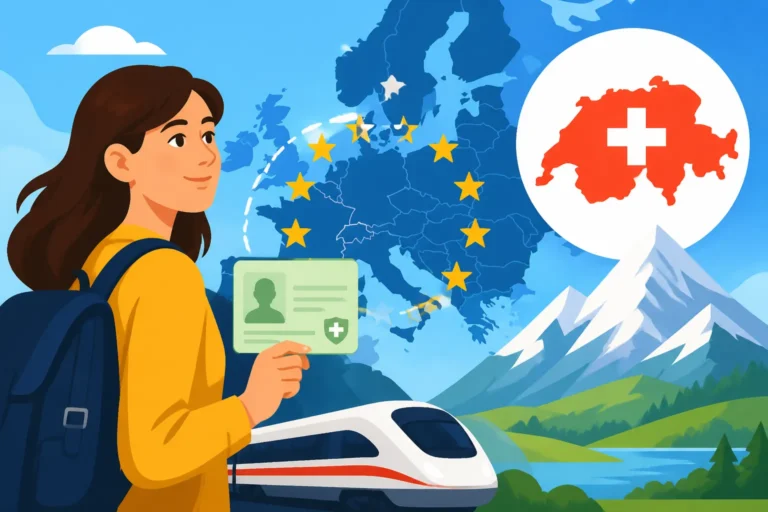
If you have lived in Switzerland for any length of time, you know that the "Swiss way" involves a lot of paperwork and even more precision. While Switzerland is not in the European Union, it is a core member of the Schengen Area. This means when the rest of Europe changes its border protocols, Switzerland follows suit. The European Travel Information and Authorisation System, or ETIAS, is the biggest shift in tourist travel we have seen in decades. It is not a visa in the traditional sense, but if your visitors forget it, the airline will not even let them board their flight to Geneva or Zurich.
For those of us hosting friends and family, this adds another layer to our "welcome to Switzerland" checklist. In the past, a US or UK passport was a golden ticket for a quick 90-day visit. Now, that process is becoming digitized. It is a security measure designed to track who is entering the Schengen zone before they arrive at the border. Think of it as an electronic "heads up" to the Swiss authorities.
If your guests are coming from a country that currently enjoys visa-free travel, like Canada, Australia, or the United States, they are the ones who need to pay attention. For those who already require a formal visa, the process remains different. You can learn more about those specifics in our guide on Schengen Visa (Type C): Tourist and Short-Business Rules for TCNs. ETIAS is strictly for those who used to just show up with a passport and a smile.
Who Exactly Needs ETIAS for Switzerland
The list of countries affected by ETIAS is long, covering over 60 nations. The most significant impact for many expats here will be on visitors from the UK, the US, and Singapore. Since Brexit, our friends from the UK have had to navigate a changing landscape, and ETIAS is the final piece of that puzzle. It is important to communicate to your guests that this is a mandatory requirement, not a suggestion.
The authorization is linked to the traveler’s passport. This is where things get tricky. If a guest’s passport is nearing its expiration date, they should ideally renew it before applying for ETIAS. The authorization is valid for three years, or until the passport expires, whichever comes first. If they get a new passport, they need a new ETIAS. It is a simple "one-to-one" link.
Many people ask, Do I Need a Visa to Enter Switzerland if I Hold a US Passport? and the answer used to be a simple "no." In 2026, the answer is "no, but you need an ETIAS." It is a subtle distinction that can cause a lot of grief at the airport. To help clarify the differences between the current requirements and the new system, see the comparison table below.
| Feature | Current Visa-Free Entry | ETIAS Requirement (2026) |
|---|---|---|
| Cost | Free | 7 Euro (approx. 7.50 CHF) |
| Application | None | Online / Mobile App |
| Processing Time | N/A | Minutes to 96 hours |
| Validity | Per Entry | 3 Years (Multiple Entries) |
| Max Stay | 90 days in a 180-day period | 90 days in a 180-day period |
| Passport Link | Physical Inspection | Electronic Link |
The Application Process: A Step-by-Step Walkthrough
The ETIAS application is designed to be fast, but we all know that "fast" in a government context can still be frustrating. Most applicants will be approved within minutes, but the system allows for up to four days of manual processing if something flags in the database. As a veteran expat, my advice is to tell your guests to apply at least two weeks before their flight. You do not want a minor spelling error on a middle name to ruin a holiday.
The form asks for basic biographical data, passport details, and answers to a few security questions regarding criminal records and travel to conflict zones. It also asks for the first country of entry. If they are flying into Zurich, they list Switzerland. If they are flying into Paris and taking the TGV to Geneva, they list France. This is a common point of confusion, but the system is flexible once the authorization is granted.
One thing to watch out for is the documentation required for more complex visits. If your guests are coming for an extended stay or have specific health needs, they might need to prove they have adequate coverage. While ETIAS does not strictly mandate a specific insurance policy, Swiss border guards often do. I always suggest my visitors look into Cigna Global for comprehensive international coverage that satisfies the Swiss preference for high-quality insurance. Having a digital copy of a Cigna Global policy can save a lot of time during secondary questioning at Biometrics and Airport Immigration: What Happens at Swiss Border Control.
Why This Matters for Expats with Residence Permits
If you are a resident here holding a B or C permit, you might think ETIAS does not affect you. You are right, but only for your own travel. Your residence permit acts as your "super-pass" within the Schengen Area. You do not need an ETIAS to return to Switzerland from a trip to the US or UK. However, the confusion often arises when residents have family members who want to stay for the maximum allowed time.
We often get questions about The 90/180 Day Schengen Rule for Non-Working Foreign Homeowners or long-term visitors. ETIAS does not change the 90-day rule. It simply monitors it. If your guest stays for 90 days, leaves, and tries to come back two weeks later, the ETIAS system will flag that they have exhausted their allowance. It is a digital ledger that makes it much harder to "accidentally" overstay.
For those moving to Switzerland on a more permanent basis, the rules are entirely different. You will be dealing with a What is the Difference Between Aufenthaltsbewilligung and Niederlassungsbewilligung? rather than a simple travel authorization. ETIAS is strictly for short-term stays. If your "guest" is actually a spouse moving here, they need to follow the family reunification path, not the ETIAS path.
Potential Pitfalls and Documentation Errors
The most common reason an ETIAS application might be delayed is a mismatch between the passport data and the application form. If your mother’s passport says "Margaret" but she applies as "Peggy," there will be a problem. In Switzerland, the name on the paper must match the name on the ID, down to the last character.
If your guests have documents in languages other than English, French, German, or Italian, they might find themselves needing certified translations if a manual review is triggered. For anything involving legal standing or proof of relationship, I recommend using RushTranslate. They are incredibly reliable for the type of certified work the Swiss authorities expect. Whether it is a birth certificate for a visiting minor or proof of marriage, having a clean translation from RushTranslate can prevent a 48-hour delay from turning into a flat-out denial.
Furthermore, make sure your guests understand The 14-Day Registration Rule: Signing Up at the Gemeinde/Commune. While tourists staying in hotels are registered automatically, if they are staying in your spare bedroom for more than a few weeks, some Cantons have specific notification requirements. ETIAS doesn't replace these local laws; it just gets them into the country.
Health Insurance and Financial Security
Switzerland is expensive—we know this, but our visitors often don't. Beyond the price of a coffee, the cost of an unexpected trip to the emergency room in Zurich can be staggering. When your guests apply for their ETIAS, they should also be finalizing their travel insurance. The Swiss authorities have the right to ask for proof of financial means and health coverage at the border.
I have seen families get stuck because they assumed their domestic insurance would cover them in the Alps. It rarely does. Recommending a robust plan like Cigna Global to your visitors is not just about their health; it is about your financial peace of mind. You do not want to be the one footed with a five-figure bill because your guest's ETIAS was approved but their insurance was non-existent.
If you are providing a formal invitation, you should check our post on Health Insurance Requirements for Sponsoring a Tourist Visa Letter. While ETIAS is a lighter "authorization," the underlying requirements for entry into Switzerland remain strict. A Cigna Global policy is often the gold standard for proving that a visitor will not become a burden on the Swiss taxpayer.
Final Preparations for Hosting Visitors
As we move deeper into 2026, the ETIAS system will become the "new normal." The best thing you can do as an expat is to stay informed and proactive. Send your guests the link to the official application portal early. Remind them that the 7 Euro fee is a small price to pay for the beauty of Lake Lucerne or the peaks of the Bernese Oberland.
If your guests are bringing official documents for any reason—perhaps they are helping you with a legal matter or a family inheritance—ensure they have used RushTranslate for any necessary English to German or French conversions. The Swiss administration has zero patience for "close enough" translations. Using a professional service like RushTranslate ensures that the paperwork is as precise as a Swiss watch.
Lastly, remind your guests that ETIAS is not a guarantee of entry. It is a "permission to travel." The final decision always rests with the border guard at the airport. They may still ask about the purpose of the visit, the duration of the stay, and where they are sleeping. For more on the specifics of the physical entry process, you can read our detailed breakdown of Biometrics and Airport Immigration: What Happens at Swiss Border Control.
Handling Denials and Technical Glitches
What happens if the ETIAS is denied? It is rare, but it happens. Usually, it is due to a security flag or an error in the application. There is an appeals process, but it is handled by the country that issued the denial. If Switzerland denies an ETIAS, the appeal goes through the Swiss legal system. This is where things get complicated and expensive.
If your guest is bringing sensitive documents to support an appeal or a secondary application, again, precision is key. Having those documents translated by RushTranslate before they are submitted to the Swiss embassy can make a world of difference. It shows the authorities that the applicant is serious and compliant.
In the end, the ETIAS is just one more part of the Swiss experience—a bit of bureaucracy to navigate before you get to the good stuff. With a little bit of planning, a solid insurance plan from Cigna Global, and the right paperwork, your visitors will be enjoying a sunset over the Jet d'Eau in no time. For more tips on the logistical side of Swiss life, check out our guide on Translation and Apostille Requirements for Marriage Certificates if you're planning any major life events while your family is in town.
Disclaimer
This article is provided for informational purposes only and does not constitute legal or immigration advice. While we strive to keep our content updated with 2026 regulations, ETIAS requirements and Schengen border policies are subject to change by the European Commission and Swiss Federal authorities. Always consult the official State Secretariat for Migration (SEM) or the official ETIAS website before finalizing travel plans.