Setting Up Electricity and Water When Moving Into a Swiss Apartment
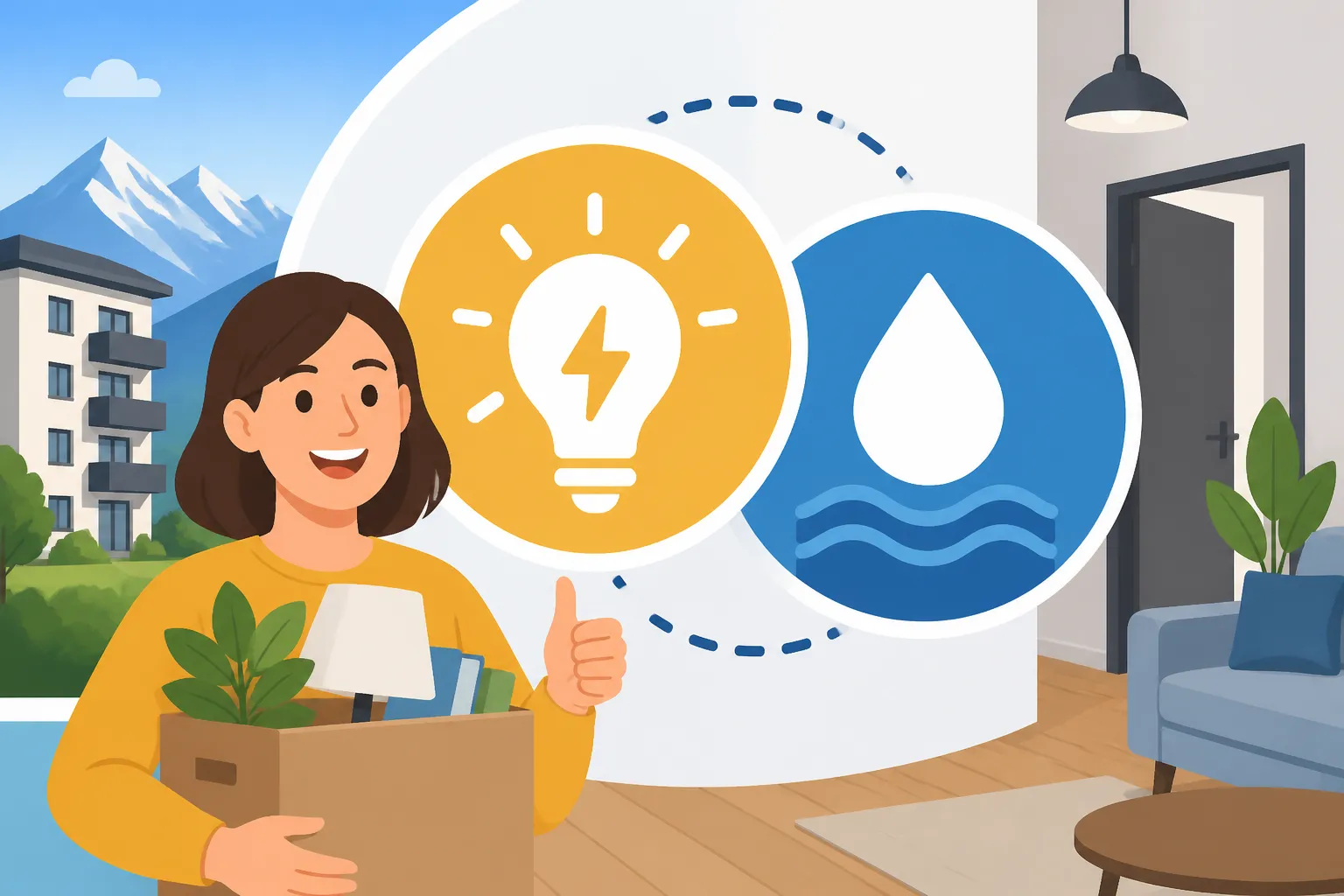
Stepping into your new Swiss apartment is exciting, but then the reality hits: how do you get the lights on and the water running in a new country? The Swiss utility system, while incredibly efficient, can feel like a labyrinth if you're not used to its local nuances. This guide will walk you through the nitty-gritty of setting up your electricity and water, helping you avoid those initial expat headaches and get comfortable in your new home.
The Swiss Utility Landscape: It's Not Like Home
One of the first things you'll realize when you move to Switzerland is that many things operate on a very local, communal level. Unlike some countries where you pick from a handful of national utility companies, here, your electricity and often your water are tied directly to your specific Gemeinde (municipality) or canton. This can be a bit disorienting because it means there isn't one universal process or company name. You can't just call "Swiss Power Co." and get everything sorted nationwide.
Imagine arriving in Zurich and expecting to sign up for electricity with a big national provider, only to find out you need to contact Elektrizitätswerk der Stadt Zürich (EWZ), which is primarily for the city. If you move just a few kilometers outside the city into a smaller municipality, you might have a completely different provider. This hyper-local approach extends to various aspects of daily life, and utilities are a prime example. The good news is that once you understand this, the process becomes clearer. It's about knowing who to contact in your specific location. Many expats find it really helpful to use relocation services, and platforms like Sirelo often provide region-specific information or connect you with experts who can help navigate these initial administrative hurdles.
Electricity: Your Power Provider
When it comes to electricity, your local municipality will usually have its own power company, or a regional one that serves several communities. This isn't a competitive market in the same way you might be used to; you typically don't get to choose your electricity provider. Your address dictates who supplies your power. The prices are regulated and set by your local provider, often with different tariffs for day and night usage. This distinction means that running your washing machine or dishwasher in the evening (after 8 PM, for example) or on weekends can sometimes be cheaper, though the difference might be negligible for smaller households.
Upon moving in, you're generally expected to register with this local electricity provider. Sometimes, if you've moved into a newly built apartment, the process might be slightly different, but for existing rentals, it’s a standard procedure. You’ll usually need to provide your personal details, your new address, and the date you moved in. They will then set up your account and start billing you. It’s always best to initiate this as soon as possible after receiving your keys to ensure continuous service and avoid any potential back-billing surprises.
Water: Often a No-Brainer
Good news on the water front: for most rental apartments in Switzerland, you don't actually need to "set up" your water. It's usually already connected and included as part of your Nebenkosten (ancillary costs) in your monthly rent. This means your landlord or the property management company handles the billing with the local water supplier, and you pay your share through your service charges. These Nebenkosten cover things like heating, hot water, waste disposal, and sometimes even communal cleaning, with a yearly reconciliation where you either pay extra or get a refund depending on actual consumption. It's a system that can take some getting used to, as you pay a flat rate each month and then get a big bill or refund once a year. Understanding these Nebenkosten Ancillary Costs Heating, Water, and Annual Adjustments is crucial for budgeting.
However, there are exceptions. If you're renting a house, or perhaps a very unique apartment directly from an individual owner, it's always wise to clarify whether water is indeed included or if you need to register separately. It's rare, but it does happen. In such cases, your water provider would also be your local municipal utility, just like electricity. Always double-check your rental contract; it should clearly state what's covered in your Nebenkosten.
Step-by-Step Setup: Getting Connected Without a Headache
Alright, let's get practical. You've got your keys, your boxes are (hopefully) unpacked, and now you need power. Don't worry, it's not as daunting as it first appears, especially once you know the steps. The biggest hurdle is often the initial identification of the correct provider and navigating the language, but help is out there.
Finding Your Local Provider
The first, and often trickiest, step is figuring out who your electricity provider is. As discussed, it's local. Here's how you can usually find this information:
- Ask Your Landlord or Property Management: This is by far the easiest and most reliable method. When you pick up your keys or after you've signed your lease, simply ask them directly: "Who is the electricity provider for this apartment, and how do I register?" They should be able to give you the name of the company or the relevant municipal department. They might even have a ready-made form or a website link.
- Check Previous Bills: If you have access to a previous tenant's Nebenkosten statement (unlikely, but sometimes a friendly landlord might provide a redacted sample), it could list the utility providers.
- Consult Your Gemeinde Website: Every Swiss municipality has a website, and most have a section dedicated to local services (Dienstleistungen), including utilities. Search for "Energieversorgung," "Strom," "Wasser," or "Elektrizitätswerk" for your specific town or city. For example, if you're in Bern, you'd look for Energie Wasser Bern (EWB). If you’re a new arrival, registering your address at the Kreisbüro or Gemeinde is one of the first things you do, and they can often point you in the right direction. Remember, Registering Your Address at the Kreisbüro Within 14 Days of Moving is mandatory!
- Look for Meter Readings: In your apartment building's basement or utility room, you might find electricity meters. Often, the utility company's logo or name will be visible on these meters or on notices posted nearby.
Once you have the name of your specific provider (e.g., EWZ in Zurich, SIG in Geneva, EWB in Bern, IBB Energie in Brugg), you can move on to registration.
The Registration Process
Once you've identified your provider, the registration process is usually quite streamlined. Most providers offer online registration through their website, which is often available in English or has browser translation options. If not, a quick call with a friend or a translation tool can help.
Here's a typical rundown of what you'll need and how it works:
-
Gather Your Information:
- Full Name and Date of Birth: As it appears on your ID.
- New Swiss Address: Including your apartment number if applicable.
- Move-In Date: The official start date of your rental contract.
- Meter Readings (Optional but Recommended): While often the landlord or previous tenant will provide these, taking a photo of the electricity meter(s) on your move-in day is a fantastic idea. It protects you from being billed for previous usage. Note down the numbers clearly.
- Previous Address (Optional): Sometimes required for continuity or if you're transferring within the same provider's service area.
- Bank Details: For direct debit (LSV/DD) or to set up eBill.
-
Choose Your Method:
- Online Registration: Most common and easiest. Go to the provider's website, navigate to "Anmeldung" (registration) or "Umzug" (move). Fill out the form.
- Email/Mail: Some still offer forms you can download, fill out, and send back.
- Phone Call: If you prefer to speak to someone, many utility companies have English-speaking staff, especially in larger cities. Be patient, as wait times can vary.
-
Confirmation and Billing:
- After successful registration, you'll receive a confirmation, usually by email or post. This will include your customer number and details about your tariff.
- Bills are typically sent quarterly or bi-monthly, often with an option for eBill through your Swiss banking portal. Setting up eBill is highly recommended as it simplifies payments and is very common in Switzerland.
- Initial bills are often based on estimated consumption, with adjustments made after an actual meter reading (usually annually).
Pro-Tip for New Arrivals: While your home internet might take a bit to set up, having data on your phone is essential for navigating these early administrative tasks. Consider getting a local SIM card or, for immediate connectivity, using an eSIM from a provider like Airalo. This ensures you can access websites, translate documents, and make calls without scrambling for Wi-Fi hotspots during your move.
Understanding Your Bills and Usage: No Surprises (Well, Fewer)
Swiss billing can be an eye-opener. It's precise, detailed, and sometimes includes components you might not recognize from back home. While electricity bills will come directly from your chosen provider, water charges are usually nestled within your Nebenkosten. Knowing what to look for can help demystify the process and allow you to budget more effectively. Remember, managing your Cost of Living in Switzerland 2026: Budgeting for Singles and Families requires understanding these expenses.
Deciphering the "Nebenkosten"
As mentioned, water is typically part of your Nebenkosten. Your landlord or property management will collect a fixed amount from you monthly, which is essentially an advance payment for various services and utilities. Once a year, usually around mid-year, you’ll receive the Nebenkostenabrechnung (ancillary cost statement). This document breaks down the actual costs for heating, hot water, cold water, general building electricity (for hallways, elevators), waste management, gardening, and sometimes even concierge services.
This annual statement will show your actual consumption and costs versus the advance payments you've made. If you used less, you get a refund. If you used more, you'll have to pay the difference. This can sometimes lead to a big surprise bill, so it’s important to be mindful of your energy and water usage, especially for heating and hot water. While you don't directly control the price of water, your consumption directly impacts your final bill. For more details on your tenancy, consult a comprehensive guide on Renting in Switzerland: The Complete 2027 Guide for Expats.
Meter Readings and Consumption
For electricity, the bills you receive will detail your consumption in kilowatt-hours (kWh). You'll typically see different charges for energy consumption itself, network usage (for transmitting the electricity), and various public levies or taxes. Many bills will also show you a comparison to previous periods or an average household, which can be helpful for monitoring your usage.
Meter readings are usually taken annually by a technician from your electricity provider. In some cases, you might be asked to submit your own meter reading online or via a postcard. It’s always good practice to keep a record of your meter readings, especially when you move in and out, or if you ever feel your bills seem unusually high. This way, you have your own data to cross-reference with the provider's records.
Here's a simplified table showing common bill components:
| Component | Description | How It's Billed |
|---|---|---|
| Electricity (Strom) | ||
| Energy Consumption | Cost for the actual electricity you use (kWh). | Direct from electricity provider (e.g., EWZ, SIG, EWB) |
| Network Usage | Cost for using the electricity grid infrastructure. | Direct from electricity provider |
| Public Levies/Taxes | Government-mandated charges for environmental funds, renewables. | Direct from electricity provider |
| Water (Wasser) | ||
| Cold Water Consumption | Cost for the cold water used. | Via Nebenkosten from landlord/property management |
| Hot Water Consumption | Cost for heating the water (tied to heating system). | Via Nebenkosten from landlord/property management |
| Wastewater/Sewage | Charges for treating your used water. | Via Nebenkosten from landlord/property management |
| Heating (Heizung) | ||
| Heating Energy | Cost for the fuel (oil, gas, district heating) used to heat the building. | Via Nebenkosten from landlord/property management |
| Heating Operation Costs | Maintenance, cleaning, etc., for the heating system. | Via Nebenkosten from landlord/property management |
Practical Tips and What to Watch Out For
Moving countries is always a whirlwind, and sorting out utilities is just one of many tasks. A little preparation and awareness can save you a lot of grief. From the moment you pick up those keys to the day you eventually move out, there are specific Swiss norms to keep in mind.
Moving In and Out: The Handover Protocol
The Wohnungsübergabe (apartment handover) is a sacred ritual in Switzerland, especially when moving in and out. This detailed inspection with your landlord or property manager will cover every scratch and smudge. When you move in, make sure to:
- Document Meter Readings: As mentioned, take clear photos of all utility meters (electricity, hot water, cold water if separate) on the day you receive the keys. Ensure the date is visible if possible, or note it down meticulously in the handover protocol (Übergabeprotokoll). This protects you from being charged for the previous tenant's usage.
- Inspect Everything: Test all light switches, faucets, and appliances. Note anything not working or any existing damages directly in the handover protocol.
- Confirm Utility Status: Explicitly ask if electricity is registered in your name and how water and heating are billed.
When you eventually move out, the process is reversed. You’ll need to schedule a final meter reading and deregister from your electricity provider (usually online or by phone). Again, a thorough Swiss Apartment Handovers Wohnungsübergabe Protocols and Deposits guide will be invaluable. Don't forget to forward your mail with Swiss Post!
Green Energy Options and Tariffs
Switzerland is quite environmentally conscious, and many electricity providers offer "green" energy tariffs. These often come at a slightly higher premium but ensure your electricity comes from renewable sources like hydro, solar, or wind power. When you register, you might be given the option to choose a standard tariff or a "grüner Strom" (green electricity) option.
It's worth exploring this, not just for your carbon footprint but also to understand the full range of services your local provider offers. Some also have tiered pricing based on time of day (day/night tariffs), so if you're working from home or have flexible schedules, you might be able to shift high-energy tasks to off-peak hours to save a few francs. While the price difference might not be massive, every little bit helps in a country known for its high cost of living.
Here's a quick checklist for your move-in utility setup:
- Find Electricity Provider: Ask landlord, check Gemeinde website, or look at meters.
- Register for Electricity: Online, email, or phone.
- Provide Key Info: Name, address, move-in date, (optional) meter reading.
- Confirm Water Billing: Is it in Nebenkosten? (Almost always, but confirm).
- Document Everything: Photos of meters, notes on handover protocol.
- Set up eBill: For easier payment of future utility bills.
- Stay Connected: Use an eSIM (like Airalo) for initial phone data if home internet isn't immediately available.
- Understand Nebenkosten: Prepare for annual reconciliation.
- Check Green Options: Explore sustainable electricity tariffs if available.
Navigating utilities in Switzerland can seem like another bureaucratic hurdle, but by understanding the local system and knowing who to ask, you'll have your lights on and water running smoothly in no time. It's all part of the grand expat adventure in this beautiful country! Don't forget to understand other local quirks, such as Swiss Everyday Rules: Recycling, Quiet Hours, and Neighborhood Etiquette.
Disclaimer
The information provided in this guide is for general informational purposes only and does not constitute professional advice. While we strive to provide accurate and up-to-date information, utility regulations, pricing, and specific procedures can vary significantly by canton and municipality in Switzerland and may change over time. Always verify information directly with your specific local utility provider, landlord, or a qualified relocation expert. We cannot be held responsible for any errors or omissions, or for any actions taken based on the information provided here.